Art
New Heroes and New Forms of the Body: The Мүсіндер Exhibition at Almaty Museum of Arts
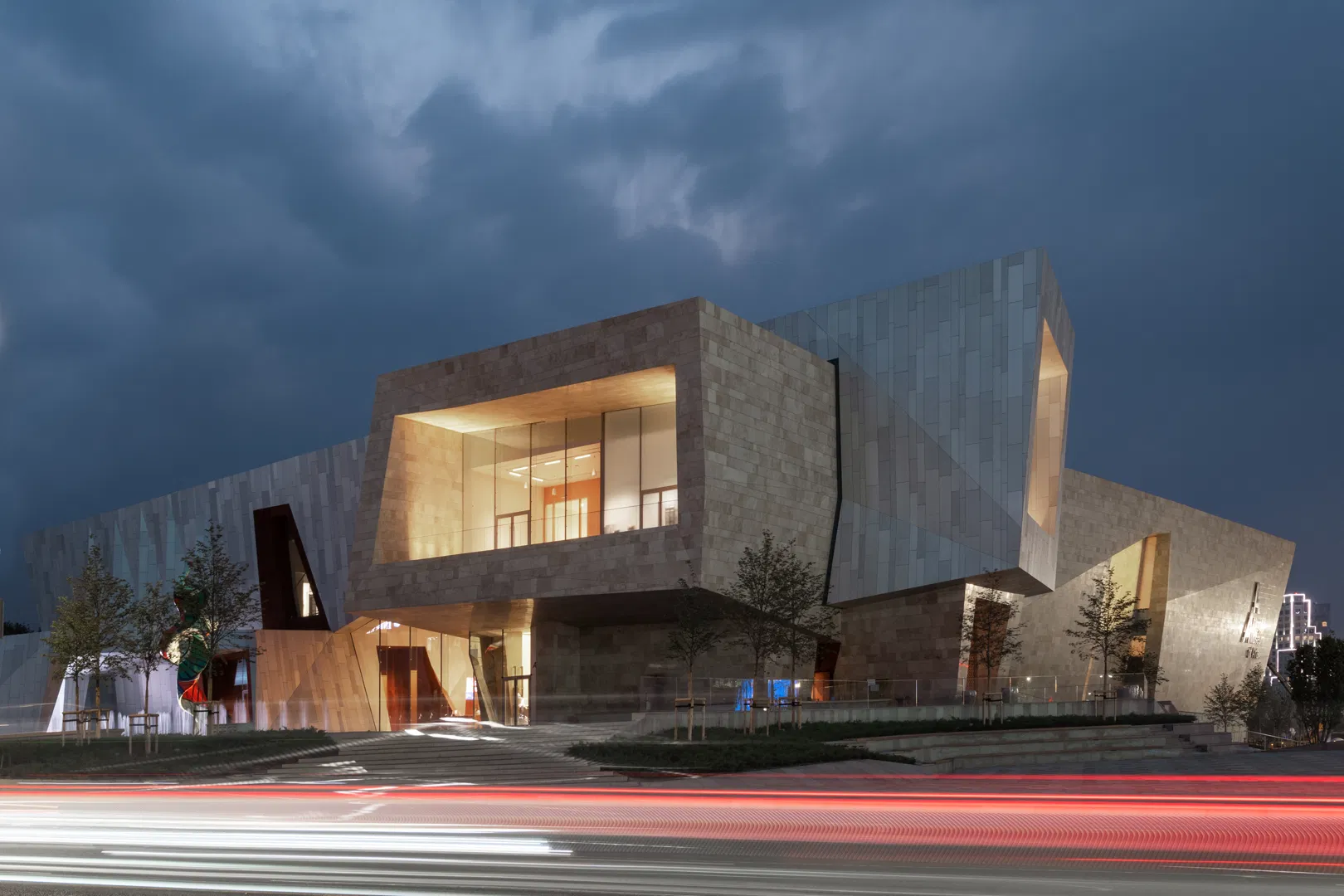
Can 70 years of a country’s history be captured in a single artistic form? Almaty Museum of Arts shows that it can. On 8 September, the museum opened its new exhibition, Мүсіндер, bringing together examples of Kazakh sculpture from the 1950s to the present day. In autumn 2026, the museum is celebrating its first anniversary, and with the support of Atasu Group, it has launched a genuinely intriguing project.
Мүсіндер is the kind of exhibition where every visitor is likely to find something that speaks to them. There are academic examples of sculpture from the Soviet period, more avant-garde works from the early years of independent Kazakhstan, and very recent pieces created especially for this exhibition. The exhibition features 54 works by 40 artists, including some truly iconic names.
The exhibition is divided into four thematic sections: A Play of Opposites?, Family and the Bond of Generations, History and Myth-Making, and The Body and Society: Acceptance or Confrontation. The last of these is particularly significant, given that the Kazakh word мүсін translates not only as “sculpture”, but also as “figure”, particularly a human figure. This is why the body features so prominently throughout the exhibition: there are full-length sculptures of people, busts, individual parts of the body, and even the complete absence of a body.
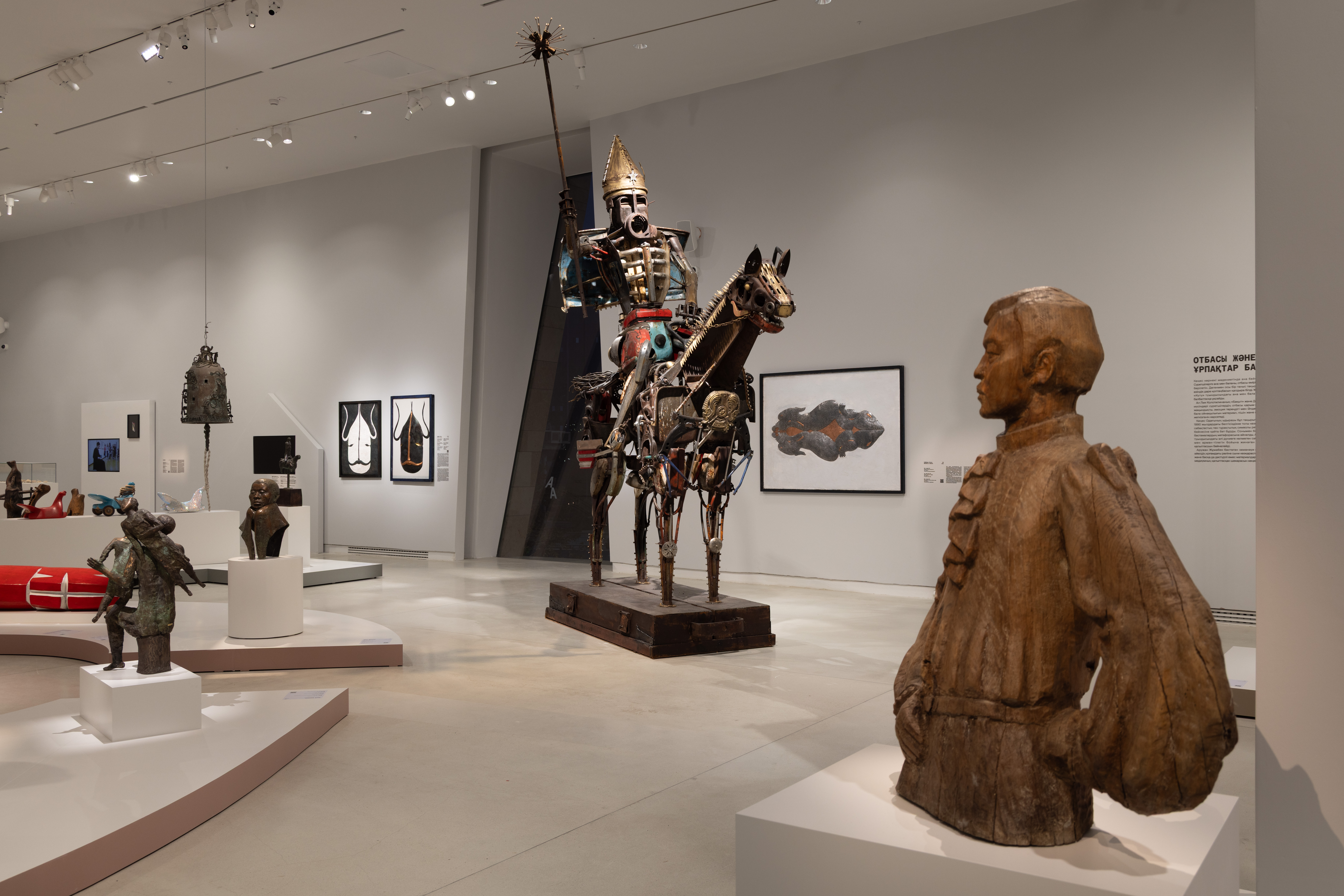
Chronologically, the exhibition begins with A Play of Opposites?, the most traditional of the four sections. Here you can see some of the greatest sons of Kazakhstan: writer and playwright Mukhtar Auezov, writer and revolutionary Saken Seifullin, and actor and director Asanali Ashimov. And right alongside them is a truly extraordinary work by Yerkin Mergenov, created back in 1977 and never exhibited since it was made: Lenin's head atop a one-metre metal pole.
 Source: Press Service of Almaty Museum of Arts
This section also makes room for some of the pioneers of Kazakh sculpture, including Khakimzhan Nauryzbaev, the first professional Kazakh sculptor, as well as Liya Kolotilina and Zoya Beregova, among the first women sculptors in Kazakhstan.
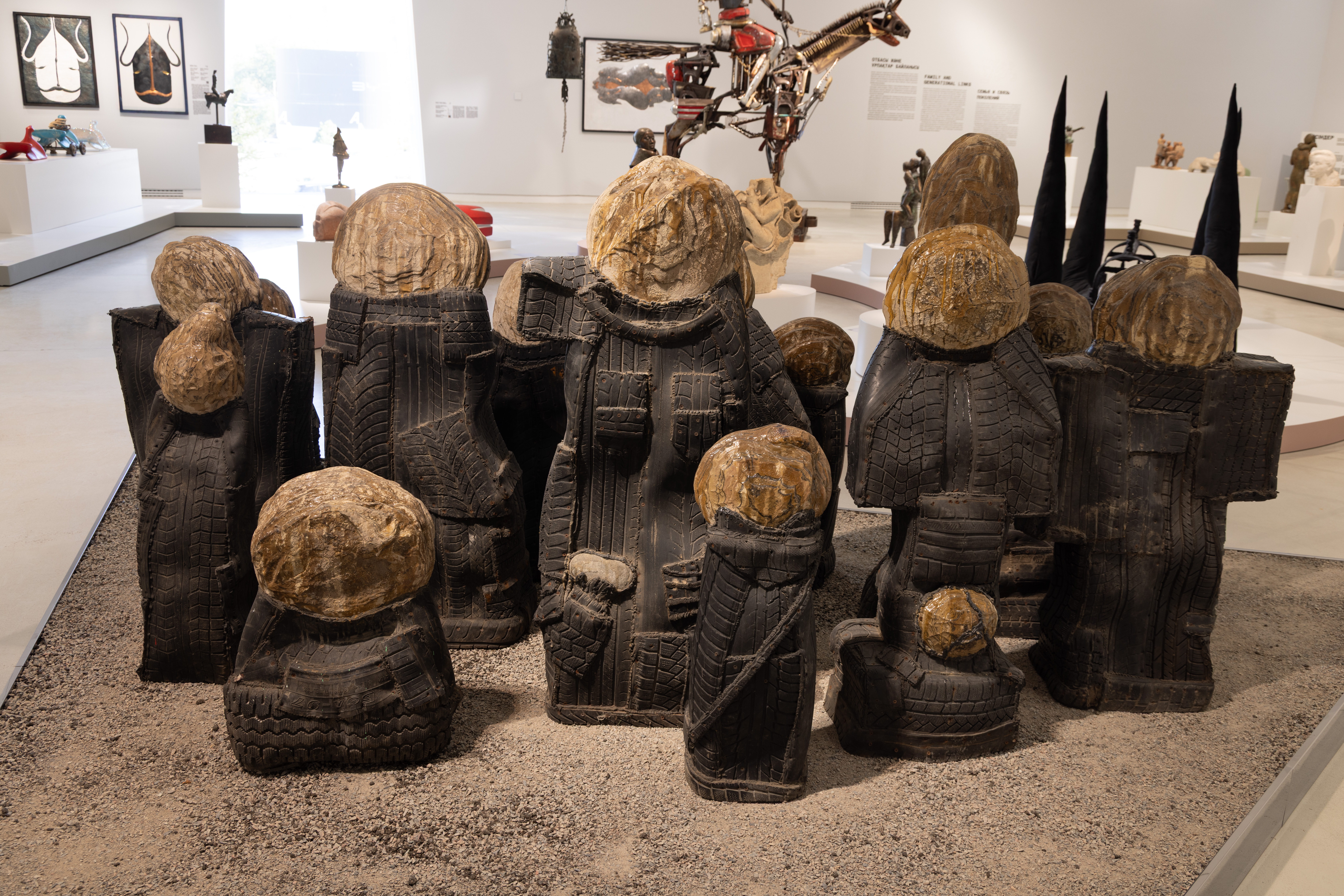
The exhibition then flows naturally into History and Myth-Making. The renaming of streets, the changing of heroes and the search for new figures worthy of celebration are among the themes explored by almost every work in this section. The heroic element is particularly prominent. There are Moldakul Narymbetov's balbals made from car tyres and stones, Georgy Tryakin-Bukharov's enormous and unsettling Pharaoh on Horseback, and Yerbossyn Meldibekov's Monument to the Unknown Hero: the legs of a horse without a body, which became the exhibition's poster image.
 Source: Press Service of Almaty Museum of Arts
Said Atabekov’s triptych of saddles fits perfectly into this theme of batyrs and horses. It consists of two saddles in an American style and a third completely covered in rhinestones. It is an ironic take on our fondness for things that are expensive, lavish and “Western”. Incidentally, Atabekov, like the aforementioned Moldakul Narymbetov, is a member of Kyzyl Traktor, the iconic art group and one of the founding forces behind contemporary art in Kazakhstan.
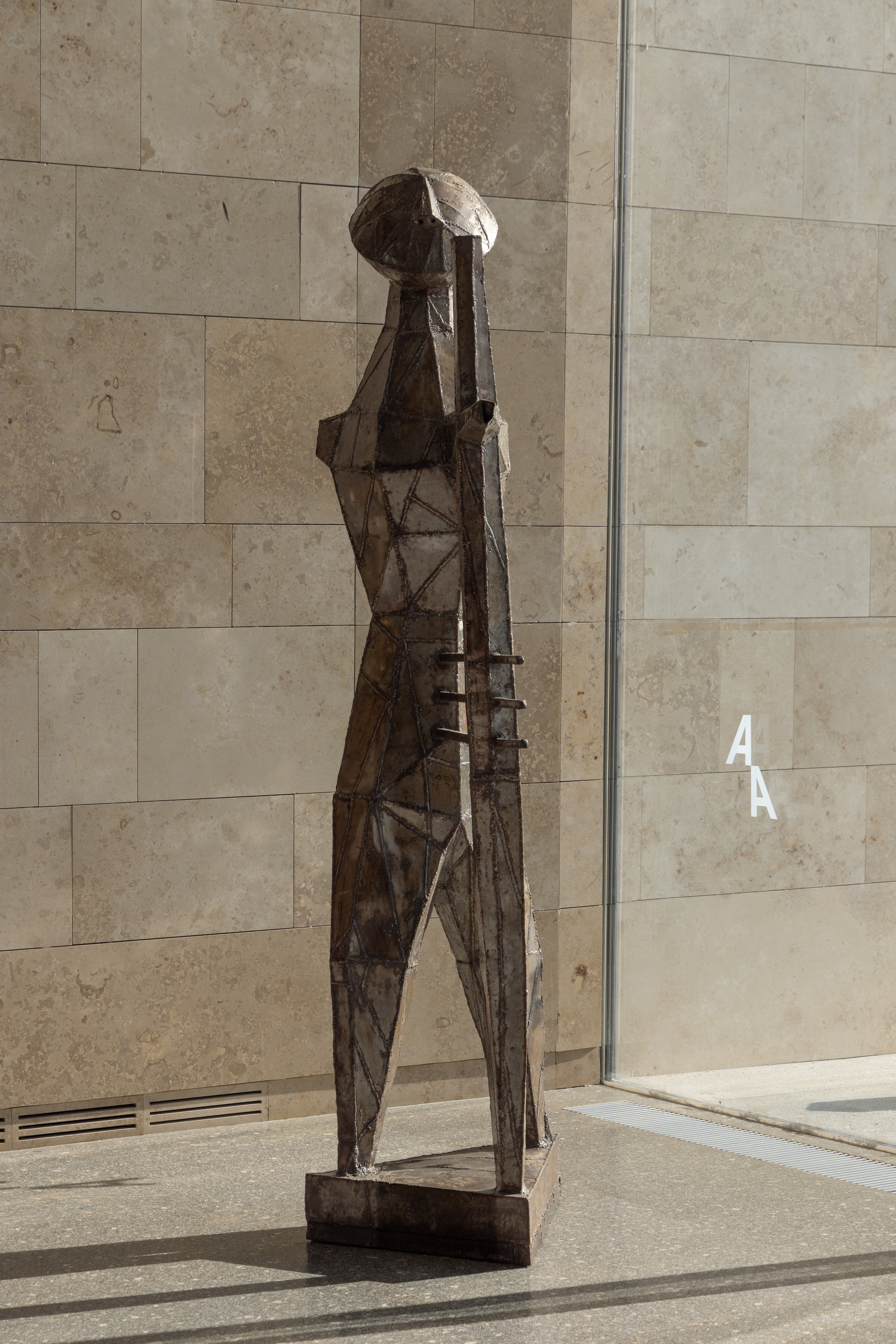
Family and the Bond of Generations is symbolically located at the very centre of the exhibition. It brings together sculptures exploring family, motherhood and childhood, including both fairly traditional depictions of women and much less conventional works. One example is Askar Yessenbayev’s wooden embryo, created together with Almagul Menlibayeva. Resembling a small pharaoh’s tomb, the work, created in 1995, emphasises the symbolism of the birth not only of life, but also of a new country, Kazakhstan, which was only a few years old at the time.
 Source: Press Service of Almaty Museum of Arts
However, Мүсіндер is not concerned only with physical sculpture. It also expands the very definition of what sculpture can be. Take, for example, Aida Adilbek’s video-recorded performance JEZTYRNAQ. In Kazakh folklore, Zheztyrnak is a terrifying witch whose power lies in her metal claws. The artist fashioned such claws for herself and then cuts them off in the video. Next to the screen is a display case containing the claws themselves. Removed from the context of the performance, they also read as an allusion to the country’s resource-extraction economy.
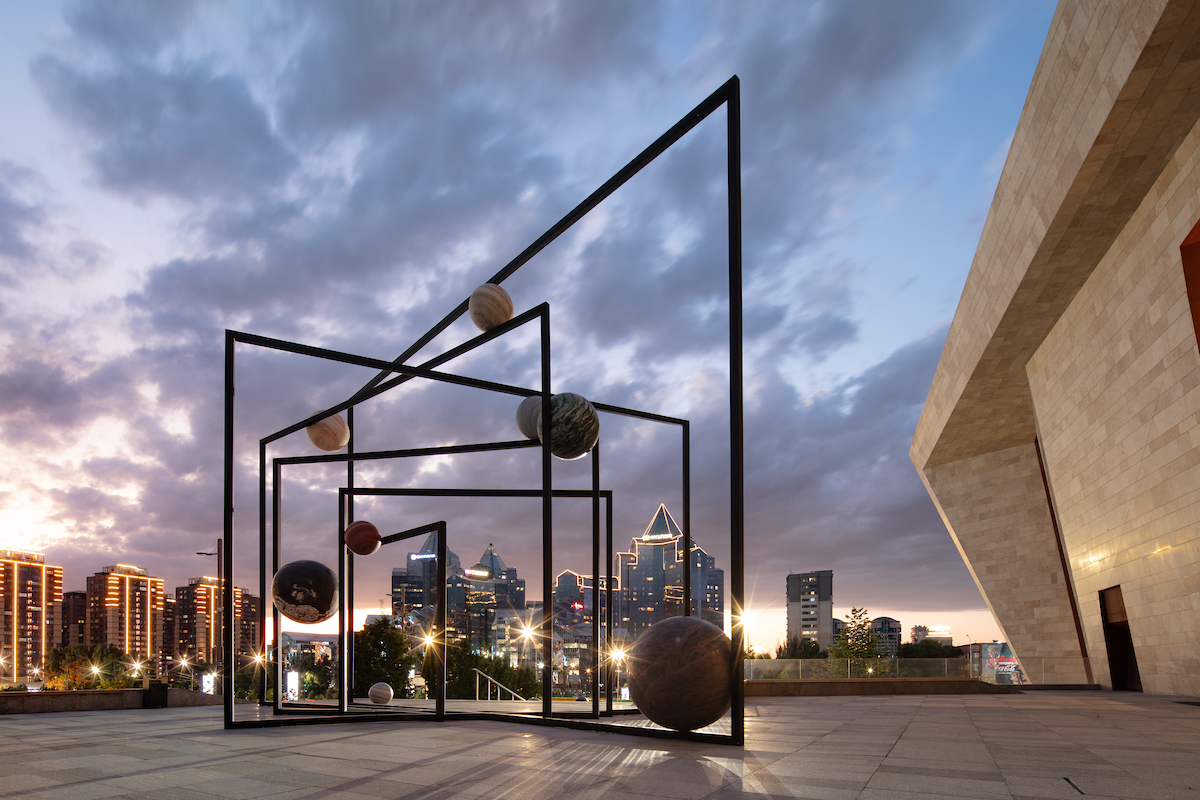
The neighbouring wall features a reproduction of the lost work Zero Level. Clay Project by a group of artists led by Rustam Khalfin. It was a full-scale building, with each part made in the form of a different part of the human body. The work survives as a series of photographs that document the strange structure in detail, preserving it as a memory.
 Source: Press Service of Almaty Museum of Arts
Opposite it is another work, Zoya Falkova’s famous Evermust, a boxing punchbag shaped like a woman’s torso. The original is held at the Museu de l’Art Prohibit in Barcelona. The work explores boundaries and domestic violence. There is even a story that at one of the previous exhibitions, a visitor simply could not resist and actually punched the bag.
The exhibition also makes use of euphemism. Madina Zholdybek’s As Bolsyn, for example, consists of manti at different stages of preparation, from rolled-out dough to fully formed dumplings. Their shapes clearly suggest female genitalia. The work offers an eloquent metaphor for the idea that every family has its own way of making manti, passed down by women from generation to generation.
 Source: Press Service of Almaty Museum of Arts
Although Мүсіндер occupies just one room at the museum, it has proved remarkably representative. The exhibition will be open until May 2027.
Newsletter
A letter from the HD editors
Once a week, we send the best stories, events, and cultural discoveries from Central Asia.