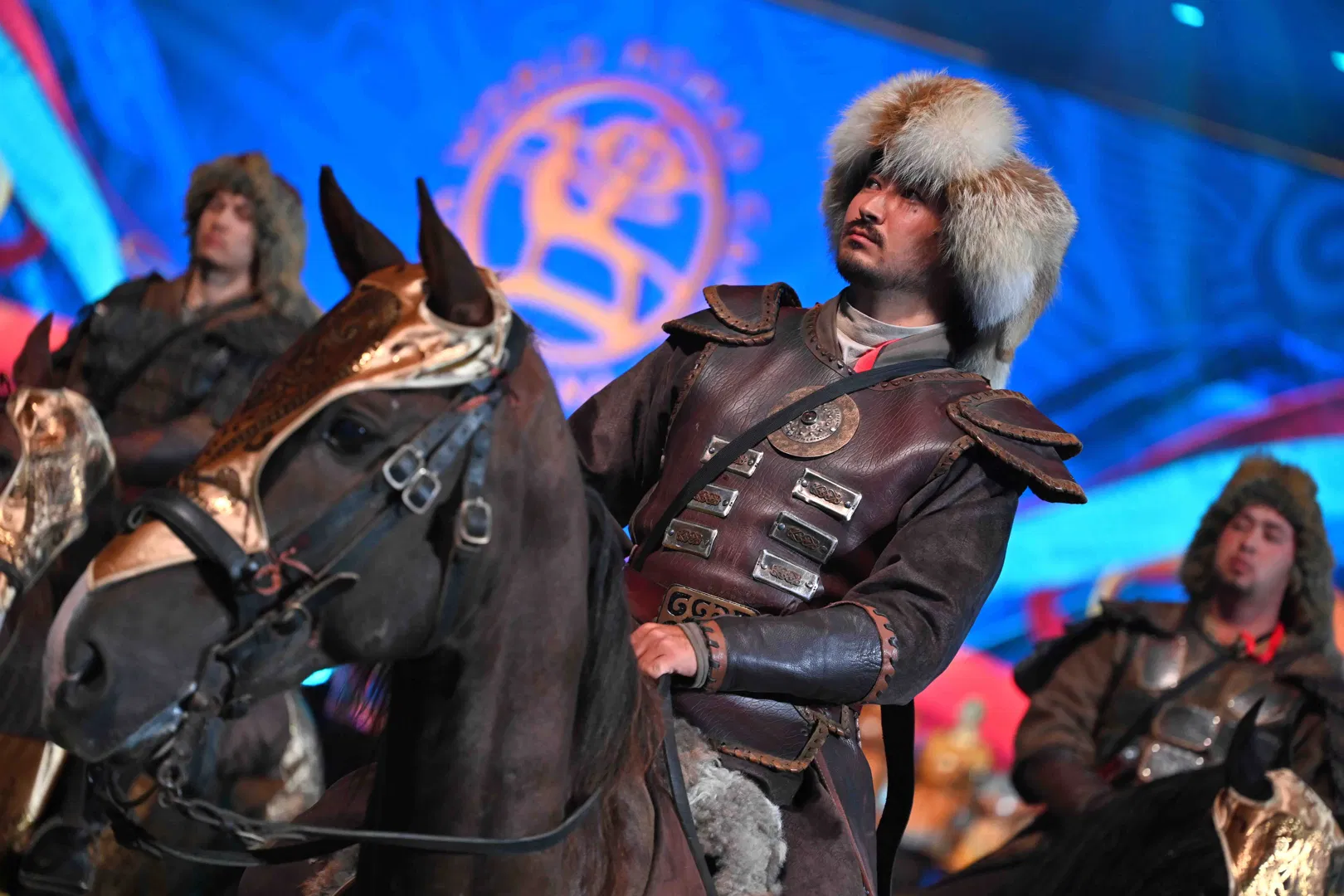
The sixth World Nomad Games took place in Kyrgyzstan. Almost three thousand participants from more than a hundred countries came to compete in traditional sports: wrestling, archery, equestrian events, kok-boru, tug of war, togyzkumalak and a dozen other disciplines.
Bishkek. First there was history
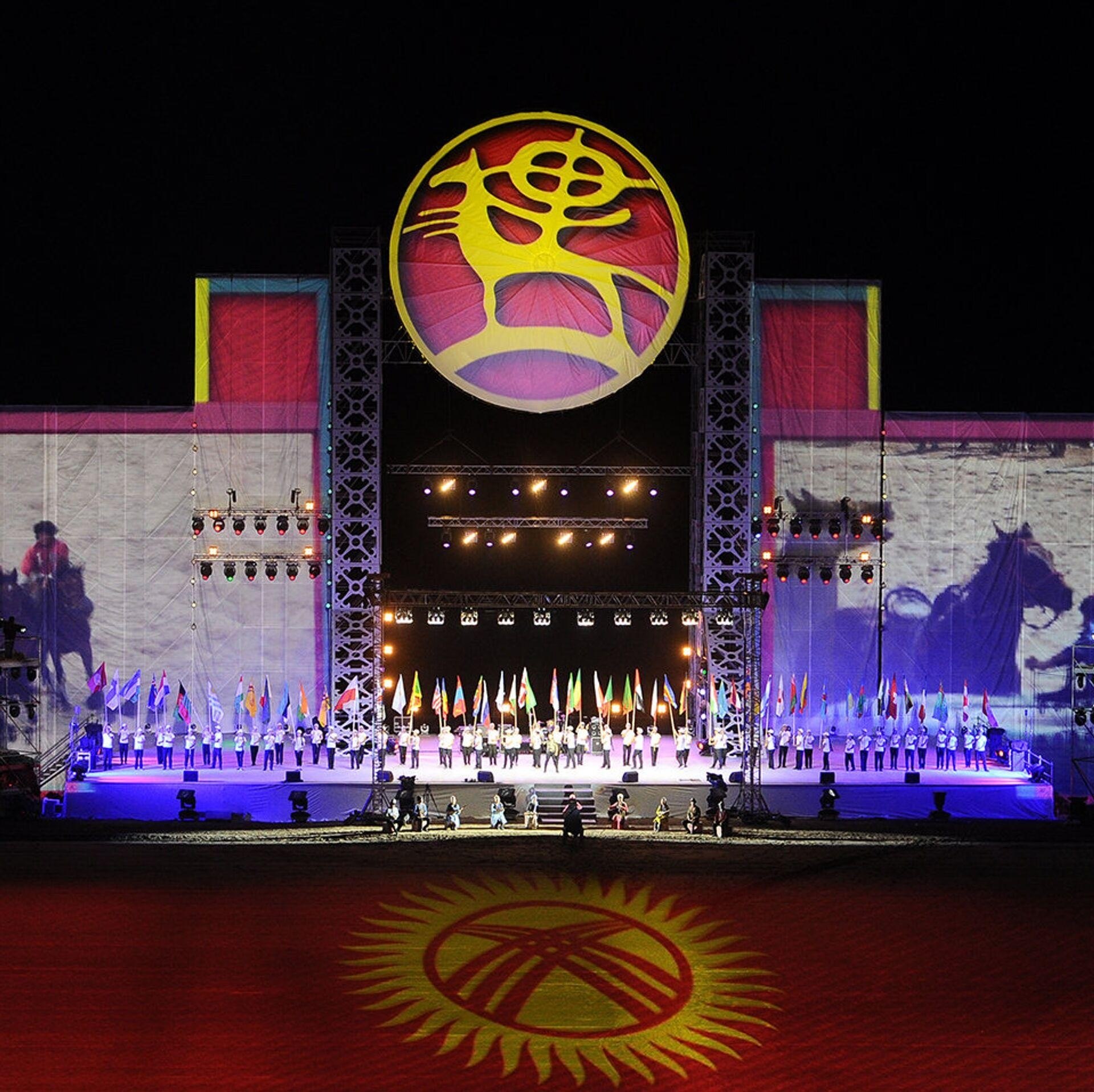
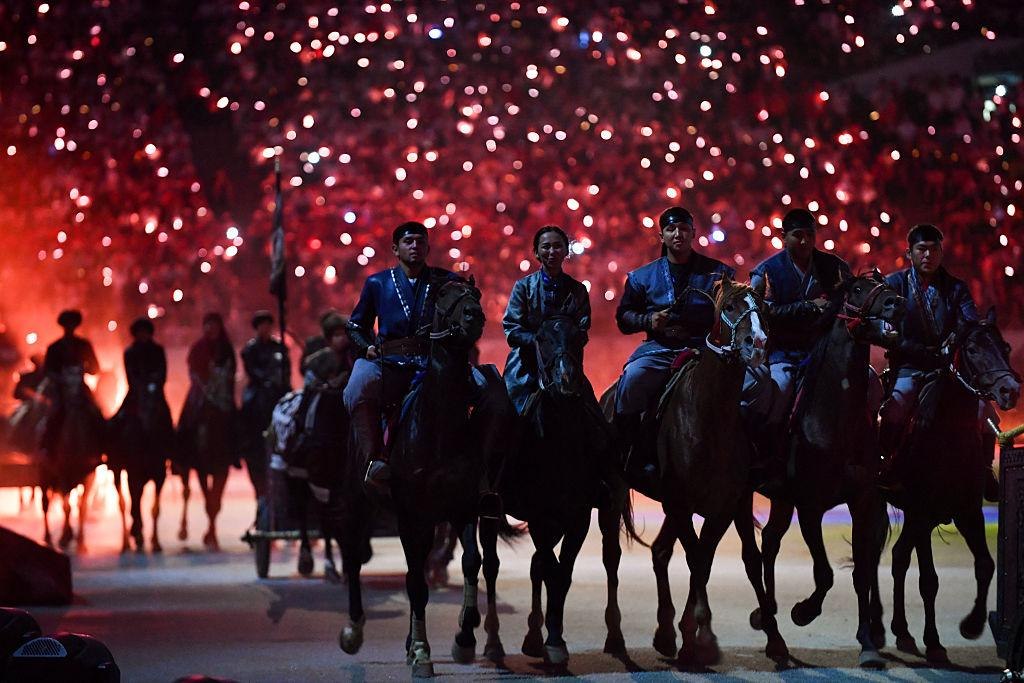
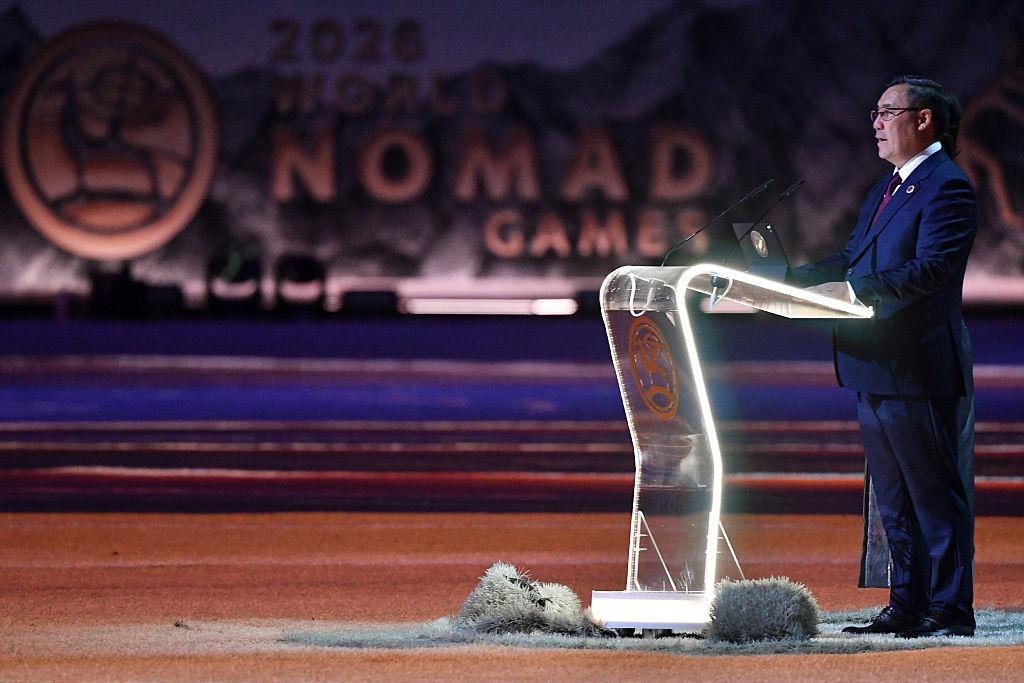
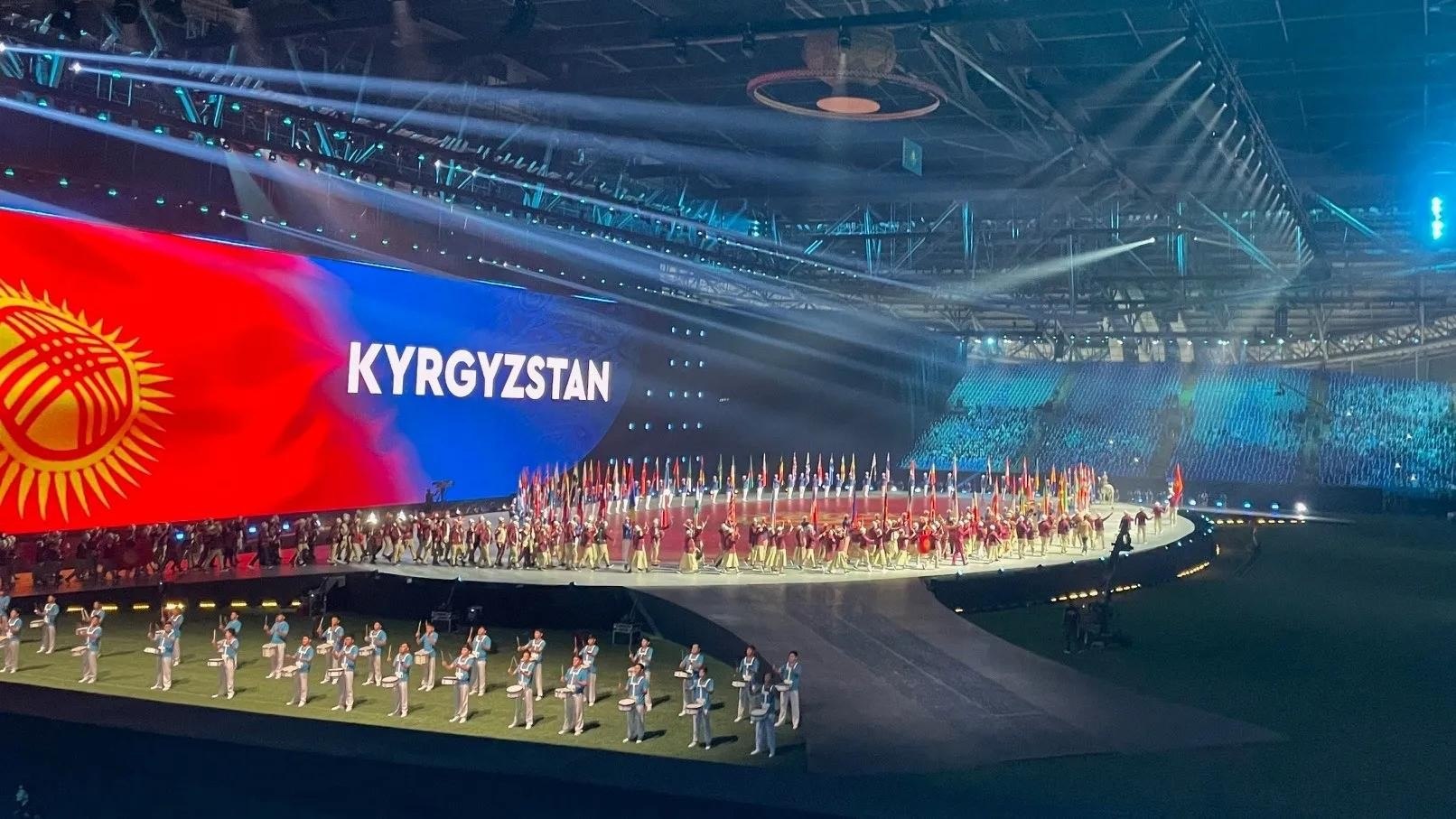
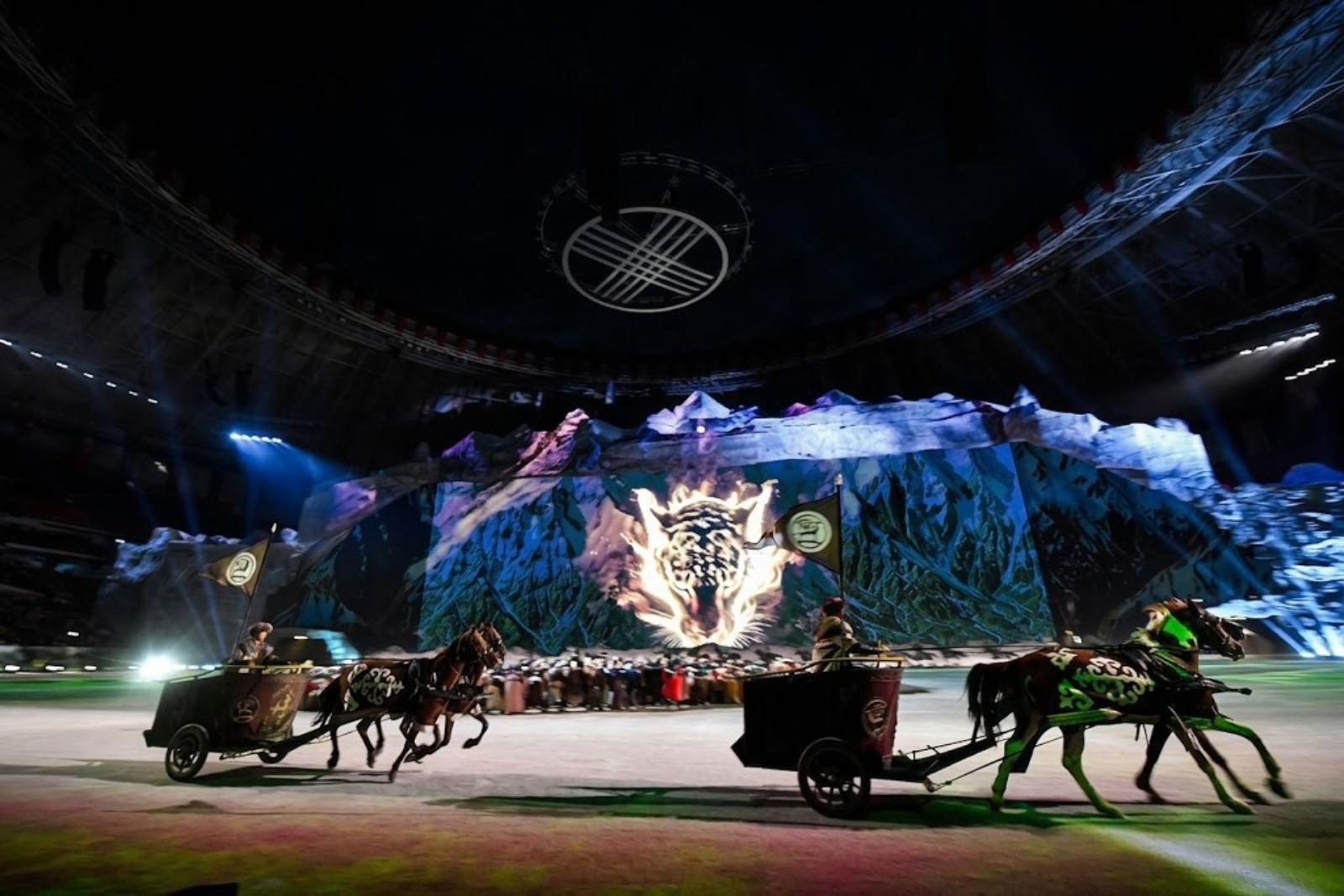
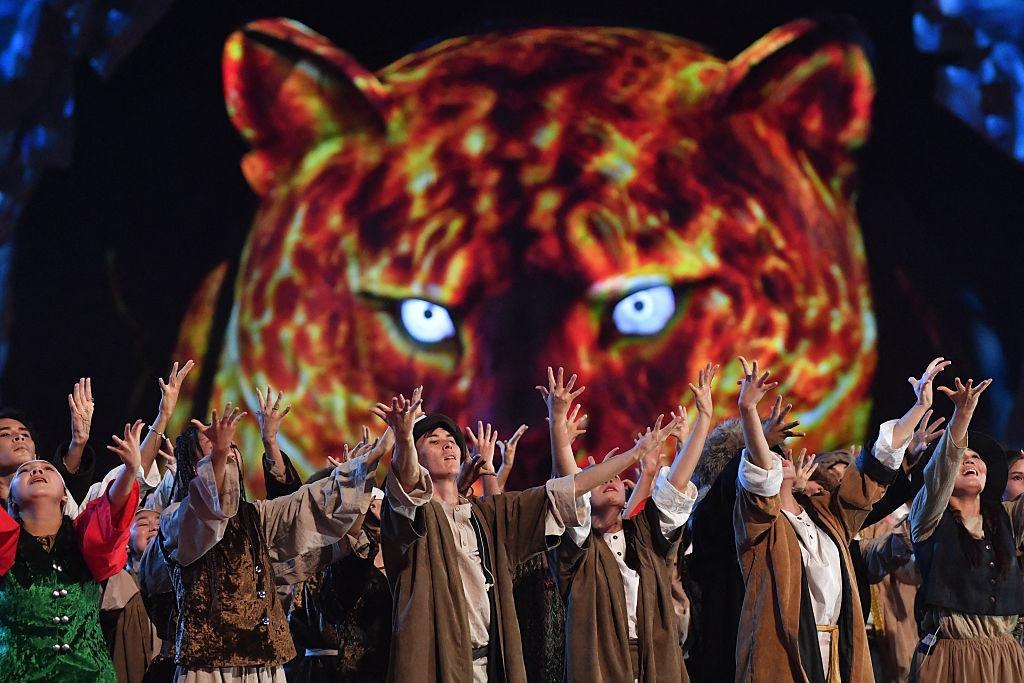
It all began with a grand opening in Bishkek. The ceremony immediately set the tone for the entire event: horsemen, jigitovka participants and dance ensembles appeared on the field. Large-scale productions told the story of Kyrgyzstan's centuries-old history, following one another to music, light and fire effects.
The show was spectacular, but behind all this contemporary stagecraft lay the main thing: national culture.
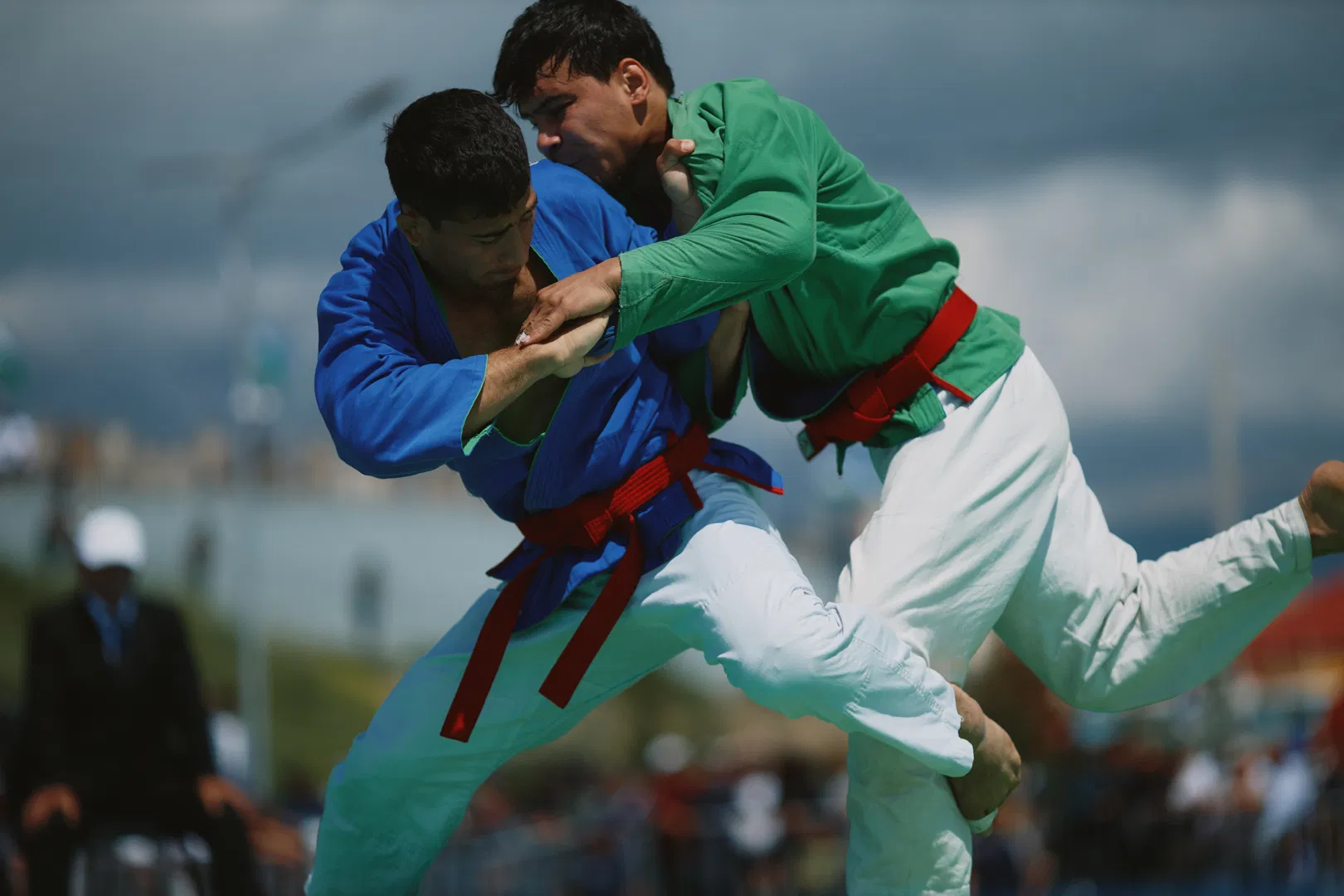
At the World Nomad Games, it is generally difficult to draw a clear line between sport, tradition and history. Wrestling, archery and equestrian games were once not entertainment for specially trained athletes. These skills might be needed by a person in everyday life.
Here they were simply brought onto a modern sports arena.
After the opening, history gave way to competition, and the Games themselves moved to Issyk-Kul.
 Source: Press Service of the President of the Republic of Azerbaijan / Wikimedia Commons
Cholpon-Ata. Here there was no time for ceremonies
In Cholpon-Ata, competitions took place at the hippodrome, in sports complexes, at the Rukh Ordo centre and at other venues.
From the stands, spectators desperately cheered for "their own". After a successful bout or a winning race they leapt from their seats, and after a defeat they sank into despondency. Passions ran high…
At Rukh Ordo, dozens of traditional instruments resounded, and creative gatherings and cultural programmes took place. An unusual juxtaposition emerged: in one venue people were determining who was stronger and more precise, while nearby other participants were trying to preserve and showcase what they had inherited from their ancestors.
Members of the famous Yakut ethno-group "Aiarhaan" called this complex a unique space where history, culture and the beauty of Issyk-Kul came together. During the Games, musicians from various countries indeed gathered here.
But the most vivid events lay ahead.
Read about how the World Nomad Games were created in our interview with Maksat Chaki:
Games That Have Outgrown Their PastThe World Nomad Games have evolved from national games into an international system of ethnosport. They began as a bold local experiment, and today they aspire to become a global cultural and sporting platform. What needs to happen next to ensure that the traditional element does not dissolve into a festival spectacle, but instead develops into a global industry in its own right?mag.humodoc.com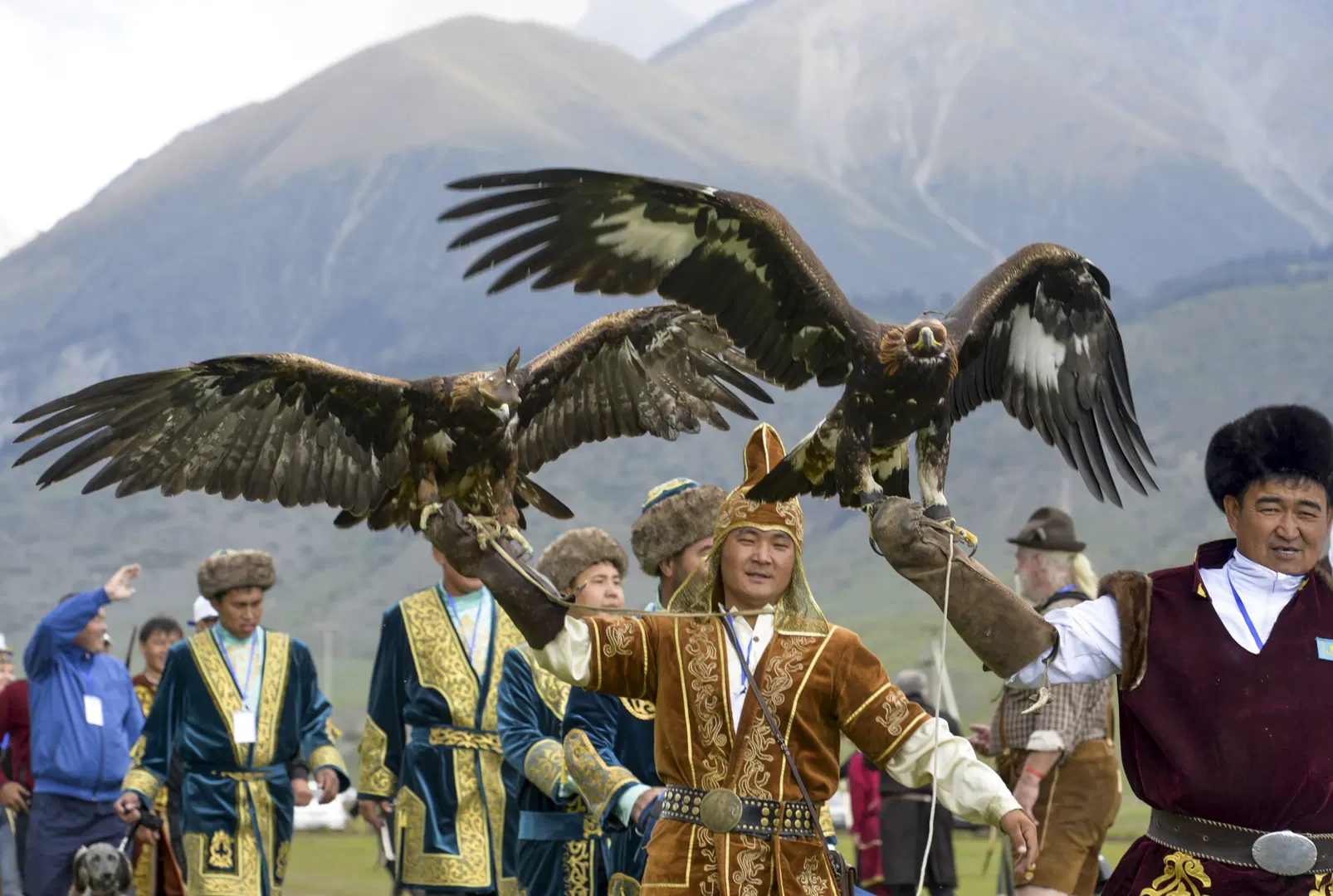
Kyrchyn — a medieval city in the 21st century
If Cholpon-Ata was the sporting part of the Games, then Kyrchyn became their soul.
A veritable ethno-town grew up in the valley — nearly two hundred yurts, market rows, craft workshops and venues dedicated to different regions and peoples.
 Source: Press Service of the President of the Republic of Azerbaijan / Wikimedia Commons
Beyond the gates of the settlement, another world began. Here clothing, jewellery, tableware, items made of wood, metal and felt, bags, carpets, bracelets and rings were sold, most of them handmade.
National venues followed one after another: somewhere people were singing, nearby others played traditional instruments and danced. From the pavilions with national cuisine drifted the aromas of kuurdak, plov, manti and samsa. And walking past, judging by all appearances, was far harder than it might seem.
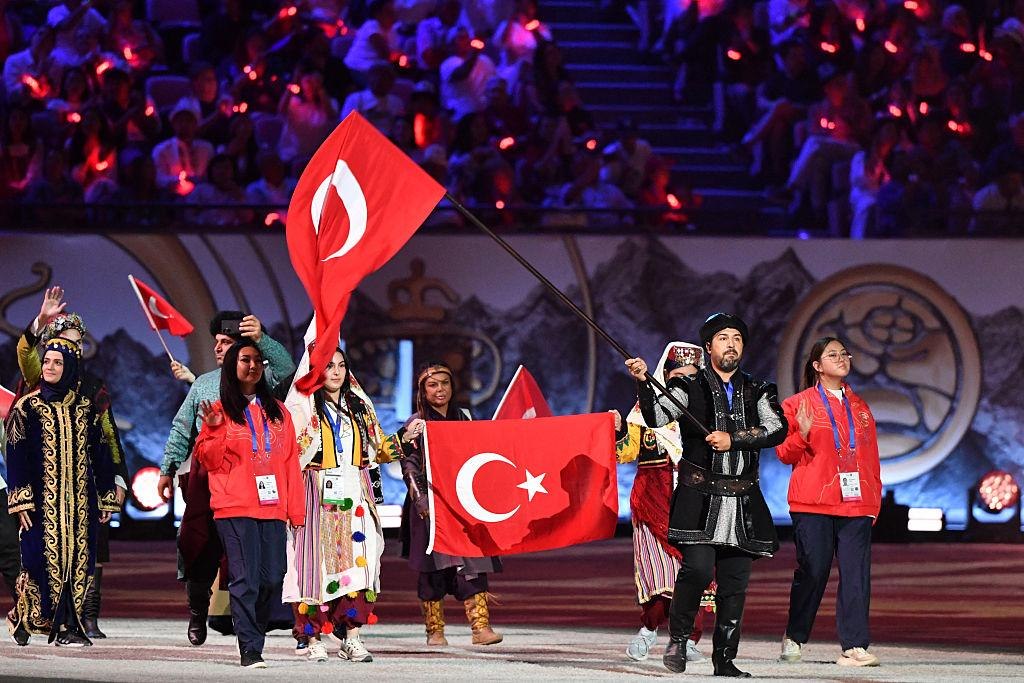
Kyrchyn was not confined exclusively to Kyrgyz culture. Ukrainian and Mongolian speech could be heard here, and Tatar, Azerbaijani and Crimean Tatar traditions were represented.
At the centre of the Belarusian diaspora, the "Svitanok" ensemble performed. The Ukrainian venue told of the culture of Ukrainians in Kyrgyzstan. Representatives of the Tatar community spoke about preserving language and traditions.
And all of this coexisted harmoniously. According to the organisers, in just three days the ethno-town was visited by around two hundred thousand people.
 Source: Press Service of the President of the Republic of Azerbaijan / Wikimedia Commons
A carpet for 35 thousand dollars
One of the participants in this great market was Kazakh craftswoman Madina Sakenova. She brought a collection of her works to Kyrchyn.
Two of them — a saukele and felt earrings — were purchased by the First Lady of Kyrgyzstan, Aigul Japarova. Moreover, Madina herself initially wanted to give them to her, but the son of the President of Kyrgyzstan accompanying Aigul Japarova handed the craftswoman money with the words: "For your work."
The story with gifts did not end there.
One of the Kyrgyz masters offered the First Lady a handmade carpet adorned with semi-precious stones. Twelve craftsmen from Afghanistan, India and Turkey had worked on it for more than two years.
The price matched the scale of the work — around 35 thousand dollars — but Aigul Japarova, thanking the master, declined the gift.
 Source: Press Service of the President of the Republic of Azerbaijan / Wikimedia Commons
In general, judging by the video, her appearance at the market looked quite ordinary. She walked between the market rows, talked with vendors, examined the wares. Without the feeling of a specially organised presidential photo shoot. Simply a shopper among other visitors. Nearby were children helping to translate conversations with foreigners.
When the spectator ceases to be a spectator
The most interesting thing in Kyrchyn, however, was happening not in the market rows. The ethno-town was divided by regions of Kyrgyzstan, where each venue had its own programme.
At one of them, Kadyrbek Omuraliev from Jalal-Abad region performed — a master of playing the shaldyrak and asa-tayak. His performance quite quickly ceased to be merely a musical number.
The instrumentalist fired up the audience, spectators joined in, some began to sing along, others to move in time. Videos of the virtuoso quickly spread across social media.
And then in the neighbouring pavilion an Andijan polka struck up. And at that moment the boundary between stage and auditorium vanished: Uzbeks, Uyghurs, Tatars, Ukrainians, Americans, English, Hungarians danced. Some tried to repeat the movements, others moved on to the waltz and hopak, still others launched into the kara jorga.
No one was particularly worried about choreography. And why should they be? It is precisely such moments that linger in the memory longer than official ceremonies.
 Source: Press Service of the President of the Republic of Azerbaijan / Wikimedia Commons
There was sport after all
At the same time, no one intended to turn the World Nomad Games into nothing more than a grand ethnic festival.
On the sports grounds, everything was entirely serious — nerves, excitement, disputes, victories and defeats.
The Kazakhstani team performed successfully. The athletes won 74 medals — 32 gold, 20 silver and 22 bronze. Kazakhstanis led in audaryspak, zhamby atu, kazakh kuresi, traditional archery, arm wrestling, tug of war, togyzkumalak, mangala and other disciplines.
Kazakhstanis performed especially well in tug of war: three gold medals in three categories — 8×8, 4×4 and 1×1.
One of the heroes was Kazakhstani Meiyir Rakhmetkaliyev from Ridder. In the individual tug of war, he drew a 190-kilogram opponent from Iran who had gone without a single defeat.
Meiyir himself barely reaches 110 kilograms.
The difference looked colossal. But the colossus could not withstand our horseman's will to win. Despite all his efforts, digging his feet into the ground and leaving a furrow in it, the Iranian still slid towards his own defeat and the Kazakhstani's triumph amid loud applause from the spectators.
 Source: Press Service of the President of the Republic of Azerbaijan / Wikimedia Commons
But if tug of war became almost a territory without defeats for Kazakhstan, then in equestrian sports everything turned out to be more complicated.
In baige, Kazakhstanis once again showed themselves brilliantly, taking the entire podium of honour.
However, in the kok-boru final, the hosts of the Games crushed Kazakhstan 12:0. In the kokpar final, Kyrgyzstan also proved stronger — 7:2.
The story of one arrow
No less dramatic was the final of the women's 60-metre archery competition at the Puta target.
The gold-medal bout brought together Kyrgyzstani Asel Sadyrova — one of the most decorated participants of the World Nomad Games — and 51-year-old teacher from Kazakhstan Ayash Kabdolla.
Asel Sadyrova has been a medallist at the World Nomad Games four times. In 2016 she won bronze, in 2018 gold, and in 2022 she added two bronzes to her tally: one in the individual competition and one in team archery. In 2024 in Kazakhstan she took silver and bronze.
Beyond the World Nomad Games, Sadyrova has repeatedly taken podium places at other international tournaments. She has gold from the International Archery Competition for the Fatih Cup, where athletes from more than 70 countries competed for victory, as well as gold at the Islamic Games. At the Kurultai of Turkic Peoples in Hungary she once again claimed the top prize.
Her rival Ayash Kabdolla came to the sport only two years ago. One could say, by chance.
Her husband suggested she compete alongside him at the regional championships. That is how her sporting career began. A primary school teacher with thirty years of experience began training under the guidance of her daughter-in-law Azhar Rakhmetkyzy.
And now she faced one of the most decorated archers in the competition. However, experience does not always prove stronger than desire — Ayash proved more accurate and hit the target better than her renowned rival.
After the victory she burst into tears. Her daughter-in-law and coach Azhar also could not hold back tears of joy, while the spectators around applauded. At that moment it no longer mattered how many medals this or that country had won.
Incidentally, 196 athletes from 52 countries took part in the traditional archery tournament. But what will most likely remain in the memory is not that figure.
What will remain is a woman who came to the sport only two years ago and defeated an athlete with a far longer history of performances.
A chapan instead of a protocol
Other stories unfolded in Kyrchyn that would hardly have appeared in the official programme of the Games.
Kazakhs and Kyrgyz share an ancient custom — shapan zhabu. It is a sign of deep respect and honour bestowed upon the most cherished guests, on akyns, batyrs, writers revered by the people, or those who have made a great contribution to the development of society.
Often the candidate is agreed upon in advance, after which a chapan is publicly thrown over his shoulders. Among the people this tradition is sometimes jokingly called "robe relations". A guest from Kazakhstan, impressed by a Kyrgyz singer's performance, took off his chapan and presented it to the artist right in front of the audience amid stormy applause.
The video spread across Kyrgyz social media with the caption: "Биз бирге — казак боорлар!" — "We are together — Kazakh brothers".
Against the backdrop of everything happening in Kyrchyn, this scene indeed looked symbolic. Here people moved quite quickly from the role of spectators to the role of participants.
American kok-boru athletes tried the local cuisine, went out to dance to local music and mingled with the spectators.
A person first looks at another culture from the outside. Then tries its food. Then listens to its music. Then someone pulls him into a dance.
And suddenly you are no longer a stranger at all.
And then three gold medals disappeared somewhere
True, the World Nomad Games did not go entirely without a mishap.
For several days Kazakhstan led the medal table. But just before the closing, it emerged that the medal data differed.
In the table published by the organisers, Kyrgyzstan was in first place — 72 medals, Kazakhstan second.
The Kazakhstani side cited different figures and continued to consider itself the leader.
The problem turned out to be in the counting. Three gold medals at once vanished from Kazakhstan's overall result, and Kyrgyzstan moved ahead.
The situation looked somewhat strange. Especially considering that the athletes had already finished their finals, received their medals, and the results were known.
It turned out that the sporting competitions had ended, while the competition with the calculator was only beginning.
As reported by the press secretary of the President of Kyrgyzstan, Askhat Alagozov, the discrepancy arose from the way the medals of three Kazakh athletes were counted. After a review, it was decided to count each of their awards separately.
Three Kazakh golds returned to the overall tally.
In the final version, Kazakhstan came first — 32 gold medals against Kyrgyzstan's 30.
At the same time, the hosts of the Games collected the most medals — 84 against Kazakhstan's 74.
"Congratulations to our Kazakh brothers on their victory!" wrote Alagozov.
It is good that it ended exactly this way. Because arguing over medals at Games that were created so that people from different countries could meet one another would have been a rather strange finale.
All in all, even here the nomads proved that they know how to suddenly migrate. Though this time it was not they who migrated, but the medals.
 Source: Press Service of the President of the Republic of Azerbaijan / Wikimedia Commons
The main victory
The VI World Nomad Games set new records for the number of participating countries, delegates and visitors. But the numbers here are, perhaps, the most boring part. Far more interesting is what happened between them.
Almost three thousand athletes came to Kyrgyzstan to compete. They wrestled, shot, galloped, pulled the rope and cheered for their own.
And afterwards they took off their sports uniforms, put on national costumes, went to the ethno-village, tried different cuisines, listened to music and danced.
There are events after which what remains above all is the record: who won, who lost, how many medals each country claimed and where it placed — and there are events that leave you remembering something entirely different.
The musician who managed to get complete strangers to dance.
The teacher who took up sport just two years ago and defeated a decorated rival.
The coach who burst into tears after her student's victory.
The 190-kilogram athlete who lost to a man almost half his weight.
People from different countries who were strangers to one another in the morning and, a few hours later, had already become friends.
Perhaps that is the main meaning of the World Nomad Games — not in finding out who shoots a bow best or who pulls the rope hardest. Although that matters too — especially if you came for a gold medal.
But there are things that are not measured in awards — when an Uzbek polka brings together on one floor a Ukrainian, a Tatar, an American, a Latvian, a Magyar and a Brazilian, and then you rejoice together and exchange phone numbers.
Perhaps it is at that very moment that the competitions end and the Games begin.

Newsletter
A letter from the HD editors
Once a week, we send the best stories, events, and cultural discoveries from Central Asia.