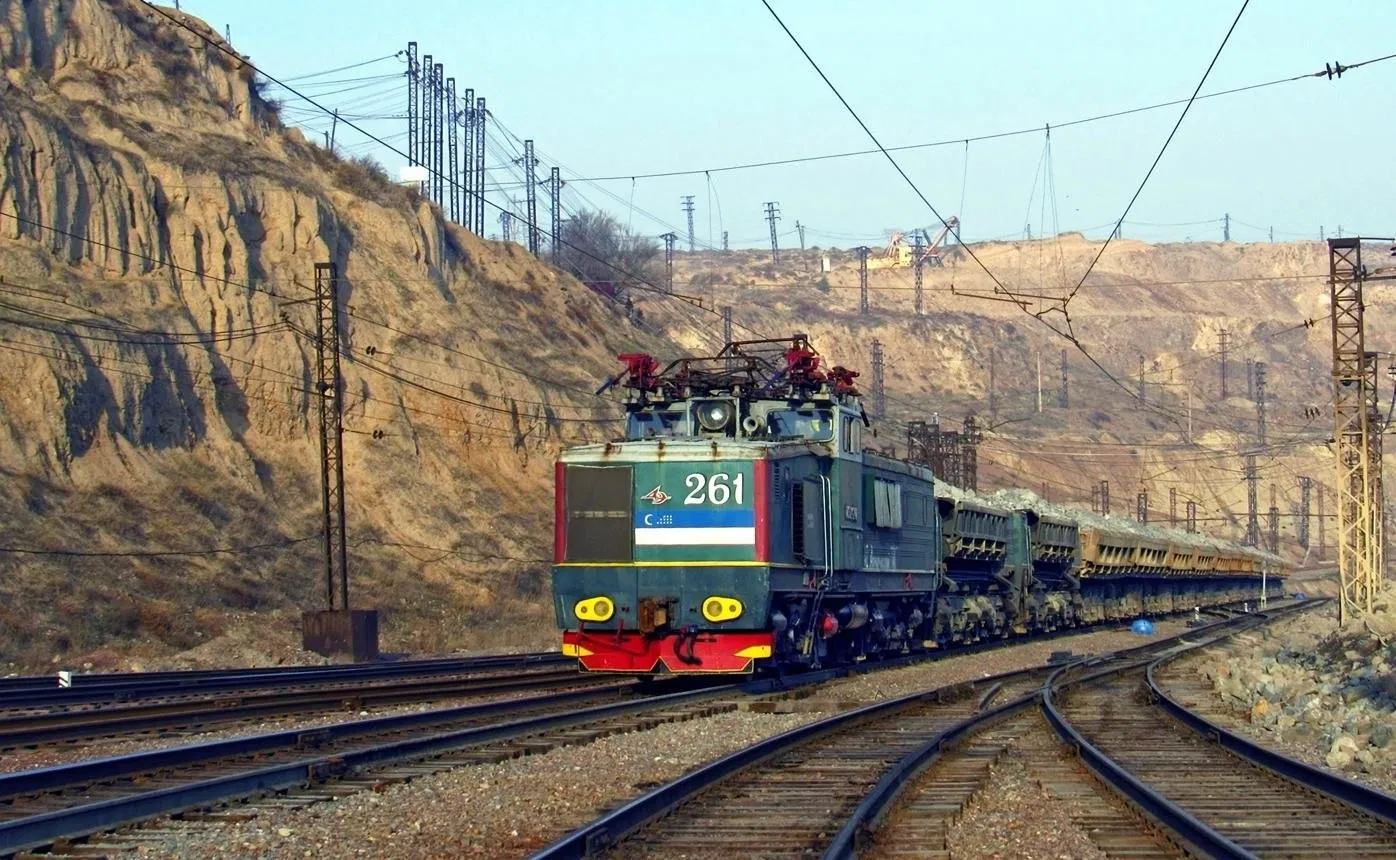
In May 2026, the Central Asian International Chamber of Commerce announced the launch of the conceptual program "Greater Central Asia". Its task is to view the region as a connected business environment where transport, manufacturing, investment, trade, technology and human capital operate within a shared system.
The program does not envision the creation of a new state, political union, or supranational body. It is about a business platform that should connect national markets, investors, chambers of commerce, logistics companies, and international organizations.
The expanded geography of the concept includes Kazakhstan, Kyrgyzstan, Uzbekistan, Tajikistan, Turkmenistan, Afghanistan, Pakistan, Iran, and Mongolia. China is viewed as a strategic part of this space. In the presentation of the program, the authors estimate its potential scale at more than 500 million people and around $1.66 trillion in economic potential. These figures require further detail by country, sector, and specific projects.
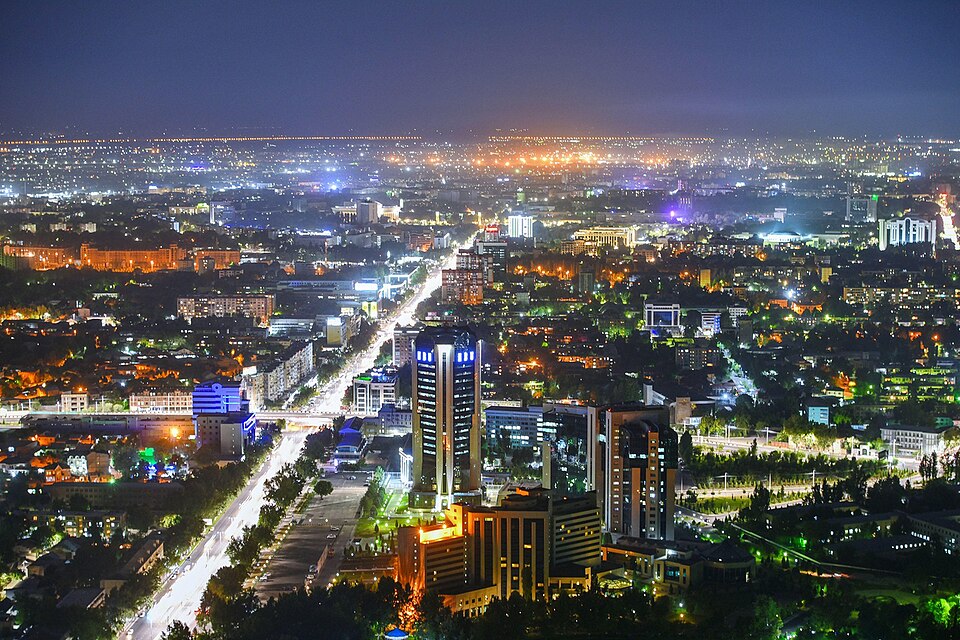
A regional idea must have business mechanics
The problem in Central Asia stems from fragmented investment offerings. Each country has its own rules, development institutions, priorities, and negotiating platforms. An investor working with several markets at once has to piece together the regional picture independently.
The concept proposes forming a single project portfolio. It should specify the territory, cost, partners, funding source, sales market, implementation timeline, and distribution of responsibility among participants.
Three mechanisms are envisioned for this: a regional business council, country committees, and an international partner network. The "Greater Central Asia - 2030" roadmap also provides for investment mechanisms and permanent infrastructure to support projects.
The Central Asian International Chamber of Commerce positions itself as a business intermediary between Central Asia, China, and Europe. On the organization's official website, its areas of work are listed: helping companies enter foreign markets, legal and corporate support, investment consulting, industrial cooperation, engineering support, and brand promotion.
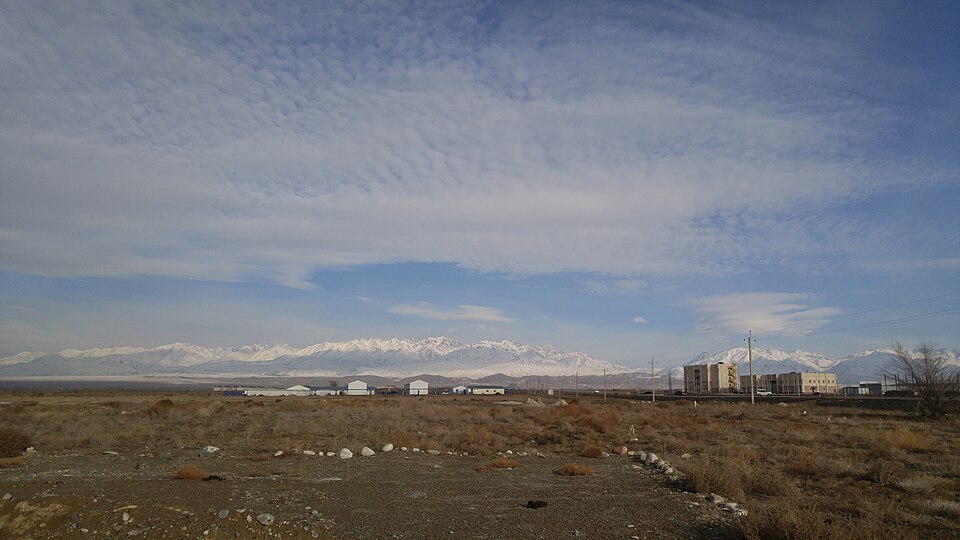
The new platform must complement existing mechanisms
Interstate and international cooperation programs are already operating in the region. The Central Asia Regional Economic Cooperation brings together 11 countries and development partners. Its main areas are transport, trade, energy, and regional connectivity.
Therefore, the meaning of "Greater Central Asia" is not about creating yet another declarative platform. Its possible role is to fill the practical level at which projects are formed, private companies are brought together, funding sources are identified, and work across different jurisdictions is supported.
The economic effect of such cooperation can already be assessed. The World Bank notes that insufficient coordination in the use of water and energy resources costs the region more than $4.5 billion per year. Increased electricity trade between Central Asian countries could deliver an economic effect of up to $6.4 billion between 2020 and 2030.
The data shows that regional integration has a direct financial dimension. This applies to energy systems, water, transport, agriculture, industry, and urban development.
Ecology as Capital: Why Central Asia Needs a New Way to Value LandCentral Asia possesses enormous natural capital: mountains, lakes, steppes, deserts and unique landscapes. At the same time, the region is entering a period of rapid tourism development, with roads, airports, hotels, resorts, housing and new infrastructure being built across the region. Yet construction does not necessarily increase the value of a place. As high-quality natural environments become increasingly scarce, they are also becoming more valuable assets.mag.humodoc.com
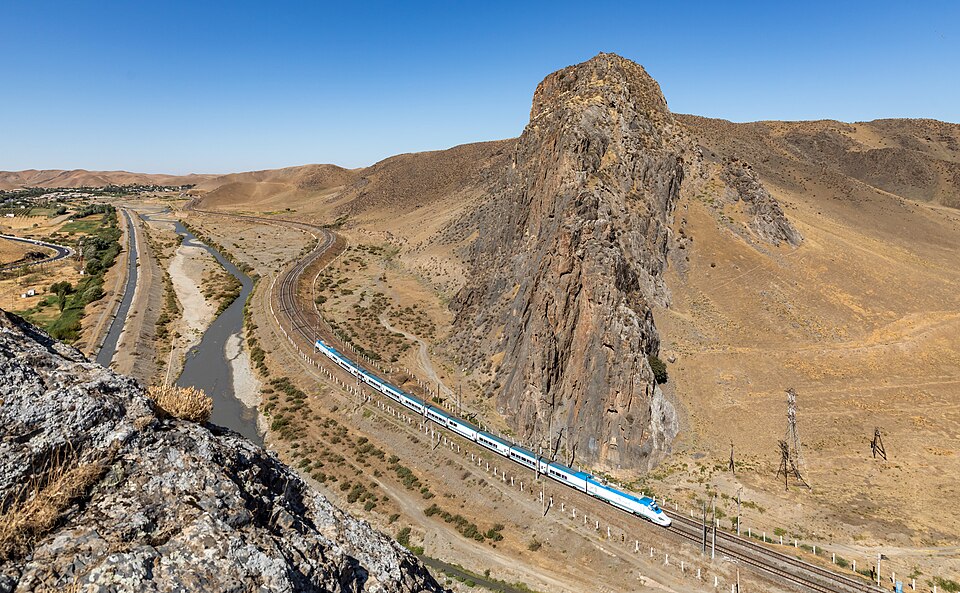
Transit must create production
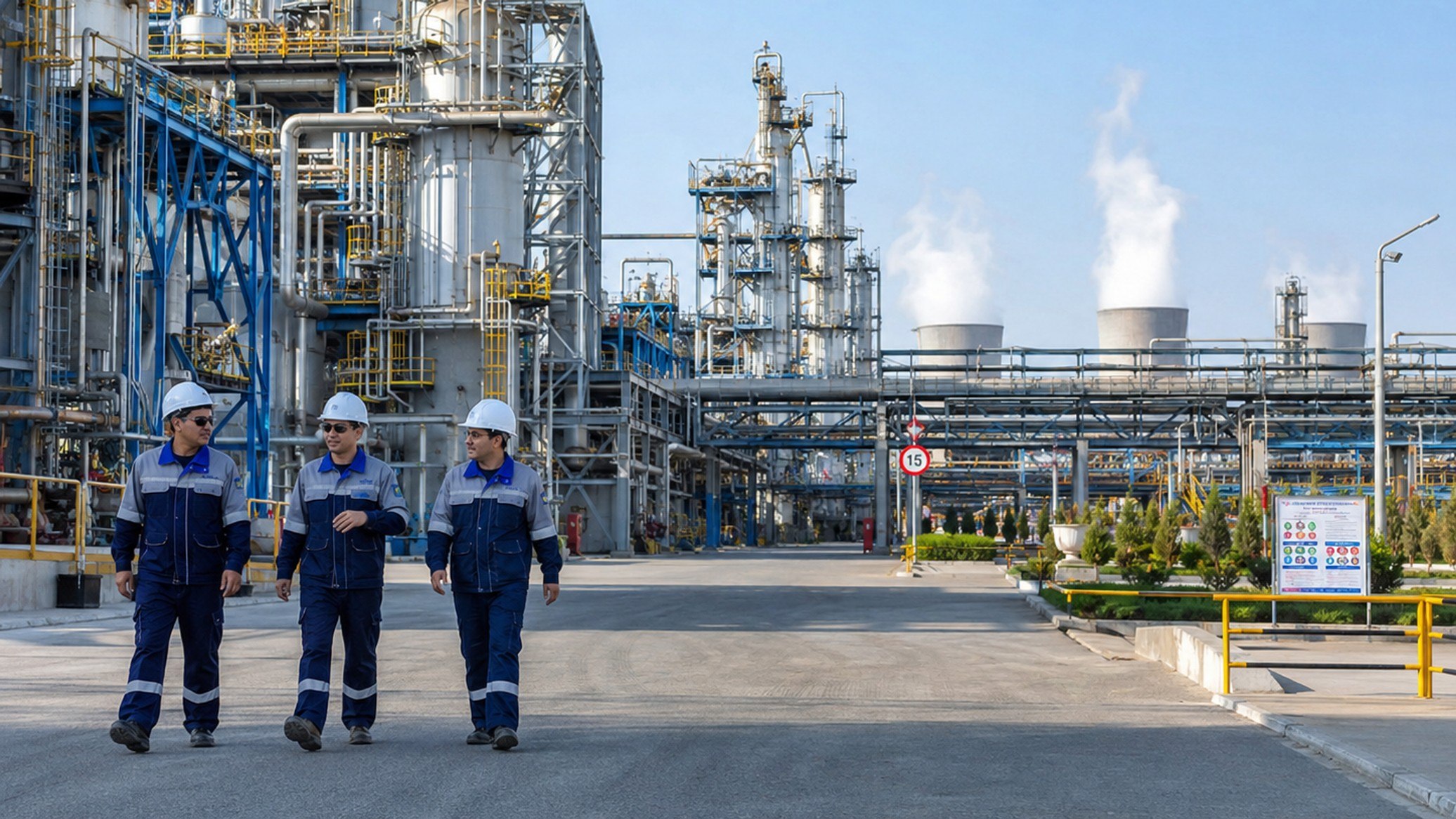 Photo: uz.sputniknews.ru
Central Asia is already part of international transport routes. What matters for the region is how much of the value local companies and territories capture.
A transport corridor creates a lasting economic effect when warehousing and manufacturing infrastructure, service companies, customs and financial services, industrial sites, and local suppliers emerge alongside it.
This model requires a shift from simple cargo transportation to regional production chains. Raw materials should be processed within the region. Agricultural products should reach the market as finished goods and own brands. Logistics should serve production, trade, and exports rather than exist separately from them.
The program documents list logistics, energy, agribusiness, industrial cooperation, tourism, construction, digital services, and the creative economy among priority areas. This list only makes sense if there are projects with clear economics and accountable participants.
Cities become participants in a regional network
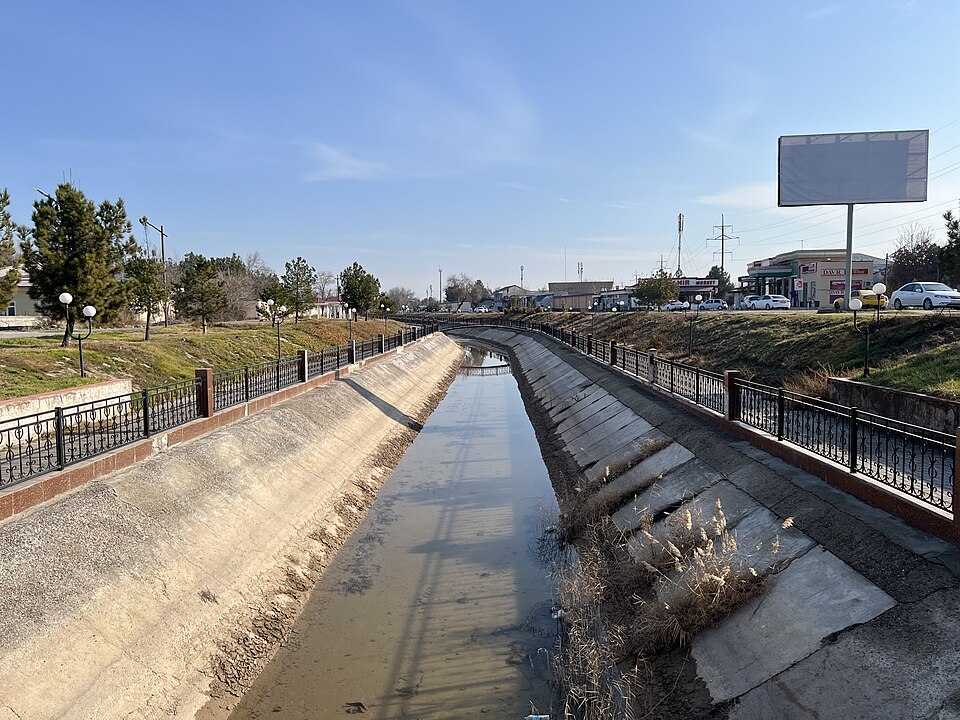
The regional economy is shaped not only between states, its real points of interaction are cities.
The City That Already ExistsA city does not always need to be built anew. Sometimes its greatest wealth lies in what already exists: water, terrain, green spaces, historic landscapes and the connections between them.mag.humodoc.com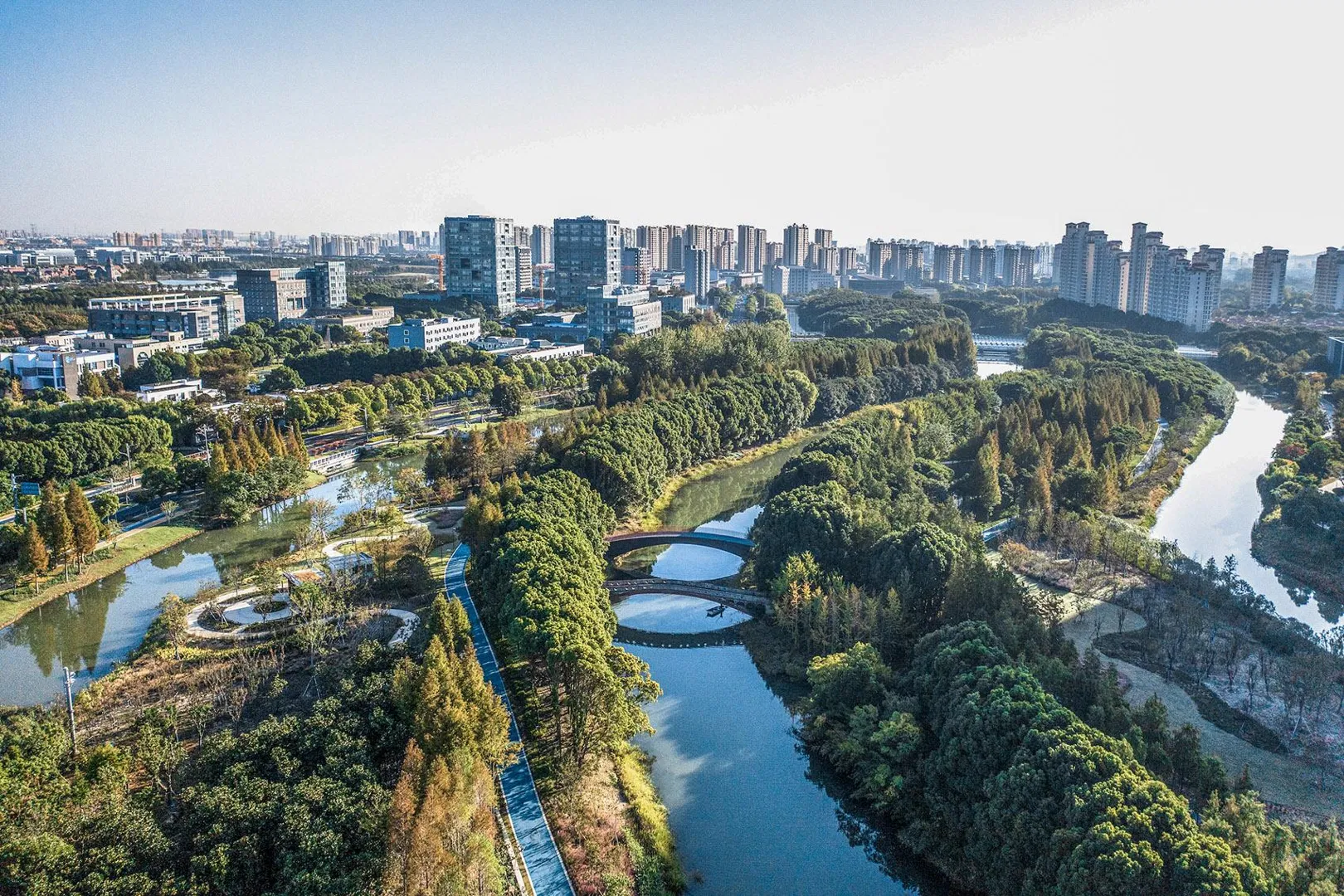
In the authors' model, Almaty can strengthen its financial, entrepreneurial, and creative specialization. Tashkent - industrial and business. Astana - institutional and technological. Samarkand - cultural and congressional. Bishkek - entrepreneurial and tourism.
This is not a distribution of functions between cities fixed by an agreement. It is a working model showing how cities can complement each other instead of competing for the same investments and events.
Direct flights, rail links, business events, tourist routes, and joint projects create the conditions for such specialization. The more connections between cities, the higher the value of each individual center.
Culture and natural areas also become part of the economy when routes, services, hospitality infrastructure, gastronomy, craft production, design and local brands form around them. This is about creating sustainable income chains, not about symbolic use of heritage in advertising materials.
Culture as Capital: How Identity Creates New Value in Central AsiaCentral Asia possesses a resource whose economic value we are only just beginning to realise. It is our culture.mag.humodoc.com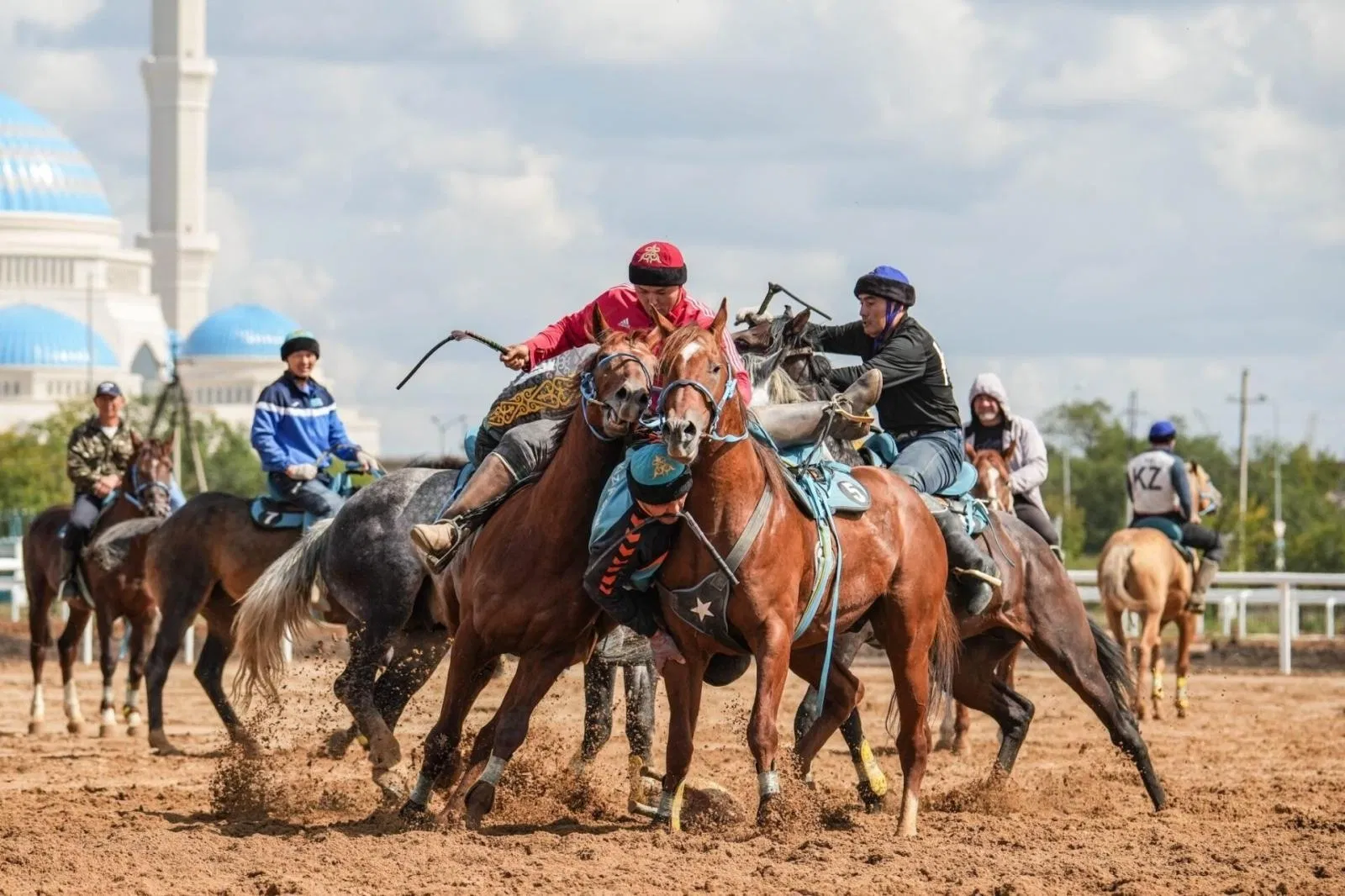
From concept to a permanent system
In July 2026, Maksat Chakiev presented at the forum of think tanks of the Shanghai Cooperation Organization a proposal to consider creating the organization's International Chamber of Commerce and Investment and a Central Economic Space. This model should connect transport corridors, production chains, energy and financial mechanisms.
This direction continues the logic of "Greater Central Asia," moving it from a general geographic image into an institutional plane.
The result of the program will be determined by the number of prepared projects, the volume of attracted investment, the number of joint ventures, growth in processing, the emergence of new routes and an increase in the share of regional companies in supply chains.
Central Asia can use its position between large markets as an independent economic advantage. For this, transit must be linked to production, cities to regional chains, and natural and cultural resources to modern infrastructure and capital.


Newsletter
A letter from the HD editors
Once a week, we send the best stories, events, and cultural discoveries from Central Asia.