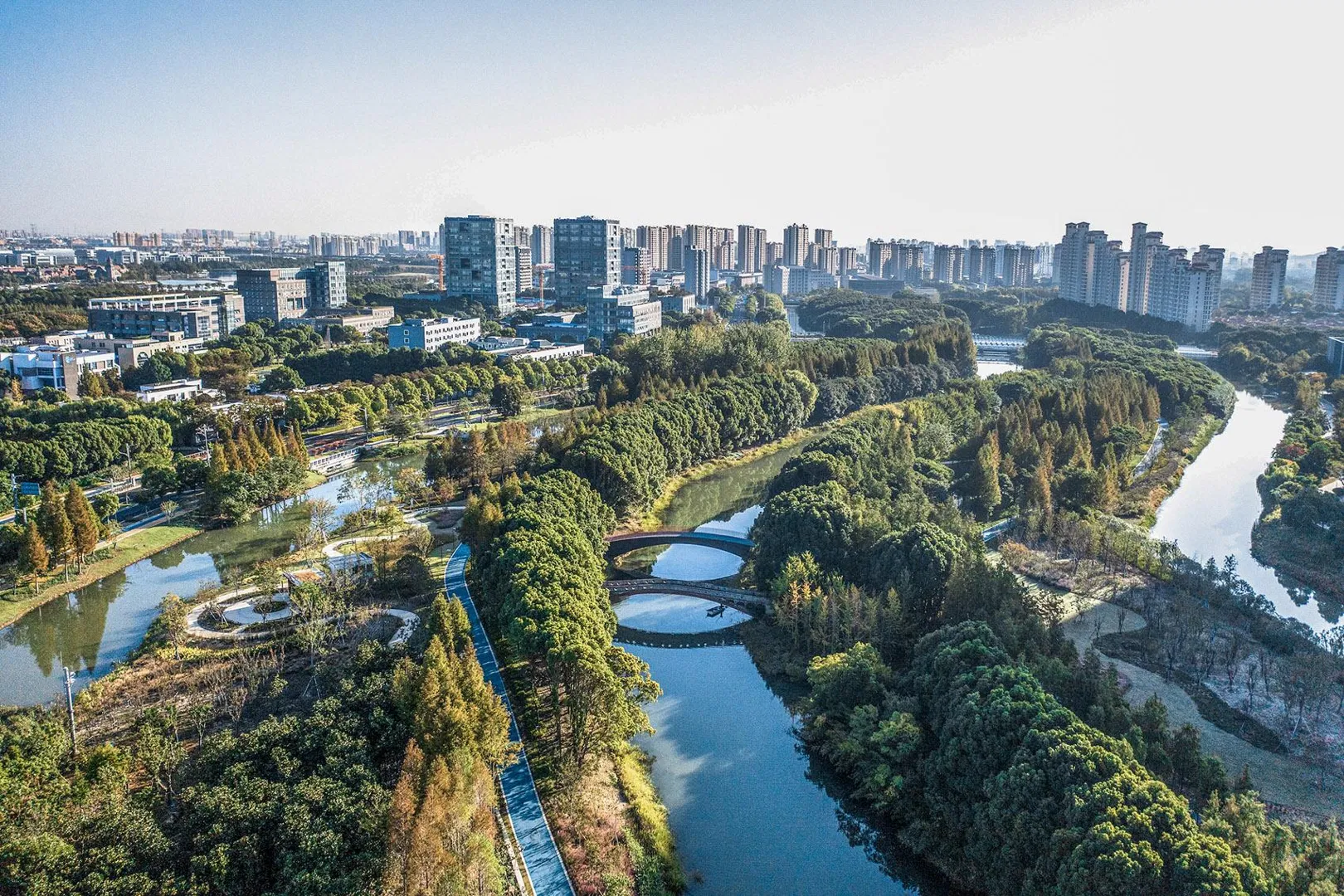
A city does not always need to be built anew. Sometimes its greatest wealth lies in what already exists: water, terrain, green spaces, historic landscapes and the connections between them.
We are accustomed to associating the development of a city with the emergence of the new. New districts, roads, public spaces, parks and embankments become the most visible signs of change. But the existing city has another, equally important task: to understand what already possesses value and how to preserve it in the process of development.
The natural structure of a city is formed over decades, and sometimes centuries. It includes water bodies, topography, mature green areas, natural territories, historical landscapes and the connections between them.
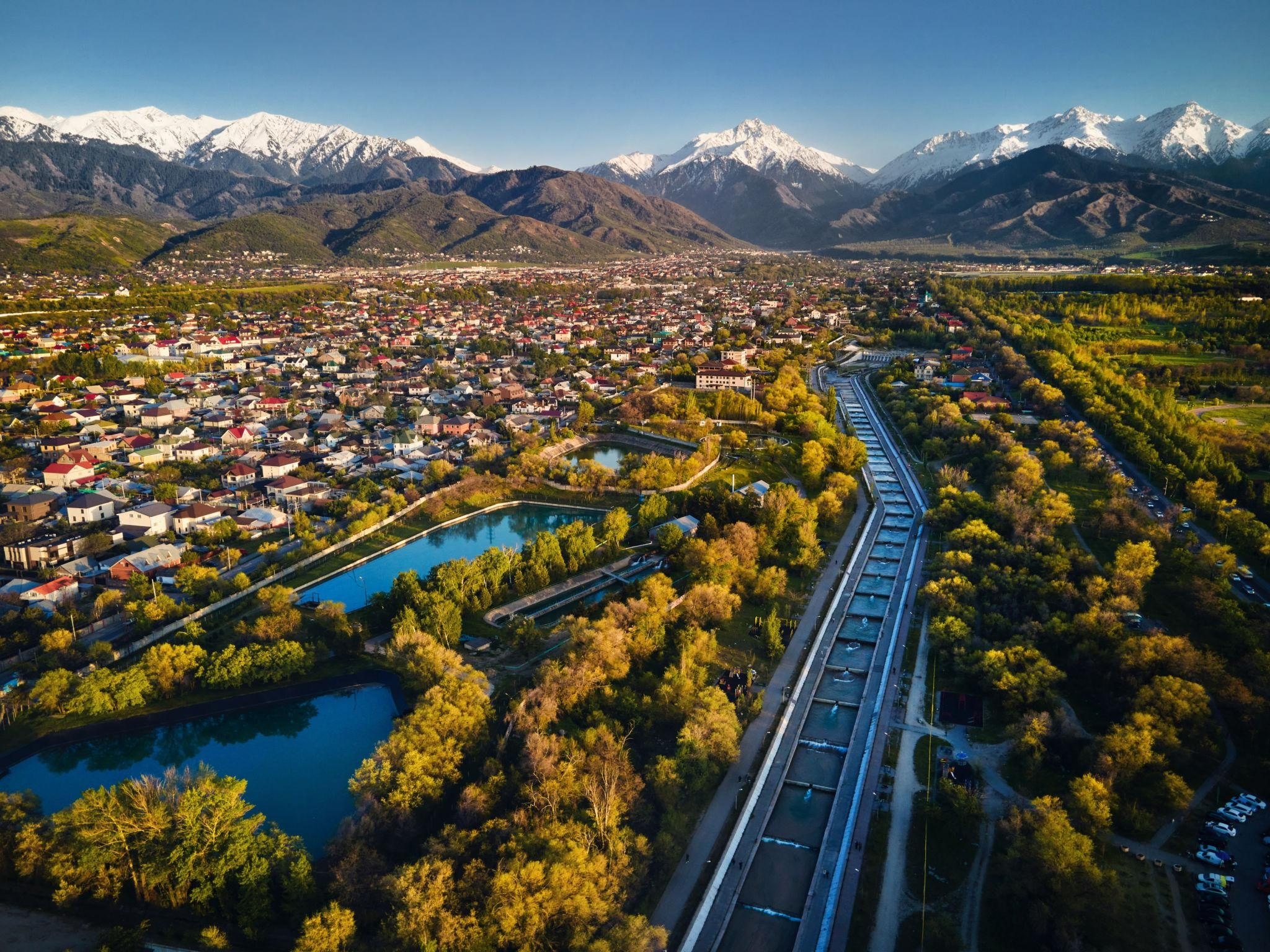
If one begins designing without seeing this system as a whole, it is possible to create high-quality individual objects while simultaneously destroying what ensured the resilience of the territory.
Therefore I regard the urban-ecological framework primarily as an instrument of preservation. It allows us to see the city as a living spatial system in which natural and historical connections are no less valuable than buildings.
We have previously written about how a functional approach allows us to see the possibilities of the already existing urban environment:
Functions That Transform the Value of Urban SpaceThe same urban object holds value for architects, developers, manufacturers, government authorities and residents alike. Yet each views it from their own professional perspective. As a result, most professional decisions revolve around the object itself rather than the opportunities it creates.mag.humodoc.com
From a natural core to a system
A park, a public garden, an embankment or a green courtyard do not in themselves yet form a resilient natural system. In an urban-ecological framework, what matters is not only individual territories but also cores and the connections between them.
Large natural and recreational territories, water bodies, forests, historical landscapes and other spaces of high ecological value can become cores. But no less important are the corridors that connect them to one another. Therefore work on an urban-ecological framework begins with a systemic city-wide analysis: identifying existing natural cores, assessing their condition and value, searching for potential new cores and determining the connections between them.
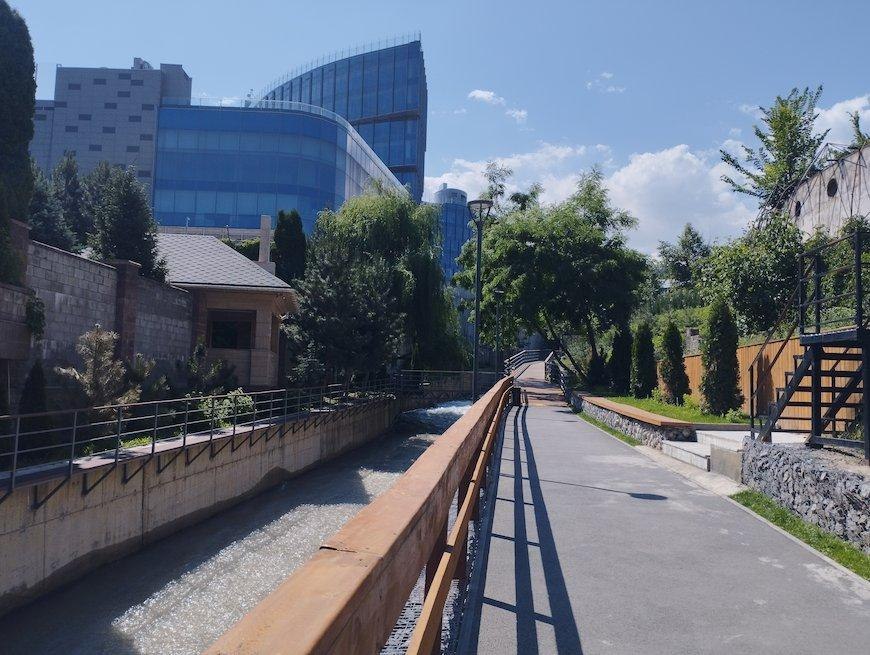
We stop counting only the area of green territories. We begin to take an interest in their quality, functionality and connectivity.
This is precisely the difference between greening and a framework: the former adds green objects, the latter builds a system.
Research first, decision afterwards
The natural structure must appear in a project not after buildings, roads and functional zones have already been determined.
On the contrary, the results of ecological and spatial analysis must influence decisions about the further development of the territory.
Analysis makes it possible to determine where construction is possible, which natural territories must be preserved or restored and where a new green corridor needs to be formed. These decisions must be taken before the design of an object, not after it. Such an approach does not cancel architecture. It helps architecture respond more precisely to the place.
A historical city cannot be designed from a blank sheet
But the more deeply we analyse the existing city, the more obvious it becomes that the natural framework cannot be considered separately from its history.
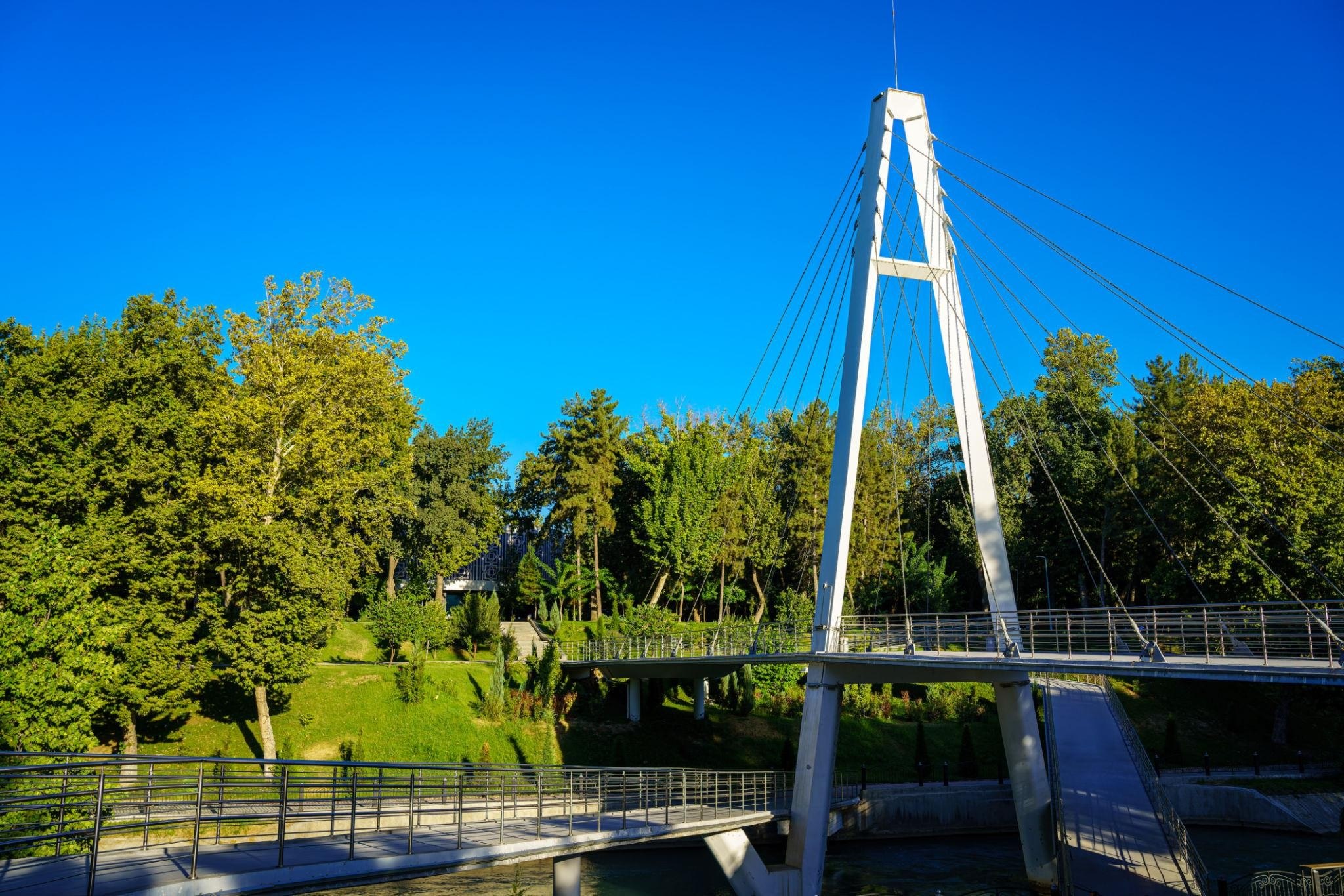
The history of a territory does not begin at the moment a new architect, investor or developer arrives. Before us, natural processes, historical routes, water systems, green areas, public spaces and a certain logic of development already existed here.
Therefore one of the important instruments for working with the city is retrospective analysis.
The natural and historical structures of a city rarely exist independently of each other, and in the real urban fabric they often form a single landscape.
Water is linked to the history of the territory's settlement. Old green areas — to the planning structure. Public spaces — to historical routes and centres.
Therefore the preservation of the natural structure can simultaneously become the preservation of urban identity.
From a map to an urban-planning document
Even a well-developed urban-ecological framework remains vulnerable if it exists only in the form of a concept or a beautiful map.
It must be linked to the general plan, the rules of land use and development, and projects of planning and land surveying.
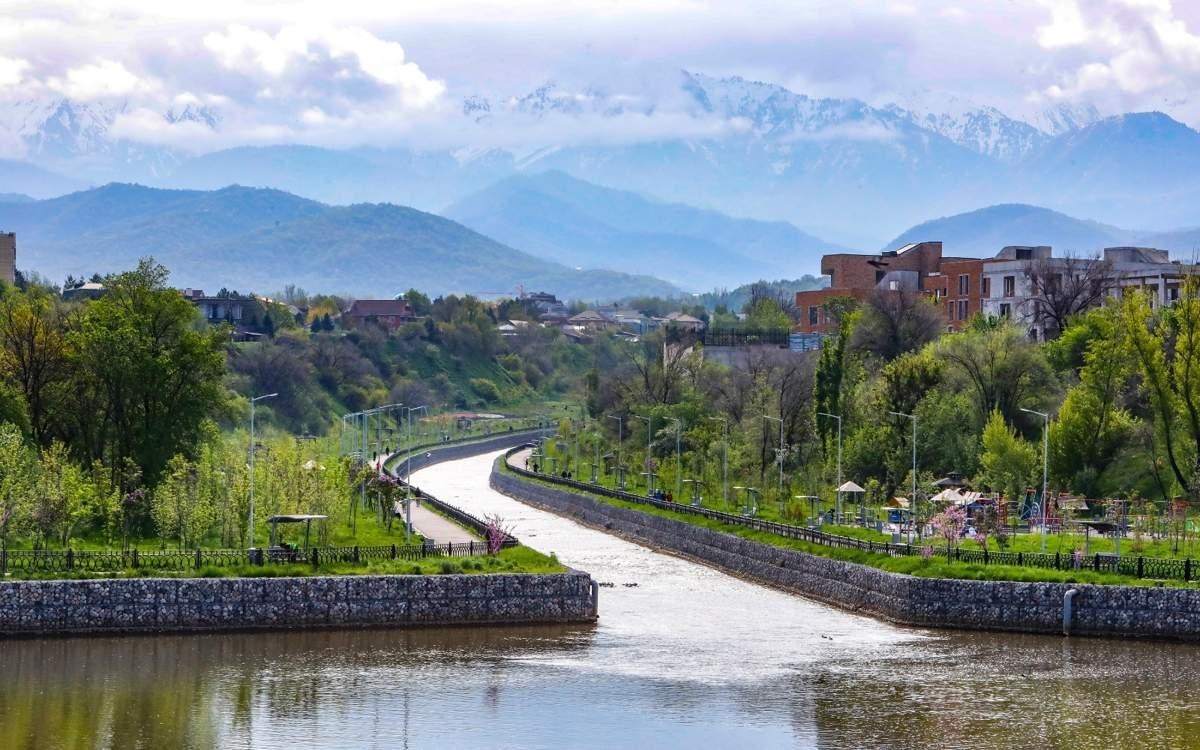
Otherwise a gap arises: the city recognises a natural territory as valuable, but when urban-planning decisions are taken, this value does not receive sufficient protection.
Particularly vulnerable are territories that possess high ecological value but have no special protected status. In such a situation everything may depend on a specific project, a specific client and a specific team.
For a natural system that has been forming over decades, this is not enough.
What we want to preserve must be enshrined not only in a concept but also in rules.
From a project to a state system
The next level is the transition of this practice from the plane of individual cities and projects to a systemic plane. Mechanisms are needed for the preservation of natural territories that do not yet possess special protected status.
Finally, legal instruments are needed that make it possible to create new parks, public gardens, boulevards, natural cores and the connections between them during the comprehensive development of territories.
As long as no such system exists, too much depends on a specific project.
But the natural structure of a city cannot depend on a short-term investment cycle. A city needs rules that will outlive an individual project.
Read about how connected natural infrastructure moves from an urban-planning task to an economic and investment one in our material:
When Ecology Becomes EconomicsOn 2 September, as part of Aquatherm Almaty, HD magazine held a panel discussion bringing together representatives of the public sector, architects, urban planners, engineers, and experts in green construction and finance. The central question was how to turn individual environmental solutions into a system with measurable impact, clear costs and a viable financing mechanism.mag.humodoc.com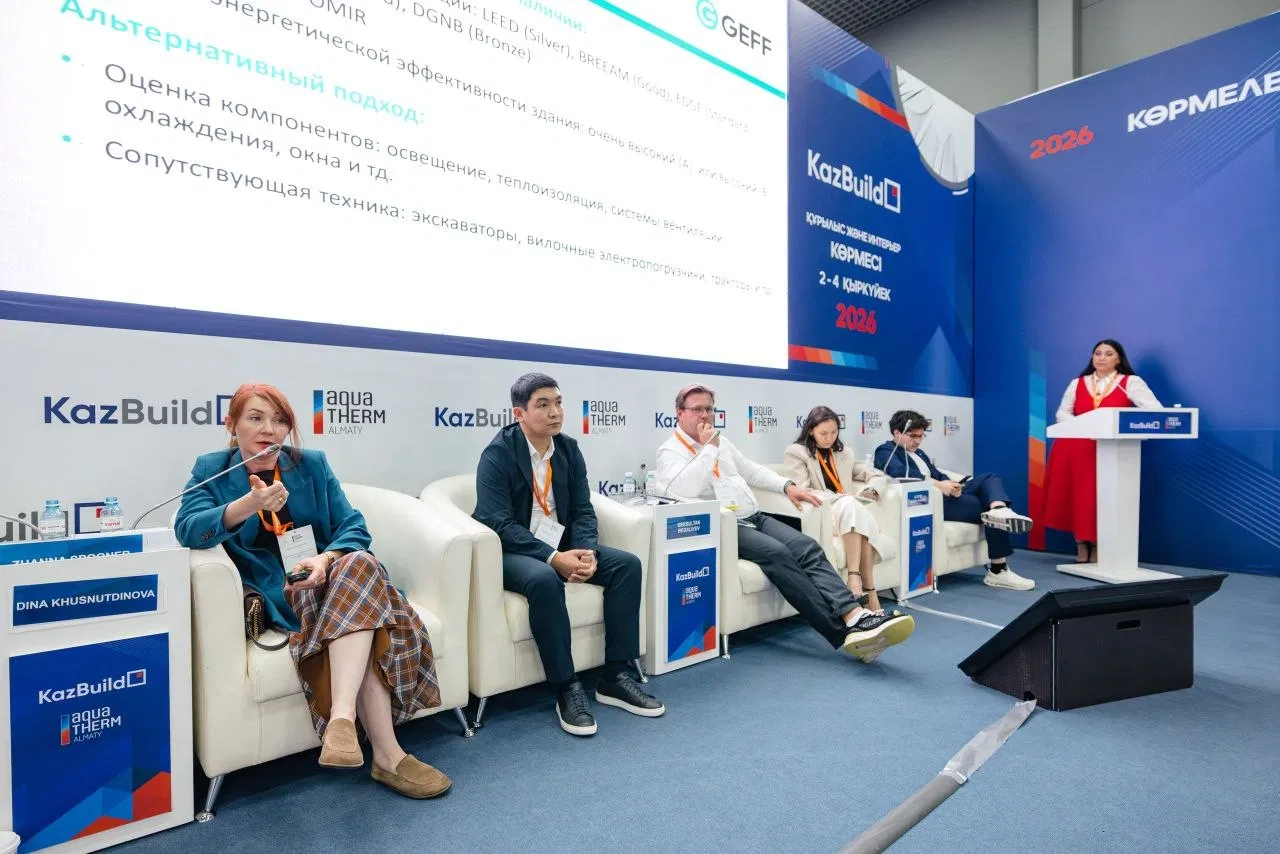
Preservation does not mean a ban on development
The point is not to halt construction or freeze the city in time. The city must evolve, but not at the cost of destroying value that already exists. An urban-ecological approach makes it possible to identify the territories that must be preserved; the spaces that can be transformed; the connections that need to be restored; and the zones where new construction is possible without dismantling the entire system.
That is why an ecological framework is not a constraint on development, but information essential to the architect, urban planner, developer, investor and the state. Ideally, the framework makes clear how development can happen here specifically, without destroying what already works.
Do no harm
It seems to me that contemporary urban planning needs to recover the ability to see value that already exists.
We talk a great deal about the city of the future — new districts, infrastructure, public spaces, technology. But sometimes, before creating the future, it is necessary to look carefully at the present.
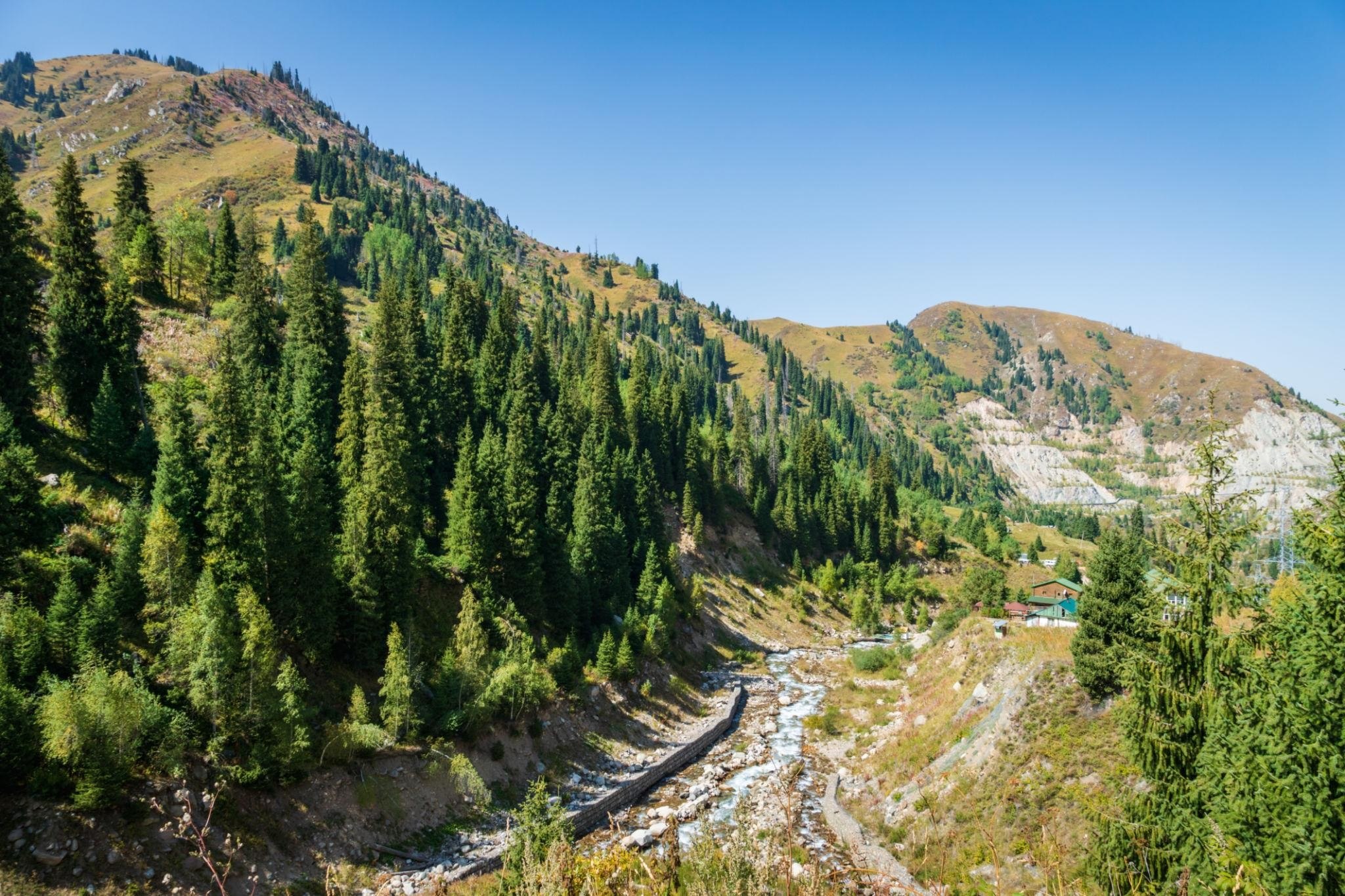
Before any transformation begins, it is important to understand how water moves through the territory, which natural and historical spaces require preservation, and how a new neighbourhood, road or facility will affect them. The development of a territory must take into account a system that has been forming for far longer than any investment cycle. That is why one of the principal tenets of the urban-ecological approach, for me, is very simple: do no harm.
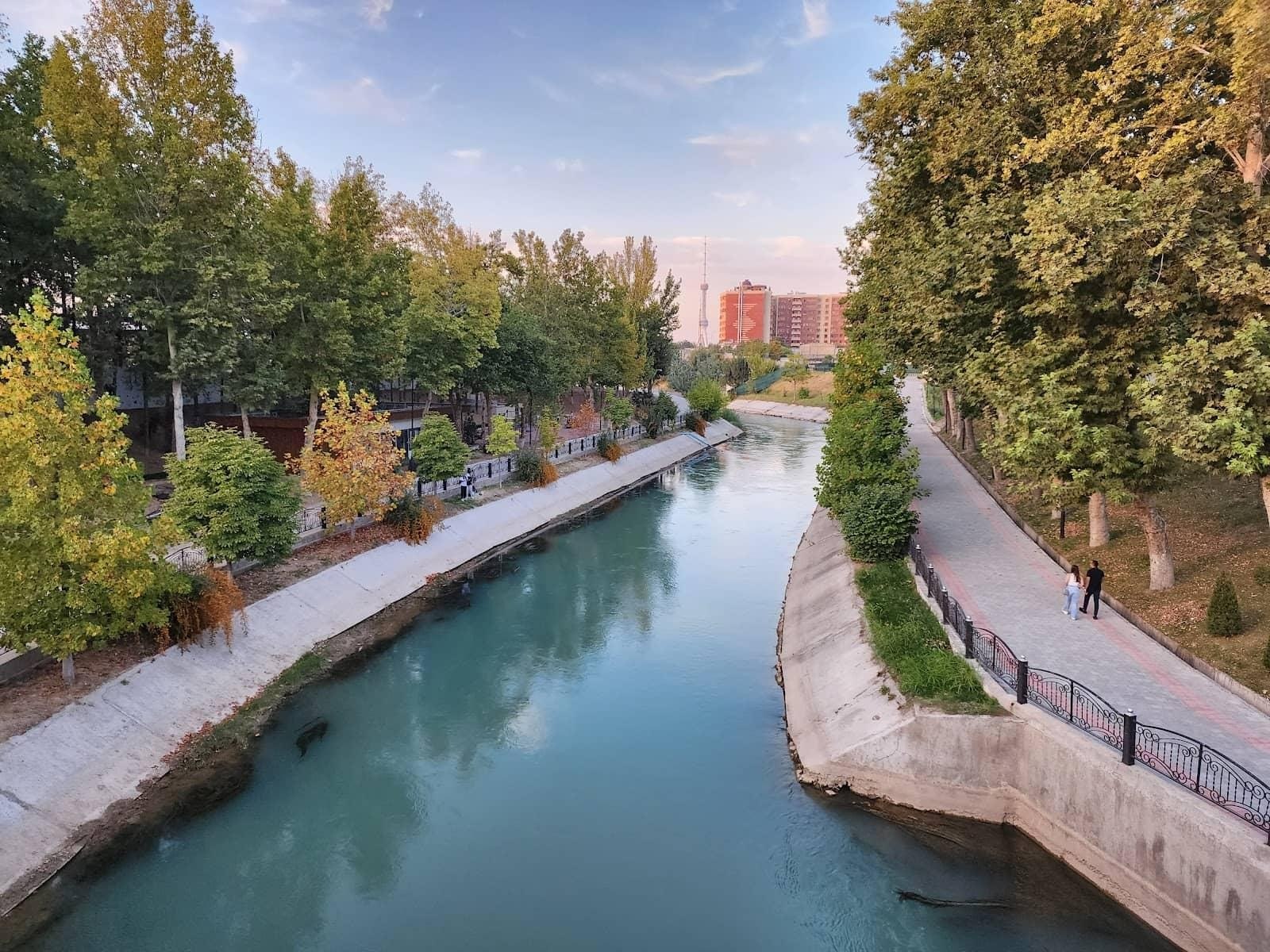
An urban-ecological framework is, above all, an approach of preservation. It does not propose halting the city. On the contrary, it helps the city to evolve in accordance with natural processes, historical structure and the value that already exists.
Because a city is not only what we have built, but also what we have inherited and are obliged to pass on.
Sometimes the primary professional task is not to build more, but to preserve what already makes the city alive.
Read also
 Architecture & Urban Environment
When Art Becomes Part of the City: ARCHICA 2026 and a New Approach to Urban Space
Anna Oris
 Architecture & Urban Environment
A Project Does Not Begin With a Façade
Lyubov Safronova
 Architecture & Urban Environment
Master Plan: How to Design a City Before It Is Built
Elena Trubina
Newsletter
A letter from the HD editors
Once a week, we send the best stories, events, and cultural discoveries from Central Asia.