Rainwater stations, water-saving systems and green roofs can reduce costs and protect property. But to attract capital, you first need to determine who benefits from this effect and how the investment will be returned.
The building owner can pay for a rainwater harvesting system, while the city receives part of the benefit: during rainfall, less runoff enters the stormwater network. A developer can invest in water-saving equipment, but the future owners of the premises will reap the savings. In such projects, the environmental outcome and the financial return accrue to different participants. It is precisely this gap that must be bridged for blue-green infrastructure to become a sustainable market.
At a panel session held by HD magazine during the Aquatherm exhibition, we discussed how Central Asia's blue-green infrastructure is becoming a new direction for development, engineering and investment. For me, the key question of that discussion is how to turn cities' need for resilience into projects that can be prepared, financed and maintained for decades.
When Ecology Becomes EconomicsOn 2 September, as part of Aquatherm Almaty, HD magazine held a panel discussion bringing together representatives of the public sector, architects, urban planners, engineers, and experts in green construction and finance. The central question was how to turn individual environmental solutions into a system with measurable impact, clear costs and a viable financing mechanism.mag.humodoc.com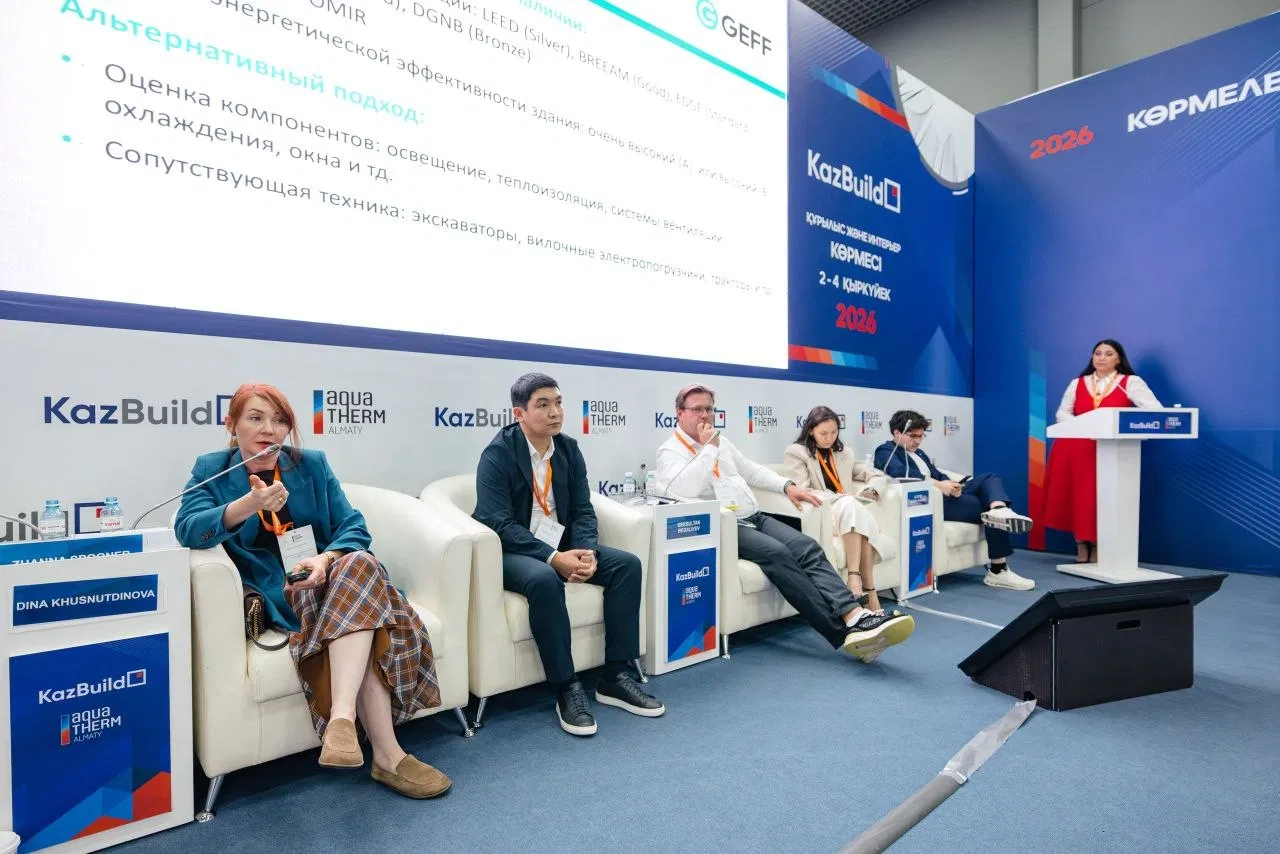
Water risk at the building and city level
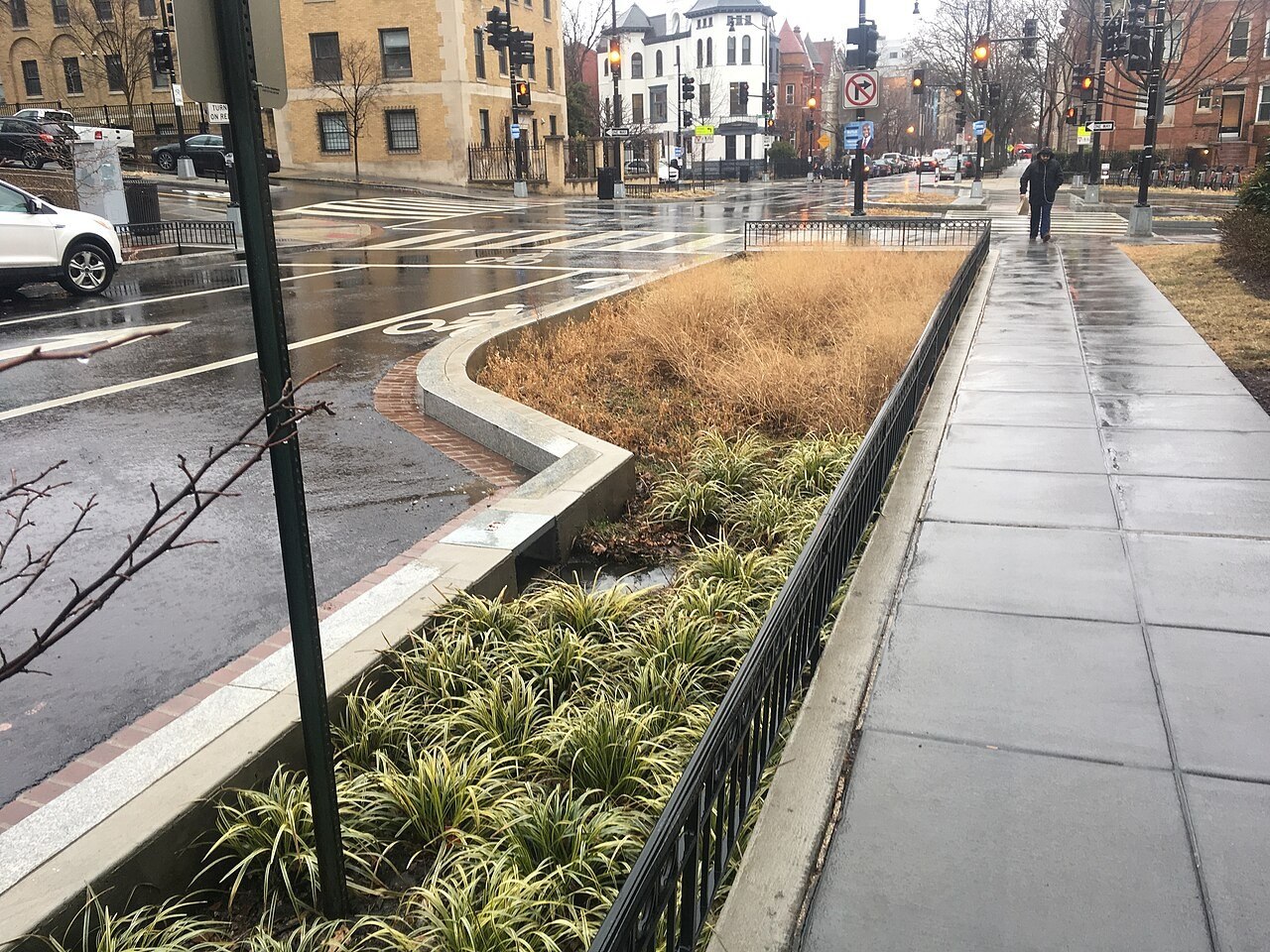
Blue-green infrastructure combines water management with vegetation and natural processes. Rain gardens capture surface runoff, permeable surfaces allow part of the water to seep into the ground, and green roofs retain precipitation. Storage systems complement this network, making it possible to use collected water where potable quality is not required. Such solutions can reduce the load on drainage systems and deliver additional environmental and social benefits. Their effect depends on the design and conditions of a specific site.
For Central Asia, this topic is particularly relevant. The World Bank notes the region's vulnerability to both water scarcity and natural disasters, including droughts, floods and mudflows. At the same time, about 90% of freshwater withdrawal goes to agriculture. Consequently, urban rainwater harvesting systems should be assessed in proportion to their purpose: they complement the region's water security measures by addressing specific needs of buildings and neighbourhoods.
Paradoxically, water scarcity and flooding do not contradict each other. What matters is the distribution of precipitation over time and the ability of an area to absorb it. Water that quickly drains from a paved site during a downpour may be unavailable for irrigation in the dry weeks that follow. But the water reserve is limited by tank capacity, and precipitation does not necessarily coincide with periods of peak demand.
What Rain Costs a CityLet’s take a closer look at why climate resilience is becoming part of the economics of the urban environment.mag.humodoc.com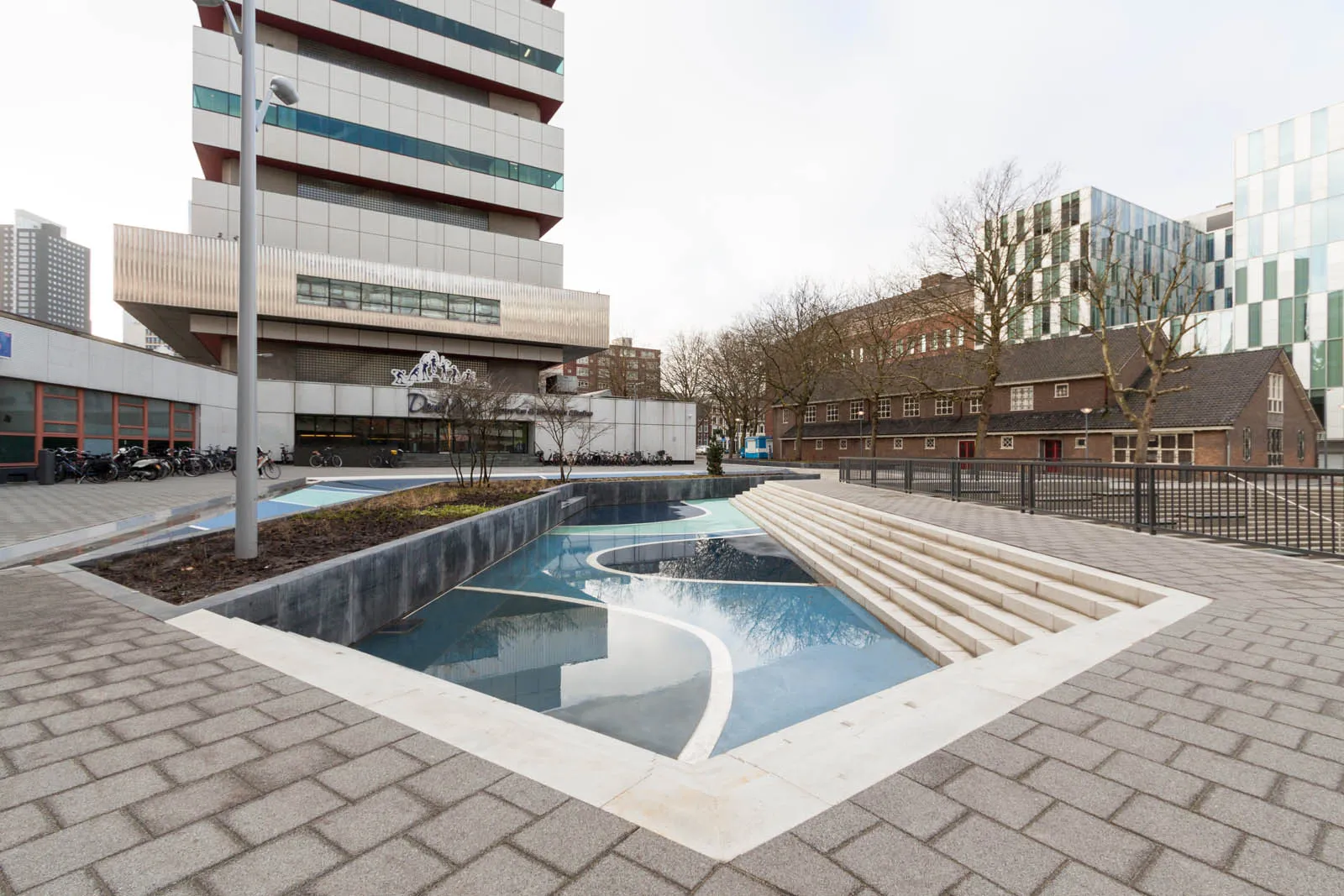
That is why Central Asia needs solutions designed for the local water balance. For an individual site, it is necessary to account for precipitation seasonality, the length of dry periods, frost penetration, soil properties and plant needs. Landscaping that requires large amounts of potable water can worsen the original problem. And a technology that is effective in one city may have entirely different calculations in another.
Who pays for the party?
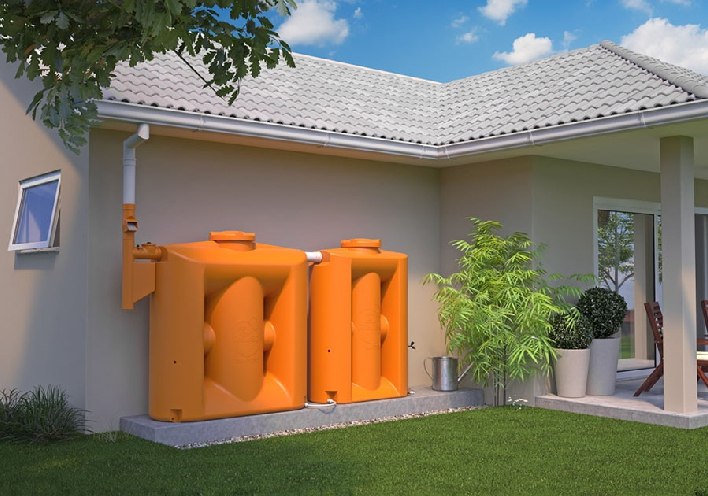
In a financial model, it is useful to separate the owner's savings from the public benefit. Reduced water purchases, lower delivery costs or certain operating expenses can directly improve a property's cash flow. Reduced damage to neighbouring areas and less strain on municipal networks bring benefits beyond the site. For the city, this is an argument in favour of investment, but the owner of the installation may not receive corresponding income.
This leads to an important principle: public benefit cannot automatically be recorded as project revenue. Prevented damage must be assessed through the probability of events and the size of potential losses. And loan repayment requires real sources of payment. If the city receives a substantial share of the result, co-financing or an infrastructure service agreement may be an economically justified solution, provided it complies with local rules and budget capacity.
International experience shows why several engineering options need to be compared. US EPA cites Ramsey County in Minnesota, where a combination of rain gardens, infiltration structures and a pond was estimated at about $2 million, while an alternative with a new stormwater pipe was estimated at $2.5 million. This is not a price benchmark for Central Asia, but simply a historical example of a specific project. Its value lies in the very method of selection: the same stormwater management task can be solved with different combinations of structures.
The comparison should cover the entire service life. Cheaper construction may come with expensive maintenance. Conversely, additional upfront investment can reduce future costs. The calculation includes cleaning and repairs, electricity, equipment replacement, seasonal mothballing and the cost of occupied space. If the savings are insufficient, the chosen design should be revised, even if its environmental effect is obvious.
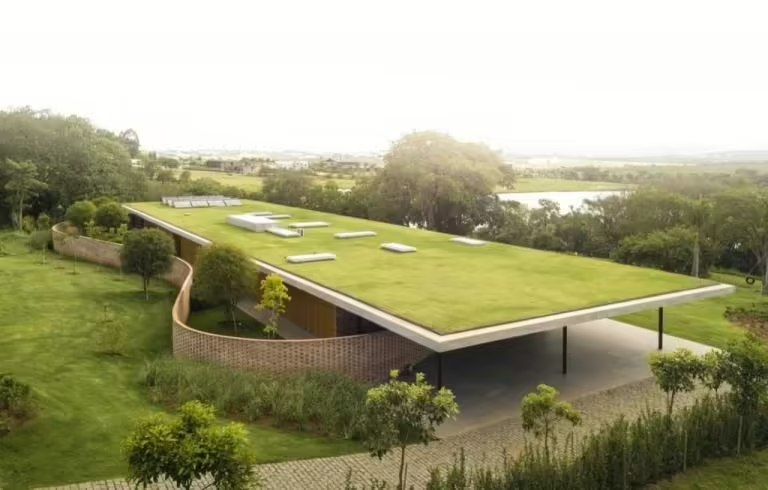
For a developer, the design stage is especially important. While the water balance, engineering networks and landscape are discussed together, compatible solutions can be chosen and rework avoided. After construction is completed, the same result may require breaking up surfaces and reconfiguring utilities. Already at this stage, it is worth determining the future owner of the equipment and who will pay for its maintenance.
A Roof That Holds the Rain: Why Water Management Should Start with the BuildingWhen streets flood after heavy rainfall, the conversation usually starts with the stormwater drainage system. Is it capable of handling the volume? Where do the pipes need to be enlarged? Why isn’t the water draining away quickly enough? Yet the important role played by urban rooftops is often overlooked.mag.humodoc.com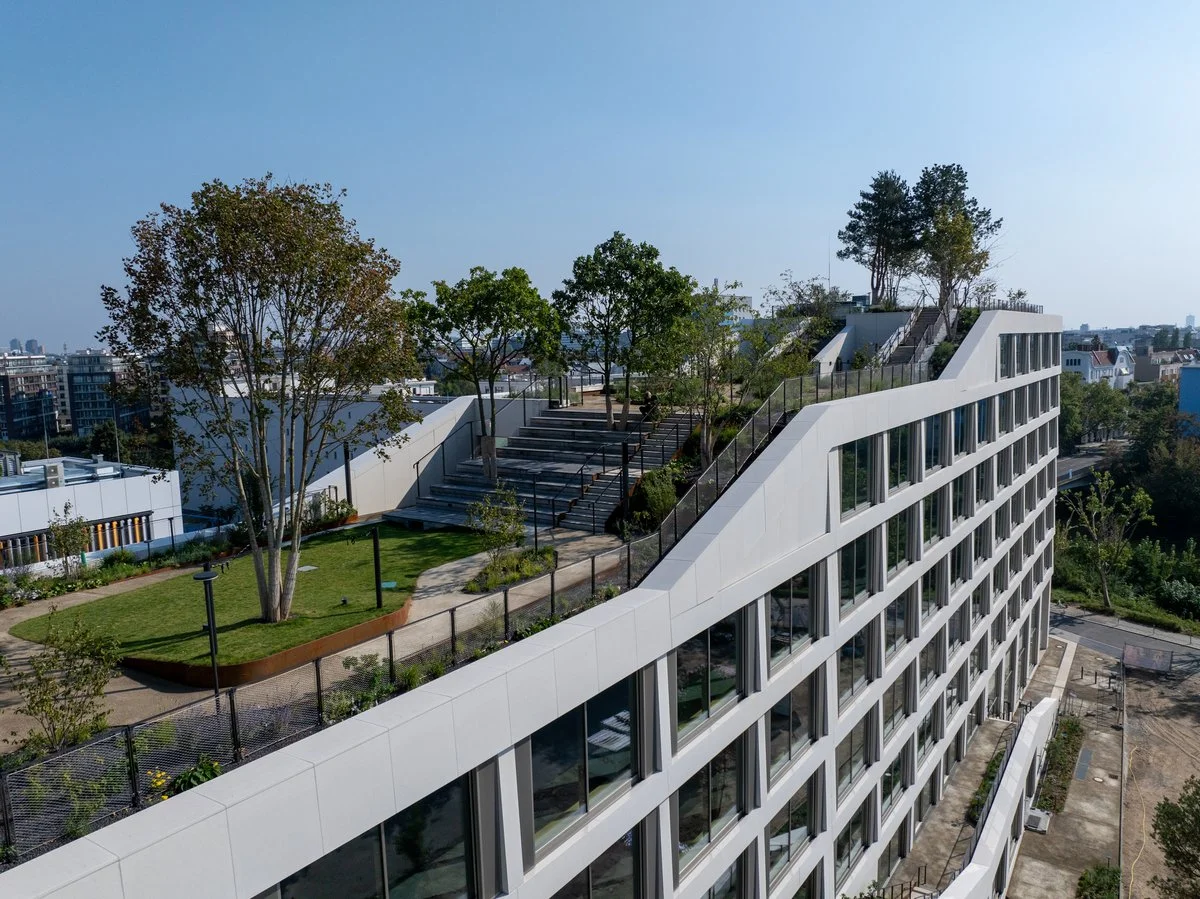
What does the CAIER development show?
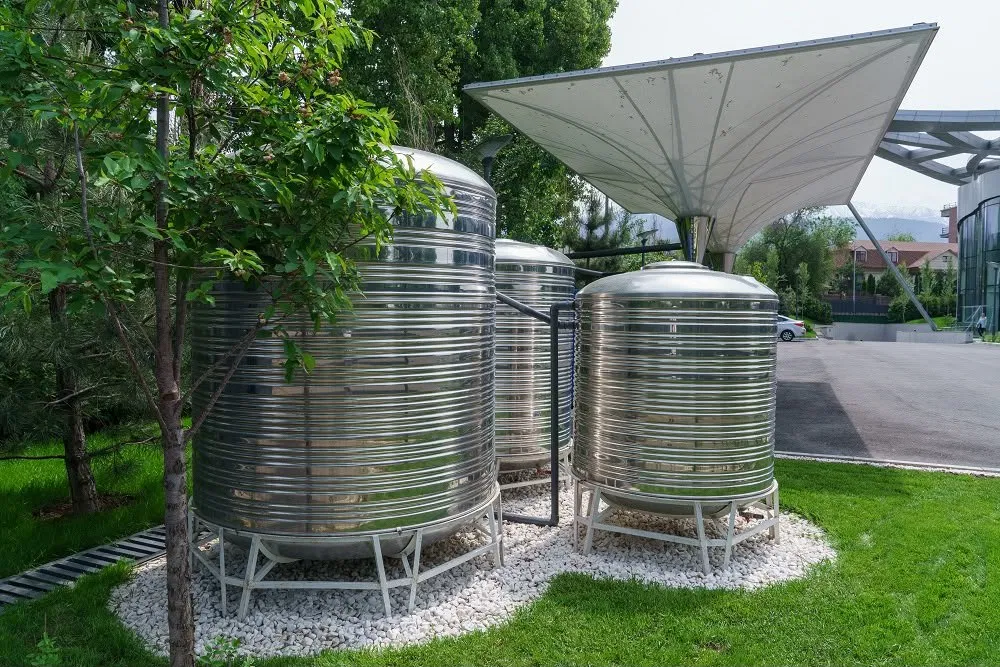
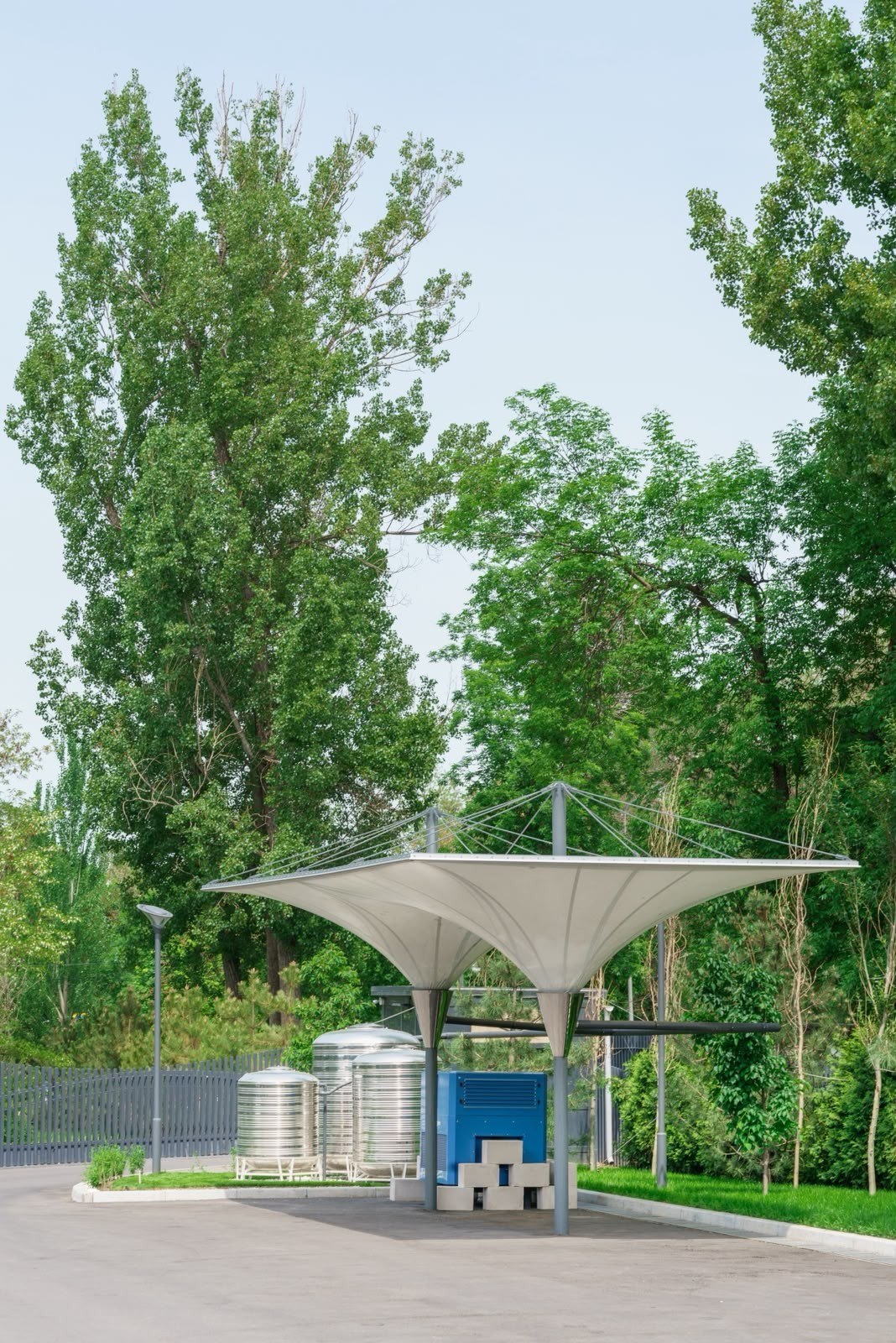
One example of a local solution is a rainwater harvesting device developed by CAIER. According to the institute's materials, the design is patented, and its effectiveness was tested on the CAIER building for five years. The institute reports a 33% reduction in water consumption for technical needs. The collected water is used for irrigating green spaces and in restrooms.
The design presented includes a rainwater collection tent, stainless steel tanks, and coarse filters. The collection area and storage volume are selected based on precipitation and the customer's needs. Winterization is provided for the winter period. These features determine both the applicability of the technology and the costs that must be included in the owner's budget.
Adapting the design to site conditions and providing support from assembly to maintenance makes it attractive for inclusion in blue-green infrastructure projects. We recommend considering this solution not only when designing and modernizing buildings, but also for already completed projects: it allows the use of local water resources and delivers a measurable environmental result that can serve as a basis for attracting green financing.
Coarse filtration captures large debris, but by itself does not confirm that water is safe for any use. Quality requirements must match the intended use of the water, and drinking and rainwater circuits must be kept separate. CDC specifically draws attention to possible microbial and chemical contamination of rainwater and the risk of it entering the drinking water supply. For a specific site, the water treatment and monitoring composition is determined by the conditions of use and applicable regulations.
The investment value of such an example lies in the ability to describe a specific product through measurable characteristics: how much water it actually replaces, how much the installation costs, and what the annual expenses are. This provides a basis for discussing a loan, installment plan, or service agreement. A patent protects the technical solution, but does not replace verification of its economics.
Green Building: An Investment in TomorrowGreen building is gradually ceasing to be a purely environmental concern. For the property market, the question today is framed differently: how much does it cost to make a building sustainable, and how much can it save or earn over years of operation? Energy efficiency, operating costs, comfort, market appeal, access to financing and the preservation of asset value are all becoming part of a single economic model.mag.humodoc.com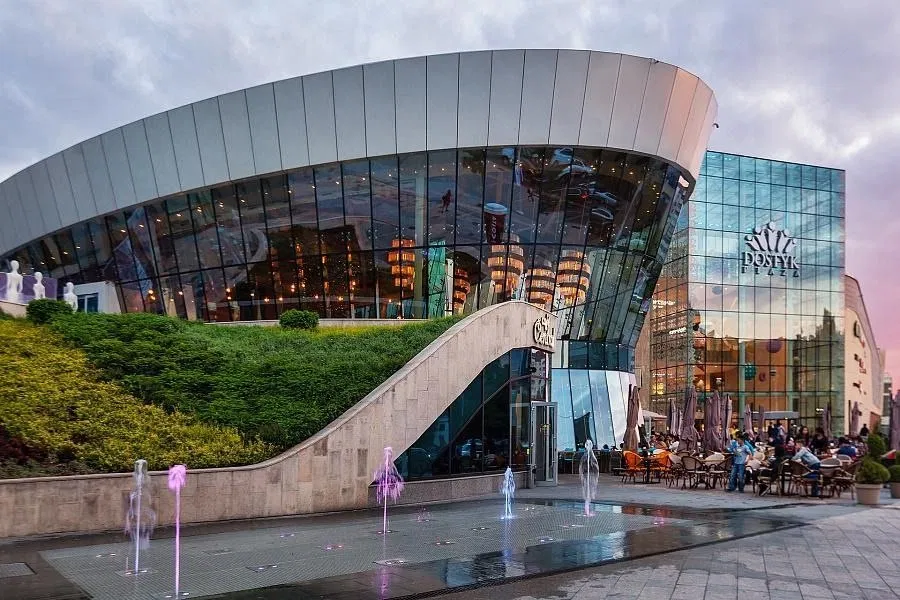
How to select financing for a project?
For a small installation, a separate bond issuance may prove disproportionately expensive. It is reasonable to start by comparing a conventional bank loan, own funds, and available equipment financing options. Green labeling makes sense when it meets the requirements of the chosen instrument and provides clear benefits to the borrower. By itself, it does not guarantee a lower rate: the cost of money also depends on credit risk, term, currency, and market conditions.
The international Green Bond Principles ICMA include sustainable water management and climate change adaptation among eligible categories. They provide for four core components: use of proceeds, project evaluation and selection, management of proceeds, and reporting. ICMA also recommends a framework document and external review. Specific eligibility criteria must be defined for the chosen transaction, taking into account applicable taxonomies, standards, and lender or market requirements.
Environmental qualification and debt servicing capacity require separate verifications. If eligible water-saving components are financed within a commercial complex, this does not automatically make the entire complex green. The budget must identify eligible expenses and ensure their financing can be traced. An environmental opinion also does not substitute for an assessment of the borrower's solvency.
A promising model for small facilities is pooling into a portfolio. For example, the owner of a building network can form a common modernization program, and a bank can finance several similar projects using an agreed evaluation methodology. This allows a portion of the costs for document preparation and monitoring to be shared. At the same time, each installation retains its own operating conditions, and the portfolio must have a defined borrower and repayment source.
Another option is a service model, in which the operator installs and maintains the equipment, and the customer pays for the service. The contract may provide for payment for system availability or for a measurable result. For rainwater, it is especially important to allocate weather risk in advance: low precipitation does not necessarily indicate poor operator performance. Savings should be assessed taking into account weather and the building's actual load.
At the testing stage, it is appropriate to consider grant funding for research and pilots. After the characteristics are confirmed, it is possible to move on to scaling instruments. If the developer sells the equipment themselves, it is advisable to entrust an independent assessment of the result for investors to an external organization. Such separation helps make the data convincing for parties not involved in creating the product.
What conditions will create demand?
In my view, the first programs in Central Asia should be built around facilities with a clear owner and a stable need for technical water: commercial real estate, campuses, hotels, and other complexes with professional operation. Site selection should be based on calculations, including alternatives such as fixing leaks, more efficient plumbing fixtures, or changing irrigation. Rainwater is worth collecting where it is justified by its availability and consumption.
Cities would benefit from formulating measurable objectives for their territories: how much runoff must be retained, how much load on the network must be reduced, what level of protection must be provided. Then designers can propose various combinations of natural and engineered solutions. The customer needs to compare the cost of achieving the result and provide for maintenance funds in advance. A device that stops working after a few seasons devalues the initial investment.
Banks and investors need comparable data. Accounting must show the volume of rainwater actually used, the substitution of external water supply, and operating costs. Runoff retention indicators should be assessed separately. The more such data appears from real sites and different weather conditions, the more soundly the risk of future projects can be assessed.
This opens opportunities for local businesses, not only in equipment manufacturing. Demand is emerging for hydrological calculations, integration of systems into buildings, maintenance, and verification of results. For scaling, solutions that can be replicated with consistent quality, adapting dimensions and operating mode to a specific site, are especially valuable.
Blue-green infrastructure will become an investment market when every project has a defined outcome, a party responsible for operation, and a source of payment. For Central Asia, a reasonable starting point is several well-measured programs at real sites. They will make it possible to establish where investments pay off through the owner's savings, and where public benefit justifies city participation. On this basis, financing can be expanded without substituting proven effectiveness with expectations.
This material was prepared in partnership with Aquatherm

Newsletter
A letter from the HD editors
Once a week, we send the best stories, events, and cultural discoveries from Central Asia.