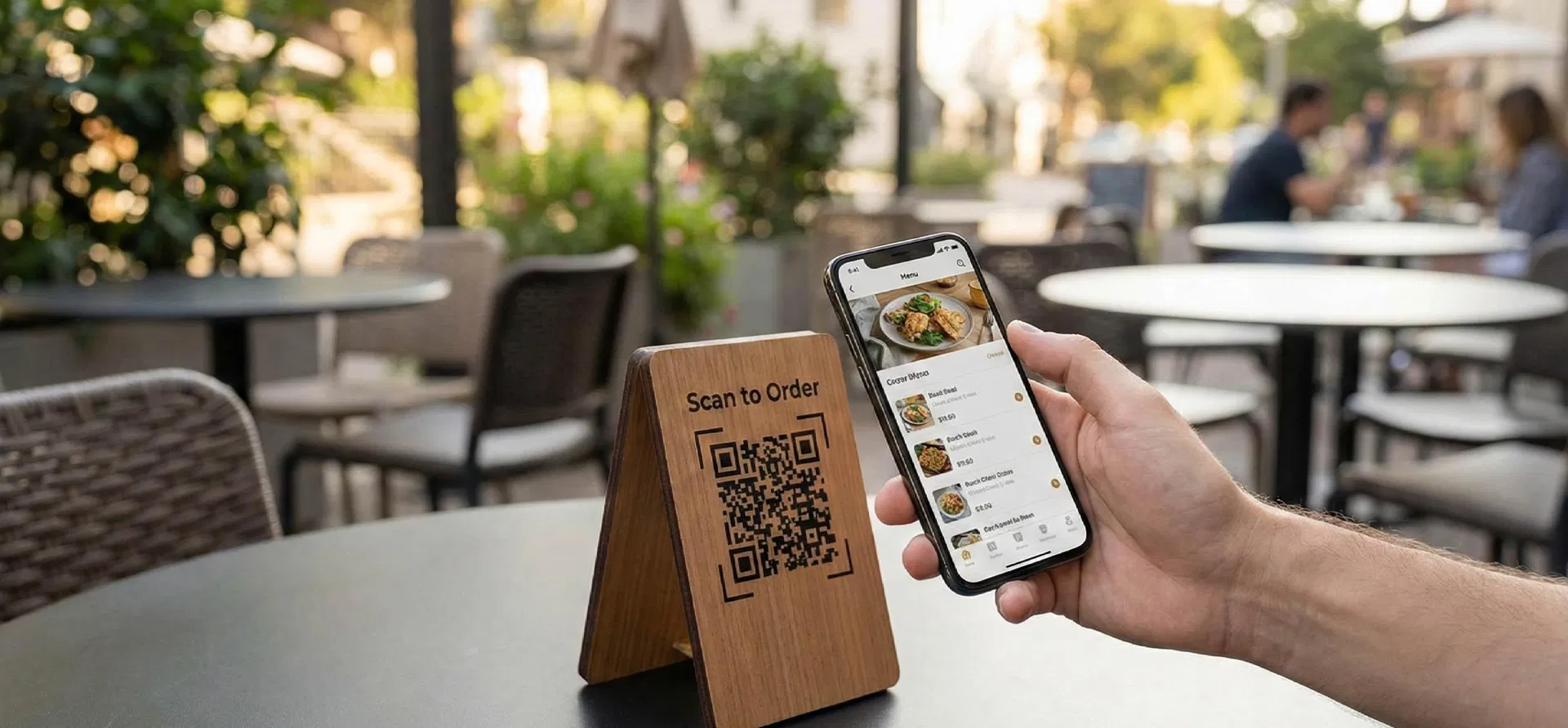
Digitalization, local equipment production, staff training and delivery are changing the restaurant business no less than new gastronomic trends. For the industry, this has become a huge support in its work.
Public catering turned out to be one of the industries that adopt digital tools especially quickly.
For a guest, this means an electronic menu, QR payment, photos of dishes, the ability to charge a phone, and various cashless payment options. But the visible part of digitalization is only the top layer. What happens inside the restaurant matters far more.
Digital systems make it possible to monitor costing, prime cost, margins, reporting, product movement and audit results in real time.
For an owner or manager, this means greater business transparency.
A restaurant is gradually turning from a space where food is simply cooked and sold into a complex data management system.
Expensive does not mean efficient
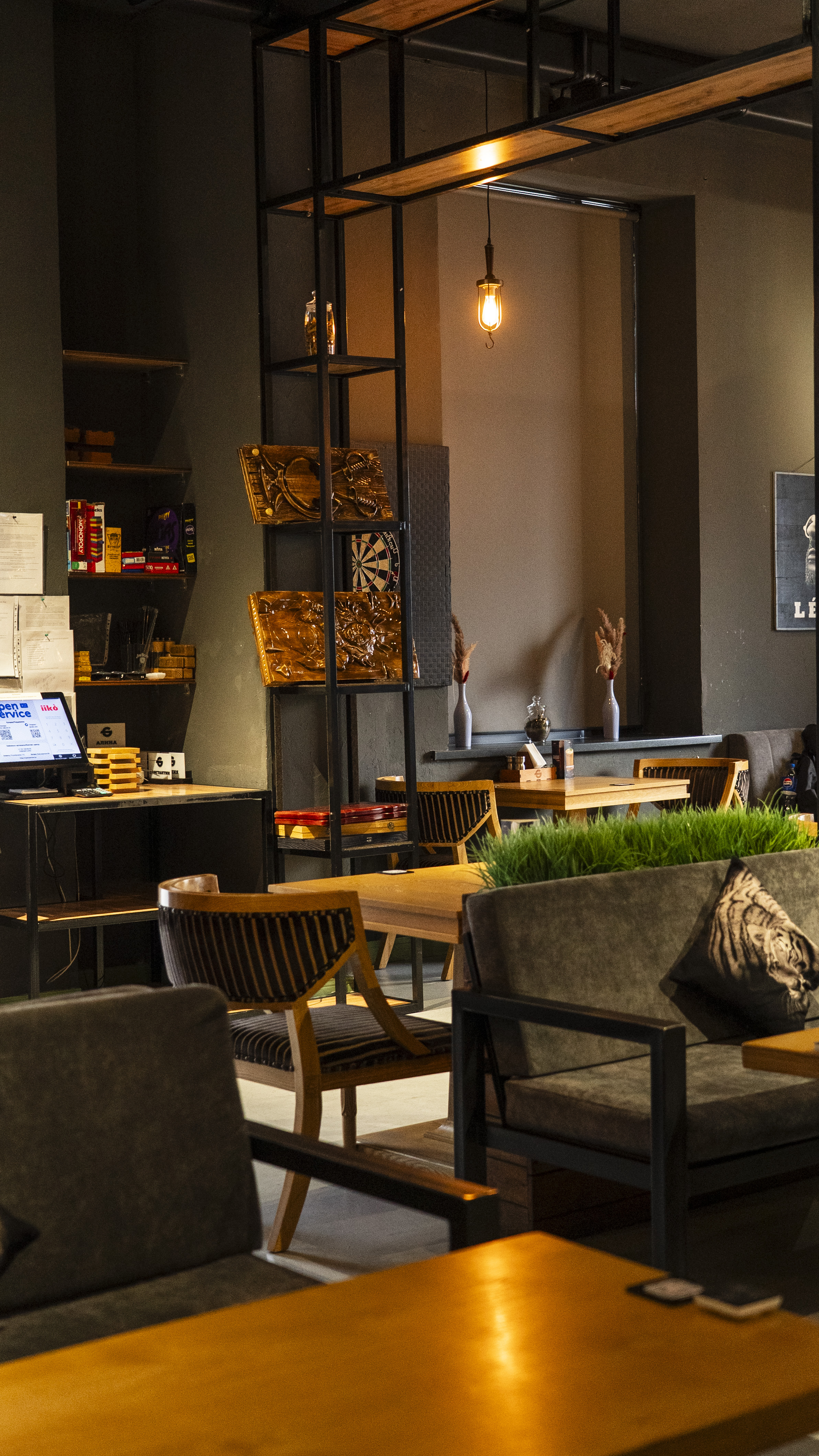
At the same time, technology should not be confused with high cost. A restaurant does not always need the most expensive professional equipment. If a small coffee shop buys a coffee machine for huge money only because it is considered prestigious, that does not make the business more efficient. The same applies to ovens, refrigeration equipment and other professional solutions. Equipment must match production volume, the format of the establishment, the menu and the audience.
A professional machine may indeed be necessary for a large venue or an expensive hotel. But for a small restaurant it may prove economically unjustified: it takes up more space, requires expensive maintenance and takes too long to pay off.
In some cases, a simpler analogue performs the necessary function with virtually no difference noticeable to the guest. This is a question not of technological status, but of economics.
Imports remain important, especially when it comes to high-class professional equipment. But the market has become less dependent on supplies than it was ten years ago. In Kazakhstan, production of certain types of equipment and components is developing. Local stainless steel is used, and manufacturers of equipment for coffee shops are emerging.
At the same time, the flow of equipment from China and Russia is growing. As a result, it is now easier for a restaurant to find a solution for its budget. This is especially important for small establishments, for which capital costs can determine whether a project can be launched at all.
The main asset is people
However, no digitalization removes the staffing problem. The restaurant industry remains one of the notable sources of jobs, but a professional restaurant cannot build its staffing policy solely on temporary employees. Serious establishments need professional waiters, administrators, bartenders and cooks. That is why cooperation with colleges and universities is becoming increasingly important.

The dual education model allows students to do internships directly in a restaurant. Some of them then stay on to work at the company. For the business, this is beneficial for several reasons: the employee is already familiar with the specific processes, standards and requirements of the establishment. In effect, the restaurant gets the opportunity to grow staff for itself. This is far more sustainable than constantly searching for ready-made specialists on the market.
Delivery changed the city
A separate part of the restaurant economy is delivery. After the pandemic, the habit of getting food at home became a stable part of city life. Along with it, demand for courier work also grew.
But delivery changed more than just the restaurant market. Urban logistics as a whole became part of everyday infrastructure: people got used to receiving food, goods, documents and purchases at home.
For restaurants, this means the emergence of another sales channel. An establishment today can work simultaneously with the dining hall, delivery, pickup and various digital services.
Technology must make sense
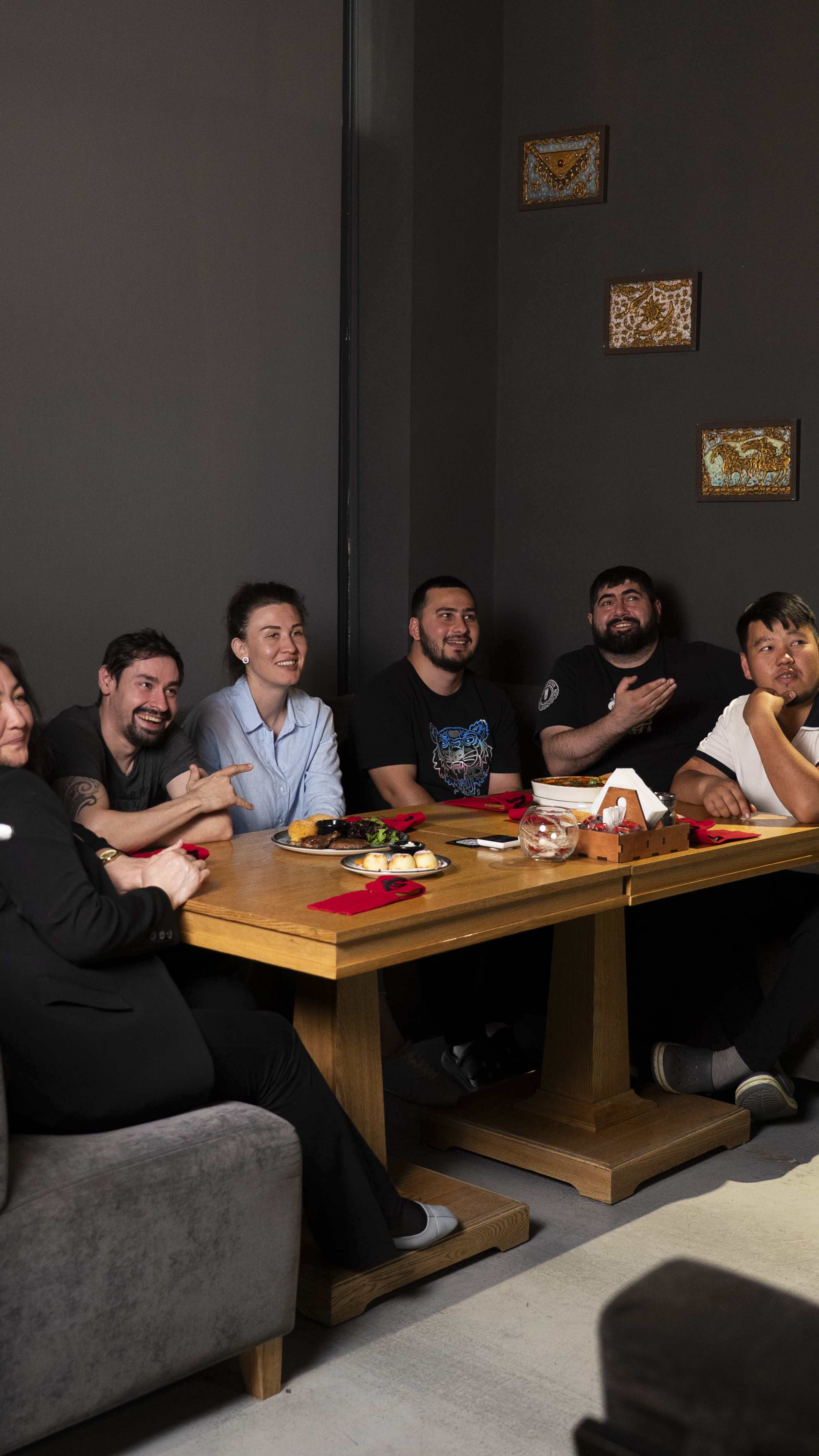
As a result, the modern restaurant looks less and less like a classic catering enterprise. It is at once a kitchen, a service, a logistics system, a digital platform, an employer and a business with very precise economics. But that is exactly why the main question when adopting any technology should be simple: why is it needed?
If an expensive coffee machine does not pay off, its price does not matter.
If a digital system cuts audit time and makes prime cost transparent, it is genuinely useful.
If cooperation with a college allows you to grow your own employee, it is an investment.
If delivery provides a new sales channel, it becomes part of the business model.
The technological level of a restaurant is not measured by the amount of equipment and apps. It is measured by how well this entire complex mechanism works together.

Newsletter
A letter from the HD editors
Once a week, we send the best stories, events, and cultural discoveries from Central Asia.