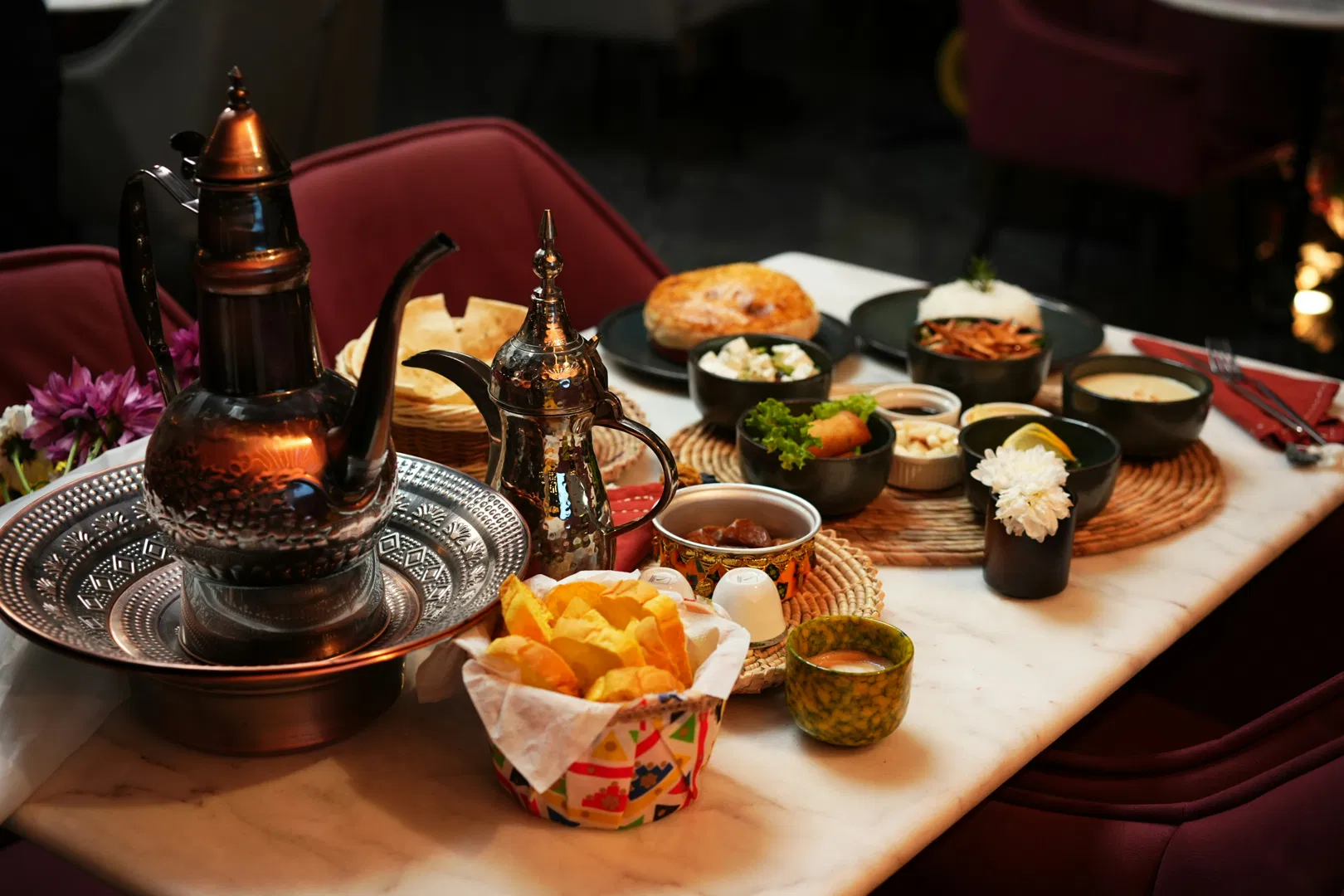
Ramen, borscht, kuksi, plov, homemade teas and modern interpretations of Kazakh dishes - Almaty's restaurants have long moved beyond the concept of "national cuisine." The city is developing its own urban gastronomic culture, in which different traditions mix
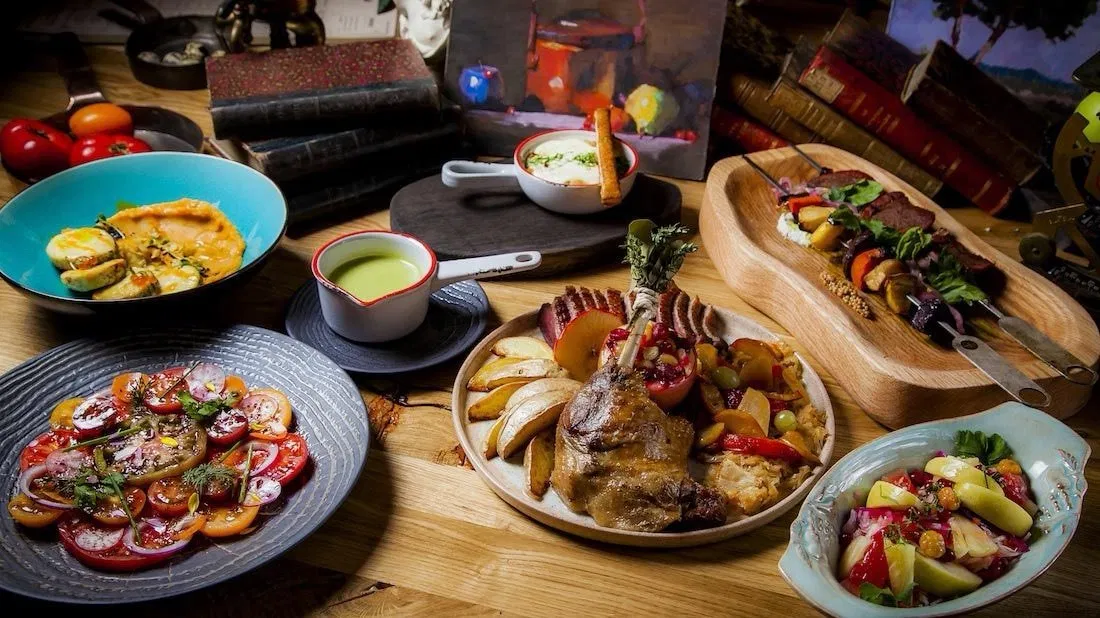
Today we can confidently speak of a distinct Almaty restaurant culture, because its defining feature is precisely that it does not fit within the framework of any single national tradition. In one establishment you can find dishes from Kazakh, Ukrainian, Korean, Russian, Italian, Georgian and Uzbek cuisines. At first glance this mixture may seem like an absence of identity, but in reality the opposite is happening - urban cuisine forms precisely where traditions of different cultures meet. Restaurants are increasingly embracing culinary hybridization: dishes from different national cuisines are adapted to local taste, and their individual elements are combined into new gastronomic formats: for example, in Kazakhstan for several years now there has been a merging of traditional Kazakh products with global techniques and ingredients - from horse meat in steak format to combining traditional products with quinoa and modern dessert techniques.
A new life for old dishes
Restaurant culture allows us to look anew at dishes that many have known since childhood: the presentation changes, various combinations of ingredients and spices are used, traditional products often receive new presentation. This does not mean abandoning authenticity, on the contrary, a modern interpretation can become a way to preserve a dish by making it understandable to a new generation. This is the fundamental difference between modern national cuisine and a restaurant built exclusively on stylization of the past. Also today it is not at all necessary to turn a Kazakh or Uzbek restaurant into the interior of a conventional kishlak or a reconstruction from a century ago. Traditional cuisine can quite well exist in a modern space - with a technological interior, modern presentation and contemporary service. For the younger generation this is especially important: they want to simultaneously recognize their own culture and see it in a modern context.
The influence of neighbors
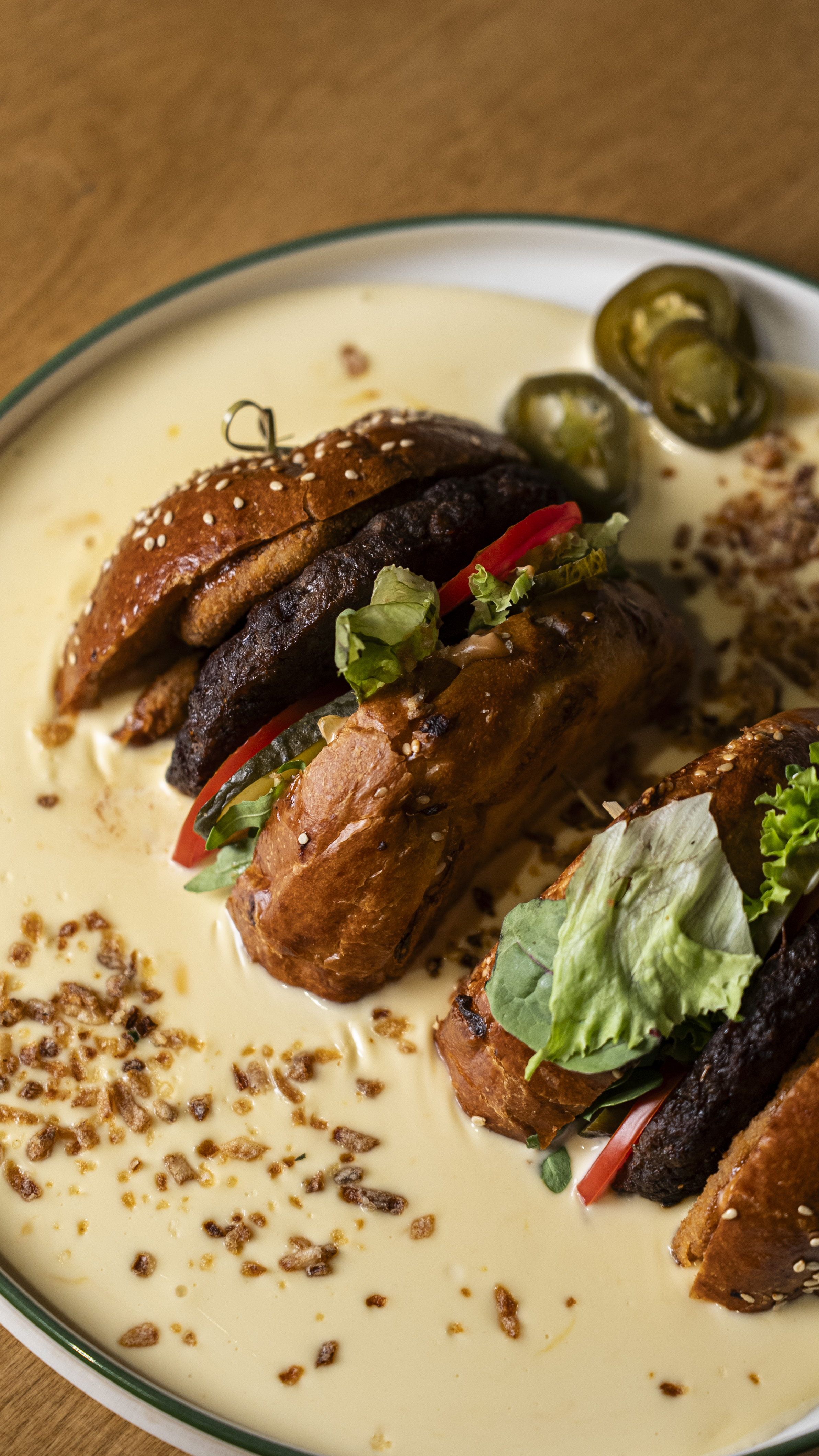
Almaty cuisine does not form in isolation, it is simultaneously influenced by European, pan-Asian and Caucasian gastronomic traditions.
The influence of Uzbek cuisine is especially noticeable. Plov, samsa, tea and other dishes of Eastern cuisine have long been part of the everyday urban menu, and not only in establishments that directly position themselves as Uzbek. This is not competition in the classical sense, but rather a constant exchange. Some restaurants borrow presentation, others - product combinations, still others - the very principle of working with traditional cuisine. As a result, a new form appears that cannot be fully attributed to any one country.
A good illustration of this process is working with kumys. A beloved Kazakh product can be left exclusively in a traditional context, or it can be made into a standalone modern gastronomic experience. When a quality interior and modern presentation are created around the product, it becomes interesting not only to those who have known it since childhood, but also to a new audience, including tourists.
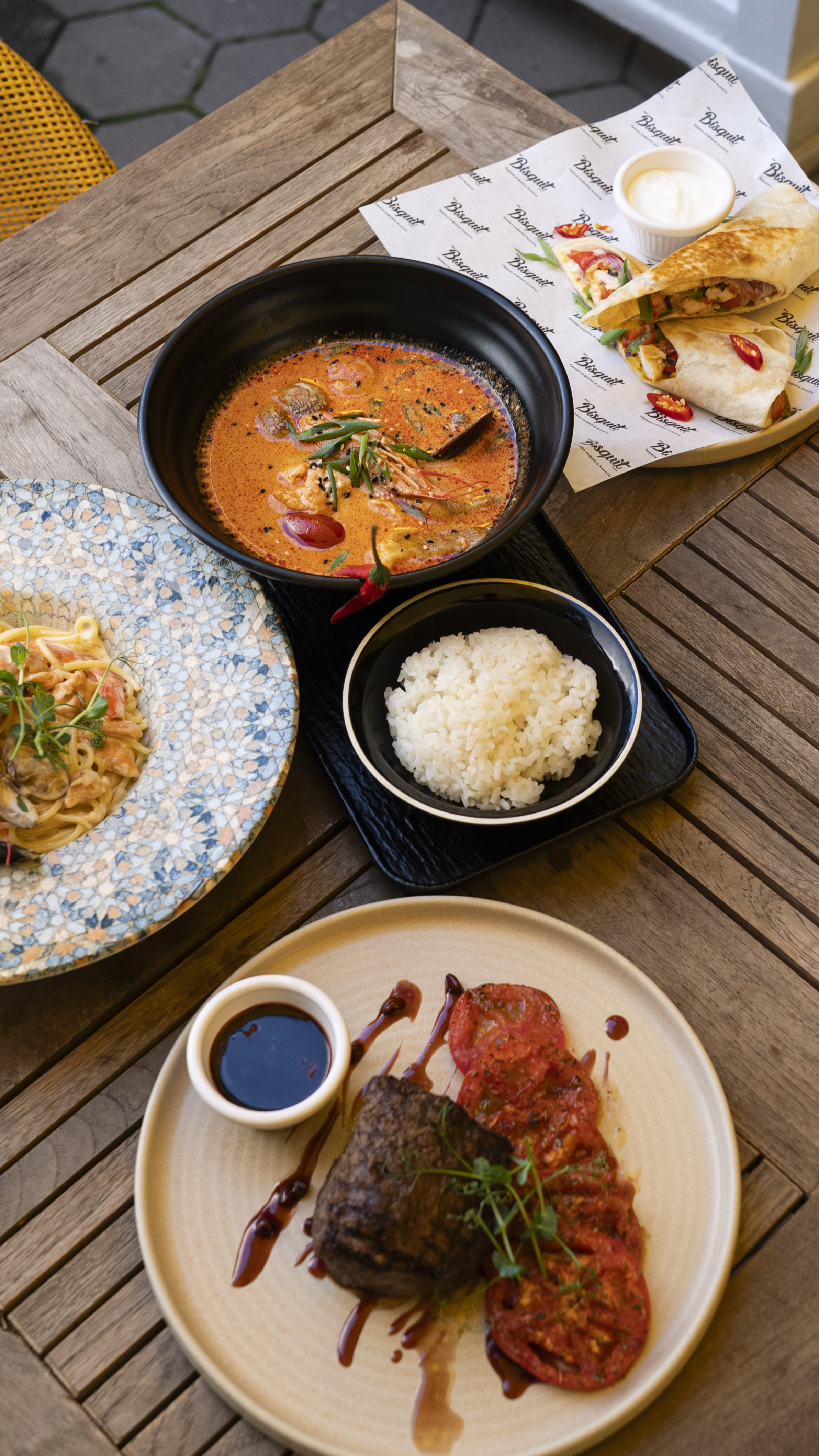
A restaurant that works with national tradition is by no means obliged to look like a reconstruction of the past. Modern interior and traditional cuisine are quite compatible. Moreover, it is precisely this combination that may prove more promising than stylization.
Tea as a separate urban culture
An interesting example - tea. In Kazakhstan and generally in the post-Soviet space a distinct culture of serving it has formed - this is not a Chinese tea ceremony and not a European tea party.
For example, new teas have appeared: Tashkent, Moroccan, etc. Tea with pennywort root, nuts, honey and jam - a completely different way of perceiving the drink. Here tea becomes not just a drink, but a whole ritual, the same logic works with so-called homemade teas: sea buckthorn, berry, raisin and other combinations. Their popularity shows that a person wants not just to drink a cup of tea, but to get a certain taste experience. Adding lemon, honey, berries or spices changes not only the taste, but also the very scenario of consumption. That is precisely why tea culture today is becoming one of the interesting directions for restaurant development.
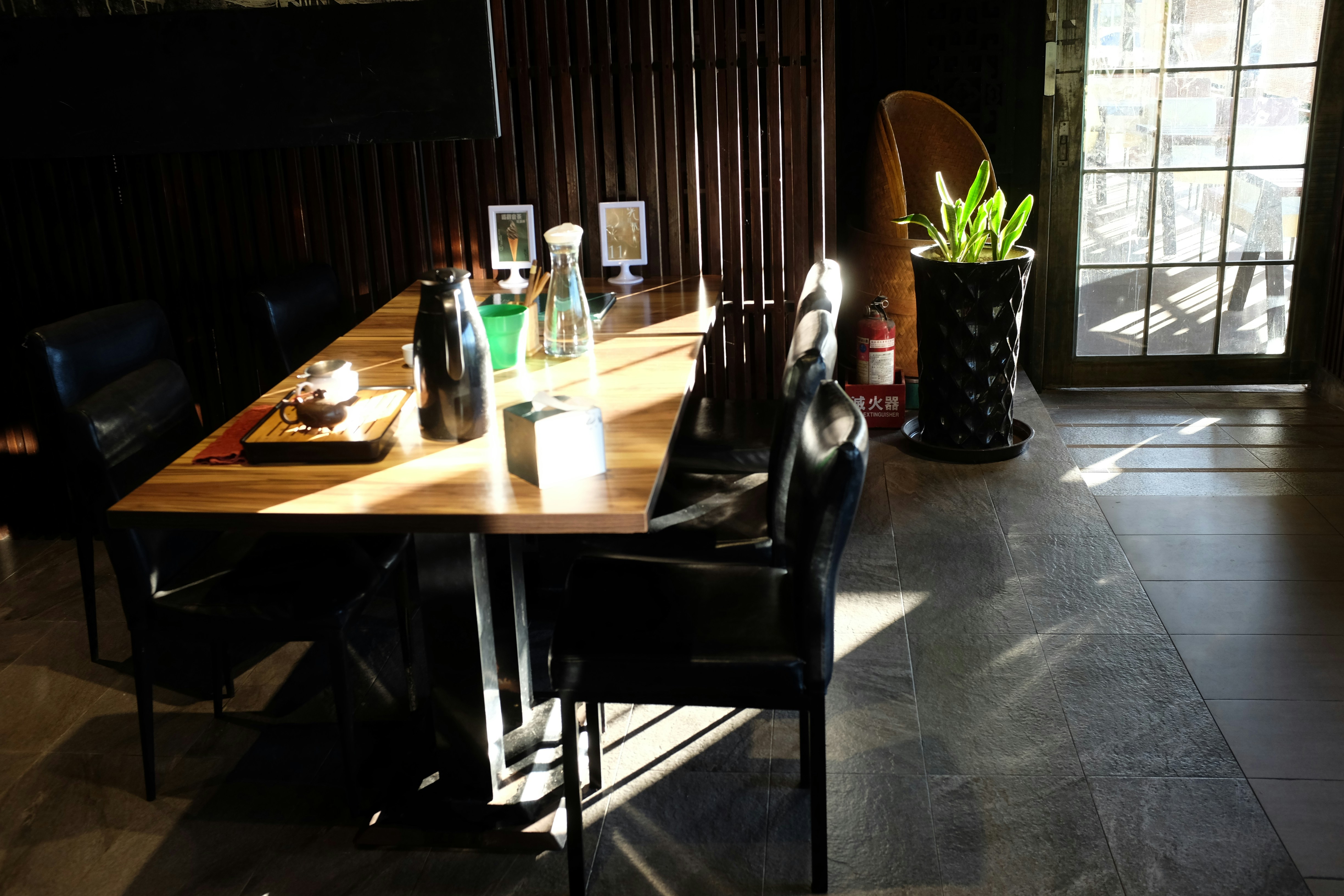 Photo: MChe Lee
The city as the main ingredient
Almaty has an important advantage: an audience has already formed here that is quite demanding about the restaurant experience. A guest wants not just to eat, they compare dishes, know global trends, travel, visit restaurants in other cities and countries. For the market itself this is useful competition.
Restaurateurs, in turn, travel to other countries for experience, especially interested in bar culture, cocktails and modern formats. The ideas brought back are adapted to local demand and thus urban cuisine emerges: not as an attempt to invent it in one evening, but as a result of constant exchange, competition and rethinking.
Therefore the gastronomic identity of Almaty is not a set of obligatory dishes. It is the city's ability to process different cultural influences and create its own taste from them.
Newsletter
A letter from the HD editors
Once a week, we send the best stories, events, and cultural discoveries from Central Asia.