Art
"Photos on the internet are not ownerless": what you need to know about copyright in Kazakhstan
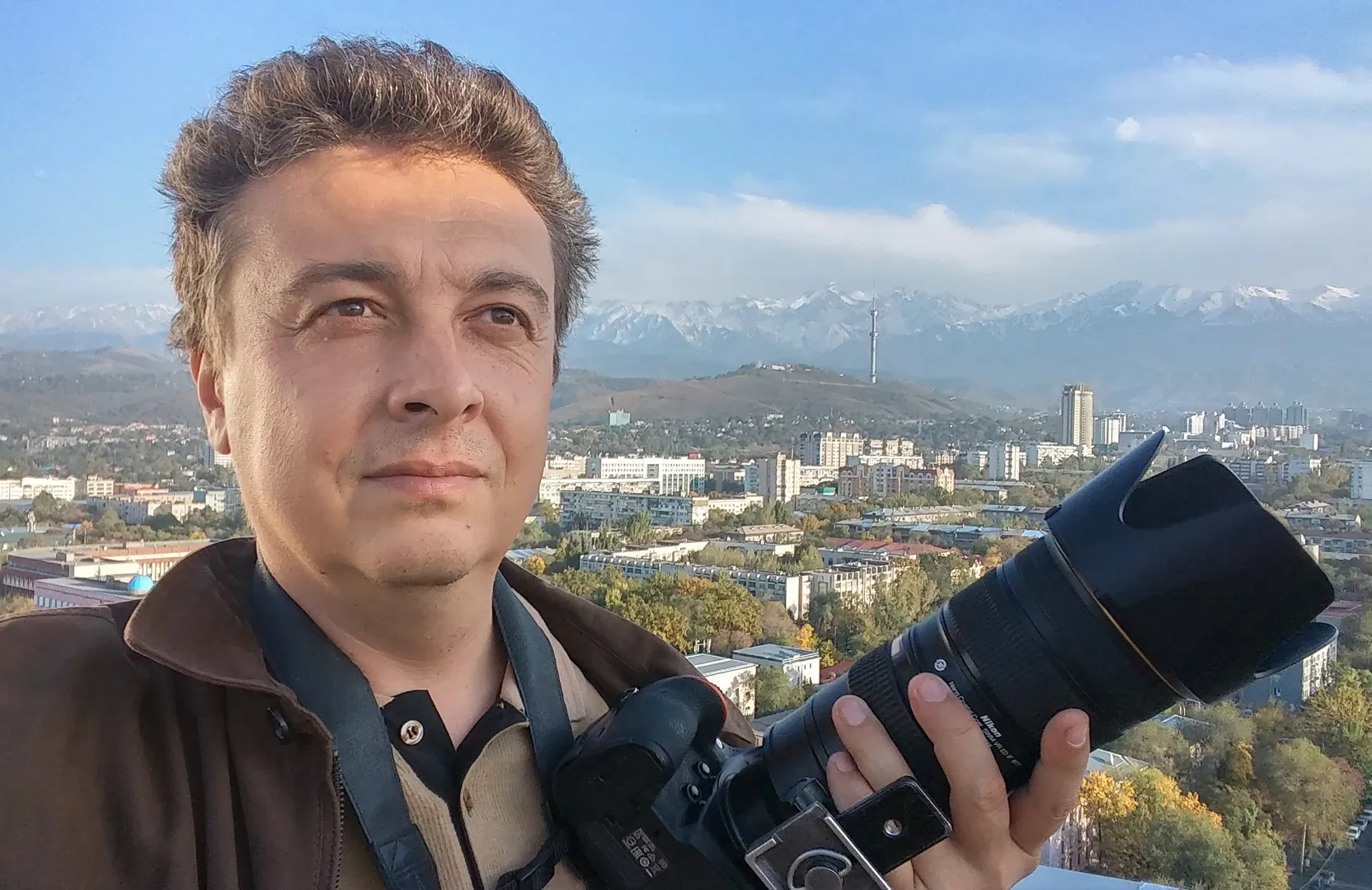
Photographer Maxim Zolotukhin on when copyright arises, why a contract is needed, whether images can be taken from social media, and what to do if your photo was used without permission.
When does a photograph become subject to copyright?
— Copyright protects everything created by a person creatively and existing in an objective form: works of literature, science, art, photographs, music, paintings, drawings, illustrations, design, architecture and much more.
At the same time, copyright does not protect ideas, concepts and principles themselves. If I have come up with a photograph I want to take but have not yet created it, the idea itself is not subject to copyright. Facts and official documents as such are also not protected. A text that tells about an event may be protected, but the event itself is not.
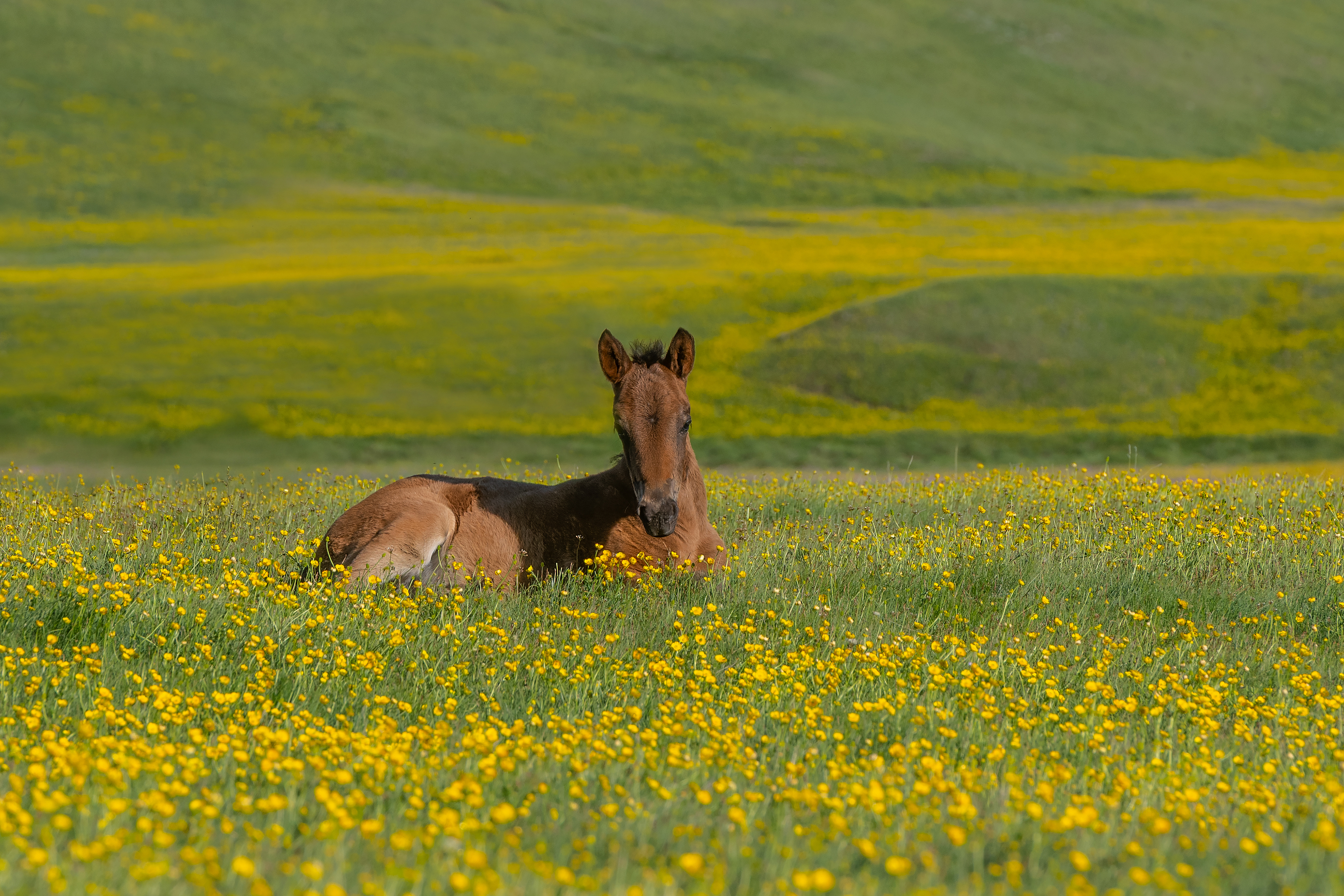 Photo: Maxim Zolotukhin
Copyright arises at the moment a work is created. In the case of a photograph, everything happens almost instantly: I pressed the button, the image appeared on the camera sensor or another physical medium, and from that moment it is protected.
Do you need to register a photograph to confirm authorship?
— No, registration of a photograph is not mandatory. The law provides for such a possibility, but a photographer has the right to register a work and the right not to do so. Imagine that a photographer works in Uralsk, then comes to Almaty, processes the images and has to send them to Astana, wait for registration and only then publish. In real journalistic work this is impossible, especially when it comes to news photography.
Authorship is confirmed by other means. There is a presumption of authorship: the author is considered to be the person who has identified himself as the author of the work, for example, whose name is indicated on the original or a copy.
 Photo: Maxim Zolotukhin
In addition, a digital photograph has a source file, which may store data about the camera, the date of shooting, the lens and other technical information. The author can also indicate information about himself in the metadata. Therefore, the claim that a photographer cannot prove his authorship without a special certificate does not correspond to practice. Authorship can be confirmed by a combination of evidence.
AI Can Draw Anything Except Reality: An Interview with Maxim ZolotukhinAlmaty-based photographer Maxim Zolotukhin on the magic of the film photograph, the disappearance of street photography, the limits of Photoshop, and why artificial intelligence will never be able to replace the human eye.mag.humodoc.com
What rights belong to the author of a photograph?
— Initially, the author holds exclusive, that is, economic, rights to the work. He can dispose of the photograph: sell the rights, transfer them, grant permission for use on certain conditions.
But authorship itself is inalienable. If a photographer has transferred economic rights to an image to an organisation, the organisation does not thereby become the author. The author always remains the author of the work. For example, I as a photographer can transfer to an editorial office the right to use a photograph I have taken. The editorial office receives the rights stipulated by the contract, but I remain its author.
If a photographer shoots on commission for an editorial office, who owns the rights?
— Copyright still remains with the person who created the photograph. But the conditions for using the work must be determined by a contract.
One editorial office may provide that it receives all the necessary rights to materials created for it. In another case, rights may be transferred only for a certain period or for a certain method of use.
That is why everything must be spelled out in the contract: who transfers the rights, which work is transferred, to whom, on what conditions and for what period. The material itself must also be identified.
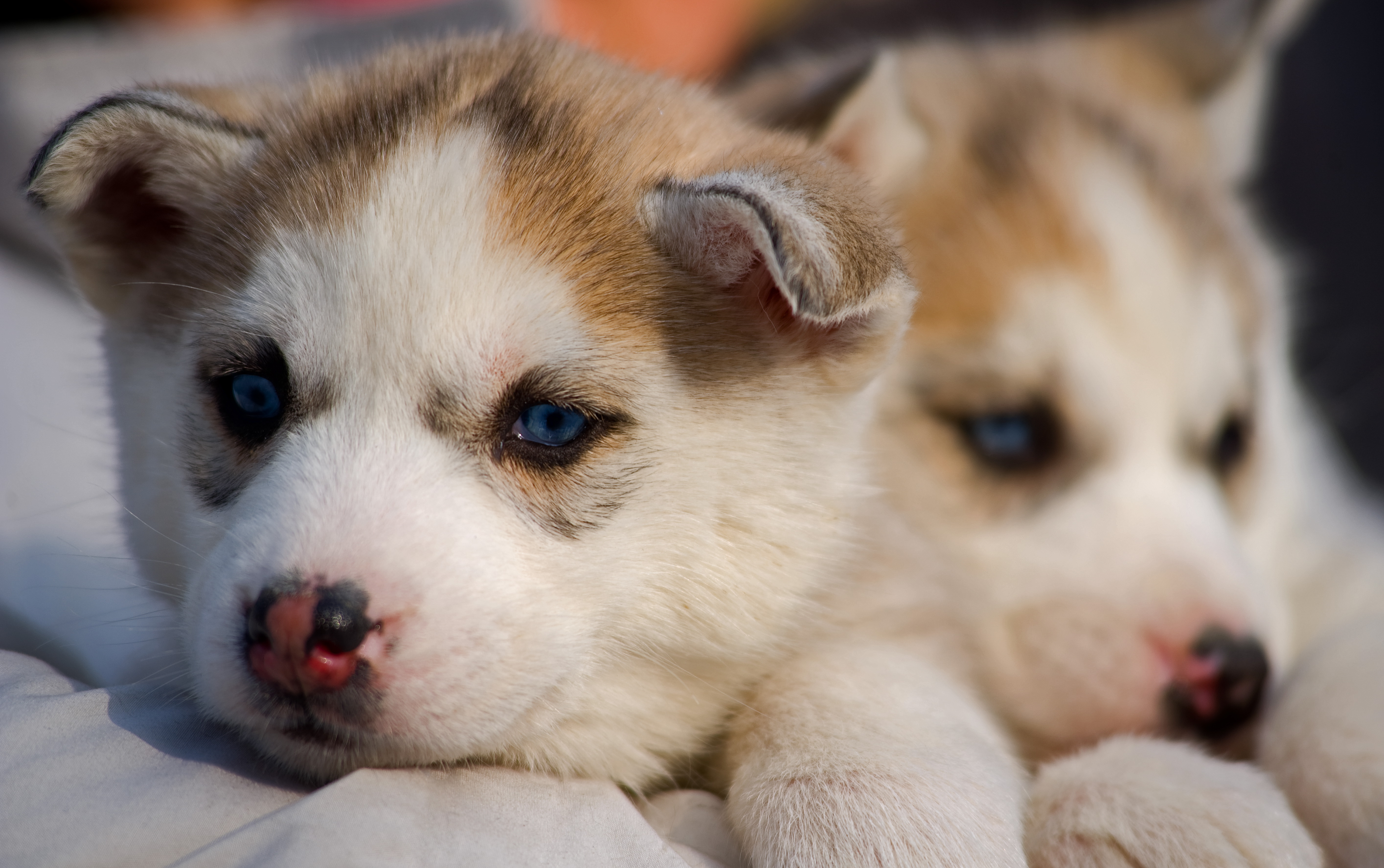 Photo: Maxim Zolotukhin
Is an oral agreement sufficient?
— For normal work, it is always better to have a written author's contract. This protects both the author and the editorial office.
Even if a photographer has collaborated with one organisation for many years and in some urgent situation handed over a photograph upon an oral request, it is still worth formalising permission for use afterwards. This can be a very simple document stating which photograph the author transfers to the editorial office, for what period and on what conditions.
Situations vary, so putting agreements in writing saves you from many problems.
Can you take a photograph from a website or social media if the author is not indicated?
— No. This is one of the most painful topics. If a media outlet or website has found a photograph on the internet or a social network, the absence of the author's name does not mean that the photograph belongs to no one. Before publication, it is necessary to establish the author or rights holder and obtain permission for use.
The exception is works whose term of protection has expired. For example, works by authors who died 70 years ago can be used as part of the public domain.
But a photograph found on the internet does not automatically become public domain.
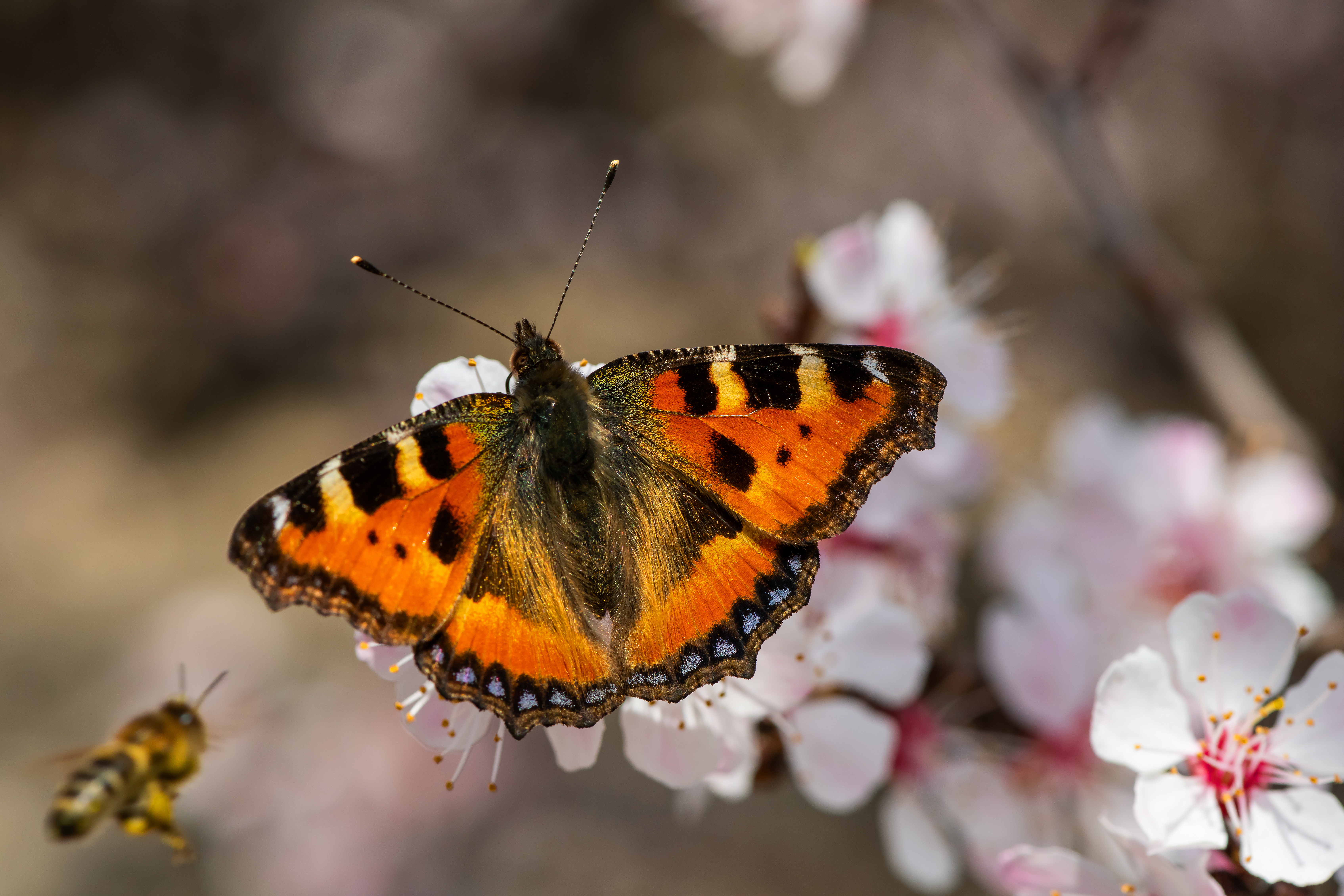 Photo: Maxim Zolotukhin
What if the photographer's name is indicated? Is that enough?
— In a normal situation, permission from the rights holder must be obtained. At the same time, the legislation contains a provision that I consider contradictory. On the one hand, the transfer of rights must be formalised by an author's contract. On the other hand, there is a provision allowing publications in certain cases to use a work with an indication of the source and the author's name without separate consent and payment of remuneration.
In practice, there have been court cases in which the court sided with the authors even when their surname was under the photograph and recognised the publication as unlawful. Therefore, merely indicating the photographer's name should not be perceived as universal permission to use the image.
What changes if a person is depicted in the photograph?
— This raises a separate question: a person's right to their own image. If a person is recognizable, in most cases their consent is required for publication. In practice, model releases are used for this - documents in which a person confirms their consent to be photographed and to specific ways the image may be used.
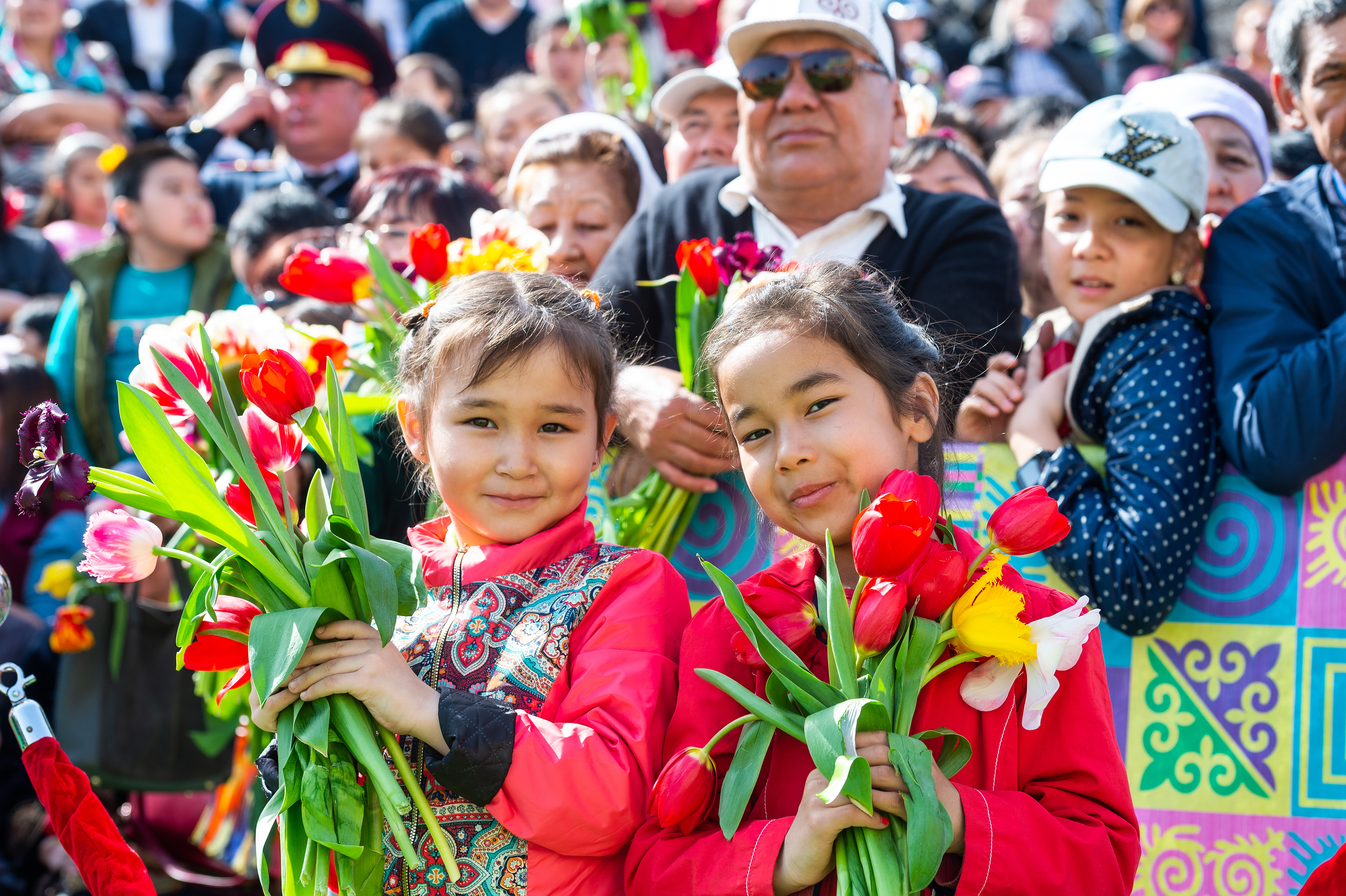
If there are ten recognizable people in the frame, ideally ten such consents must be obtained.
There are exceptions related to a person's participation in a public event. For example, if a person is in the stands of a stadium and is a participant in the event taking place there, the situation differs from a photograph of a random passerby on the street.
Can buildings and works of art in public spaces be photographed?
— The mere act of photographing what is on the street or in nature and available for public viewing is generally not prohibited. Exceptions may relate to closed or restricted areas. But photographing an object and using the photograph are not the same thing.
For example, if a photograph of a building is used in a journalistic piece or a book about the city, that is one situation. If a photograph of a specific building is used in commercial advertising, the matter may require separate permission.
It is also important to distinguish between the object itself and the rights to its use. In a commercial case, additional rights and restrictions may arise.
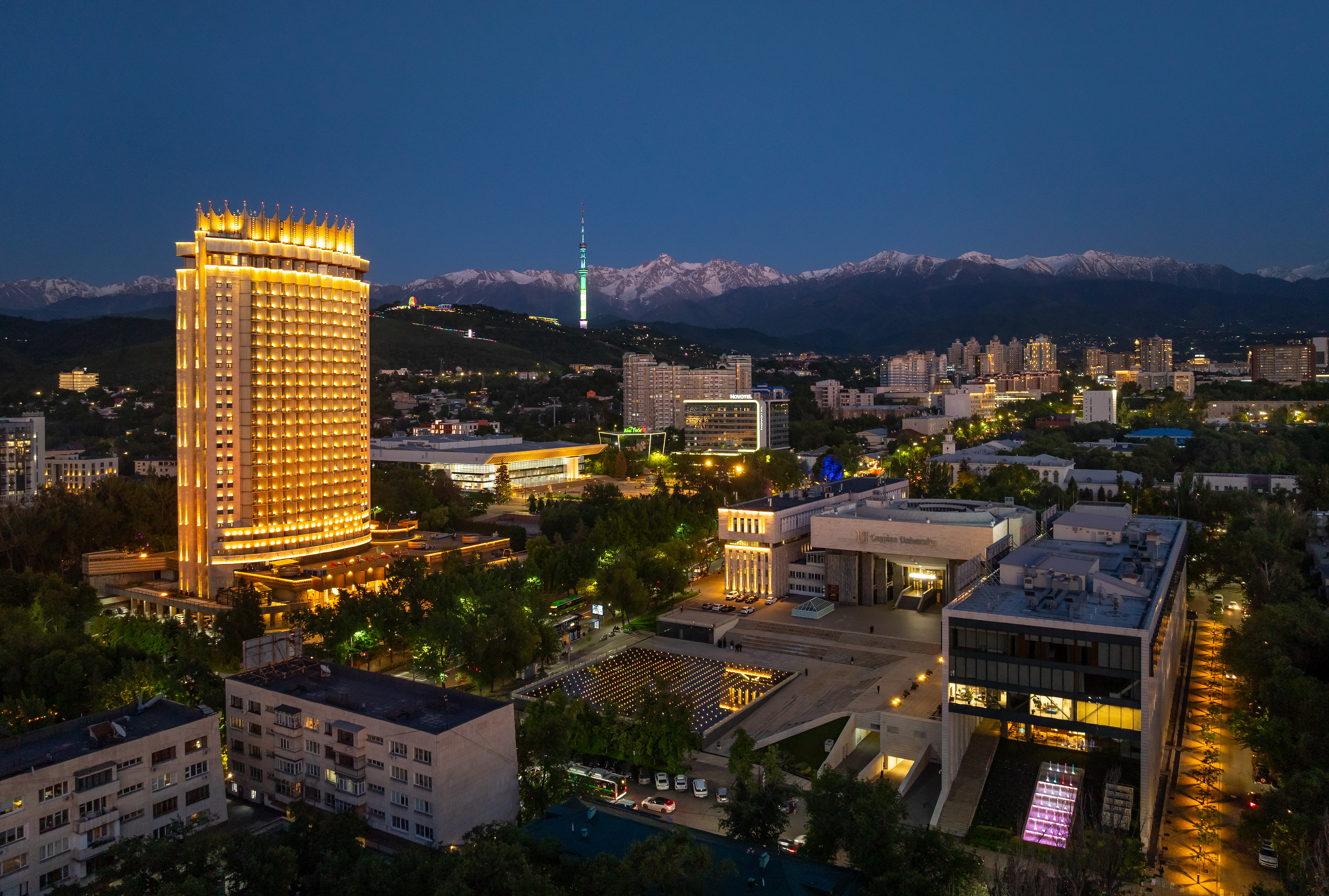 Photo: Maxim Zolotukhin
What does the rule on works in places open to the public mean?
— This is often misinterpreted. Sometimes the article of the law on works located in places open to the public is used as an argument that any photographs from the internet can be taken: since the image is publicly available, it can be used. This is incorrect.
It refers to physical space: a museum, restaurant, square, park and other places a person can enter. For example, if we photograph the interior of a museum where a painting hangs on the wall, and the work appears in the frame as part of the interior, this may fall under the relevant exception.
The internet is not a "place open to the public" in this sense. Publishing a photograph on the internet cannot be equated with the physical accessibility of a work.
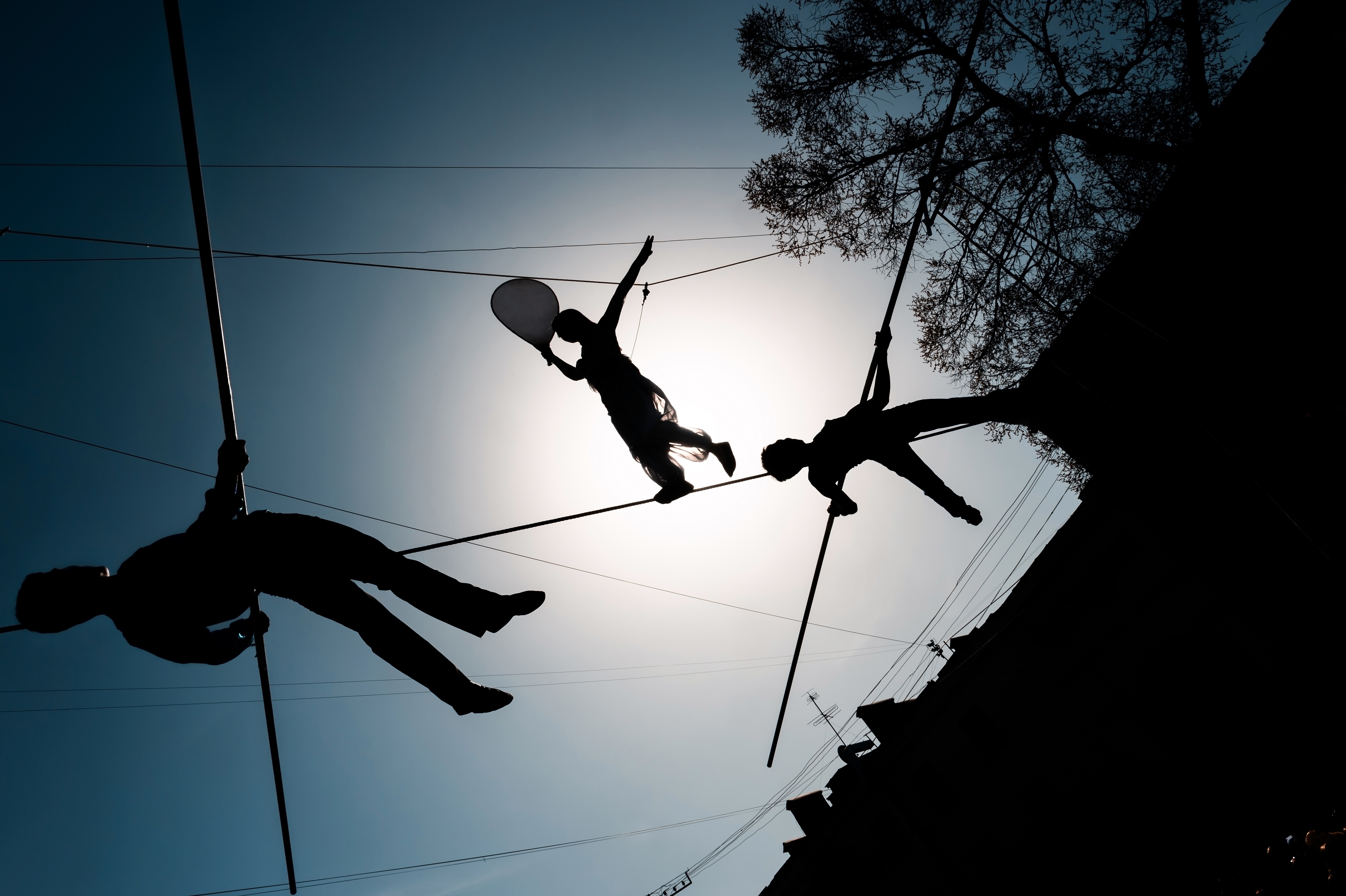 Photo: Maxim Zolotukhin
What should a photographer do if their photograph was used without permission?
— First of all, it is necessary to record the violation and confirm one's authorship. Video recording, certified screenshots, saving the publication and other evidence can be used. After that, the author may contact a copyright society, a lawyer, or defend their rights directly in accordance with the procedure established by law.
The law provides for the possibility of claiming compensation. According to the data I have, the amount of compensation may range from 100 to 15,000 MRP - the specific amount is determined taking into account the circumstances of the case.
The author may also demand the removal of the illegally posted image.
There is another protection mechanism on social media. For example, in cases of copyright infringement on Instagram or Facebook, the rights holder can contact the platform's support service and provide evidence that the photograph belongs to them and was published by them earlier. Such requests may lead to the removal of the content, and in cases of repeated violations, to restrictions on the account.
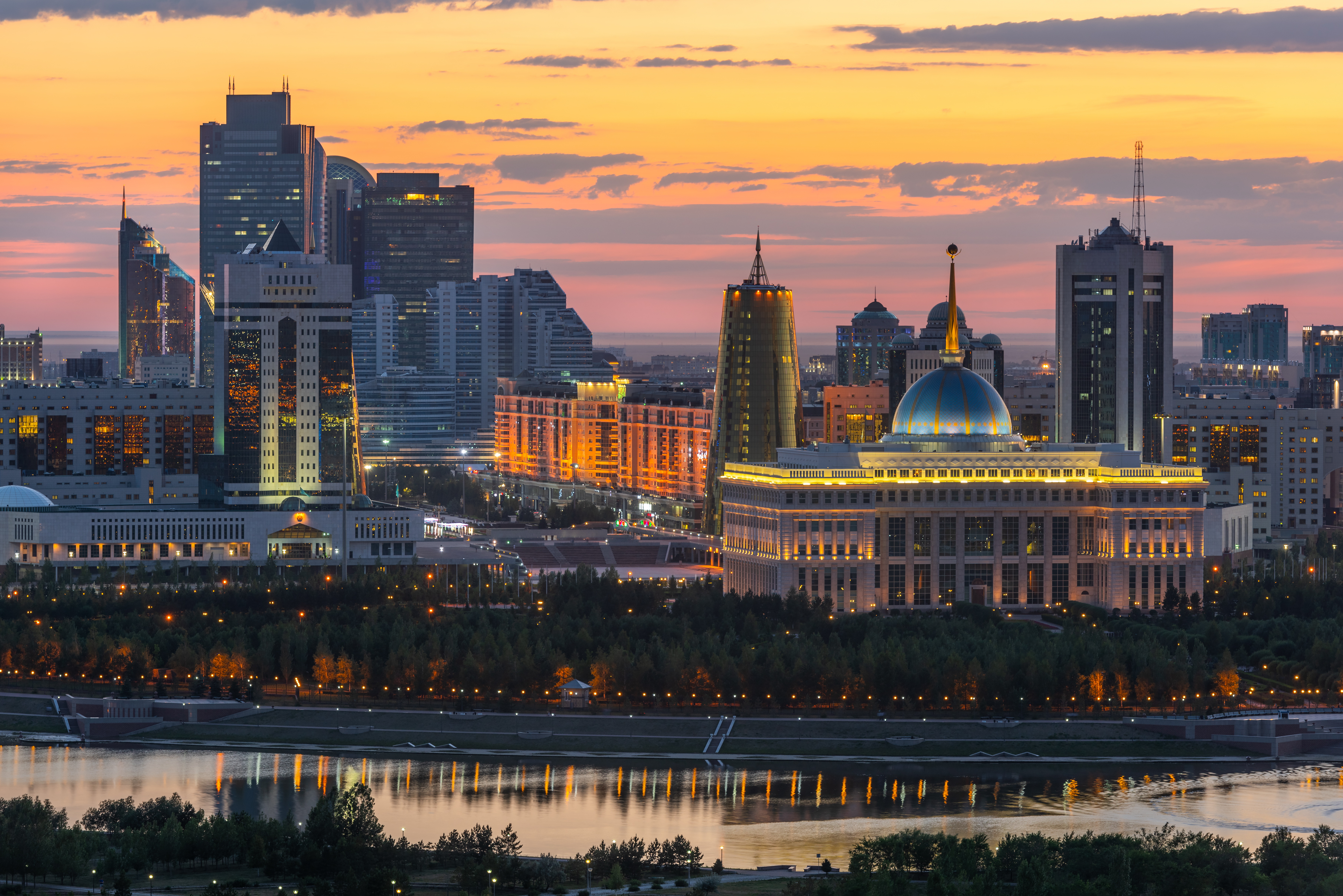 Photo: Maxim Zolotukhin
Why is it especially important for photographers today to protect their rights?
— Because the scale of unauthorized use of photographs has become very large. Arguments are often heard: "We didn't know," "The author wasn't credited," "We wanted to credit but didn't have time," "The photograph was just on the internet."
But the presence of a photograph on the internet does not mean it is free to use. If the work belongs to someone else, it is necessary to find out who holds the rights and obtain the appropriate permission. The more authors protect their rights, the clearer a simple rule will become for all market participants: someone else's photograph does not become anyone's property just because it can be found on the internet.
Newsletter
A letter from the HD editors
Once a week, we send the best stories, events, and cultural discoveries from Central Asia.