Curator of the "Living Traditions" exhibition Khusniddin Ato on selection criteria, respect for the people in the photographs, and the fate of the photos after the festival.
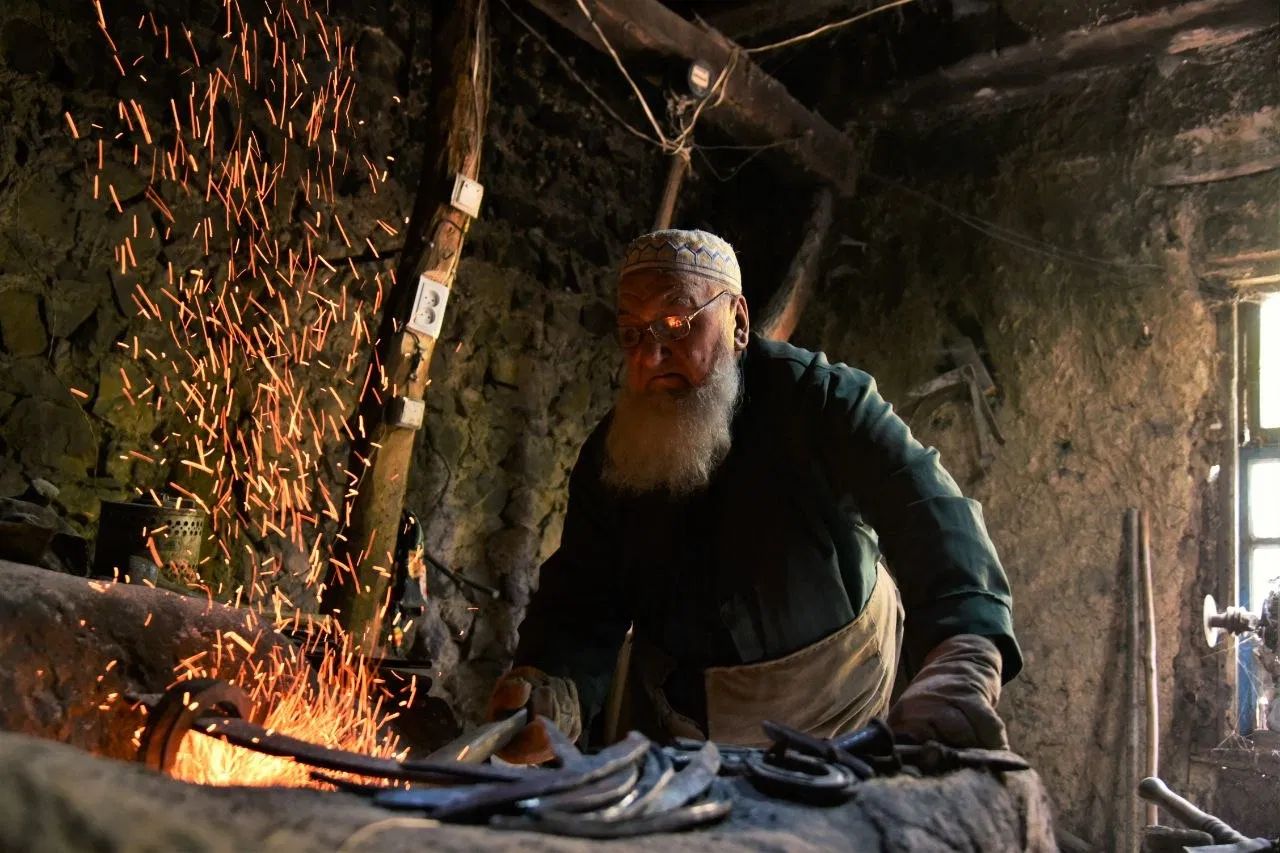
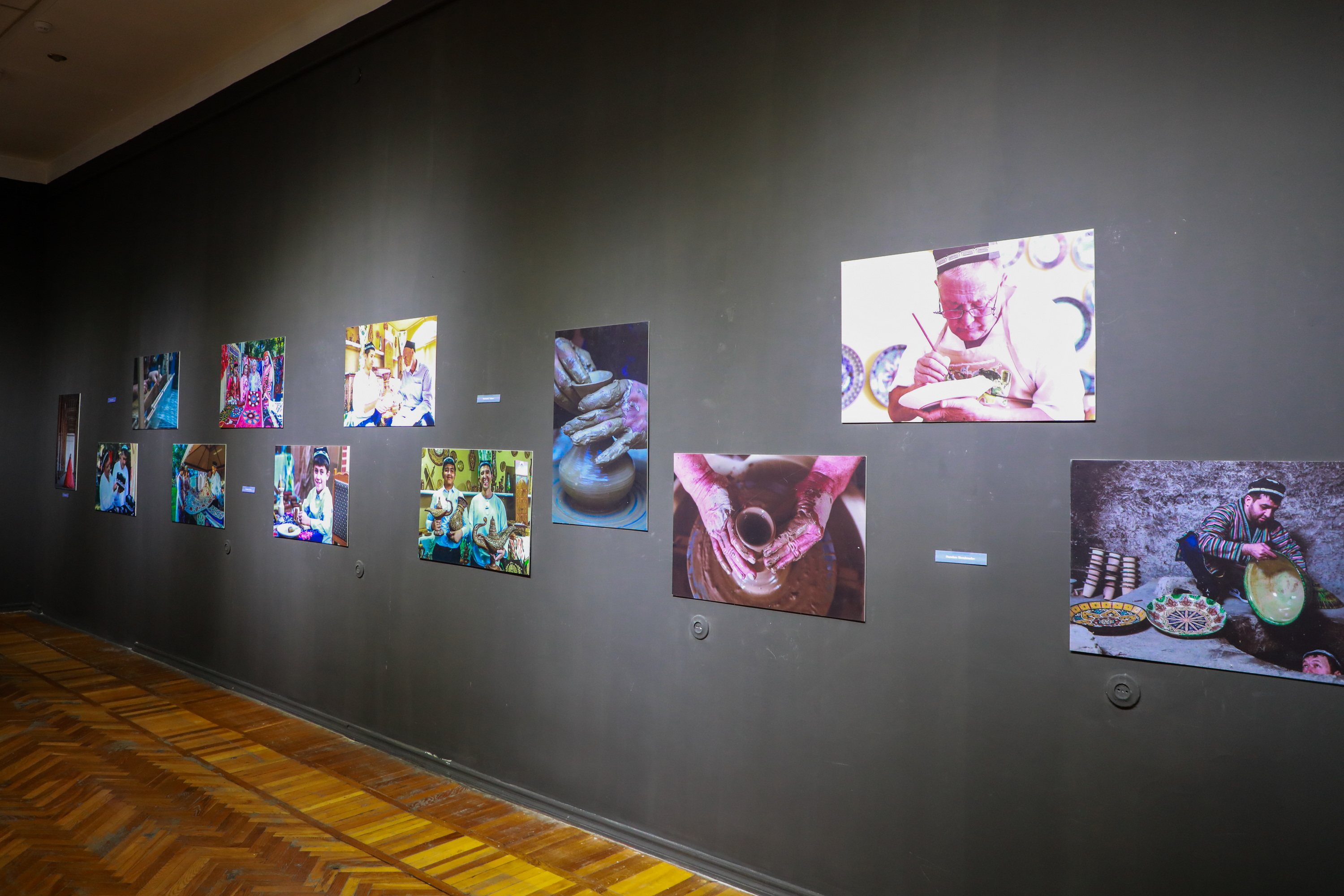
A tiny jug in the potter's hands - a photograph that stayed with Husniddin Ato, curator of the "Living Traditions" exhibition. "There is a lot of warmth and precision in this shot," he says. Such frames show craft through the movement of hands, work with material and the workshop. In an interview with HD Magazine, Ato explained how the exhibition took shape, the criteria for selecting photographs and where they will be shown after Atlas Bayrami.
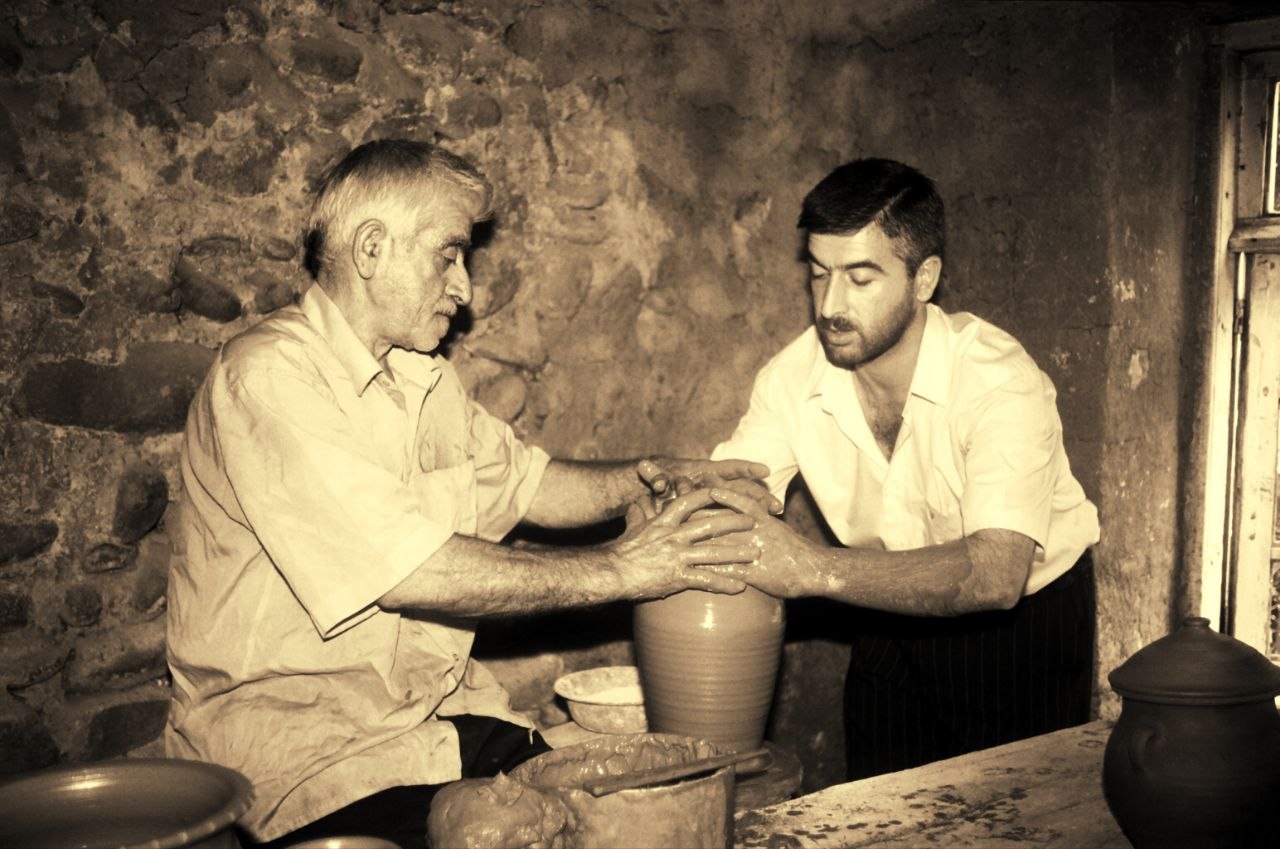 Photo: Husniddin Ato
- How does the exhibition differ from a decorative display of crafts?
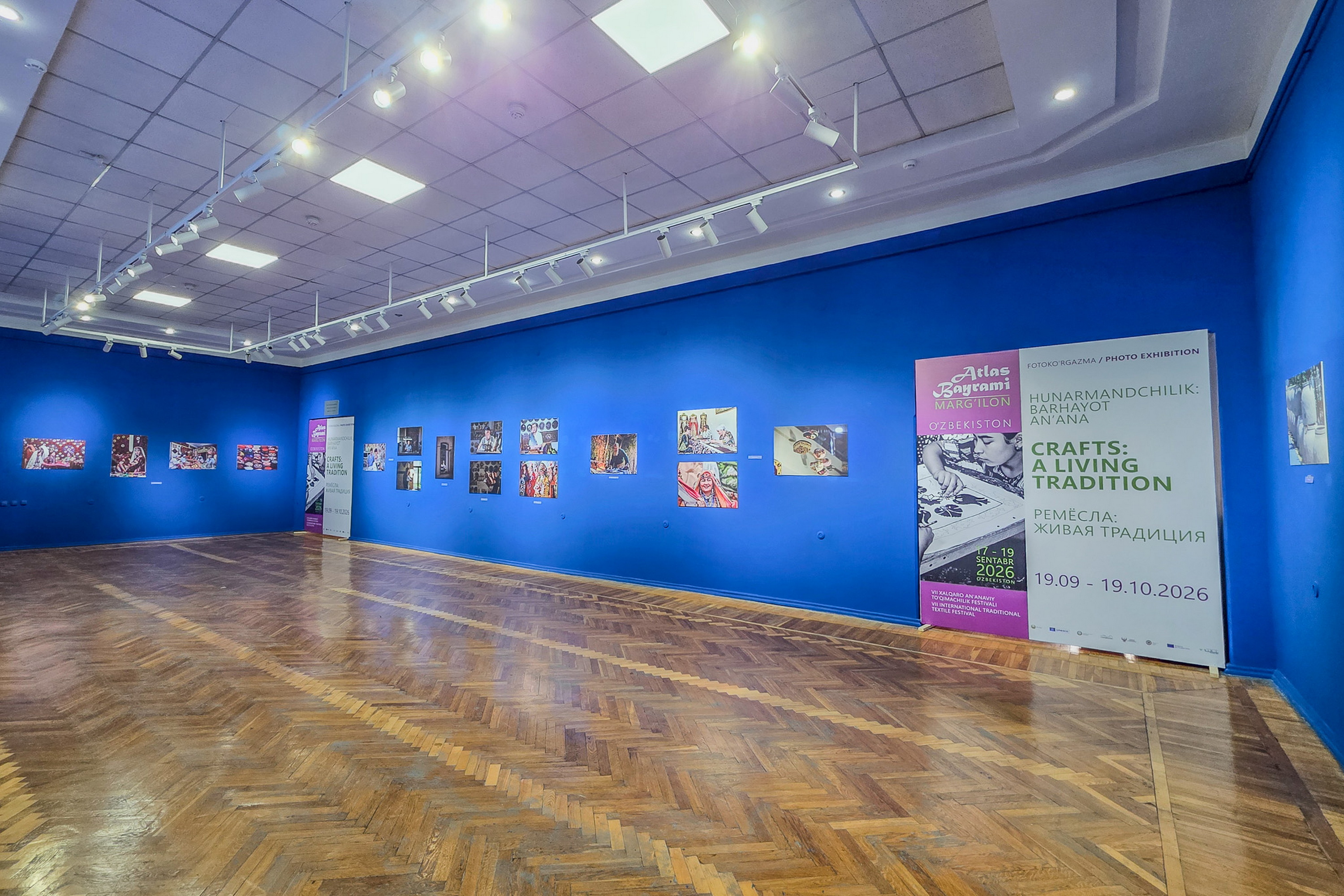
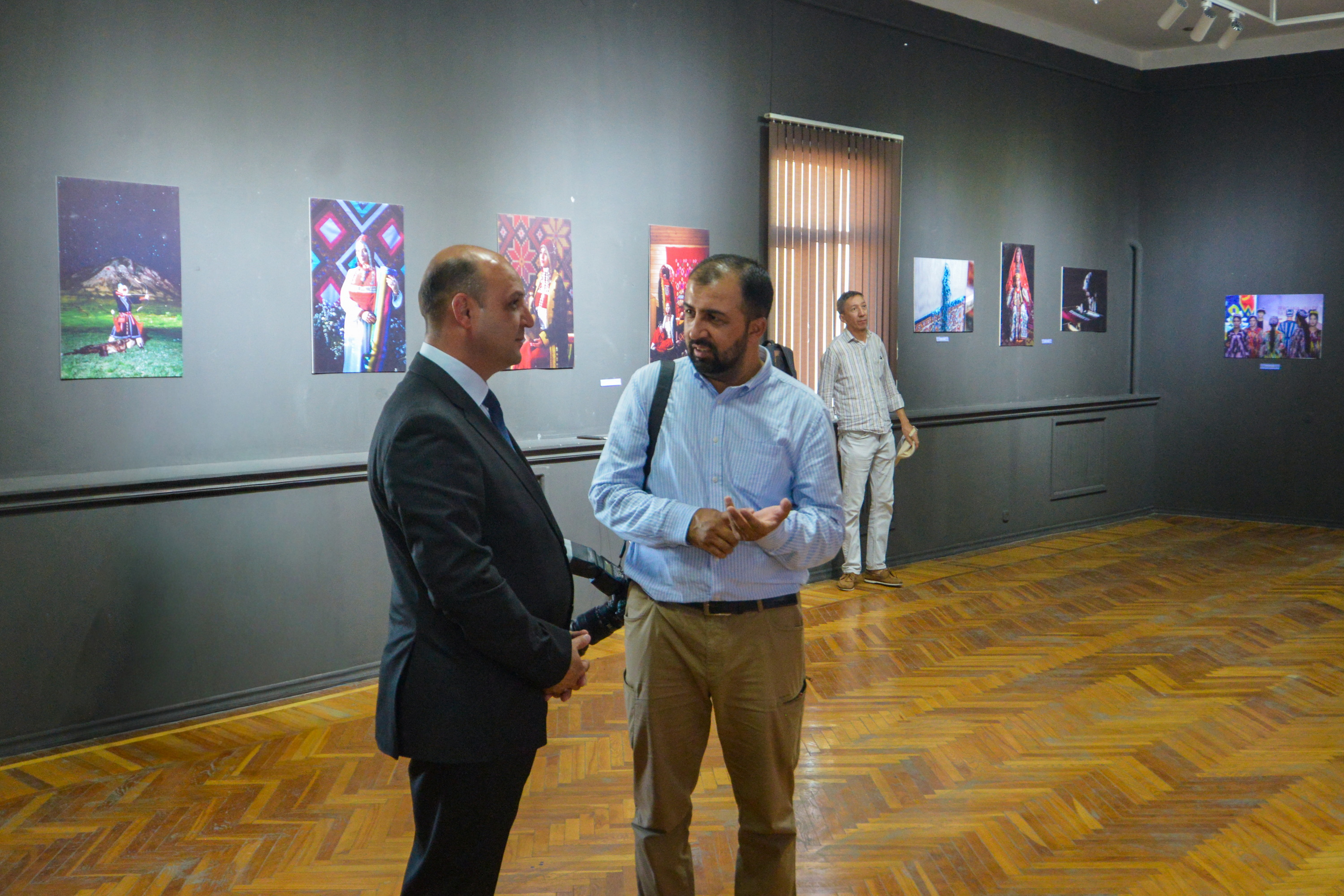
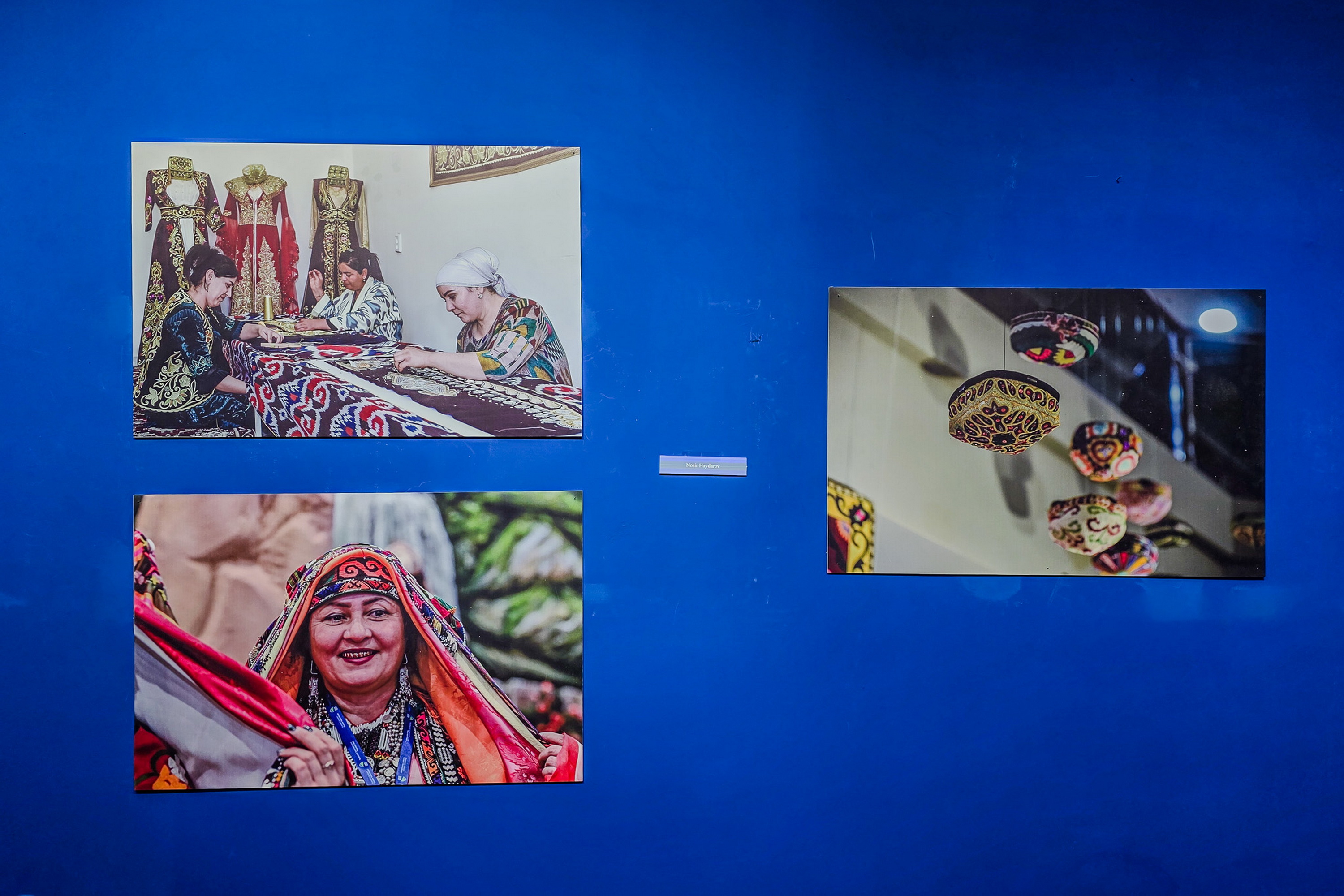
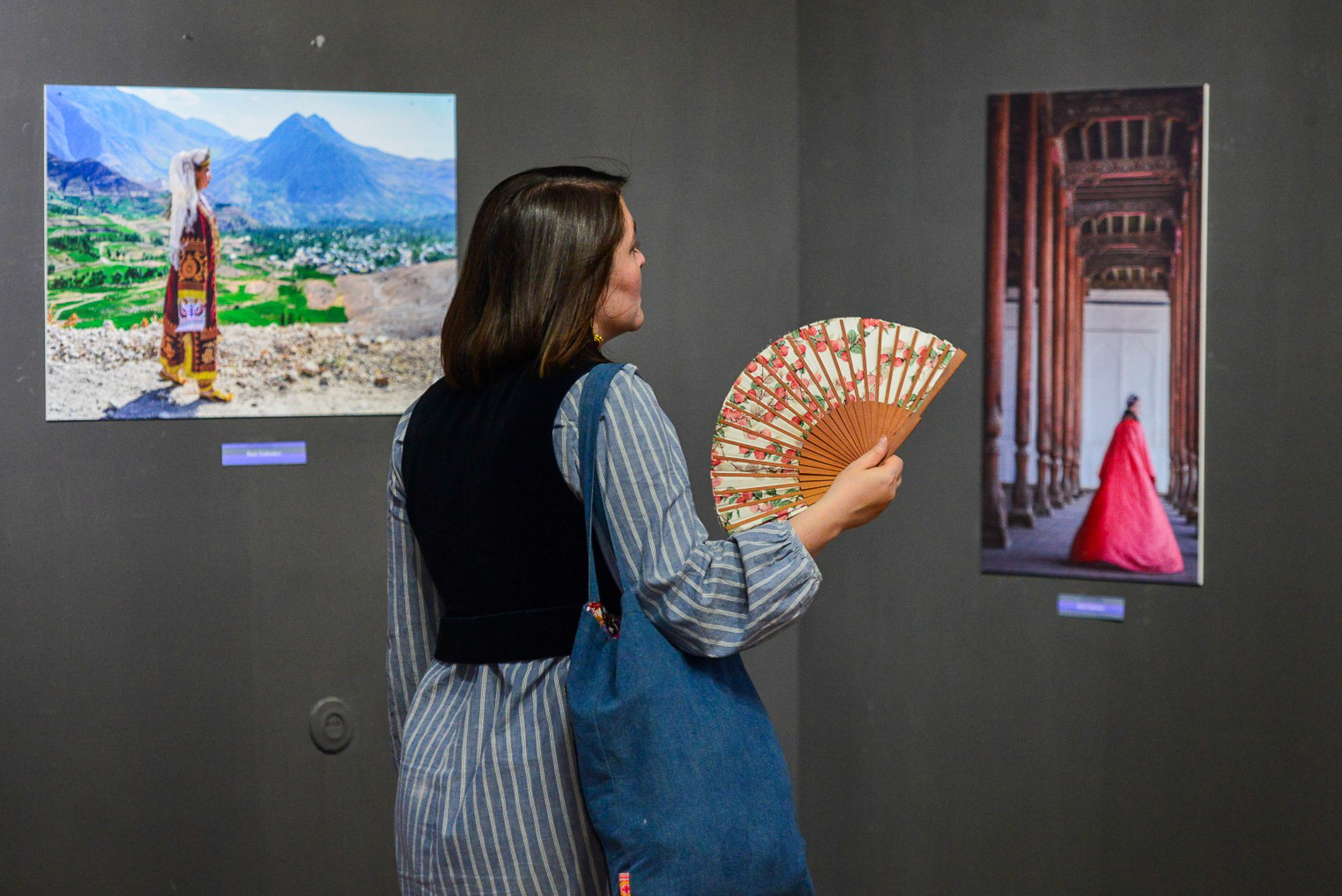
- The photographs were taken in recent years in various regions. This is not an archive or a museum reconstruction: the viewer sees craft as a present-day practice connected to contemporary culture and daily life.
- How has the project changed since the first edition?
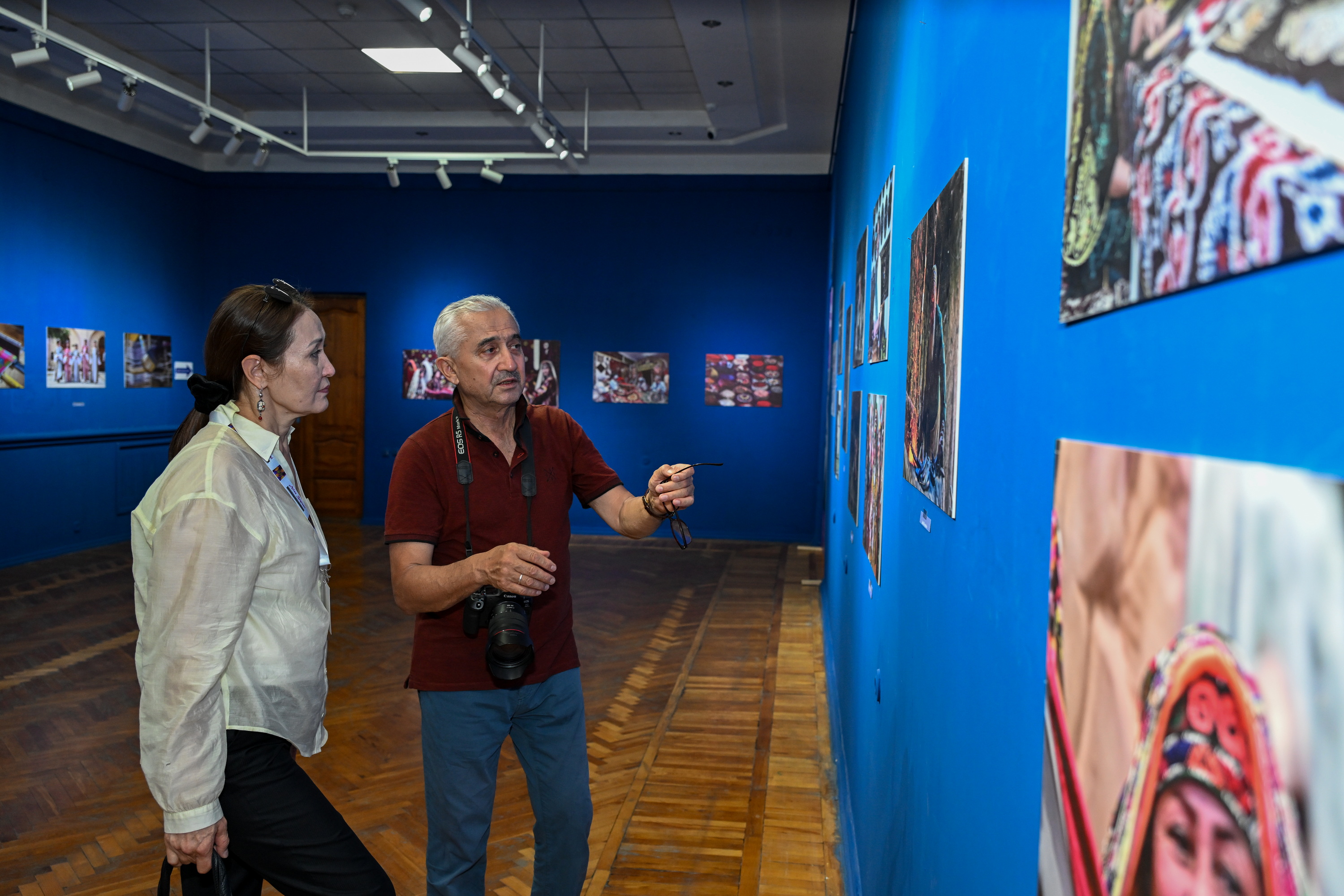
- Last year only authors from Uzbekistan took part in the competition. In 2026 they were joined by photographers from Azerbaijan, Kazakhstan and Russia. More than 100 works by two dozen authors were submitted, while the final display included 61 photographs by 17 authors.
- How did the selection process work and what was your role as curator?
- I assembled the competition pool, built the logic of the display and organised the work of the international jury. Selection took place in two stages: first, compliance with the theme, technical parameters and copyright were checked, then the jury evaluated the works by nomination. It was important for me to see not only the item in the frame but also the person: their hands, their gaze, the workshop and the everyday context. Composition, light, authenticity and a respectful attitude towards the subject were also assessed.
- Who was on the jury?
- We sought to balance a professional photographic eye with knowledge of craft. The jury included Reha Bilir, chair, a photo artist from Turkey; Sara Noshadi, head of the UNESCO Office in Uzbekistan; Rustam Sharipov, chair of the Photo Artists Section at the Academy of Arts of Uzbekistan; and Rasul Mirzaakhmedov, chair of the Khunarmand association. This composition made it possible to assess both artistic form and the authenticity of the photographs.
Tradition is Not DecorationWhy work with Uzbek textiles starts with knowing the technology and ends with the marketmag.humodoc.com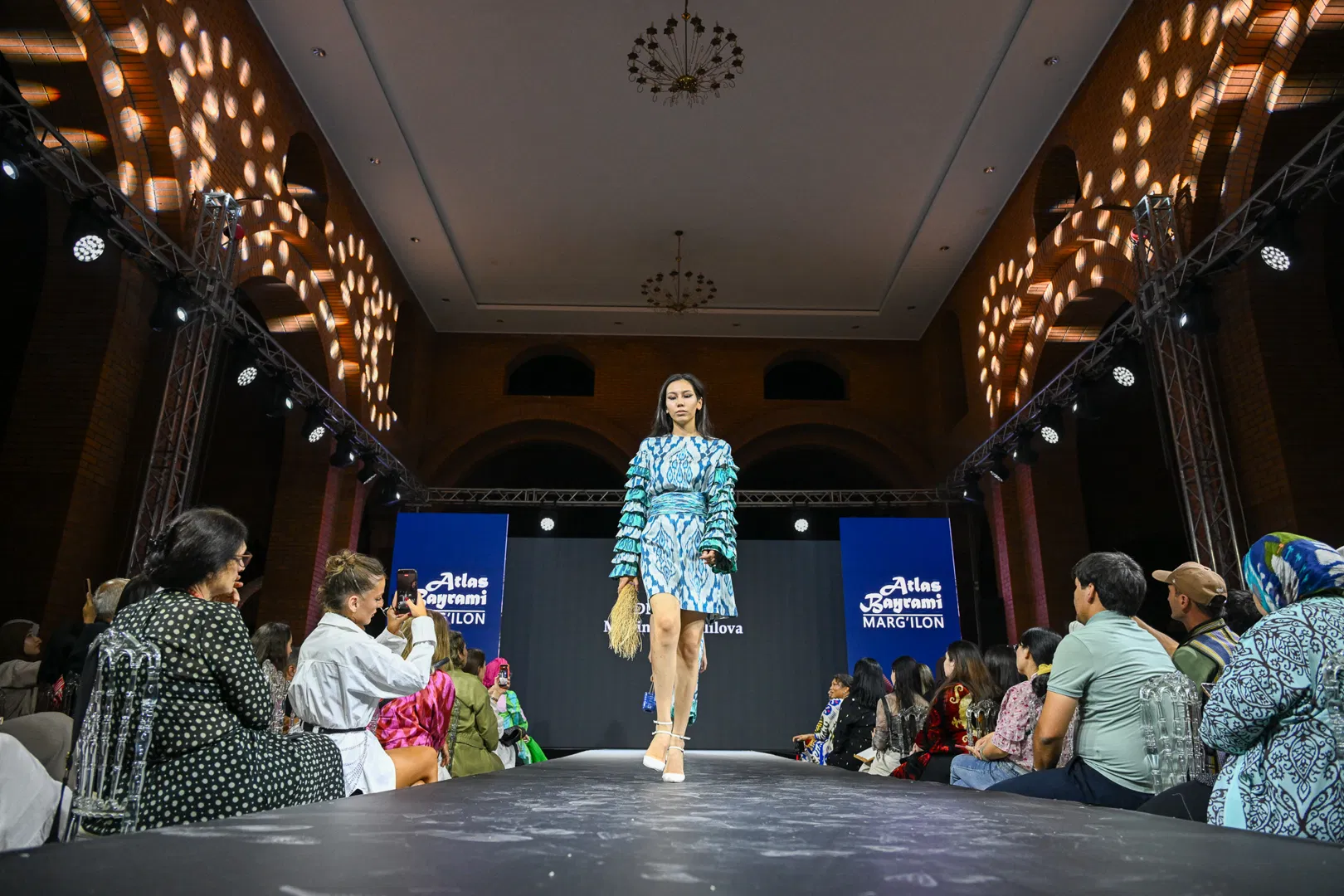
- This year the exhibition has five nominations. How is their logic structured?
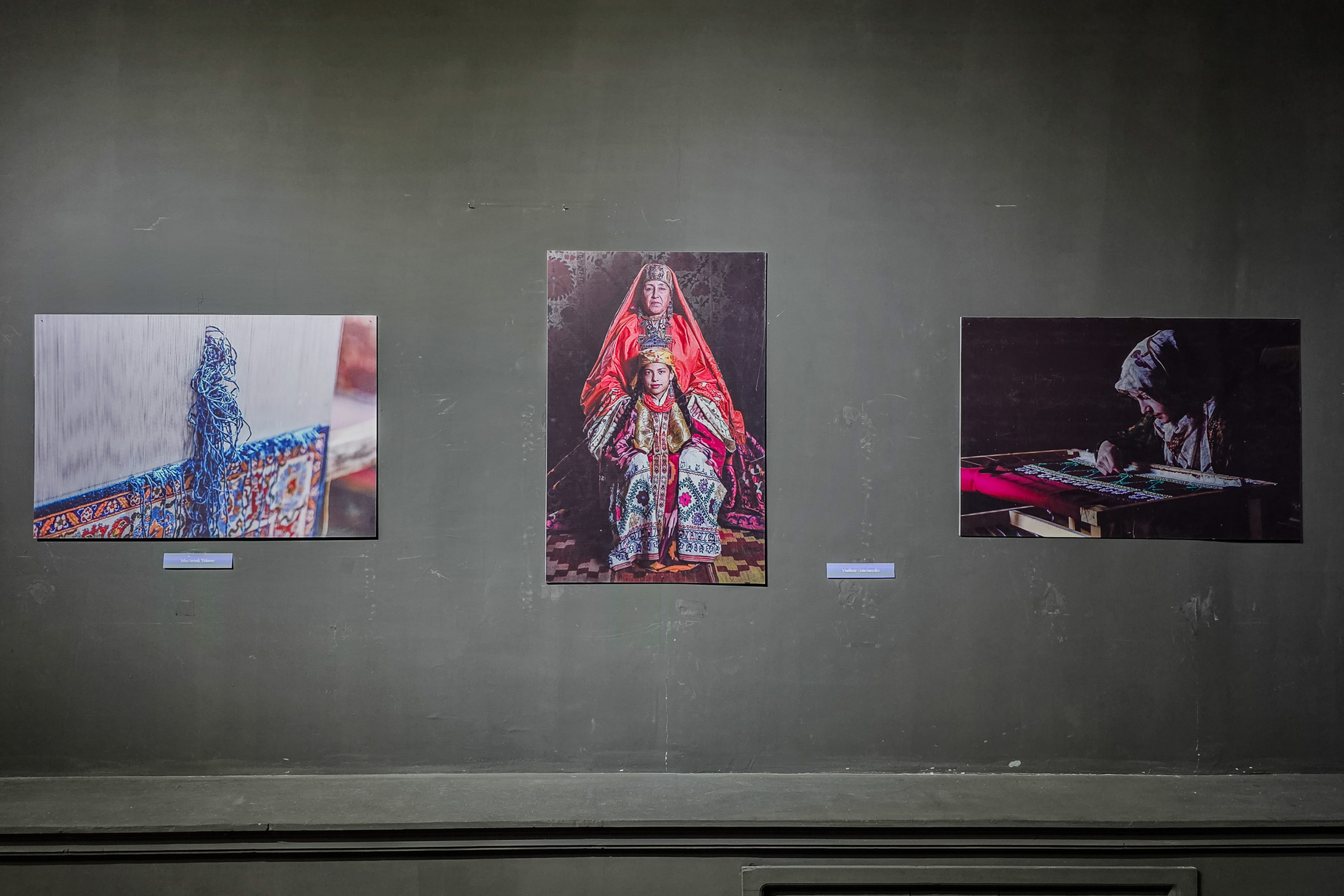
- We wanted to guide the viewer along the path of a crafted item, from the workshop to the market. So we chose five themes: "Portrait of the Master," about the person who keeps the tradition; "Master and Apprentice," about the transfer of knowledge; "Past and Present," about continuity and change; "The Shine of Atlas," about textiles, their colour, ornament and life in the home; and "Craft Bazaar," about the economic side of craft and demand for handmade work.
- How is the exhibition connected to Margilan and its status as a textile centre?
- Margilan has historically remained one of the centres of silk weaving. Here atlas and adras are made by hand using the traditional abr technique: the threads are dyed before weaving begins. In 2017 the programme of the Margilan Crafts Development Centre for preserving the techniques of making atlas and adras was added to the UNESCO Register of Good Safeguarding Practices for intangible cultural heritage. The exhibition shows not only textiles but also pottery, blacksmithing, wood carving and other crafts.
- Can photography move away from the image of craft as exotic and show it as a modern profession?
- Exoticisation begins when the master becomes a colourful backdrop: they are dressed in a national costume and asked to pose. This can be beautiful, but it says nothing about the person and their work. A photograph that shows physical labour, calluses and the complexity of the workshop process helps craft be perceived as a serious profession.
Margilan. How atlas is becoming more than just textileThe first day of the Atlas Bayrami festival showed how history, education, design and the local economy come together in traditional textiles.mag.humodoc.com
- How does the project affect the people in the photographs?
- The exhibition features both recognised masters and little-known artisans from remote districts. The chance to see oneself as the subject of a display helps a person feel the value of their work. The photographs can also be distributed through media, social networks, tourism materials and catalogues, introducing audiences to the masters and attracting the attention of clients, designers and travellers.
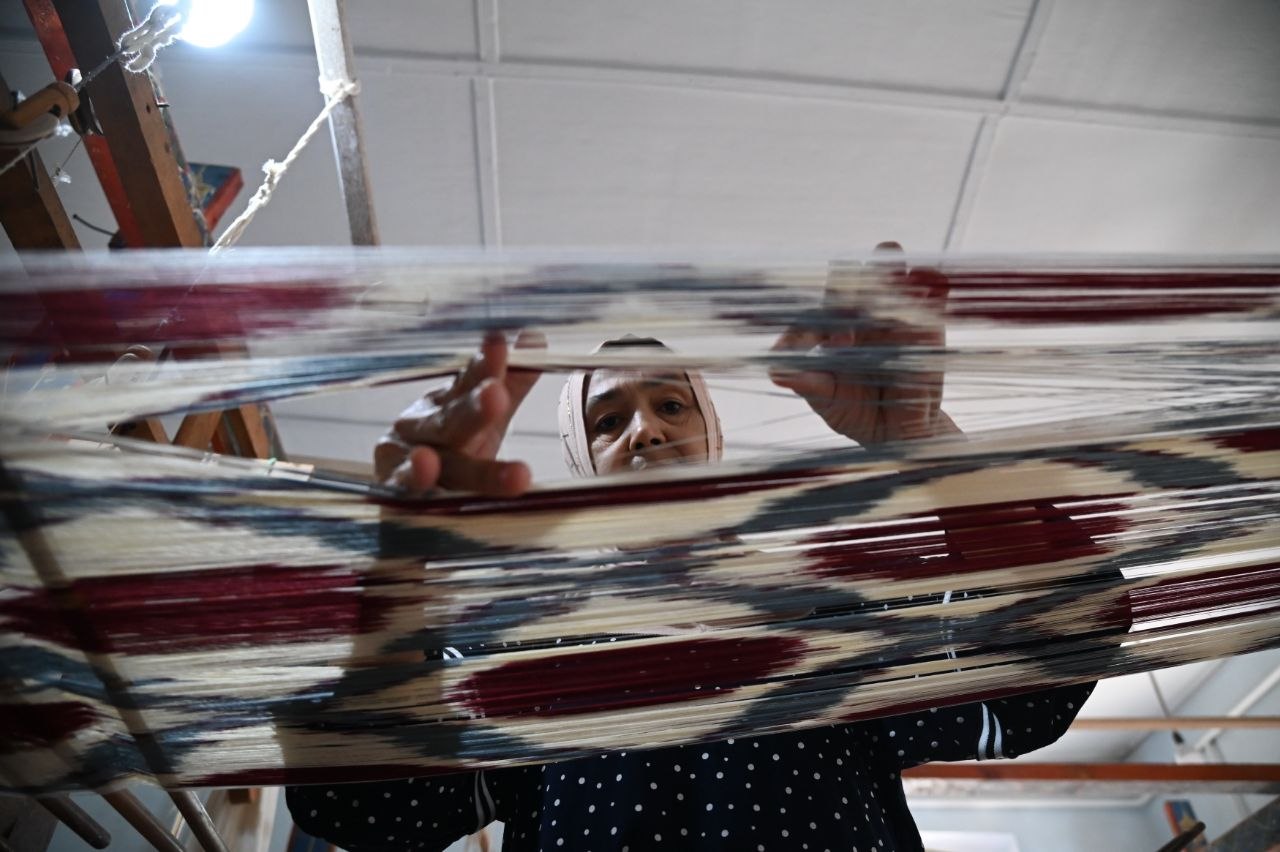 Photo: Husniddin Ato
- What will happen to the display after Atlas Bayrami 2026?
- The selected works will be shown at other venues. At the same time, a digital archive with the names of photographers and masters is being created. It can become a visual chronicle of the region's crafts and material for researchers, art historians, designers and journalists.
- Is there a photograph among the works that stayed with you personally?
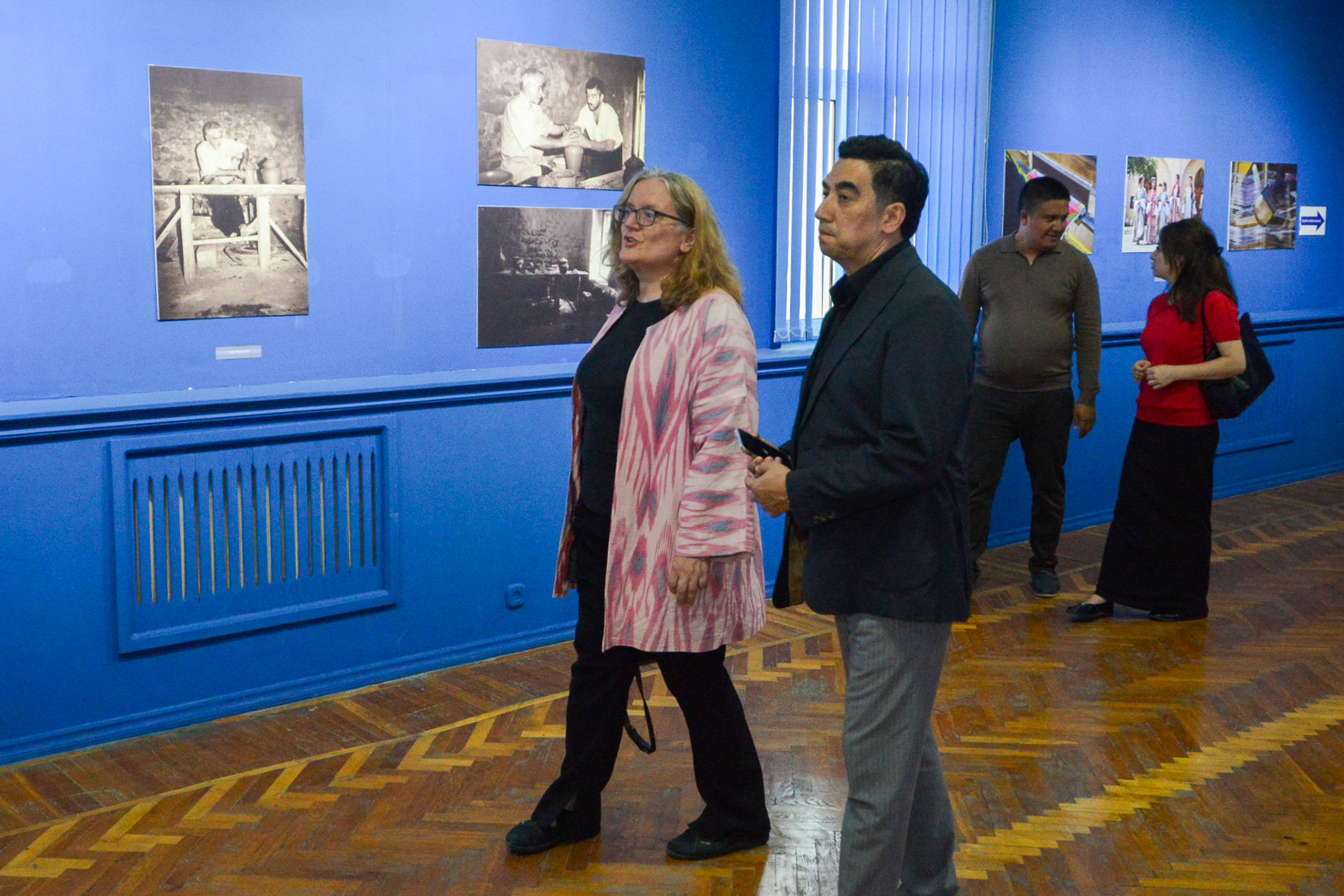
- I was not on the jury and did not influence the distribution of prizes, but I remember a close-up of a potter's hands shaping a tiny jug. There is a lot of warmth and precision in this shot. I would also mention the series by Jonibek Kuzimurodov.
- What would you like to tell readers about the future of crafts?
- Traditional craft is not frozen history but a profession with a future. As long as a master passes on experience to an apprentice and there is a buyer who values handmade work, the tradition lives. Our task as photographers is to honestly record this process. The future of craft also depends on designers' interest in cooperating with workshops and on whether the younger generation sees its calling in this work.
This material was prepared in partnership with the UNESCO Office in Uzbekistan

Newsletter
A letter from the HD editors
Once a week, we send the best stories, events, and cultural discoveries from Central Asia.