Art
Almaty’s Leading Art Museum Marks 50 Years with "The Living Body of Architecture" Exhibition
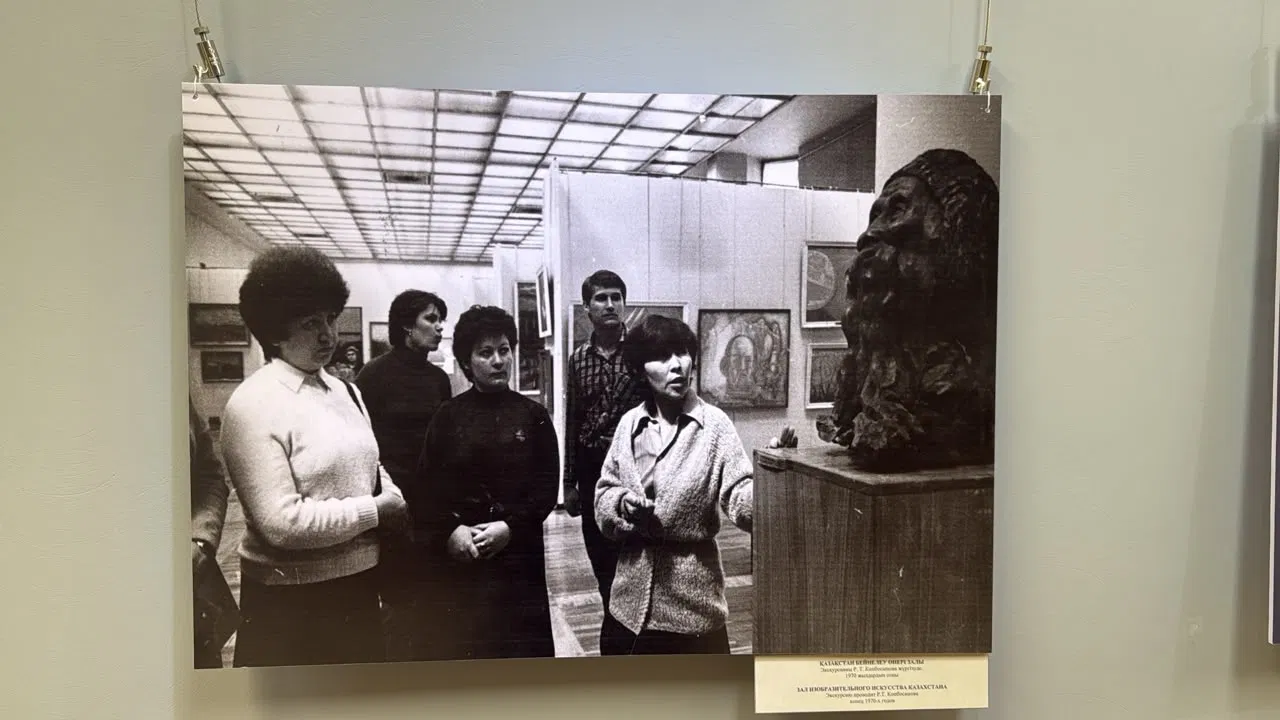
To mark the building’s fiftieth anniversary, the Abilkhan Kasteev National Museum of Arts in Almaty is opening an exhibition that brings to light works the public has never seen before.
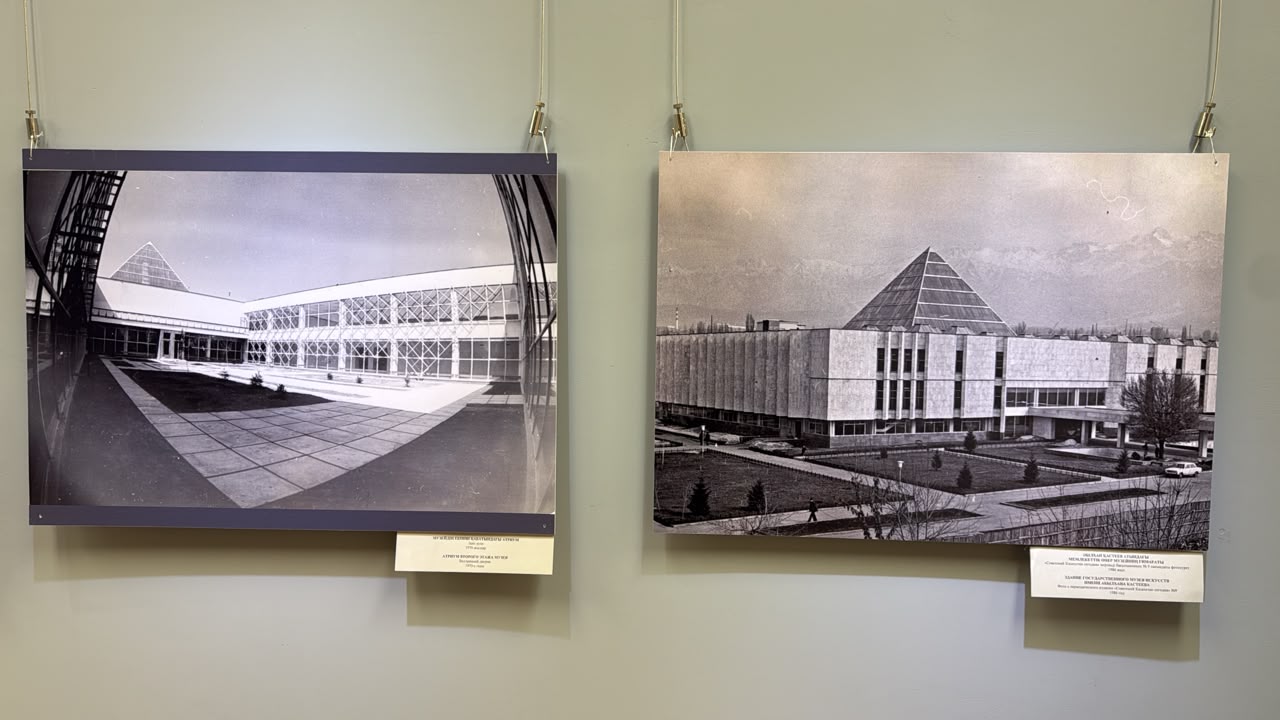
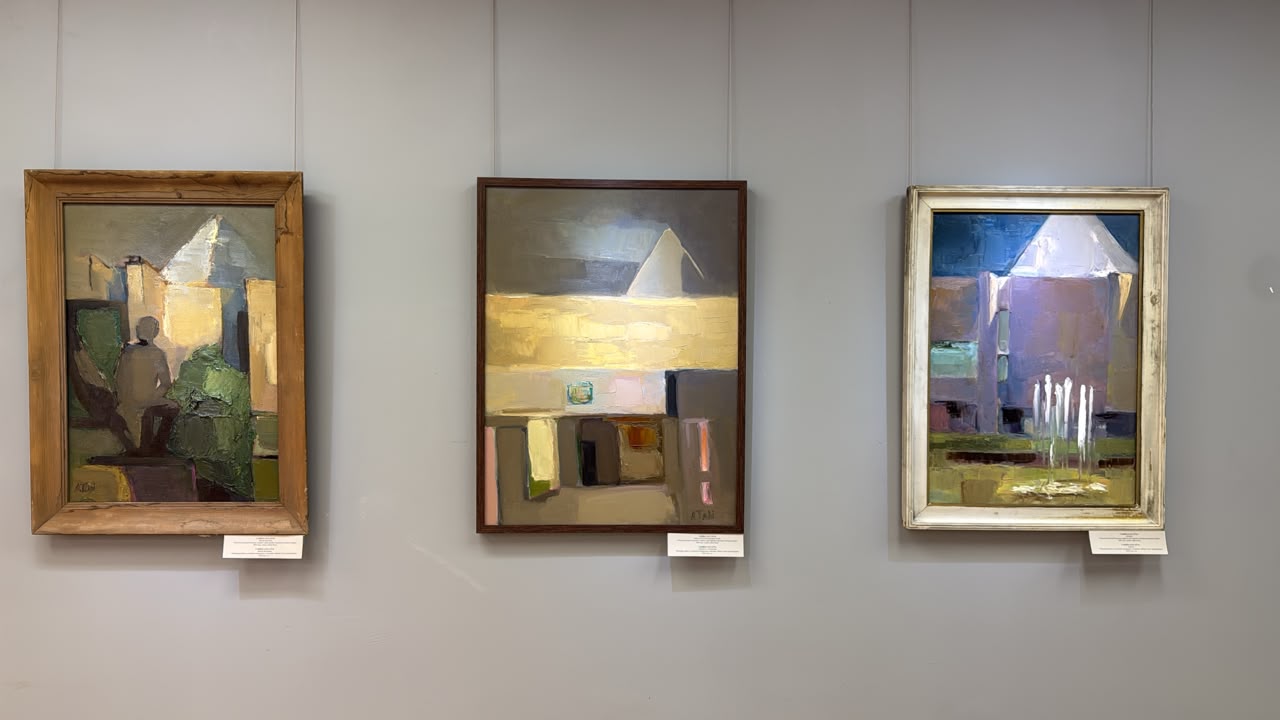
Pyramids are hardly a common sight in modern architecture. The first that springs to mind is the pyramid at the Louvre, designed by I. M. Pei. Yet few people realise that a similar pyramid appeared in Almaty a full nine years earlier. It was not a building in its own right, but part of the roof of the Kasteev Museum of Arts.
Even fifty years after it opened, the museum remains a curious sight, with its sculptural façade and that very pyramid. And Almaty has other examples of this architectural form, too. The Green Bazaar, for instance, is another striking expression of architectural modernism.
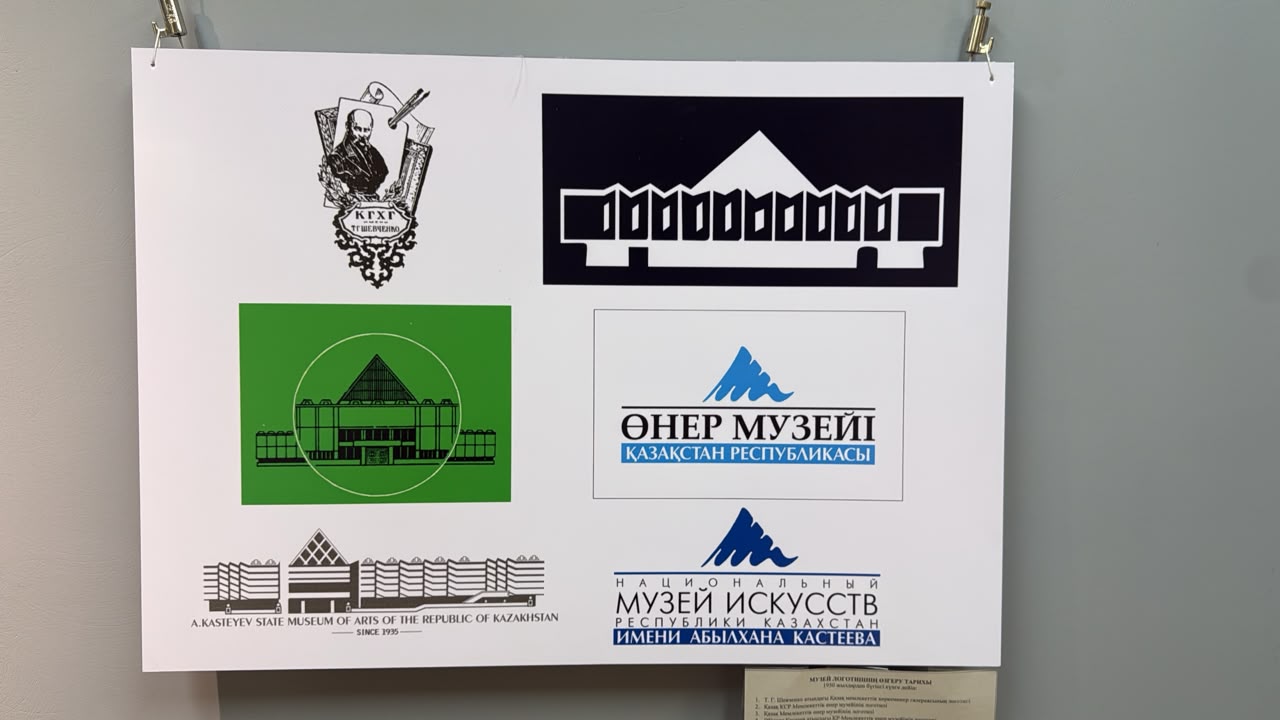
The Kasteev Museum’s story goes back to the mid-1930s, when its collection first began to take shape, long before the present building was constructed.In those days, the gallery bore the name of another artist well known in Kazakhstan, Taras Grigoryevich Shevchenko, who had been exiled to Kazakhstan and became one of the first outsiders to chronicle the country.
Completed in 1976, the gallery’s present building became part of an ensemble of public and cultural buildings in an area that Almaty residents affectionately call Mother-in-Law’s Tongue. Here stands the Almaty Circus, with its instantly recognisable upside-down sugar bowl shape. Opposite it is another structure that might be a sugar bowl, or perhaps a small tea bowl: the Wedding Palace. The ensemble also includes the city’s main drama theatre, the Auezov Theatre, and an amusement park built in the late 1990s.
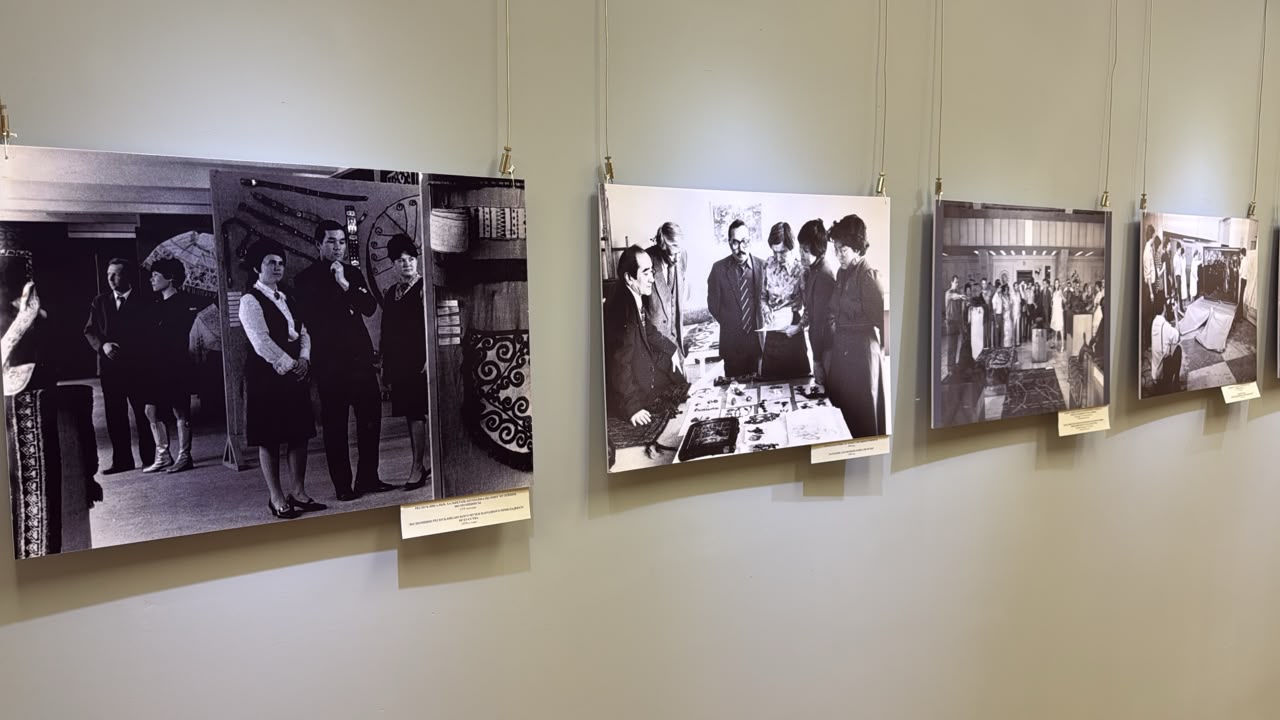
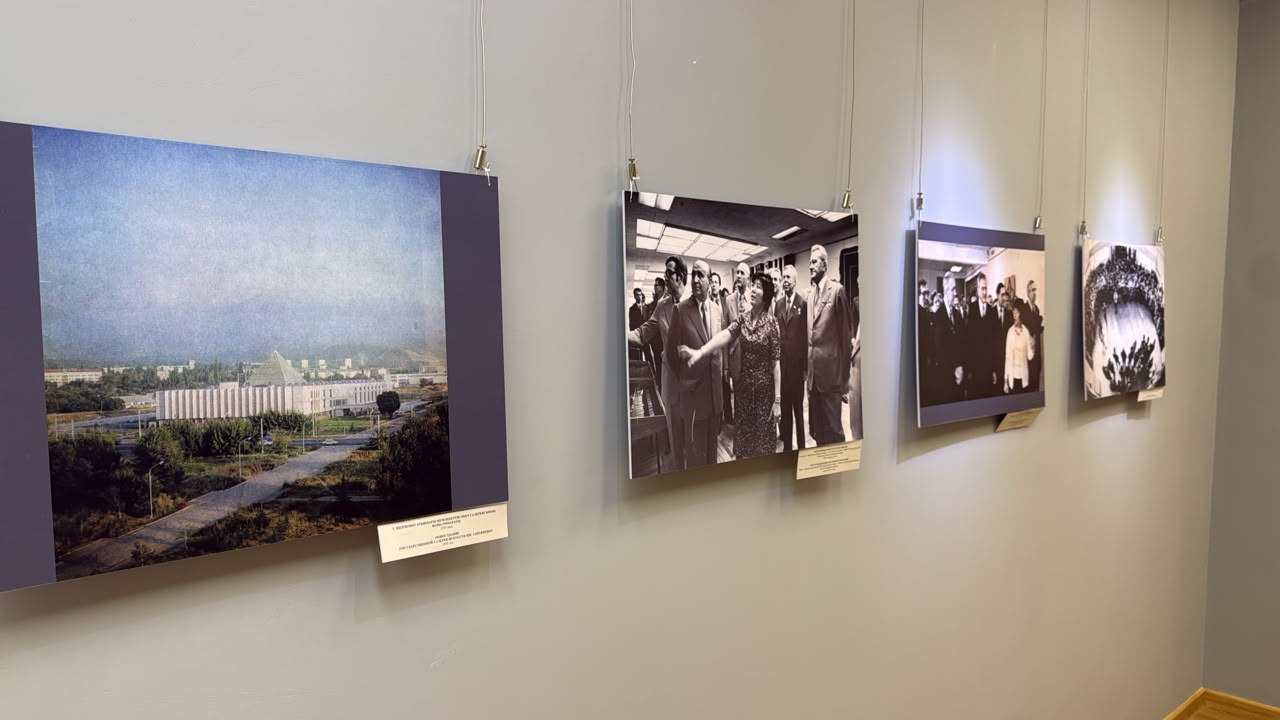
Almaty residents have long grown accustomed to this playful mix of entertainment and architectural flair. But the area has not always looked this way. That is precisely what the new exhibition, The Living Body of Architecture, invites us to discover as it marks the building’s 50th anniversary. The exhibition offers glimpses of the city’s past: old street names on architectural drawings, sketches for buildings that were ultimately rejected, and the side of the museum we rarely see, so accustomed are we to its main façade. One detail is particularly striking: the museum was designed by two women, Elsa Kuznetsova and Olga Naumova, something far from typical of Soviet architecture in Almaty.
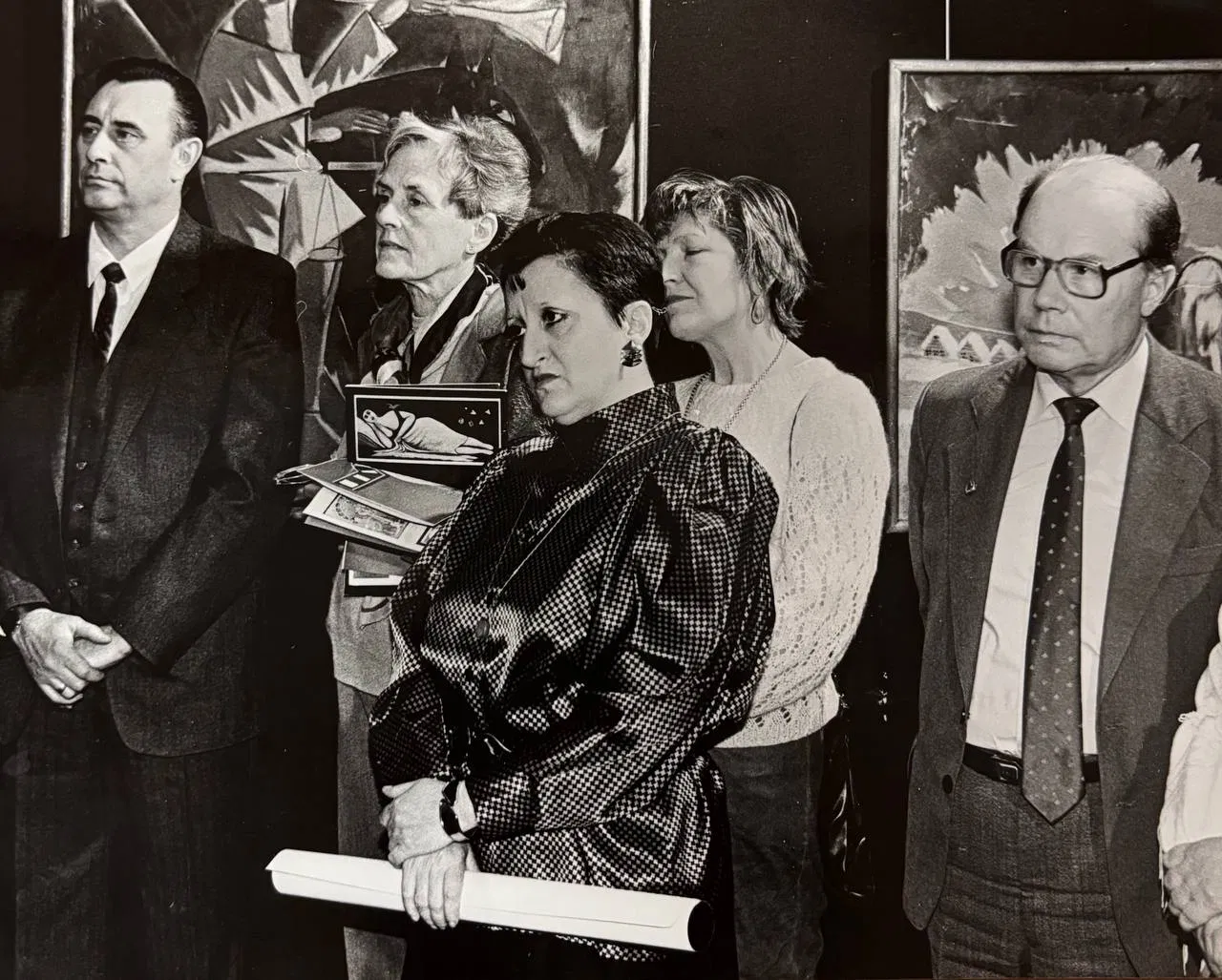
Alongside the architectural drawings, the exhibition features old posters and archival photographs. One photograph shows Dinmukhamed Kunaev, who led Soviet Kazakhstan for almost a quarter of a century, walking around the museum. The next depicts Nursultan Nazarbayev, the first president of independent Kazakhstan.Nearby, clippings from the Soviet press document the museum’s cultural standing.
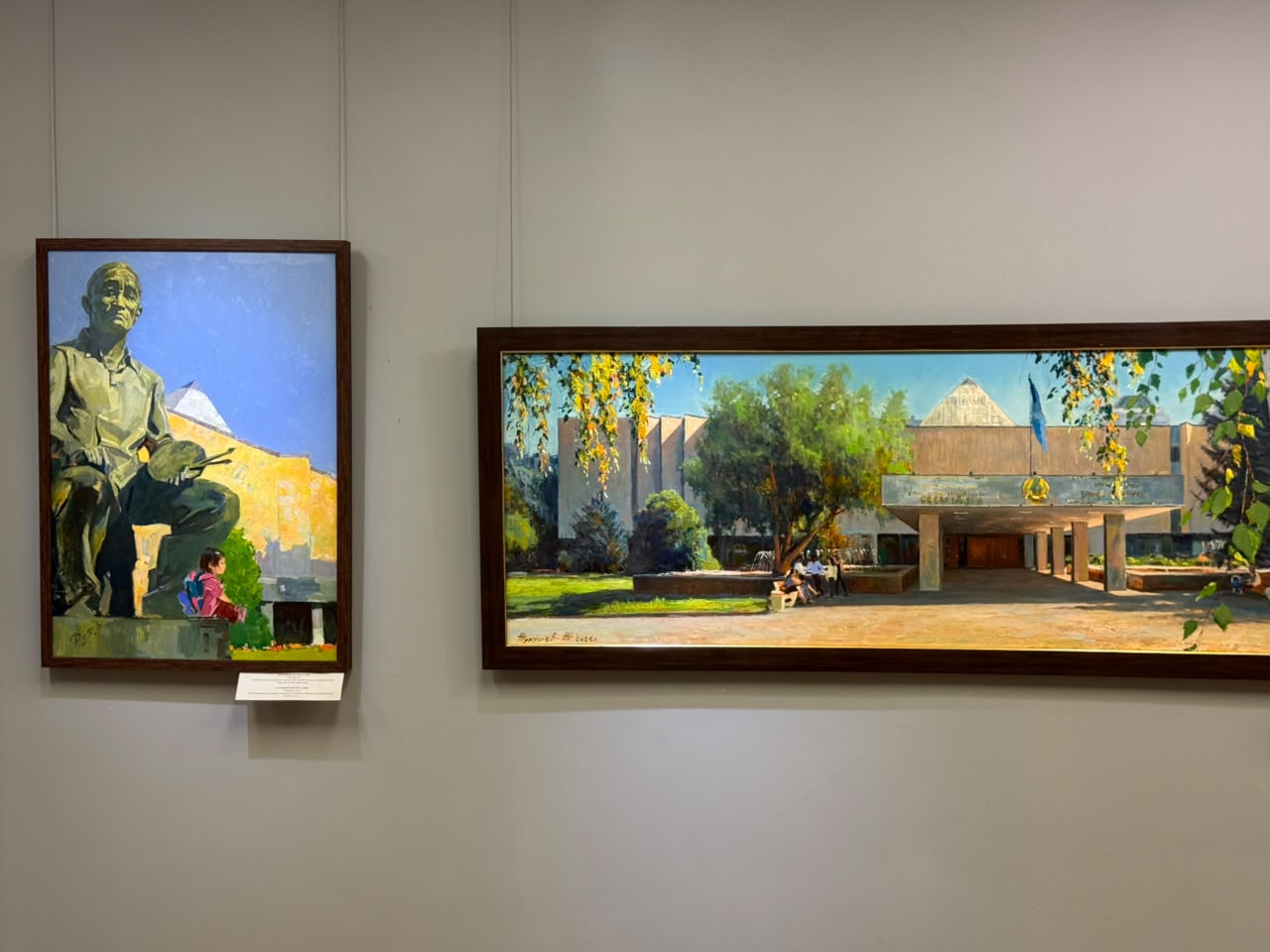
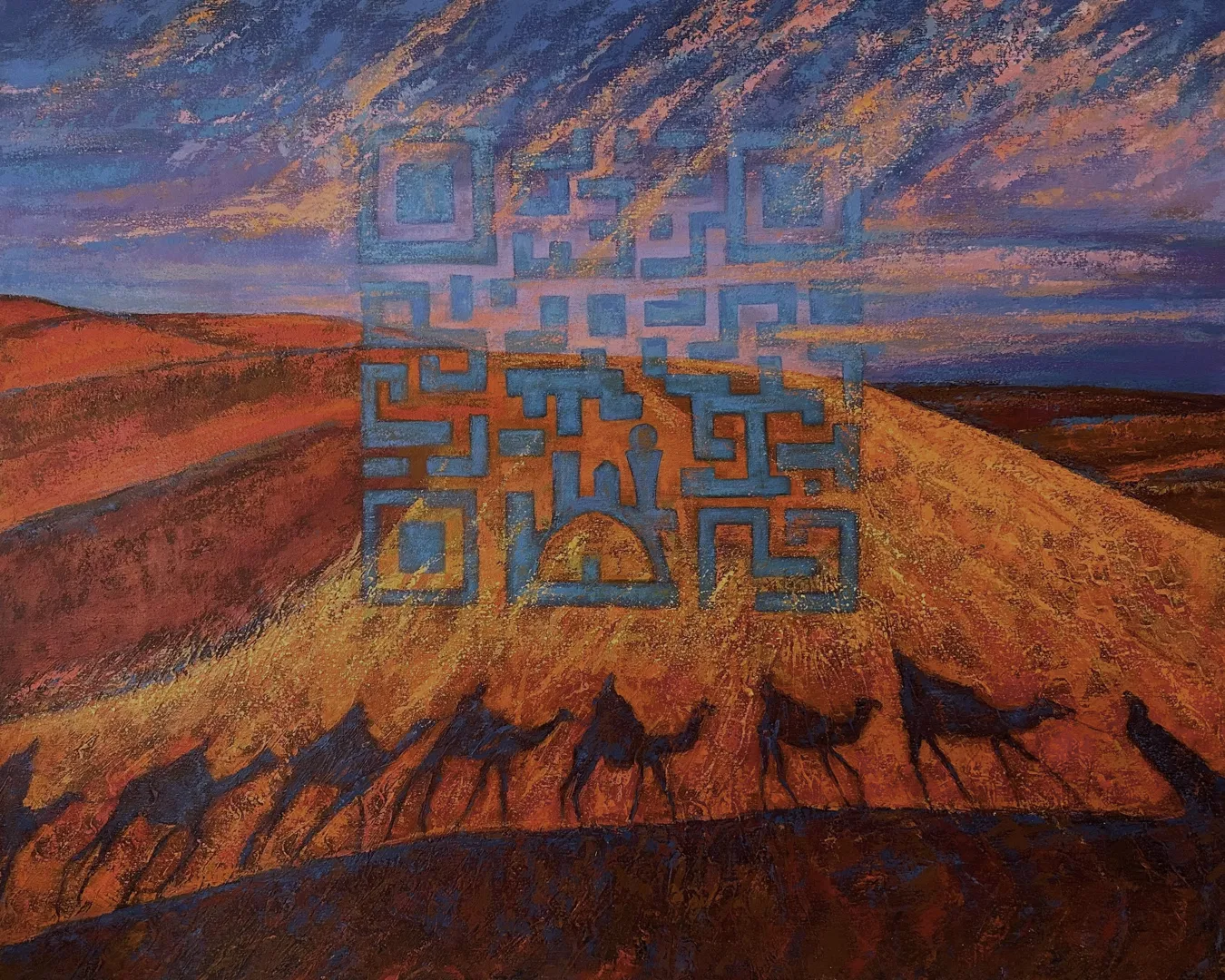
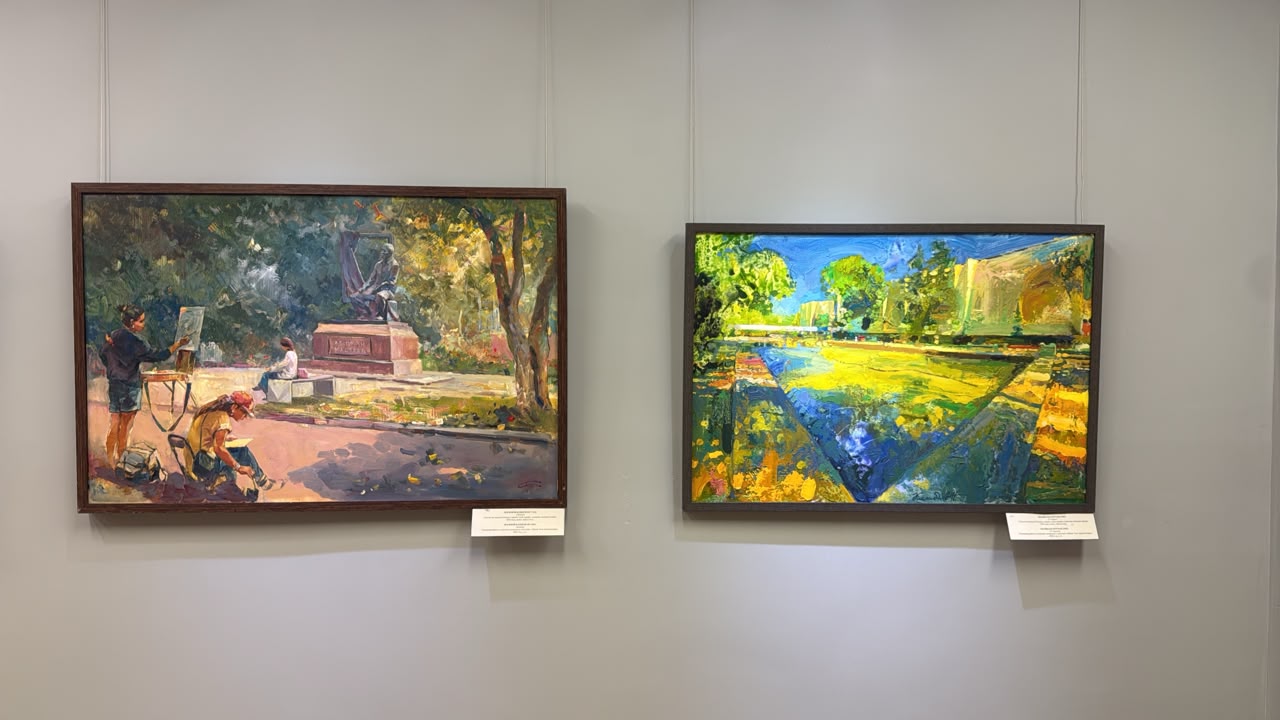
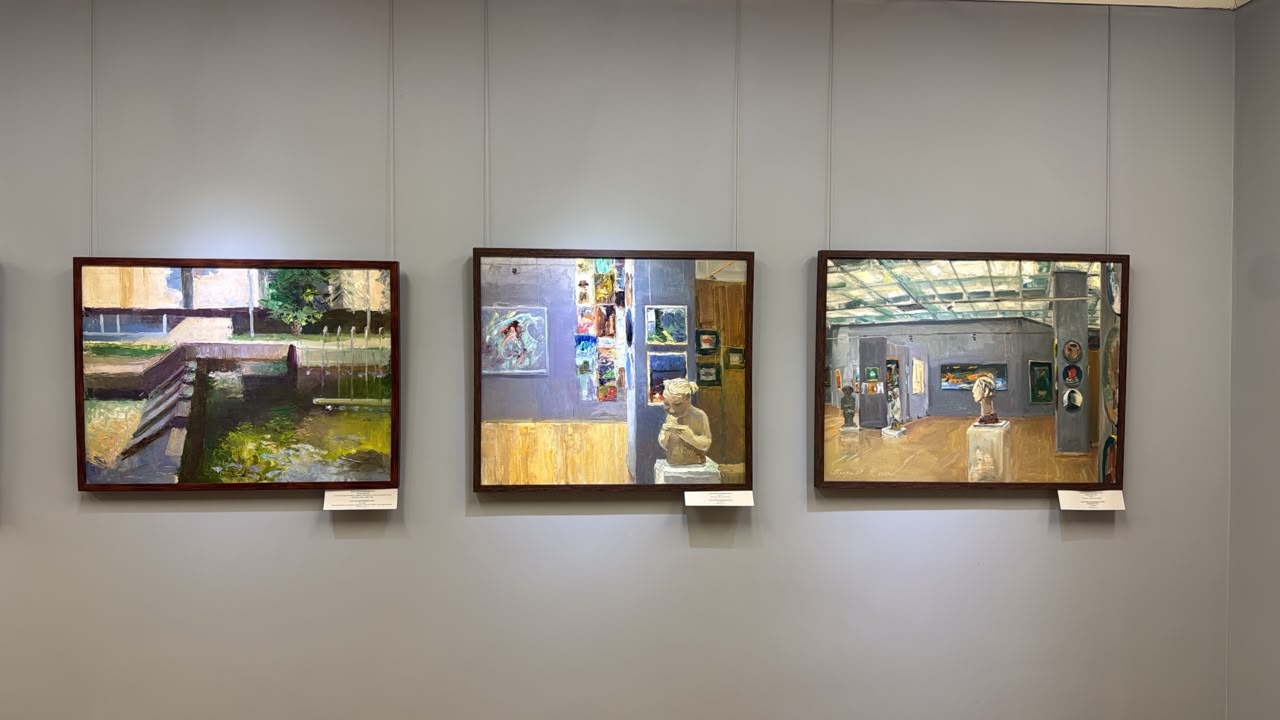
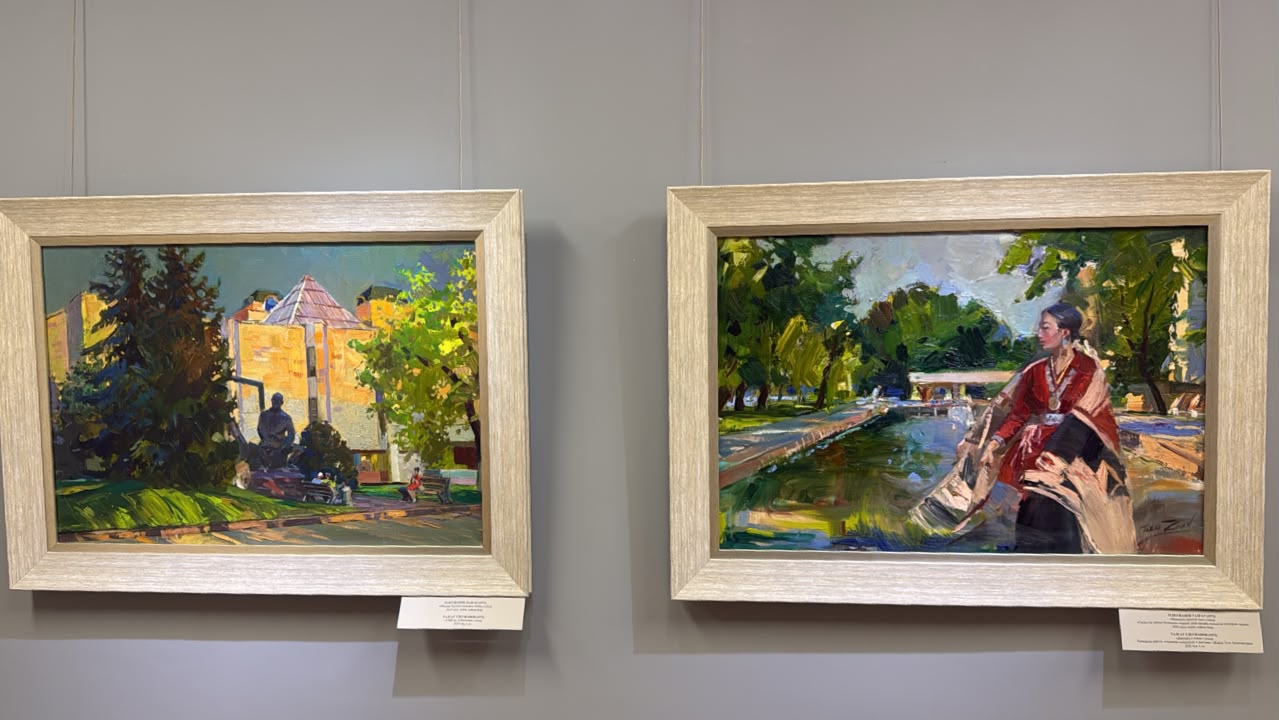
And of course, what would an art museum be without paintings? Roughly half the exhibition is given over to them. Some were created especially for the anniversary show by artists from the AlmaLine creative association; others have been brought out of storage. These paintings were donated to the museum when it opened and have remained out of public view for half a century. One section brings together works from different artistic generations and decades. There is Robert Falk’s Crimean Landscape (1915), alongside works by Kliment Redko from the 1920s and 1930s, followed by paintings from the 1960s and 1970s. Together, they open up another layer of time within the exhibition, linking the story of the new museum building with an artistic heritage that was already firmly established.
Until 2025, the Kasteev Museum was effectively the only museum in Almaty with an art collection of this scale. Its holdings now number around 27,000 items. Last year, however, it gained a rival in the private Almaty Museum of Arts. Both museums now have every right to vie for the top spot, and they are doing so successfully, in the best sense of the word.
Although the Kasteev Museum occasionally hosts solo exhibitions by contemporary Kazakhstani artists, it retains a more classical character, with a substantial collection of Soviet-era art from Kazakhstan alongside works brought in from elsewhere, dating from different periods. Perhaps its most unusual attraction for visitors is the collection of works by Sergey Kalmykov, a cult artist and the only master of the Silver Age to live into the 1960s.
Kalmykov arrived in Alma-Ata in the mid-1930s and unexpectedly became one of the defining figures of its cultural life. For many years, he worked as a stage designer at GATOB, the State Academic Theatre of Opera and Ballet. Yet Almaty residents remember him as the city’s great eccentric, known for his avant-garde approach to art. Thanks to the Kasteev Museum, many works by this artist, who died in obscurity, have been preserved. Today, the museum’s archives hold around 1,000 of his works.
But back to the anniversary exhibition. It culminates in a 3D-printed scale model of the museum building. TThe model captures every detail of the building, allowing visitors with visual impairments to explore its architecture.The exhibition’s curator, Oksana Tanskaya, says the model is intended to become part of the permanent display, helping make the museum more interactive over time.
The Living Body of Architecture will remain open to visitors until 30 October.
Newsletter
A letter from the HD editors
Once a week, we send the best stories, events, and cultural discoveries from Central Asia.