In my next article on the phenomenon of the Nukus Museum, I tried to frame the narrative around the role of the public in its history, under the subheading “Behind the Scenes at the Savitsky Museum”.
I spent a great deal of time reflecting on and analysing this remarkable and exceptional situation, which cannot always serve as a model for building public engagement at other museums. In the early 2010s, the Ministry of Culture of Uzbekistan, observing the success of the Karakalpakstan Art Museum in this field, attempted to extend its experience to other museums across the country by establishing a centre of excellence in museum studies where museum staff could undertake training placements. Since any unconventional undertaking rests on particular conditions and requires not merely the application of formal procedures but the development of its own strategy, any successful model can only be replicated in part. That said, there are always lessons to be drawn from it.
Throughout the post-Soviet space, there was a familiar maxim proclaimed by Vladimir Lenin, the leader of the world proletariat: “Art belongs to the people.” This naturally invites a parallel with the riches of the earth, as well as the air, water and other natural resources that belong to the people. Accordingly, part of the population still retains a strong sense of concern over these matters. Here, in particular, I am speaking about the effective use and development of museums.
The Louvre in the Sands… and More BesidesFrom the history of the Igor Savitsky State Museum of Arts of the Republic of Karakalpakstan, on the occasion of the museum’s anniversary and the birthday of its founder.mag.humodoc.com
Given the public’s interest in the state of museums, it is surprising that there is virtually no feedback from museums to the public. I am not referring to formal websites and social media pages that simply perform the routine, one-way task of informing visitors about opening hours and new exhibitions. Despite the reforms taking place in the country, there are still no structures for public participation in museum life, such as boards of trustees, friends’ clubs and the like. The large number of young people and pensioners who could serve as volunteers, as has been common practice around the world for many decades, could do a great deal to help museums and educational authorities address the many related problems. As businesspeople become more affluent, there is still little interest in patronage unless it takes place through administrative directives.
To be fair, there were attempts several years ago to establish Public Councils under the Ministry of Culture, where veterans of the sector set out tasks and proposed ways of addressing them. But the whole initiative was shelved and never even reached the museums or those who were supposed to deal with the issues raised.
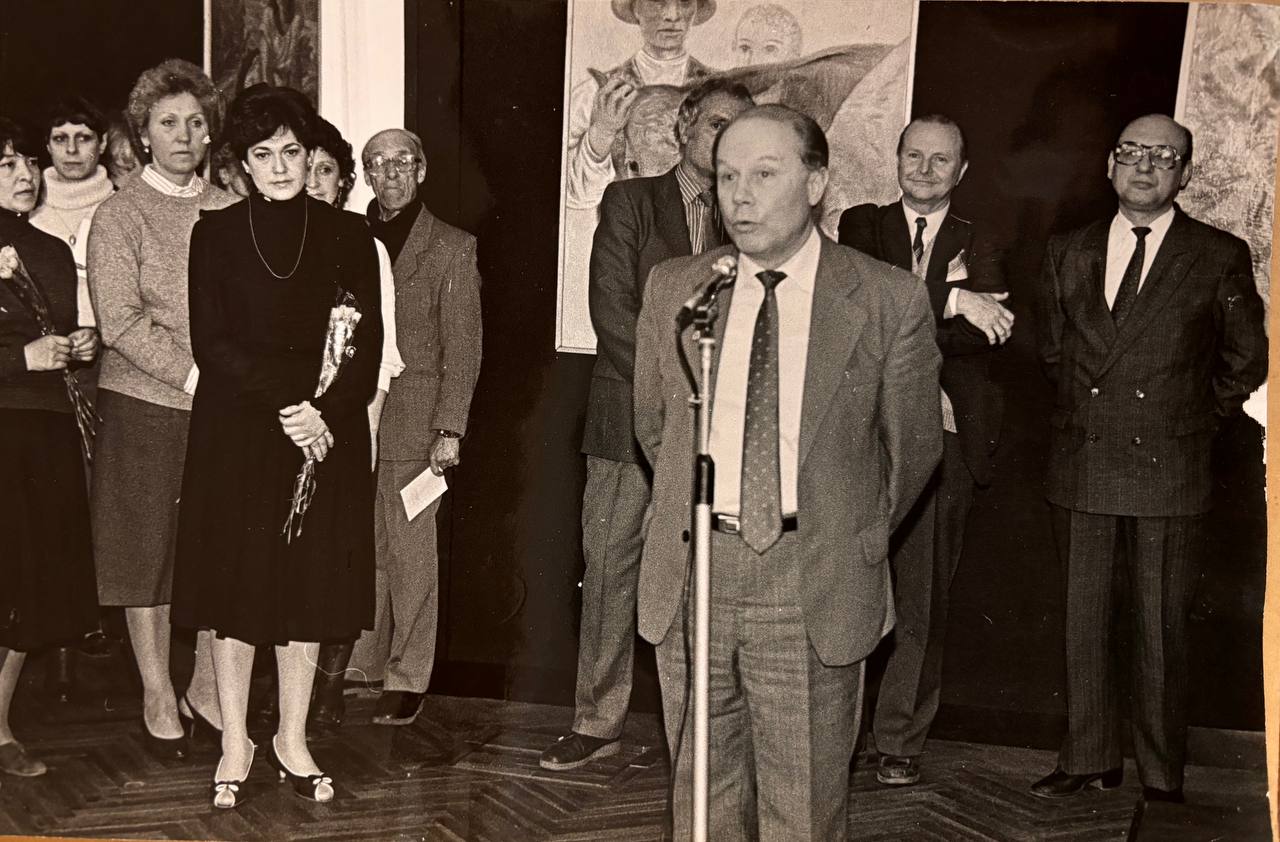 Photo by E. Basilia
To illustrate the role of the public in the development of museums, I would like to recall some episodes from the history of the Nukus Museum, which owes much to its patrons and supporters, people who provided it with invaluable support at crucial moments in its history. This is also a kind of tribute to those who are rarely mentioned by guides and bloggers, curators and all those who share their enthusiasm for visiting the treasure house of art in the capital of Karakalpakstan.
Moreover, thanks to the efforts of journalists and the many people who first “discovered” the museum among the sands, it is often said that Savitsky created the museum single-handedly, using his own money. I would like to believe that this is simply a striking device used to strengthen the narrative, and that a thoughtful audience is still capable of separating fact from fiction. Yet observations suggest that a new generation of visitors, more pragmatic and increasingly speaking the language of artificial intelligence, tends to take such figurative statements literally.
I have also had to hear complaints from those who were in one way or another involved in supporting Savitsky and the museum. Their descendants, too, have expressed their confusion and frustration. It must be said that their feelings were not without reason. Without seeking to justify myself, I should say that after Igor Vitalyevich’s death in 1984, during the museum’s most difficult years, when we were fighting simply to keep it alive and preserve it, even the name of its founder was officially forbidden. For some reason, all those who witnessed this are now silent about it. We did everything we could to defend Savitsky and promote his legacy at the highest level. There are hundreds of documents confirming that struggle, including official replies and outright refusals of support on the grounds that Savitsky was not a figure of all-Union significance.
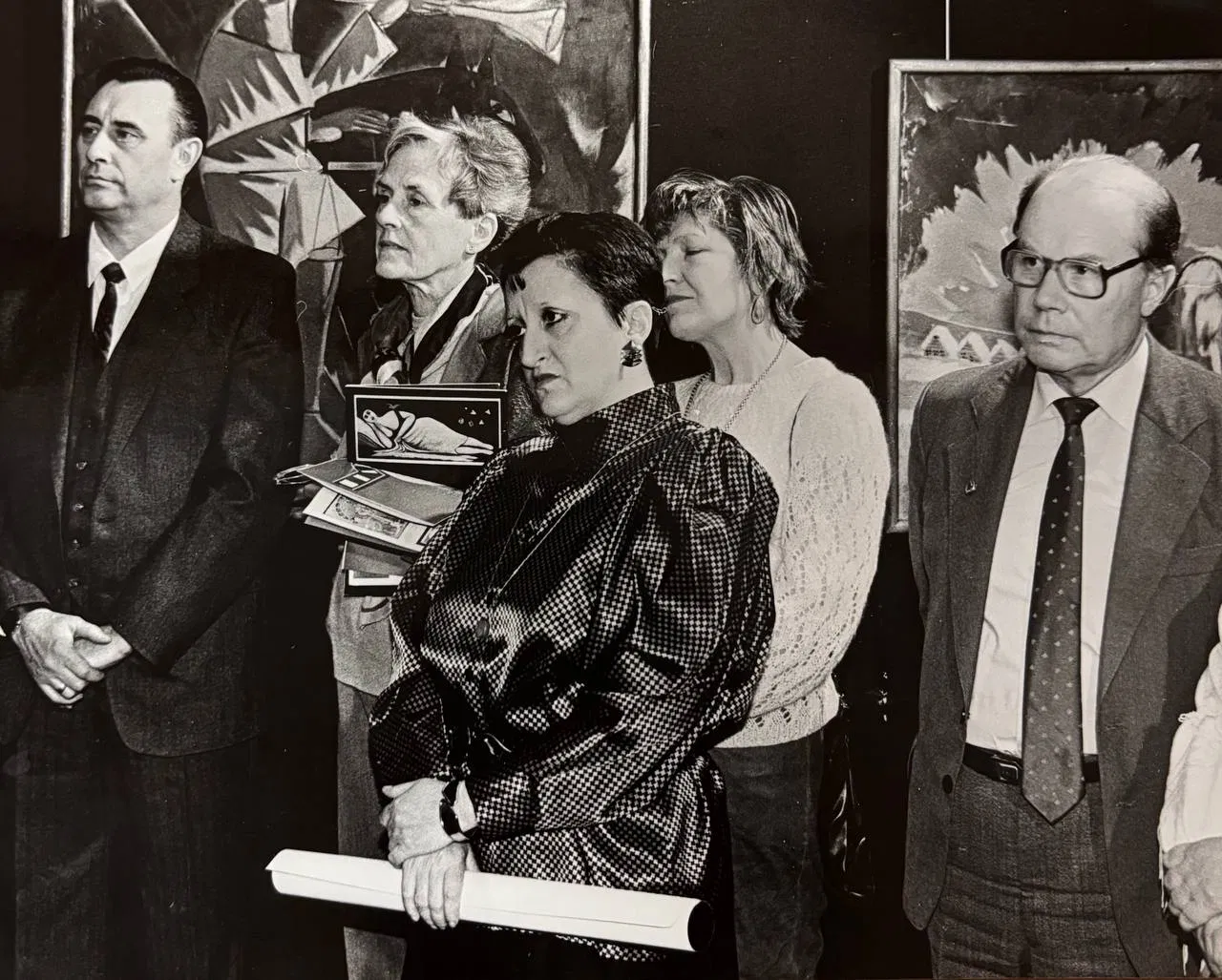
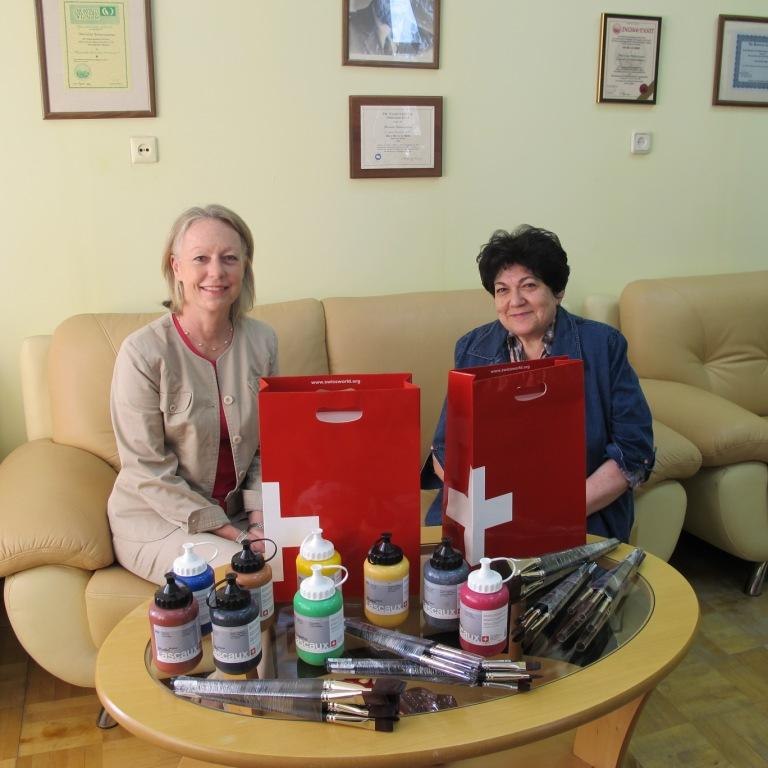 Photo by R. Matchanov from Marinika Babanazarova’s personal archive
Commissions investigating our work questioned whether the museum should exist at all. By the time the new museum building was due to open in 2002, officials were promoting a plan to rename it the National Museum of Karakalpakstan and retain only artefacts relating to regional culture. And all this was still happening as late as the early 2000s. To save time, I will not describe the style, level or aims of those commissions. Researchers who wish to pursue the matter will find the details in the state archives. Under these circumstances, we were forced to resort to PR tactics, which drew criticism from our opponents, who accused us of glorifying “this Russian old man” too much, claiming that he had become almost “bronzed” in our eyes, and so on.
It is difficult to believe any of this today, and any attempt to calmly recount something from that era now tends to provoke confusion and suspicion that we are simply trying to score points and gain popularity for ourselves. None of this diminishes Savitsky’s role. But it would be unfair to overlook those who supported him, who later defended his work and stood by the museum team. We kept silent about them partly because some were close relatives or friends of ours. We felt it would be improper, and even immodest, to place anyone alongside Savitsky in the museum’s official history. The story of this support could be described as behind-the-scenes activity or lobbying, to use the official term. It ranged from petitions and letters in our support to lobbying for the construction of the museum complex, from a simple membership fee for the Museum Friends’ Club to material and logistical projects and grants. The help took many forms, and it was always needed, including some deeply moving episodes that deserve a story of their own.
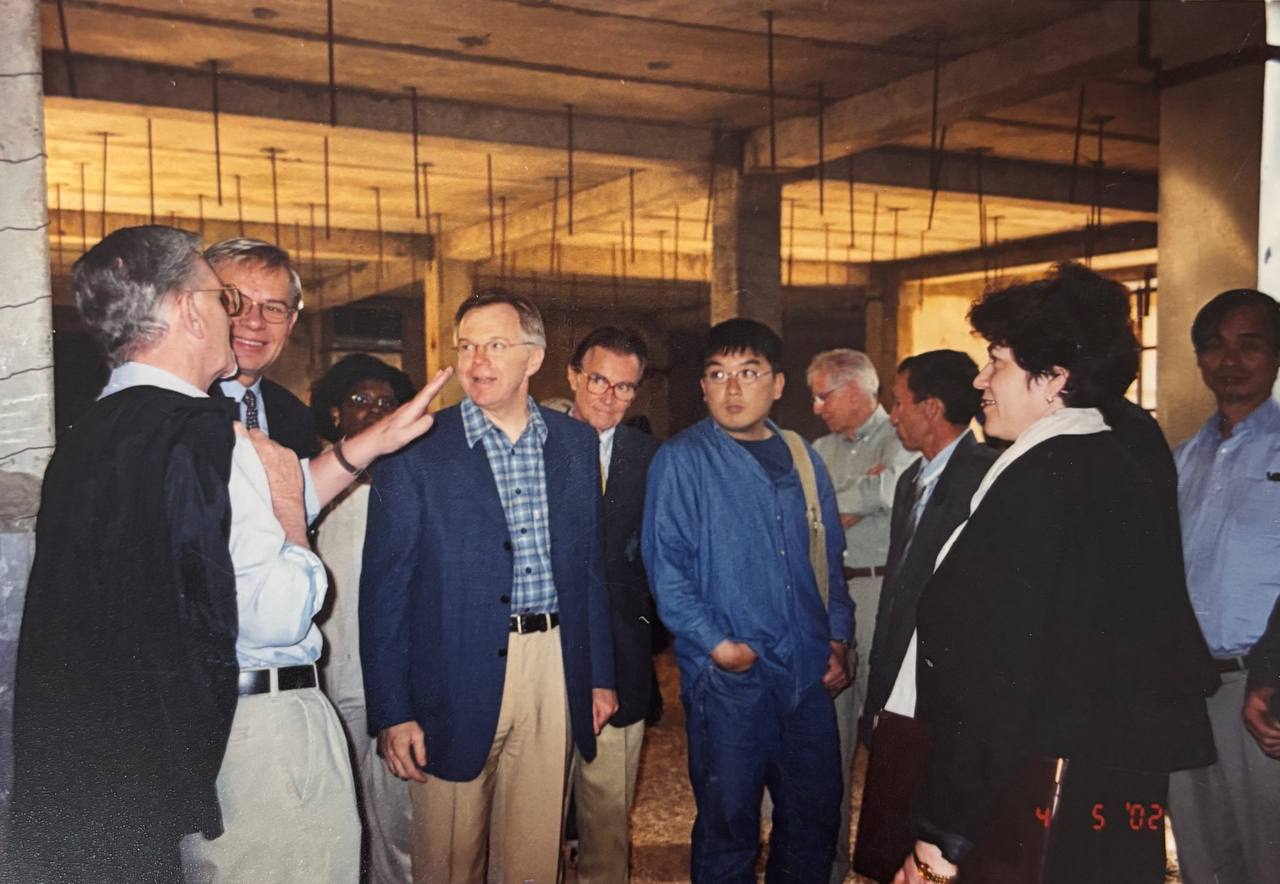 Photo from Marinika Babanazarova’s personal archive
Today, I especially want to tell the story of one of these people, who died only recently. The passing of this outstanding scientist and inventor prompted me to begin this conversation.
Academician of the Russian Academy of Sciences Sergei Naumovich Efuni (1930–2025) was Director General of the Institute of Hyperbaric Medicine and developed a method of oxygenating the body using an oxygen microemulsion. He was one of the authors of an original method of postoperative pain relief using nitrous oxide. He created a complex of hyperbaric chambers for treating various diseases and was a recipient of the 1977 USSR State Prize.
In our history, he is usually mentioned as Savitsky’s doctor and patron. This is a very superficial characterisation, used in accounts of episodes from the life of the director of the Nukus Museum. Even in the famous American film The Desert of Forbidden Art, where he gives an interview about the final days of his patient, his contribution to the development of the museum is not mentioned at all.
We met Sergei Naumovich’s family during his first visit to Karakalpakstan in 1977 on official business. We hosted them in our home, as all my husband’s relatives worked in the healthcare system. Hyperbaric oxygen therapy received widespread recognition and spread throughout the Soviet Union. My husband, Damir Babanazarov, was Professor Efuni’s student and was the first to introduce the method in Uzbekistan. Our connection with Sergei Naumovich was therefore constant and fairly close. When he and his wife, the writer Alla Mikhailovna Kalinina, asked about the city’s sights, my mother and I immediately recommended that they visit the museum and meet Savitsky. They were unexpectedly struck by what they saw, and Igor Vitalyevich, a friend of our family, realised that they were not simply our guests but connoisseurs of genuine art. He did not stop at showing them the exhibition, but took them to see the storerooms.
A friendship began. Efuni returned to Karakalpakstan and to the museum, combining business with a holiday. We went with our children to the excavations at the ancient settlement of Jampyk-kala, where they brought easels and worked en plein air.
Savitsky not only gave his new friends a sense of the scale of his collection, but also shared his difficulties and problems with them: a lack of funds and the suspension of construction of the new building. Sergei Efuni could see how serious Savitsky’s health problems had become and advised him to stop, give up collecting for a while and concentrate on his health. He arranged for him to receive treatment at his clinic in Moscow and, using his influence and his “access to the right people” in the party nomenklatura through his work in the Fourth Main Directorate of the USSR Ministry of Health, he lobbied for the museum’s interests.
That is why those additional, almost fantastical injections of funding for the museum’s purchase of paintings, made against the wishes of the financial authorities, who were trying to enforce government budget-saving measures, continued regularly from the late 1970s into the early 1980s, while these officials remained in their positions. The archives contain dozens of reports and letters from the Minister of Finance complaining that Savitsky had exceeded the budget and violated financial discipline, and demanding that he be punished and dismissed.
Efuni’s support for Savitsky was comprehensive. It concerned not only his health and the allocation of additional funding, but also his everyday living conditions. Savitsky was known for his generosity in the service of the museum. He gave away his salary and even apartments to employees in need, while living in the museum himself. The last flat was allocated by R. A. Babanazarov, chairman of the Nukus City Party Committee, at Dr Efuni’s request, after he argued that proper living conditions were medically necessary for a seriously ill man. Babanazarov stipulated that Igor Vitalyevich must live there himself. Otherwise, he said, no further accommodation would be allocated to Savitsky if he gave it away to someone else again.
There were some curious incidents too. Another high-ranking patient of Dr Efuni from Karakalpakstan, having heeded the doctor’s request to provide financial help to Savitsky, brought Igor Vitalyevich 200 roubles in cash in his hospital room. It may be difficult to understand today, but in Soviet times this kind of patronage was known by other names. Igor Savitsky himself had also tried to obtain similar support from Tikhonov, Chairman of the USSR Writers’ Union, and from Baron Rothschild, something I often tell listeners and readers about. Savitsky was “competently” informed that this was simply not done here. So he chuckled at the absurdity of the situation, understanding it in his own way.
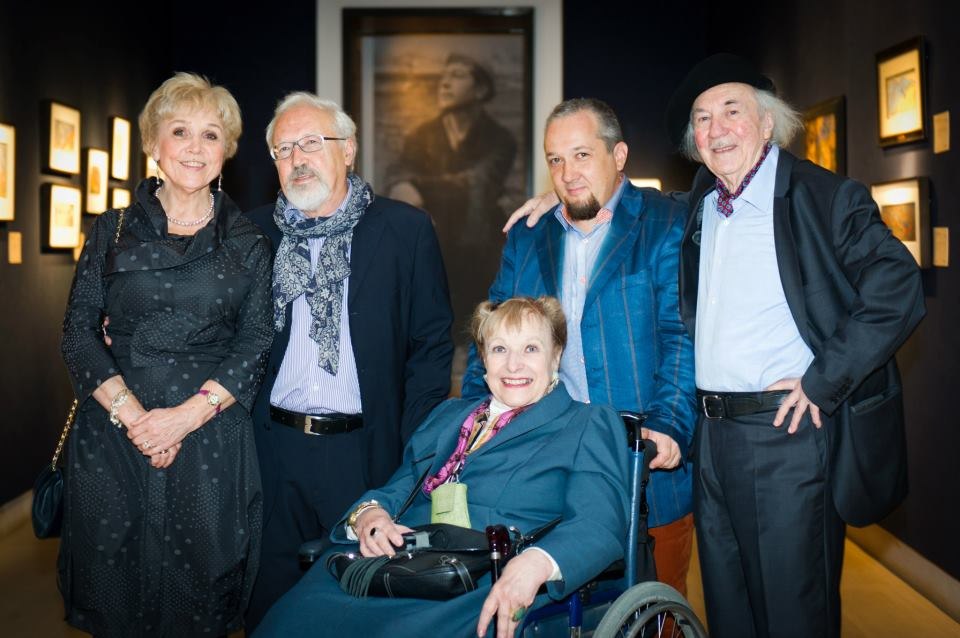 Photo from the Volkov family archive, provided by Andrei Volkov
Sergei Naumovich told me many stories after Savitsky’s death, when his concern for the museum passed to me. When he emigrated to the United States, he handed me their correspondence. Fortunately, the age of written correspondence has preserved for us a wealth of fascinating testimony. He was an extraordinary person, as were many of our Friends. I particularly remember his stories about Charles de Gaulle, whom he accompanied as a doctor during the French president’s historic official multi-day visit to the USSR in 1966, as well as his involvement in the surgery on the aircraft designer Korolyov, and much more. Whenever he was in Moscow, he would meet Savitsky and become acquainted with his circle. Igor Vitalyevich had no close relatives of his own, and discussions of medical recommendations and treatment were inevitably accompanied by active lobbying on behalf of the group supporting the museum in Nukus.
The City-Shaping Role of the Nukus MuseumIn recent years, the State Museum of Arts of the Republic of Karakalpakstan named after I. V. Savitsky, a unique tourist attraction in Karakalpakstan better known simply as the Savitsky Museum, has featured in virtually every piece of content promoting Uzbekistan as a tourist destination. Hundreds of publications have appeared in a wide range of formats and across an ever-expanding variety of media. All these projects and initiatives pursue a single aim: to attract travellers to a destination that was once little known by telling the story of an extraordinary museum and its brilliant founder, Igor Vitalyevich Savitsky (1915–1984), a Moscow artist who took part in the celebrated Khorezm Expedition.mag.humodoc.com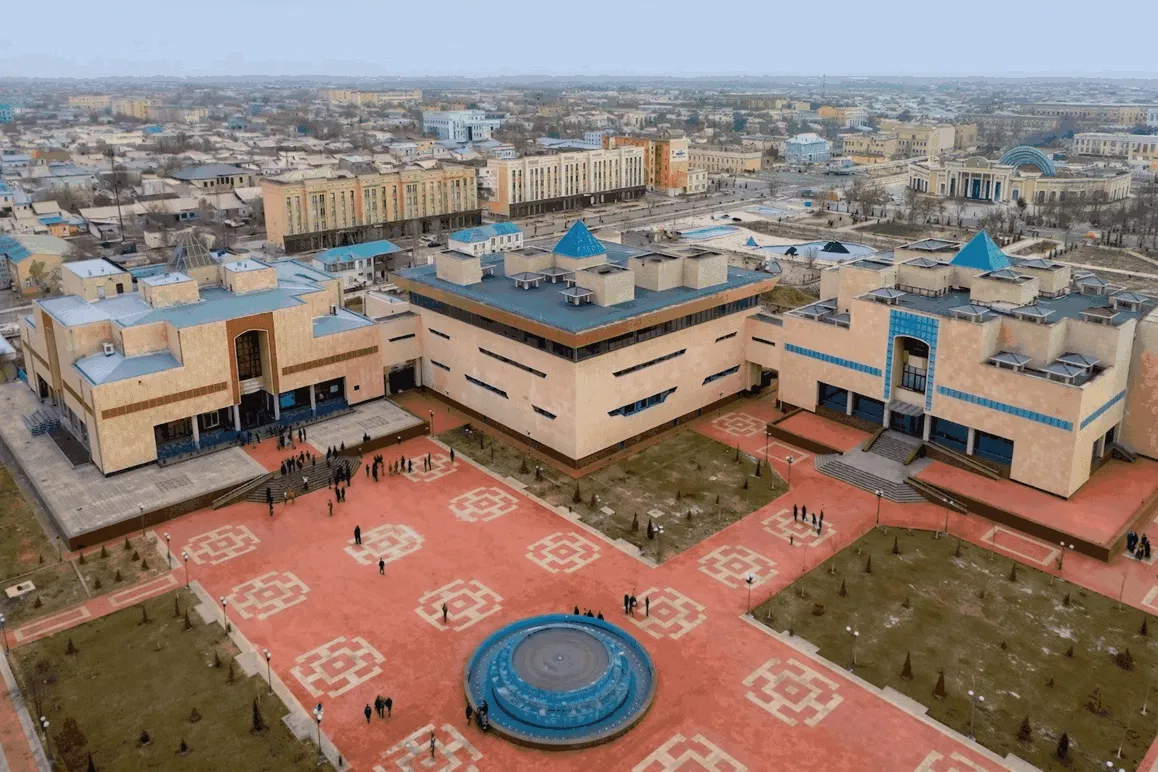
On one occasion, he decided to visit K. K. Kamalov, head of the Karakalpak ASSR, who was staying at the Barvikha sanatorium, to seek additional funding to pay for paintings that had been acquired on credit. Sergei Naumovich later recounted with laughter the embarrassing incident that nearly undid all his diplomatic efforts. As Kamalov walked along the sanatorium corridors with visitors, admiring the landscapes hanging on the walls, he praised the paintings highly, suggesting that similar works be acquired for our museum and eager to demonstrate his own understanding of art. Suddenly, Savitsky behaved completely unexpectedly, dismissing the paintings as rubbish rather than art. Professor Efuni, better aware of the signalling role of the party leadership, nodded and remained silent with a smile, while Savitsky simply could not stop himself. Sergei Naumovich was shocked by such tactlessness. But that was Savitsky. All their efforts had suddenly been put at risk.
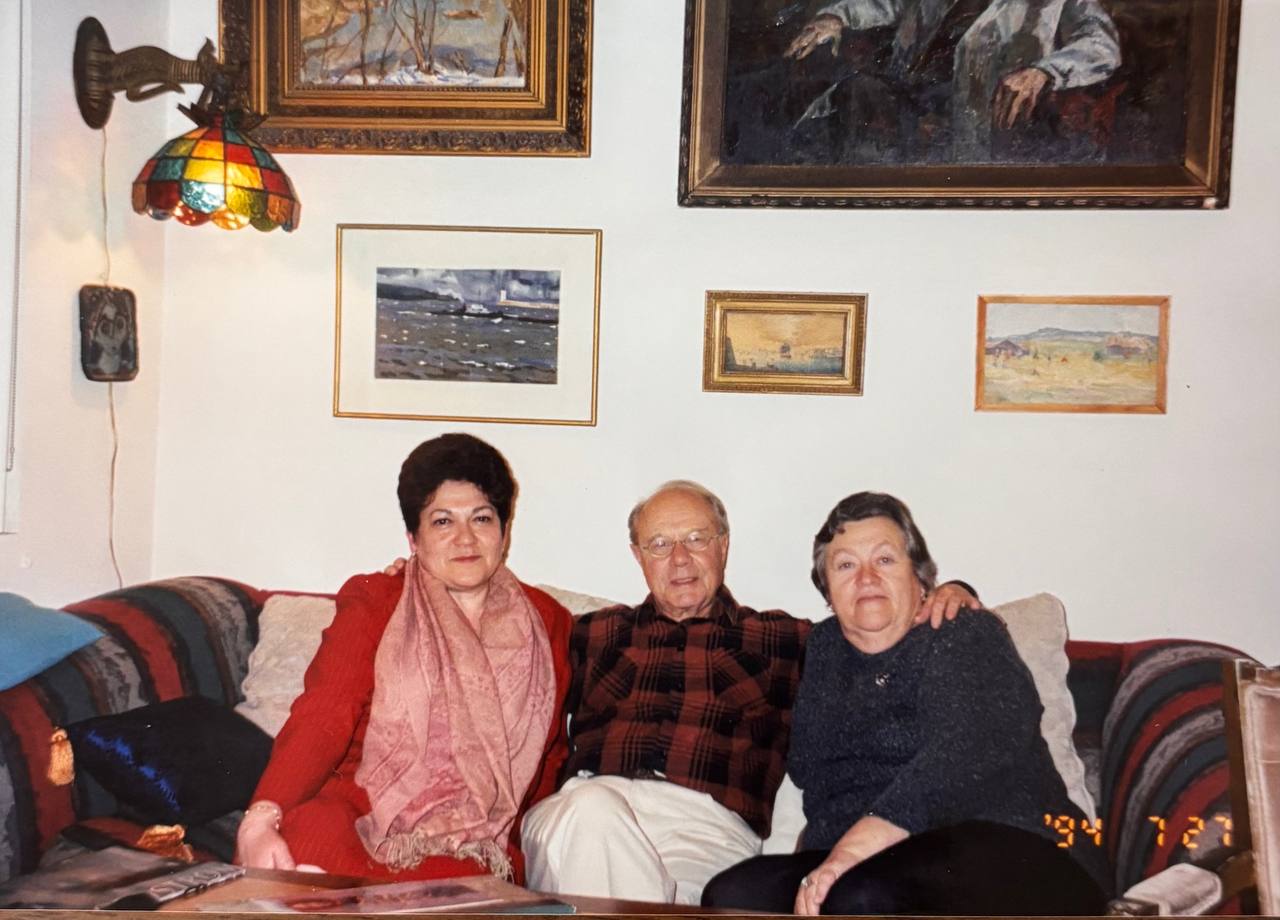 Photo by N. Babanazarova from the Academician Yefuni's archive
 The final months of Savitsky’s life, with brief interruptions, from the autumn until his death on 27 July 1984, were spent at Professor Efuni’s clinic on Pirogovka.
In 1983, Igor Vitalyevich’s condition began to deteriorate sharply, partly as a result of a decision by a government commission of the Central Committee of the Communist Party of Uzbekistan, following complaints from artists and owners, to ban the collection of paintings and return all unpaid works to their owners. Savitsky began to struggle for breath and grow weaker. Doctors in Nukus could not diagnose the problem. Efuni sent his colleague, Dr Rodionov, to Nukus to accompany him to Moscow for examination. Savitsky refused to go because of the mounting problems at the museum, but under pressure from our doctors and because of a promise he had made to Efuni, we eventually sent him, together with the museum restorer Erkin Zholdasov, to Moscow in the first days of November.
He waited for me to return from Tashkent after another study session. I went to his home and was surprised to find him not at work but lying on the sofa. It was a bad sign. Naturally, we talked about the museum’s affairs. The main thing was to pay for the paintings. Everything else mattered less to him. The following day, before flying to Moscow, he came to the museum, walked silently through the galleries and storerooms with the staff, and looked sadly at the flowerbeds and vines he had planted. The silence was heartbreaking. These were his final moments in his museum, and he must surely have sensed it.
In December 1983, my husband and I visited him at Efuni’s clinic. I was struck by the fact that despite his serious diagnosis and condition, Sergei Naumovich allowed him a great deal of freedom. He was in a private room surrounded by various artefacts, boxes of graphic works that he was cataloguing, judging from the texts he left behind after his death. Letters, drafts, photographs and museum forms lay all around him, some of which he gave me to deliver to the authorities with his requests.
It struck me that his openness about his health was really an attempt to play on the officials’ pity and advance the museum’s interests, rather than to seek help for himself. He also laughingly told me how he had mopped the floor in his room after examining some ancient objects that had been brought to him. Naturally, nothing like that would have been permitted in any other hospital. It felt as though, like a beloved little child, he had been allowed to do whatever he wanted in his final days, without any restrictions. It was a kind of VIP treatment.
He was discharged twice after courses of treatment so that he could rest at a sanatorium. Instead, Savitsky continued visiting artists’ studios and their relatives, constantly acquiring new exhibits on credit. It is worth noting the special regard Atagulla Khudaibergenov, Minister of Culture of the Karakalpak ASSR, had for his subordinate: he kept Savitsky in his post for more than nine months while he was absent from work, retaining his salary and paying his sick-leave benefits, contrary to the law. This was a clear sign of how highly he valued an irreplaceable specialist.
The artist Irina Korovai gave us dozens of receipts documenting commitments to pay for works taken on credit within five to ten years. The accompanying lists ran into thousands of items! Together with two members of staff, I spent a week collecting everything from across Moscow and bringing it to the Central House of Artists, where the legendary former director of the Russian Museum, Vasily Pushkaryov, allowed us to pack it up and send it to Nukus along with our exhibition, which we showed at his venue on Krymsky Val after Igor Vitalyevich’s death.
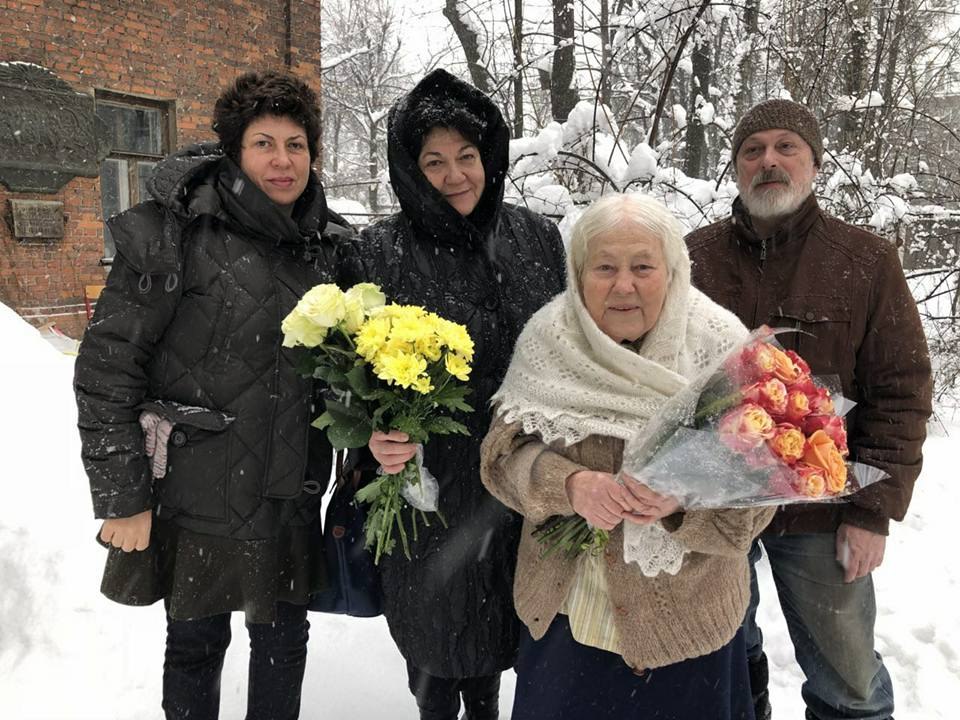 Photo from Marinika Babanazarova’s personal archive
Before that, Edik Zholdasov, who had spent a month with Savitsky, brought a consignment of icons and paintings to the museum. The dying Savitsky had somehow managed to secure them with the help of his supporters in the USSR Ministry of Culture and send them to Nukus at the first opportunity. Some of the works and papers were given to us from the famous Red House of Favorsky on Novogireyevskaya, where Irina Korovai had taken in the ailing Igor Vitalyevich and his legacy, remaining a loyal friend of the museum. She also made an enormous effort to persuade widows and heirs to donate, in Savitsky’s memory, the works he had taken to Nukus, since the museum’s debts had reached astronomical sums.
It was clear that without Savitsky, the fate of this legacy was at risk. Everything we did was unofficial and had not been approved by the authorities. If they had known what we were spending the museum’s meagre budget on, I would certainly have been in trouble! Our opponents were already writing complaints about me and organising commissions to investigate our expenditure.
The perestroika that had begun in the country diverted the authorities’ attention from the museum, and we somehow managed to navigate the situation and even find funding to continue Savitsky’s projects. For example, we persuaded the State Expert Commission of the USSR Ministry of Culture to allocate a substantial sum to repay the debts. The last USSR Minister of Culture, Nikolai Gubenko, signed an order in 1989 allocating 360,000 roubles for this purpose. I remember a particularly moving episode when the residents of the Red House, descendants of the Golitsyns, Shakhovskys and Efimovs, helped us load the exhibits onto a flatbed lorry. My colleague Alvina Shpady joked that the princes were loading our lorry for us. The love and affection they showed for Savitsky, his work and his team are unforgettable. Irina Korovai herself told me that her attic had been packed with folders of graphic works and paintings, and for a whole year she could not reach her wardrobe to change her clothes until we had taken everything away. For readers’ information, these final acquisitions filled two five-tonne containers, which we transported by rail under the cover of returning our exhibition from Moscow. Three containers in all.
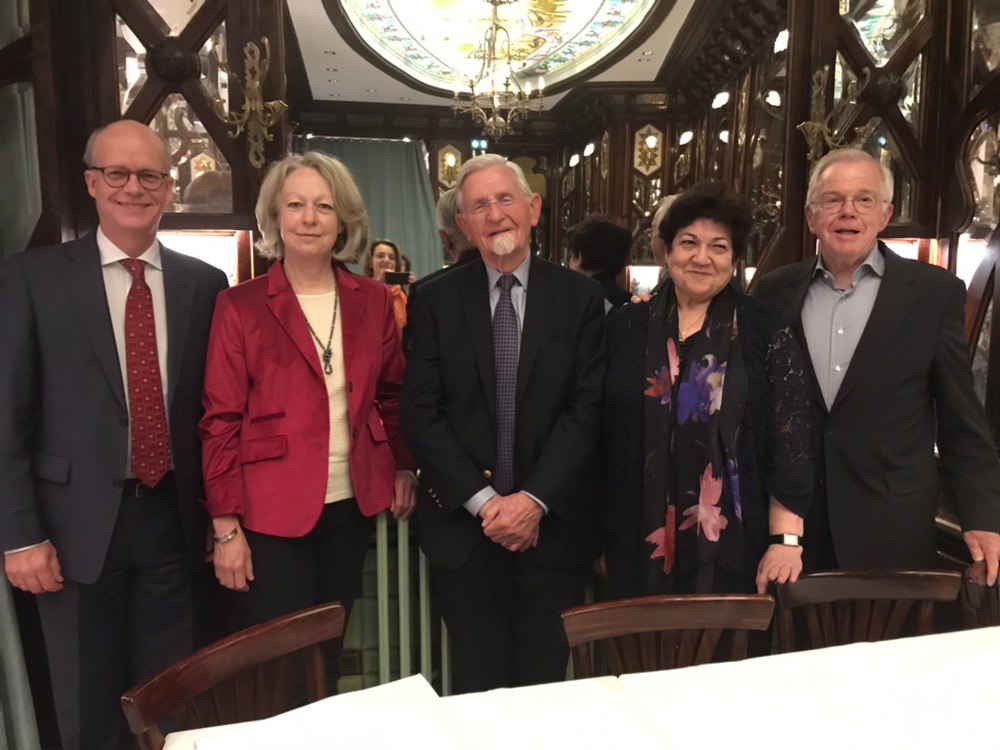 From the archive of the Friends of the Nukus Museum
Savitsky’s funeral, too, was organised with the active participation of his friends and supporters. They arranged a memorial service at the Museum of Oriental Art and delivered heartfelt tributes. My first battles as director were fought with the help of these same people. Sergei Naumovich gave me a great deal of useful advice, drawing on his experience of dealing with bureaucracy and arbitrary officialdom. Until the end of his life, he called me from the United States and asked about the museum’s affairs. I am pleased that several years ago Gayane Umerova and the Uzbekistan Art and Culture Development Foundation, which she heads, gave Dr Efuni a Christmas gift in gratitude for his role in the museum’s development: a lavish volume on the collection published by Yaffa Assouline. David Pearce and Ann Botti, chairman and a board member of the Friends of the Nukus Museum, received the same gifts. The informal Friends of the Museum Club carried over into the new era of independent Uzbekistan and became a fully fledged formal organisation, Friends of the Nukus Museum, registered with the Ministry of Justice in 1997. Its membership consisted predominantly of members of the international diplomatic community accredited in Tashkent.
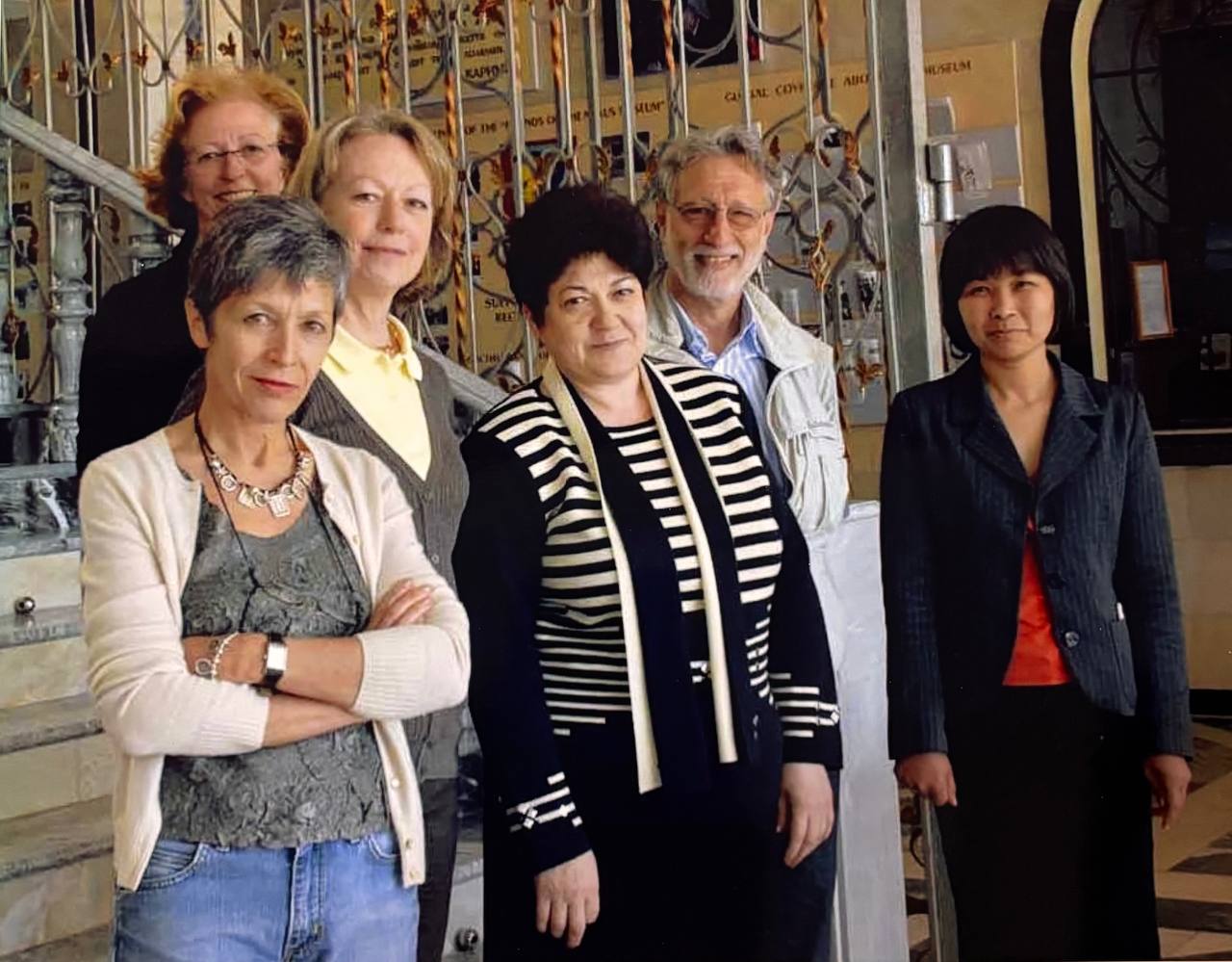 Photo by B. Bréfort from Marinika Babanazarova’s archive
They also defended Savitsky’s name when plans were made to remove it from the museum’s official title, lobbied for the construction of the museum complex, provided funds for the restoration of paintings, promoted the museum’s founder and its collections through publications, and helped with staff training and logistics. It goes without saying that had it not been for all these people, the collection that now inspires admiration around the world would not exist, nor would it have become a flagship instrument of Uzbekistan’s cultural policy, a marker of its multi-vector approach, tolerance and respect for the cultural values of all peoples.
May all these people be remembered with gratitude, and may the Friends of the Nukus Museum who are still with us enjoy long lives.
Newsletter
A letter from the HD editors
Once a week, we send the best stories, events, and cultural discoveries from Central Asia.