Architecture & Urban Environment
Cultural Master Planning as a Tool for Territorial Development
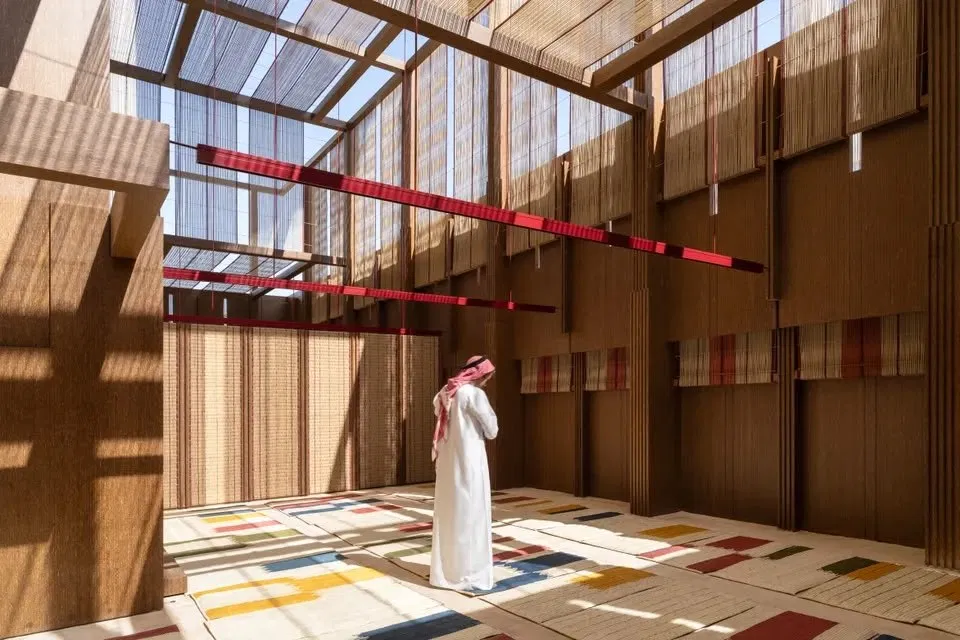
Cultural master planning is becoming part of the toolkit for urban development and real estate, linking the identity of a place, spatial solutions, cultural programming, community participation and the economic model at the stage when a project concept is being shaped.
For a city and a developer, a cultural strategy influences scenarios for the use of the territory, footfall, tourist activity, local business, investment appeal and property value. Together with the co-founder and director of the international consultancy Barker Langham Darren Barker and the founder of ARCHICA Indira Makhmetova, we examine Cultural Masterplanning as a tool for territorial development — from the assessment system to implementation.
The value of culture in a territory's economy
The economic effect of cultural investment can be measured through consumer spending, jobs, new enterprises, tourist activity and contribution to GDP. In urban and development projects, footfall, length of stay in the territory, investment and property value dynamics are also taken into account.
When we talk about the return on investment in cultural integration, we need to start with a broader understanding of what we mean by return. Investment in culture creates value across several dimensions — economic, social, environmental, identity and so on. Each of these dimensions brings its own benefits.
Social connections, quality of life, the development of knowledge and skills, identity and a sense of belonging are harder to express in financial indicators. To assess them, alongside qualitative research, Social Return on Investment (SROI) is used — a method for evaluating the social return on investment.
The system of indicators depends on the project's objectives. For a tourism-oriented territory, these are tourist flow, visitor spending and occupancy of venues; for community development projects — engagement, social activity and skills development. Large urban projects may combine several groups of indicators.
Cultural Masterplanning in the development cycle
A cultural strategy is formed at the stage of the initial brief, while architectural and planning decisions can still be adjusted. At this stage, the identity of the place, its audience, the character of public spaces, movement routes, points of interaction and the future programme are defined.
The best solution for any developer is to involve cultural planning specialists from the very beginning, at the early stages of concept development, even before plans are drawn up.
In this way, cultural planning is synchronised with architecture, landscape and the programming of the territory and influences the spatial model of the project.
The structure of a cultural master plan
A cultural master plan begins with an inventory of the territory's resources: cultural institutions and buildings, local communities, traditions, practices and intangible heritage.
We wrote about what a construction master plan is here:
Master Plan: How to Design a City Before It Is BuiltOver time, humanity moved from an absence of planning altogether, with cities sprawling unchecked, to increasingly rigid regulation. Somewhere along the way, it became clear that a liveable city tends to exist between these two extremes. A master plan is, at its heart, an attempt to find that middle ground: a document that does not prescribe every detail down to the last brick, but does not leave development entirely to its own devices either.mag.humodoc.com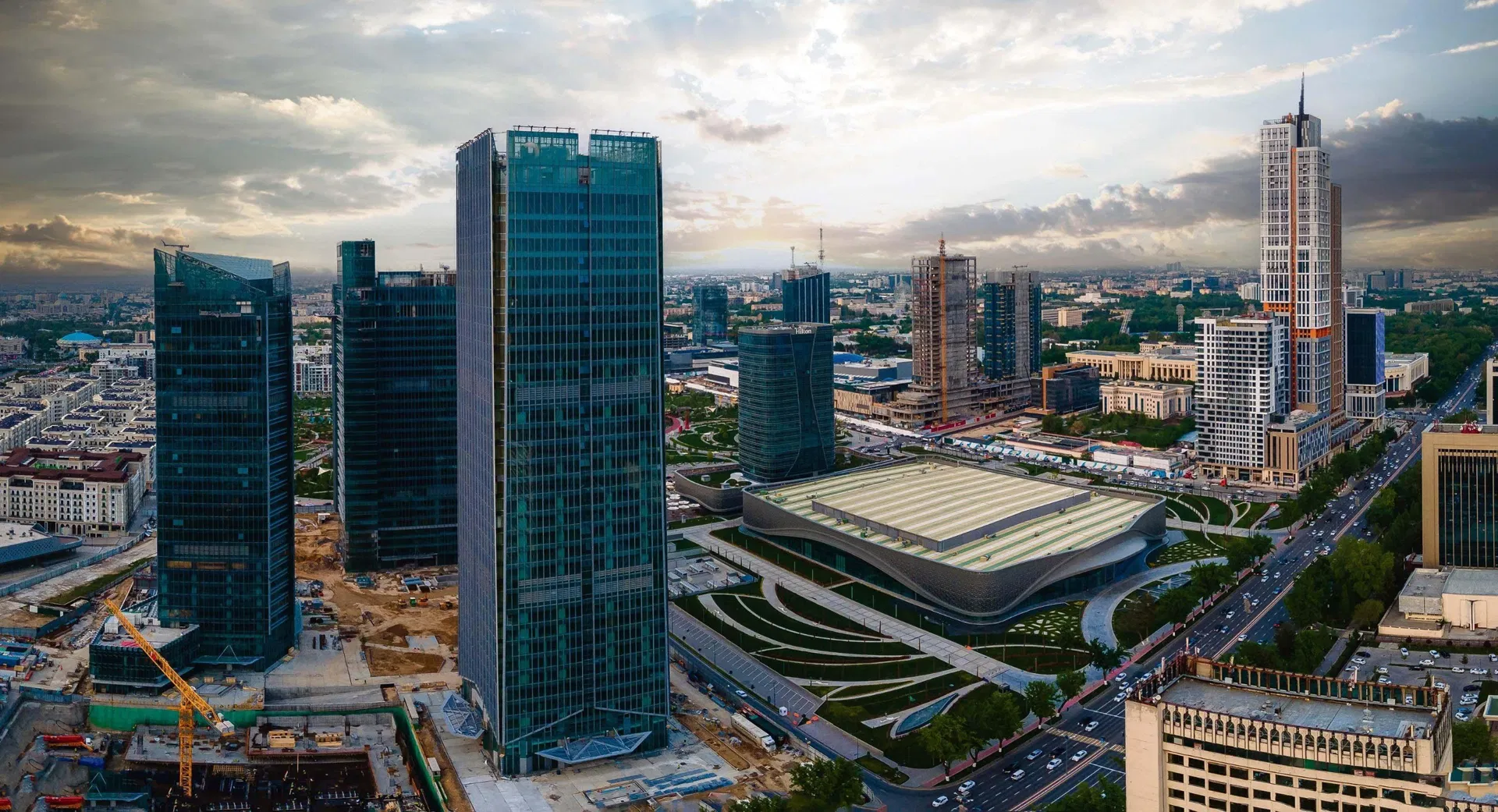
The next level is the spatial structure: points of attraction, local hubs, public spaces and places for everyday scenarios. For these, a programme of events, residencies, educational projects and partnerships with business is formed.
A separate block is the participation of communities in the development of the territory.
The economic model determines the long-term viability of cultural infrastructure: sources of funding, rent, commercial services, grant and partnership programmes. It is laid down simultaneously with the spatial and programme model of the project.
One of the main challenges is not to let the cultural master plan become a "paper" one. It must be a document that is regularly updated on the basis of feedback from residents and data on footfall, engagement and the economy of the district.
Cultural strategy in space
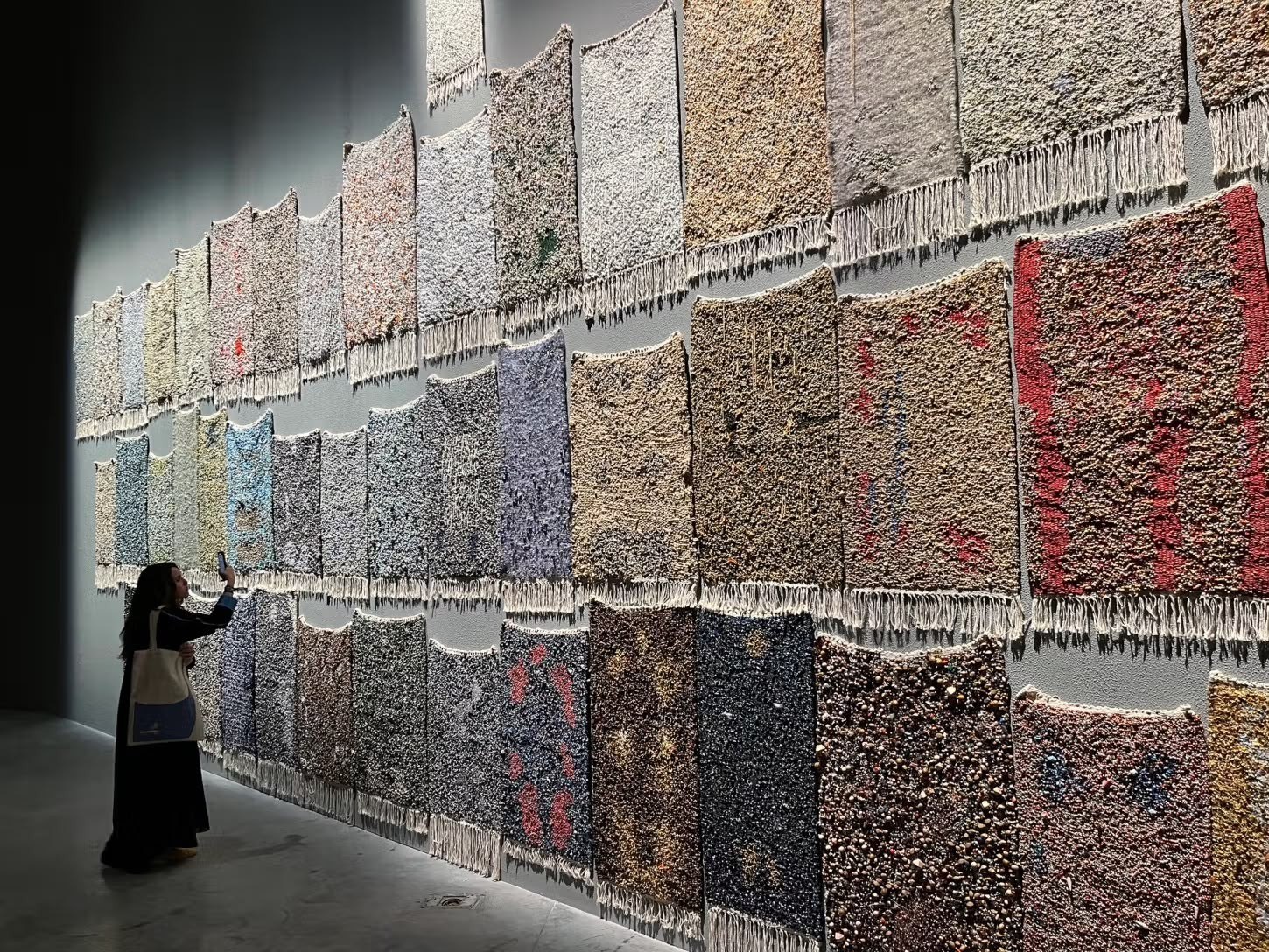
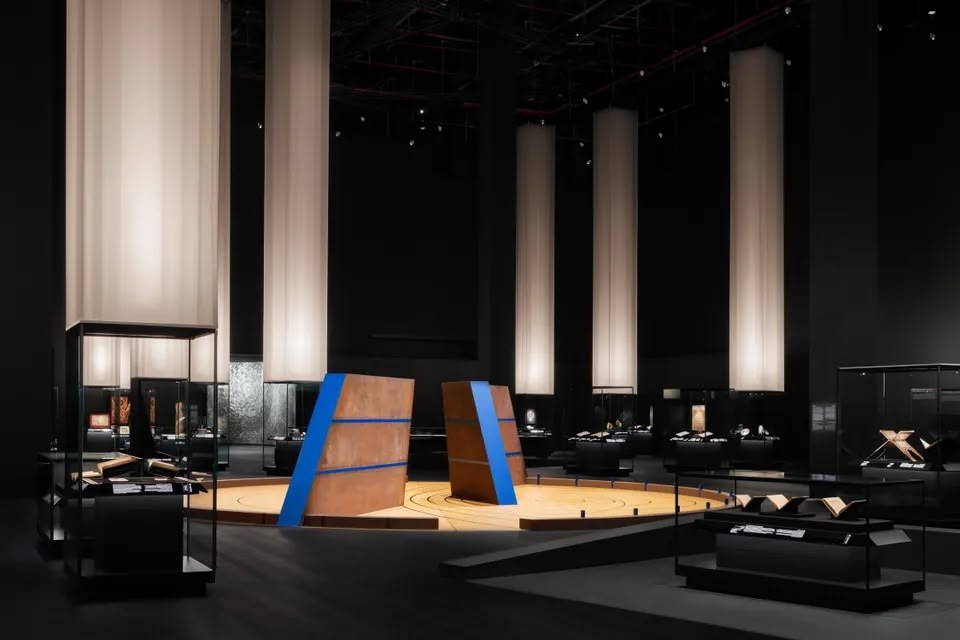
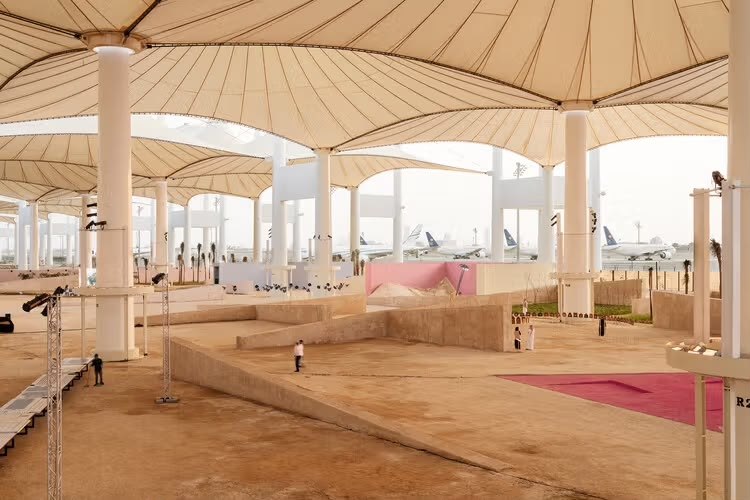
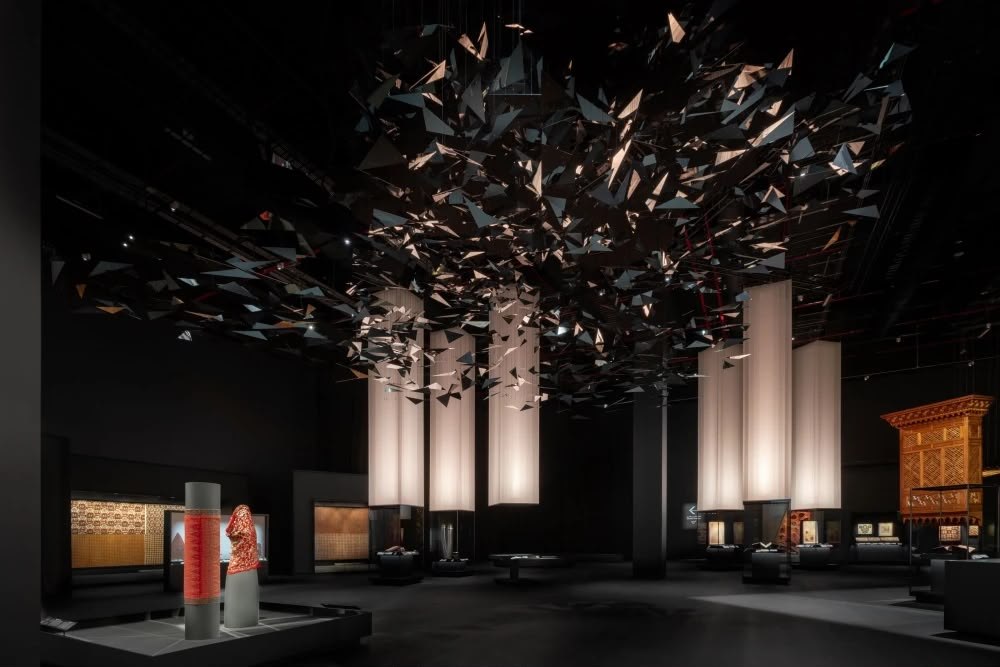
One of Barker Langham's projects that allows this approach to be seen in practice is the Islamic Arts Biennale in Saudi Arabia. The company was involved in the project from the initial concept and accompanied two editions of the biennale — 2023 and 2025.
The curatorial narrative was translated into a spatial and interpretive structure. The route was divided into seven semantic zones, bringing together historical artefacts, contemporary art, enclosed galleries and open spaces. Barker Langham also participated in working with artists, creating new works and organising the display.
By 2025, the project had brought together more than 500 historical objects from more than 30 institutions. Thus, the cultural strategy determined not only the content but also the spatial scenario, the route and the visitor's interaction with the display.
From spatial solution to result
The first edition of the Islamic Arts Biennale in 2023 was visited by more than 600,000 people in four months. In 2025, footfall reached around 650,000, and 30 international institutions from 21 countries took part in the project.
Footfall and international participation became measurable indicators alongside the development of a cultural audience and the project's ability to work as a major point of attraction.
The combination of cultural strategy, spatial scenario, programme, user experience and a system of indicators allows Cultural Masterplanning to be regarded as a practical tool for managing the development of a territory.
Central Asia: transition to systemic practice
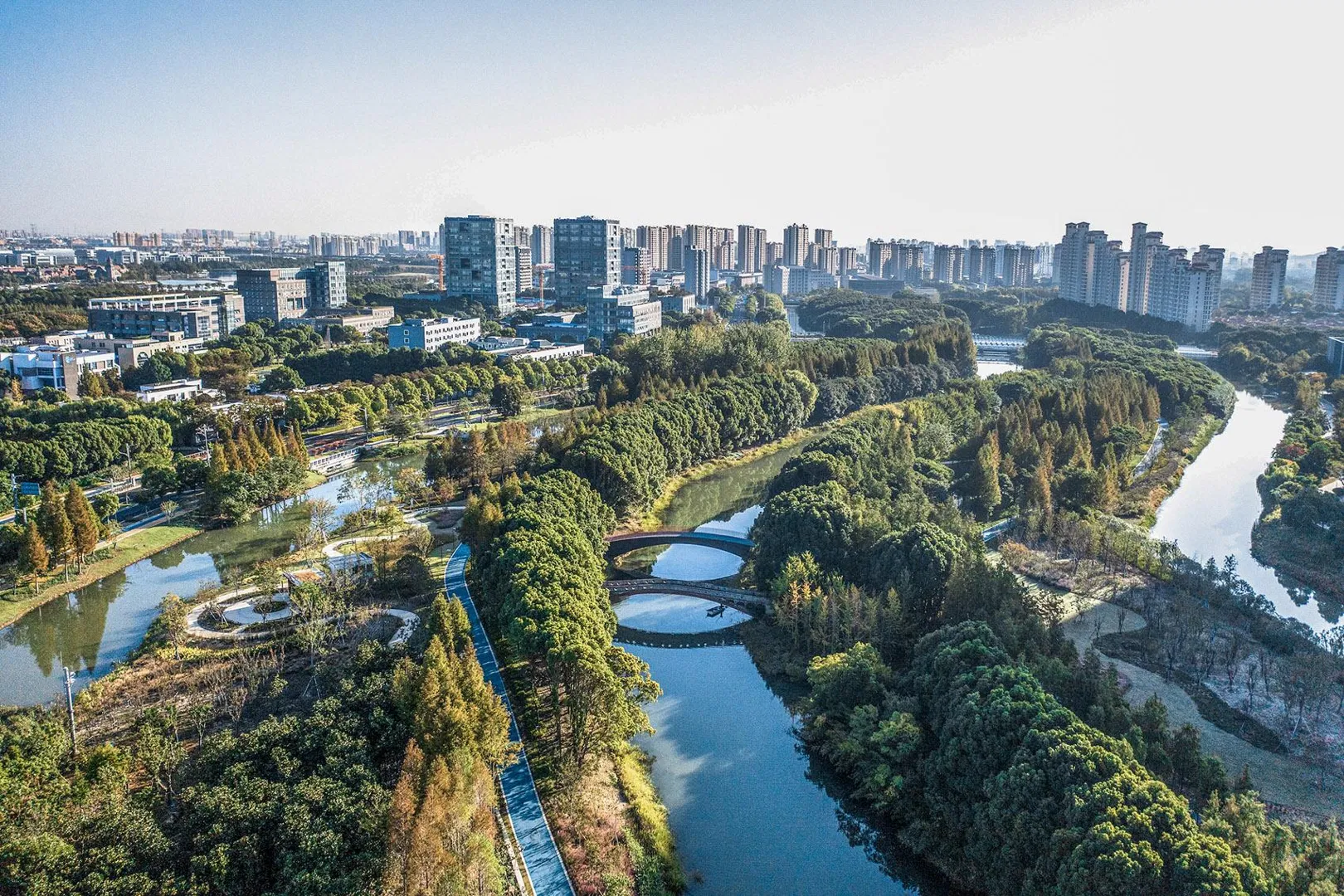
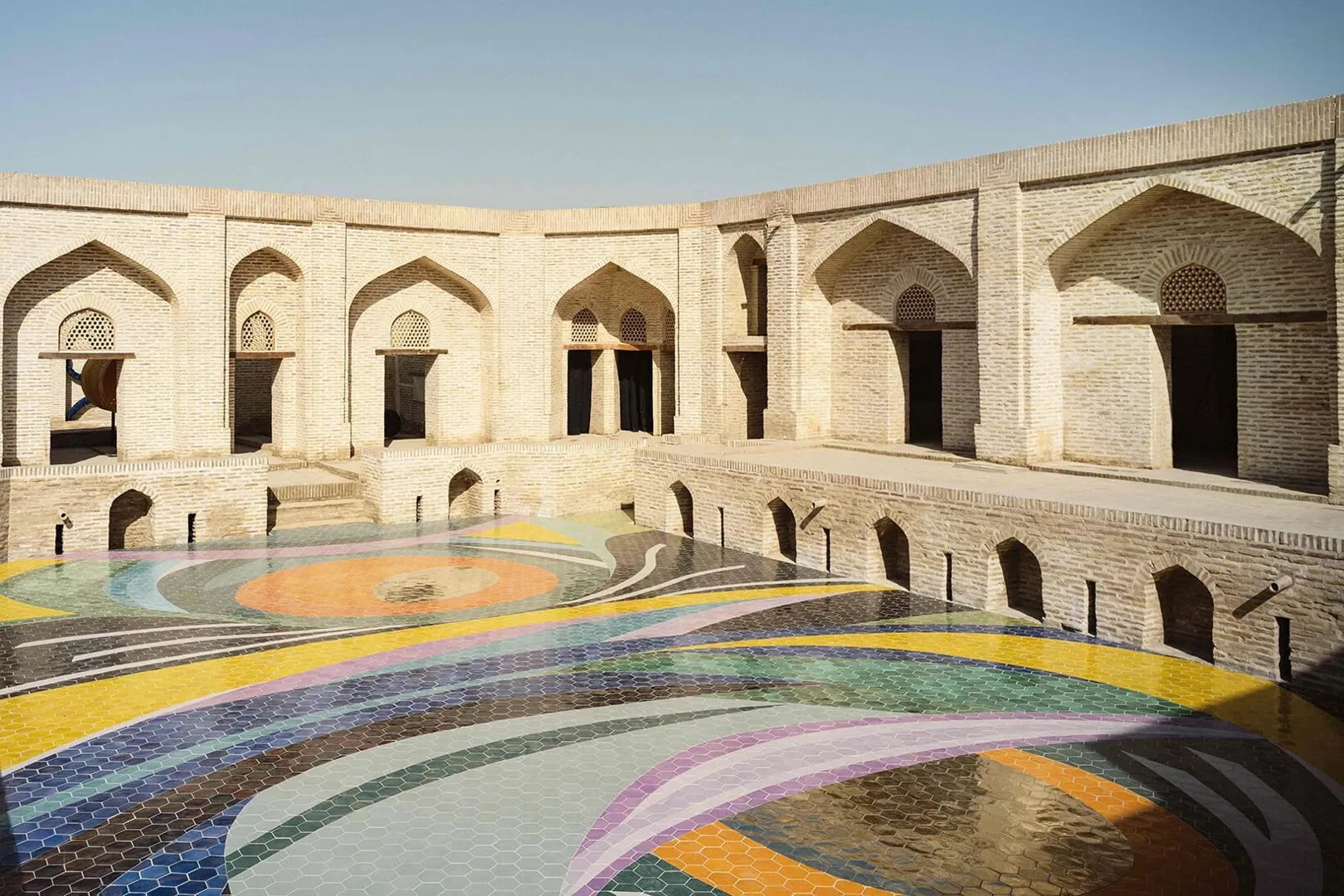
In Central Asia, cultural masterplanning has not yet become a standard part of the urban and development cycle. According to Indira Makhmetova, the region's cultural spaces and initiatives are more often integrated into already established plans, rather than participating in the creation of a spatial model at an early stage. At the same time, projects are already emerging in the region that demonstrate the influence of culture on the urban environment. Indira Makhmetova singles out the Bukhara Biennale and the Republican Children's Library in Tashkent, and in Almaty — the Tselinny cultural centre and the Almaty Museum of Arts. Public spaces and cultural programmes around such venues create new points of attraction for residents and tourists.
For the region's rapidly developing cities, sequence is of fundamental importance. New districts, public spaces and urban centres shape the long-term structure of a territory, which is why a cultural strategy can be laid down simultaneously with the architectural, transport, landscape and commercial programme.
This makes it possible to link the identity of a place with its daily use and economy, and cultural infrastructure with the life cycle of the territory.
On 5–6 October, Cultural Masterplanning will be one of the themes of the professional programme at ARCHICA 2026 in Astana, prepared jointly with Barker Langham. International experience is important here as a practice of integrating culture into the urban development system — with its own methodology, economics and measurable results.

Newsletter
A letter from the HD editors
Once a week, we send the best stories, events, and cultural discoveries from Central Asia.