Ecology and Economics
Green Project: What Turns Technology Into an Investment

Green financing can work with a wide range of investments, from an energy-efficient building and a solar installation to manufacturing equipment and construction machinery. The general principle is the same: the resource effect of the project must be measurable, and the technology's characteristics must meet the established requirements.
The Green Economy Financing Facility (GEFF) operates on this model. The programme helps businesses determine whether equipment, a building or a modernisation meets green finance criteria, carry out a technical assessment of the project and prepare it for review by a partner bank.
From technology to investment project
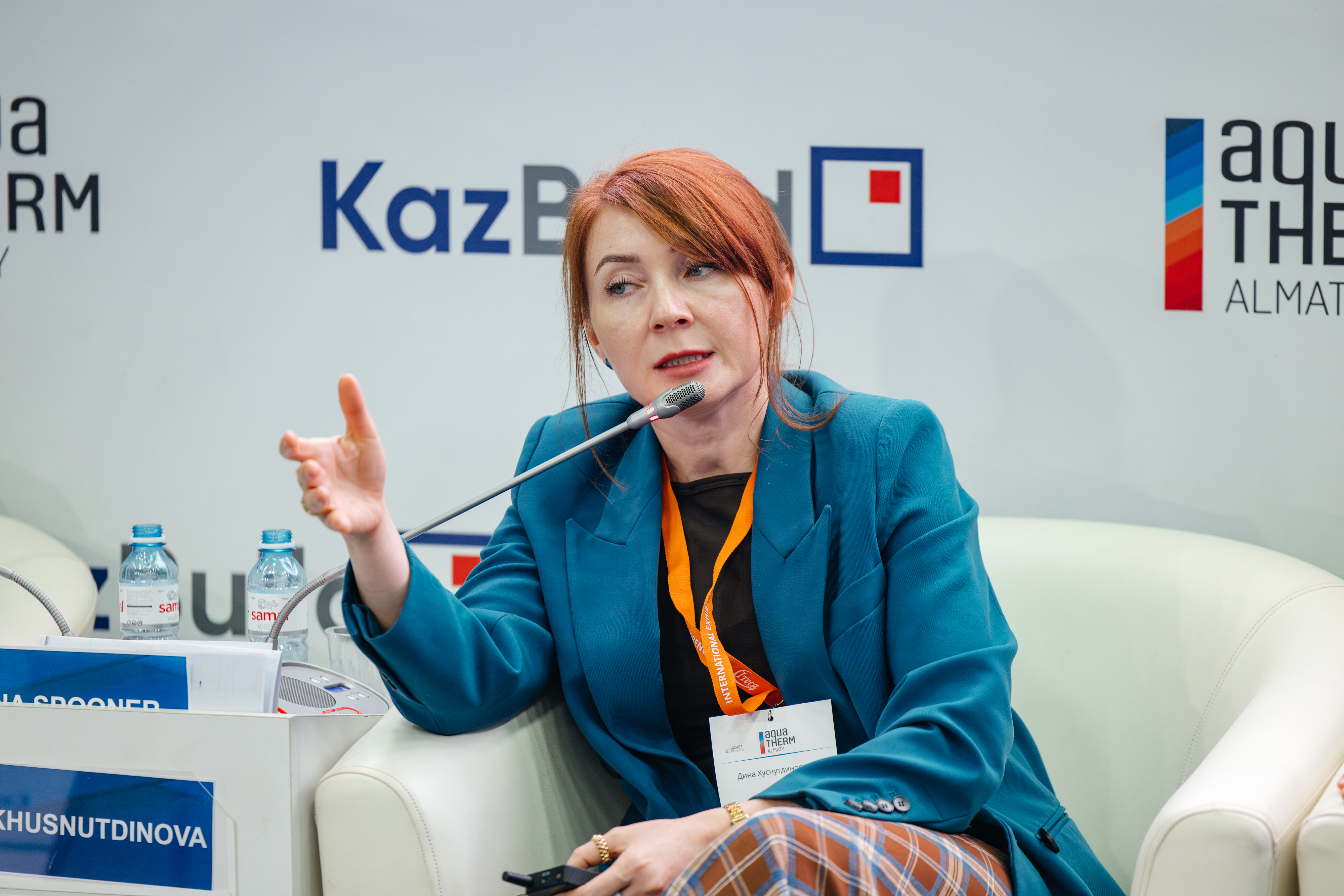
For businesses, the starting point is a practical task: construct a building, replace equipment, cut energy costs, install solar panels or upgrade machinery. For such an investment to be considered green, the characteristics of the chosen solution and its expected resource effect must be confirmed.
GEFF provides two main routes for this:
1. For standard solutions, there is the Green Technology Selector, an online catalogue of equipment that has already passed a preliminary assessment for compliance with the programme's requirements. If the chosen technology is in the Selector, the borrower can generate a compliance certificate and provide it to the bank. This route is available for loans equivalent to up to $300,000.
2. For larger or non-standard projects, an individual technical assessment is carried out. Consulting engineers analyse energy efficiency and resource savings and prepare a conclusion on the project.
As a result, the purchase of serial equipment and the construction of an entire facility undergo technical checks of differing depth, but the approach remains the same: the stated environmental effect must be confirmed.
How a building is assessed
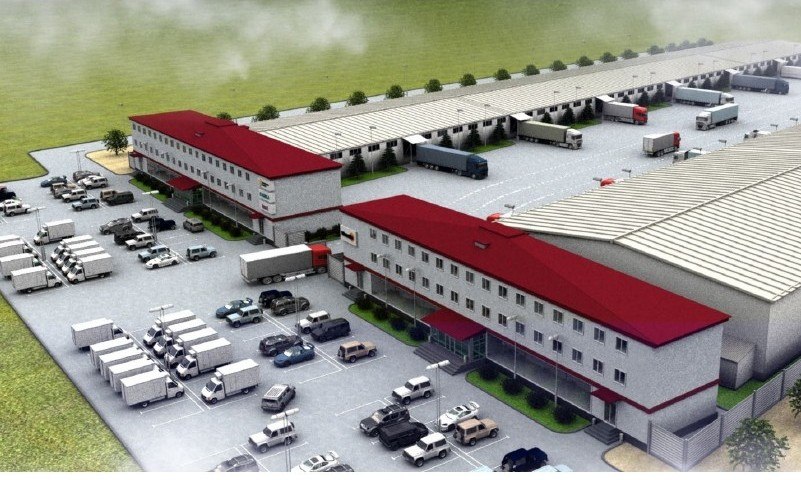
A building can confirm compliance with green criteria in several ways.
One of them is environmental certification. The GEFF criteria list the international systems LEED Silver, BREEAM Good, EDGE Standard, Passive House Standard and DGNB Bronze, as well as the Kazakh green building assessment system OMIR.
On the OMIR system and what it means for owners and investors, in an interview with Alexander Bely:
Green Building: An Investment in TomorrowGreen building is gradually ceasing to be a purely environmental concern. For the property market, the question today is framed differently: how much does it cost to make a building sustainable, and how much can it save or earn over years of operation? Energy efficiency, operating costs, comfort, market appeal, access to financing and the preservation of asset value are all becoming part of a single economic model.mag.humodoc.com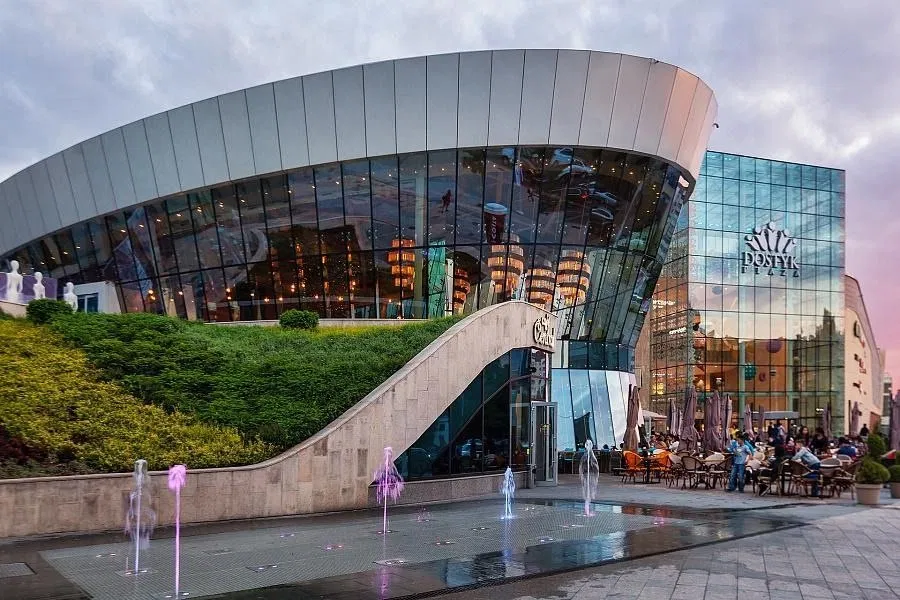
Another option is a high energy efficiency class, A or B.
Comprehensive certification is not required in all cases. Thermal insulation, windows, lighting, ventilation, cooling systems and other engineering equipment can be assessed separately. The subject of financing can therefore be either an energy-efficient building as a whole or the modernisation of an existing facility.
When the environmental effect can be measured
Energy efficiency becomes a parameter of an investment project when it can be expressed in figures.
Depending on the technology, the assessment covers reduced energy or fuel consumption, lower CO₂ emissions, water savings and other resource efficiency indicators. These are followed by the cost of the investment and the technical characteristics of the solution.
At this stage, the roles of the technical team and the bank are separated.
GEFF specialists assess whether the technology meets the established criteria and whether the stated effect is confirmed. The bank analyses the company's creditworthiness, the structure of the deal and financial risks.
Technical compliance with GEFF requirements does not mean a loan is granted automatically: the financing decision is made by the partner bank. For a business, these are two consecutive checks, of the quality of the investment itself and of the financial ability to implement it.
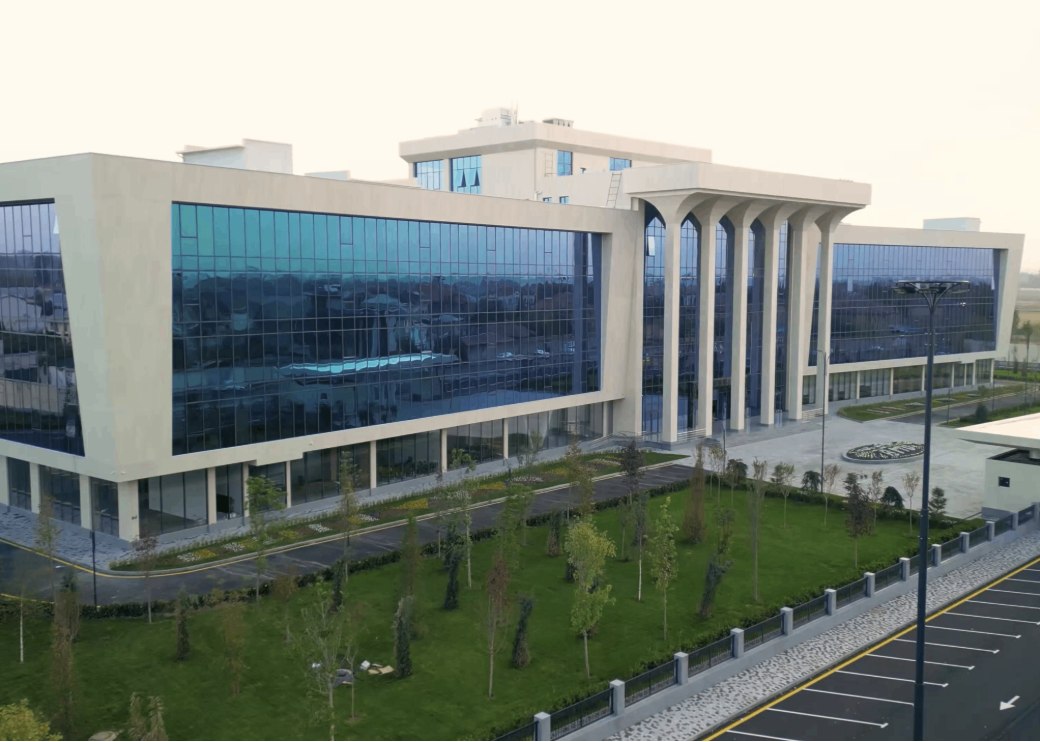
How this works in real estate
Projects of various scales are already being implemented in Kazakhstan through the GEFF mechanism.
An energy-efficient residential complex in Almaty received financing through Shinhan Bank Kazakhstan. The total investment cost was $926,414. Estimated primary energy savings are 626.7 MWh per year, with CO₂ emissions reduced by 310 tonnes annually.
Another example is a B+ class multifunctional business centre in Astana with an area of 7,376.9 m². With an investment cost of $6.45 million, estimated primary energy savings amount to 229.28 MWh, with emissions reduced by 113 tonnes of CO₂ per year. Bank CenterCredit was the project's financial partner.
In both cases, resource efficiency becomes a measurable characteristic of the property alongside its area, cost and commercial model.
Zhannat Bekbolatova explains how resource consumption and the maintenance of engineering systems shape an owner's costs in our article:
After Construction: What a Building Really CostsProperty is usually assessed by its price per square metre, location, architecture and construction quality. But once the keys have been handed over, a building continues to cost money for decades: heating and cooling, water, maintenance of building systems, repairs and equipment replacement of equipment.mag.humodoc.com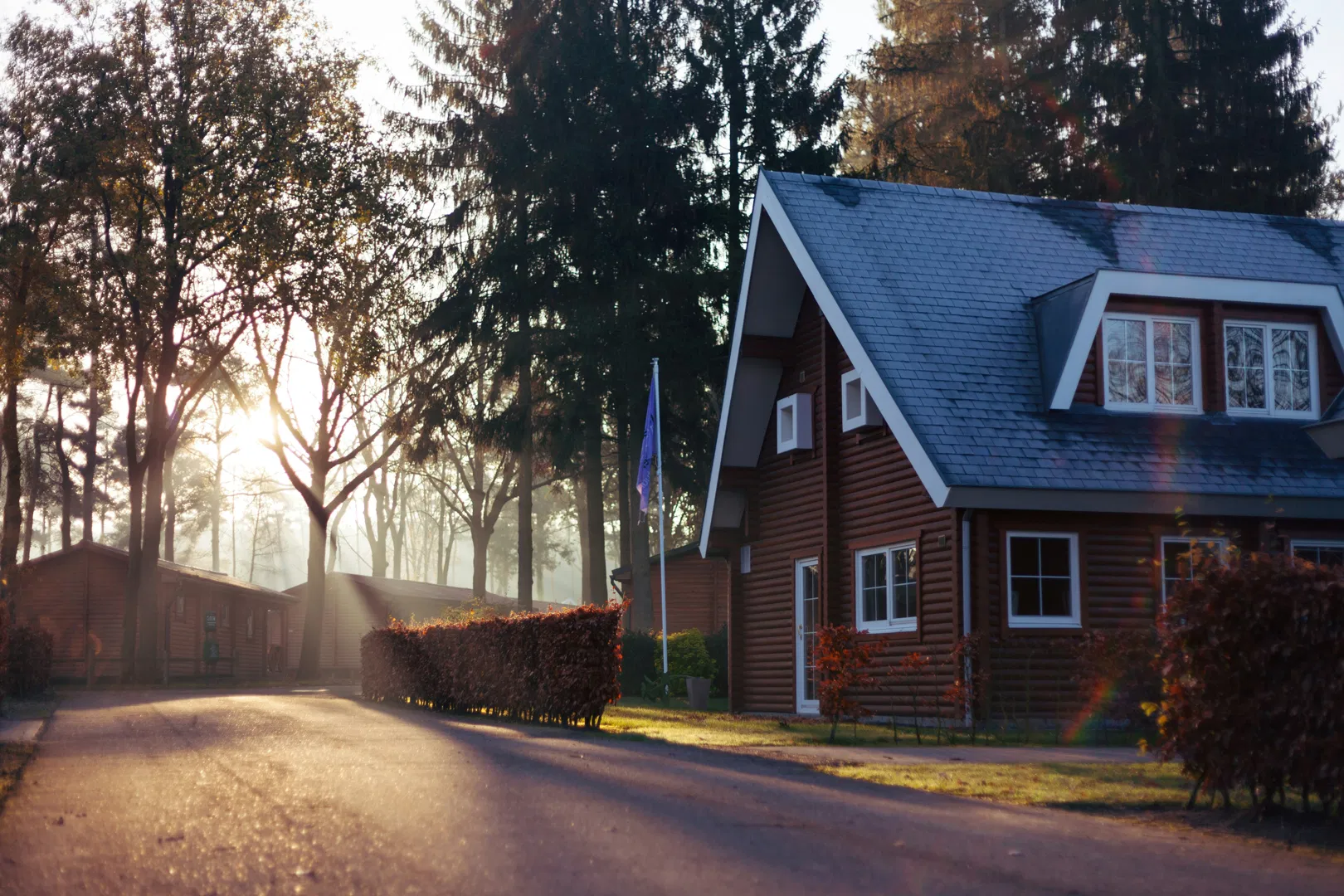
From a warehouse to a hotel
The same principle works beyond residential and commercial real estate.
For a warehouse centre covering four hectares on the outskirts of Almaty, modern sandwich panels, LED lighting, fan coil units and electric forklifts were chosen. The project cost about $1.18 million. Estimated primary energy savings reach 996.444 MWh, with emissions reduced by 290 tonnes of CO₂ per year. Financing was provided through Shinhan Bank Kazakhstan.
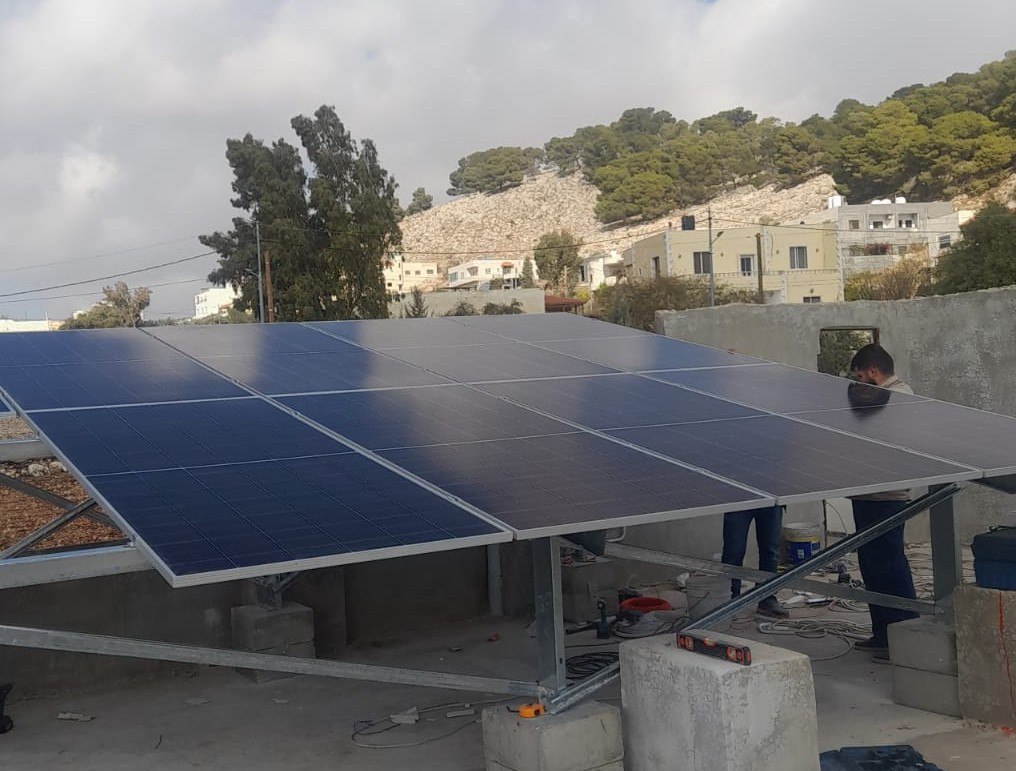
In Ayagoz, an entrepreneur used financing to install solar panels supplying a hotel with hot water. The investment amounted to $30,409. Estimated energy savings are 15,775 kWh, with emissions reduced by 5.8 tonnes of CO₂ annually. The project was financed through Bank CenterCredit.
The scale of these investments differs by dozens of times, but they are assessed by similar criteria: the technology is known, along with its cost and a measurable result.
Construction machinery can also become a green investment
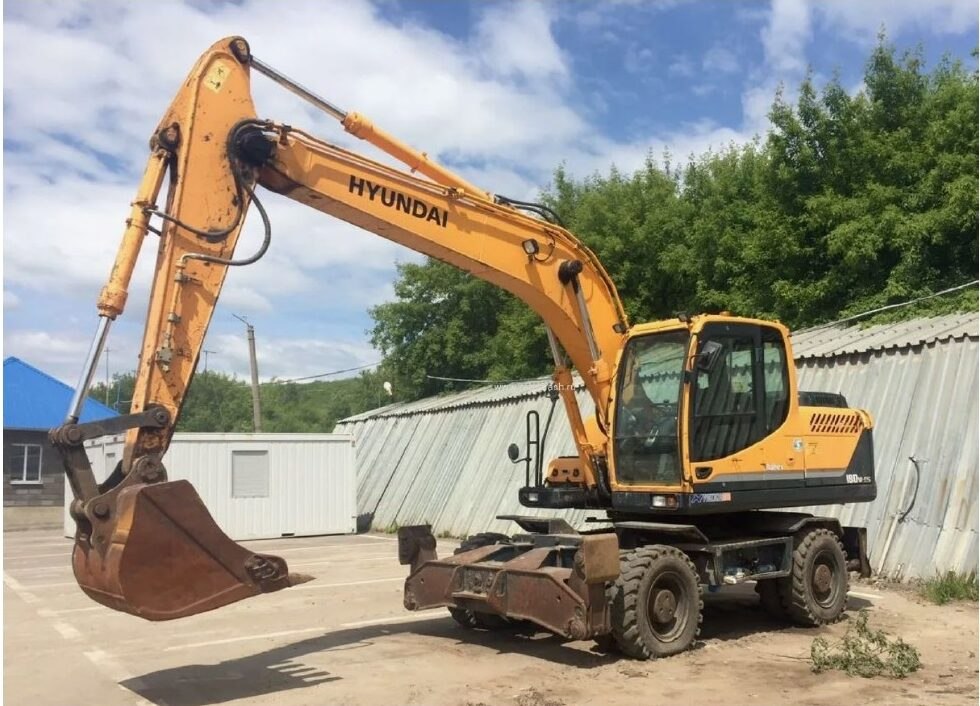
Another Kazakh case is the purchase of an energy-efficient excavator by a construction company in the East Kazakhstan region.
The project cost was $152,120. Estimated primary energy savings are 99.806 MWh, with emissions reduced by 25 tonnes of CO₂ per year.
This example shows that resource efficiency of a solution is becoming the criterion for green investment. If new equipment allows a production task to be performed with lower fuel consumption and this result can be confirmed, such an investment may meet the requirements of green financing.
Why businesses need technical support
For small and medium-sized businesses, one of the barriers is preparing a technical justification. An entrepreneur knows their own operational task, but calculating energy savings and confirming compliance with the requirements of a financial institution require different expertise.
In the GEFF model, technical support takes on part of this work. For equipment from the Selector, the assessment has been carried out in advance. More complex projects can receive an individual assessment from consulting engineers.
In Kazakhstan, the GEFF credit line for 2023-2027 is stated at $150 million. The partner financial institutions of the programme in the materials presented are Bank CenterCredit and Shinhan Bank Kazakhstan.
Thus, between the business task and bank financing, a technical stage appears that translates the characteristics of equipment or a building into indicators understandable for financial assessment.
From efficiency to financing
The practical route begins with investment in technology, equipment, buildings or modernisation, then their cost, compliance with established criteria and the expected resource effect are determined. For standard equipment, part of the verification can be completed through the Selector; for a more complex project, an individual technical assessment will be required. After that, the bank considers the financial side of the transaction.
In this sequence, green financing becomes one of the tools for modernising a business. Energy efficiency acquires measurable parameters, and the reduction of resource consumption can be taken into account together with the cost of technology, financing conditions and the result of the investment.
Read also: "When ecology becomes economics" - about the technical assessment of environmental projects, bank financing and capital market instruments:
When Ecology Becomes EconomicsOn 2 September, as part of Aquatherm Almaty, HD magazine held a panel discussion bringing together representatives of the public sector, architects, urban planners, engineers, and experts in green construction and finance. The central question was how to turn individual environmental solutions into a system with measurable impact, clear costs and a viable financing mechanism.mag.humodoc.com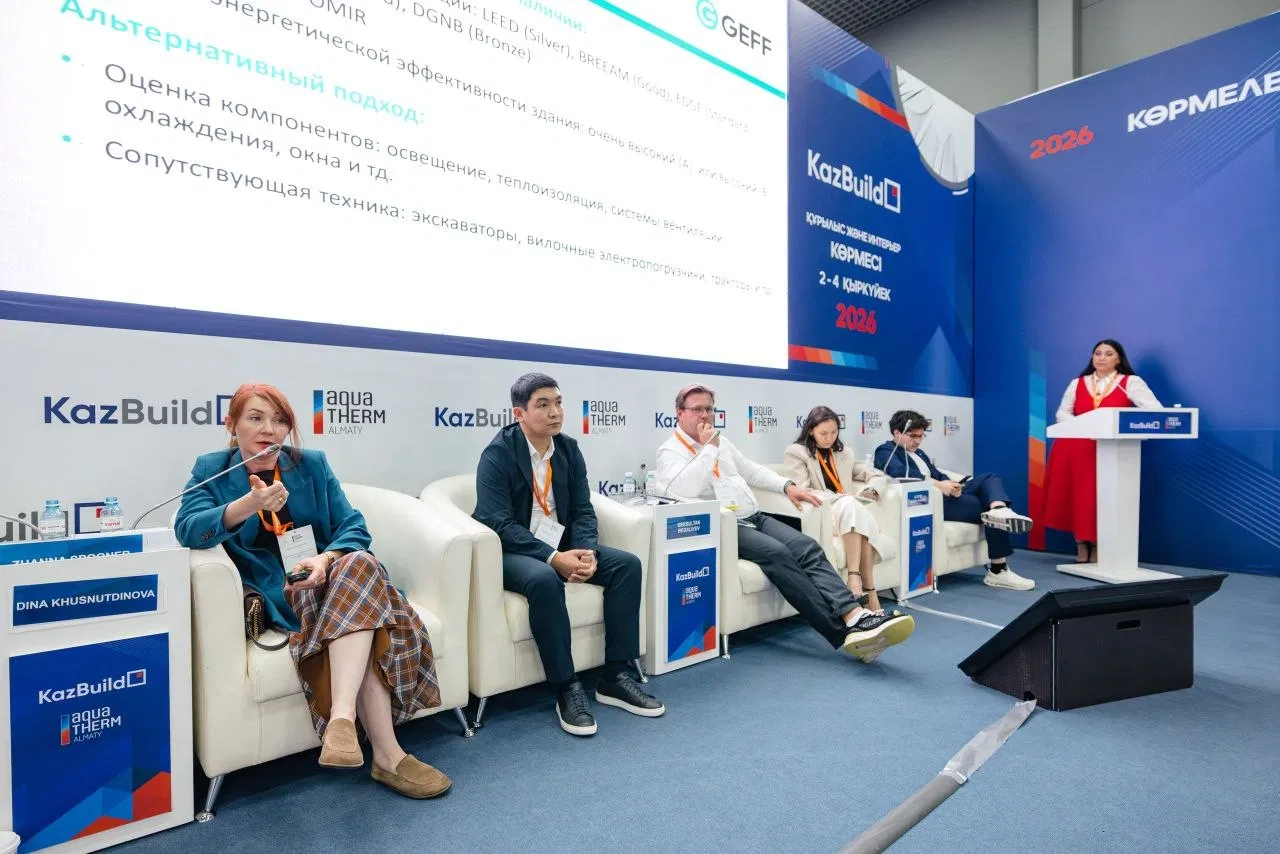
The material was prepared in cooperation with Aquatherm


Newsletter
A letter from the HD editors
Once a week, we send the best stories, events, and cultural discoveries from Central Asia.