The restaurant business depends not only on preferences and tastes or the state of the economy. Its operation is also closely tied to city rules, from summer terraces to the tax regime. So the main question for the industry today is not whether oversight is needed, but where the line runs between regulation and excessive bureaucracy.
A restaurant is part of the urban environment
On June 18, 2020, the Union of Independent Restaurateurs was created in Almaty, with its activities aimed at protecting the rights of business (the industry), to regulate relations with all levels of government: legislative, local executive, fiscal and others.
Restaurants are often perceived as private business: the owner rents premises, hires employees, sells food and pays taxes, but in the city everything is arranged more complexly. They form the urban environment, create jobs, attract people to public spaces and largely determine their comfort. This is especially noticeable in Almaty, where summer terraces have long become part of urban culture, so any decision that changes the rules for restaurants inevitably affects the urban environment as well.
A Restaurant is Urban InfrastructureIf we stop viewing a restaurant solely as a business, it becomes clear that public catering is a fully fledged part of urban infrastructure. Veronika Daugaliyeva, chair of the Self-Regulatory Association of Public Catering of the Republic of Kazakhstan (SOOP RK), told HD magazine why public catering should be regarded as a sector of the economy.mag.humodoc.com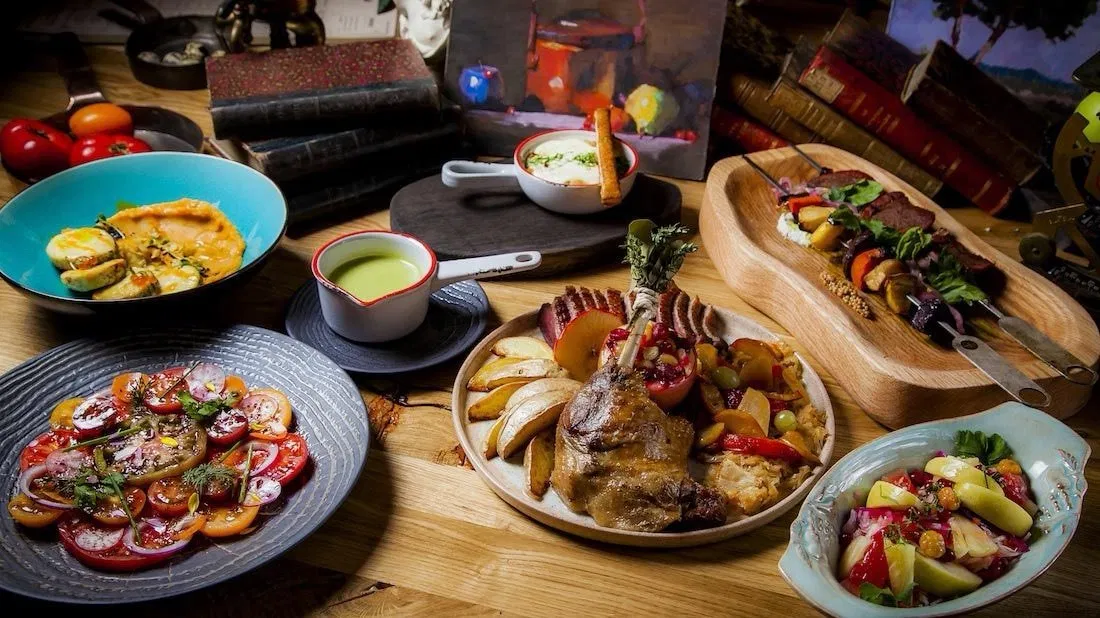
The organization is included in the relevant commission related to the development of the tourism industry in Almaty.
Predictability matters most
For the restaurant business, stability of rules is especially important.
An entrepreneur makes decisions years in advance: signs a lease agreement, does renovations, buys equipment, builds a team. But if tax rates, work requirements or rules for using space change too often, long-term planning becomes practically impossible. Therefore, business needs not necessarily a low tax burden, but above all a clear one.
If a certain rule is set for five years and the entrepreneur knows that it will not change tomorrow, he can build a financial model.
This is especially important for restaurants, where initial investments can be significant and payback takes time.
Tasks of the industry Union
In this system, the role of a professional association emerges.
An industry union is not just a platform for entrepreneurs to communicate. Its task, according to industry representatives, lies primarily in working on strategic issues: legislation, tax regime, requirements for summer terraces, rules for how establishments operate. Such work is rarely noticeable to a guest. It consists of letters, meetings, legal opinions, negotiations with government bodies and participation in discussions of regulatory documents.
Restaurant Market as a Mirror of the EconomyAlmaty is seeing more establishments, but that does not mean automatic growth for the restaurant business. New residential complexes create demand for cafes and restaurants, the average bill is rising amid inflation, and the real state of the market has to be assessed using a far more complex system of indicators.mag.humodoc.com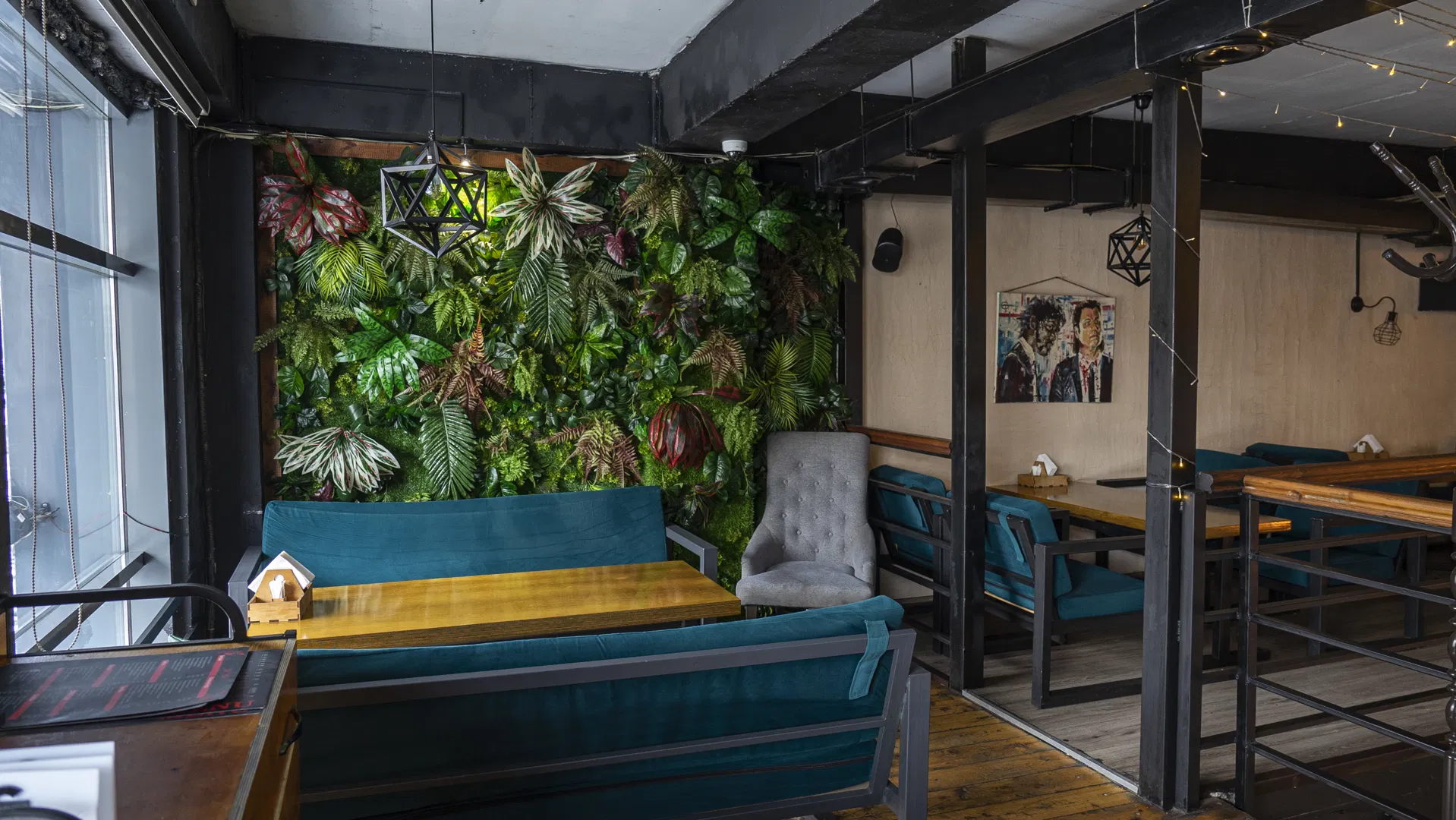
An important feature here is that a professional association must speak on behalf of people who truly understand restaurant operations. In the industry this is fundamental: a person who has never managed a restaurant may formally understand legislation, but does not always understand what consequences a specific change in a rule leads to.
For example, the Union became a public representative of the restaurant business during COVID restrictions and participated in negotiations/public appeals regarding the operating regime of establishments.
Also in 2023 the Ministry of Internal Affairs proposed restricting the operation of a number of bars and catering establishments until 23:00. The Union opposed this and not simply with the argument "we will lose money," but put forward a whole set of arguments:
- jobs;
- tourist attractiveness of Almaty;
- the risk of part of the business going into the shadows;
- additional corruption risks during oversight;
- a blow to suppliers and related enterprises.
The Union's position, among others, was taken into account and today we see that there is no restriction on restaurants operating until 23:00.
Small and medium business creates the city
The restaurant industry also has a broader function. Small and medium business creates not only jobs, but also the everyday urban environment.
Salons, shops, coffee houses, restaurants, flower shops, summer terraces - all of this makes the city alive. Therefore, regulating such business is necessary, but regulation must work for the quality of the urban environment, not against it.
Control of sanitary, fire safety, legal and other basic requirements is necessary. But between control and constant interference there is a fundamental difference.
Digital technology is changing the restaurant industryDigitalization, local equipment production, staff training and delivery are changing the restaurant business no less than new gastronomic trends. For the industry, this has become a huge support in its work.mag.humodoc.com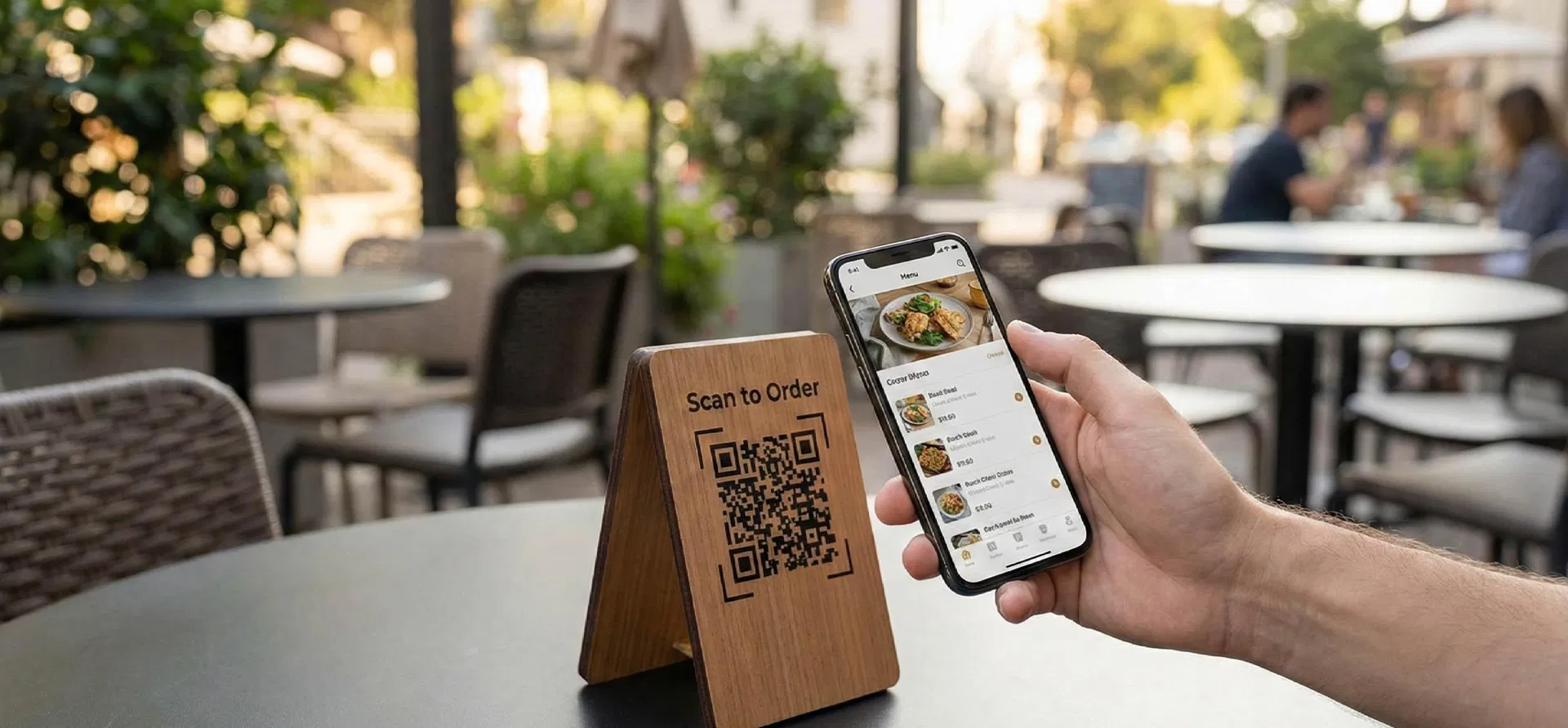
The city as a partner
The conversation about restaurants has long gone beyond food. The industry provides the most jobs, creates a large production system consisting of suppliers, producers and delivery services. This is a conversation about what kind of city we want to see and how well the city is able to negotiate with those who fill it with life every day.
A sustainable city and sustainable business ultimately have one goal - for the space to work. A restaurant needs a guest, the city needs jobs, taxes, well-maintained streets and active public spaces. An entrepreneur needs the ability to plan, and a resident needs comfort.
Newsletter
A letter from the HD editors
Once a week, we send the best stories, events, and cultural discoveries from Central Asia.