Ecology and Economics
Building Cities for People or Selling Square Metres? What Was Discussed at TajBuild 2026
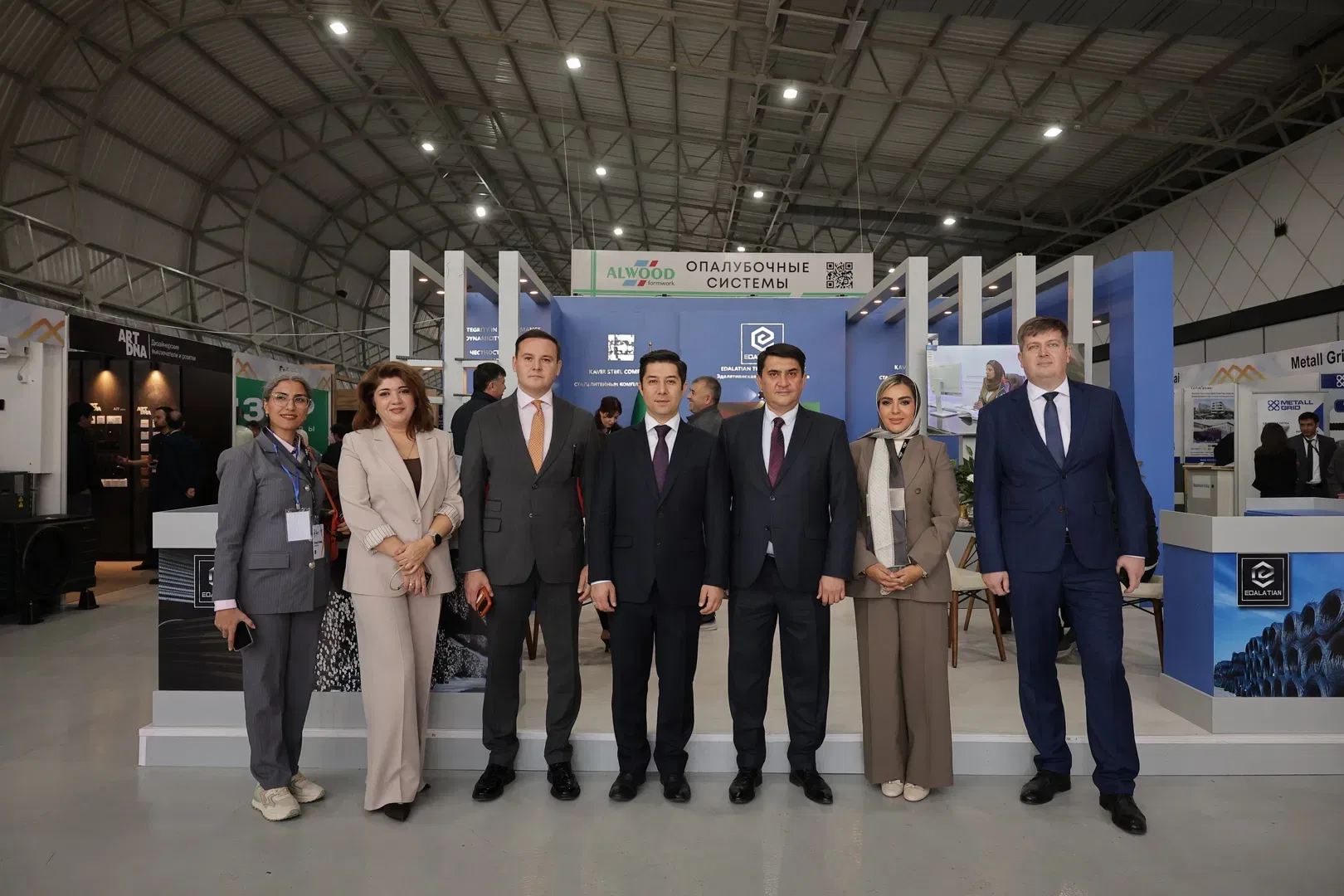
From 22 to 24 October, Dushanbe hosted the fifth anniversary international construction exhibition TajBuild 2026. For the first time, the usual exhibition of materials was complemented by an international conference, “Architecture in Practice: From Idea to Implementation”. This is an important development: the construction industry has long needed not only new technologies and materials but also a conversation about what all this is being built for and what the city ultimately becomes. As a conference participant and speaker from Kazakhstan, I share the main conclusions of this urbanist dialogue.
The reason for this conversation is more than timely. Construction in Tajikistan is gathering pace: between January-September 2026, around 1.16 million square metres of housing were commissioned in the country, 15.6% more than in the same period last year. Interfax reports the figures from Tajikistan's Agency on Statistics.
The growth in construction indicators alone, however, does not yet mean an improvement in urban life. New square metres can appear faster than schools, clinics, roads and public spaces. A handsome residential complex can turn out to be an isolated island in the middle of an overloaded district. And a modern facade guarantees neither a comfortable courtyard, nor a safe pedestrian route, nor proper infrastructure.
That is precisely why it is important today to discuss not only how to build, but also what exactly we are creating.
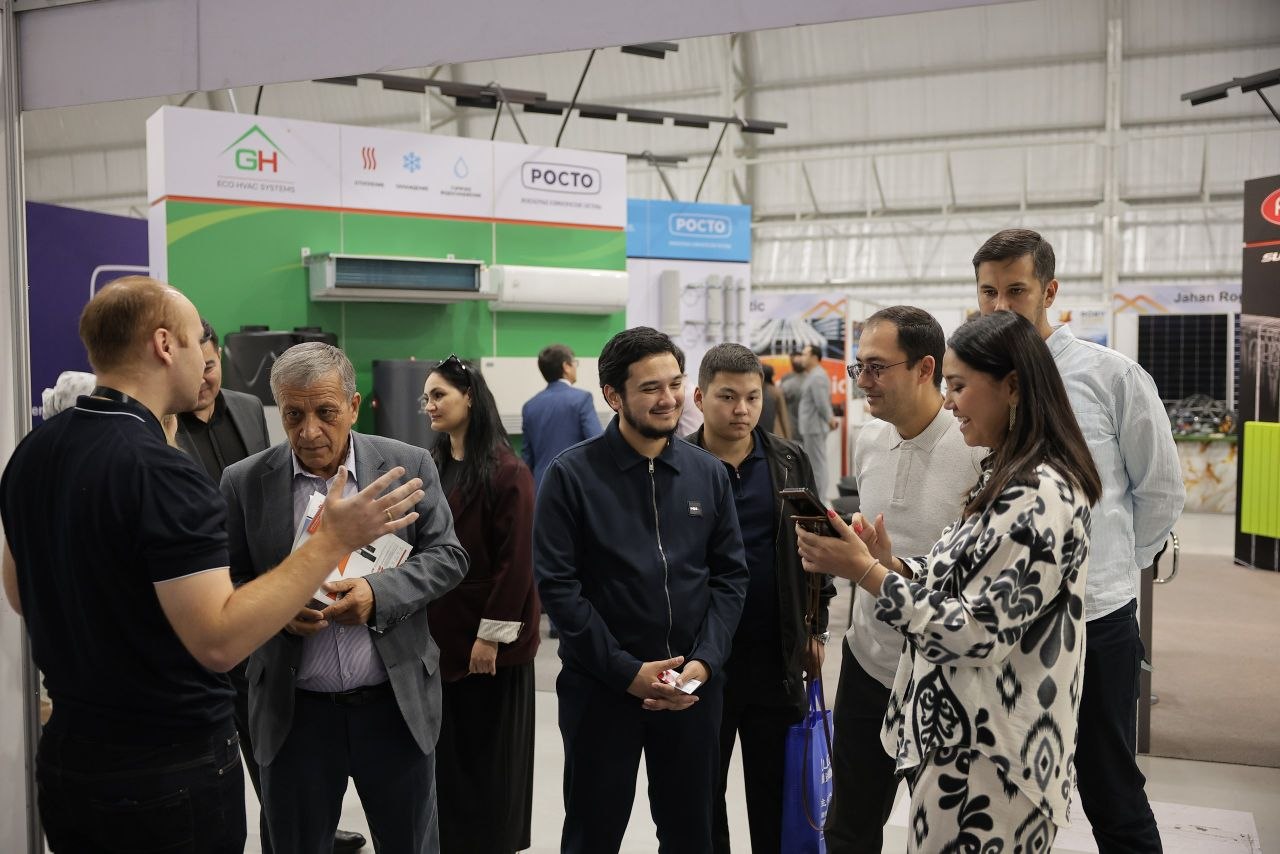 Photo: Aziz Nurullaev
Five Years of TajBuild: From Building Materials to the Urban Environment
TajBuild was founded by Alijon Kadyrov, director of the TajBuild Association. He came into the construction industry through hands-on work connected with property sales and dealings with foreign contractors. His experience of working with Chinese companies and his familiarity with international exhibitions gave him the idea of creating a professional platform for Tajikistan's growing market.
The first exhibition took place in August 2022. Over five years TajBuild has grown to more than 100 participating companies. The original task - to introduce local specialists to foreign manufacturers, materials and technologies, - can be said to have succeeded. Next it was necessary to create a space for a professional conversation about the development of the construction industry. In this sense the emergence of an architectural conference is only natural. After all, there is a huge distance between buying a building material and creating a quality building. And between a building and a good city there is an even greater one.
You can bring in the most modern facade systems, engineering equipment and energy-saving technologies. Yet on their own they will not save a project if the functions of the building were chosen incorrectly from the outset. It is no less important to think through its connection with the surrounding area and to take account of the needs of future residents.
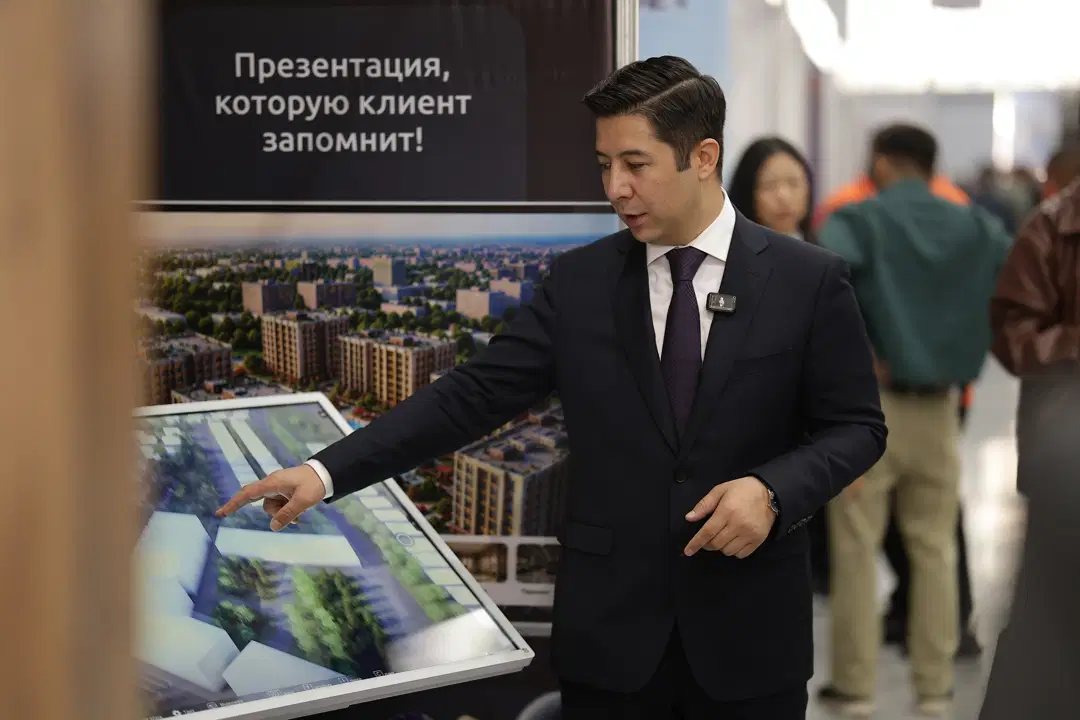 Photo: Aziz Nurullaev
Uzbekistan: Architecture as Economic Calculation
The conference programme brought together specialists from the countries of Central Asia. This is especially valuable: the cities of the region are developing in similar conditions, face similar problems and often repeat the same mistakes. That is why the exchange of practical experience here is far more useful than abstract talk about global architectural trends.
Three lectures were presented by Lyubov Safronova, an architect, founder of the Tashkent-based Safronova Project Studio and creator of Uzbekistan Design and Architecture Week UDAW.
She suggested looking at architecture through the eyes of a developer, for whom a project is at once a spatial concept and an economic model. The titles of her talks spoke for themselves: “A Project That Sells: How Architecture and Concept Raise Property Value and Developer Profit”, “The Cost of a Design Error: How to Avoid Unnecessary Expenses, Rework and Lost Profit” and “Analytics Before Design Begins: How to Determine a Site's Potential, Choose the Right Product and Increase a Project's Profitability”.
 Photo: Aziz Nurullaev
At first glance the talk was mainly about commercial efficiency, but behind these topics lies a broader question: how much does the absence of a well-thought-out architectural concept cost the city and the developer himself?
A mistake at the site analysis stage can result in an unsuccessful functional model for the building. A poorly thought-out layout threatens rework and extra costs. A badly organised territory can result in inconvenience for residents and problems in operation.
Here architecture acts not as an ornament to the construction business but as a tool for managing its risks. The earlier the features of the territory, the climate, transport links, infrastructure and the needs of future users are taken into account, the less likely it is that the developer will have to correct his own miscalculations after the building has been handed over.
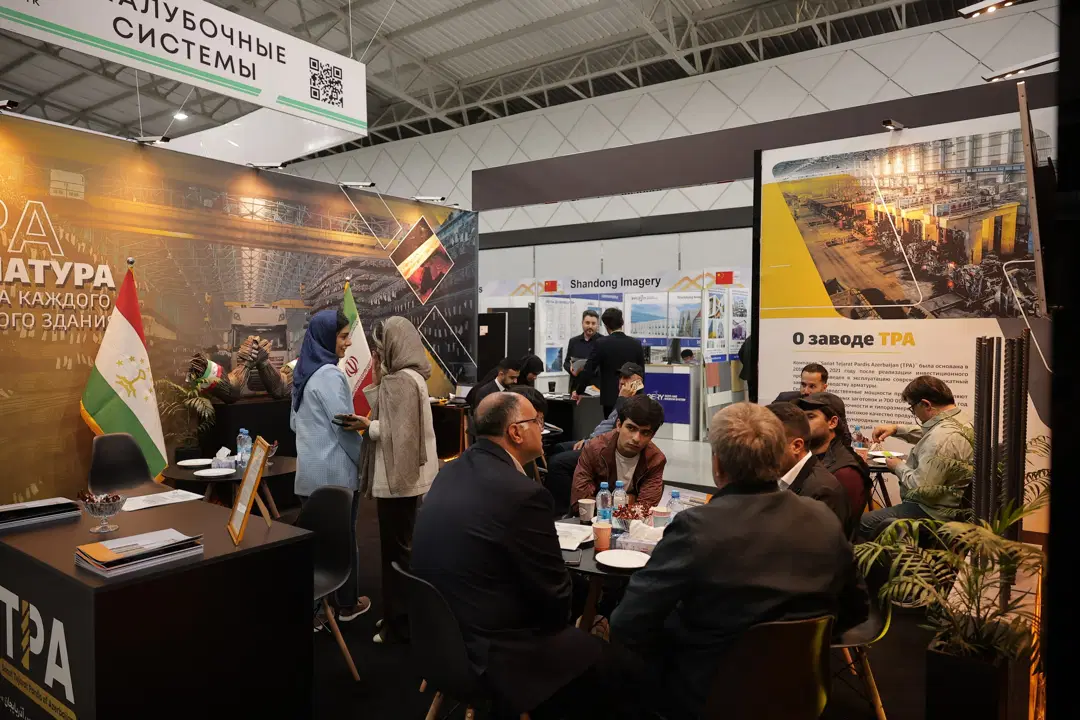 Photo: Aziz Nurullaev
On the other hand, the economic efficiency of a project and the quality of the urban environment do not always coincide automatically. The architect's task is to find a solution in which the interests of the investor do not conflict with the interests of the city and its residents.
The practical continuation of these themes was a panel discussion, “Architecture and Development: From Concept to Delivery”, with Lyubov Safronova and a Tajik developer.
Kazakhstan: Architecture That Gets People Moving
My lecture, “Architecture of Health: Creating an Inclusive Environment for Movement, Sport and a Good Quality of Life”, was devoted to the other side of design - people and their everyday habits.
As a specialist in sports science, I look at the urban environment above all from the point of view of opportunities for movement. How easy is it for a person to leave the house and go for a walk? Is there a route nearby for a stroll or a run? Can you be physically active without spending time travelling to a sports club? Is there a place where you can rest after exertion?
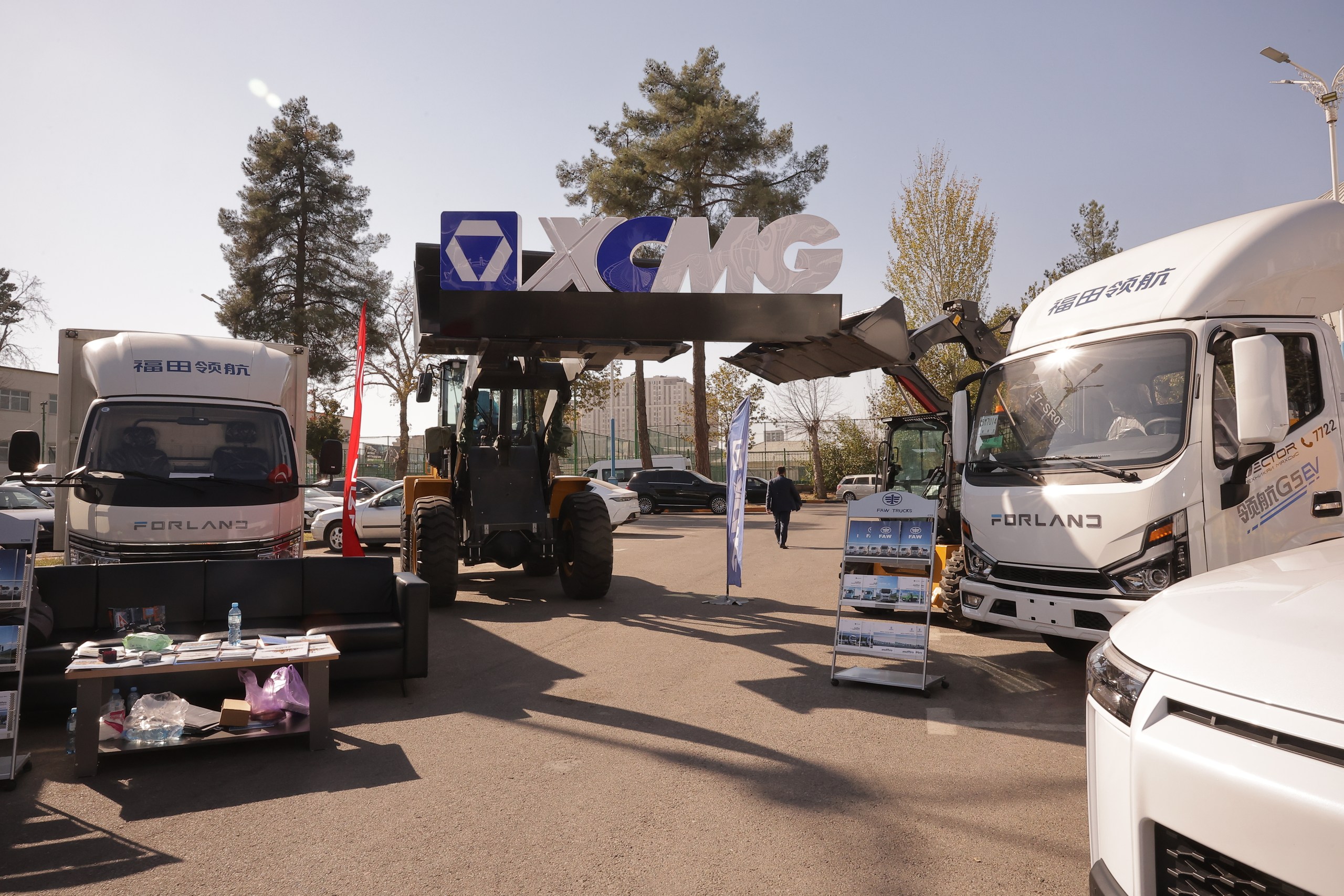 Photo: Aziz Nurullaev
These questions cannot be answered by simply counting sports grounds and installed exercise equipment. The mere presence of equipment does not yet mean that an area has become sporty and accessible to all. It is important to consider who will be able to use it, how clear the exercises are and whether the infrastructure suits people of different ages and with different levels of physical fitness.
После стройки: сколько на самом деле стоит зданиеНедвижимость принято оценивать по стоимости квадратного метра, локации, архитектуре и качеству строительства. Но после передачи ключей здание продолжает требовать денег десятилетиями: на отопление и охлаждение, воду, обслуживание инженерных систем, ремонт и замену оборудования.mag.humodoc.com
The organisation of movement is no less important. Pedestrians, cyclists, scooter users and runners often share the same routes. If their flows are not separated and ordered, a potentially dangerous situation arises instead of a comfortable environment.
Teenagers deserve particular attention. When sports and public spaces are designed, their interests are often taken into account as an afterthought. At the same time, the teenage audience itself is not homogeneous. It is especially important to study the needs of girls: existing sports spaces are far from always attractive to them and do not provide the necessary psychological comfort.
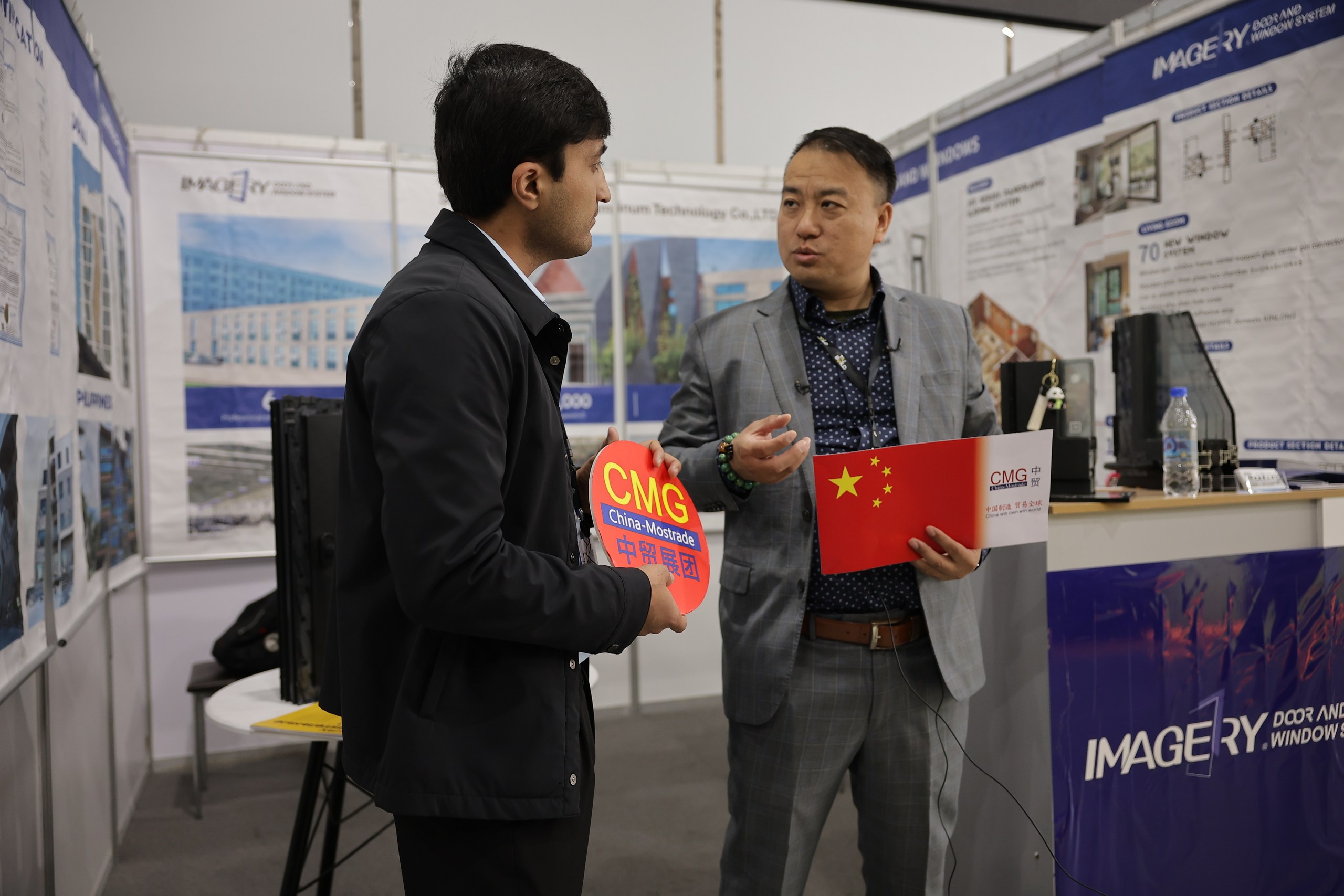 Photo: Aziz Nurullaev
Teenagers need more than exercise machines and sports equipment. They need places for socialising, independent activity and quiet rest. All of this should be part of a single concept for a public space, not a set of randomly placed elements.
Inclusivity is no less important. Accessibility cannot be reduced to the presence of a ramp at the entrance. A person must be able to cover the entire route independently: get to the site, use the equipment, find a place to rest and return back. For this, surfaces, gradients, the width of passages, lighting, visibility and the location of benches all matter.
In other words, inclusive architecture begins not with the installation of special equipment, but with an understanding that people perceive space differently and use it differently.
All these requirements must be taken into account at the technical specification stage. If accessibility, sports infrastructure and pedestrian routes are remembered only after the layout and budget have already been approved, good intentions may remain on paper. It is far more effective to provide for them from the outset - together with landscaping, engineering systems and public realm improvements.
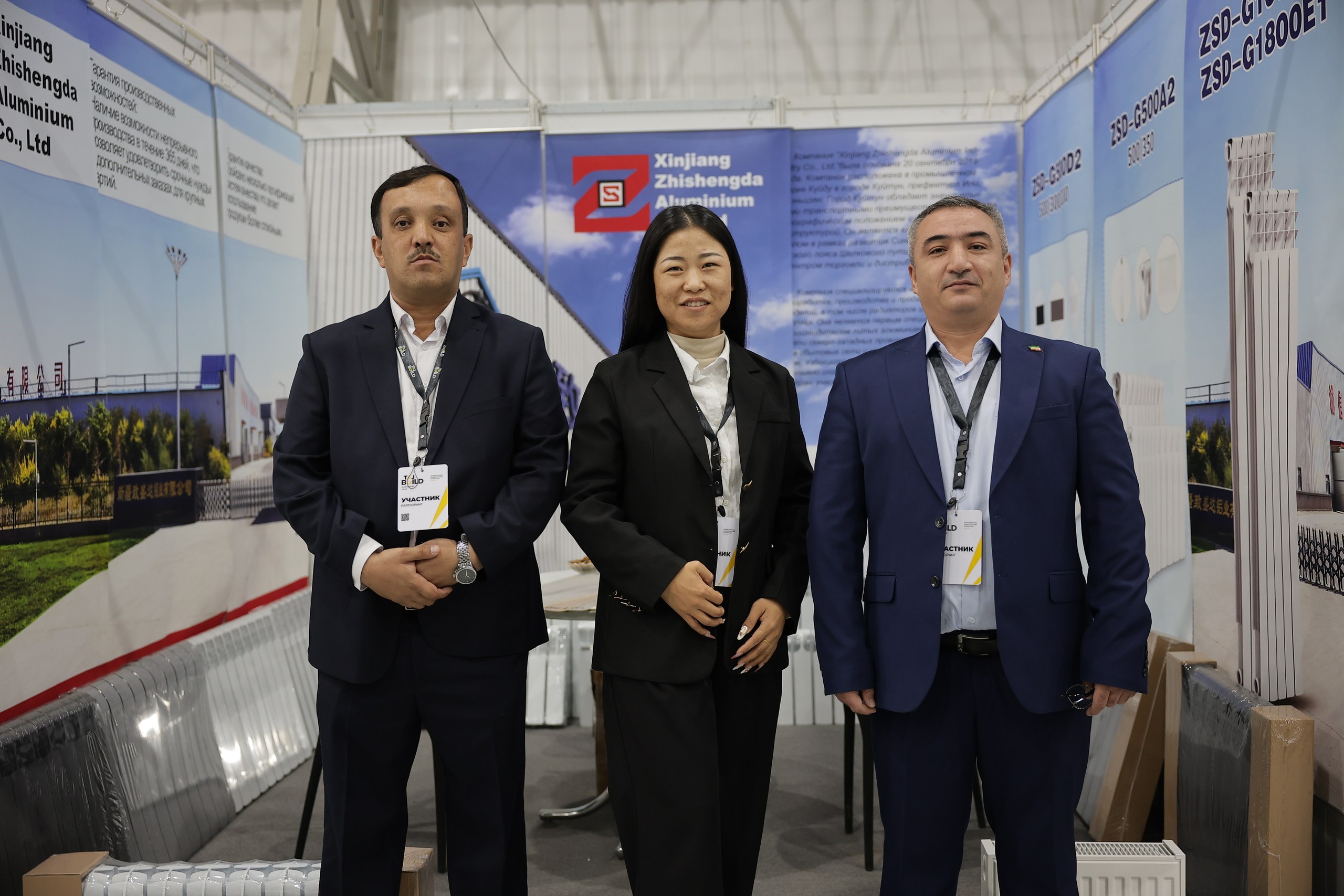 Photo: Aziz Nurullaev
Materials and technologies: what the market offers
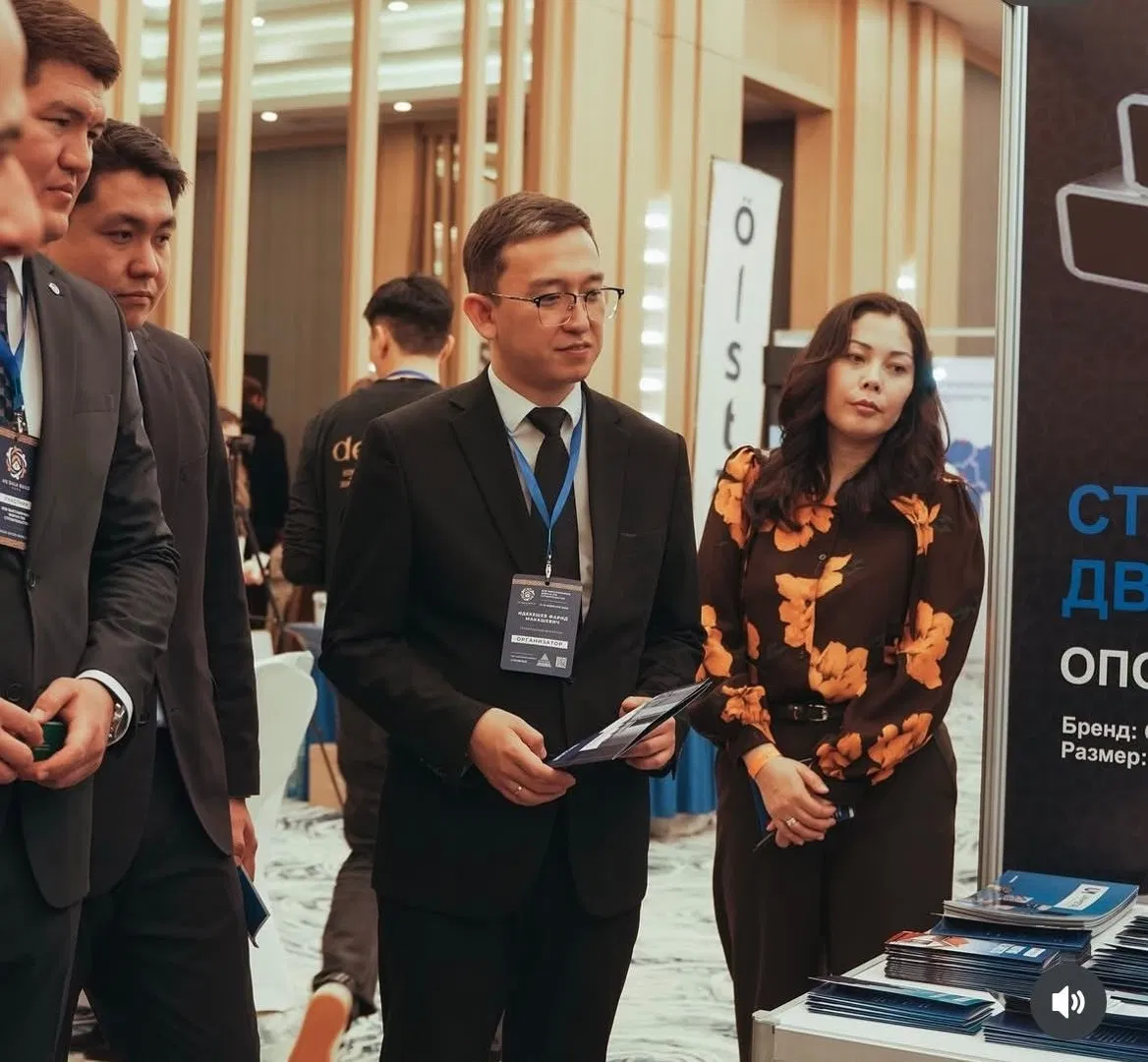
According to the national news agency Khovar, more than 100 domestic and foreign companies took part in the anniversary TajBuild. The organiser was Asri Imkon LLC in cooperation with the Chamber of Commerce and Industry of Tajikistan, with the support of the country's government and the Dushanbe administration.
The Dushanbe EXPO exhibition complex presented construction and finishing materials, engineering equipment, machinery and tools. Among the participants were companies from Central Asia, Russia, China, Iran, Turkey and Germany.
As the publication Your.tj noted, the solutions presented included solar energy technologies, seismic protection of structures, construction materials production and digital management of development projects. In particular, TajikElektrokomplekt, MAURER SE, Quangong Machinery and Amar Tech demonstrated their developments.
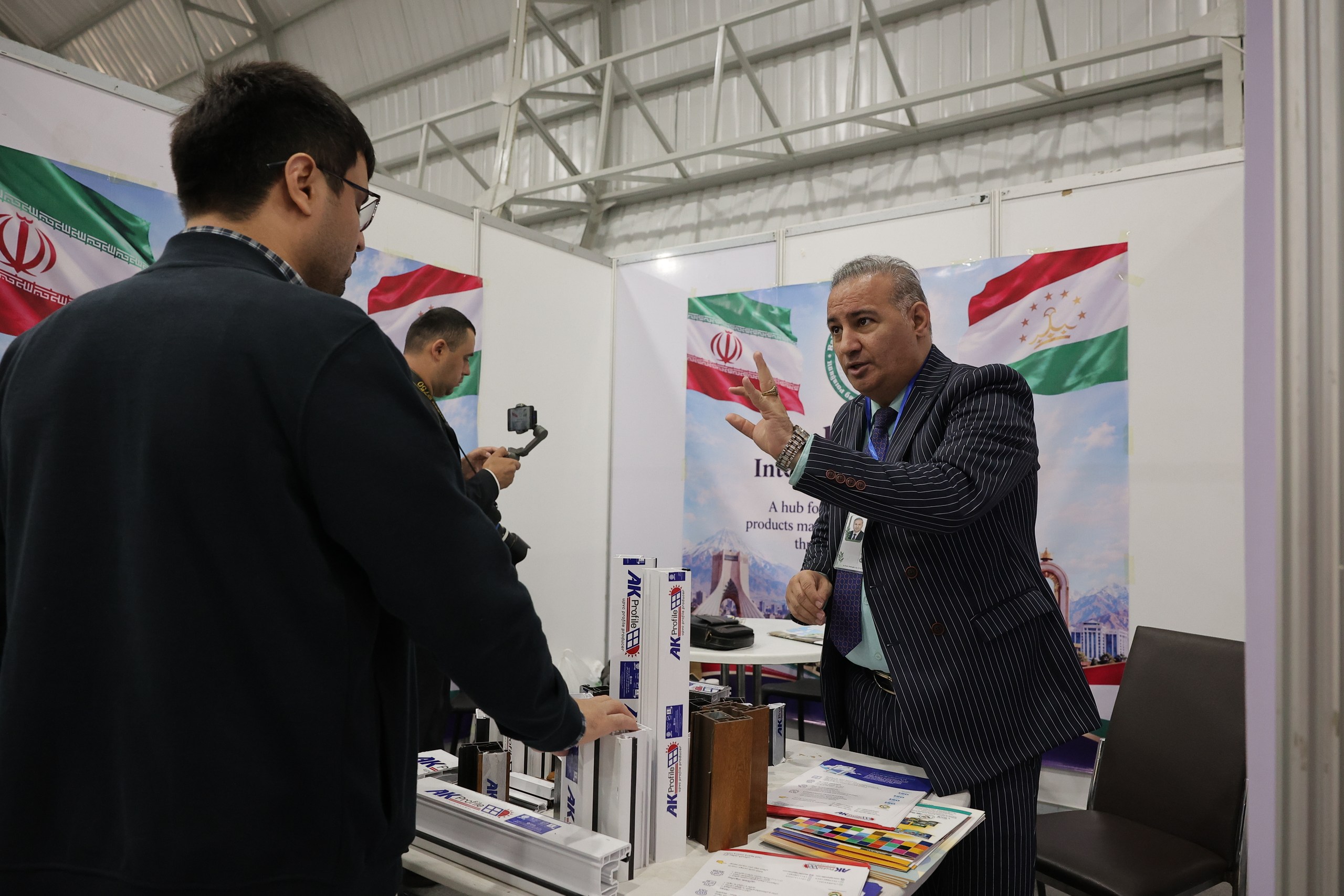 Photo: Aziz Nurullaev
A separate collective stand of the Ryazan region brought together Russian manufacturers of ventilation systems, insulation materials, roofing components and glass. The companies Viento, Fahmann Russland, Pravilny Dom and Larta Glass took part in the exposition. Their participation was arranged by the regional Export Support Centre.
Проект начинается не с фасадаМожно построить красивый дом и потерять деньги. Можно купить дорогую землю и недооценить её потенциал. Можно увеличить количество квадратных метров и одновременно снизить их ценность. В девелопменте результат определяется не тем, насколько эффектно выглядит здание, а тем, насколько точно просчитан путь от земли до покупателя. Любовь Сафронова предлагает пройти этот путь в 20 шагов — от анализа участка и рыночной ниши до архитектуры, бренда и продаж.mag.humodoc.com
For the construction market, such exhibitions are an opportunity to meet manufacturers directly, compare offers and assess new technologies. But it is important not to substitute concepts here: a demonstration of modern equipment does not yet mean that it will automatically be in demand and effective in local conditions.
Tajikistan, like other countries in the region, needs solutions that take into account climatic features, seismic risks, operating costs and maintenance availability. What matters is not only the purchase price of equipment, but also how much it will cost over its entire service life, how easy it is to find specialists for repairs and whether the necessary components are available. Ultimately, technology should work not on an exhibition stand, but in a real building.
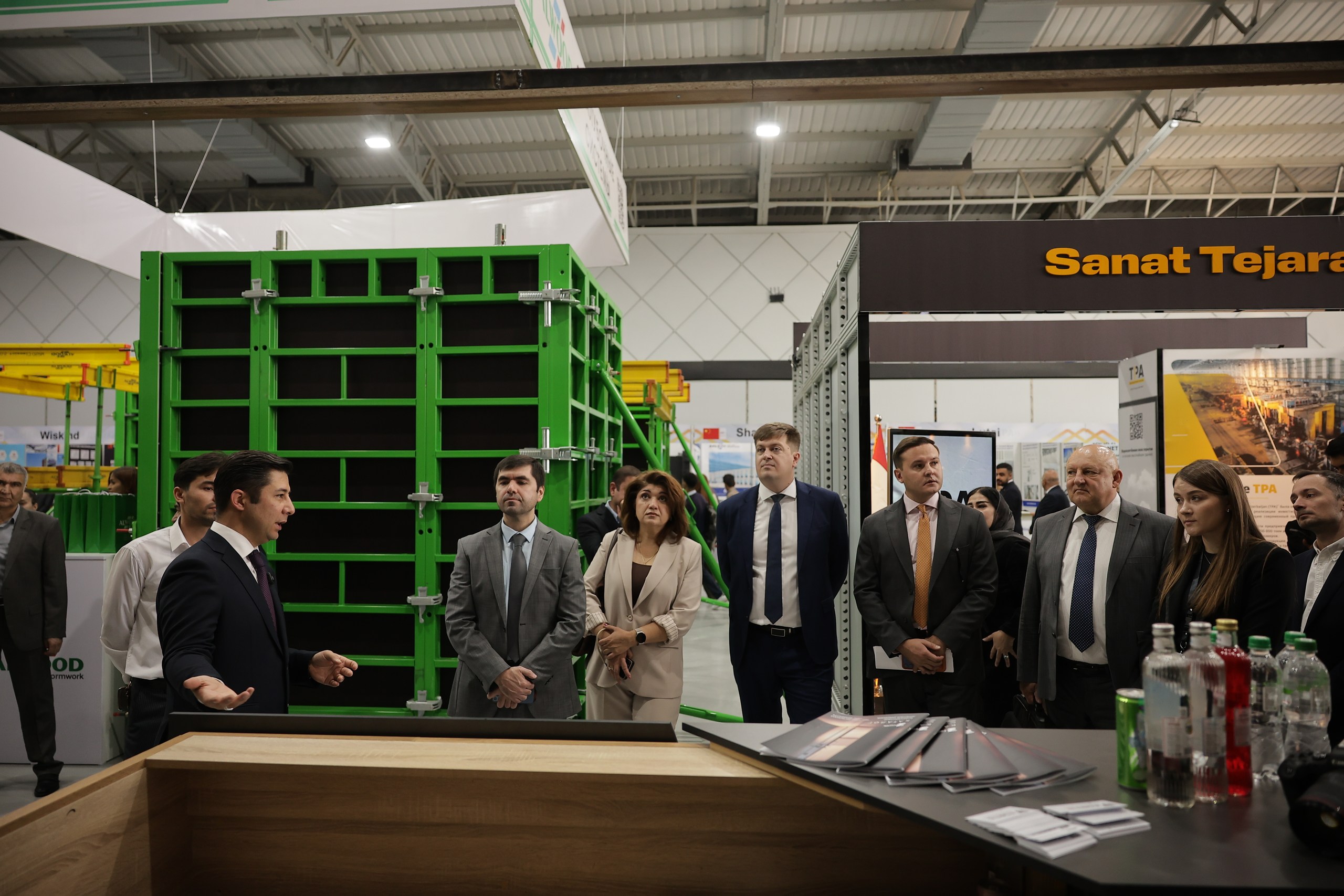 Photo: Aziz Nurullaev
A city is more than the sum of its buildings
The anniversary TajBuild showed that the construction industry of Central Asia is gradually broadening the agenda of professional discussion. Along with materials, equipment and technologies, more and more attention is being paid to pre-project analytics, architectural concept, the functionality of buildings and the quality of the environment.
Сколько в устойчивом финансировании действительно зелёного?В 2025 году на Казахстанской фондовой бирже (KASE) разместили 11 выпусков облигаций устойчивого развития: восемь социальных и три зелёных. Их объявленный объём составил 520,2 млрд тенге, фактически размещённый - 404,8 млрд. Это важное различие для тех, кто оценивает финансирование экологических проектов: общий показатель включает не только зелёные выпуски.mag.humodoc.com
This is an important shift, although it would be premature to say that it has already changed construction practice. There is always a distance between professional discussion and real urban development. Bridging it depends on clients, developers, architects and the bodies that make urban planning decisions.
It is especially important that, as Dushanbe expands, new residential areas do not turn into autonomous clusters of buildings, car parks and retail facilities. The urban environment requires connectivity: schools and medical facilities within reach, convenient public transport, safe pedestrian routes, landscaped public spaces and places for sport.
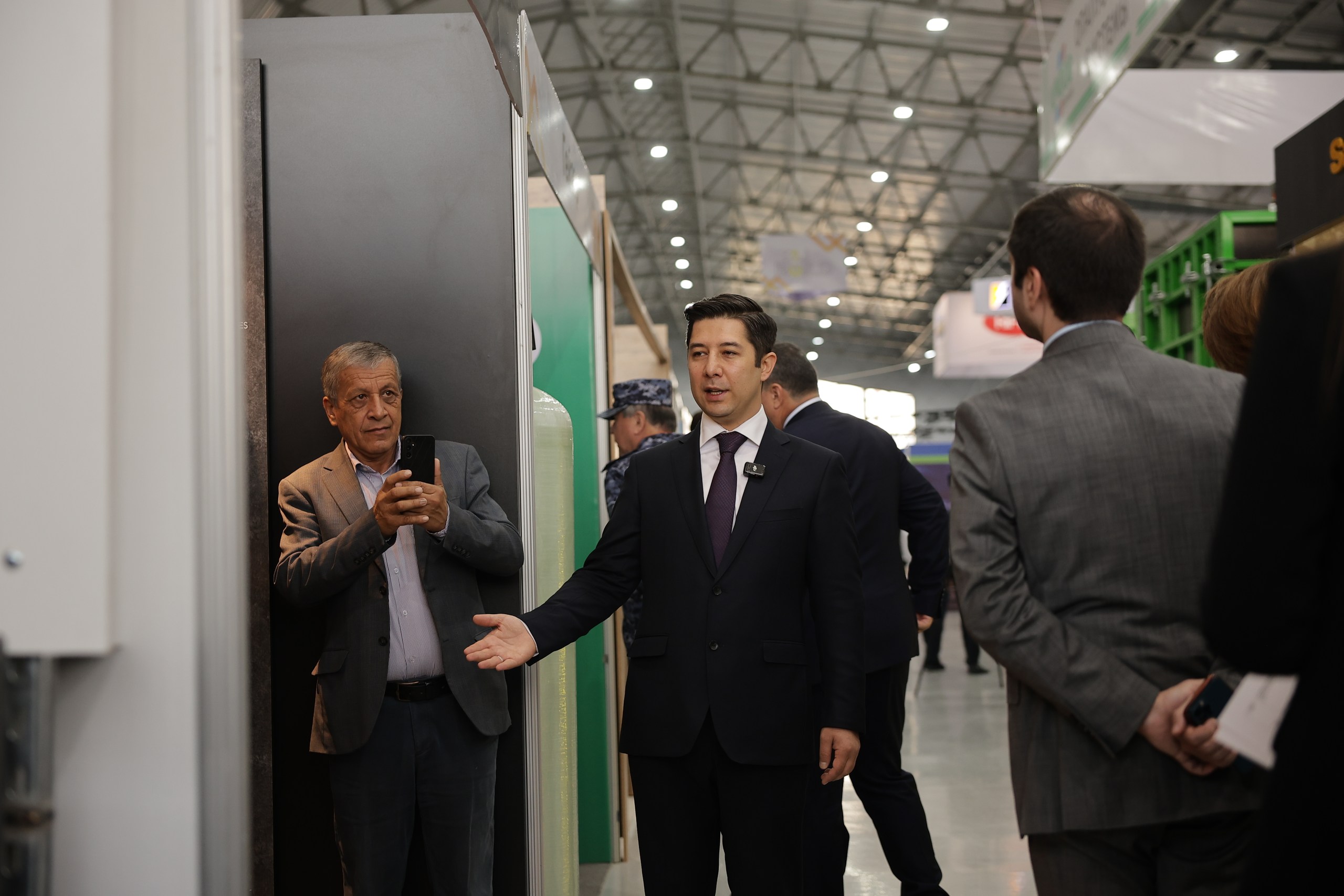 Photo: Aziz Nurullaev
There is another fundamental point. The quality of architecture cannot be judged solely from photographs of a finished building. Far more telling is how the building and the surrounding area perform a year, three years or five years after completion. Do the premises overheat in summer? How much does heating and cooling cost? Is the courtyard convenient to use? Can people with limited mobility move around safely? Does the public space retain its function, or does it gradually turn into unused land?
This is precisely where the line runs between construction as a process of investing capital and architecture as work on the quality of life.
Красивый фасад — ещё не бизнесСтатья первая. О том, что происходит с торговым или деловым центром задолго до того, как у него появляется фасад, — и почему именно там решается, будет он зарабатывать двадцать лет или станет дорогой декорациейmag.humodoc.com
TajBuild is for now primarily a platform for professional exchange. But its future value will be determined not by the number of participants and not even by the technologies presented, but by which ideas and solutions can be carried over from the exhibition stands into real projects.
After all, a good city does not come together by itself out of a large number of new buildings. It has to be designed with regard not only to square metres, construction costs and property returns, but also to the person who will live in that city.
Newsletter
A letter from the HD editors
Once a week, we send the best stories, events, and cultural discoveries from Central Asia.