Article one. On what happens to a shopping or business centre long before it gets a facade, and why that is where it is decided whether it will earn for twenty years or become an expensive decoration
Two Buildings on One Street
Picture two new buildings on the same street. Both are handsome: glass, lighting, renders that warm an investor's heart. Both opened with a ribbon, balloons and a speech about a “new point of attraction for the city”.
Three years pass.
In the first building there is no vacant space, tenants are queuing, rates are rising and the asset is growing more valuable - it can be sold, mortgaged, refinanced. In the second, half the shop windows are covered with “For Rent” film, OLX carries adverts saying “premises to let, owner, price negotiable”, and the manager explains to the owner that “that's the market right now”.
From the outside these buildings are almost indistinguishable. The difference is inside. And it is laid down not during construction, not at the opening and not even in the design, but much earlier - in that short and seemingly unremarkable period when the owner has only an idea, a plot and money.
That period is what we will discuss.
Cultural Master Planning as a Tool for Territorial DevelopmentCultural master planning is becoming part of the toolkit for urban development and real estate, linking the identity of a place, spatial solutions, cultural programming, community participation and the economic model at the stage when a project concept is being shaped.mag.humodoc.com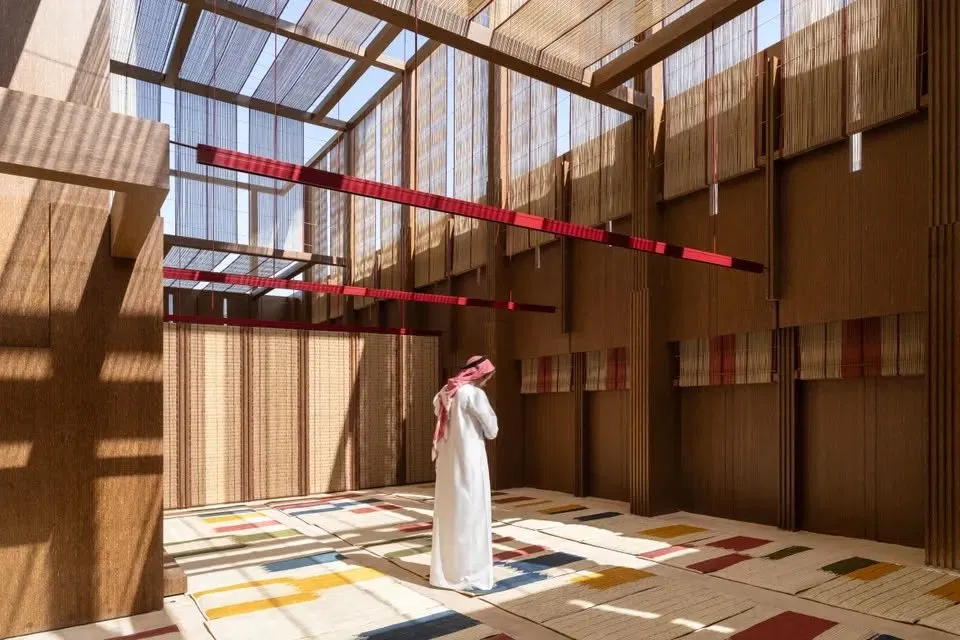
The Time When Everything Worked
Let us be honest: for a long time our markets ran on a very simple technology. It was called “we have the resources - we build”.
There was a plot, there was capital, there was the certainty that “people need it”. The architect drew beautifully, the builder built, and then tenants came of their own accord, because there was nowhere else for them to go. The market forgave everything: awkward layouts, blind spots, mixed-up floors, the absence of parking and mysterious solutions such as a food court you had to reach as if climbing a mountain peak.
It was a non-competitive market. Almost everything that is built sells there. Expertise looks like a luxury there, and the phrase “we'll work it out ourselves” sounds like common sense.
The problem is that such markets are not eternal. Tashkent and Uzbekistan are right now going through the same path that other cities went through earlier: there are more properties, people have a choice, tenants start comparing, counting footfall and turnover, and move to where they are better off. At that moment the old technology stops working. Not gradually, but rather suddenly: yesterday the property was “promising”, today it is already a “difficult asset”.
The good news: this path has already been walked. We have seen how it happens and, to speak plainly, we have made almost every mistake that can be made along the way. There is no need to repeat them.
 Photo: unsplash.com | Vanja Milicic
Two Pyramids
The easiest way to explain the difference is with two pyramids.
In the first - the full technology - each layer supports the next. At the bottom is the starting point: an understanding of what we are doing and why. On it stands the strategy and a goal in numbers. Then the commercial concept, then the operational one, the technical brief, design, construction, acceptance, opening. No floor hangs in the air.
The second pyramid looks the same from the outside. But if you look behind the facade, instead of a starting point there is “we have the resources - we build”, instead of strategy - a wish, instead of a concept - pictures, instead of an operational model - nothing, and the technical brief is written as construction goes along. All of it rests on faith, taste and renders. Until the first serious competitor.
The most unpleasant thing about the second pyramid is that its flaws are not visible at the moment of construction. They show up later, when fixing them costs many times more. That is why the main thesis of this article sounds boring but has been tested by money: the cost of technology is a percentage of the budget. Its absence costs many times more.
A Project Does Not Begin With a FaçadeYou can build a beautiful house and lose money. You can buy expensive land and underestimate its potential. You can increase the number of square metres while simultaneously reducing their value. In development, success is not determined by how impressive a building looks, but by how precisely the entire journey from land to buyer has been mapped out. Lyubov Safronova proposes taking that journey in 20 steps, from site analysis and identifying a market niche to architecture, branding and sales.mag.humodoc.com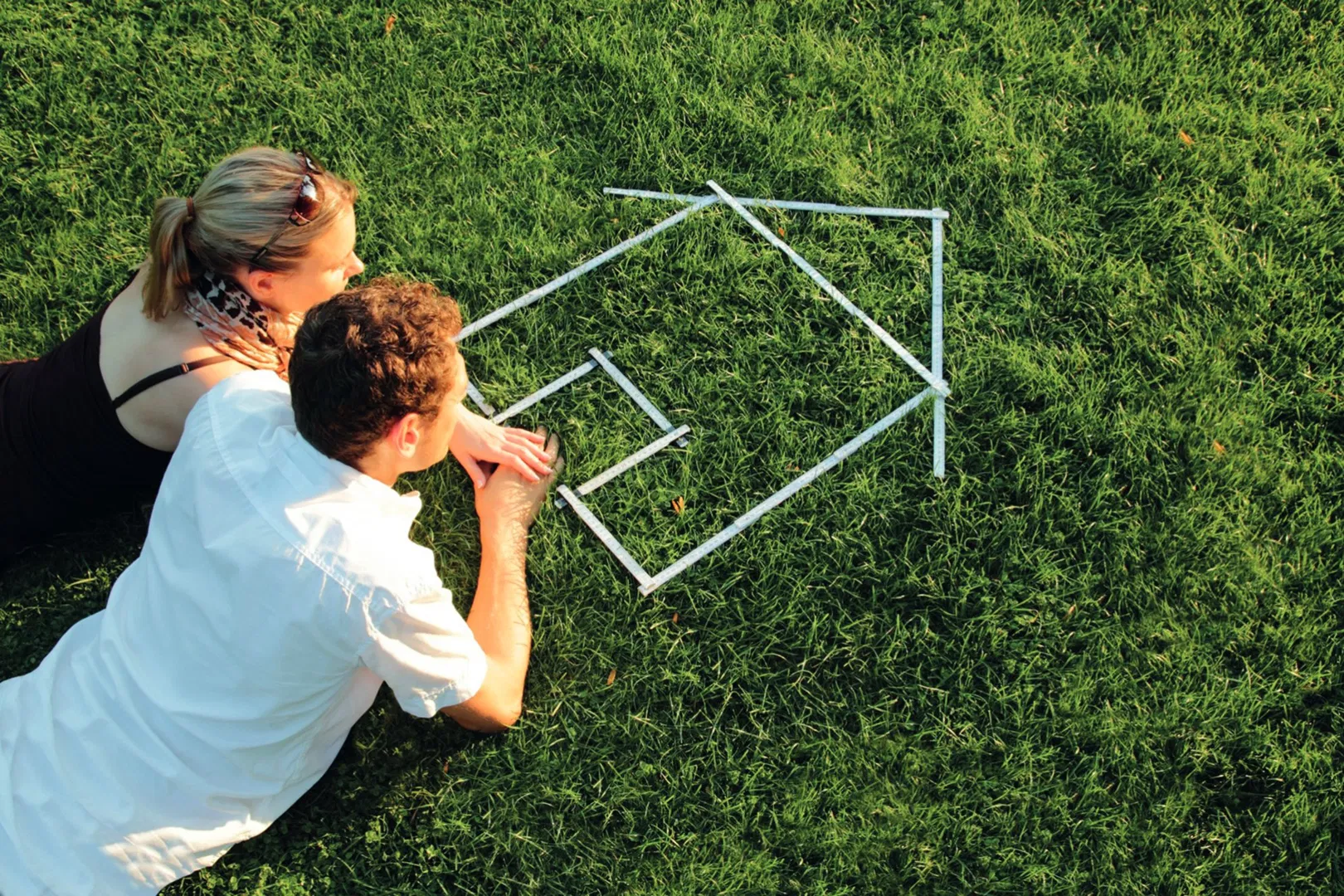
The Starting Point, or an Honest Conversation with Yourself
Any project begins not with an architect and not with a plot. It begins with a question that seems superfluous: why do you personally want this property?
This is not philosophy. An owner can have very different goals: to receive a stable income for twenty years, to build and sell at a profit, to preserve capital, to create a “property for the city”, to leave something to the children. Each of these goals leads to a different property. The one who builds to sell in three years and the one who intends to own for twenty years make different decisions at literally every step - from the quality of the engineering to the mix of tenants.
If there are several owners, it gets even more interesting. One wants a quick exit, the second - dividends, the third - “for it to look nice”. While the property exists only in conversations, this bothers no one. When money starts being spent, the divergence of goals turns into a conflict, and it usually surfaces at the most inopportune moment. That is why this difference is better seen before the project starts, rather than at a board meeting in the middle of construction.
Next, the personal goal is translated into a clear business outcome: what exactly we are creating, for whom and what income it should bring. Then - a sober look at what exists today: the plot, the money, the team, the connections, the constraints. And at whether we understand the whole path, and not only its first, most pleasant part.
A separate question that is rarely asked aloud: does the project have access to people who have actually managed and operated similar properties in competitive markets? Not those who “stood nearby”, not a good acquaintance who “also built”, but those who have seen how a property lives after opening. The most expensive phrase in development is “we'll work it out ourselves”. Its price becomes known about a year after opening.
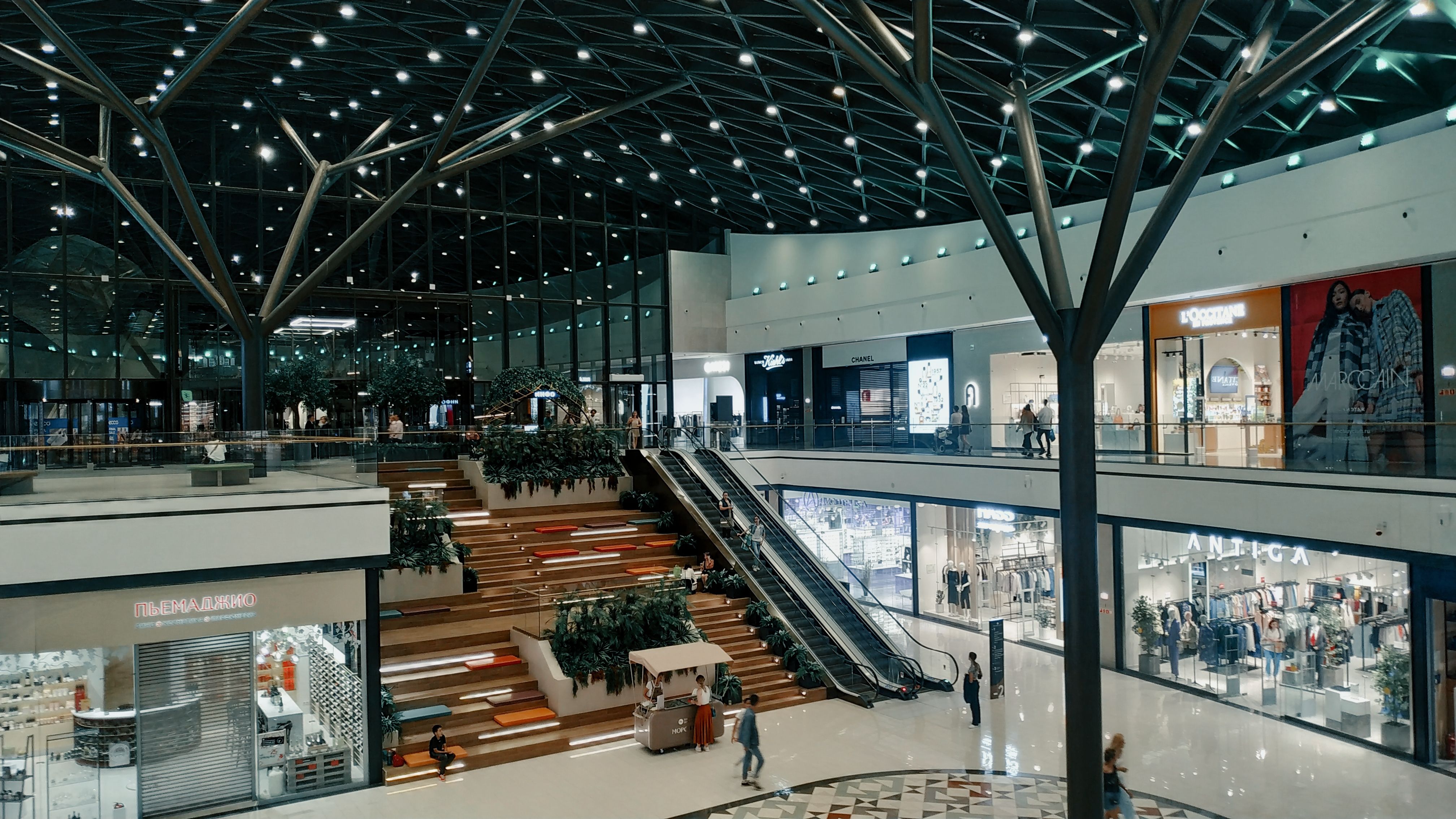 Photo: Pexels | mxkrv
The Horizon: Building for a Market That Does Not Yet Exist
There is simple arithmetic that is constantly forgotten. Several years pass from idea to opening. That means the property opens not on today's market but on the market three or four years from now. And it has to work for another ten, fifteen, twenty years after that.
Everything that seems fashionable today may be ordinary by opening day, and outdated by the fifth year of operation. Competitors that do not exist today will exist by opening. The audience will grow, move, change habits. Shopping centres designed as “shops only” are today frantically looking for space for restaurants, fitness, children's areas and services - that is, for everything that makes a person willing to come regularly rather than once a season.
That is why a good property is designed not as a monument to the moment, but as a system that can change: reconfigure floor plans for new operators, change the share of functions, accommodate formats that do not yet exist today. If a building cannot be transformed, in a few years the owner will be left with two options: an expensive reconstruction or a slow decline.
The First Kurultai of Kazakhstan’s Builders and a New Logic for DevelopmentWe have grown accustomed to thinking that the development industry changes when new technologies, materials, building regulations or financial instruments emerge. In reality, genuine transformation begins even earlier, when industry professionals arrive at a new answer to the fundamental question: What are people actually buying from me today?mag.humodoc.com
Strategy: first the framework, then the dreams
After the starting point comes the stage where dreams meet reality. And reality has an unpleasant habit of winning.
First, the constraints of the plot. The area, permitted height, density, access roads, entrances, parking, urban planning restrictions. They set the maximum volume that can be built at all. You can dream as much as you like about a food hall, a cinema, thermal baths and a hotel on the roof, but if the plot allows 20,000 square metres to be built rather than 80,000, the conversation will be different. Better to find this out before the architect draws something that cannot be approved.
Second, market gaps. Here it is important not to confuse “popular” with “needed”. Anything can be popular: another shopping centre with the same brands, another “class A” business centre, another food court. What is needed is different - what people in the property's catchment area lack. What is lacking in retail, offices, hotels, leisure, food, sport, healthcare and social infrastructure. A property that fills a real deficit gains an audience almost for free. A property that copies its neighbour gets a rate war.
Third, the basic concept. This is not yet a concept but the first visible sketch: which functions make up the property, in what proportions, what is primary and what is secondary. Its task is not to please, but to formulate hypotheses that will then need to be tested. A basic concept is not an answer but a list of the right questions.
SMART: everyone knows it, almost no one calculates it
Now for the most interesting part. There is probably no word in business that is said more often and followed less often than SMART.
Everyone knows the breakdown: specific, measurable, achievable, relevant, time-bound. Many can even write it on a board. But in development a typical “SMART goal” sounds something like this: “build a modern mixed-use complex that the market demands by 2028”. Specific? Not really. Measurable? By what? Achievable? Who checked? But it sounds nice and has a year.
A real goal appears not before the calculation but after it. And that calculation is fairly down-to-earth.
First, it is established how many square metres in the property will actually generate money. Not the total floor area, which is so pleasant to boast about, but the area someone will pay for. The difference between them can be unpleasantly large: corridors, staircases, technical rooms and beautiful atriums do not pay money.
Then income. Rental rates are taken from real transactions, not from price lists and wishes. An offer to “let at forty dollars per metre” and a transaction at forty dollars are two different events, and the second happens noticeably less often than the first. Rates are combined with realistic occupancy, not a dream of 100% from day one.
Then costs. The cost of creating the property is calculated by function, not as a single figure per square metre: a cinema, a restaurant and an office floor cost very differently. And separately, the cost of running the property: operations, taxes, staff, repairs. A building that is cheap to build and expensive to maintain is a classic trap that people fall into with surprising consistency.
And only after that do the figures appear on which the owner can make a grown-up decision: yield, property value, payback period, financing. Now a goal can be formulated - and every letter of SMART is backed by a number.
 Photo: Pexels | mxkrv
Thresholds, deadlines and the people who can stop everything
A figure without a threshold is just an observation. That is why every key indicator must have “go / stop” thresholds and a person responsible. If market rates are below the threshold, if construction costs are above it, if occupancy is not being reached - what do we do? The decision is made in advance, not in a panic.
Deadlines are set not by the desired opening date but by the longest link in the chain: approvals, design, equipment supply, negotiations with major tenants. A nice date like “opening by New Year” usually means someone did not count the longest link.
Risks are recorded not for a report but to understand where to hold a reserve and where to set a checkpoint - the moment after which the project continues only if the conditions are met.
And finally, people. A goal and a calculation do not work until they are accepted by those who pay, who permit and who will work in it: partners, the bank, the authorities, the future team. Projects are stopped far more often not because of wrong arithmetic but because someone important learned about it too late.
The threshold beyond which the main work begins
So by this point the owner has a lot. A clear personal goal and business goal. The constraints of the plot. A map of market gaps. A basic concept with hypotheses. A goal in figures, decision thresholds, deadlines, risks and the people who have accepted all of it.
It seems the architect can be called in now? No.
Because the answer to the main question has still not been received: who is this facility for, and why will people come here regularly rather than once, for the opening, for a free balloon? Who are these people, where do they live and work, which scenarios of their lives does no one cater for today, which operators are ready to take on these scenarios, and on what terms?
The answer to this question is the commercial concept. It is the key layer of the whole pyramid: it determines income, tenants and, oddly enough, architecture. It is not the architect who draws a building and then tenants are sought for it, but the audience and tenants who dictate what the building should be like.
This will be covered in the next article.
Read also
 Architecture & Urban Environment
The Architecture of Tomorrow: New Identities, Emerging Technologies and the Human Factor
Damir Ussenov
 Architecture & Urban Environment
Walking Almaty’s Modernism: Architecture Against the Mountains | A Photo Essay
Alfiya Kalmaganbetova, Amira Kassenova
 Architecture & Urban Environment
FLOW Park: A New Space for Active Recreation in Almaty | A Photo Essay
Amira Kassenova, Gulsara Kenbaeva
Newsletter
A letter from the HD editors
Once a week, we send the best stories, events, and cultural discoveries from Central Asia.