Ecology and Economics
TajBuild 2026: How Building Solutions Shape the Quality of Urban Life
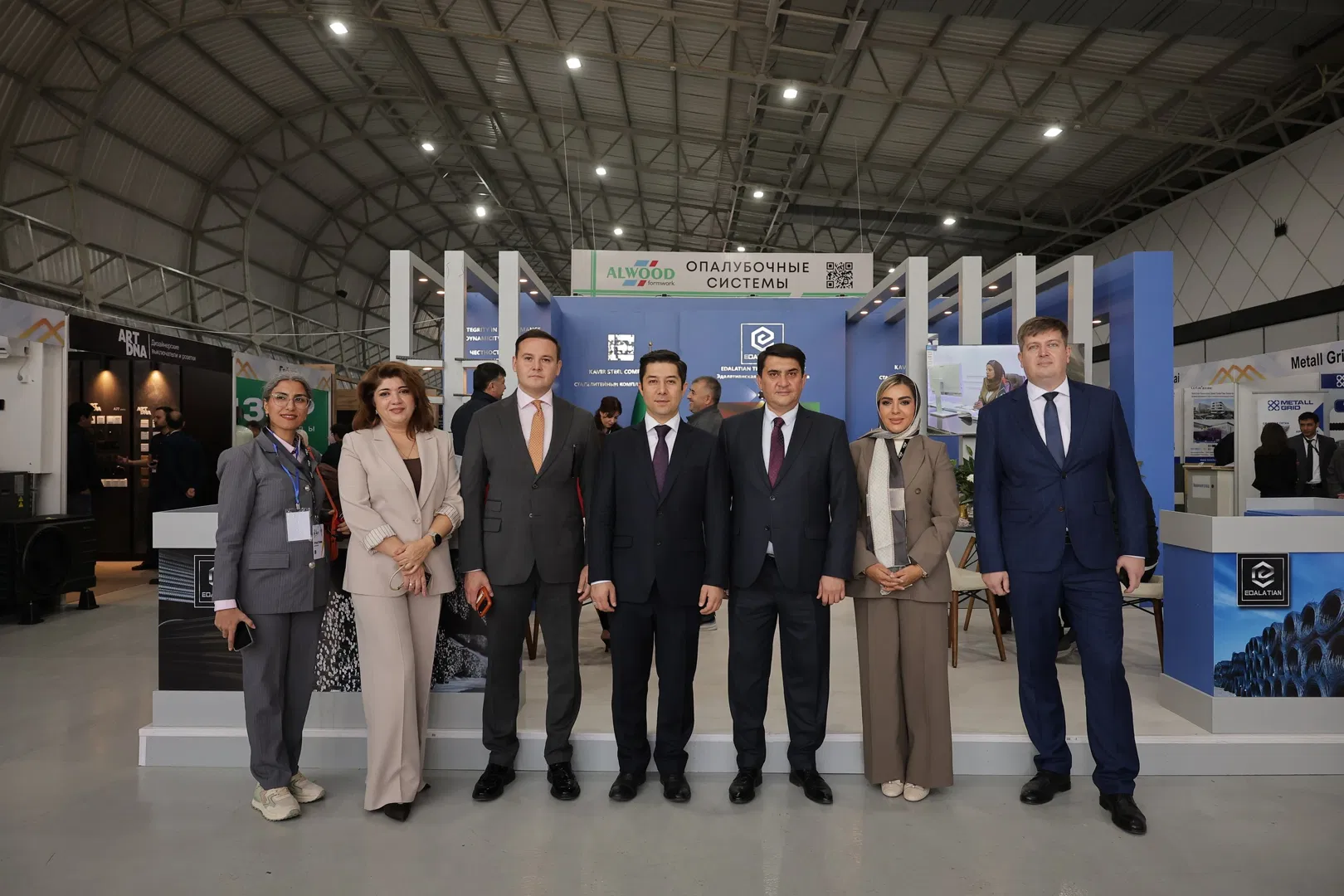
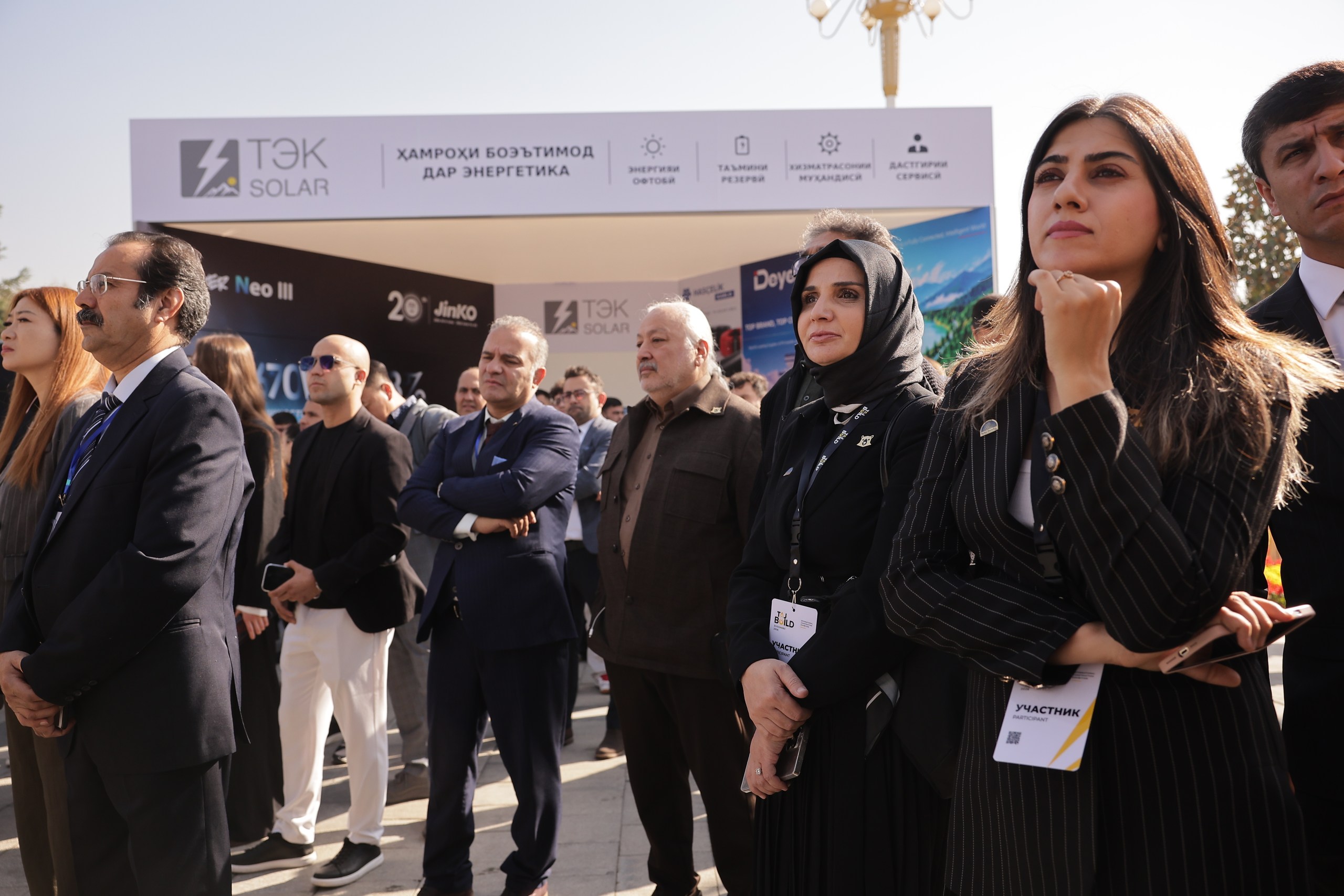
From 22 to 24 October, Dushanbe hosted TajBuild, the fifth international construction exhibition. Alongside its display of materials and equipment, the event featured a conference on architecture, project economics and the creation of environments that support healthy, active lives. I contributed a talk entitled “The Architecture of Health: Creating an Inclusive Environment for Movement, Sport and Quality of Life”.
Between January and September 2026, approximately 1.16 million square metres of housing were commissioned in Tajikistan, a 15.6% increase on the same period a year earlier, Interfax reports, citing the country’s Agency on Statistics.
Growth in housing construction requires the coordinated development of streets, utility networks and social infrastructure. At the same time, solutions adopted within individual projects are becoming increasingly important, from layouts and materials to energy supply and courtyard design. They affect both property maintenance costs and residents’ everyday comfort.
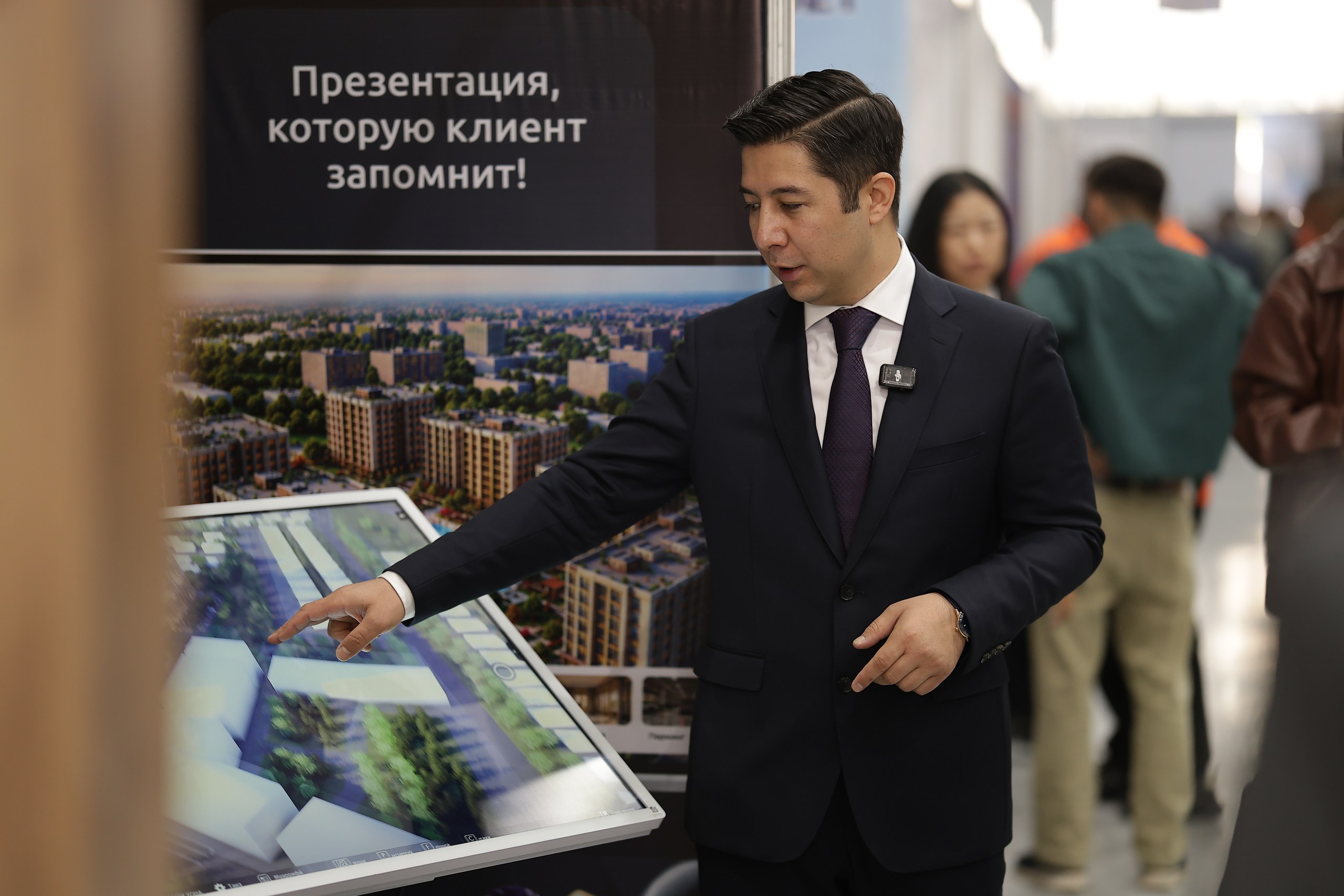 Photo: Aziz Nurullaev
Materials and Technologies
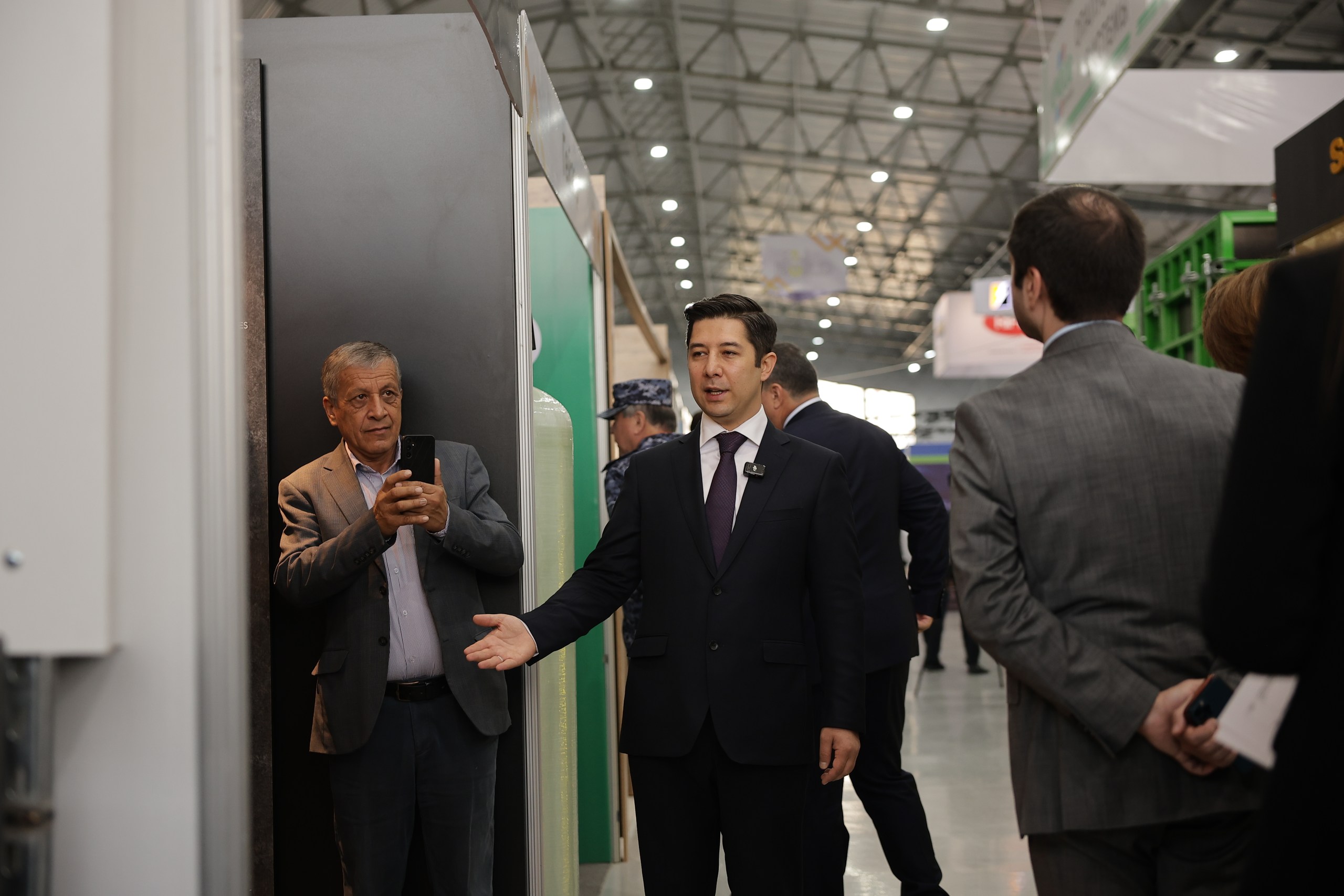
According to the national news agency Khovar, TajBuild brought together more than 100 domestic and international companies. The exhibition was organised by Asri Imkon LLC in cooperation with the Chamber of Commerce and Industry of Tajikistan, with support from the country’s government and the Dushanbe administration.
TajBuild, which has been held annually since 2022, was initiated by Alijon Kadyrov, whose professional career spans the construction market and the real estate sector. Through his work with Chinese contractors and experience of international trade fairs, he developed the idea of creating a platform in Tajikistan where industry participants could find partners, explore new technologies and discover modern construction materials.
After Construction: What a Building Really CostsProperty is usually assessed by its price per square metre, location, architecture and construction quality. But once the keys have been handed over, a building continues to cost money for decades: heating and cooling, water, maintenance of building systems, repairs and equipment replacement of equipment.mag.humodoc.com
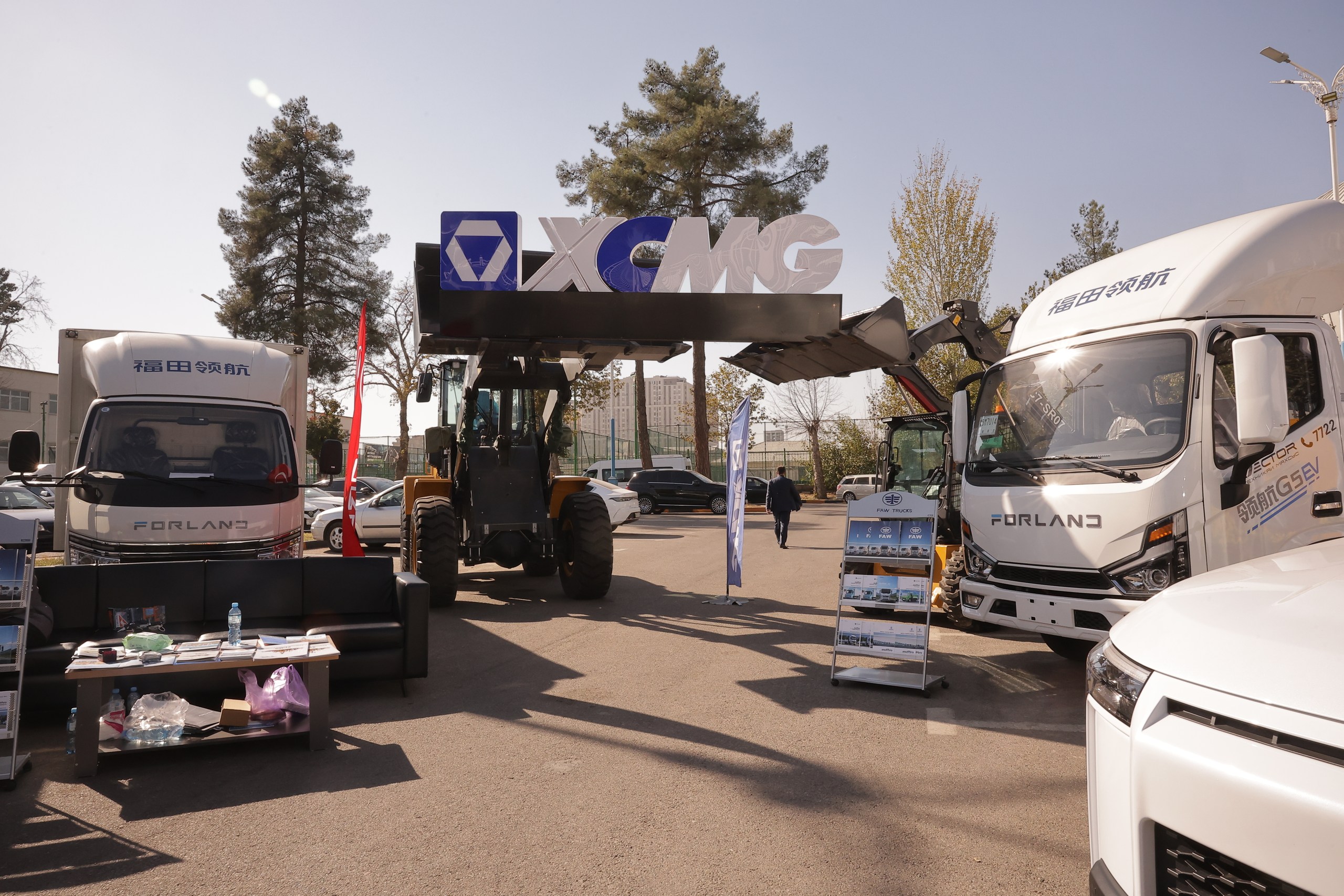
The exhibition at Dushanbe Expo featured building and finishing materials, engineering equipment, machinery and tools. Exhibitors included companies from Central Asia, Russia, China, Iran, Türkiye and Germany.
A report by Your.tj highlighted solutions for solar energy, seismic protection of structures, building materials manufacturing and digital management of development projects. Companies represented in these fields included Tajikelectrokomplekt, MAURER SE, Quangong Machinery and Amar Tech.
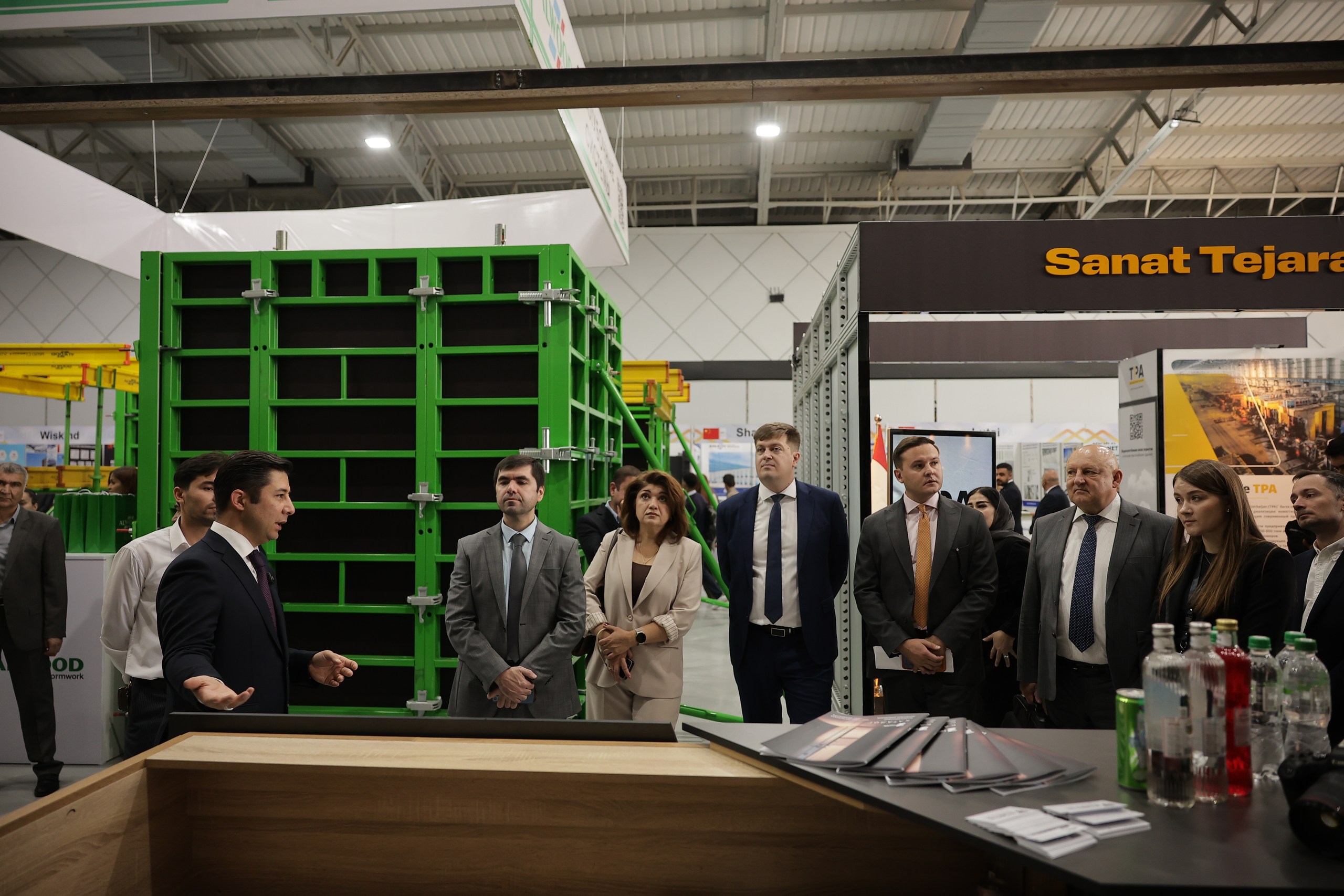 Photo: Aziz Nurullaev
A collective stand of Ryazan Region brought together manufacturers of ventilation systems, insulation, roofing components and glass: Viento, Fachmann Russland, Pravilny Dom and Larta Glass. Their participation was supported by the region’s Export Support Centre.
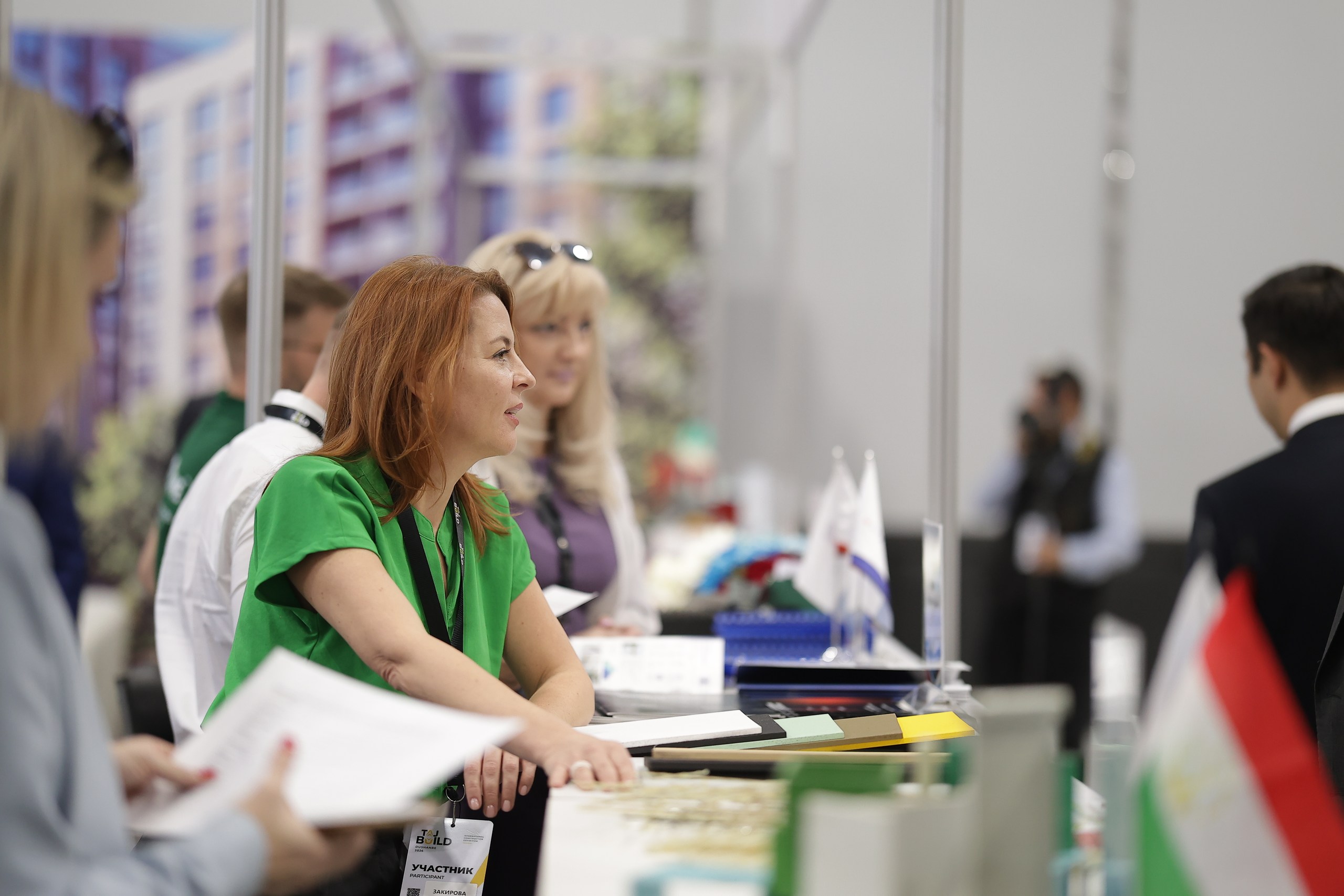
For clients, an exhibition of this kind offers an opportunity to compare products and discuss their practical applications directly with suppliers. The next step is to verify specifications, assess suitability for local conditions and ensure compatibility with other building systems. The availability of installation services, maintenance and spare parts affects operating costs alongside the initial price of the equipment.
Decisions Before Construction Begins
On 24 October, the conference “Architecture in Practice: From Idea to Implementation” took place. Architect and designer Lyubov Safronova delivered three lectures covering the assessment of a site’s potential, the impact of architectural concepts on property value, and ways to prevent design errors.
These topics are closely interconnected. Site analysis helps identify demand, assess constraints, determine the intended use of a development and test its economic viability. Miscalculations at this stage can lead to changes in layouts, redesigned engineering systems and additional construction work.
A Project Does Not Begin With a FaçadeYou can build a beautiful house and lose money. You can buy expensive land and underestimate its potential. You can increase the number of square metres while simultaneously reducing their value. In development, success is not determined by how impressive a building looks, but by how precisely the entire journey from land to buyer has been mapped out. Lyubov Safronova proposes taking that journey in 20 steps, from site analysis and identifying a market niche to architecture, branding and sales.mag.humodoc.com
For future residents, the quality of design is reflected in practical details: the location of entrances, distances to everyday services, courtyard layouts, protection from heat and ease of movement. These factors need to be considered when defining the development concept and setting the budget.
Architecture for Health
In my work, I assess the opportunities a site offers for everyday physical activity. Can people walk to where they need to go? Can they choose a route of a suitable length, exercise close to home, and alternate between movement and rest?
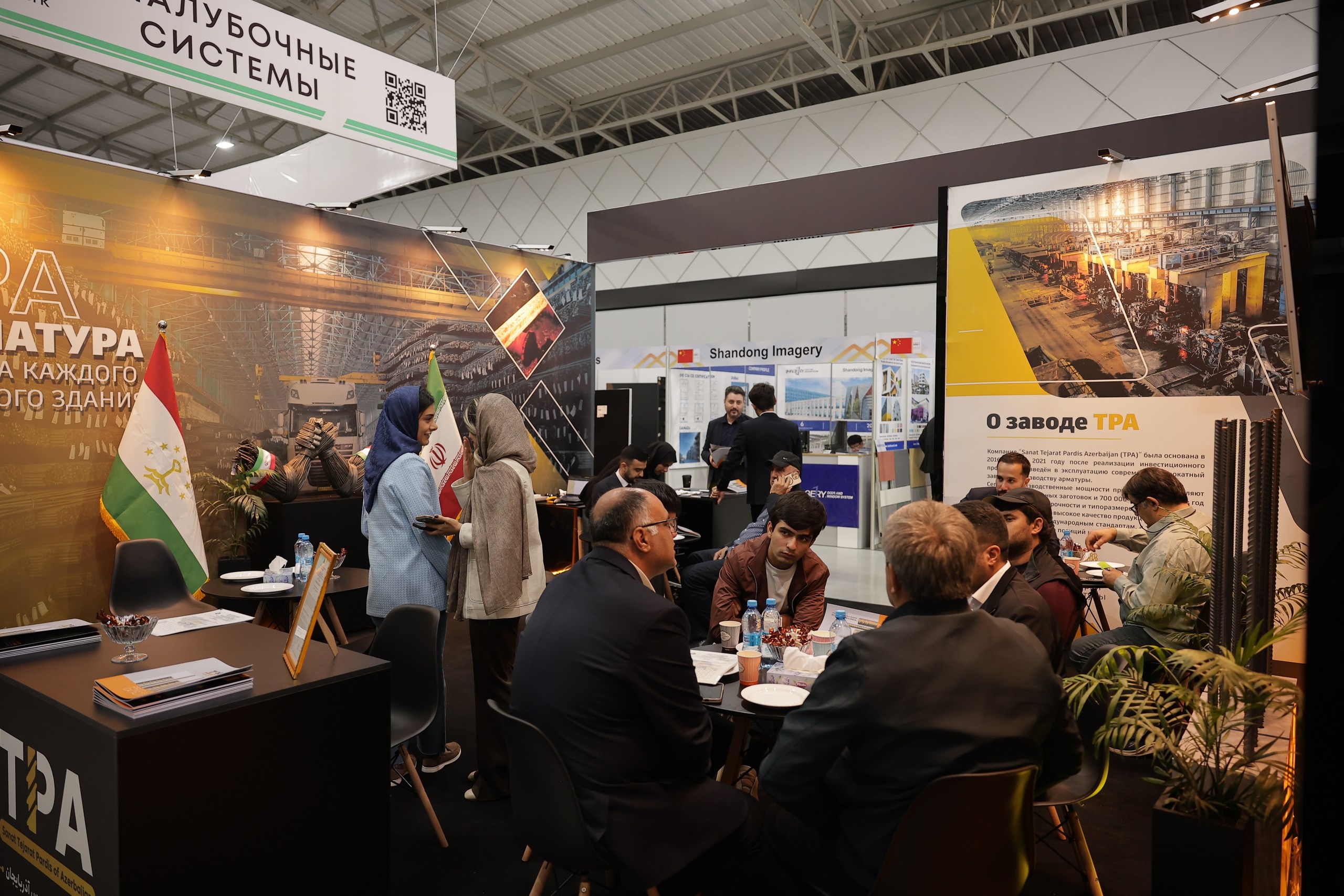 Photo: Aziz Nurullaev
The number of exercise machines and the size of a sports area do not, on their own, provide a complete picture of the quality of an environment. It is important to consider who can use the equipment, how easy the exercises are to understand, and whether activities are suitable for people with different levels of fitness. Shared routes must accommodate pedestrians, cyclists and e-scooter users moving at different speeds, while exercise areas should be positioned with pedestrian flows in mind.
Teenagers require particular attention. Research into their interests can help determine which facilities and activities to provide, including those designed for teenage girls. Places to socialise, relax and spend time independently should be considered alongside sports facilities.
How Much of Sustainable Finance Is Truly Green?In 2025, 11 issues of sustainable development bonds were placed on the Kazakhstan Stock Exchange (KASE): eight social and three green. Their announced volume amounted to 520.2 billion tenge, while the actually placed volume was 404.8 billion. This is an important distinction for those assessing financing of environmental projects: the overall figure includes not only green issues. In 2025, 11 sustainable bond issues were placed on the Kazakhstan Stock Exchange (KASE): eight social bond issues and three green bond issues. Their announced total value was KZT 520.2 billion, while the amount actually placed was KZT 404.8 billion. This distinction matters when assessing the financing of environmental projects, as the overall figure includes social bonds as well as green ones.mag.humodoc.com
Accessibility must be assessed along the entire route a person takes. A ramp at the entrance should lead to a convenient, accessible route to an exercise area or place to rest. Surfaces, gradients, distances, visibility, lighting and the positioning of seating all determine how independently visitors can use the space.
These requirements should be incorporated into the design brief. This makes it possible to coordinate routes, landscaping and equipment before construction begins, allocate the budget and plan for ongoing maintenance.
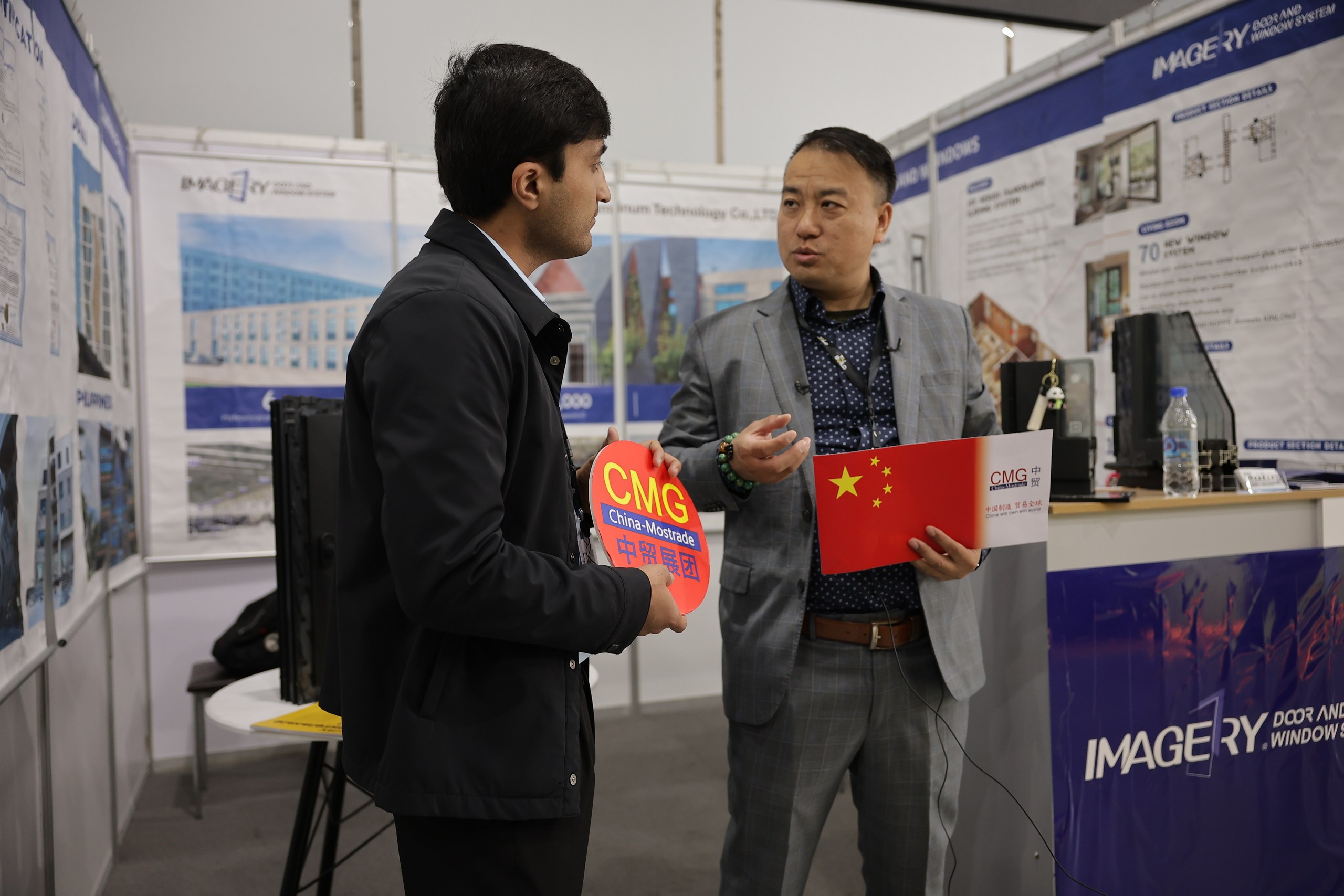 Photo: Aziz Nurullaev
From Exhibition Solutions to Urban Practice
TajBuild brought together construction industry representatives from Tajikistan and abroad. The range of products on display and the topics discussed at the conference made it possible to consider a project from initial site analysis through to building fit-out and the use of the surrounding area.
For cities across Central Asia, this approach has practical value. As construction expands, it is essential to assess the provision of schools and other social services, transport accessibility and the capacity of utility networks. Courtyards and public spaces should connect with surrounding streets and residents’ everyday routes.
A Pretty Facade Doesn’t Make a BusinessPart One. What happens to a shopping or business centre long before its façade takes shape, and why the decisions made at this stage will determine whether it generates income for twenty years or becomes an expensive showpiece.mag.humodoc.com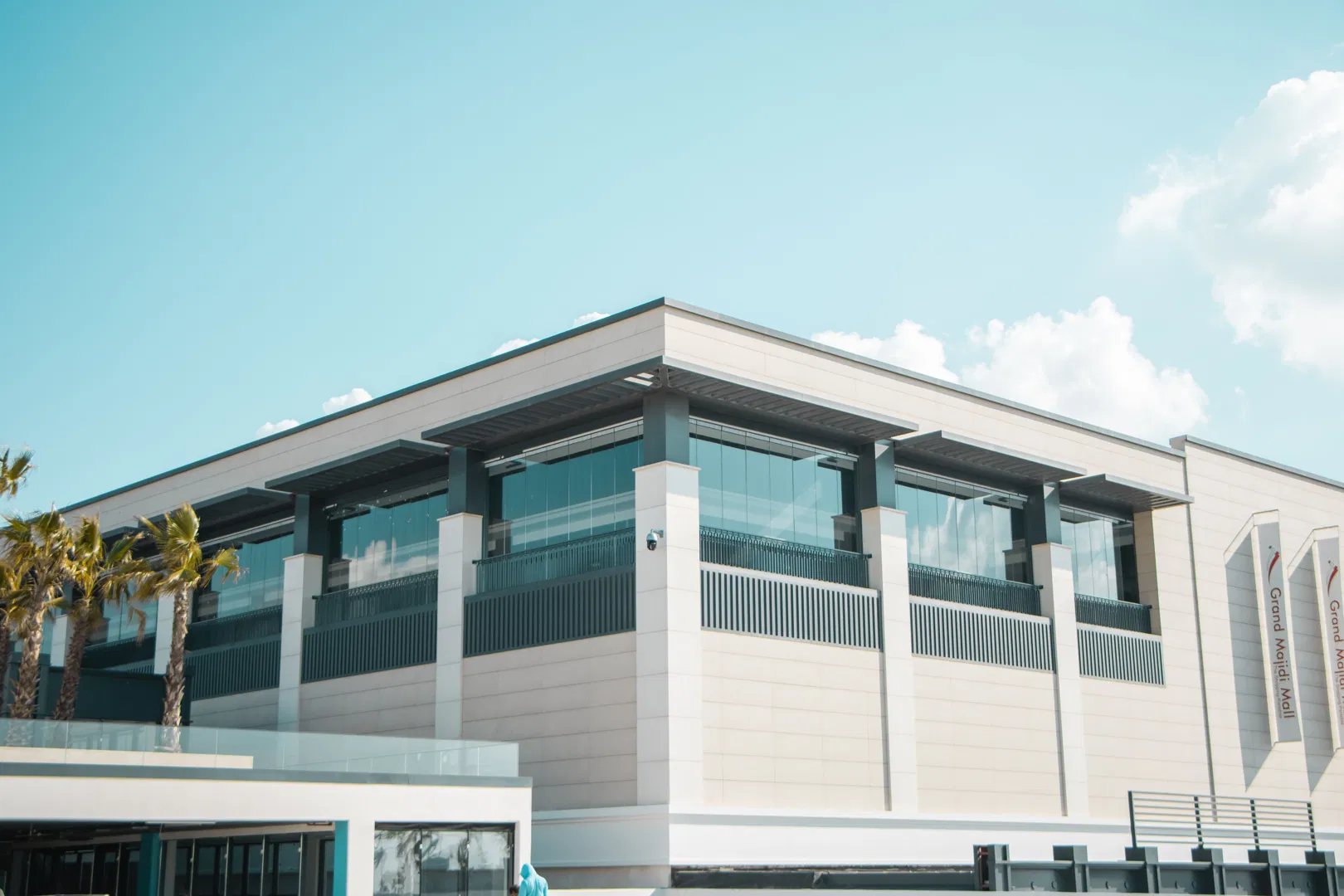
The inclusion of pre-design analysis and health-oriented architecture in the exhibition programme demonstrates that these issues are receiving attention on a professional platform. However, it would be premature to conclude that the industry as a whole is changing its approach on the basis of a single event. Further progress will depend on which requirements clients incorporate into projects and which proposed solutions are ultimately implemented.
For the industry, the outcomes may include new supply agreements, partnerships and the adoption of new technologies. For residents, the benefits will be reflected in building safety, indoor temperatures, heating and cooling costs, the usability of courtyards and the convenience of pedestrian connections.
The impact of TajBuild should therefore also be assessed after the exhibition has ended: through completed projects, the quality of their operation and how comfortably people can use the environments that have been created.
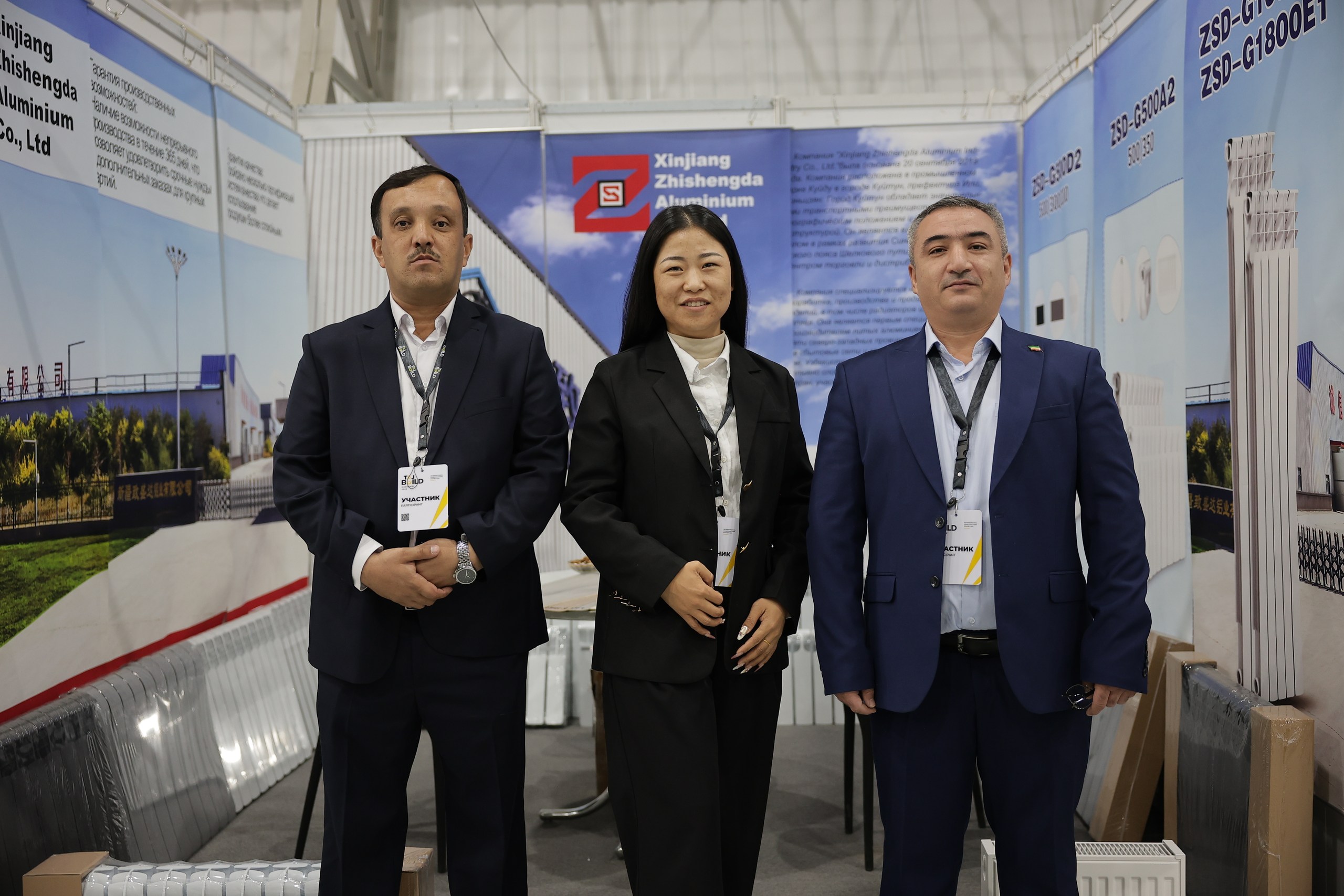 Photo: Aziz NurullaevPhoto: Aziz NurullaevPhoto: Aziz NurullaevPhoto: Aziz NurullaevPhoto: Aziz Nurullaev
Newsletter
A letter from the HD editors
Once a week, we send the best stories, events, and cultural discoveries from Central Asia.