Ecology and Economics
From Transit to Property Values: How Logistics Shapes Our Cities
Why the route a cargo takes affects housing costs, air quality and everyday city life. Ahead of the TransLogistica Uzbekistan 2026 exhibition in Tashkent.
In the urban environment, I usually look at how space works for people: is it comfortable to walk through, is there shade, do you want to linger here. But the more I work with the construction market, the more often I think about the part of the work that almost never makes it into the frame. Before a building or a park appears on the street, its materials have to travel thousands of kilometres, cross borders and wait their turn in a warehouse.
In my conversation with Farid Idekeshev, we already looked at this invisible part of construction through the digitalisation of orders. Logistics continues along the same path further: from the decision about a material to the moment it arrives on site. In a cost estimate this path often fits into a single line, “delivery”, and the buyer of a home never sees it at all. I think this is one of the most underrated topics in any conversation about the city.
Also read about what information should accompany a project before it is implemented:
Between Design and ConstructionIn an urban environment, we tend to notice the end result first: a building, a street, a public space. We assess proportions, materials, the convenience of routes and how the architecture relates to its surroundings. Yet before a project becomes part of a city, it has a long way to go, from developing the initial concept and making technical decisions to procurement, deliveries, approvals and construction work.mag.humodoc.com
The transit that stays in the city
Uzbekistan, together with Liechtenstein, remains one of the two countries in the world that have no access to the sea and at the same time border only countries in the same position. To reach any port, cargo has to cross at least two borders. For the construction industry this is a cost item present in every imported lift, façade system and machine for a new building materials plant.
The region is used to talking about itself as a transit space: through China, across the Caspian along the Middle Corridor, through the Baltic ports. But transit on its own does not build cities. As Maksat Chaki already wrote in HD Magazine, a transport corridor creates a lasting effect when warehouses, production, service companies and local suppliers appear alongside it.
For the construction market this logic is very concrete. Every material that can be produced within the region shortens the journey, the timelines and the risks. And a logistics hub on the edge of the city stops being just a warehouse and becomes part of the urban economy: jobs, services, new production nearby.
Also read:
Greater Central Asia: From Transit to Value AddedIn May 2026, the Central Asian International Chamber of Commerce announced the launch of the conceptual program "Greater Central Asia". Its task is to view the region as a connected business environment where transport, manufacturing, investment, trade, technology and human capital operate within a shared system.mag.humodoc.com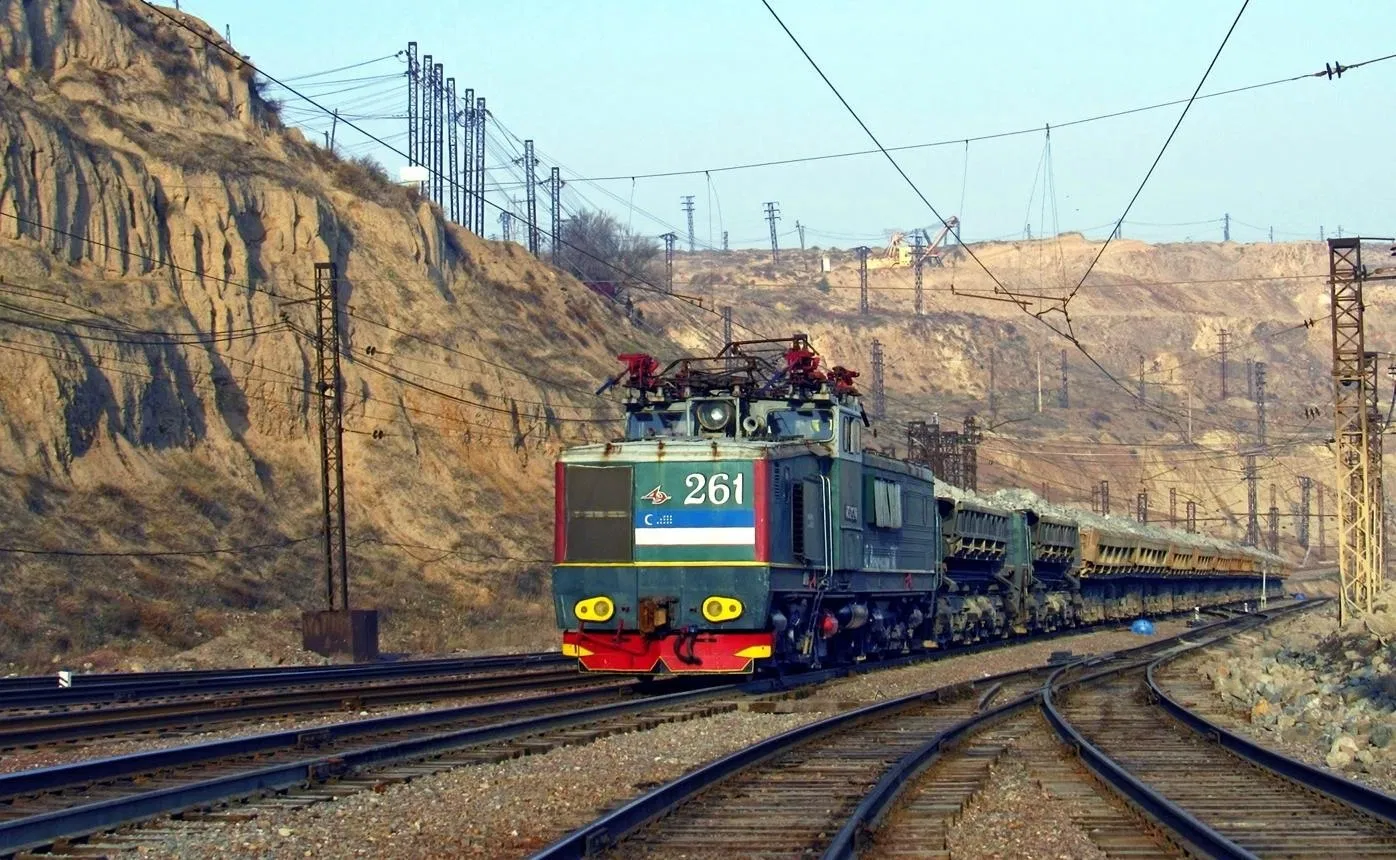
Logistics in the price of a square metre
The cost of transport is only the visible part of the expenses. Unpredictability costs far more. A façade system is held up at the border, and the crew sits idle. The lifts arrive behind schedule, and the handover of the building slips. Every such pause means extra months of equipment rental, wages and interest on the construction loan.
The developer is forced to factor these risks in advance: buy materials with a buffer, keep them in a warehouse, build a contingency reserve into the price. As a result, the buyer pays not only for the brick and glass but also for the unreliability of the route they travelled.
What interests me here is the other side too. When supplies are predictable, the developer has the chance to choose better solutions rather than whatever happens to be in the warehouse today. A light-coloured roof, durable paving, energy-efficient equipment stop being a luxury when you do not have to wait months for them. And it is precisely these that determine how much a building will cost its residents for decades after the keys are handed over.
Good logistics does not only save money on construction. It widens the choice, and therefore affects the quality of what we end up with.
Also read:
After Construction: What a Building Really CostsProperty is usually assessed by its price per square metre, location, architecture and construction quality. But once the keys have been handed over, a building continues to cost money for decades: heating and cooling, water, maintenance of building systems, repairs and equipment replacement of equipment.mag.humodoc.com
Air also goes into the estimate
Logistics also has a cost that is not visible in a project’s financial model. It is paid by residents, and they pay it with air.
According to an estimate by the World Bank and the Ministry of Ecology of Uzbekistan presented in 2024, transport accounts for about 16% of fine particulate matter PM2.5 in Tashkent’s air. Among man-made sources, it is second only to heating. A further 36% of all particles comes from dust carried by the wind, and in summer it is this that predominates. The report on Tashkent’s air quality A lorry with uncovered sand and a vehicle leaving a construction site with dirty wheels add such dust to the city.
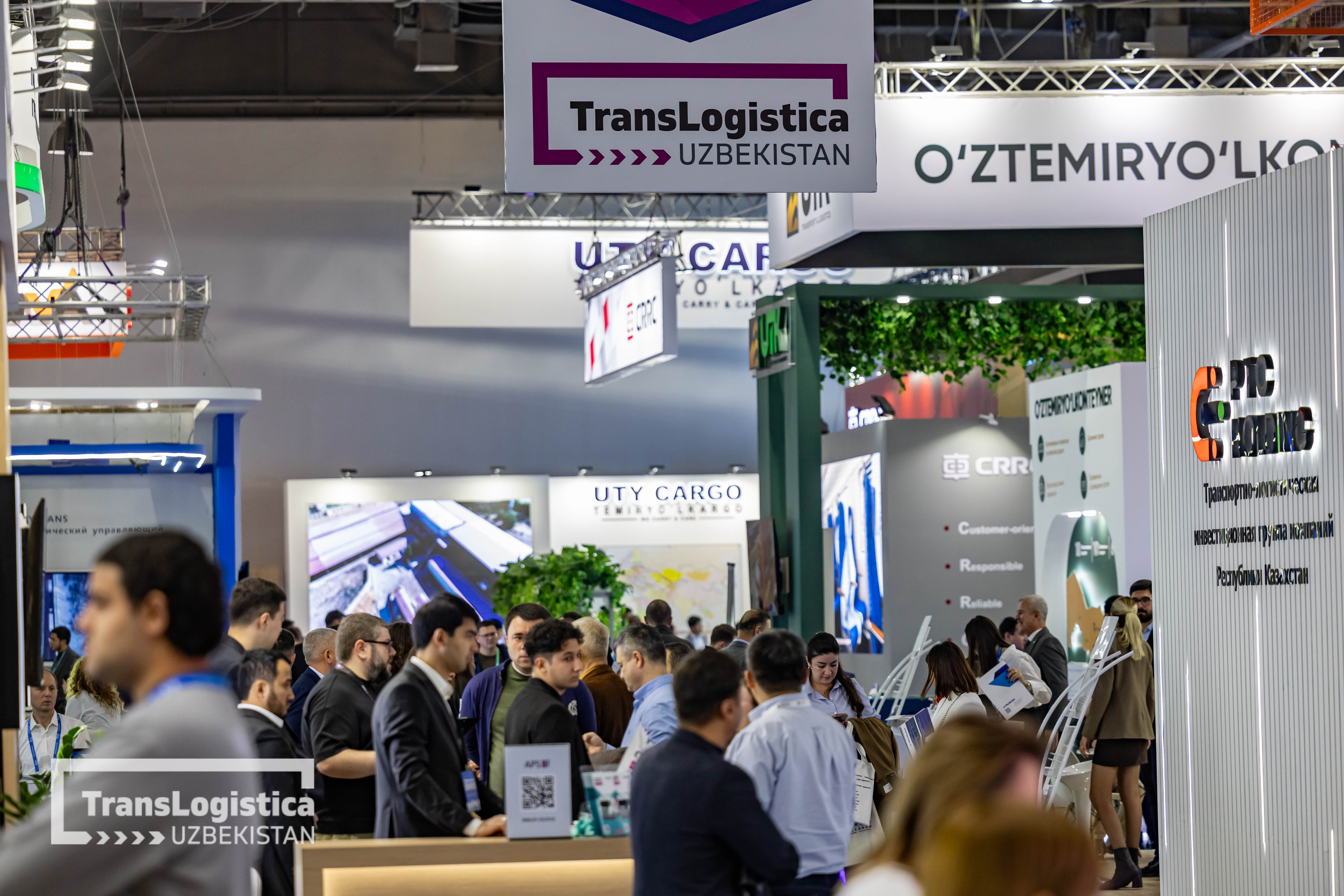
Empty runs also have their price for the air. In the European Union in 2020, a fifth of all lorry mileage was driven by vehicles without cargo. Eurostat data Each such run means one more vehicle in the flow and extra emissions. That is why digital platforms that help a shipper find a vehicle quickly and a carrier avoid idling work not only for business but also for cleaner air.
The choice of transport mode matters too. The European Environment Agency showed in 2021 that when cargo is moved by rail and by water, greenhouse gas emissions are significantly lower than by lorry. EEA data For Tashkent this raises the question of how much construction material can be brought by rail to a terminal on the edge of the city so that it does not have to be driven through residential areas.
In HD Magazine we have already written that the cost of environmental impact should be taken into account before an investment decision. Construction logistics can well become part of such a calculation: how many runs a project will require, which routes the machinery will take and at what hours.
Also read:
Ecology as Capital: Why Central Asia Needs a New Way to Value LandCentral Asia possesses enormous natural capital: mountains, lakes, steppes, deserts and unique landscapes. At the same time, the region is entering a period of rapid tourism development, with roads, airports, hotels, resorts, housing and new infrastructure being built across the region. Yet construction does not necessarily increase the value of a place. As high-quality natural environments become increasingly scarce, they are also becoming more valuable assets.mag.humodoc.com
The courtyard and the last mile
For me, the starting point of any conversation about the city is always the everyday route of a resident. How a person leaves home, takes a child to school, walks to the bus stop. Logistics intersects with this route more often than it seems: a concrete mixer at the exit from a construction site, a lorry on a narrow street, a courier on the pavement.
Online retail is growing, and new residential complexes already need to answer a simple question: where will the courier pull up and where should the parcel locker go, so that the courtyard does not turn into a delivery car park. Warehouses and logistics parks are becoming a full-fledged segment of real estate. Their location determines how much heavy transport enters the city every day.
What residents and homebuyers should watch for and ask about:
- whether sand and gravel are covered in the lorries heading to a construction site next to the building;
- whether wheels are washed on vehicles leaving the construction site;
- at what hours heavy machinery arrives and whether this clashes with children walking to school;
- whether the new residential complex provides space for couriers and parcel lockers, so that deliveries do not drive into the courtyard.
Read also:
The Neighbourhood Code: What Tashkent Design Week Learned from the MahallaHigh-rise buildings and wide avenues have long become familiar signs of urban progress. It is far harder to design good neighbourliness, the habit of living not only behind a closed flat door. In Tashkent City Park, an installation for Tashkent Design Week has appeared that tries to tackle this task through a mahalla (neighbourhood community) courtyard and a workout area. At the opening I looked at how these ideas connect to the use of space and what they can offer to new neighbourhoods.mag.humodoc.com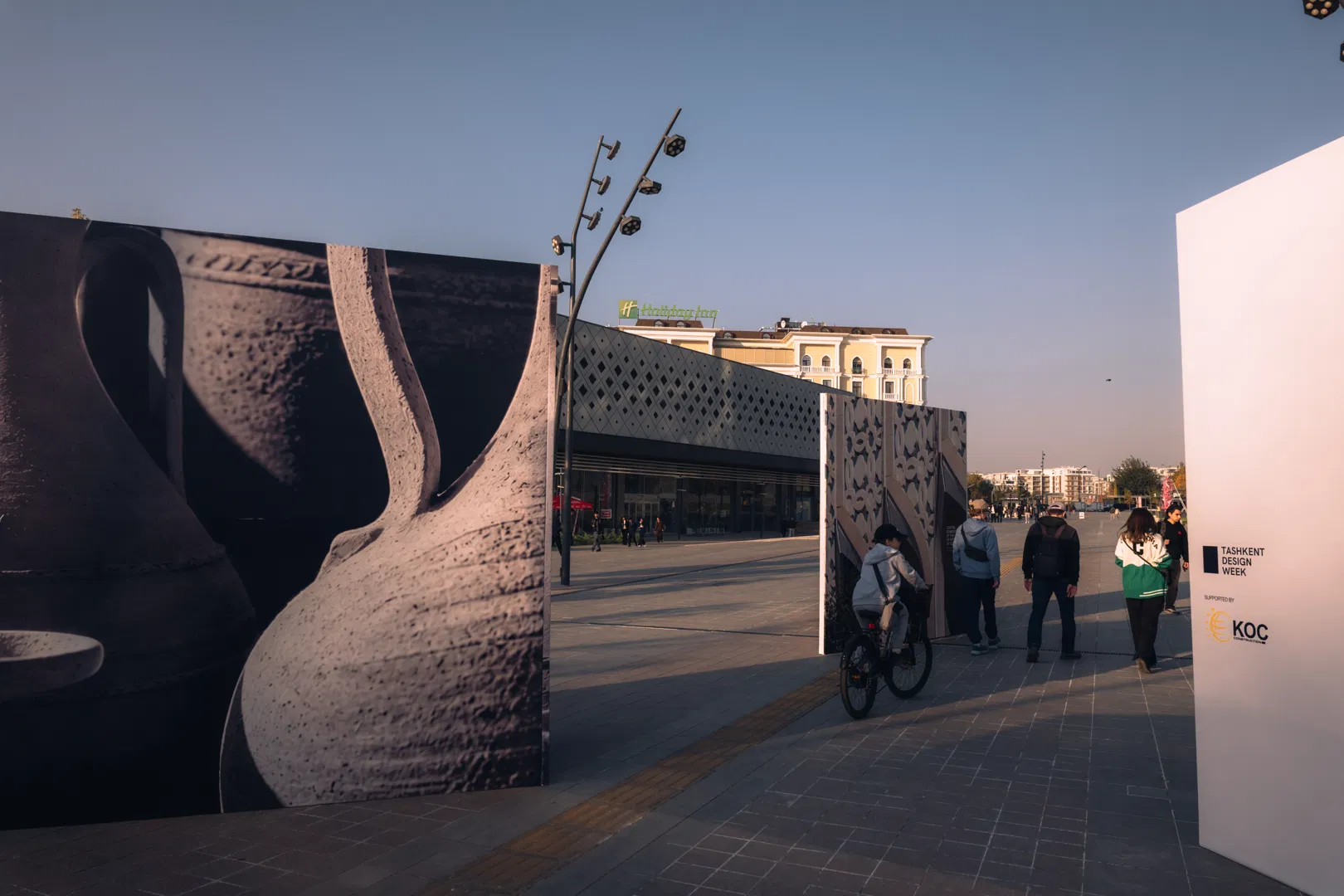
The Hanseatic League and the Silk Road
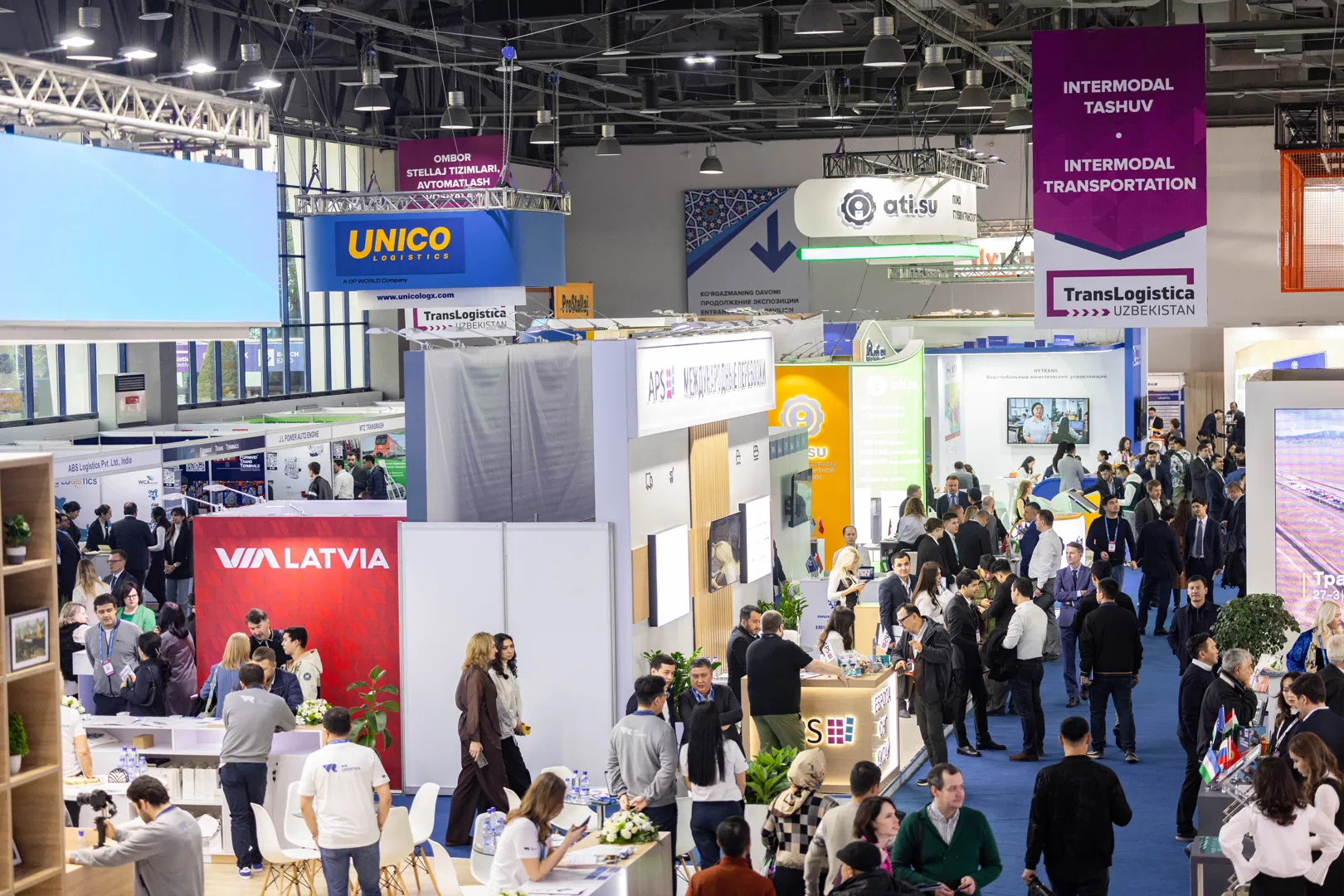
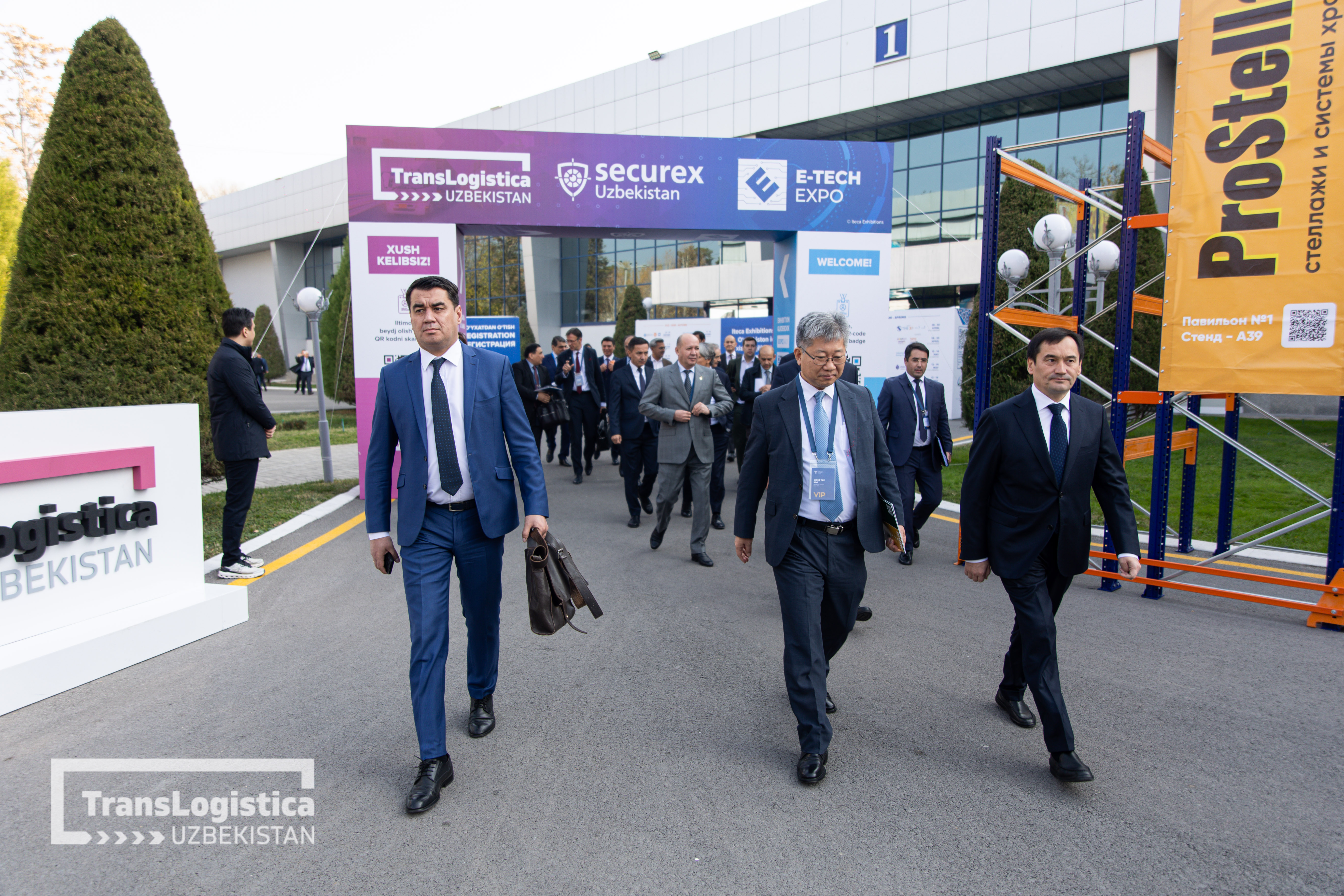
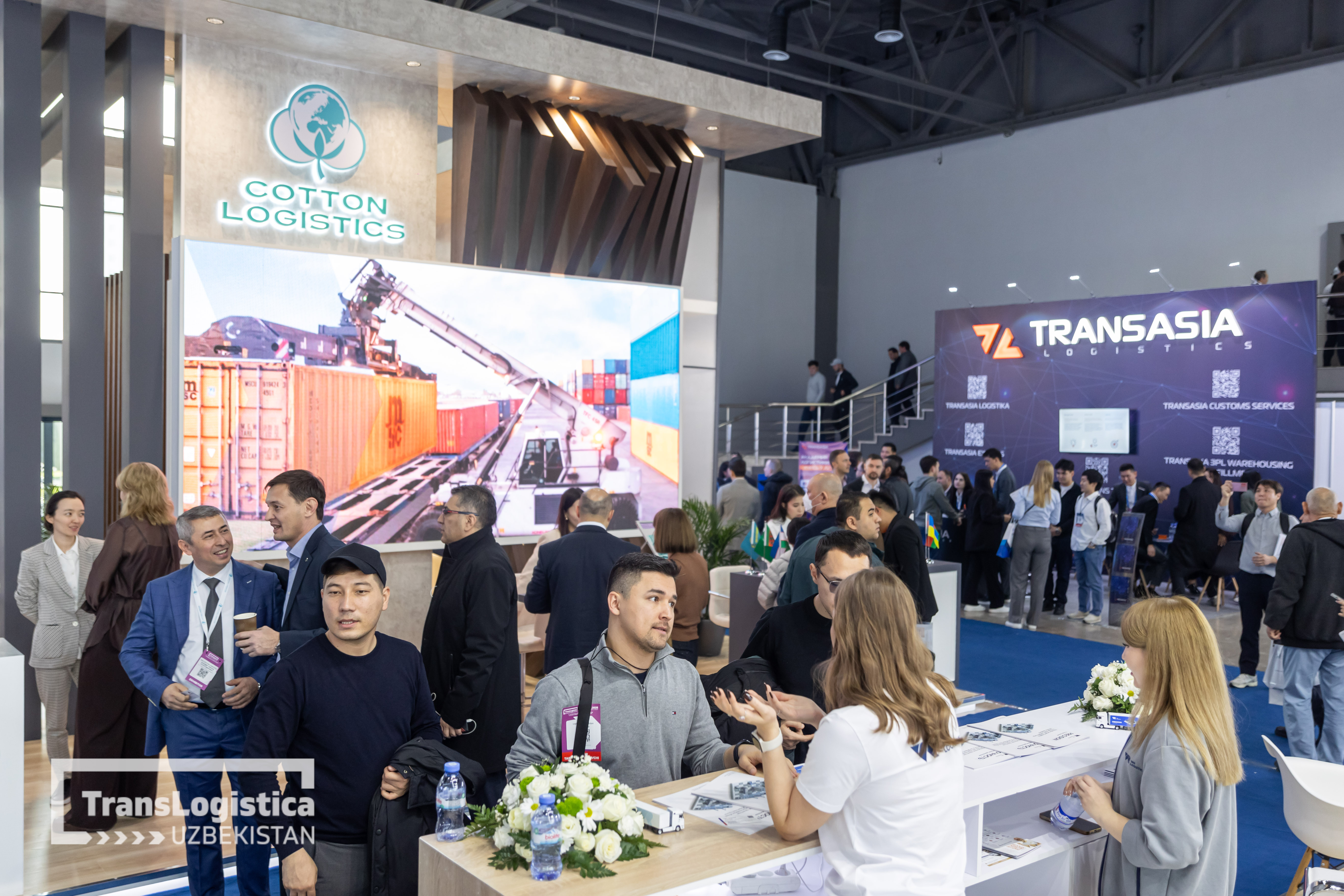
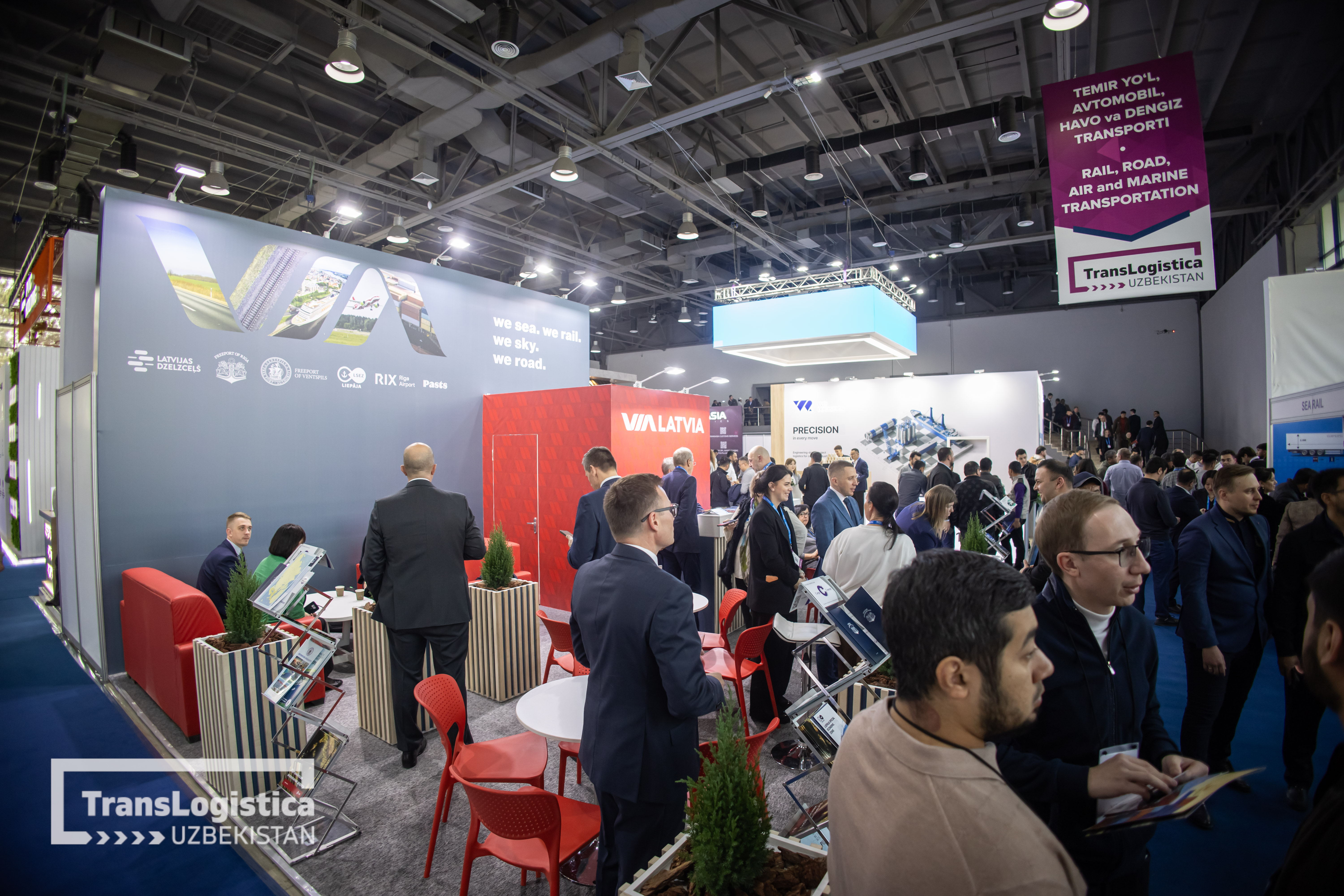
From 10 to 12 November, the 22nd international exhibition Transport and Logistics TransLogistica Uzbekistan 2026 will take place in Tashkent at the Uzexpocentre National Exhibition Complex. Companies from 11 countries have confirmed their participation, and one of the main topics will be the Middle Corridor, which links Central Asia with international markets. Publication about the exhibition
One of the business programme sessions is called “Where the Hanseatic League Meets the Silk Road”. The name is accurate: in the Middle Ages Riga belonged to the Hanse, the trading league of northern European cities, while the cities of Uzbekistan lived on the Silk Road. Both routes built cities: markets, crafts and neighbourhoods grew up around wharves and caravanserais. Today Latvia is offering Uzbekistan a modern version of that link and will show the entire journey of cargo: customs and veterinary control, the ports of Ventspils and Liepaja, the railway, Riga airport.
The exhibition is no less useful for the construction market than for logistics specialists. Here you can see the chain on which the price per square metre depends, and the digital systems that cut downtime in road and rail freight. A developer gains an understanding of which routes can be relied on. A building materials manufacturer gains access to new markets. And the city gains tools to move cargo faster while keeping the streets freer.
A finished city is visible to everyone. The routes that made it possible usually stay behind the scenes. The sooner we start treating logistics as part of the conversation about the urban environment and ecology, the more accurately we will understand what the price of our home and the quality of the air we breathe are really made up of.
TransLogistica Uzbekistan 2026, Uzexpocentre National Exhibition Complex, Tashkent, 10–12 November. Entry by online registration at trans.uz.
Read also
 Ecology and Economics
The Silk Road, Two Thousand Years On: How a Historic Crossroads Became the Region’s Logistics Network and Why TITF 2026 Is Once Again Bringing Its Key Players to Tashkent
Alfiya Kalmaganbetova
 Ecology and Economics
Building Cities for People or Selling Square Metres? What Was Discussed at TajBuild 2026
Alfiya Kalmaganbetova
Ecology and EconomicsBetween Design and Construction
Farid Idekeshev
Newsletter
A letter from the HD editors
Once a week, we send the best stories, events, and cultural discoveries from Central Asia.