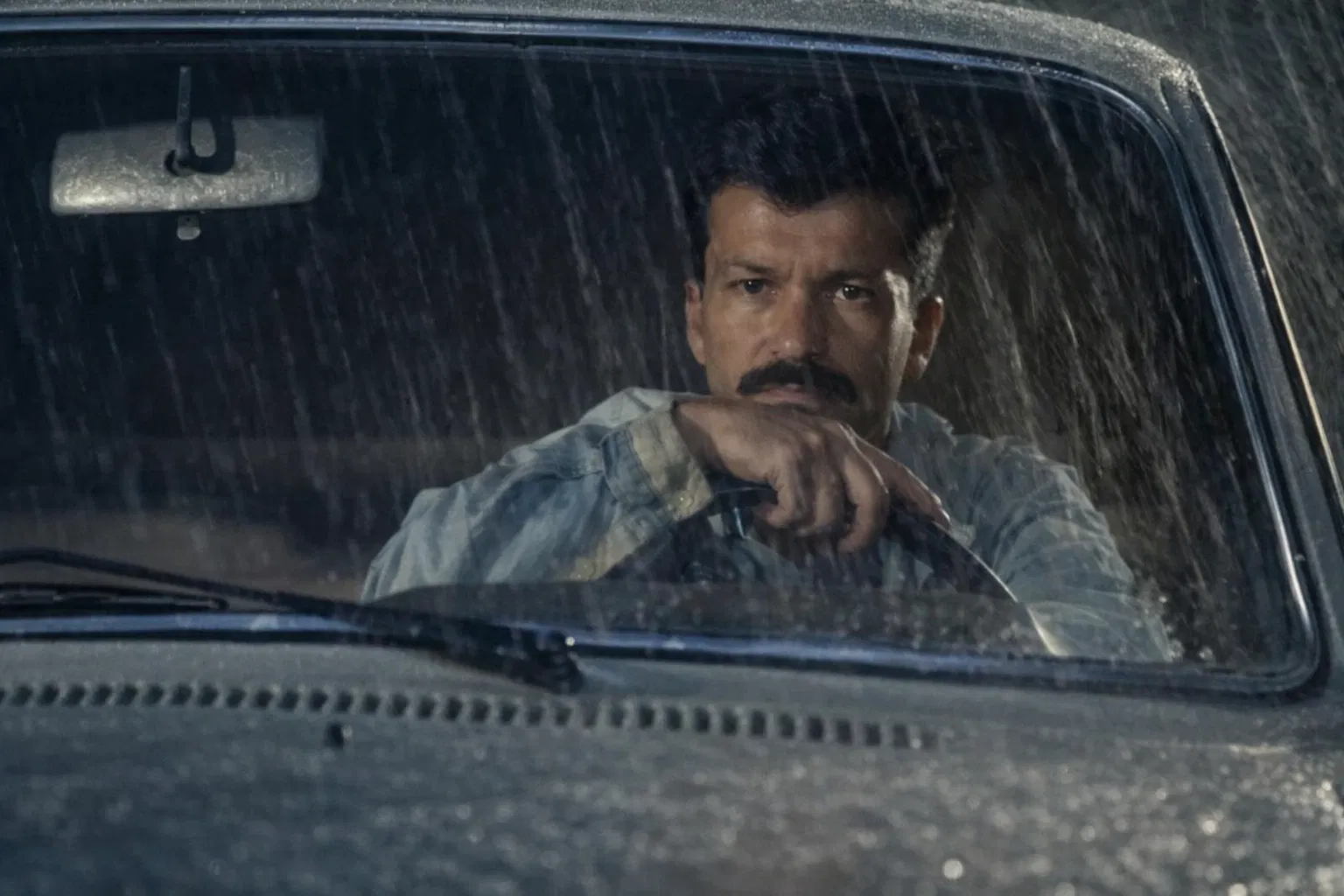
In an era when there were few channels and even fewer TV series, every Uzbek project became an event. Stories about families, marriages, betrayals, and hopes shaped the perception of what life in Uzbekistan was like at that time.
We have gathered the brightest and most popular series of that era — those without which it's impossible to recall Uzbek television of the 2000s.
Sisters / Opa-singillar, 2010-2014
"Sisters" is one of those series that, even 16 years later, is hard to imagine television of that time without.
The story of three sisters - Nafisa, Nasiba, and Shahnaza - was built not around the classic problems of the genre - melodrama, but around social problems that have always existed and continue to exist in the country today: marriage, pressure from the husband's family, expectations placed on a woman, and above all - the demand to give birth to a son.
Initially, screenwriter Nazar Eshonkul conceived the series as the story of one heroine, Nafisa, but as work progressed, it became clear that the fates of the other two sisters were no less illustrative. Thus, the series' structure expanded—along with the themes it raised. The series was filmed starting in 2010. Over four years, 140 episodes were released—a significant production volume for that time. Editing, dubbing, and filming proceeded in parallel, and episodes sometimes aired even before post-production was completed, due to the urgent need to fill the broadcast schedule, for instance, when foreign projects were pulled.
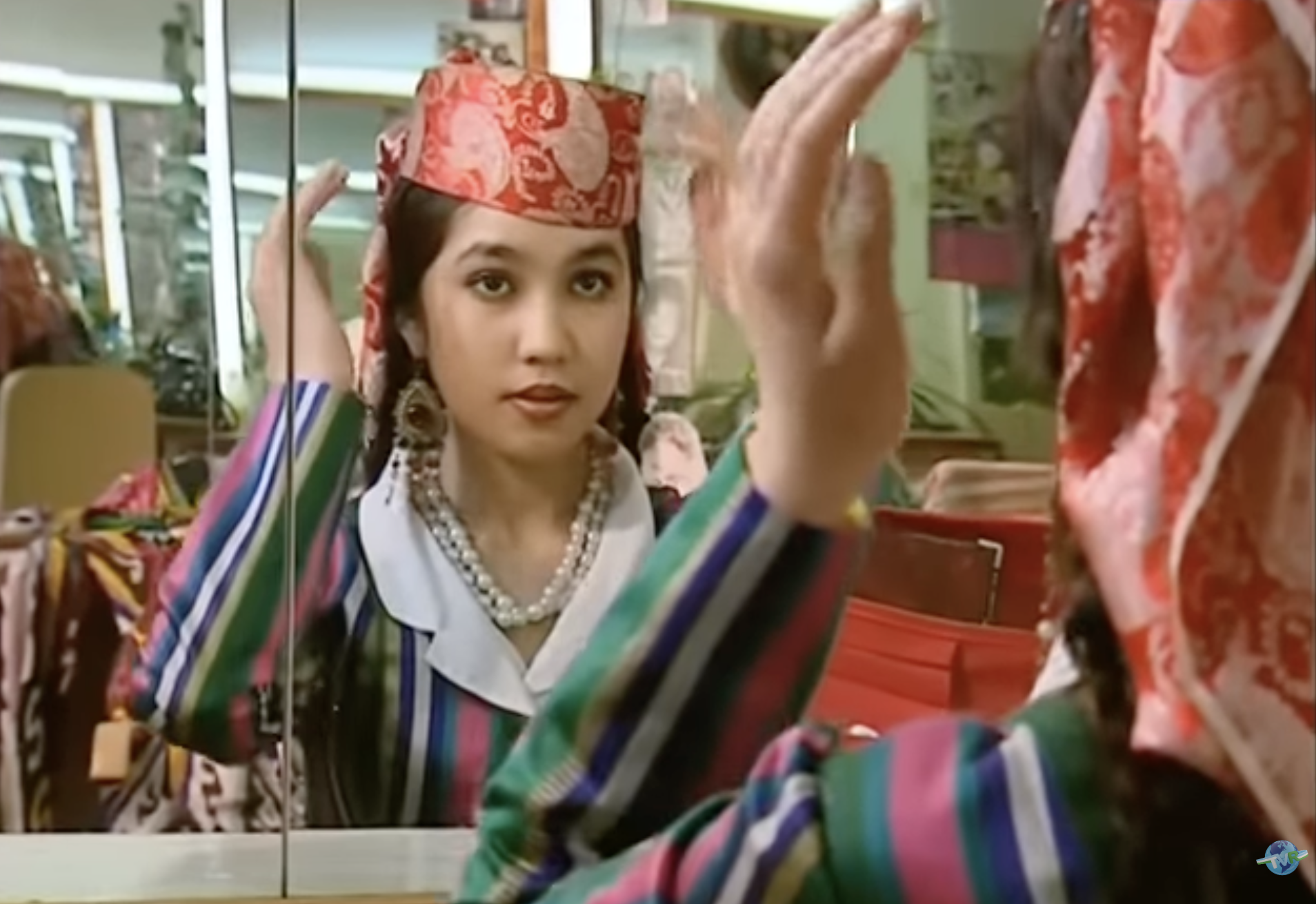
Television operated in a state of constant scarcity: there were few channels, even fewer series, and every project became part of the shared information space. Therefore, during that period, the works of director Zamira Begimkulova—"Gulhan atrofidagilar," "Tutash taqdirlar," "Opa-singillar"—were known by practically everyone.
However, the significance of Opa-singillar is not at all in the scale of the filming, but primarily in the ability of the filming team to raise a topic rare for television—the plight of women accused of being "incapable" of bearing a son.
Today, the series may seem naive, perhaps overly drawn-out, but it certainly captures its time. It's a televised portrait of Uzbek society in the early 2010s — with its family hierarchies, unspoken rules, and the topics people were just beginning to speak about openly back then.
Charxpalak Charxpalak (1997–2000)
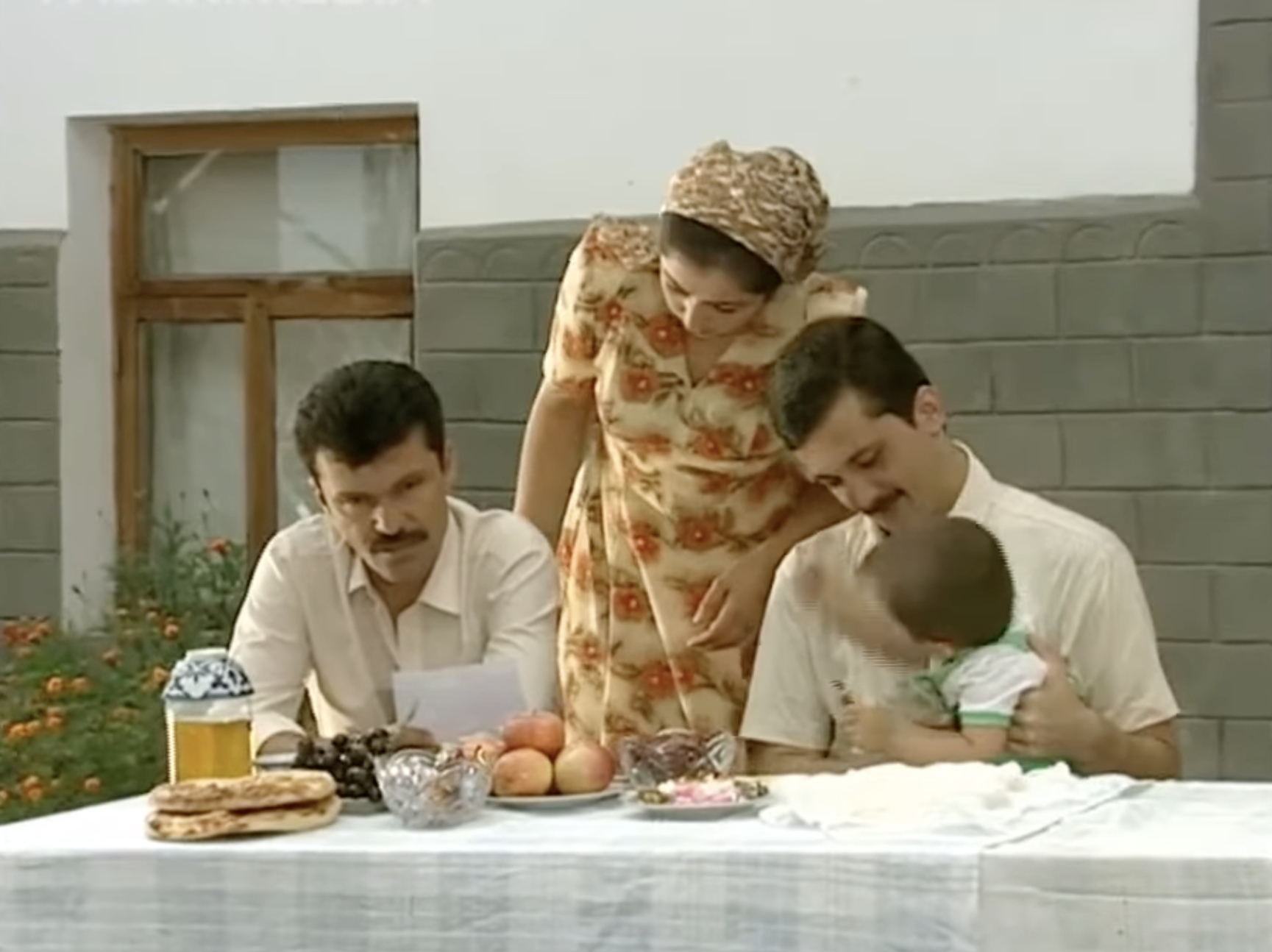
"Charkhpalak" was shown on television in the years when the family evening was still built around the television broadcast, not around the catalog on streaming sites. The series was filmed from 1997 to 2000.
The script was written by playwright Sharof Boshbekov, directed by Shavkat Junaydullaev. The music was performed by Avazhon Radjabov — the theme is recognizable from the first seconds and still evokes nostalgia and an almost physical reaction in those who watched "Charkhapalak" in childhood or youth.
The story revolves around a man who gets out of prison and returns to a family that has managed without him. Formally, it's a plot about rebuilding a home, but in essence, the series is about how, over the years of absence, a person loses the right to be "one of their own" and is forced to try again to become "one of their own" for his wife, children, and the entire outside world. And it is in this process that those once close to him reveal themselves: some wait, some seek revenge, some take advantage of his weakness.
The name "Charkhpalak" — which literally translates to "wheel"/"carousel" — is not a decorative metaphor. It is a story about Ouroboros, how everything, be it mistakes and destinies, always repeats itself.
A special figure is Karim Mirkhodiev, who played Egamkul. By the time of filming, he was already an established theater actor: he worked at the "Ilkhom" theater and had already received the title of Honored Artist. His character is not a romanticized "sufferer," but a man with a difficult character and a ruined life, which was a rarity for Uzbek TV series of those years.
It cannot be said that over time "Charkhpalaq" achieved the status of a cult series. But it certainly became part of the era of transition into the new millennium — almost like carpets on the walls or the sound of a TV from the next room.
Shaytanat (1999)
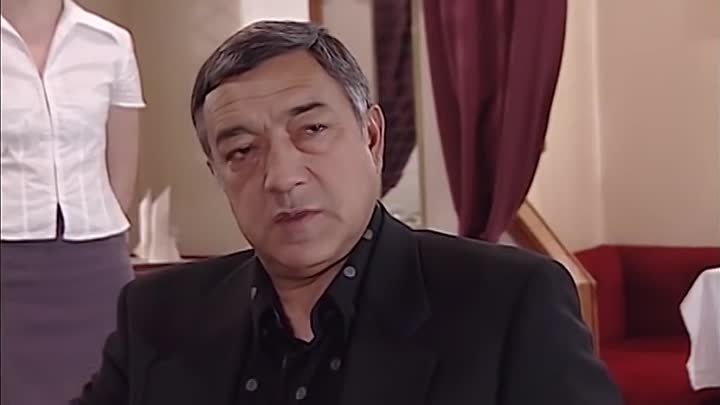
"Shaitanat" is the main Uzbek TV series at the turn of the century. Not just popular, but cult-like and definitely culturally traumatic. Everyone knew it, even those who didn't watch it: it was enough to hear the name Asadbek to understand what was being talked about.
It is based on the novel by Tahir Malik, which became a genuine bestseller in the 90s. This is a story about the Uzbek mafia at the end of the Soviet era, when the old rules no longer worked, and new ones had not yet formed.
At the beginning, on which the plot is built, the famous singer Elchin ends up in prison for the murder of his own wife. He remembers nothing—only alcohol, cards, and a phrase thrown as a joke: "It's not like I can bet my wife, is it?" In the morning, he wakes up next to her body and realizes that everything was orchestrated by the people of Asadbek, the local crime boss.
The filming of "Shaytanat" began in 1998 and stretched over nearly a decade. The premiere took place on February 15, 1999, and the very next day the broadcast was interrupted due to explosions in Tashkent. After that, the series disappeared from television for almost 15 years and only returned in 2020. During this time, it managed to transform from a series into a legend.
A separate story is the discrepancies between the book and the series. In the novel, Asadbek is an unambiguous villain. In the adaptation, he was made into a complex, almost charismatic figure, which Tahir Malik was extremely unhappy about. He was particularly annoyed that the film lost the novel's moral framework, for example, the theme of the sinfulness of Anwar and Zainab's suicide. At one point, he even ironically demanded "compensation for moral damages" from the director.
And yet, it was the screen adaptation that made "Shaytanat" what it became: not just a crime saga, but an Uzbek myth about the 90s—dark and still unresolved. The final, 21st episode was never seen by viewers—perhaps this is the most accurate symbol of this entire story.
Fated Loves (2009)
2009, 54 episodes, directed again by Zamira Begimkulova, and for the first time, the focus is not on a single family, but on families whose lives are intertwined with each other. Love, profession, marriage, public opinion — it covered everything that people love about soap operas. Hence the title "tutash" — intertwined destinies.
Starring Yulduz Hamidova, Jamshid Arslonov, Jafar Muminov, Nilufar Hamidova, Gulbahor Yuldosheva, Nafisa Mamadierova, Feruz Burkhonov, Mehrriddin Rakhmatov. And the soundtrack by Shukhrat Dare finally cemented the series in memory — even now it can be recalled from the first notes.
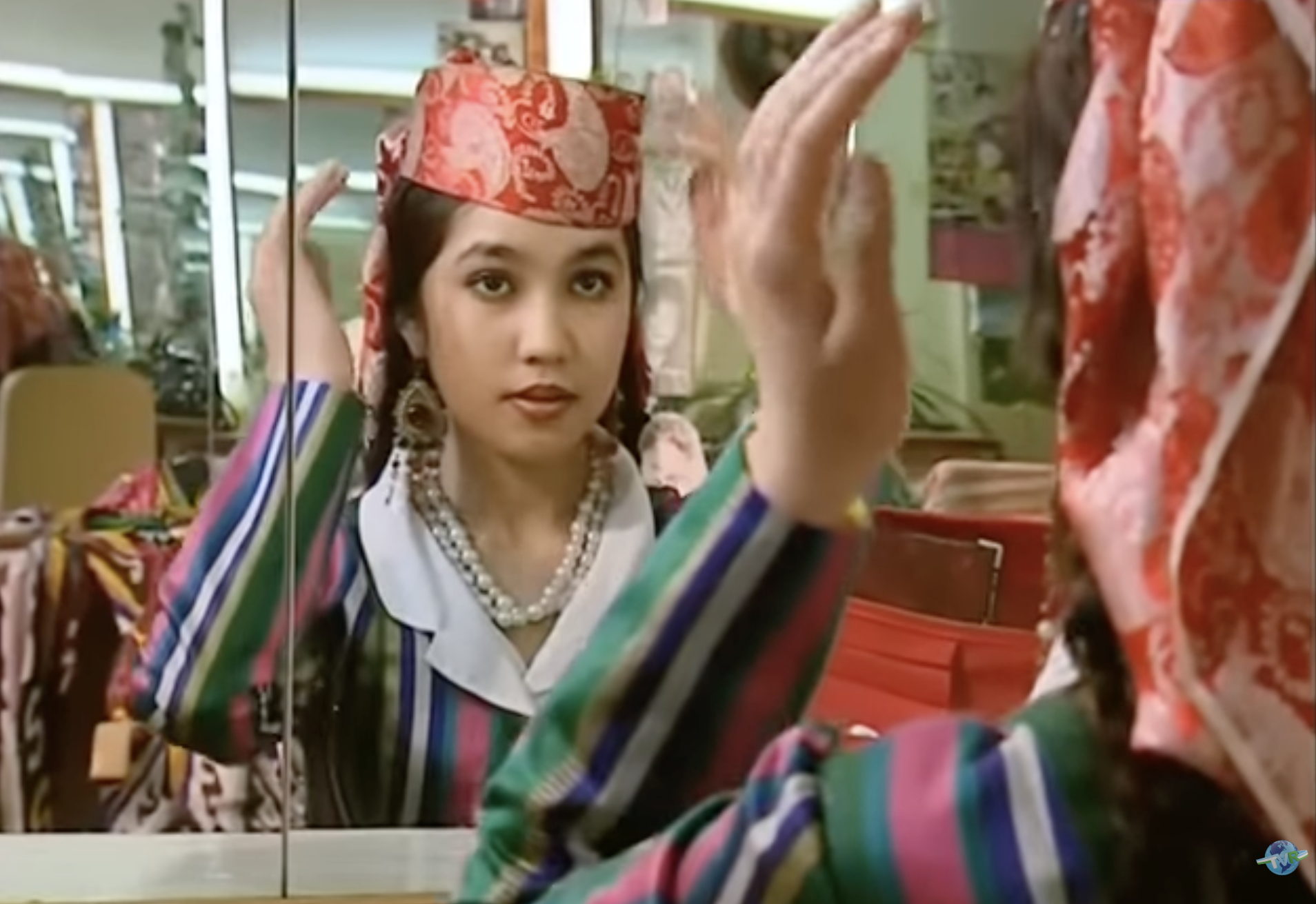
A distinct chapter in the project's history was Rano, a dancer played by Nafisa Mamadiero. This was her debut—and immediate public acclaim. The paradox is that the actress practically disappeared from screens after her success.
Tutash taqdirlar was created as an alternative to the Turkish TV series that had flooded the domestic airwaves at the time. And while it might not have been as strong dramaturgically, its advantage was that it was closer to home—viewers recognized themselves more in the conflicts, in how families were portrayed, the pressure of society, and the difficult, not always comfortable decisions the characters had to make.
Qaytar Dunyo, 2006
In the mid-2000s, while the airwaves were filled with family melodramas, Qaytar Dunyo emerged in the crime genre—with a story of love interfered with by betrayal, money, and violence. The main character tries to maintain his relationship with his girlfriend, but reality constantly pushes him to choose between love and survival.
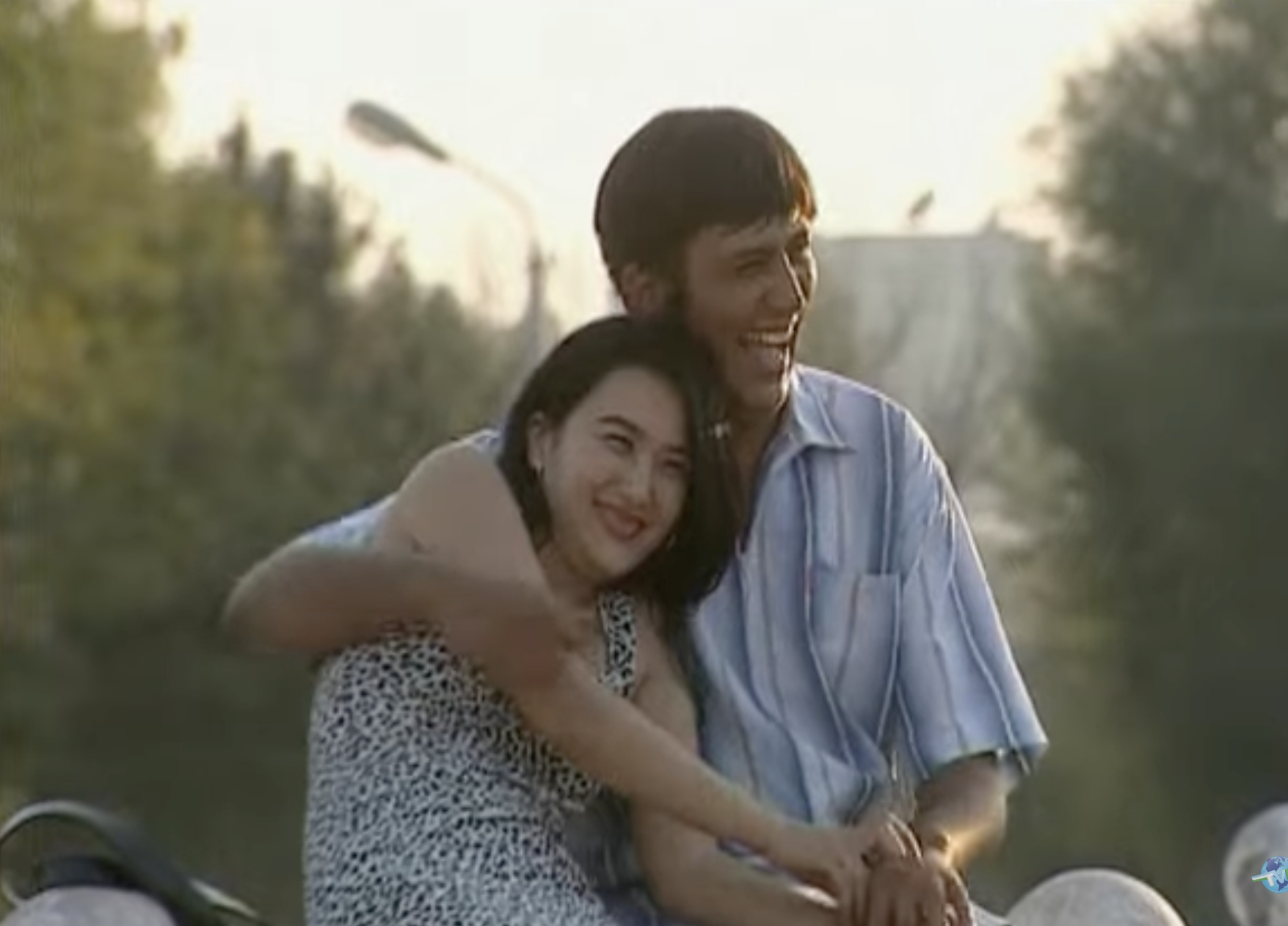
The series consisted of 15 episodes and was conceived as a "national project" — that very format meant to speak about values, society, and morality through a popular genre. In 2006, it confidently competed on air with Korean dramas — which says a lot about its viewer appeal.
For many viewers, the series also served as an introduction to Shodiya Abdukodirova (Tukhtaeva), who played Mashkhura. The character became so recognizable that the actress was called by her character's name for a long time. And even though years later she would receive the Oltin Humo award as the best actress — for an entire generation, she will still be remembered first and foremost for Qaytar Dunyo.
Newsletter
A letter from the HD editors
Once a week, we send the best stories, events, and cultural discoveries from Central Asia.