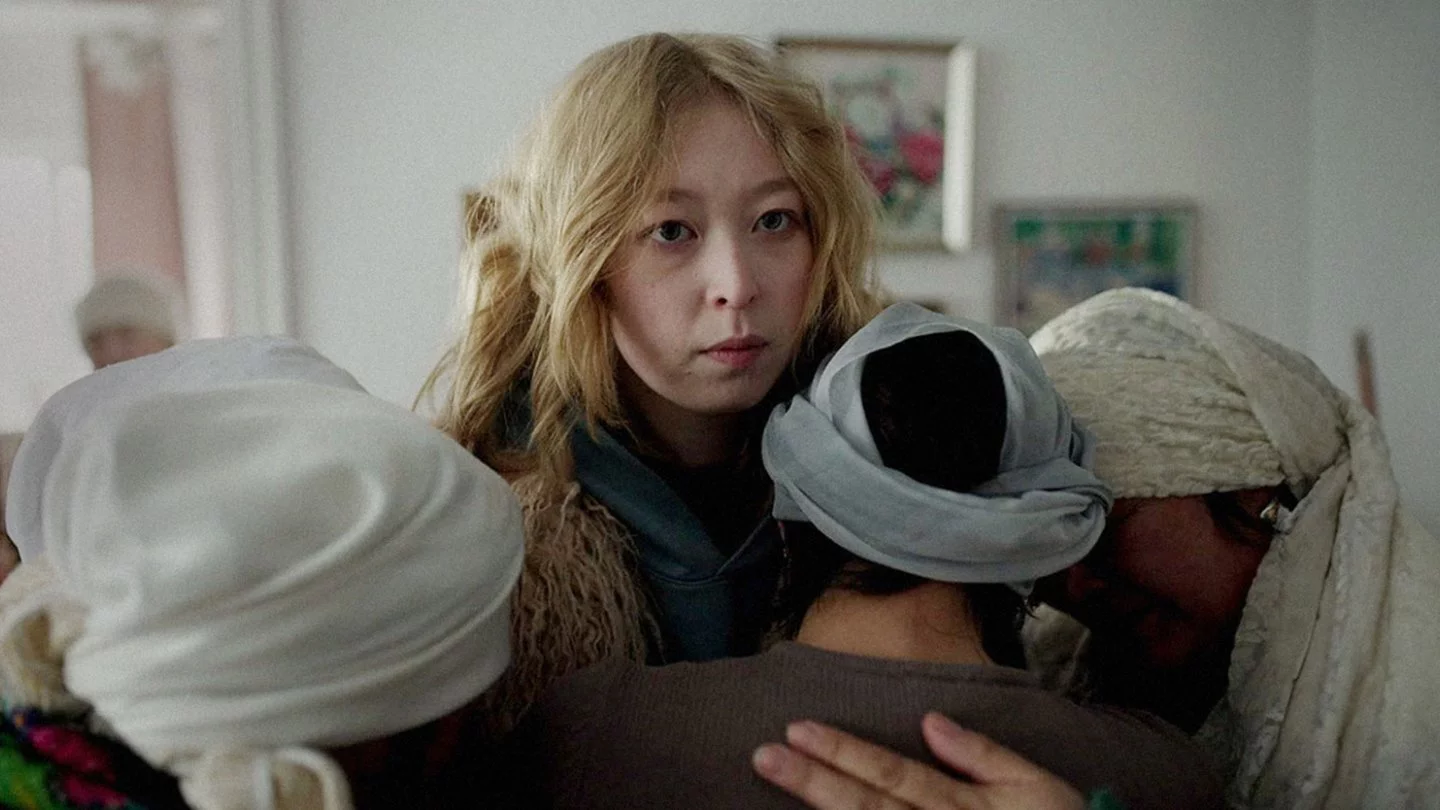
This selection does not include every regional festival, as some smaller or more niche events have been left out, but it covers all the key ones.
An article about film festivals in Central Asia today often begins not with what exists, but with what no longer does. Major showcases have ceased to exist, including the Tashkent International Film Festival in Uzbekistan, Eurasia in Kazakhstan, and the once-significant Didor festival in Tajikistan, of which Iranian filmmaker Mohsen Makhmalbaf served as honorary president for a time. For the past two years, the independent Tashkent festival Cinema Love has not taken place. The International Animation Forum in Tashkent has disappeared from the calendar, Kazakhstan’s Bastau is no longer held, and the notable Almaty documentary film festival Qara Film Festival has also come to an end. Some of these events may yet be revived; others, most likely, will not.
The imbalance in this list in favour of Kyrgyzstan is not coincidental, but rather the result of a consistent state policy supporting national cinema, a policy that in Uzbekistan, despite significantly greater resources, has not been implemented at a comparable level. In Tajikistan, festival life has unfortunately come to a near standstill. It is to be hoped that this situation will change and that young filmmakers will gain more opportunities to create and present their work. For now, however, attention turns to the festivals that still survive in the region and in neighbouring countries.
Uzbekistan
NOMSIZ
The independent festival of experimental and other non-conventional forms of cinema has been held annually in Tashkent since 2024. The first edition took place at the 139 Documentary Center, a co-organiser of the festival, while the second was hosted at the Kinoxona cinema. As in previous years, the 2026 programme will feature not only independent films produced in Central Asia in recent years, but also retrospectives of established pioneers of regional video art, alongside special screenings of international artists and filmmakers.
At present, this is the only festival in Uzbekistan to which filmmakers can submit their work. However, it imposes no strict genre limitations: submissions may include documentary, hybrid, or animated works, provided they are formally experimental and depart from classical narrative cinema. The exact dates of the open call will be announced later on the festival’s Instagram page, tentatively in mid-summer.
Dates: September 2026
Open Call: July 2026
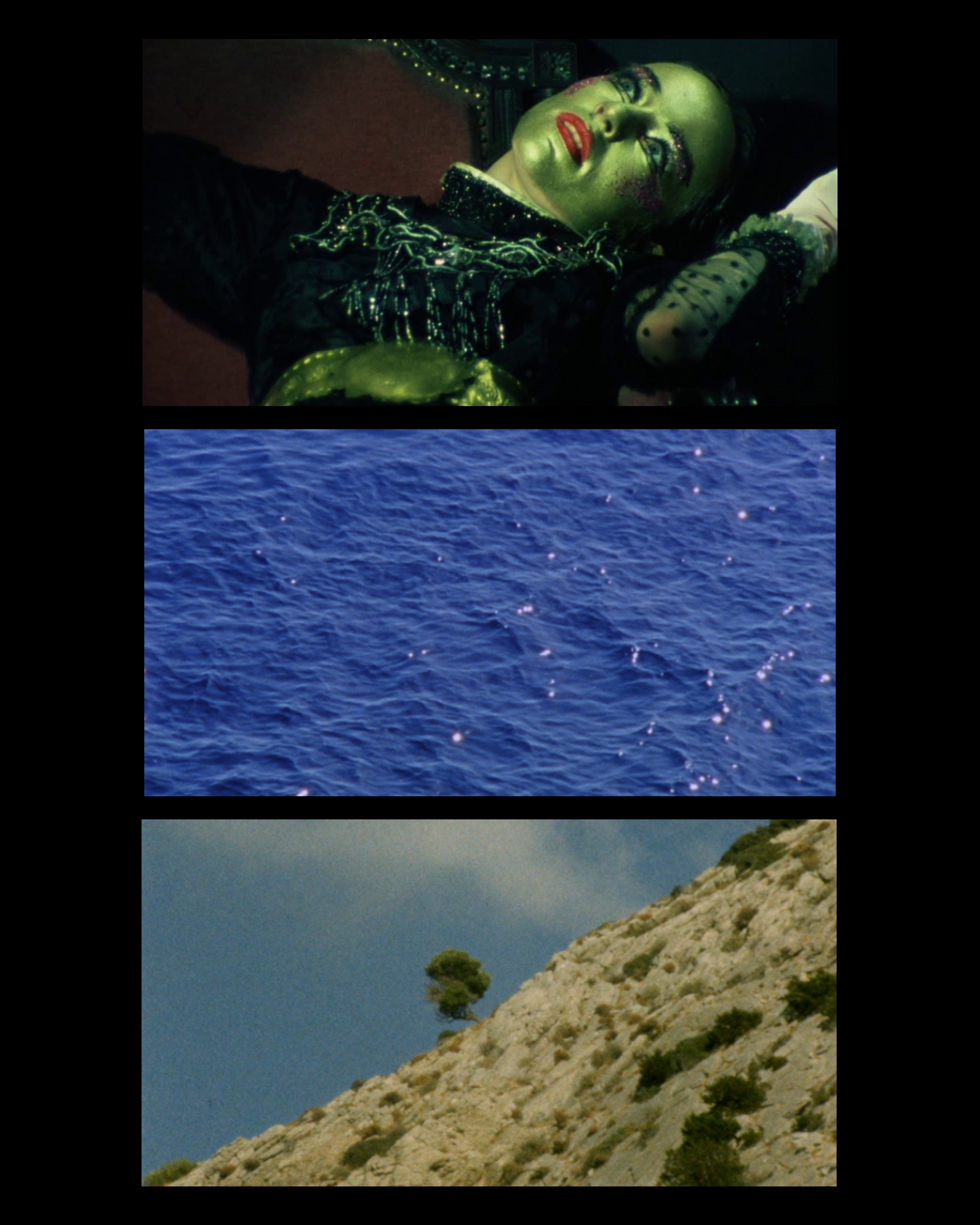
WOMEN WATCH UZBEKISTAN Screenings
A small festival that grew out of the regional film project laboratory of the same name, previously run for several years by the Tashkent Film School. Like the accelerator that preceded it, the festival focuses exclusively on women’s cinema and on practical industry activities, including workshops, lectures, and consultations designed to support project development.
This March, it was held for the first time at Kinoxona, an independent cinema affiliated with the school. The programme featured landmark festival films from recent years, short films by British directors, as well as works by participants in the Women Watch Uzbekistan accelerator and graduates of Tashkent Film School courses and programmes.
The exact dates of the next edition have not yet been announced, though it is likely to take place in spring again. There was no open call for submissions this year, but one is expected to be launched next year.
Dates: tentatively spring 2027
Open Call: Winter 2027

Kazakhstan
QYZQARAS
The largest independent festival in the region and one of the most progressive, this event is also dedicated to women’s cinema. This summer, the festival will take place for the third time, although the initiative previously existed as a series of standalone screenings and curated programmes.
The programme is traditionally extensive and diverse, featuring major international films by women directors, regional feature films, a Central Asian short film section, and curated selections from similar international initiatives. Last year, the festival also hosted a free film criticism workshop.
Details of this year’s programme have not yet been announced, but an open call for short films is expected shortly. Eligible submissions include fiction, documentary, and experimental films from the region produced in 2025 and 2026.
Dates: August 2026
Open Call: April 2026
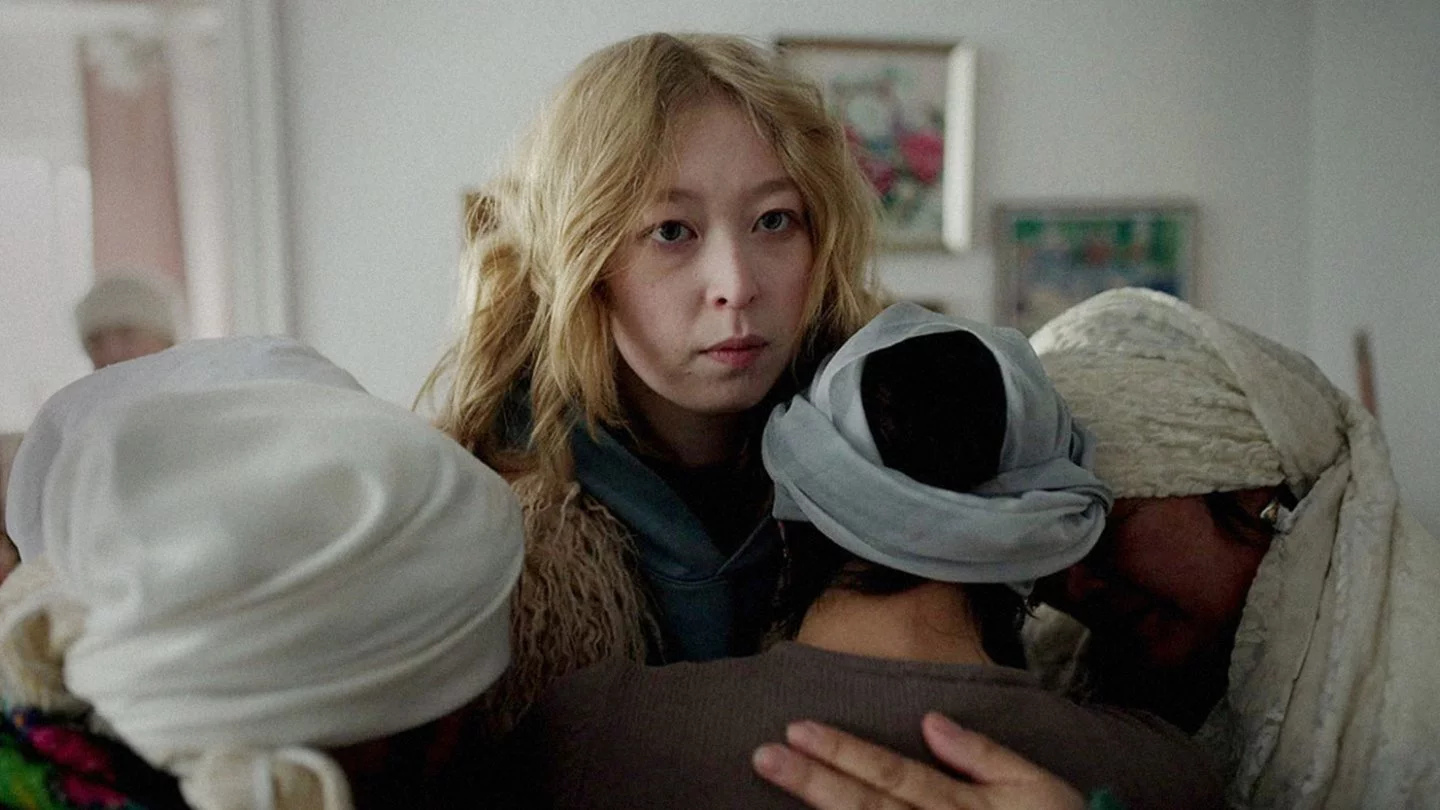
ALMATY ANIMATION FEST
The only animation Central Asia today, it is notably organised by practising animation directors. The festival provides a platform for both studio and independent animation. The programme includes competition screenings, special programmes, and educational events, the latter being particularly significant as the festival creates a much-needed space for exchange between local and international animators.
The open call will begin in May and will also accept hybrid works, such as animated documentaries, provided animation plays a central role.
Dates: 7–9 August 2026
Open call: 12 May – 30 June
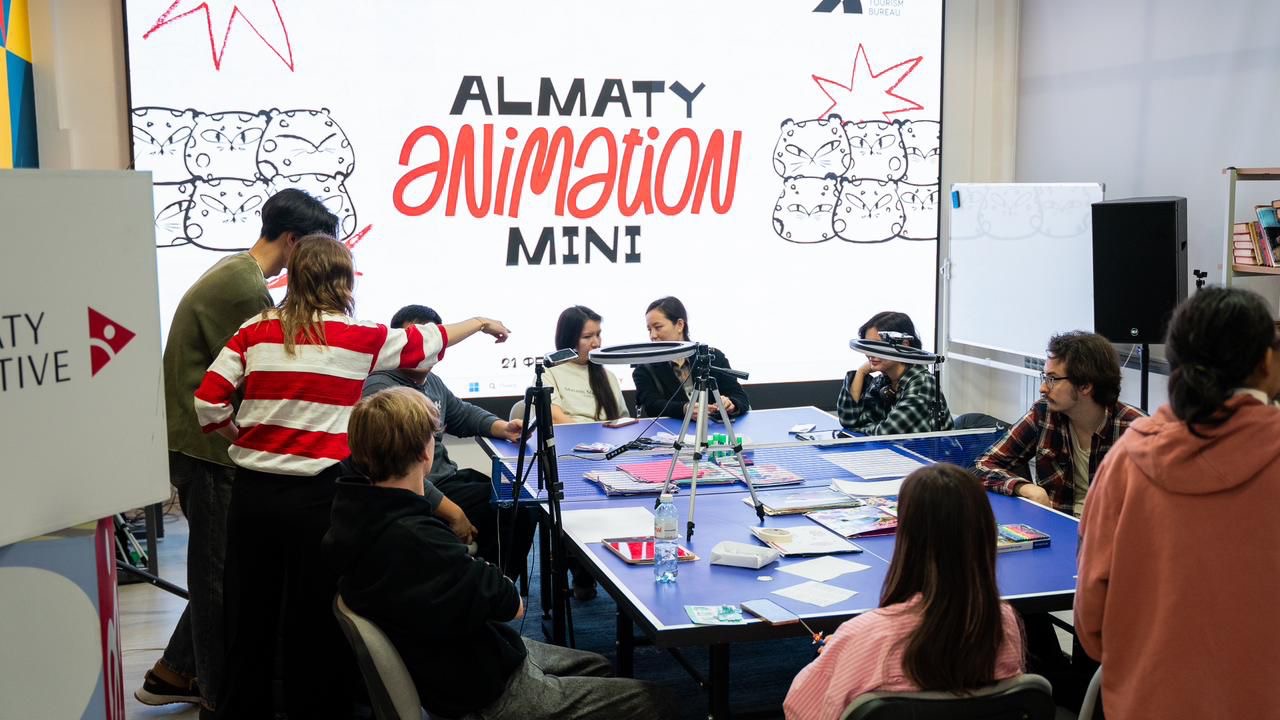
BAIQONYR
A long-running international festival of debut and short films, with a geographical focus on the post-Soviet region. Alongside Central Asia, the programme regularly features films from Armenia, Georgia, Azerbaijan, and Russia. These are not necessarily the most sensational or provocative titles, but the opening and closing nights usually guarantee something of interest.
In recent years, the festival has expanded beyond screenings to include an international forum of film scholars and critics, as well as a pitching platform for short film projects. Between screenings, audiences can attend lectures by professionals and presentations by emerging filmmakers.
International competitions offer modest cash prizes, and the short film section accepts fiction, documentary, and experimental works. The open call is currently open and runs until 1 July.
Dates: 20–26 September 2026
Open call: 1 March – 1 July 2026
 98mag
98magKyrgyzstan
Kyrgyzstan is a country of short films
A festival dedicated, as its name suggests, to short films. Its geographical scope covers the CIS, the Baltic states, and Georgia, although Baltic participation is usually limited. Alongside screenings, the programme includes workshops with jury members and Kyrgyz filmmakers.
The international and national competitions accept short films of all genres, including fiction, documentary, and animation. However, the festival draws rather soft boundaries around what is considered acceptable, citing “moral sensibilities”, which in practice means that more provocative or formally experimental cinema is not widely represented.
Dates: 21–25 April 2026
Open Call: Closed
Bishkek International Film Festival
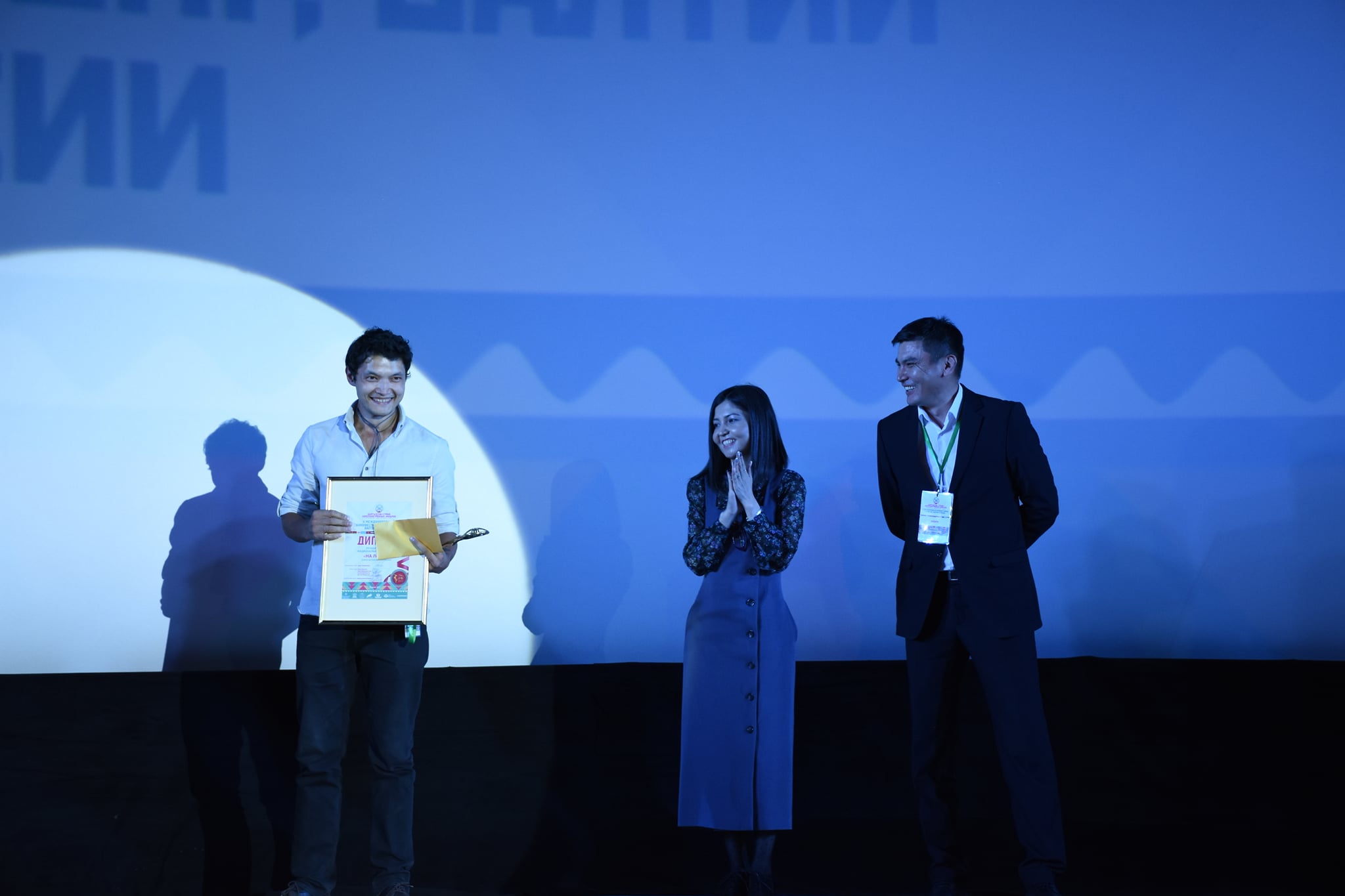
The largest festival in Kyrgyzstan, currently in its fourth edition, is dedicated exclusively to feature-length narrative films. The programme includes a large international competition, a Central Asian competition section, and a selection of commercially successful national films. In practice, many of the major big-budget films produced in Central Asia can be seen here.
It is one of the most influential festivals in the region in terms of industry programming, with strong resources and a clear role in connecting Central Asian cinema to the international film circuit. Its jury typically includes representatives of major festivals, producers, and international distributors, contributing to the visibility of Central Asian cinema.
The main open call has closed, but submissions for the pitching section remain open until 12 April. Winners receive modest financial support of approximately USD 3,400. This section also includes industry consultations and workshops.
Dates: 7–12 June 2026
Pitching open call: until 12 April
UMUTDOC
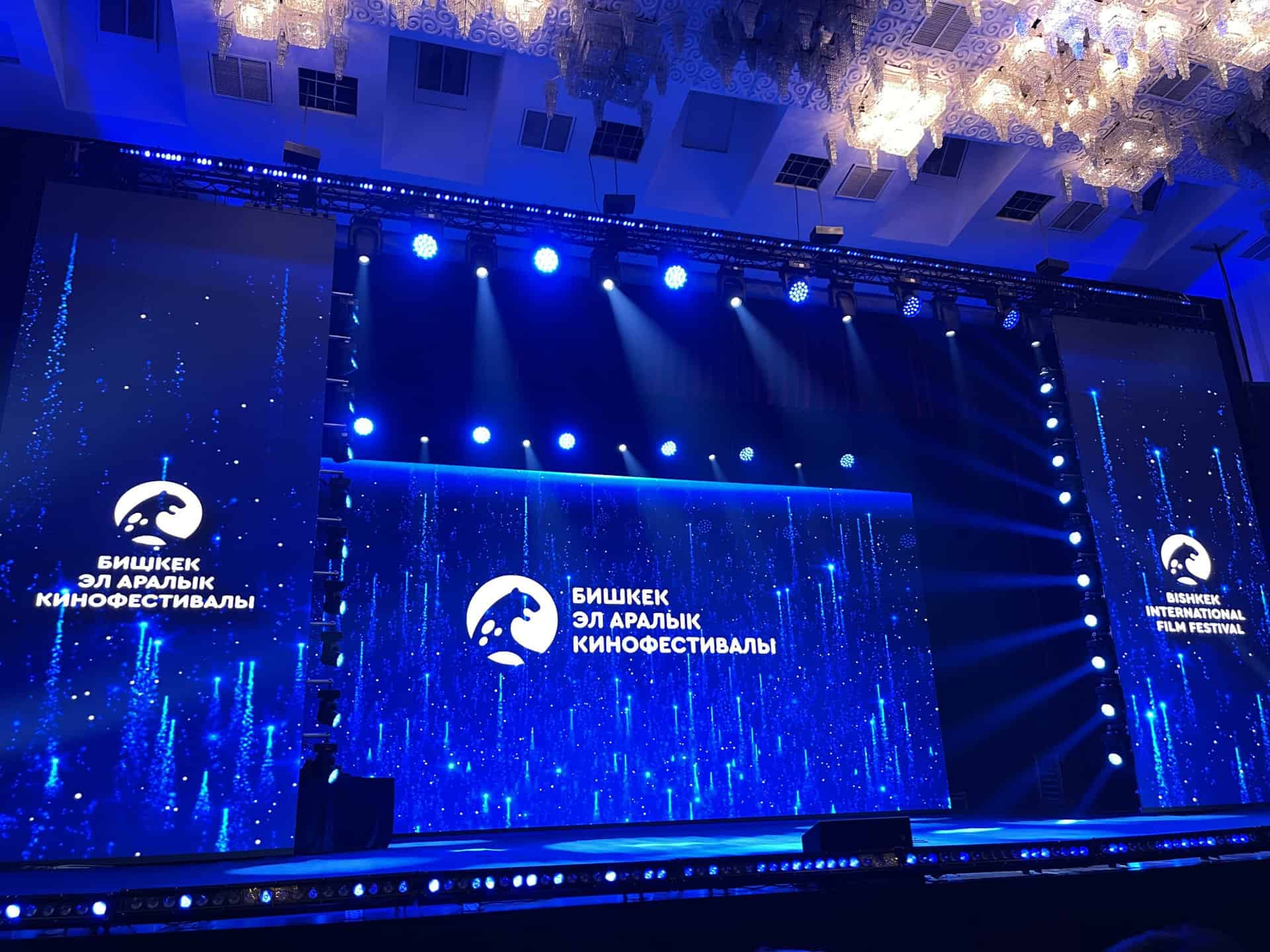
A young but already important documentary festival (this autumn marking its second edition), which grew out of the Umut Young Cinema Forum and is dedicated to documentary filmmaking, a format still underrepresented in the region.
It is currently the only platform for documentary cinema in Central Asia where screenings are accompanied by discussions of key practical and theoretical issues, from choosing subjects and protagonists to securing funding and applying to international labs. The festival collaborates with international industry and educational initiatives and also introduces new generations of viewers and filmmakers to classic works of regional documentary cinema. It is particularly encouraging that the festival is open to experimental approaches in documentary form.
The open call for short and feature-length documentaries is now open and runs until 15 May. If you work in documentary filmmaking, this is a festival you should not miss.
Dates: 11–14 September 2026
Open Call: until May 15
International Film Forum of Female Directors in Kyrgyzstan
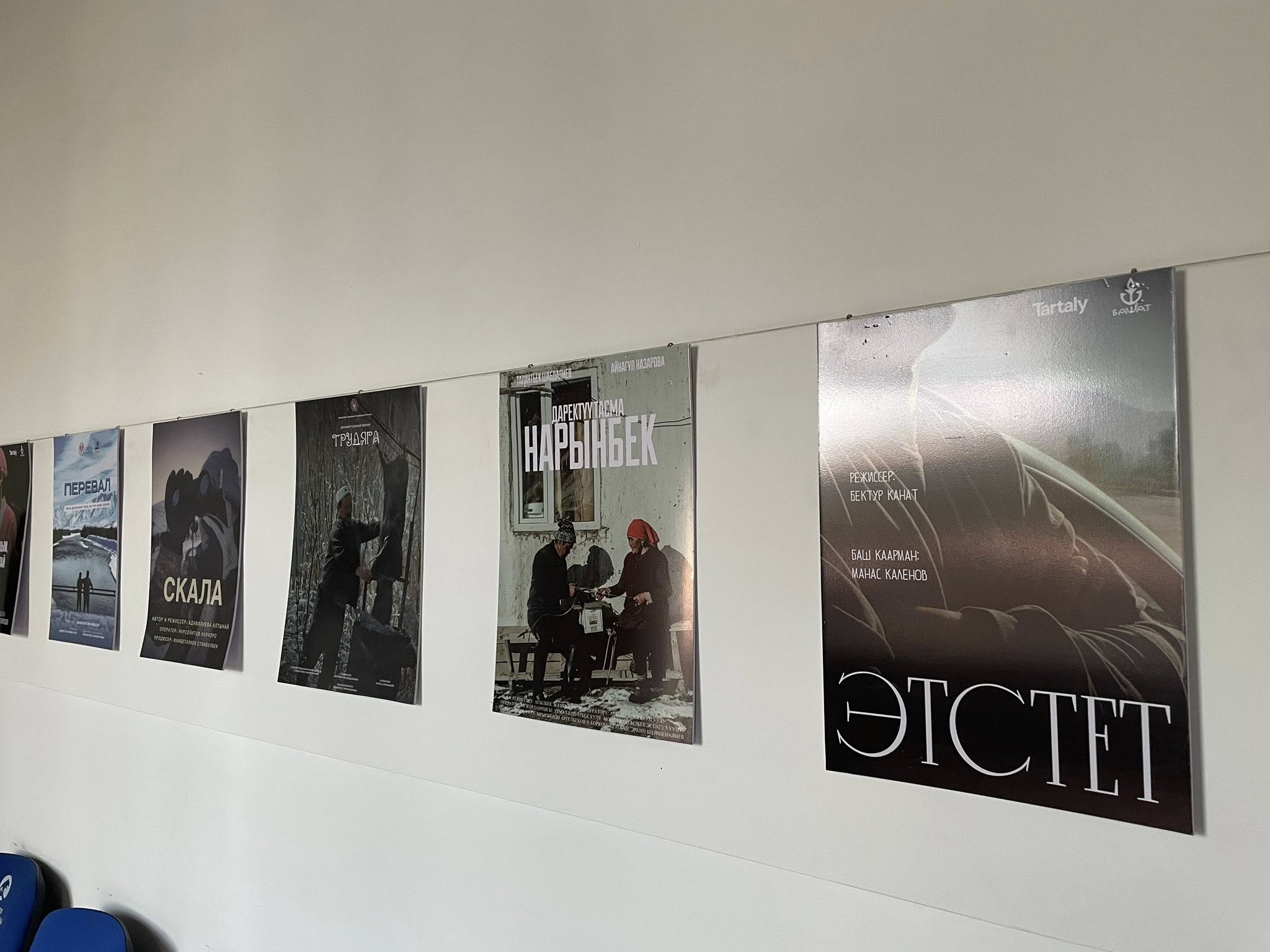
Another initiative dedicated to women’s cinema, held in Osh, not in Bishkek, unlike other Kyrgyz festivals. The festival has a fairly long history and will take place for the eighth time this year. Its main organiser, Asel Zhuraeva, is a working filmmaker herself, so she is familiar with all the challenges women face in the film industry.
The forum accepts fiction and documentary films made by women from Central Asia. It also includes workshops and thematic roundtables, and has launched a research project dedicated to the legacy of women filmmakers in Kyrgyzstan, carried out by female researchers.
Dates: autumn 2026
Open Call: May-June 2026
 Clara Yusupzhanova. Photo - Facebook
BIR DUINO
A long-running human rights documentary festival, Bir Duino, organised by the NGO Bir Duino Kyrgyzstan, is marking its anniversary this year. For twenty years, the festival has presented documentary films focused on social issues and human rights violations.
In recent years, however, censorship constraints in Kyrgyzstan have tightened, and Central Asian films are, for understandable reasons, less politically urgent than before. Nevertheless, the international programme continues to feature works addressing serious and important themes, alongside standout examples of contemporary documentary cinema that go beyond purely social concerns.
The open call is already open and runs until 30 June.
Dates: 1–4 December 2026
Open call: 2 April – 30 June
YMYT
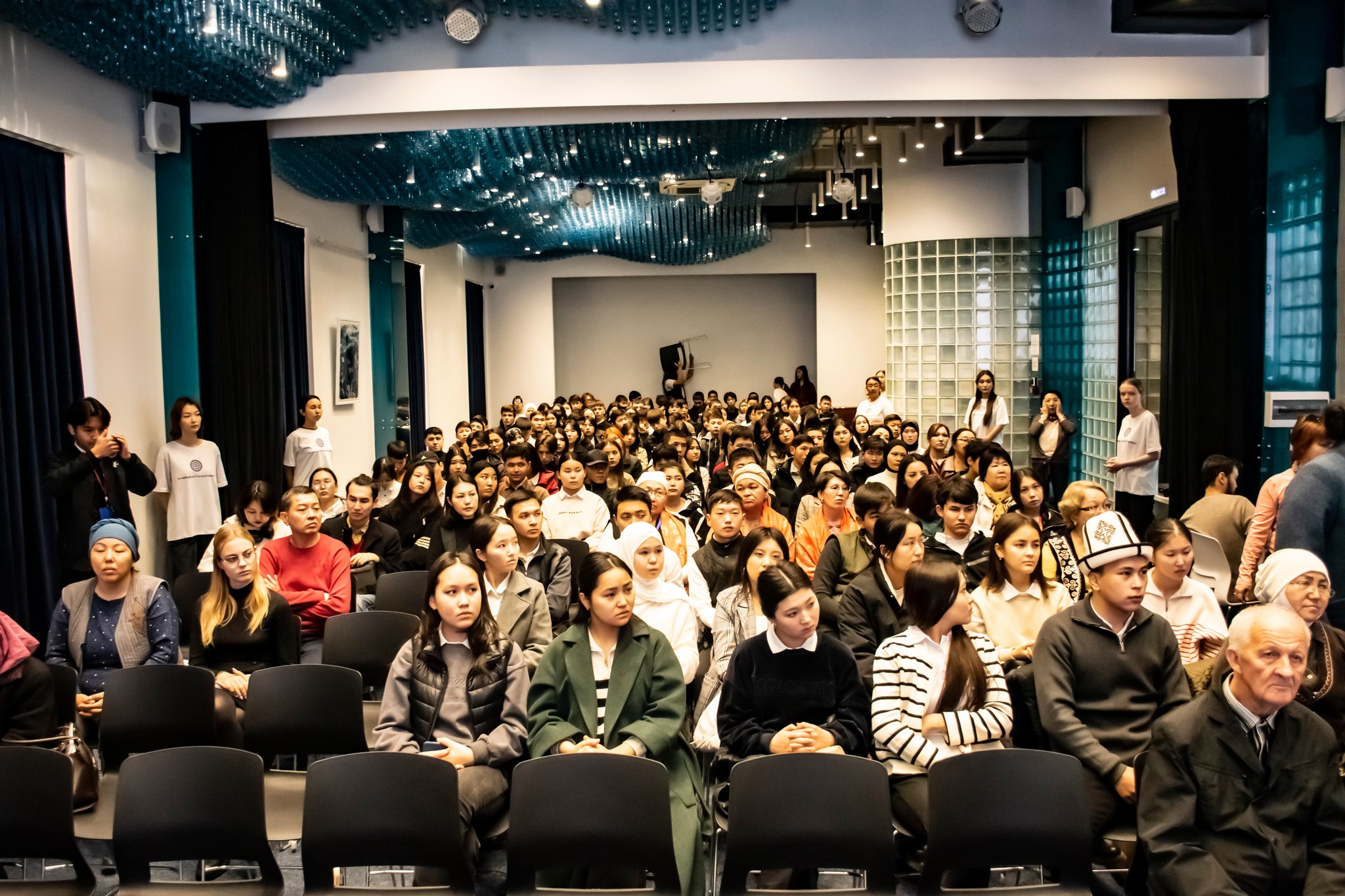
The UMUT Young Cinema Forum is an established festival running since 2013. Like “Kyrgyzstan is a country of short films,” it focuses on short films from the post-Soviet space and includes both national and international competitions. Although relatively modest in scale, it consistently features strong juries whose members give public lectures and masterclasses. Its programme director, film scholar Gulbara Tolomushova, plays a key role in promoting young national cinema internationally, ensuring that the selection reflects some of the most relevant contemporary works produced in Kyrgyzstan.
The most recent edition has just concluded. Submissions for the next open call will begin early next year.
Dates: March 2027
Open Call: January 2027



Newsletter
A letter from the HD editors
Once a week, we send the best stories, events, and cultural discoveries from Central Asia.