Guide
Quiet, comfortable, (almost) free. 8 Tashkent libraries for studying and working
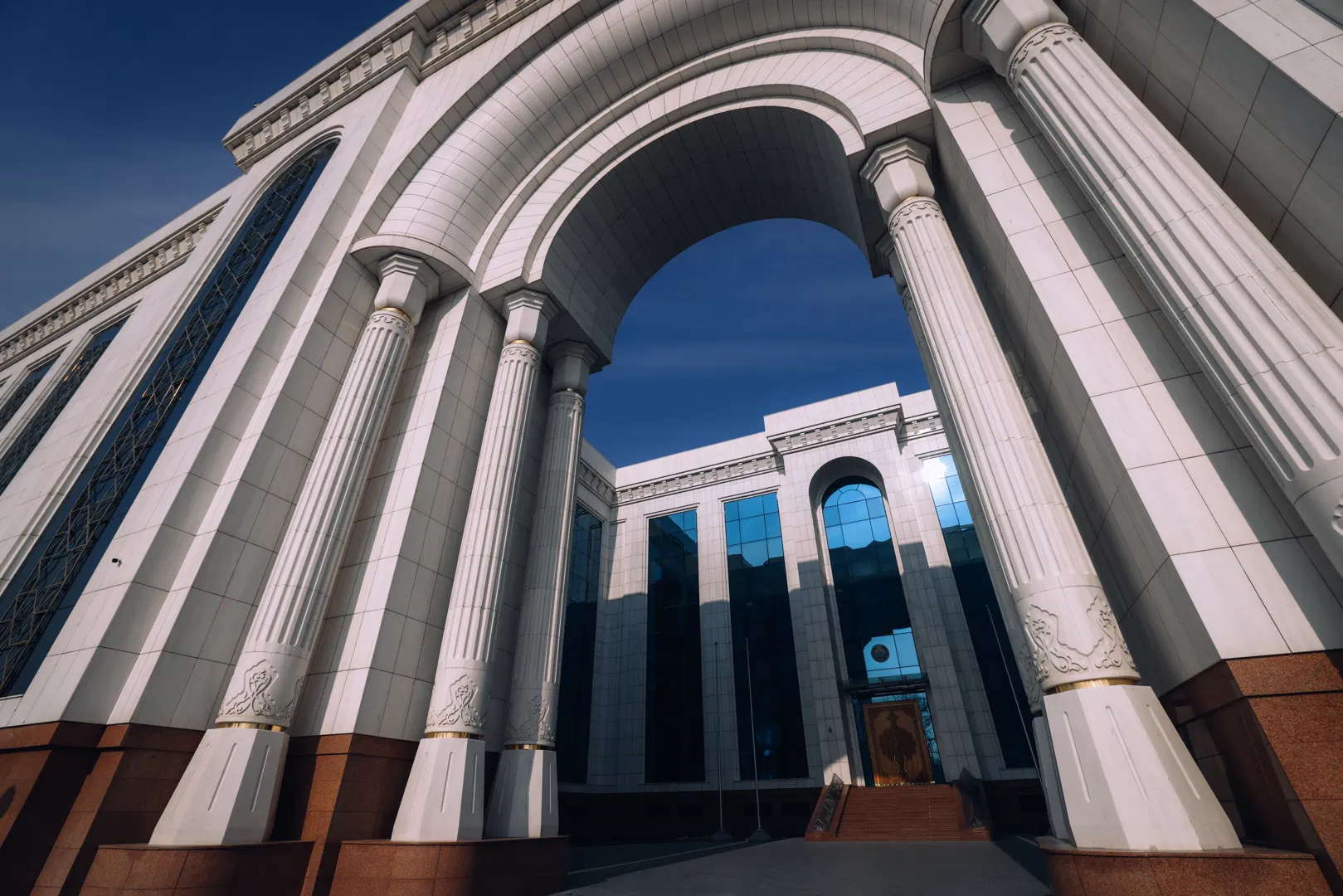
Amidst the urban hustle, it's hard to find a place where you can simply sit and focus. Cafés are noisy, home is too cozy: you're constantly tempted to get distracted by the fridge or a seductively comfortable sofa, and coworking spaces have long become an expensive luxury. HD magazine found spaces in the city where silence, attention to words, and tranquility reign — libraries.
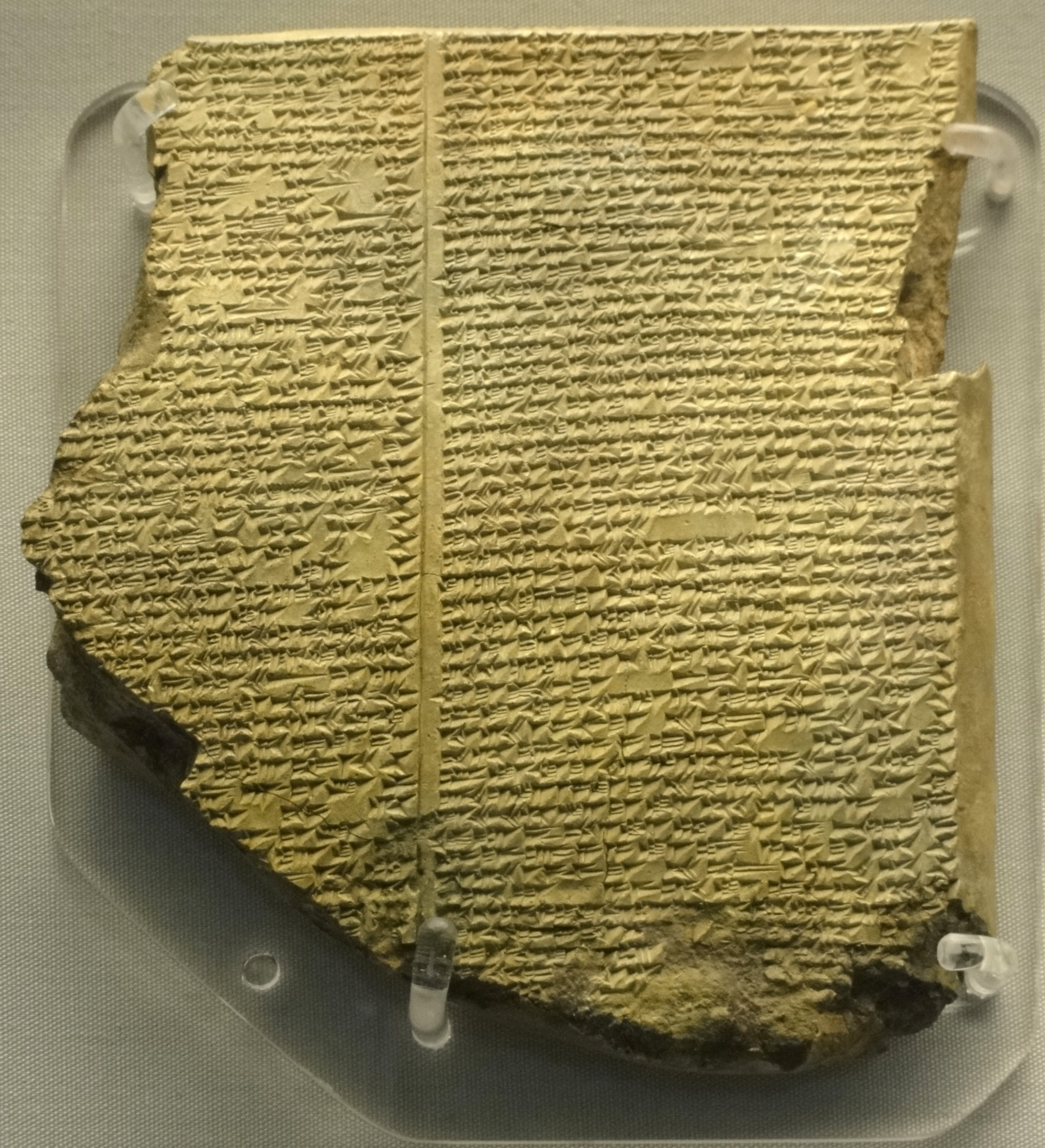
The earliest known library in recorded history dates back to the 7th century BCE. It was established by the Assyrian king Ashurbanipal in his palace in Nineveh and consisted of thousands of clay tablets. Among them was the Epic of Gilgamesh, making this collection the largest surviving library of the ancient world.
The territory of present-day Uzbekistan has long been home to major centers of knowledge. In Bukhara, Ibn Sina (Avicenna) worked with the vast library of the Samanid court. In Samarkand, the observatory founded by Mirzo Ulugbek included a library with works on astronomy, mathematics, and Greek and Arabic philosophy. In Khiva, the Alloqoli Khan madrasa also maintained an active library in the 18th century.
Today, the world’s largest libraries such as the British Library, the US Library of Congress, and national libraries in Europe are no longer silent archives. They have evolved into dynamic urban spaces where research, learning, and cultural exchange coexist.
Tashkent may not have the Library of Alexandria, but it offers reading rooms that are just as meaningful for modern life. These libraries provide calm, focused environments free from endless digital scrolling, offering space for deep reading, independent work, and quiet reflection.
Across the city, libraries function as “safe spaces” — places where people can think clearly, work without pressure, and immerse themselves in knowledge. They support students, researchers, creatives, and remote workers alike.
Most of these libraries are free or require minimal registration. They offer stable internet access, power outlets, air conditioning, clean facilities, and comfortable seating — essentials for long hours of focused work.
Some spaces are strictly quiet and ideal for study, while others host lectures, literary meetings, and cultural events. This balance allows libraries to serve both individual and communal needs.
Several institutions provide access to international databases, digital archives, and foreign-language collections, expanding research opportunities beyond local resources.
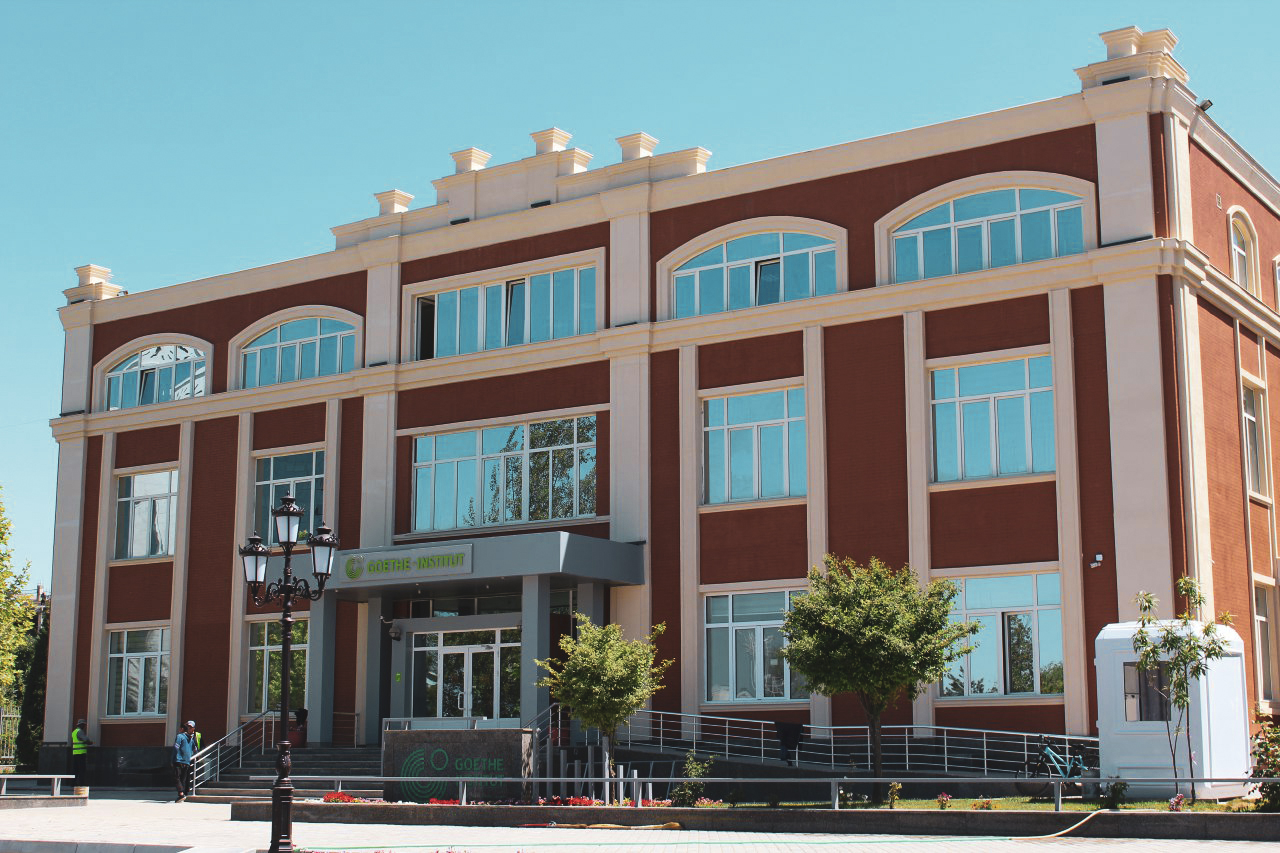
Language accessibility is another strength: visitors can communicate in Uzbek and Russian almost everywhere, with English, French, or German available in specialized institutions.
Libraries in Tashkent cater to diverse audiences — from children and students to academics and professionals — and adapt their services accordingly.
Importantly, these spaces remain inclusive. Entry fees are minimal or nonexistent, reinforcing the idea that access to knowledge should remain open.
In an era defined by speed, noise, and constant connectivity, libraries offer something increasingly rare: silence and concentration.
They remind us that progress does not always mean acceleration. Sometimes, it means slowing down enough to think clearly.
Far from being relics of the past, libraries continue to be vital parts of modern urban life — places where time feels suspended and ideas are allowed to breathe.

Newsletter
A letter from the HD editors
Once a week, we send the best stories, events, and cultural discoveries from Central Asia.