
From psychedelic rock to death metal: young bands, rehearsals in rented apartments, honest lyrics, and heavy sound. We've compiled a guide to the independent rock scene of Tashkent.
Rock in Uzbekistan has always lived and developed contrary to societal norms. The pressure of traditionalism and society's skeptical attitude — local rock not only endured but formed its own unique identity, remaining alive, sincere, and relevant.
Each group here is a unique story of search, self-expression, and belief in the power of art. Riding the wave of contradictions and the energy of inner freedom, let's explore the contemporary rock scene of Uzbekistan and find out what and who inspires the musicians and what they sing about.
Flyin Up
genre: alternative rock / modern rock / psychedelic rock / ethno-rock
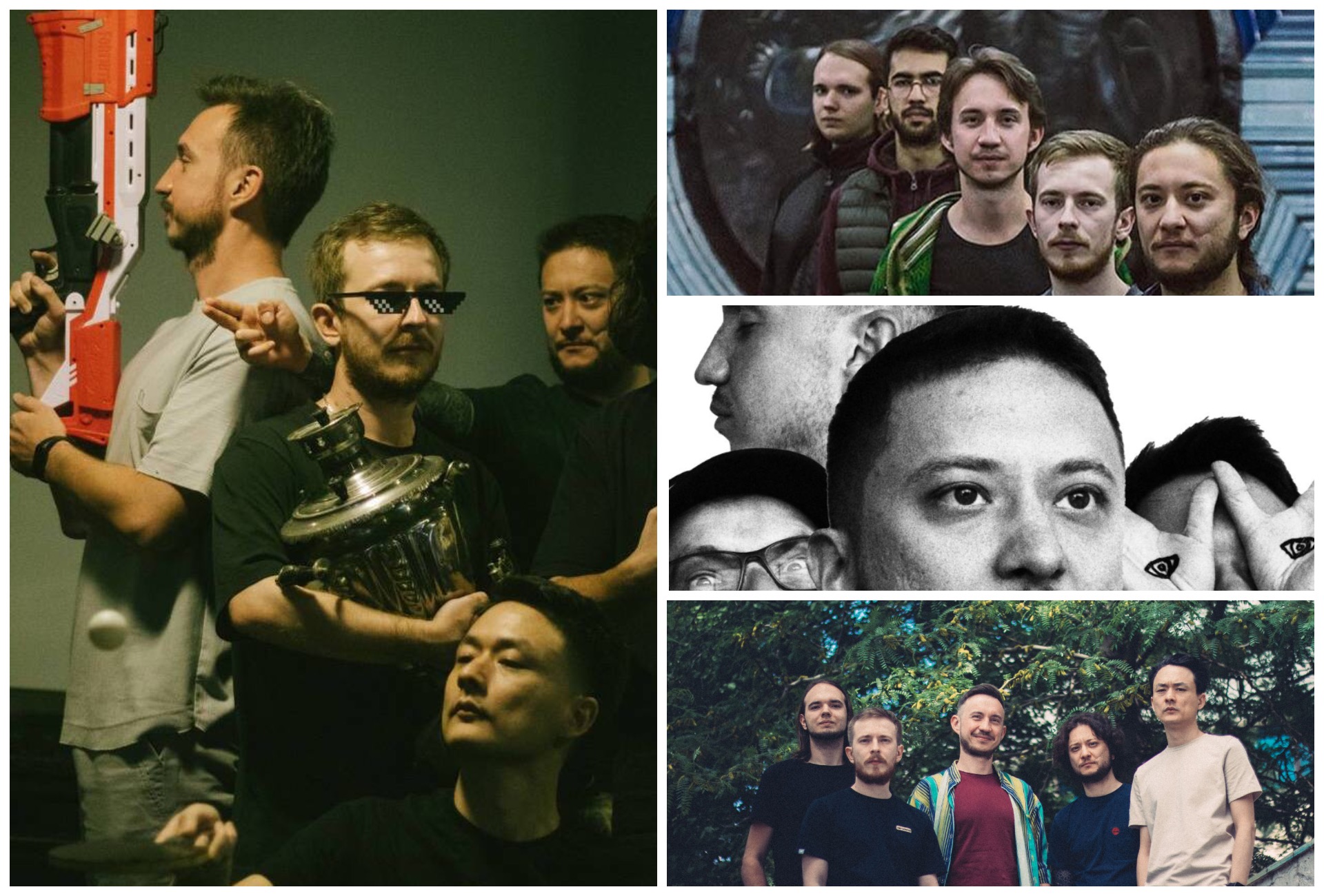
Flyin Up is one of the most original rock bands in Uzbekistan. Their sound organically blends psychedelic rock, ethnic motifs, and elements of modern alternative. The band's tracks are easily recognizable by their atmospheric delivery and unconventional musical structure.
A special place in the repertoire is held by the composition Dunyolar — a track where the Uzbek language, ethnic melodies, and psychedelic techniques merge into a single, cohesive sound.
In June 2023, the group released their first album in the Uzbek language — Jimlik. It included tracks such as Qanday go’zal bu olam, Yetilib, Aks sado, Voz kechish, and others.
The album is dedicated to themes of self-discovery, inner struggle, and the pursuit of freedom. Inspired by its ideas, the musicians decided to create a short film that visually conveys the atmosphere of Jimlik.
The film uses psychedelic imagery, historical scenes, and references to Eastern mythology. At the core of the concept is a person's journey towards self-knowledge, inner growth, and a sense of connection with the universe.
DeathTouch
genre: hard rock / nu-metal / alt-metal
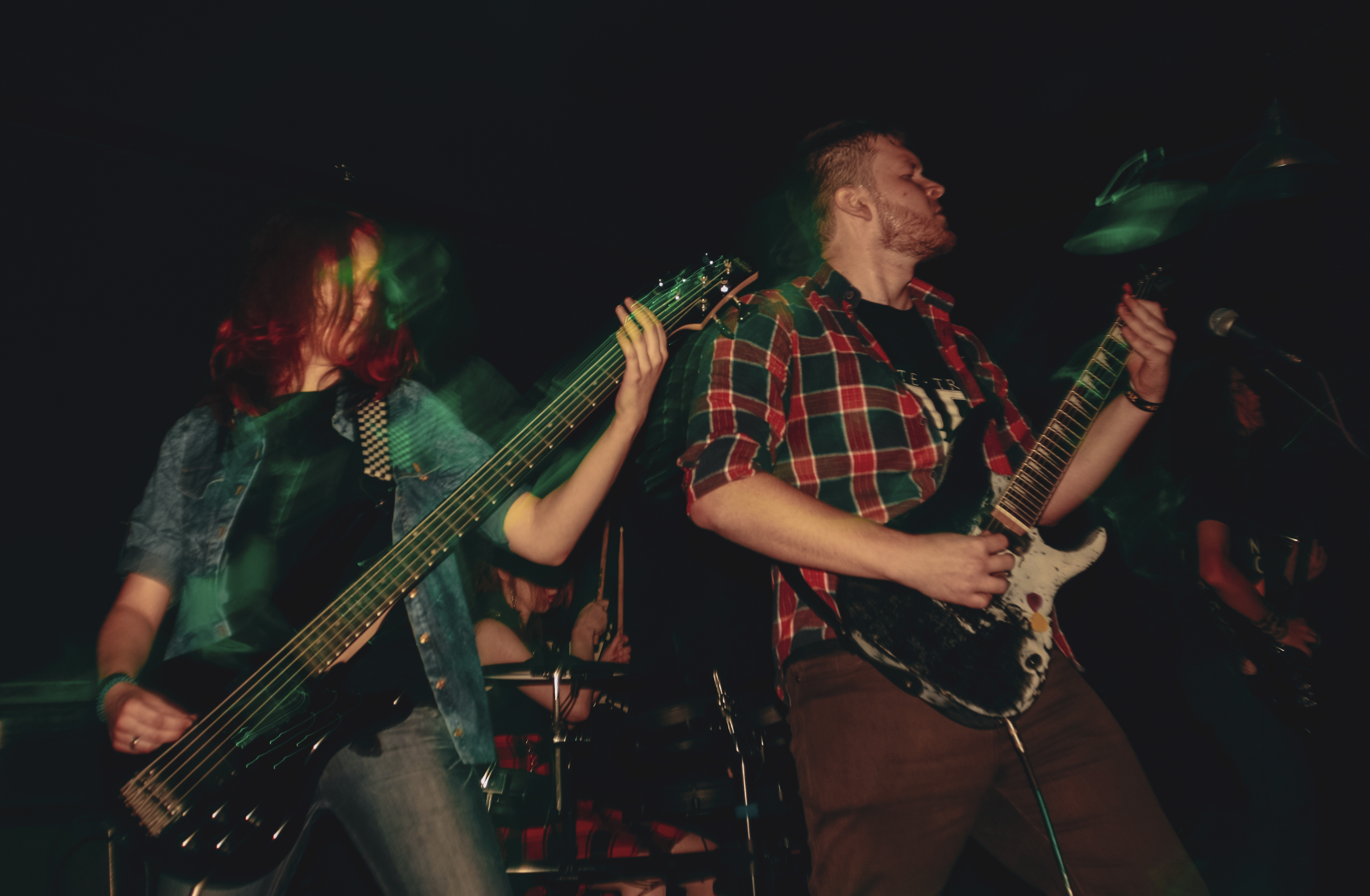
These Tashkent residents don't try to fit into genre boxes; they play what they feel themselves. Some of it sounds like hard rock, some is closer to nu-metal, but they don't formally define themselves in any way.
"The genre came to me on its own. It's more of a state of soul than a deliberate choice. For me, heavy music is a language that helps express what words sometimes can't. And may everyone hear something of their own in it."
Among the reference points are nu-metal and the nineties–two-thousands scene, but inspiration comes more from within than from other bands.
In the texts — social themes, the fight against falseness and emptiness, personal reflections, and the search for truth.
"For me, it's a way to live through experiences, to pour everything out. But 'heaviness' is a relative thing."
DeathTouch is not yet available on streaming platforms. The only available recording is a live performance as part of the Tashkent Live Music Sessions project, still with the original lineup. New material is almost ready, with a release planned for this year, Inshallah.
Bu Qala
genre: Indie-Rock/Post-Punk
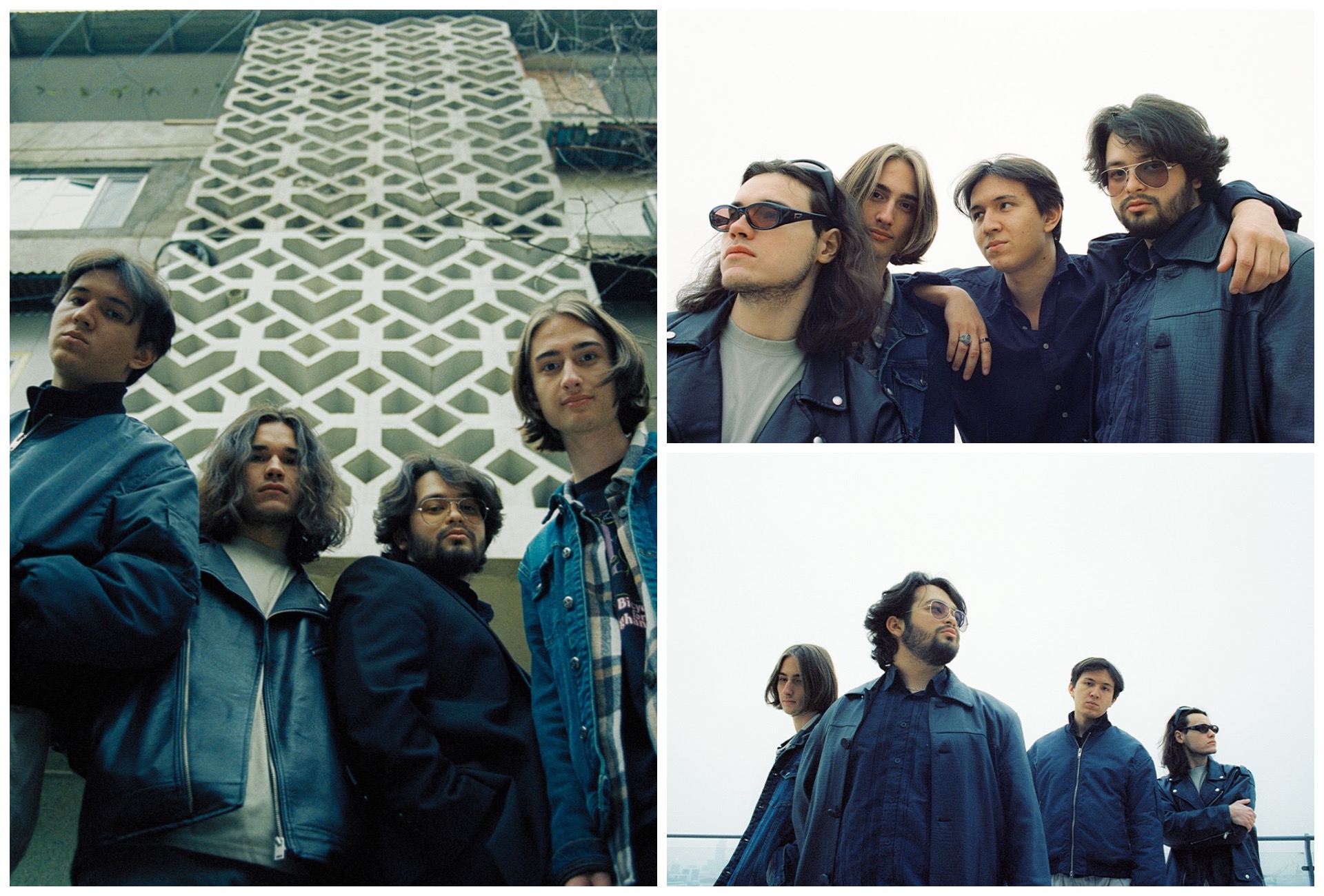
Bu Qala is an indie group that builds their language of self-expression on self-irony, wordplay, and genre blending. The name can be read as "fortress" or "bulls," and both meanings are part of their image. Their music is rock infused with shoegaze, dream pop, and post-punk, while their lyrics feature youthful candor, romance, and healthy irony.
Musically and visually, Bu Qala balances between Tumblr nostalgia, TikTok chaos, and respect for the Uzbek language and culture. Their songs feature youth, love, street observations, sadness, and Samarkand plov.
In 2024, Bu Qala released their debut mini-album Zahar ("Poison") and presented it on the stage of the Ilkhom Theater. In the summer of 2025, Bu Qala is preparing a new release and a concert tour — still small, but with clear ambition. Considering how quickly they progressed from apartment rehearsals to festival posters, this is far from their limit.
"Where did the sun disappear to?"
genre: emo / post-hardcore / shoegaze / alternative rock
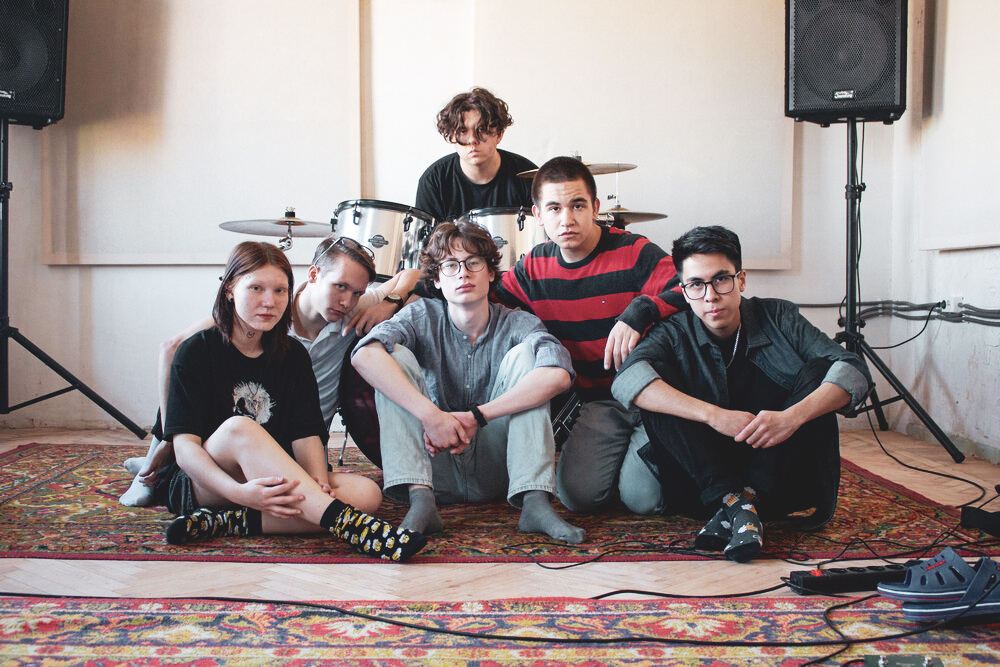
The group "where did the sun go?" emerged at a turning point — both internal and musical. They used to be called GEOMETRY?, played light indie rock, and dreamed of singing about love at BarDuck. Everything changed: the lineup grew, and with it, their approach to music.
"The name reflects our philosophy. Everyone has their own light that can become clouded over time. We strive through music to return it to those who need it."
Currently, the band blends emo, alternative rock, pop-rap, and shoegaze, without confining themselves to genre boundaries. Inspiration varies for each member: Emil finds it in nature, Tsvetaeva, New York, "Elektroforez," and "Dayte Tank(!)"; Arsalan draws from skyscrapers, "Lifestyle Artist," delicious food, and TNT series. The group has two vocalists, and it shows: in their voices, there is dialogue, contrast, and collision.
куда пропало солнце? - бестолочь - Single | BandLinkListen, download or stream бестолочь - Single now!band.link
Recently, SO'M's debut album was released — according to the musicians, it's their first work where they feel truly honest. The songs are about freedom, love, and the journey they've been on for over two years.
"The sun is not always clear. But if it disappears — it can be brought back. And music helps with that."
Insanity House
genre: death metal
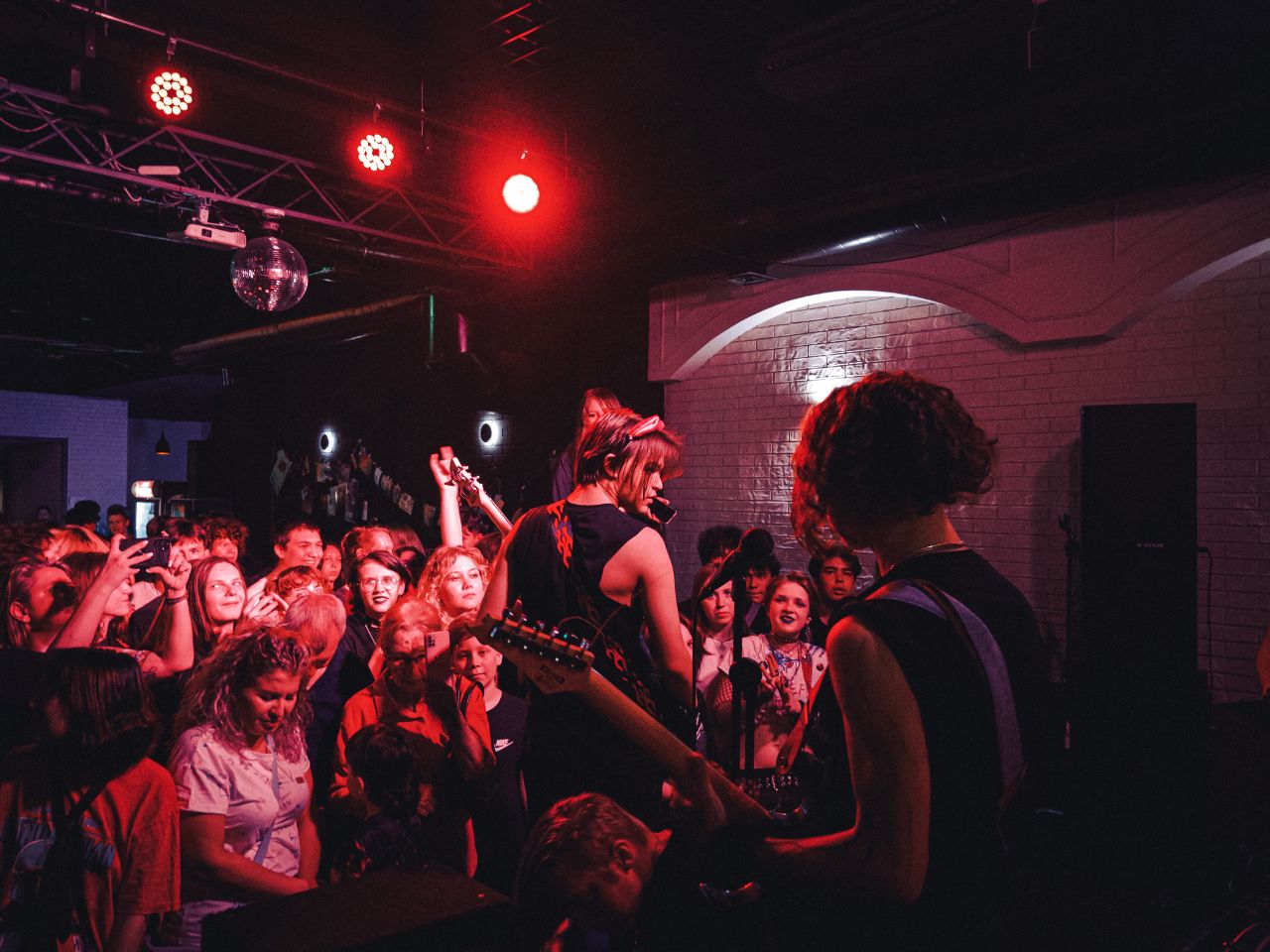
The group appeared just a year ago but immediately made a loud statement: highlighting human vices, provocative lyrics. At the core of its philosophy is a revolution of the mind, and the main source of inspiration becomes societal fears.
Despite the narrow niche of the genre—death metal—Insanity's fan base is growing. The band plays exclusively original material and is currently working on their debut album The First Blood—for now, it can only be heard at concerts and festivals.
"The lyrics are mainly written by our rhythm guitarist Ribelius Brante and vocalist Aelot Insane — they are also inspired by society's problems. Additionally, we are actively working on material for the next two albums: In the Remains of the Abyss (our full-length album) and Souls Sellers (EP)."
The tracks sound powerful and cohesive, especially the vocalist's growling stands out: angry, biting, full of character. You don't expect such a sound from the Tashkent scene, and that's why it grabs you.

Newsletter
A letter from the HD editors
Once a week, we send the best stories, events, and cultural discoveries from Central Asia.