
For some, reading is a way to be alone with themselves; for others, it's literary hiking with companions, where they storm the peaks of meaning together and debate at the pass of moral dilemmas. HD magazine has gathered clubs in Tashkent where books are read not in silence, but aloud and in company.
From Plato's gymnasium to www.com: the origin and development of book clubs
The history of book clubs dates back to Plato's Academy — those very ancient Greek gatherings where not only philosophy but also the art of the word was discussed. Of course, Aristotle and Heraclides Ponticus likely did not argue about a murderer's motives in a detective story, but the first sprouts of reader discussion were already sprouting in the grove beyond the city walls of Athens.
By the 18th century, literary conversations had moved to the salons of the nobility: in England and France, they discussed style, new releases, and organized almost theatrical readings. Over time, reading ceased to be a privilege of the elite: with the rise in literacy, clubs became widespread, and the 19th century brought a wave of women's literary societies, where they talked not only about novels but also about the role of women in society.
By the beginning of the 20th century, literary life in the East was also gaining momentum. In Tashkent, for example, the theatrical troupe "Turon" was active, founded by Abdulla Avloni. Through performances and dramatic readings, it spread the ideas of Jadidism and essentially functioned as a cultural club—with discussions of texts, meanings, and changes. Later, "Turon" grew into the National Academic Drama Theatre of Uzbekistan.
Meanwhile, book clubs have completely ceased to be a "female hobby" — genre-specific groups have emerged, formats have become more diverse, and live meetings have been supplemented by TV shows and radio programs. The most famous example is Oprah’s Book Club, which turned literary tastes into a global trend. With the internet, everything has simplified: now you can discuss with a friend from Australia, without leaving the couch, who actually committed the crime in Ryunosuke Akutagawa's story "In a Grove".
But offline hasn't gone anywhere. In Tashkent, even today, there are places where book characters come to life among like-minded people — from places where preschoolers discuss the fate of a round bread ball with bated breath, to societies where Theodore Dreiser is analyzed not for life, but to the death.
Book Club Uz
Where: Kalibr Bookstore, Magic City.
When: Every Saturday at 11:00.
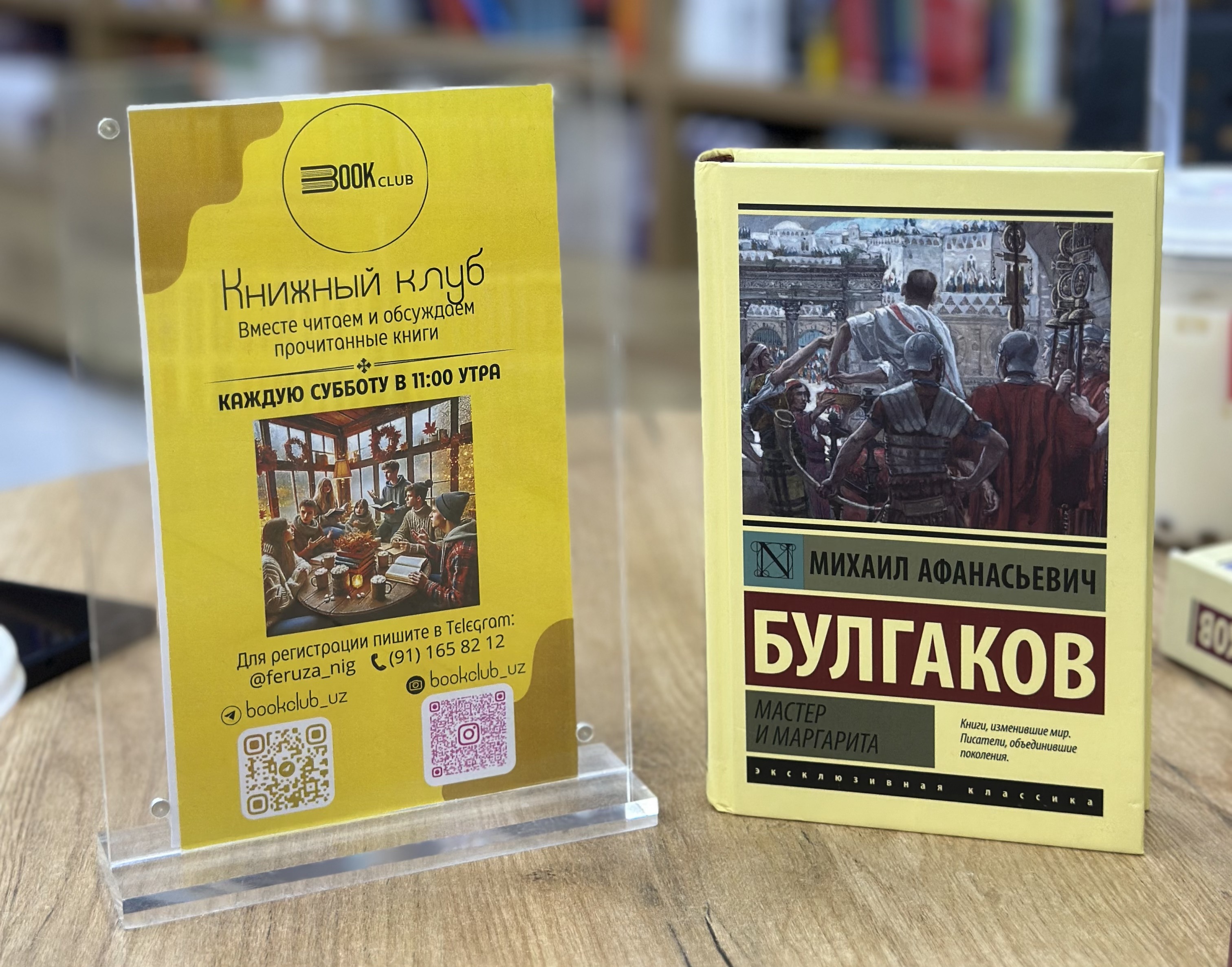
Literature genres: Philosophy, prose, science-pop, fantasy, autobiographies
Brief description: Participants are 18+, with a very diverse audience: from students to entrepreneurs. They are united by an interest in reading, making new acquaintances, self-improvement, and an active lifestyle.
What participants say:
"We don't just read at Kalibr," the participants share. "We go to the mountains, visit theaters and exhibitions, hold morning readings at the stadium, and even discuss books over Bubble tea. After meetings, we stay for 'just one more cup' — with heartfelt conversations and hot tea."
Cost: The first session is free. After that — by subscription. To register, you need to write on Telegram: provide your name, age, occupation, and add a few words about yourself.
Telegram for booking: @feruza_nig
Social Media:
Telegram — @bookclub_uz / Instagram — @bookclub_uz
Book Clubs at the Republican Children's Library
Address: Yahyo Gulyamov Street, 47
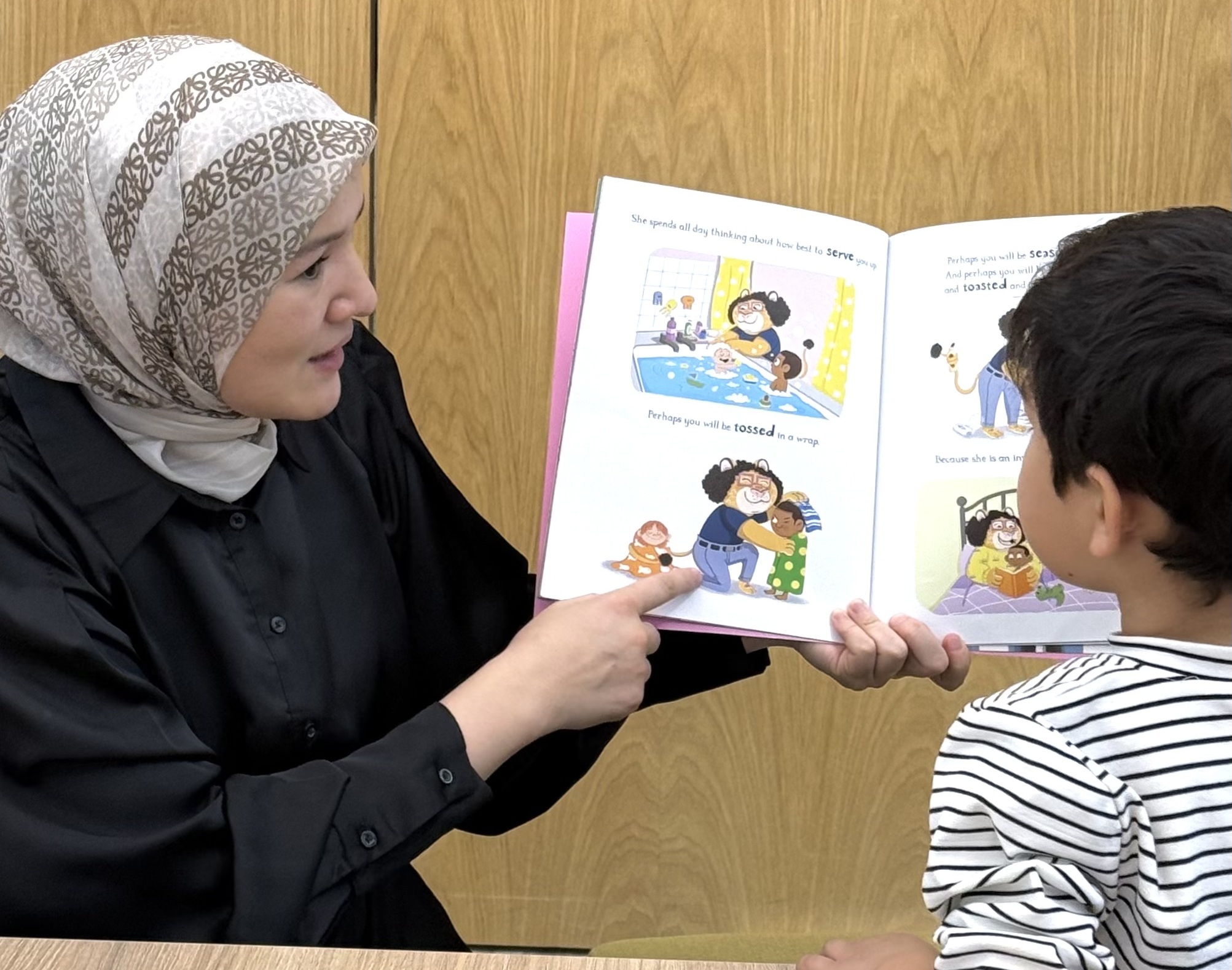
Brief Description: Within the walls of the Republican Children's Library, it's always bustling, lively, and diverse: here, toddlers, schoolchildren, students, and adults who haven't lost their taste for deep conversation read. Some are just learning to put words together, while others are already debating the motives of Holden Caulfield.
What participants are saying:
Club Curator — Ivan Sorokin, and for him, books are not just texts, but entry points into the world and into oneself.
"We don't select books on a schedule. We consider the mood, age, readiness. Even the most absurd can turn out to be important if there's air in it. The main thing is that you want to pass the book on to another person."
Club for toddlers (0–5 years)
- English Book Club: reading and interaction in English. Examples of books: Frog Goes on Holiday, My Favourite Dinosaur.
- Book club in Uzbek language: introduction to first stories, for example, Qornim ochib ketdi.
When: Meetings are held once a month on Fridays at 11:00.
Club for children (6-10 years old)
- Club in Uzbek: books like Hovlimizdagi voqea and Shiringina ezgulik — bright, cheerful, with a moral.
- Workshop of Attentive Reading: discussing books in Russian in the spirit of "adult" clubs. For example, "Mr. Otter's New Neighbors".
- English Club: The Lives of Remarkable People — Neil Armstrong, Ella Fitzgerald.
When: Meetings take place once a month or twice a month — on Fridays and Saturdays.
Club for adults (16+)
- Russian-language meetings— for those who miss thoughtful reading and genuine conversation. Among the works read are "The Gadfly", "The Glass Bead Game", "The Catcher in the Rye".
When: Meetings are held once a month.
"The book club is not a circle of straight-A students or a quiet, intimate reading session alone with oneself," says Ivan. "It is a territory for conversation. Where the book is merely a pretext, and the most important part happens afterward: discussion, surprise, debate, agreement, disagreement, the search for words and one's own perspective."
Cost: all meetings are free of charge, with prior registration.
Social media:
Telegram — @book_club_ppo / Instagram — @acdflibrary
"Book Burrow" based on Topar.uz
Address: Yahyo Guliamov Street, 38. In the basement of the Topar.uz store.
Working Hours: Meetings once a month, usually on weekends. The date is agreed upon one to two weeks in advance.
Literature Themes: Various genres — classics, dystopian fiction, documentary prose, contemporary literature, non-fiction.
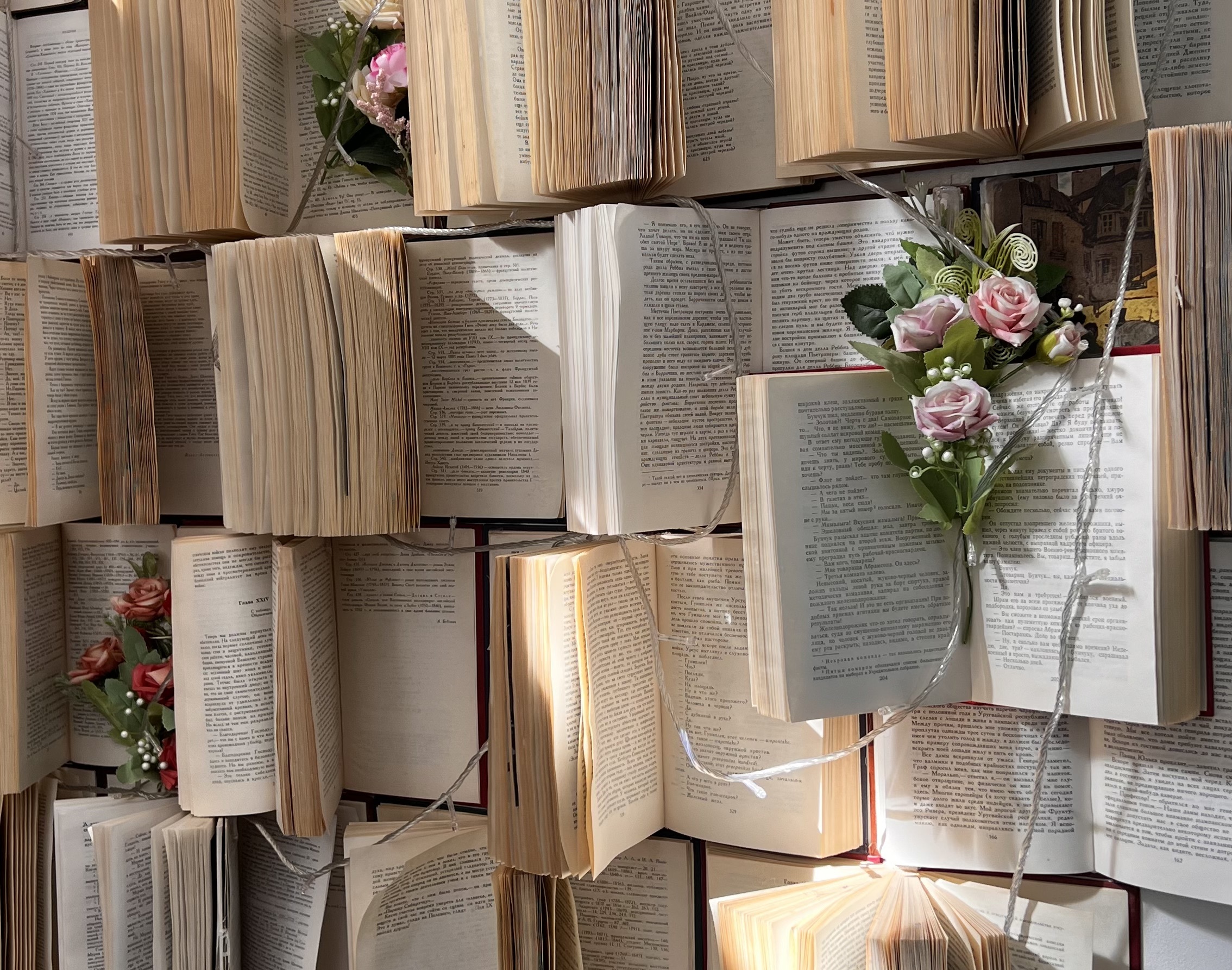
Brief description: The club emerged in 2022 almost by accident—as an attempt to find people with whom one genuinely wants to talk about what they've read. Since then, meetings have been held in the cozy basement of a shop—it became that very "burrow." This is an intimate space where strangers gradually become almost like family. From the very beginning, the club's participants have been people of different ages—from 16 to 46 years old. Some are already working, some are studying, some are searching for themselves. All are united by a love of reading.
What participants say:
The hottest discussions revolved around "A Clockwork Orange." They debated long and passionately. They reread Dostoevsky twice. They also read Palahniuk, "The Book Thief," and discuss it—as if something depended on it.
"Our unique feature isn't the format, but the atmosphere. We go to exhibitions, watch film adaptations, organize 'Secret Santa,' but most importantly—it's the Sunday conversations when no one is in a hurry to go anywhere."
Cost: The club is free. You can join via the store or the Telegram group.
Social media pages:
There is only a Telegram group for participants. The creators believe that everyone should have a corner to escape to at least once a month — and "Book Burrow" is exactly about that.
book.lovers.club
Address: Istikbol St., 8. Book cafe
Opening hours: last Sunday of every month at 10:30.
Literature theme: one book per month by voting. Different genres — the main thing is that the text is interesting and engaging.
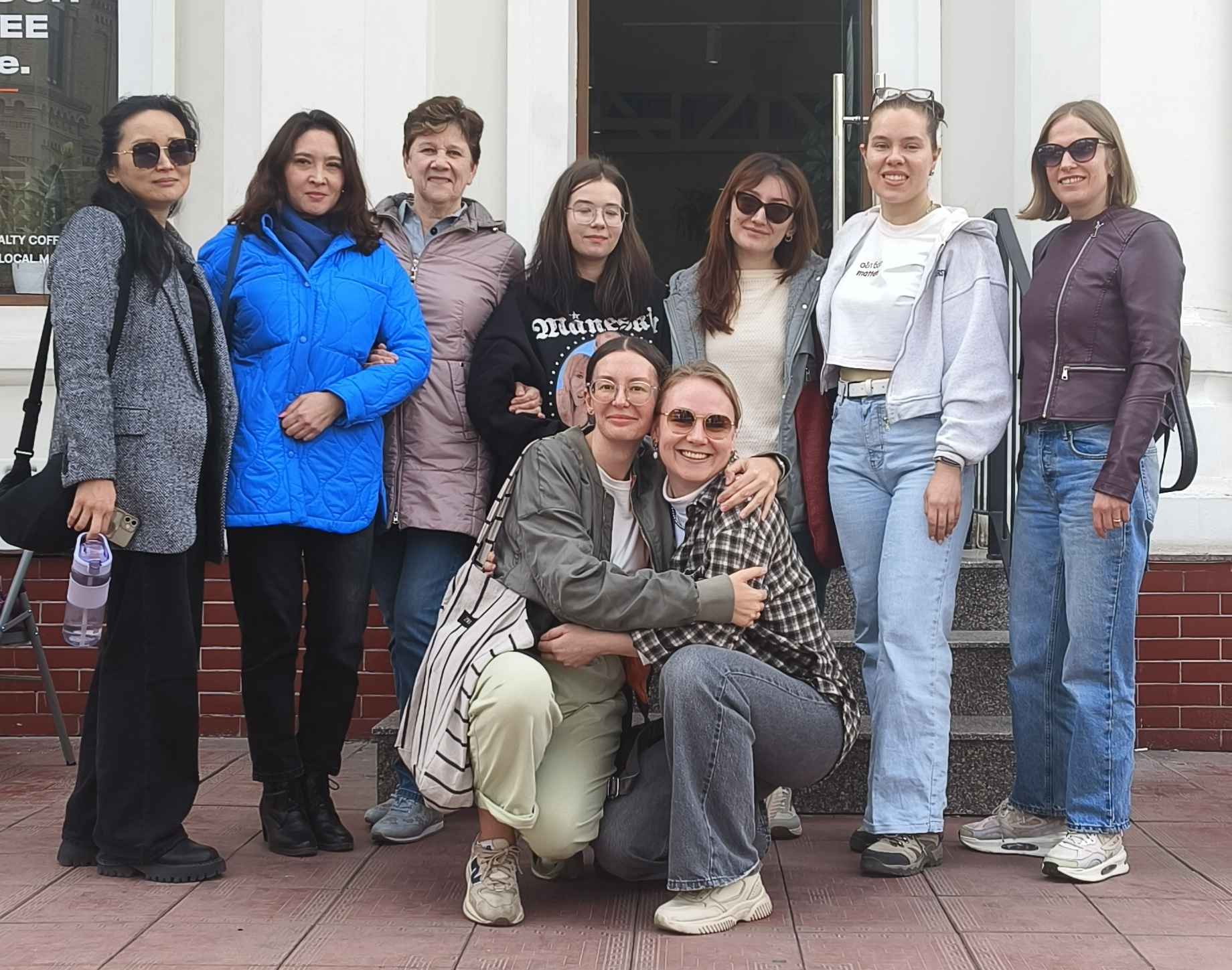
Brief description: Book.lovers.club has been around for a year and a half and has become a cozy place of strength for those who don't want to read alone. The members are of all ages, but they all agree on one thing: they like to meet in person and share what resonated with them.
What participants say:
"The most memorable meeting was in January – snow was falling, the entire city was covered, but we still came. Because the book is just an excuse, and the most important things happen between the lines."
The club has no strict rules, but it has its own atmosphere. The discussions are lively, the conversations are heartfelt. Each meeting leaves something behind.
Cost: Participation is free. Just let us know about your visit in advance.
Social media pages:
Telegram — @bookloversclub_uz / Instagram — @book.lovers.club
In contemplating the future of book clubs in Tashkent, the main thing is not just the books, but the person beside you. Despite digitalization, you can still spot people reading in the metro and buses, on the grass in the shade, or in a cafe over a cup of coffee. Perhaps some don't even know they could meet like-minded people, discuss the twists and turns of book characters' fates and the author's message. But let's hope that one day, something will definitely lead them to people who, like books, have the most interesting part beyond the cover.

Newsletter
A letter from the HD editors
Once a week, we send the best stories, events, and cultural discoveries from Central Asia.