Guide
The Language of Hospitality: 5 Karakalpak Phrases Every Guest Should Know
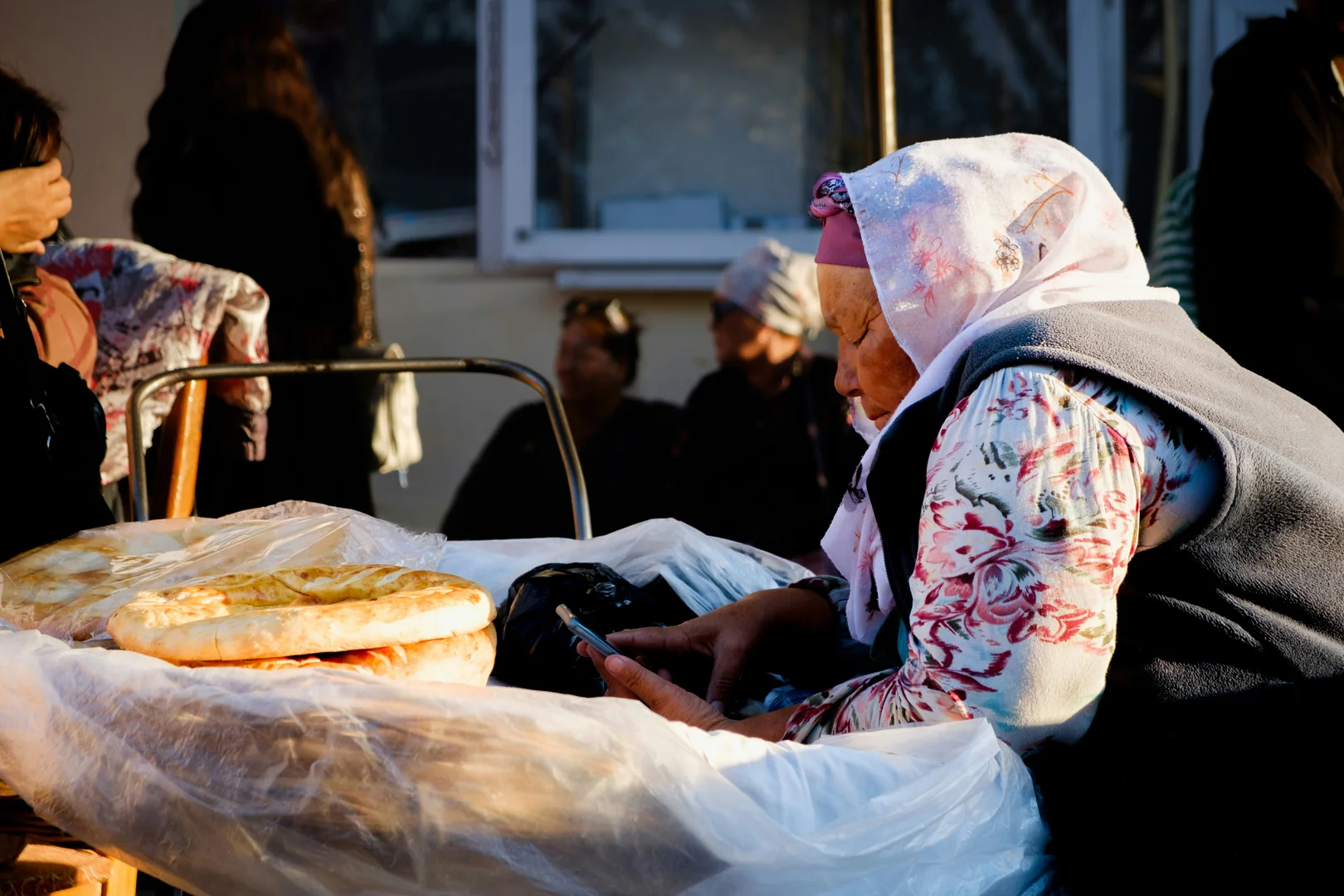
From the place by the door to apples in oil — HD magazine has gathered Karakalpak phrases essential for a genuine guest.
The Karakalpaks are a Turkic people living in Karakalpakstan, an autonomous republic in western Uzbekistan. They have their own history, their own language, and a profound appreciation for the meaning behind every word.
For the Karakalpaks, hospitality isn’t just a tradition; it’s almost a science. Every detail matters, from where you sit, who serves the food, to how the evening begins and ends. If you don’t know the rules, you could unwittingly offend your hosts or miss an important moment. However, if you learn just a few local phrases, you may find yourself not just a guest, but one of the family, even before the first cup of tea has been served.
Tórge ótiń — a Special Place for a Special Guest
When you’re welcomed into a Karakalpak home, the host will likely say: Tórge ótiń, which means “please, take the seat of honour.” It’s a special place, located in the corner opposite the entrance, where the most esteemed guests are always invited to sit.
In Karakalpak tradition, the seating arrangement is deliberate and meaningful. The Karakalpaks have a seating order similar to that at Kublai Khan's court, described by Marco Polo: older people, relatives, and strangers — all have their designated places. Kublai Khan sat in the center with the children on the sides and the guests opposite him. The same is true in a yurt: Tórge Ótiń is not just a place to sit, but a gesture of respect.
The daughter-in-law, or kelin, takes her seat right at the doorway to welcome guests, serve food, and clear away dishes. An unmarried girl would never be seated there; her place is to the side, near the tór, for she is believed to bring bereket, or prosperity and blessing, into the household.
Qoldan suw alıw, or the Proper Way to Wash Your Hands
In a traditional Karakalpak household, it’s customary to wash your hands before a meal in a graceful ritual called qoldan suw alıw, which means “receiving water for the hands.” The cleansing takes place right at the table: one person pours water from a jug while another extends their hands, letting the water flow into a basin below.
The elders go first, followed by the younger ones. The water is usually poured by the kelin, or the youngest family member. As the water flows, so do kind words: “Baqıtlı bol” — “Wishing you happiness”, “Uzaq jasa” — “A long life to you”, “Raxmet” — “Thank you”.
Auqat tartu — More Than Just Laying the Table
In a Karakalpak home, auqat tartu is far more than simply serving food; it is a carefully observed ritual of hospitality. The kelin lays out the dishes, pours the tea, and makes sure everyone has what they need.
There’s an order to it all: the elders start eating first, followed by everyone else. Jumping ahead, especially as a guest, is considered impolite.
After the meal, there’s another round of qoldan suw alıw, or hand-washing. Then you may be offered a sarqit, a treat from the family table.
Abroy barda keteyk, or Let’s Leave Before It’s Too Late
A phrase spoken when the evening has unfolded well: the conversation is flowing, the tea has been served, perhaps even a little strong drink, but there’s still time to stop before things go too far.
And then someone quietly suggests: Abroy barda keteyk, which means “Let’s head out while we still carry ourselves with pride.” It’s a way to save face, avoid embarrassment, and leave with grace. In other words, “Let’s leave while we still have our dignity.”
It’s a sign of social sobriety, even if physical sobriety has been lost.
Sarqit — Just a Bit More Food to Take Along
Sarqit is what’s left after the feast, lovingly packed up to take on the road: meat, flatbread, sweets, fruit, or anything else the hosts want to share. It’s a mark of respect, especially if you’ve travelled a long way or stayed late into the night.
In rural communities, sarqit is often sent to those who couldn’t attend the fest, such as neighbours, relatives, and children. And yes, bundling baursaks (fried dough) with apples in the same bag is absolutely normal. It’s even said, the tastiest apples are those soaked in warm, fragrant oil.
There is even a special phrase: “Sarqıt qalsın”, which means “may there be abundance in the house”. It is said when guests are leaving, wishing abundance for both the guests and the hosts.
At the Karakalpak table, conversation is about more than just food. It’s a language of respect, gratitude, humour, and balance. Every phrase is more than just a habit; it’s culture in action, where guests are truly valued and no detail is ever trivial. Learn a few phrases, and you’ll be that much closer to belonging. At the very least, you won’t be puzzled when someone hands you a basin of water.
Newsletter
A letter from the HD editors
Once a week, we send the best stories, events, and cultural discoveries from Central Asia.