Guide
"Strong self-presentation is not about pretentiousness, but about honesty": Lola Saifi on personal branding
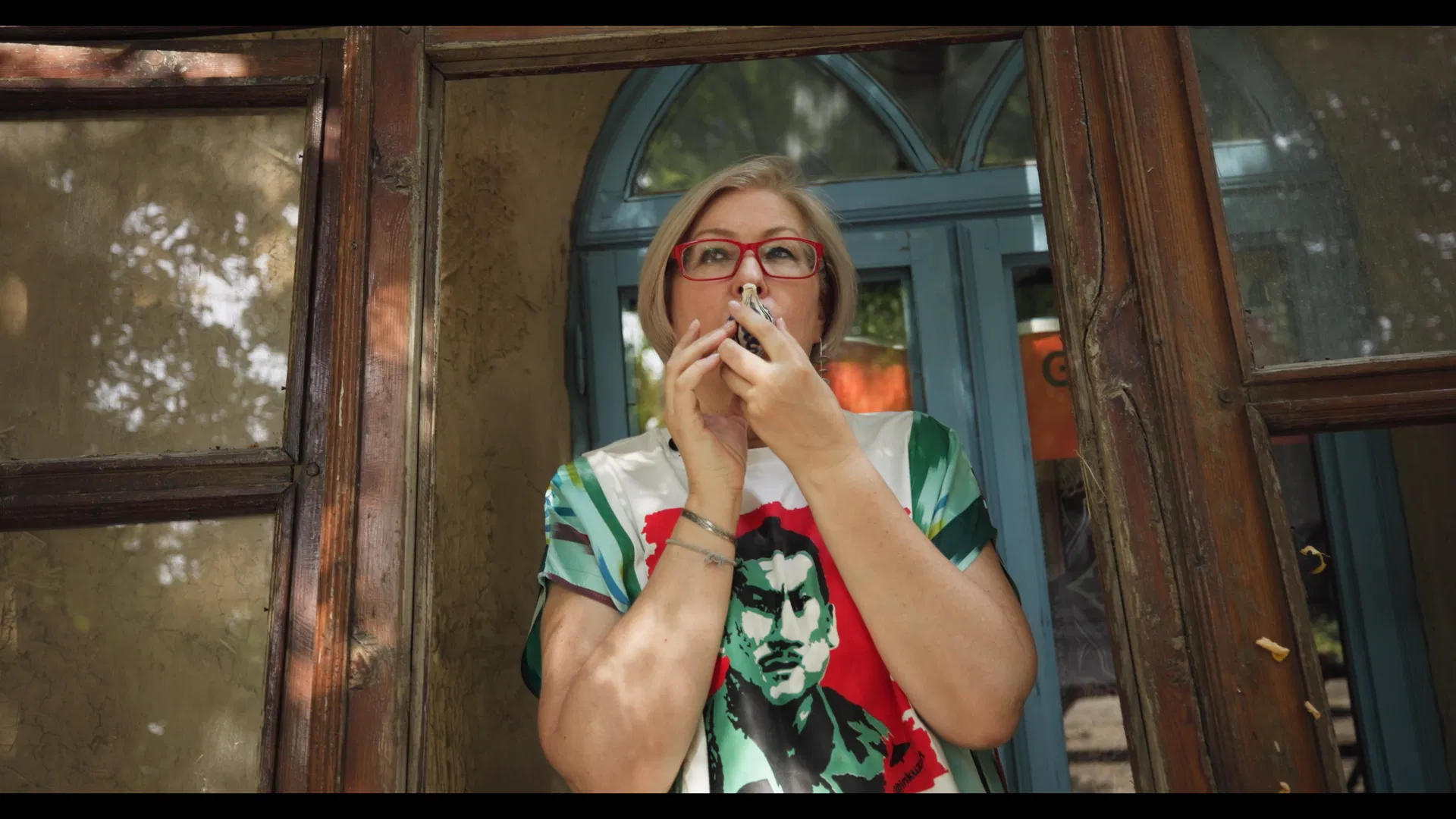
Being talented is not enough. In a world where visual noise drowns out meaning, it is important to be able to assert oneself—subtly, precisely, without losing authenticity. Lola Saifi, a designer, curator, and a person with a strong sense of aesthetics, believes that self-presentation for a creative person is not a tool for self-promotion, but a form of respect for one's own path, voice, and work.
How to talk about yourself with dignity: a guide by Lola Saifi
This article is not just a reflection on personal branding. It is a guide for those working in the creative field who want to learn how to speak about themselves confidently and honestly. Based on the experience of Lola Saifi, a designer, business coach, and founder of the Human House gallery, it offers practical advice and time-tested strategies.
History is one of the most powerful tools for self-presentation. The real journey taken from the first steps to a recognizable image is more convincing than any theory. The example of Lola Saifi shows how a creative "self" can become the foundation for a sustainable public presence.
Lola Saifi began her professional development with artisanal design—batik, clothing, and scarves. Even then, she saw an object not merely as a product but as a carrier of meaning, philosophy, and cultural code. This approach became the foundation of the Human Wear project and later—a community uniting artisans, artists, curators, and viewers. Through her own space, she promoted creations and initiated important processes: discovering new talents, shaping audience taste, and strengthening local identity.
After moving to Moscow, the designer remained true to her roots: she organized large festivals of Eastern culture, including Uzbek, collaborations and educational projects, and worked in franchising, tourism, media, real estate, PR, and business consulting. In 2017, Lola Saifi returned to Tashkent and re-founded Human House—a gallery and cultural space reflecting her values.
The formation of her personal brand happened gradually—through experiments, mistakes, and learning. The main thing she managed to preserve throughout the journey is authenticity. Her actions remained honest, her statements—accurate, and her style—recognizable. As Lola Saifi herself says:
I do what I want, and I do it the way I want. Yes, there are difficulties, but I feel like a happy person—because I live in harmony with myself.
She also admits: if she could go back to the beginning of her journey, she would focus on languages and the basics of financial literacy. In her opinion, these skills are essential for anyone who wants not only to create but also to develop sustainably. However, the main driving force remains a love for the work.
The story of Lola Saifi is composed of many elements: craft expeditions, studying ikat techniques, filming television programs, working in business and education, dreaming of a handmade supermarket. But the most important thing is the wholeness of this story and the inner freedom. Lola Saifi is not afraid to be different, and that is precisely her strength.
Lola Saifi's path is not a template, but a guide. It shows that a public image is built not on external strategies, but on sincerity, clarity, and self-respect. Anyone willing to walk this path can turn their story into a source of strength.
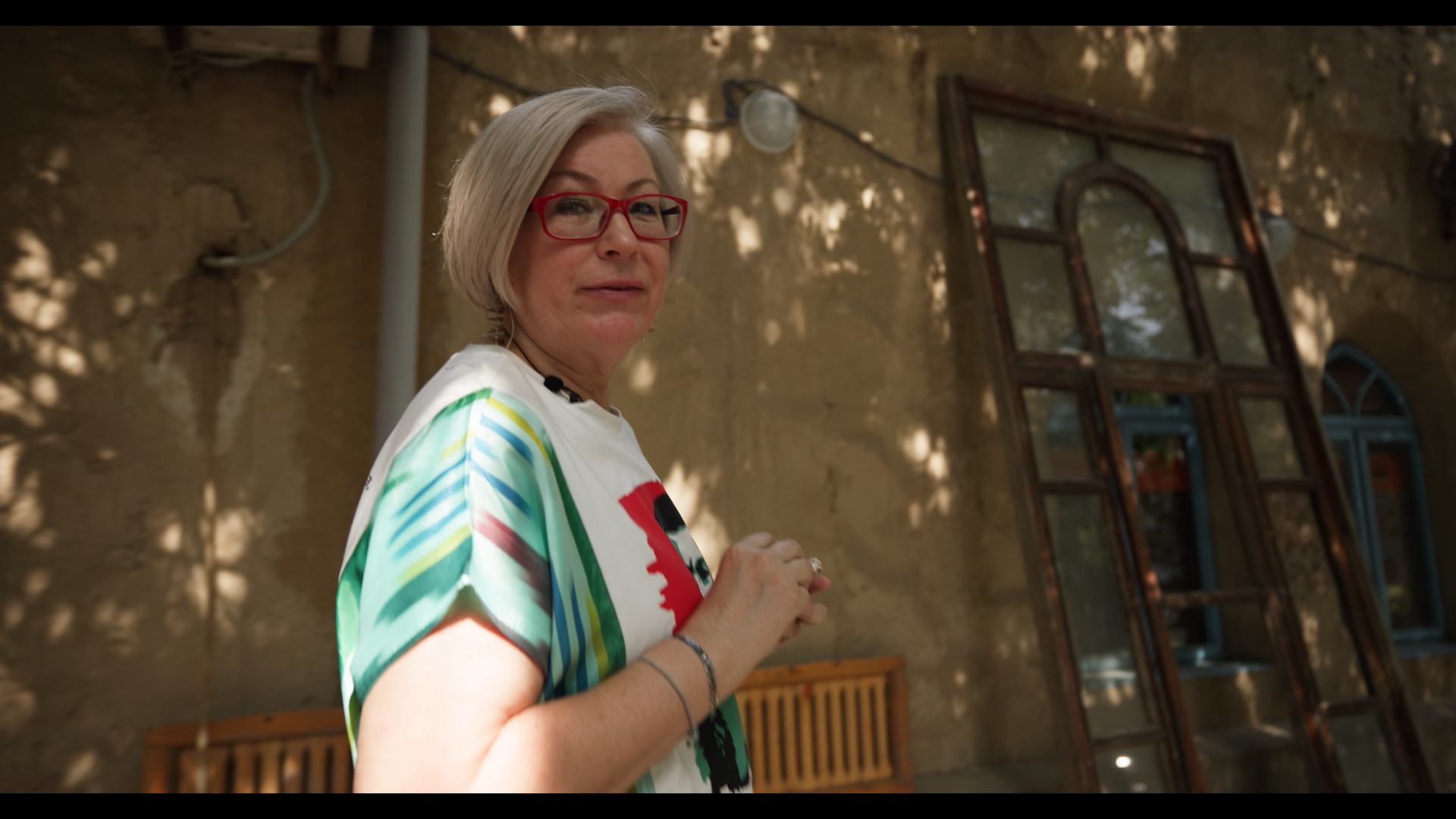
Lola Saifi.
STAGE 1. The Beginning
The initial stage is the most fragile, yet also the most resourceful. There may be a lack of a portfolio or public speaking experience, but the most important things are present: energy, freedom of choice, and space for growth. The first step may be hesitant, but its significance cannot be overstated.
Important:
Self-presentation is not an outcome but a process. Don't wait for the "perfect moment": it begins with simple, meaningful actions that reflect inner values.
Also important:
Development in the creative field requires not only artistic expression but also applied knowledge—from finance to languages. Creativity flourishes in a productive environment with support and exchange. Mistakes are not obstacles but part of forming a resilient identity.
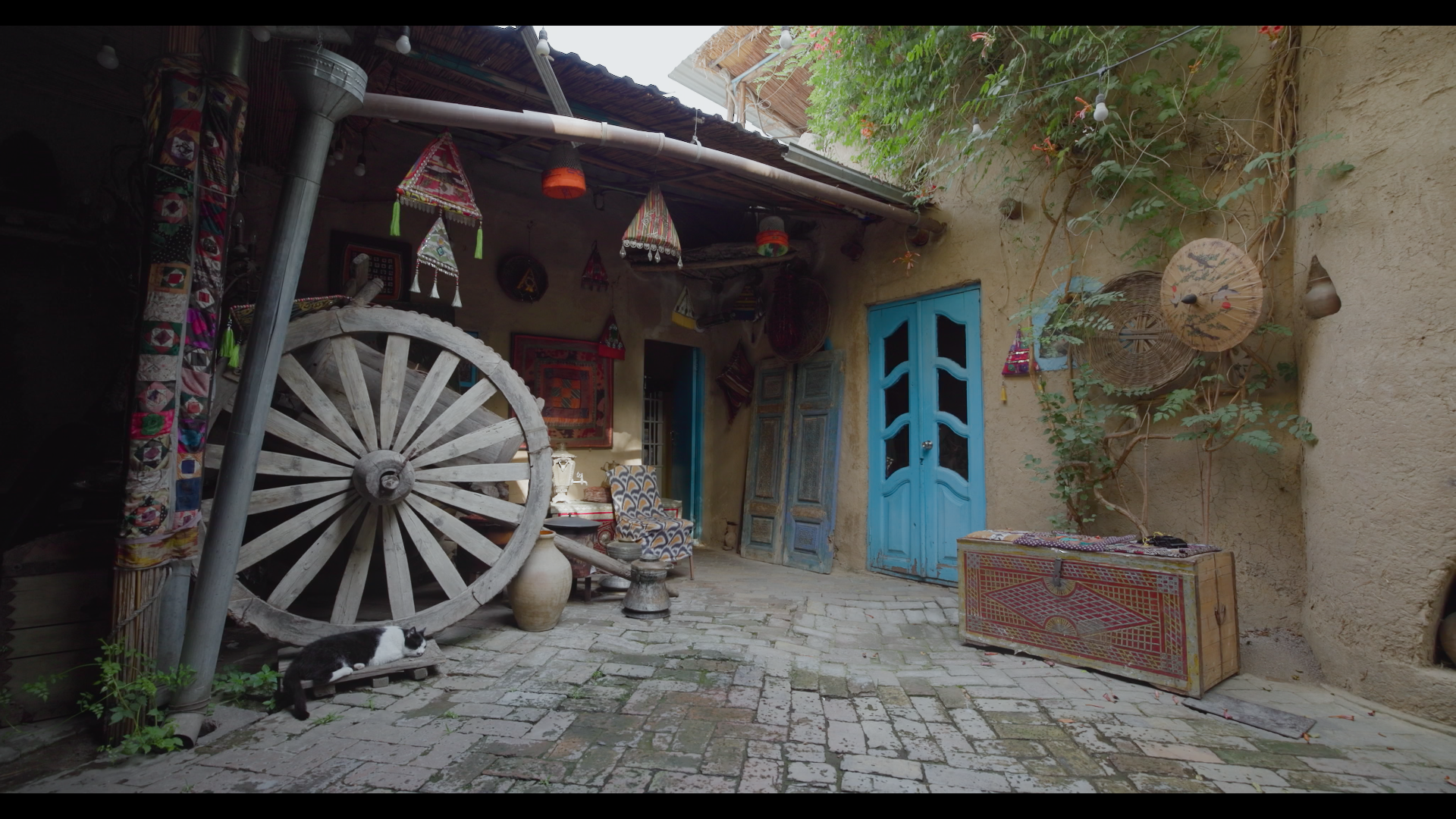
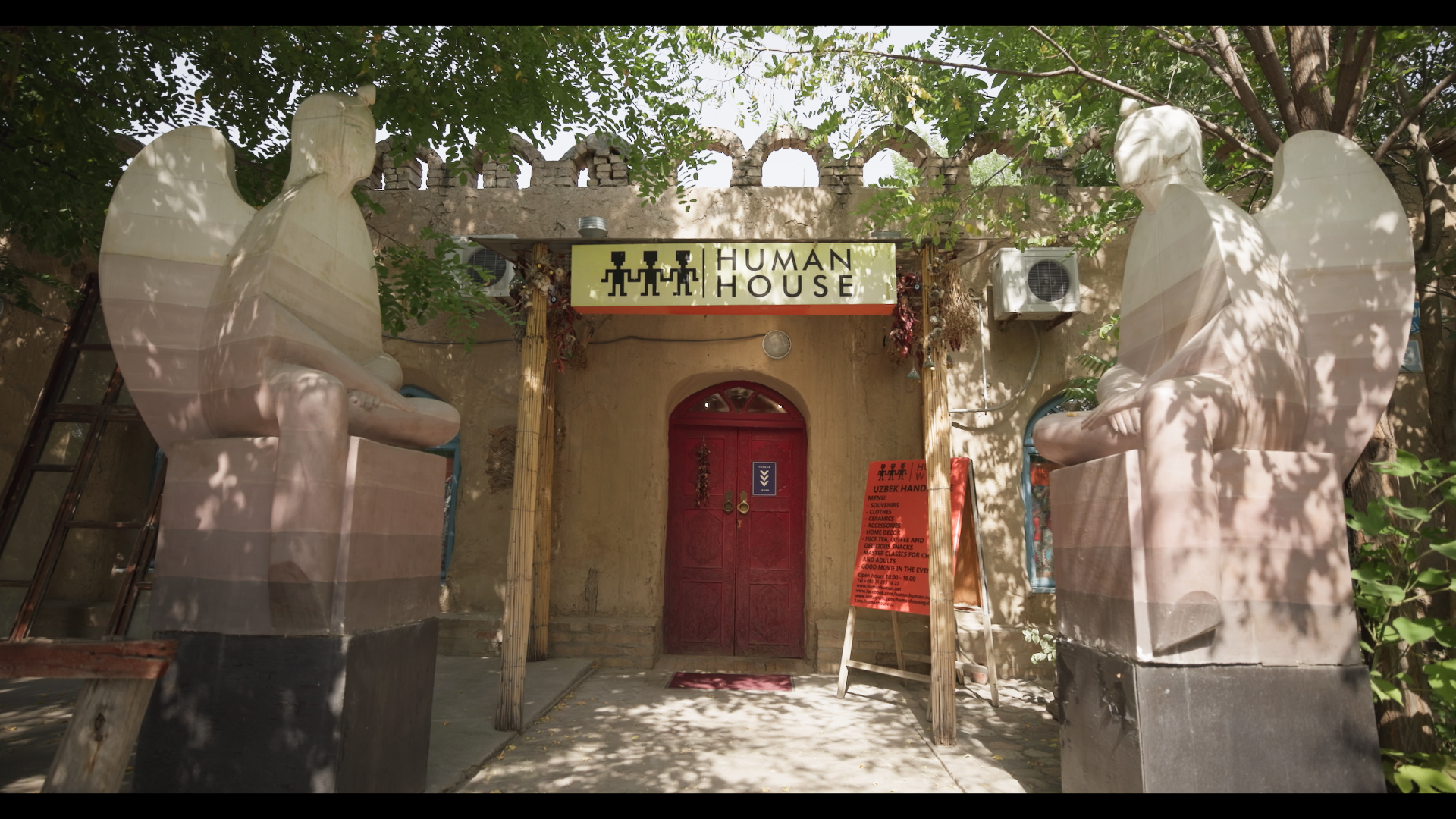
Human House Gallery.
STAGE 2. Understanding Your Uniqueness
Self-presentation begins with an honest question: who am I and what is my strength? Before creating a visual style or entering the public space, it is important to understand one's internal resource. Uniqueness is not in the desire to "be unlike everyone else," but in authenticity and self-acceptance: in timbre, themes, aesthetics, gestures, voice, choice of materials.
A personal brand is built on understanding: how you stand out, what meanings you convey, which topics resonate with you. Uniqueness requires no proof—only attention and careful nurturing. This is the foundation of sustainable self-presentation.
Lola Saifi's Example
Lola Saifi began to hear herself long before it became a conscious strategy. Even during her student years, while studying at the architectural decoration restoration faculty, she understood: her voice was in the material. Experimenting with batik, creating scarves, paintings, and clothing, she found her first language of visual self-presentation. In it, tactility, symbolism, connection with tradition, and the search for the new were interwoven.
"Uniqueness isn't about loudness," says the designer. "It's about authenticity. In my youth, like many, I thought: if you're different, you're already special. But with age, I understood: you're not alone in your radiance. Everyone around is deep, interesting, amazing."
For Lola Saifi, this became a turning point: not striving to stand out at any cost, but recognizing what is already within herself—and developing it honestly.
"Sometimes I think that within each of us lies a temple. Some build it from words, others from color, light, textures. The more you live, observe, and feel, the richer this temple becomes. Then there is no need to prove your uniqueness—you simply come to know yourself. And that gives strength."
This is precisely where the journey to a sustainable style begins — with recognizing oneself as the foundation for all future expressions.
STAGE 3. Personal Brand Building
After realizing your uniqueness, the next stage begins — building a personal brand. This isn't about logos and promotion techniques, but about a holistic strategy based on your values, aesthetics, and communication style.
A personal brand is the impression you make before words. It is the tone, reputation, and visual image formed by your actions, statements, appearance, and creativity.
To make this image stable and recognizable, it is important to answer the following questions:
A strong brand doesn't play a role — it aligns with who you are. It's not a mask, but a philosophy.
Lola Saifi's Example
Designer Lola Saifi began building her personal brand with the name. Human Wear — "Human Clo!thing" — united fashion, manual labor, and cultural identity. Later, Human House emerged — a gallery and cultural space that became an extension of her views, taste, and voice.
These names, like a manifesto, set the tone. They evoked associations with authenticity, warmth, the beauty of craftsmanship, and respect for the code of Uzbek culture. Human House became a space of aesthetics and meaning—a reflection of Lola Sayfi herself.
"I choose not money, but the path where I feel I am in the right place," she shares.
For her, a personal brand is not an image crafted for sales, but the result of an honest journey. It arises from attentiveness and the ability to see beauty and meaning in details.
"Once I was walking down the street and saw the words 'I love you!' written on the asphalt. But my acquaintance didn't. Everyone sees what resonates with their inner world."
A brand works only when you live in harmony with yourself. It inspires trust because it's not acted out—it's lived.
STAGE 4. Clear Positioning
Building a brand is impossible without positioning — a clear understanding of who you are, for whom you create, and what you want to convey. This is not marketing, but an act of internal honesty and professional identity.
Three questions that help you focus: · Who is my audience or partner? · What is my value? · What message am I conveying?
Positioning is an internal focus. It helps filter out the unnecessary and highlight the essential. Clarity in this gives strength: you begin to "sound" confident, recognizable, and clear. It does not limit but amplifies this "sound."
Example of Lola Saifi
From the very beginning, Lola Sayfi clearly understood who she wanted to speak to. Her projects — from clothing to cultural initiatives — are addressed to those who value handcraft, local identity, and embedded meaning. Her client is not merely a consumer, but a person seeking beauty with deep meaning, a connection to the land, heritage, and the aesthetics of Uzbekistan.
This positioning has allowed her to build a cohesive, recognizable image — understandable both in Uzbekistan and beyond its borders. Her message to the world is a respectful, emotional, and contemporary narrative about culture.
You become interesting not only to others but also to yourself when you start listening to yourself, — says our heroine. — I often repeat: a person is like a temple they build inside. For some, this temple is made of textures, for others of light and shadow, for others of words.
For her, positioning is not an external move, but internal clarity: understanding what emotion you want to evoke, what value to convey, what philosophy you share.
"It's important to feel: what exactly do you want to convey? If you don't know why you create, your voice gets lost in the noise. But if you do know — focus, energy, and strength emerge."
STAGE 5. Visual Presentation
Visual design is the language a brand speaks even before words. Photography, website, poster, Instagram — all are part of a unified statement reflecting values, aesthetics, and professionalism.
Ask yourself:
A visual identity is not just about being "pretty." It's a tool that builds trust, evokes emotions, and amplifies your message. A disjointed visual presentation undermines the impression, while a thoughtful one makes you visible and memorable.
Lola Saifi's Example
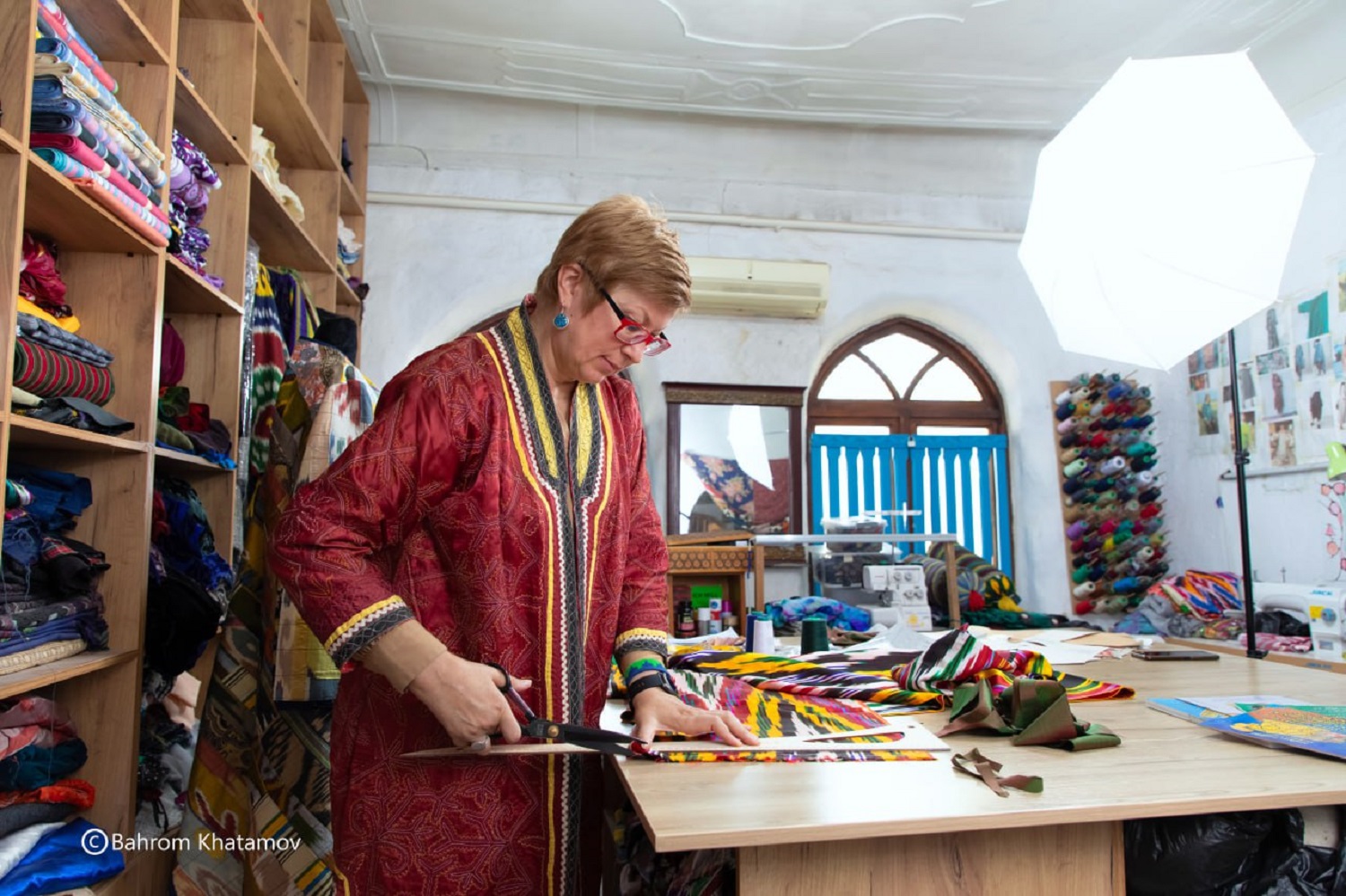
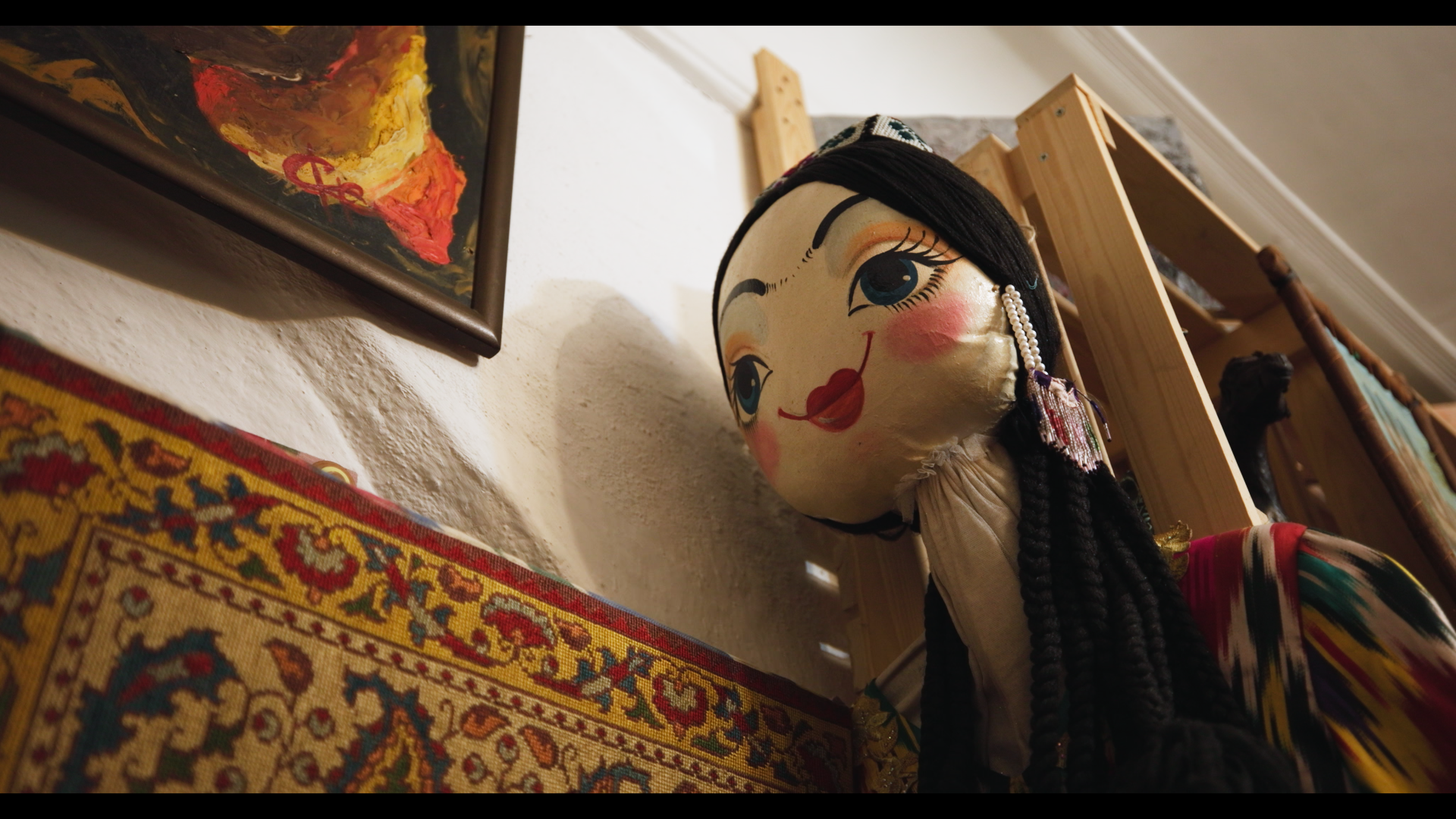
For Lola Saifi, visual language has always been an extension of philosophy. The Human Wear store became a space where every fabric, display, and cut spoke of handcraft, ornament, tactile memory, and a careful attitude towards culture.
Later, the idea evolved into the Human House gallery: posters, design, exhibitions—everything is meticulously thought out to the smallest detail, where aesthetics are inseparable from the idea. Even her personal style—natural fabrics, minimalist forms, recognizable patterns—is part of the value system.
"People perceive depth through imagery, tone, word choice, and colors. Instagram, posters, or websites are not just design; they are an honest and recognizable extension of your personality."
STAGE 6. Communication and Behavior in Public Spaces
Communication is the key to self-presentation. It is not self-promotion, but the ability to speak about oneself clearly and confidently, especially in a professional environment — with curators, institutions, journalists. It manifests not only in words but also in tone, behavior, and the ability to be heard.
Ask yourself:
A calm, structured, dignified, but unpretentious speech is important.
Lola Saifi's Example
In every interview about her work, Lola Saifi speaks honestly and professionally — her speech is restrained yet profound. Organizing festivals and exhibitions, she always found the right tone for communicating both with artisans and with Moscow galleries. She was heard because she remained true to herself.
"I go where it's difficult — that's my growth horizon," says Lola Saifi.
This is her philosophy of behavior: sincerity, respect, and dignity even in difficult situations.
"People who seem modest at first glance, when they start speaking, reveal incredible depth. It's not about loudness, but about strength and clarity. The art of speaking about oneself is also a form of creativity. Sometimes it's enough to be yourself, but it's important to understand which words you choose and what emotion you leave behind. Especially in a professional environment, it's important to be heard, not just seen."
STAGE 7. Networking and Community
Networking is not just a list of useful contacts, but a space for growth. For a creative person, talent is important, but so is their environment. Being part of a vibrant professional community can sometimes be more valuable than remaining in solitude.
It's not about connections, but about relationships:
Genuine networking is built on sincerity. Visibility comes not through noise, but through participation and contribution. Ask yourself: what am I interested in? What do I want to join? How can I be useful to others?
Lola Saifi's Example
Designer Lola Saifi builds not just a brand, but an ecosystem around it. From the Human Wear boutique to the Human House gallery, she creates spaces for communication and support. Her projects — "Formula of the East," "Plov Summit," "Eastern Bazaar," exhibitions — bring people together around culture and craft.
"People tell me: 'You're everywhere!' — and I smile. That's part of my job. I'm not afraid to be visible, to speak, to propose, to support. Because it's precisely in vibrant, genuine communities that real connections are born."
STAGE 8. The Power of Story
History is the foundation of a personal brand. It's not a dry biography, but a path that reveals the formation of personality, aesthetics, and views. What resonates are not accolades, but the twists, choices, and authenticity.
A well-told story evokes emotions and builds trust. It's important to talk not only about victories but also about what shaped you. Even difficulties become part of that strength.
Lola Saifi's Example
Lola Saifi's Journey - the story of a woman who has traversed business, art, solitude, a life between Moscow and Tashkent, to create her inner temple - Human House. Her biography includes choices, fears, aesthetics, financial responsibility, and a love for culture. This is not a success manual, but a living, multi-layered story.
"It seems there is a temple inside everyone. Some build it from light, others—from words. To see it, one must learn to speak about it. Sincerity resonates. Don't be afraid to tell your story—not for praise, but so that others may also begin to hear themselves."
STAGE 9. Mistakes and Taboos
Most often, mistakes in self-presentation are not due to a lack of talent, but to a distorted self-image. Some are afraid of seeming intrusive and remain silent. Others speak loudly but lose authenticity. As a result, the image either fades away or sounds false.
Internal attitudes also get in the way: the desire to be "like everyone else," the habit of putting oneself down, clichéd phrases like "I just love creativity." All of this dilutes individuality. Today, what is valued is not flawless gloss, but a mature, honest position. Strong self-presentation is built on the ability to speak from oneself—simply, precisely, in one's own language.
Examples of Lola Saifi
Designer Lola Saifi openly talks about her weaknesses—not knowing languages, not understanding finances, making mistakes in priorities. But it is this honesty that makes her figure attractive. Mindfulness and inner work lead to maturity—not ostentatious, but genuine.
I choose not money, but meaning. Uniqueness does not need to be proven. It either exists — and you are at peace with it — or you are constantly playing someone else's roles. True strength lies in the ability to be yourself. Not to play along with the market. Not to strive to please. That is maturity.
These stages are not so much instructions as they are guides to help you find your own path. Self-presentation is not a costume for an outing, but a "second skin" in which it is comfortable to be yourself. It is a journey from an unsure voice to a recognizable timbre, from random posts to conscious expression. Where the play of others' roles ends, genuine presence begins—and it is precisely this that makes you visible, heard, and truly interesting.



Newsletter
A letter from the HD editors
Once a week, we send the best stories, events, and cultural discoveries from Central Asia.