Central Asia is rarely associated with horror cinema—and that's a mistake. Here, where every "kishlak" (village) keeps its own legend and a night in the steppe can frighten even skeptics, truly penetrating stories of fear are born.
On the eve of Halloween, we've gathered the region's most striking and chilling films—from mystical parables to thrillers where horror speaks the language of traditions, faith, and folk fears. Films that frighten not always with screams and spectacle, but with atmosphere.
"Ruh 5:13" (Uzbekistan, 2006)
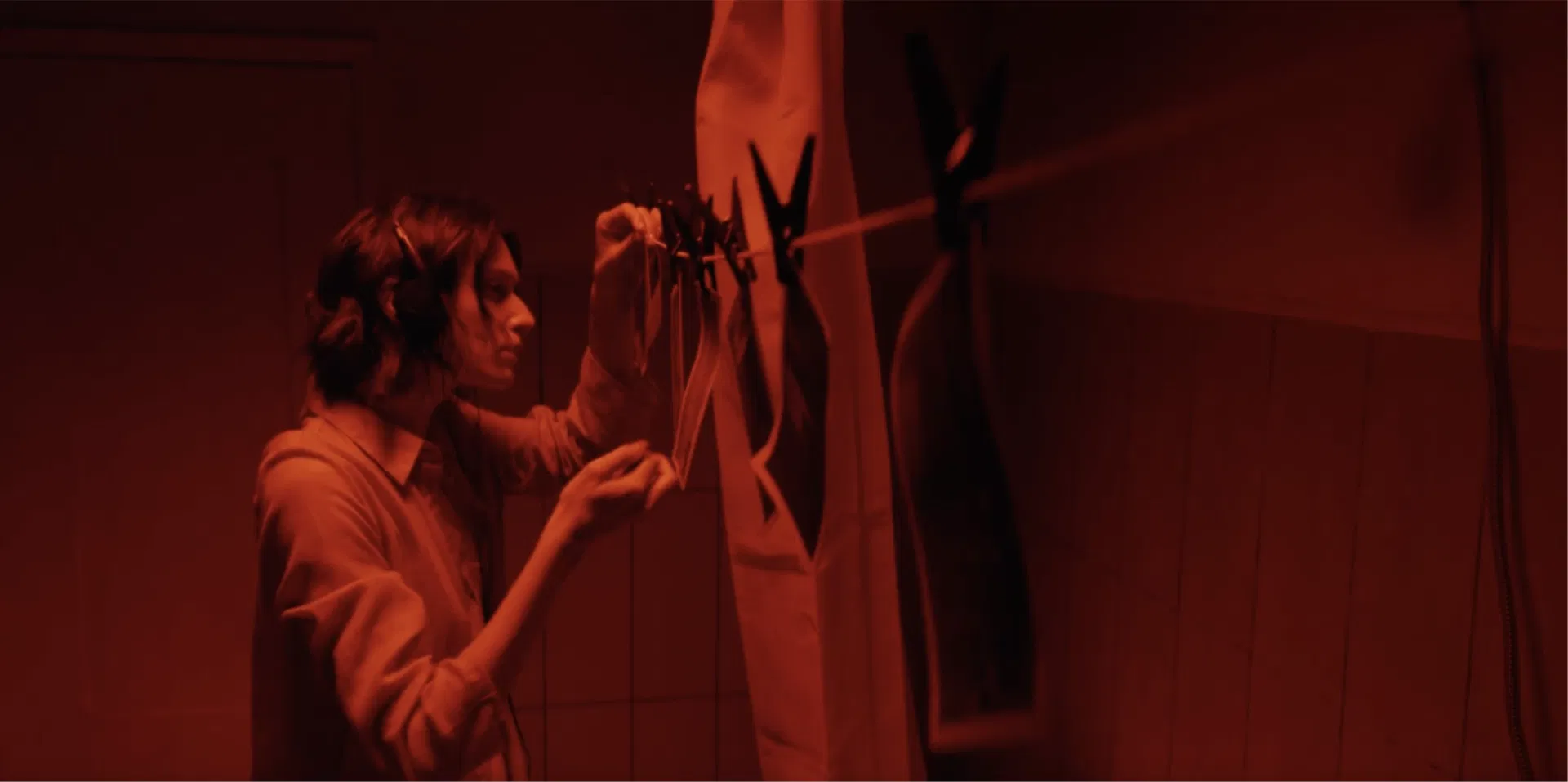
"Ruh 5:13" is a landmark film for Uzbek cinema, one that continues to accumulate new legends. It's considered the first attempt by Uzbek cinema to peer into the dark side of the human soul. And perhaps one of the boldest.
When director Shavkat Jayron presented his dark thriller to the public in 2006, few were prepared to see such a thing—genuine horror made in Uzbekistan. At a time when screens were more a place for melodramas and light comedies, he suddenly showed fear, guilt, and darkness.
The story of Sarvar, who lost everything to gambling and dragged his sister into a bloody chain of events, is not simply a plot about debts and reckoning. It's a metaphor for human weakness, for how one decision can turn life into a nightmare. But, as often happens with films that perhaps were ahead of their time, "Ruh 5:13" was banned for 11 years. Without explanation. Ultimately the story was split into four episodes, the last of which was released in 2018.
It turns out that this film marked the beginning of mastering a new genre in Uzbek cinema. So if today you hear about "Ruh 5:13", know this—it's not just horror, but the first Uzbek horror film. That's already quite something.
"Dastur" ("Tradition", Kazakhstan, 2023)
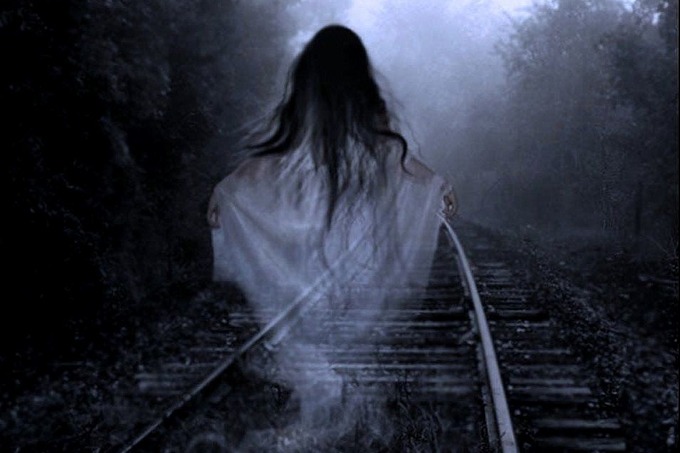
A film by director Kuanysh Beisek, previously known as a music video director for the popular group "Irina Kayratovna," was released in 2023 and instantly became an event. His debut work—atmospheric, painfully relevant, and deeply Kazakh in spirit—is devoted to the theme of violence against women and society's silent consent.
The plot unfolds in the Kazakh village of Bolashak. After graduation, a girl named Diana becomes a victim of rape by the son of a local rich man. For the sake of "preserving honor," her parents are forced to marry their daughter to her rapist, and soon frightening, mystical events begin occurring in the family home: swarms of flies appear, a two-headed calf is born, and the sound of a "dombra" (traditional Kazakh instrument) comes from Diana's locked room. It seems that heaven itself is taking revenge for human cruelty, silence, and false traditions.
Beisek deliberately abandons the usual genre techniques—there are no jump scares or dark soundtracks here. Instead, the director uses familiar cultural symbols—the dombra, village life, family rituals—turning them into sources of anxiety and pain.
"Dastur" is not merely horror but also a social statement. It echoes real tragedies, including the high-profile case of former minister Kuandyk Bishimbayev, convicted of murdering his wife Saltanat Nukenova.
"Ot" ("Fire", Kyrgyzstan, 2024)
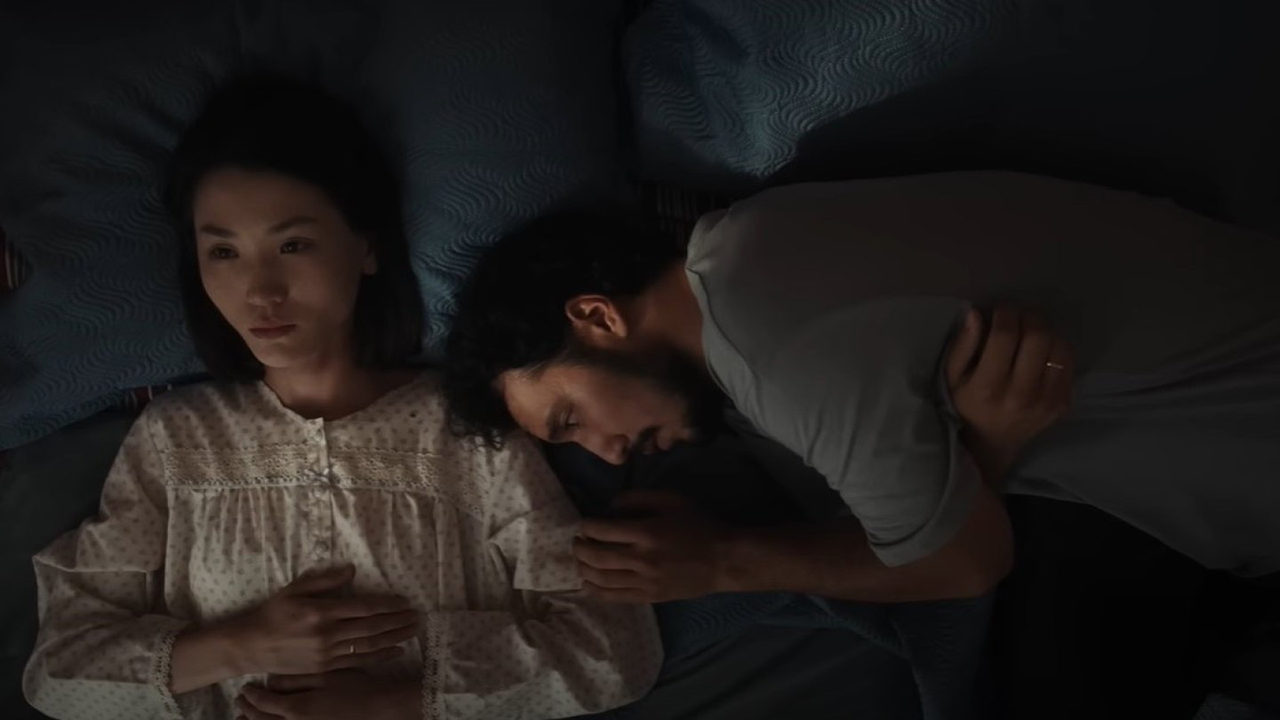
A horror-drama by Radik Eshimov that continues the theme begun in Kazakhstan's "Dastur". Both films speak about the same thing—violence against women, fear, silence, and "traditions" that cover up injustice. But if "Dastur"* shows retribution in the form of mystical horror, "Ot" bets on realism and direct condemnation of violence, where evil is ultimately punished not by supernatural forces but by law.
The plot begins with tragedy: in a small Kyrgyz village, a boy dies, and soon his family's house burns down. The villagers are convinced—"shaytans" (devils) have settled in the house, and its mistresses are connected to unclean forces. Gradually the film reveals that behind the myths and rumors lie real human crimes—violence, impunity, and shame that forces victims to remain silent.
The film is constructed on the principle of Akira Kurosawa's "Rashomon": three narrators—two men and a woman—describe the same events differently. Each has their own truth, and in each story the cultural fear of judgment is visible: the famous "what will people say" becomes almost a separate character.
"Ot" consists of three acts—"Guilt," "Justification," and "Cause." Gradually the full picture opens to the viewer—violence committed within the family and circular silence fed by superstitions and social pressure.
The landscapes of the mountain village, play with light, anxious music, and elements of Islamic mysticism create a dense atmosphere of unease. But most importantly—the film clearly establishes moral accents: the victim is not guilty, evil must be punished.
"Ot" is a bold step for Kyrgyz cinema, a rare example of genre work where horror becomes a way to speak about the most painful social themes.
"Vzaperti" ("Locked In", Kazakhstan, 2023)
According to the plot, young people Max and Kema accidentally find themselves in an apartment from which it's impossible to leave. The space lives by its own laws: there's no signal, doors won't open, time seems to freeze. Soon the heroes begin seeing shadows—victims of past tragedies, prisoners of this place. To escape, they need to help these souls find peace, which means—confront the truth about those who created this trap-house.
In reality, *Vzaperti* is not so much horror as a film where the author attempts to combine the frightening with the philosophical, the metaphysical with the mundane, and mysticism with social drama. And in this case, for critics and viewers, this turned out to be not the best, and in places not the most comprehensible, decision. The space in which the heroes are "locked" is too large to truly evoke claustrophobia, and fear dissipates between mysticism, family drama, and a love storyline.
Nevertheless, the film has its strengths. First of all—the visual component. The cinematography is precise, and scenes where the heroine sees her own reflections and runs through endless rooms evoke genuine anxiety. The second success is the finale. It establishes semantic accents, gathers symbols scattered throughout the film, and transforms the mystical thriller into a story about guilt and loss, about a child who was betrayed, and the consequences of that betrayal.
Yes, the film became neither pure horror nor a full-fledged thriller. Rather, it's a search for form and its own language in a genre where Kazakhstan is still taking its first steps.
"Koshmar na Otlichno" ("Nightmare with an A+", Uzbekistan, 2020)
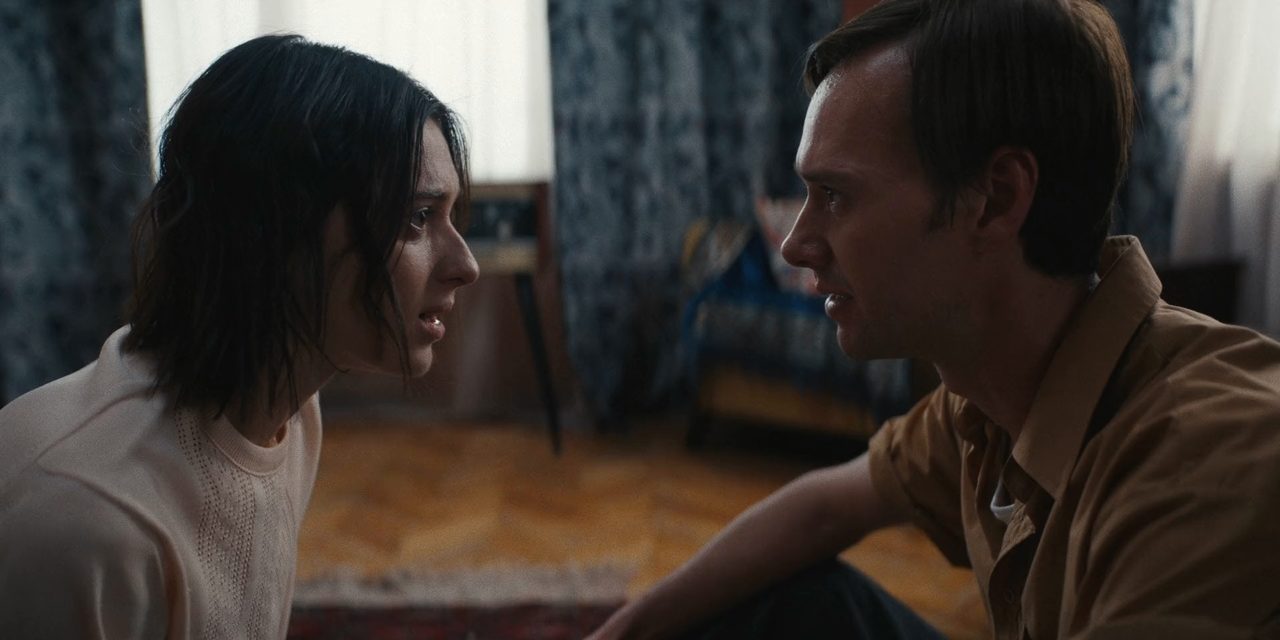
"Koshmar na Otlichno" is one of the boldest and most controversial projects in the history of Uzbek web content. This series promised to become the first real horror made in Uzbekistan—and kept its word in at least one respect: viewers definitely hadn't seen anything like this before.
The series description is as follows: the action unfolds in modern Tashkent, where two criminal groups clash—"noble" old-school mafiosi and "lawless" new generation gangsters. Between them is a random guy, a salesman, who finds himself drawn into their war after a dismembered woman's body is found in a suitcase he sold. From this moment, the hunt for him begins: an enormous reward is at stake, and maniacs, fanatics, and mercenaries hit the trail.
According to series director Sultanbek Abbasov, he deliberately balanced on the edge of the permissible: the footage includes violence, blood, torture, filming of snuff videos, satanic rituals—everything that previously existed in Uzbek cinema only at the level of rumors or parodies. The series' distinctive feature is the personification of madness. Each character symbolizes a specific mental disorder, turning the story into a dark allegory about the line between normality and insanity.
The series is at times excessive, uneven, sometimes deliberately shocking—but it's certainly memorable. At minimum because it was supposed to be released on Netflix (ultimately it can be found on YouTube), at maximum—because it became that rare example when an Uzbek creator wasn't afraid to use the language of horror to peer into what is usually avoided—into one's own shadow.

Newsletter
A letter from the HD editors
Once a week, we send the best stories, events, and cultural discoveries from Central Asia.