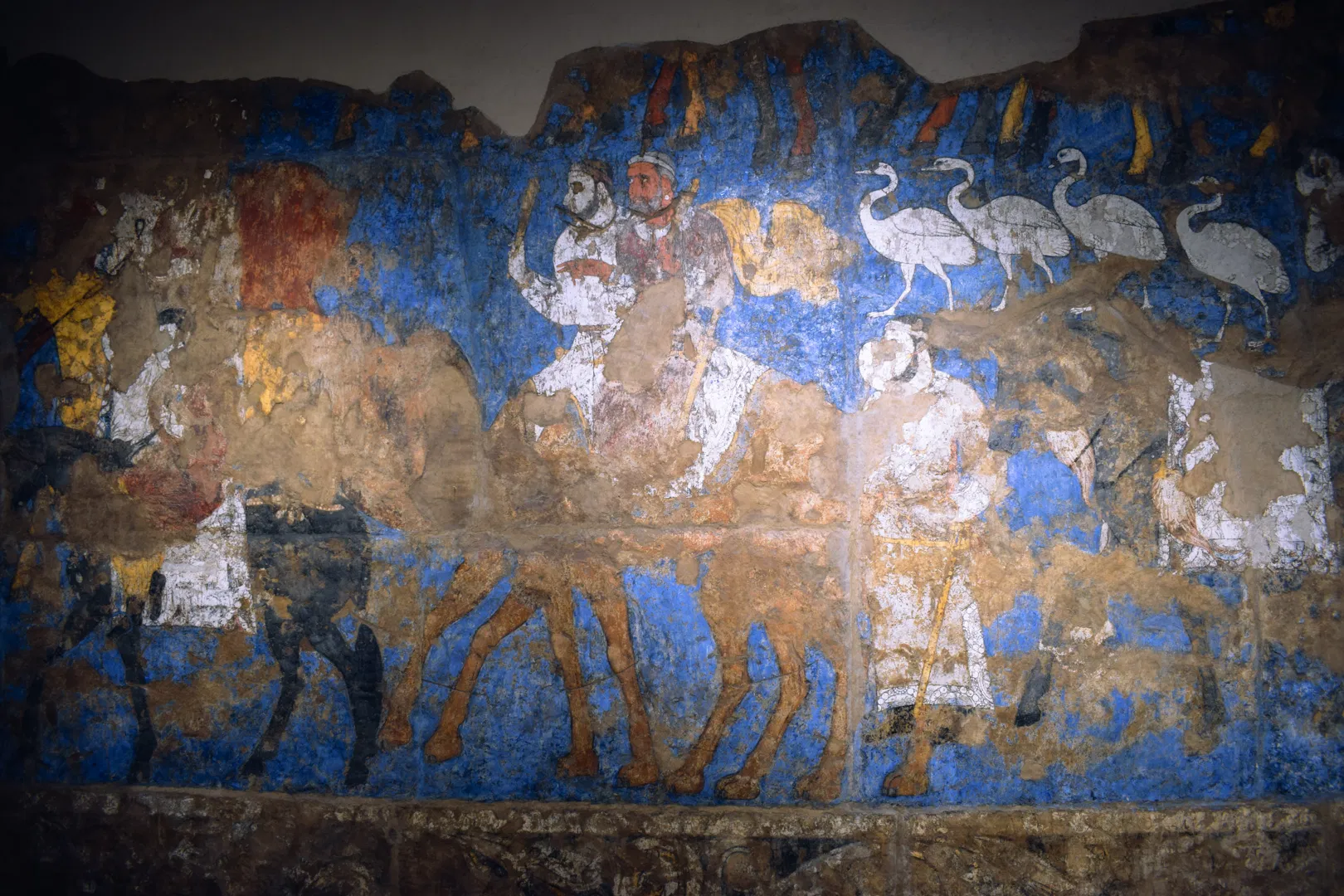
This guide will help you follow in the footsteps of the Zoroastrians — from the sands of Karakalpakstan to the mountains of the Pamirs, from the silent steppes of Mangystau to the ruins of ancient Nisa.
Once, Zoroastrianism was one of the main religions of the East — it was followed by the inhabitants of ancient Khwarezm, Bactria, Sogdiana, and Parthia. Today, only stone traces remain of this cult, but even they amaze with their scale and meaning. Towers of silence, fire temples, and sacred sites scattered across Uzbekistan, Turkmenistan, Tajikistan, and Kazakhstan offer a rare opportunity to see what spiritual life looked like in the pre-Islamic era.
From this guide, you will learn where the preserved monuments are located, how to get to them, when is the best time to go, and what you should know before traveling through places where time seems to have stood still.
Central Asia holds many traces of Zoroastrian culture—a ancient faith that arose long before Islam and left its sacred symbols throughout the region. One of these are the Towers of Silence—places where the rituals of "sky burial" were performed.
Shylpyk — Karakalpakstan
 Автор: Bruce Allardice
What is a "Tower of Silence"? This is what Europeans called a dakhma—a round funerary structure used by followers of Zoroastrianism for a special burial ritual. Zoroastrians believed that after death, the soul undergoes a trial. Good deeds help to cross the Chinvat Bridge, while evil ones hinder it.
Zoroastrians believed that the body of the deceased was unclean and could contaminate the earth, water, or fire, so they did not bury people in the ground or cremate them on pyres. The dead were lifted onto a round open tower and left under the sun. Birds would eat the flesh, and the sun and wind would dry the bones. When the body was completely decomposed, the bones were collected and placed in special vessels called ossuaries. The ossuaries were then either immured in niches inside the tower or buried in the ground near the dakhma or in family crypts called nauses. This method was called sky burial, and it was described by Herodotus. It existed among peoples who practiced Zoroastrianism—in Persia, Khwarezm, Sogdiana, and Bactria.
In Central Asia, the belief in fire and the purity of the elements appeared during the Achaemenid era and persisted for a long time, finding reflection even in Muslim traditions. For example, for several days after a death, it is customary not to cook food in the house of the deceased. Gradually, with the advent of Islam, such rituals disappeared.
The towers of silence themselves were built from clay, stone, or brick on elevated areas, away from dwellings. They could vary in size—from small platforms to large circular structures.
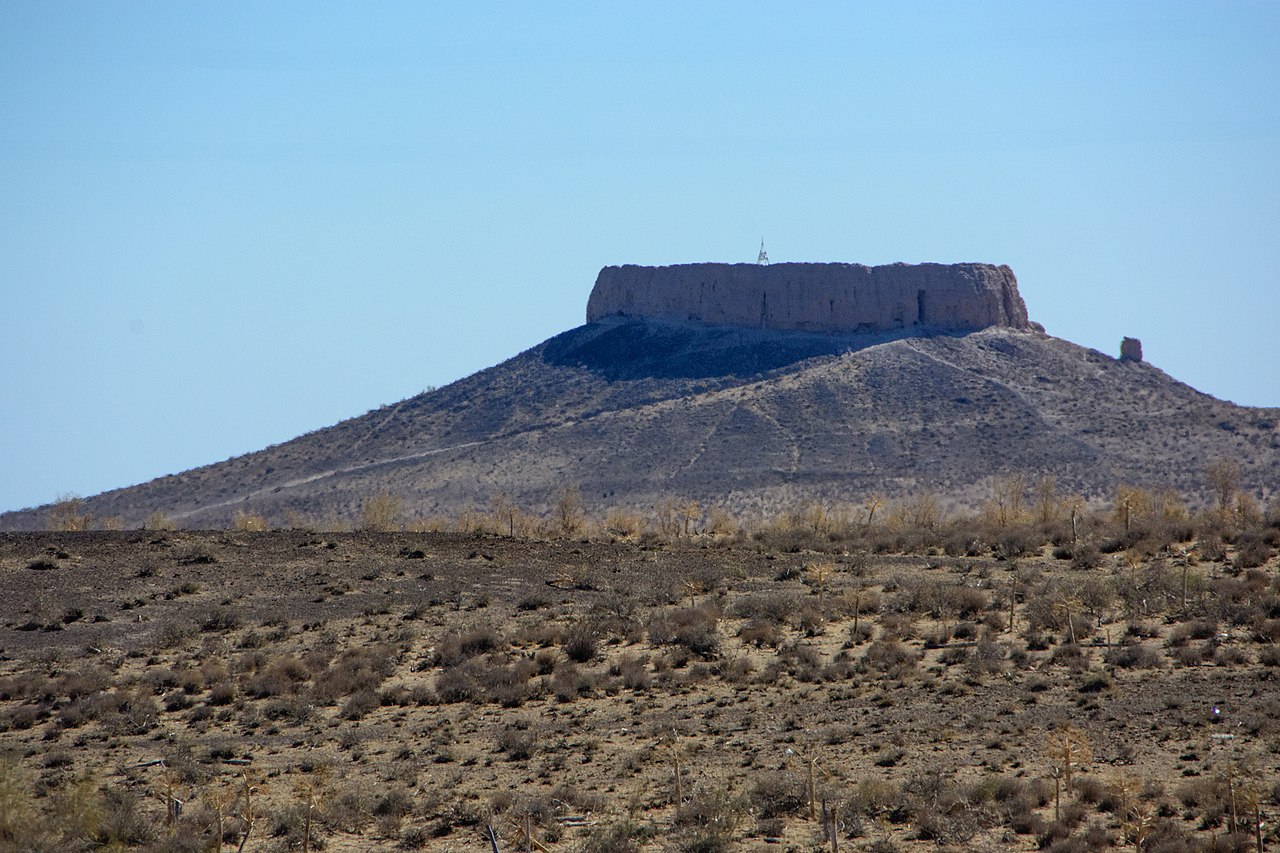
Shylpyk of Karakalpakstan — the most famous Tower of Silence in Central Asia — was used until the 8th century, after which the tower was abandoned. In the mountains of the Pamirs, Zoroastrian customs lasted longer. Today, sky burial has been preserved only among the Parsis in India and some Buddhists in Tibet. In Iran, the last Towers of Silence were in use until the 1970s, after which this ritual was banned.
Shylpyk is located about 45 kilometers from Nukus, the capital of Karakalpakstan. It is a round clay structure without a roof, built on top of a hill about 35 meters high. The tower has a diameter of about 70 meters, and the walls rise to 15.
Admission is free, there is no ticket office, and the place is open 24/7. There are no facilities nearby, only desert all around. Therefore, it’s better to come in the morning or in the evening when it’s not so hot. From the top, you can see the Amu Darya valley and the endless desert.
Locals consider Shylpyk a sacred place. At the top stands a tripod with multicolored ribbons — they are tied for good luck. Visitors are asked to treat the monument with respect, not to remove the ribbons and not to litter. Climbing in the dark is dangerous, as there is no lighting, so it is better to visit the tower during the day.
From Nukus to Shylpyk is about 45 kilometers along the road towards Turtkul. The taxi ride takes about an hour. Many tours of Karakalpakstan and Khorezm include a stop at Shylpyk, but if you wish, you can also go on your own. The most convenient way is to arrange a round trip with a taxi driver in Nukus; this usually costs about 15–20 dollars.
Nisa — Turkmenistan
 Источник: advantour.com
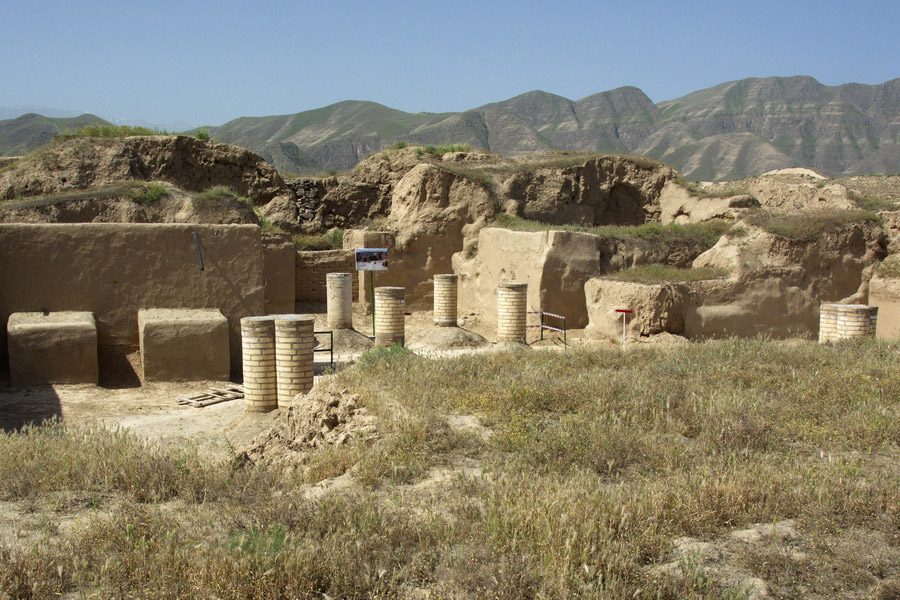
In the suburbs of Ashgabat, the capital of Turkmenistan, lie the ruins of Old Nisa — an ancient Parthian fortress that existed from the 3rd century BC to the 3rd century AD. Archaeologists have found traces of Zoroastrian burial structures here. Once, Nisa was an important sacred center of the Parthian Kingdom. Historians believe that it was here that temples, mausoleums, and special towers were located, where burial rites for the nobility took place.
Today, Old Nisa is included in the UNESCO World Heritage List. The site preserves the foundations and remains of ancient buildings, including towers of silence where sky burials were conducted.
The ruins are located about 15 kilometers west of Ashgabat, near the village of Bagir. Information boards have been installed on the site, which help to imagine what these structures looked like many centuries ago. The Nisa archaeological park is open to tourists every day. Here you can see the ruins of an ancient Parthian fortress and the remains of Zoroastrian temples. There is a small museum and security on the premises.
For foreign tourists, visiting Nisa is most often included in organized tours, as independent travel around the country is restricted. At the entrance, you may be asked for your passport and your details may be recorded. The ticket costs about 6–10 dollars, and photography is paid separately — around 3 dollars. The park is open from 9 a.m. to 6 p.m., with a possible break during the hottest hours in summer.
Only the foundations of the towers have survived, but in the museum you can see ossuaries found here—vessels in which bones were kept. It is better to go with a guide to better understand the layout and history of the place.
It is about 15 kilometers from the center of Ashgabat to Nisa. The easiest way to get there is by taxi; the trip takes about 20 minutes and costs around 5 dollars. You can also get there by bus or minibus to the village of Bagir, but from the stop you will have to walk about two kilometers. Most tourists arrive as part of organized tours; a visa and a tourist voucher are required in the country.
Karon Fortress — Tajikistan
 Автор: Omid Jeyhani
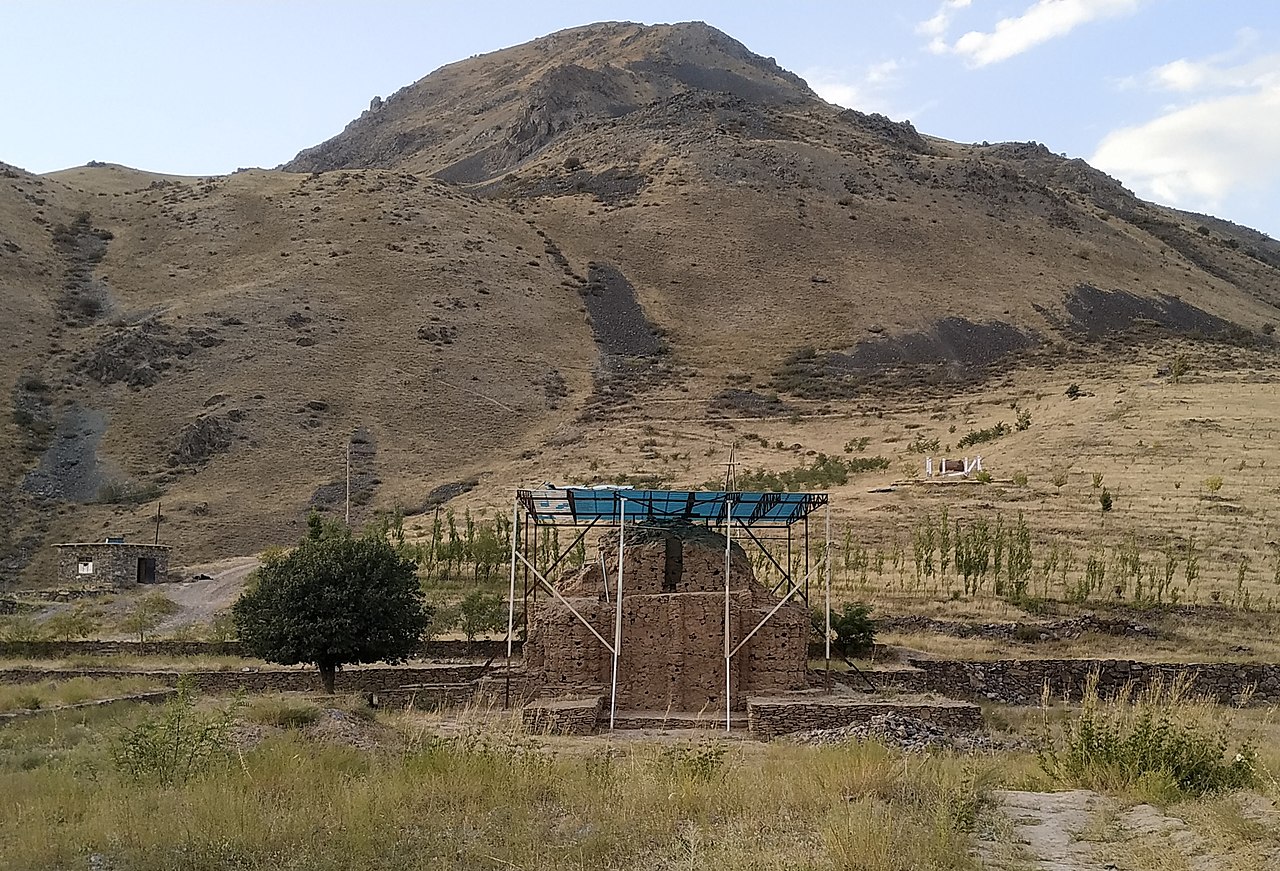
In the Darvaza mountains in the southeast of Tajikistan, archaeologists discovered the ancient city of Karon, which is called the Machu Picchu of Tajikistan. It arose in ancient times and existed until the 15th century. It included temples of fire, water, and wind, the ruler's palace, a stadium, and a Zoroastrian dakhma. The city is located at an altitude of about two thousand meters above sea level, above the Panj River, not far from the village of Kalai-Khumb. The ancient structures have been reduced to ruins, some of which are partially covered with canopies to protect them from the rain.
Today, Karon is an active archaeological site. There is no tourist infrastructure here, but the place is already included in travel routes around the Pamirs. Entry is free, however, to travel to this area you need a special permit, the GBAO Permit (permission to visit GBAO — the Gorno-Badakhshan Autonomous Region in eastern Tajikistan). You can obtain the permit in advance — through the consulate or online when applying for an electronic visa by selecting the appropriate option.
The best time to visit is summer and early autumn, when the road is passable. It is hot here during the day and cold in the evening, so it is worth bringing warm clothes. There are no cafes or shops nearby, so it is better to bring food and water with you from the nearest village.
From Dushanbe to Kalai Khumb, the district center of Darvaz, is about 370 kilometers. Every day, off-road vehicles and shared taxis depart from here, and the trip takes 10–12 hours along a mountain road following the Panj River. You can also hire a private car – it's faster (about 7–8 hours), but more expensive.
From Kalai Khumb to Karon is about 5–6 kilometers along a country road. In dry weather, even passenger cars can get here. After that, you’ll have to walk for about 20 minutes along a trail to the excavation site. It’s best to arrange your visit in advance with the local administration or museum, as the site is not equipped for mass tourism.
Altynkazgan — Kazakhstan
 Источник: silkadv.com
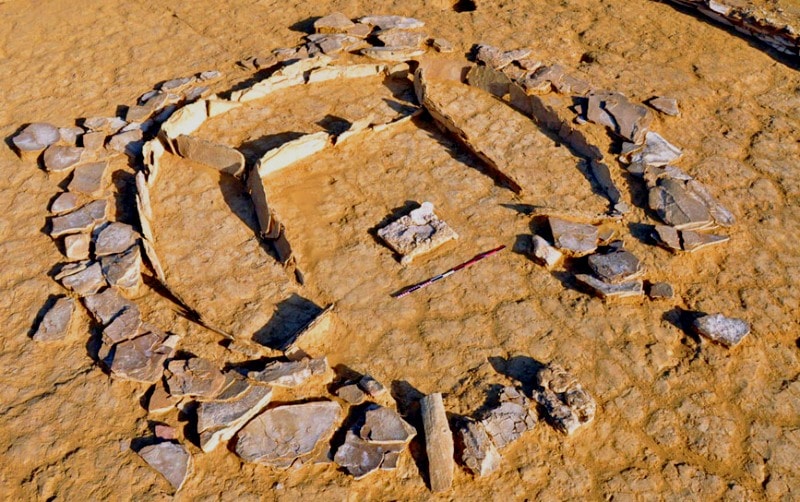
In Kazakhstan, no independent Towers of Silence have survived, but archaeologists have found traces of Zoroastrian burial structures in the west of the country, in the Mangystau region. In the Altynkazgan tract—about 110 kilometers from Aktau—a large cult-burial complex dating from the 1st to 6th centuries AD was discovered. Ossuaries, altars, and stone structures were found here, confirming that the local population practiced Zoroastrianism. Of particular interest are the round platforms surrounded by low walls—prototypes of the Towers of Silence, where the bodies of the deceased were left under the open sky, without being committed to earth or fire.
Similar findings exist in the Aktobe region, in the ancient settlement of Karakabak. These structures were less grand than those in Khwarezm, but they prove that Zoroastrian traditions also existed in the Kazakh steppes.
Today, Altynkazgan is not equipped for mass visits: there is no museum, security, or signage here. On site, you can only see stone circles and enclosures scattered throughout the valley. Getting there on your own is difficult, so it’s better to go with a guide or as part of a jeep tour of Mangystau’s attractions.
Entrance is free, but tourists are asked to treat the place with respect — do not touch the stones and do not drive onto the territory by car. All archaeological finds have been moved to the Aktau local history museum. Travelers should take a navigator, extra water, and fuel: there is only steppe and complete solitude around.
Zoroastrian monuments of Central Asia are not just ruins. They remind us that another faith once lived here. People here looked at the sun as a deity, spoke with the wind, and entrusted their dead to the earth without disturbing its peace. Central Asia knows how to keep its secrets. But to those who are ready to listen, it tells a story of how humanity learned to live in harmony with the world—and left behind not just ruins, but stories in every brick.
Read also:
Башни ислама: путеводитель по минаретам Центральной АзииМинареты Центральной Азии — это не просто архитектура. Это вертикальные хроники времени и веры, вознесенные над степями, пустынями и горами. От недостроенного великанa Хорезма до гофрированной башни Сурхандарьи — HD magazine собрал маршрут по самым впечатляющим башням исламского мира региона.mag.humodoc.com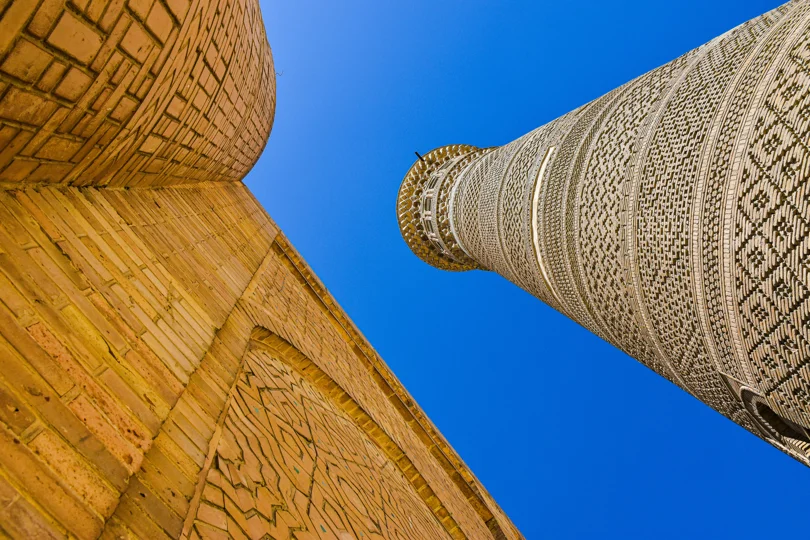


Newsletter
A letter from the HD editors
Once a week, we send the best stories, events, and cultural discoveries from Central Asia.