
Leisure as a Driver of Urban Development
Just a few years ago, Tashkent was, in many respects, a city shaped by the familiar routine of home, work and home again. Today, more and more people are spending their free time in the city itself. They stroll through parks, meet along pedestrian streets, attend festivals and public events, and explore new neighbourhoods and public spaces.
Nor is this trend limited to parks. One of Tashkent's most striking urban phenomena in recent years has been the emergence of a new generation of shopping and entertainment centres. They are gradually turning into genuine destinations. People come here with their families, bring visitors to the city, arrange meetings and spend their weekends.
A look at Tashkent's most popular destinations makes it clear that these are no longer isolated attractions. Eco Park, Taras Shevchenko Street, Tashkent City Park, Magic City and many other public spaces now fulfil much the same role.
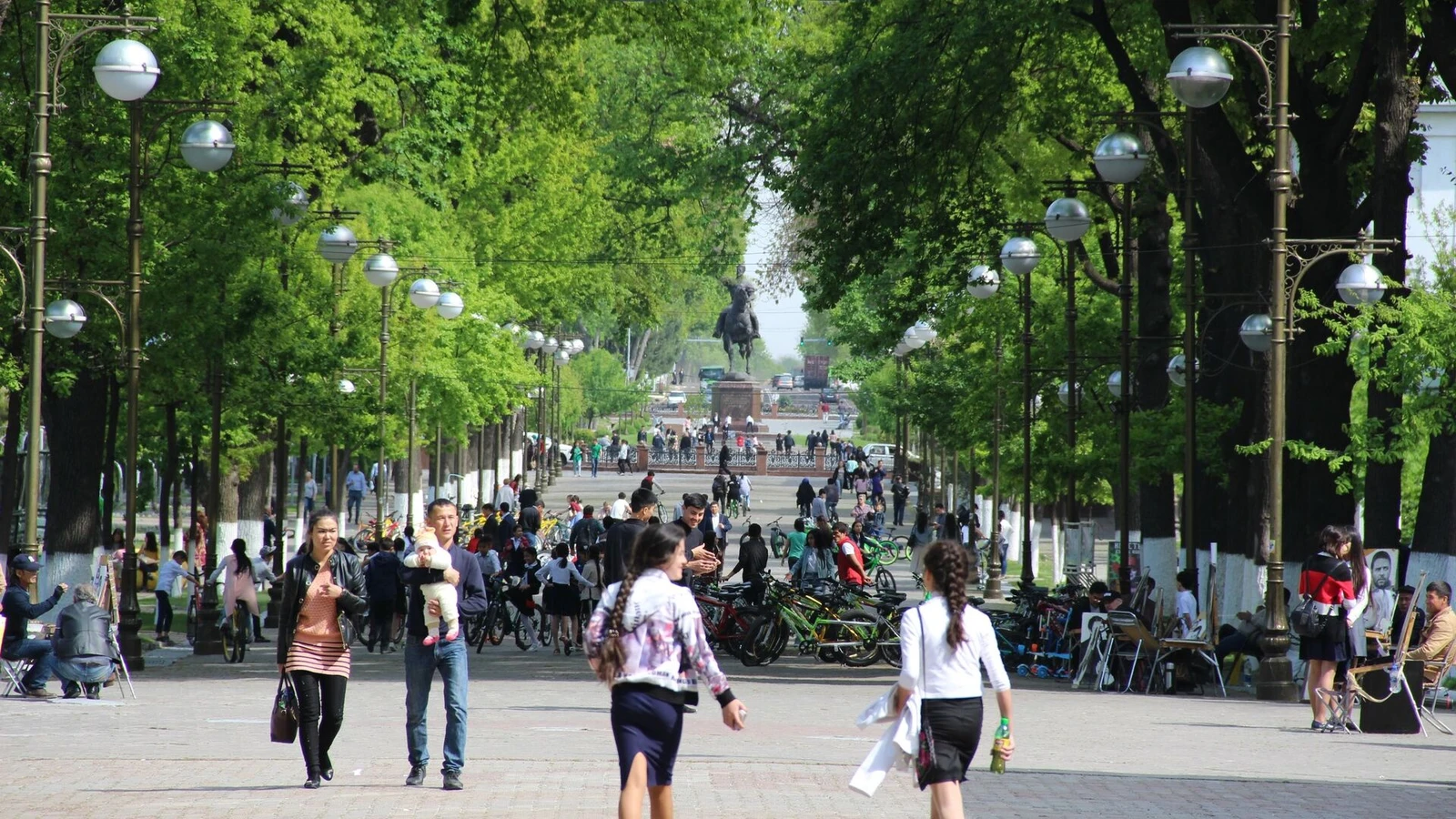
Today, parks, walking areas, shopping and entertainment centres, and public spaces are competing not in terms of square metres but for people's attention. Yet the quality of the urban environment depends on far more than how people choose to spend their weekends. Yet the quality of the urban environment is determined by far more than where people choose to spend their day off.
The real test of a city takes place every day, on the way to school, to work, to the shops, or during an evening walk close to home. That is why the development of the urban environment extends far beyond parks, festivals and new public spaces.
Two Speeds of Development
Today, Tashkent is developing at two different speeds. On the one hand, the city is experiencing rapid investment in infrastructure, public spaces and urban improvement.
This is largely because the city’s development agenda is no longer shaped solely at the local level. Uzbekistan is actively engaging with international development institutions such as the World Bank, the Asian Development Bank, the Asian Infrastructure Investment Bank and various sustainable urban development programmes.
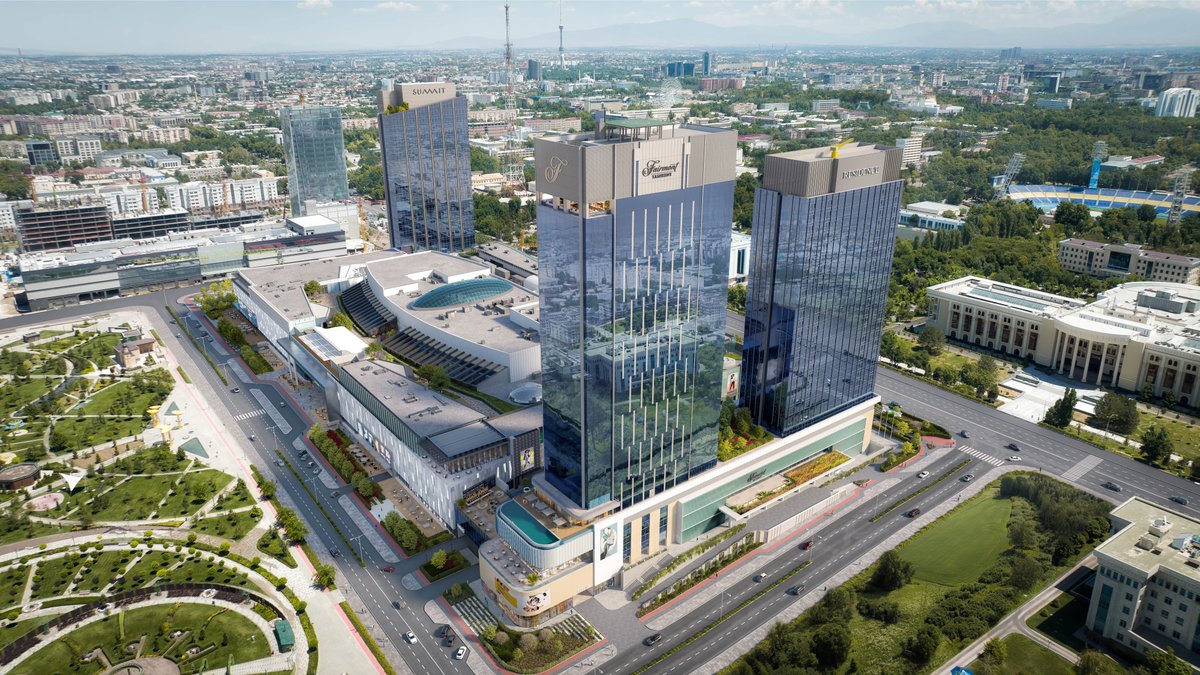
At the same time, most buyers still choose a property based on its location, price, transport links, the novelty of the development and the developer’s reputation. That is entirely natural, because the property market and the urban environment are evolving at different stages.
The mass-market buyer has not yet developed a natural set of expectations regarding the quality of the environment around their home. They rarely consider the functionality of courtyards, the design of shared spaces within residential developments, walking routes, the quality of landscaping, or opportunities to spend time close to home.
Status Still Outweighs Comfort
For now, developers tend to sell an image of status: an elegant façade, a soaring tower, a marble lobby, expensive finishes, a gold-coloured lift. These features are still widely perceived as markers of a high-quality development. This is not a criticism of developers, but rather a natural stage in the market’s development.
In most cases, the property market continues to compete through location, the perceived status of a project, façades, and interior finishes. The mass-market buyer is only just beginning to develop a demand for the quality of the environment surrounding housing. Such expectations cannot be formed in a few years; in other countries, they took decades to evolve.
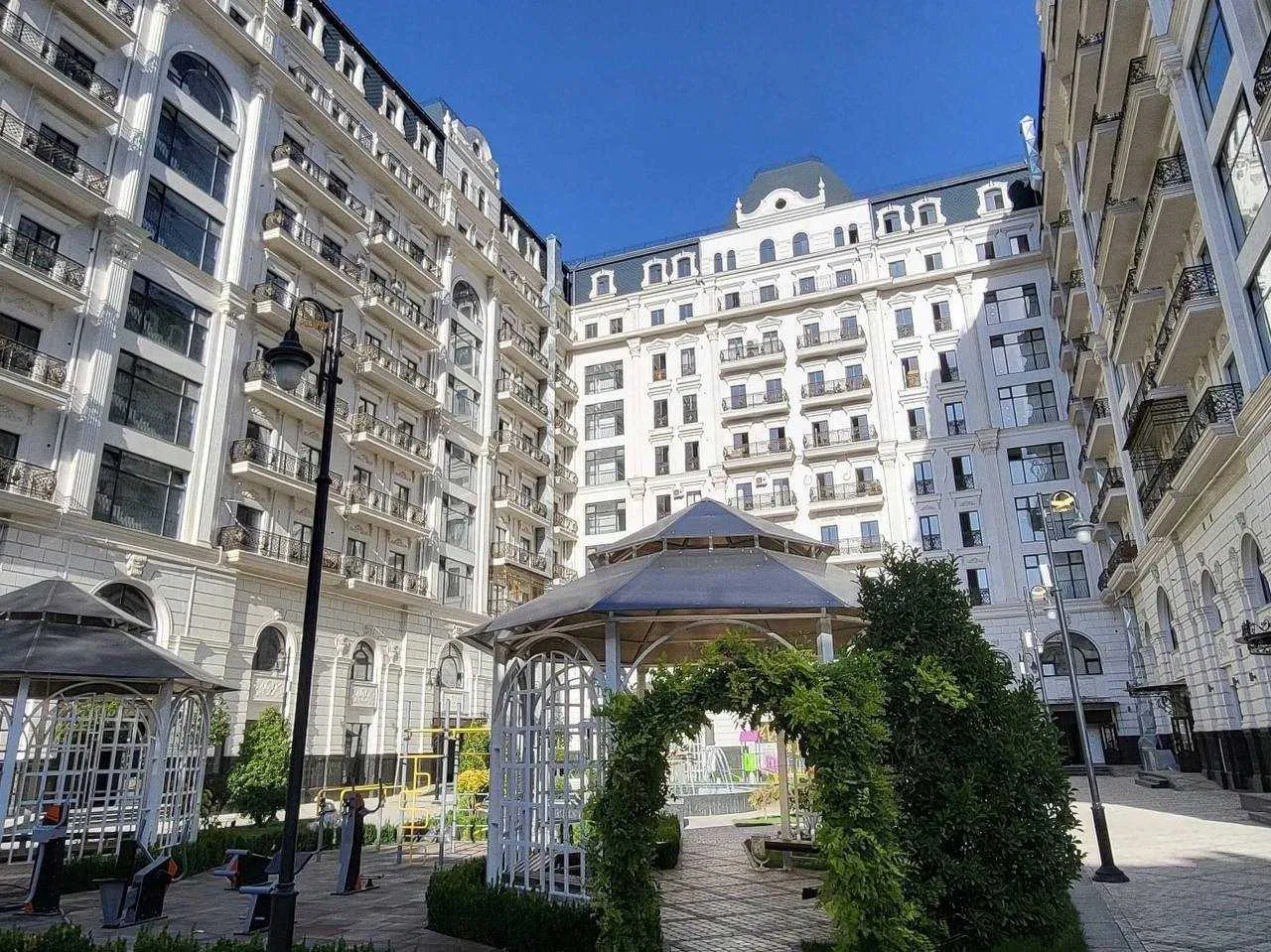 Source: photo bank of the Kazakhstan residential complex
As a result, many residents today already choose the city’s best public spaces for leisure, spend time in higher-quality urban environments, and begin to notice the differences between territories and levels of landscaping and improvement.
The more people experience well-designed environments, the higher their expectations become. Over time, these expectations begin to influence not only where they choose to spend their free time, but also where they choose to live. For now, the market remains largely local, responding to existing demand, but it cannot remain so indefinitely.
Tashkent is becoming one of the most attractive cities in the region for investment and international business. The New Tashkent project is under way, and interest from foreign companies and investors in Uzbekistan continues to grow. Against this backdrop, the arrival of international developers and global standards in residential design is more a matter of the next few years than of the distant future.
Competing on the Quality of the Urban Environment
Alongside these changes, another process is quietly unfolding. Public spaces are becoming a kind of classroom for urban culture, encouraging people to assess not only a place themselves, but also the quality of time it offers.
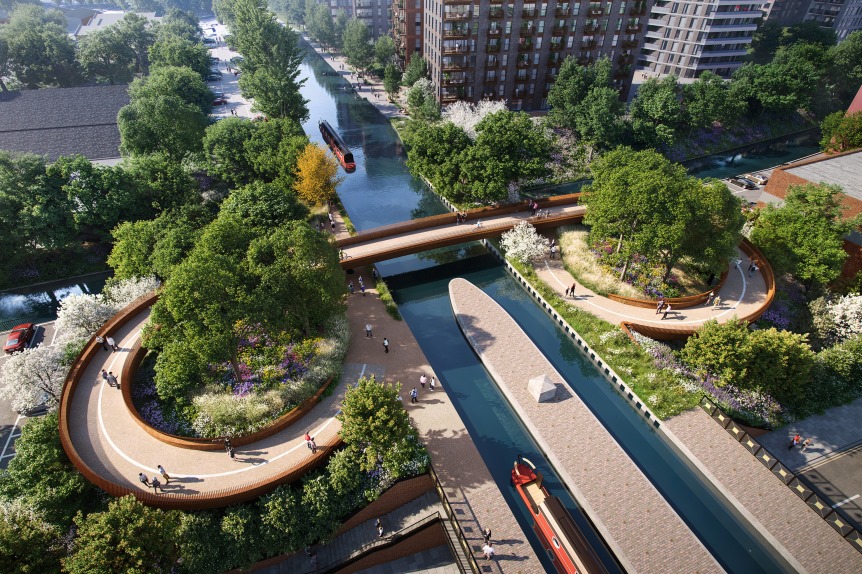
Experience over the past few years suggests that Uzbekistan is developing faster than most forecasts predicted. Many processes that took decades to unfold in other Central Asian cities are taking place here at a much faster pace.
The next stage of Tashkent's development will depend less on the construction of new buildings and more on a shift in residents' expectations. Once these expectations are fully formed, competition will no longer revolve solely around façades, lobbies or building height.
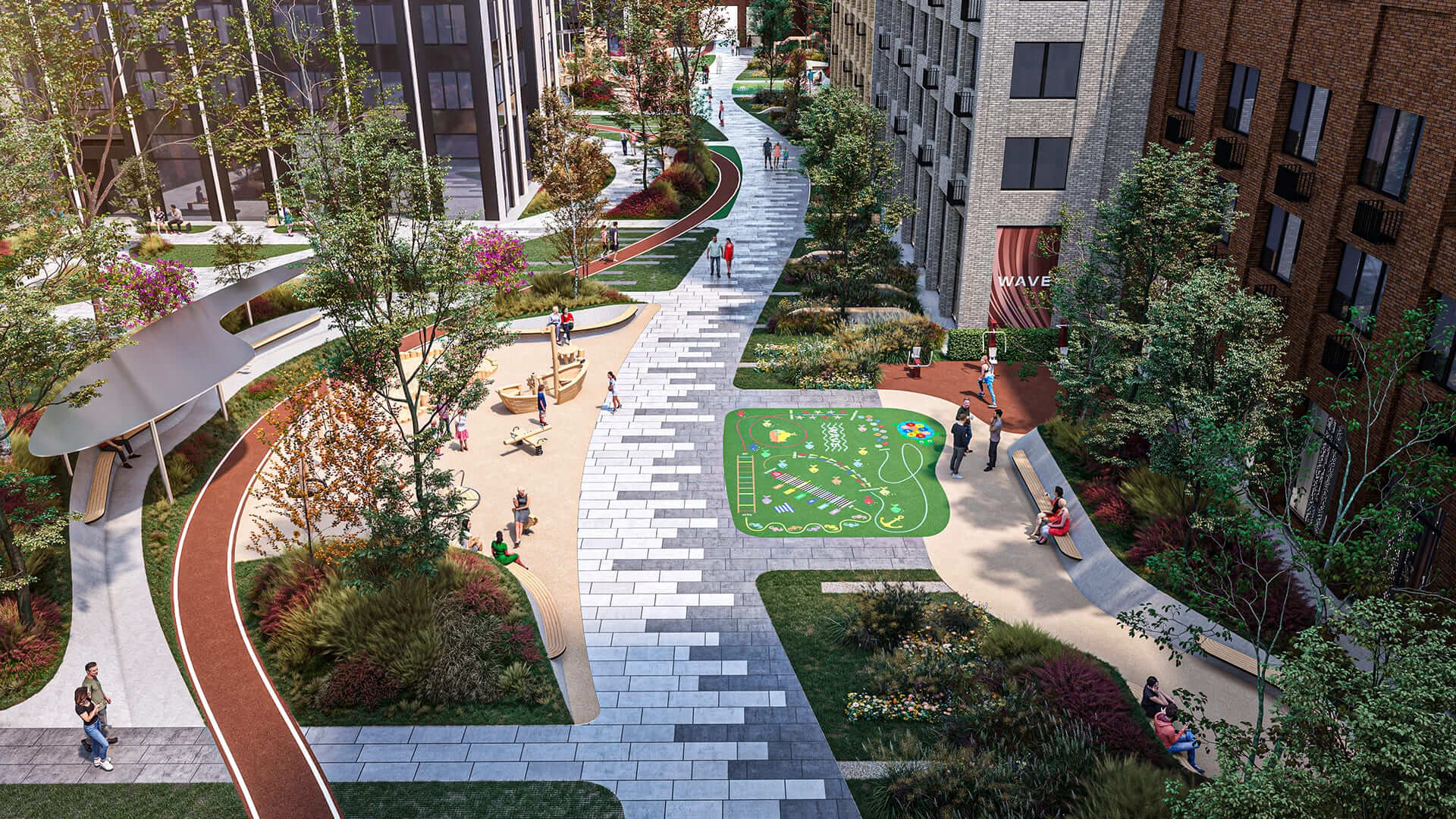
Ultimately, it will be the quality of the urban environment that defines competition. A modern city is not only its buildings and infrastructure, but the everyday setting in which people choose to live. For Tashkent, the key question in the years ahead will not be how many new developments the city can deliver, but how quickly public expectations catch up with the pace of urban change. When that happens, it will mark a broader shift — not only in the city itself, but also in the property market, in approaches to urban development, and in the very understanding of what quality of life means in a contemporary city.


