Architecture & Urban Environment
International Organisations Are Changing Cities. But Do Residents Feel the Change?
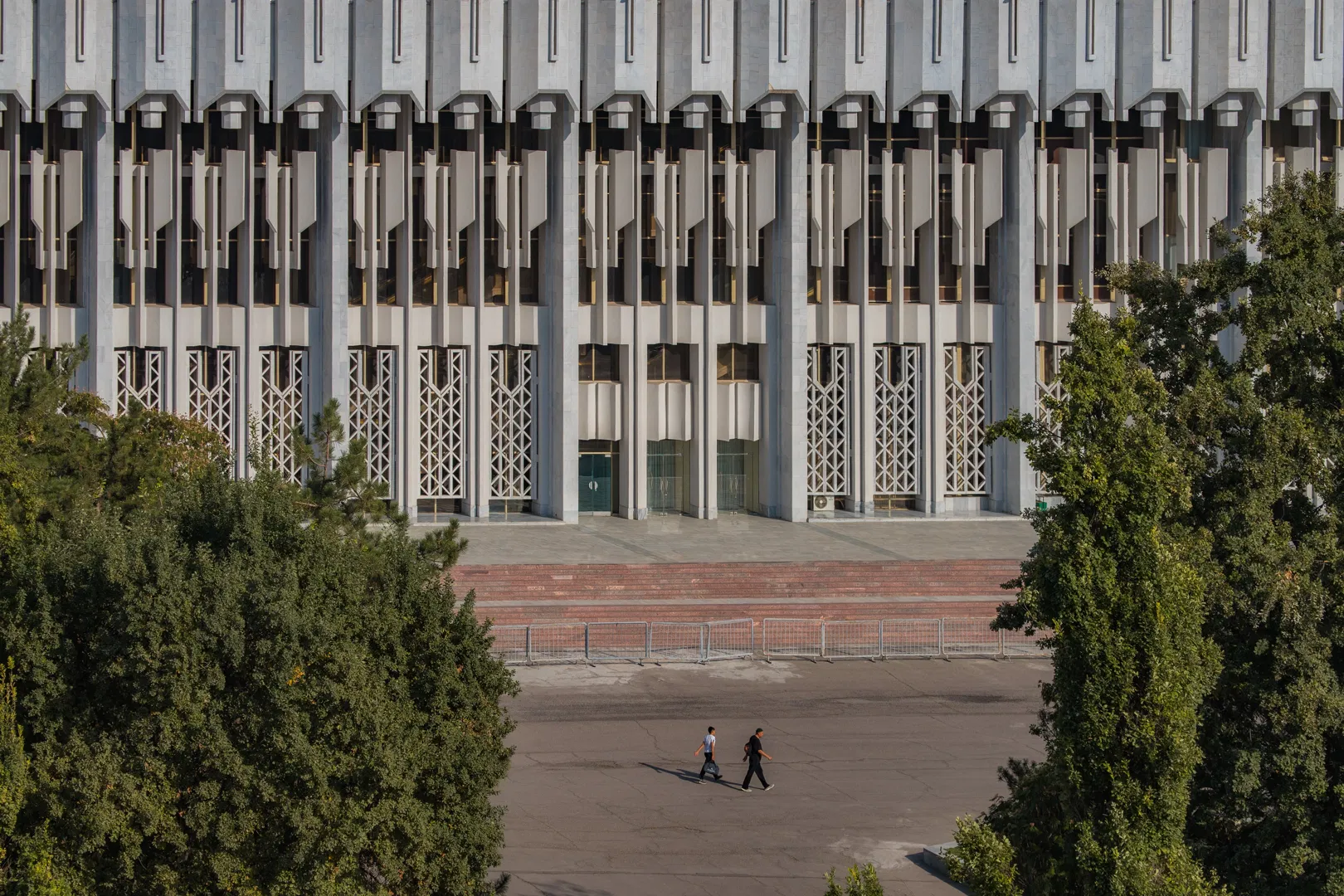
For the past few months, one question has refused to leave my mind: why do the world's leading international organisations place so much emphasis on quality of life, while residents do not always feel those improvements in their daily lives?
As I explored the programmes of international organisations working in Uzbekistan, I initially thought I was looking at a series of very different projects. Yet the deeper I delved into the documents, the more clearly I began to see a common thread.
The more I read, the more surprised I became. Almost every programme focused not on buildings or square metres, but on people: their quality of life, safe streets and an accessible urban environment. If the ultimate goal of all these initiatives is the urban resident, why do residents themselves so rarely become part of the conversation?
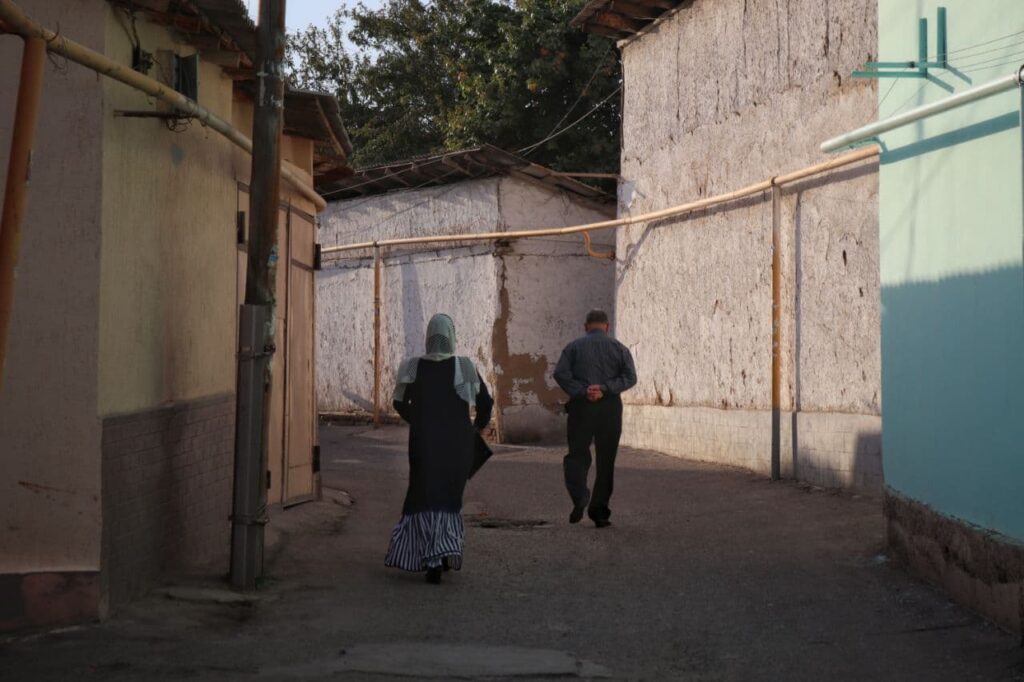 Source: Novastan.org
It seems to me that we have learned to discuss urban development without the people who actually live in our cities.
Governments define strategy. International organisations provide tools and share best global practices. Yet residents usually become part of the conversation only after all the key decisions have already been made. All that remains is for them to live in a city that others have designed for them. And that is where the fundamental distinction lies between a successful project and a successful city.
How can we know whether residents have genuinely felt these changes? It is not a question that can be answered with numbers. Not by counting new developments, measuring investment, or reading project reports.
We adapt quickly to improvements. We stop noticing a well-designed street, a safe pedestrian crossing or a new park. They become part of everyday life. But remove them, and the reaction is immediate.
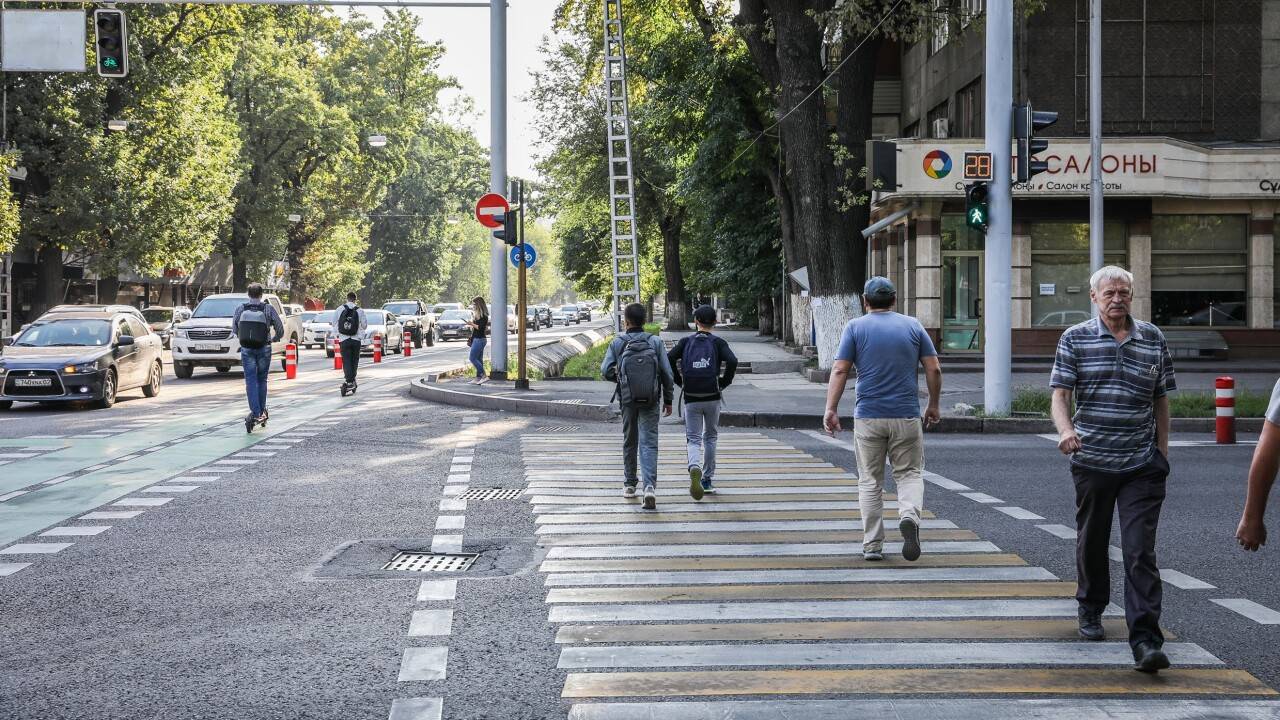 Source: Informburo.kz
The True Measure of Urban Development
There is another thought I keep coming back to. Where does a city really begin? With its central square?
For me, the heart of an Uzbek city is the mahalla. It is here that a child first walks to school alone, an older person sets out on their daily walk, and neighbours know one another.
Every day, people answer one simple question for themselves: is this city comfortable to live in? The real wow factor does not come from a new landmark building. It comes when an ordinary street is transformed, when the daily journey becomes easier. When change reaches every neighbourhood rather than remaining confined to the city centre.
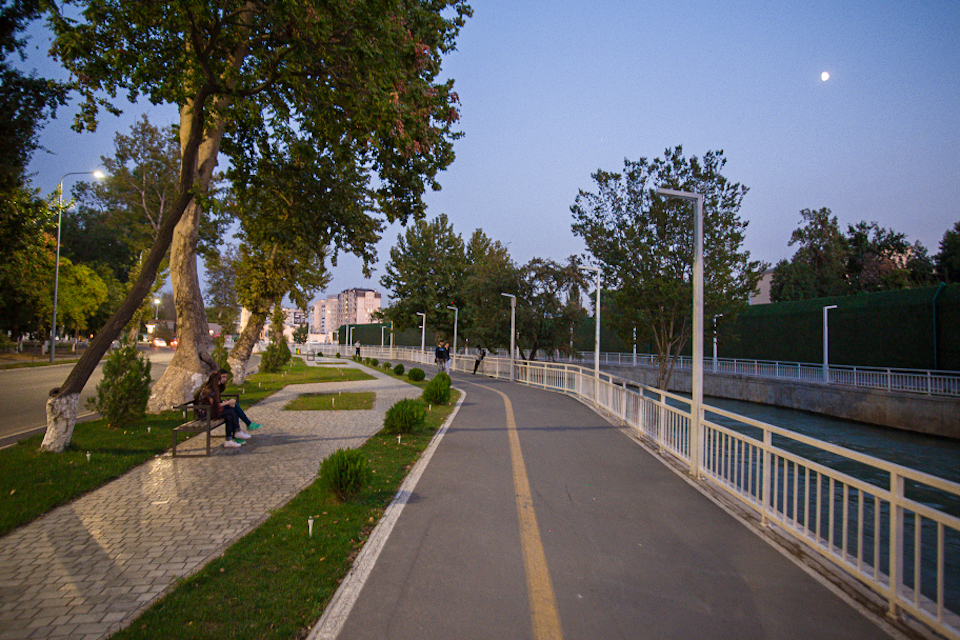 Source: Afisha.uz
Today, Uzbekistan has a rare opportunity to embrace change without losing its identity. The country can draw on the world's best experience while preserving what makes it unique. That is far more important than building yet another city that looks like dozens of others.
People do not come to Uzbekistan to see a copy of Dubai. They come to experience the real Uzbekistan: its mahallas, its streets, its culture and its way of life.
A modern city should not erase identity. It should help it evolve.
A City Cannot Be Changed Without Its Residents
The more deeply I explored international programmes, the more convinced I became of one thing: today, it is not enough to discuss only what we are building. We must also discuss the kind of life we are shaping through these decisions. It is that life which future generations will inherit.
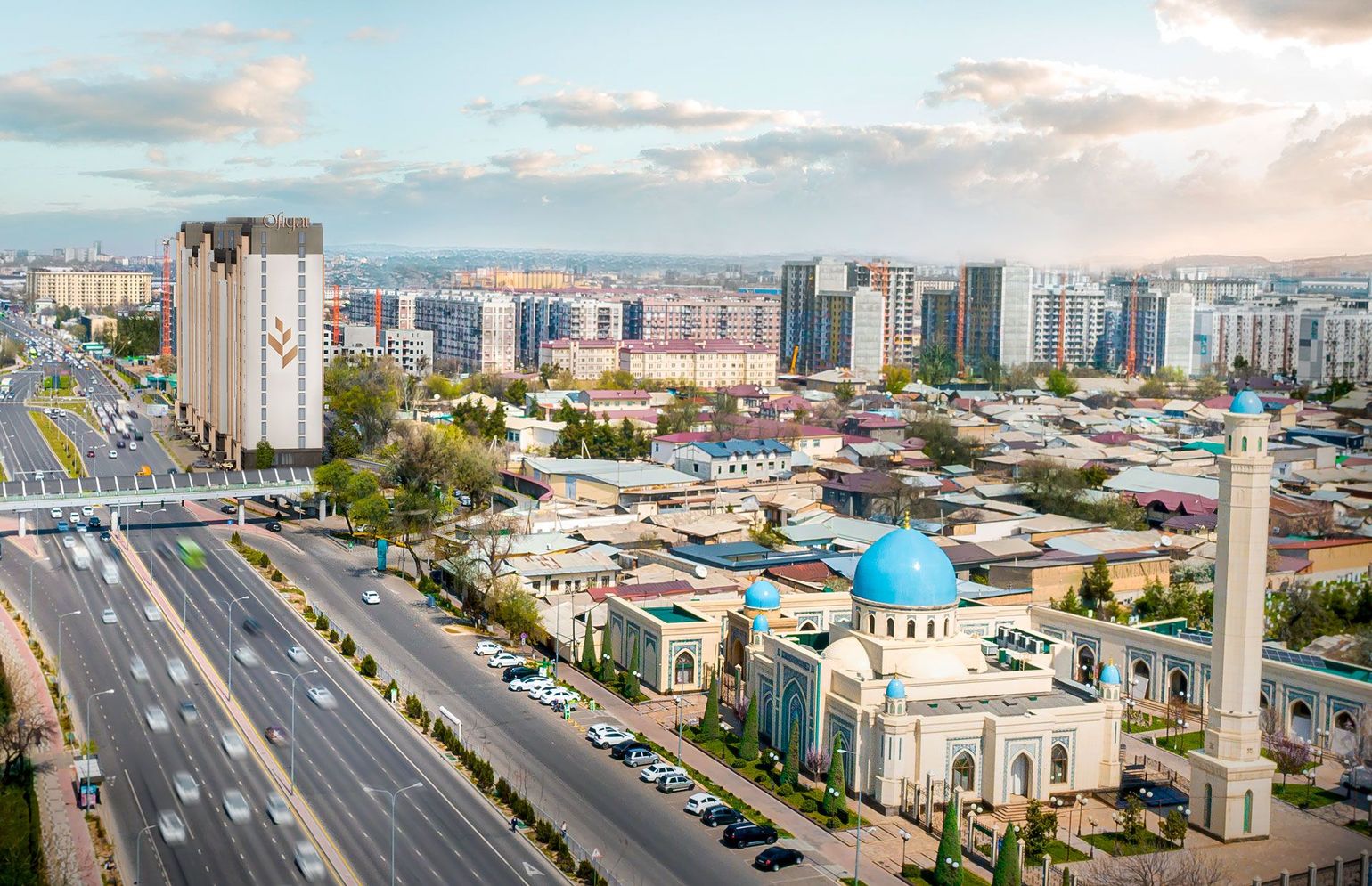 Source: Yangiuylar.uz
I believe we now have an opportunity to begin a different kind of conversation about how the quality of urban life should be measured, how we can know whether change is truly making a difference, and how residents can move from being passive observers to active participants in shaping their cities.
The next step should be a dialogue with representatives of UN-Habitat, the World Bank, the EBRD and the European Union. I would be interested to hear the criteria they use to evaluate the impact of international programmes on people's everyday lives.
If you could ask international organisations just one question about the future of Uzbekistan's cities, what would it be?
Residents' questions, together with the responses from international organisations and expert analysis, could help us address these issues in a more constructive way.
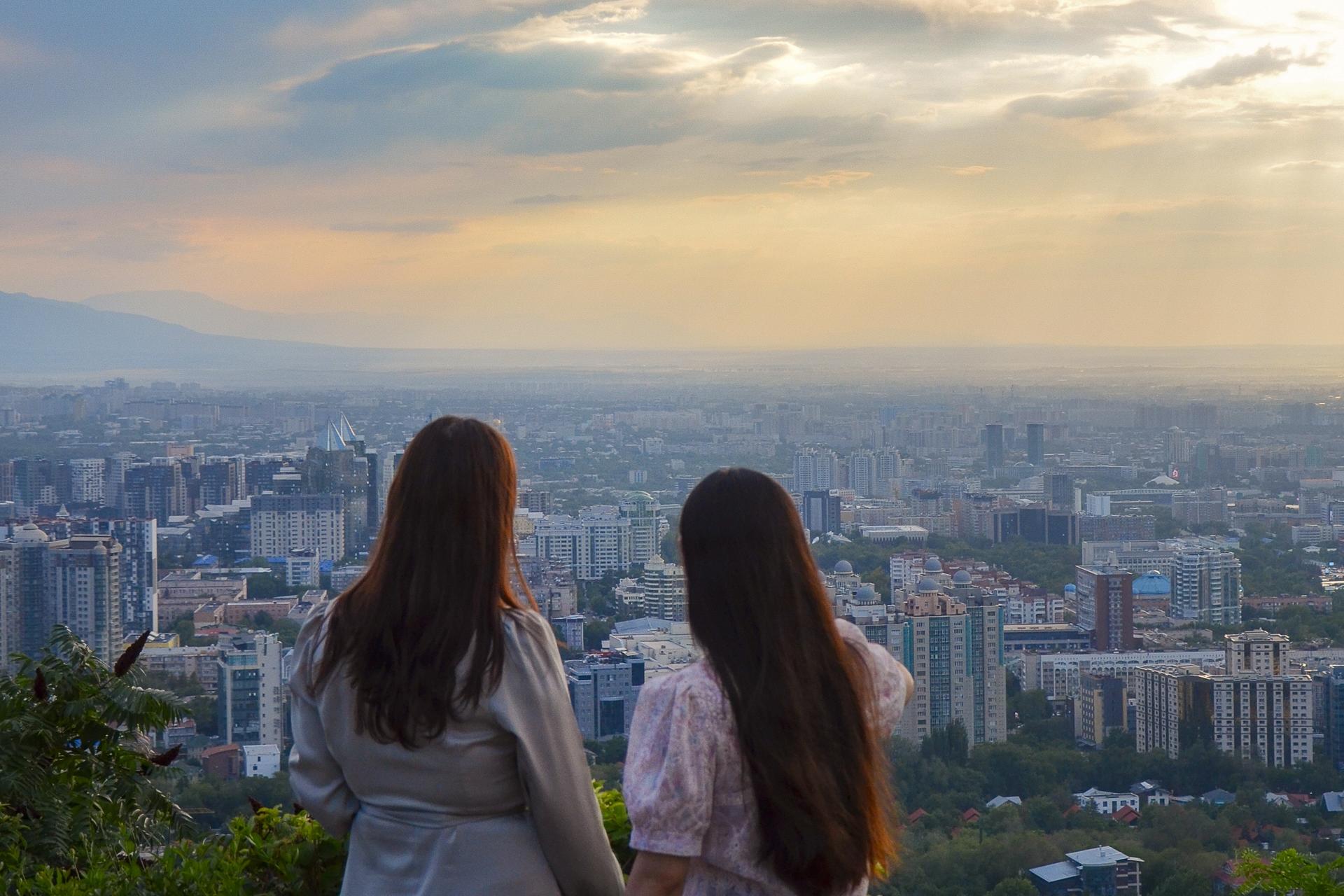 Source: UNDP
After all, cities cannot be developed through projects alone. They can only be developed together with the people who live in them.
And perhaps the truest measure of the success of any international programme is the moment when people begin to feel that the city is no longer someone else's project, but has become part of their own lives.
Read also
 Architecture & Urban Environment
The Architecture of Tomorrow: New Identities, Emerging Technologies and the Human Factor
Damir Ussenov
 Architecture & Urban Environment
A Pretty Facade Doesn’t Make a Business
Maxim Shabashov
 Architecture & Urban Environment
Walking Almaty’s Modernism: Architecture Against the Mountains | A Photo Essay
Alfiya Kalmaganbetova, Amira Kassenova
Newsletter
A letter from the HD editors
Once a week, we send the best stories, events, and cultural discoveries from Central Asia.