
Every time we discuss urban development, the spotlight falls on new landmarks: residential complexes, modern parks, public spaces, metro stations, landscaped streets, or large-scale architectural projects.
They become symbols of progress, featuring in news reports, presentations, and investment programmes.
But recently, I caught myself thinking: we almost never ask a different question. How comfortable is it for a person to navigate their most ordinary daily route?
Because urban space is not just about buildings; it is the path between them. And this path is traversed every day. It turns out that people live not inside objects, but in the spaces between them. And it is precisely this route that determines the true quality of the urban environment.
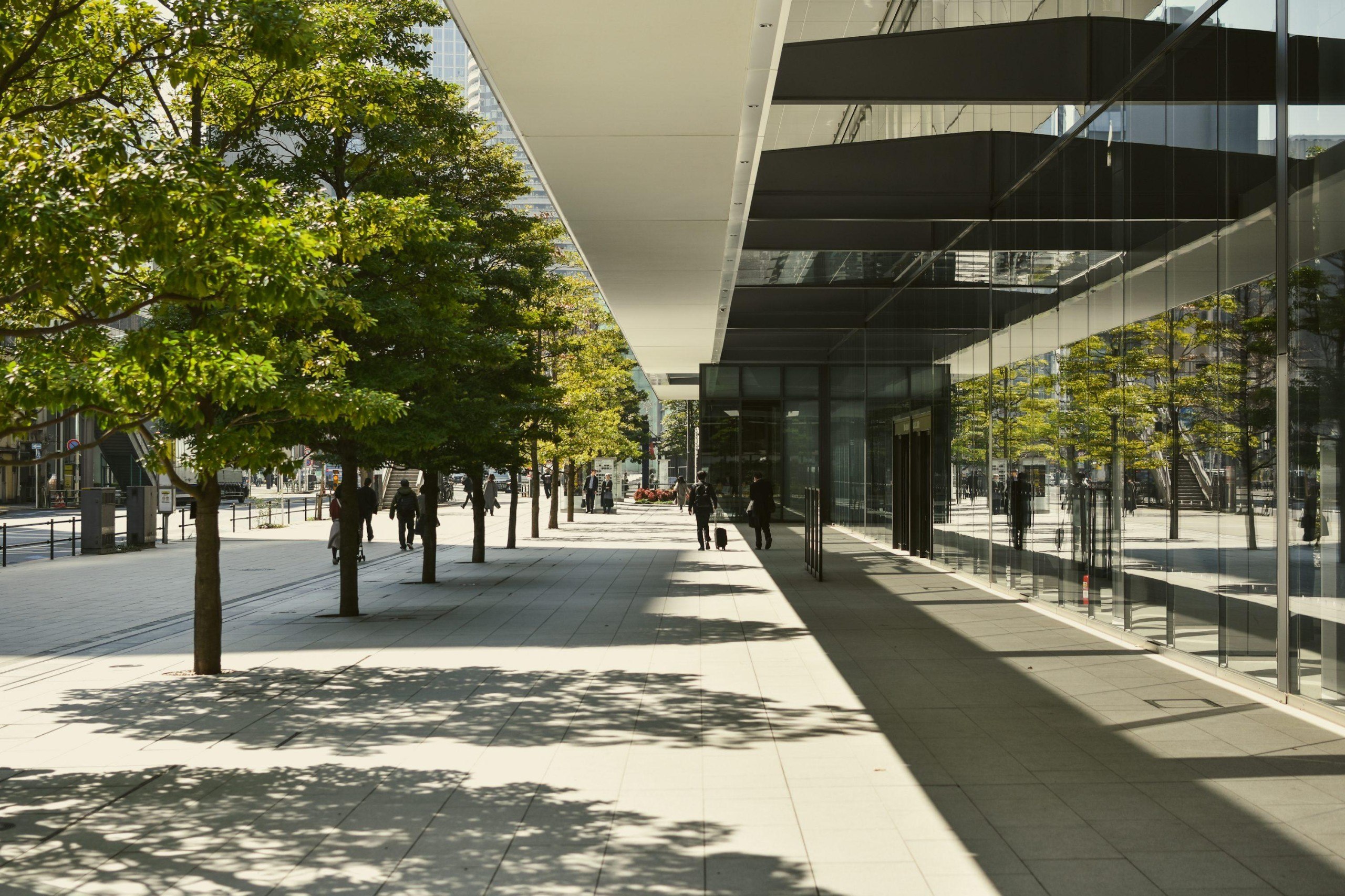 Source: nsl.ethz.ch
The language a city speaks
A comfortable city is not the sum of individual objects, but the quality of the connections between them. How easily can a person complete their entire journey, almost without thinking about obstacles?
Recently, I stopped several times during a single metro ride to figure out where to go next. At some point, the city simply stopped talking to me. I was looking for the right exit at Buyuk Ipak Yoli station and trying to work out which direction to take after one of the exits (of which there are, mind you, six). I started searching for landmarks, and still had to ask for directions several times.
That’s when I recalled a familiar phrase I’ve heard since childhood: ‘Language will take you to Kyiv.’ But should a modern city really rely on this approach?
Over the past few years, I’ve visited more than thirty countries, and I noticed an interesting pattern. I almost never felt lost – not because I knew the language, but because the cities themselves constantly guided my next step. They communicated with me not through words, but through space, signage, clear routes, and the urban environment.
That’s when I realised that navigation is far more than just signs; it is an entire system of communication between the city and its people.
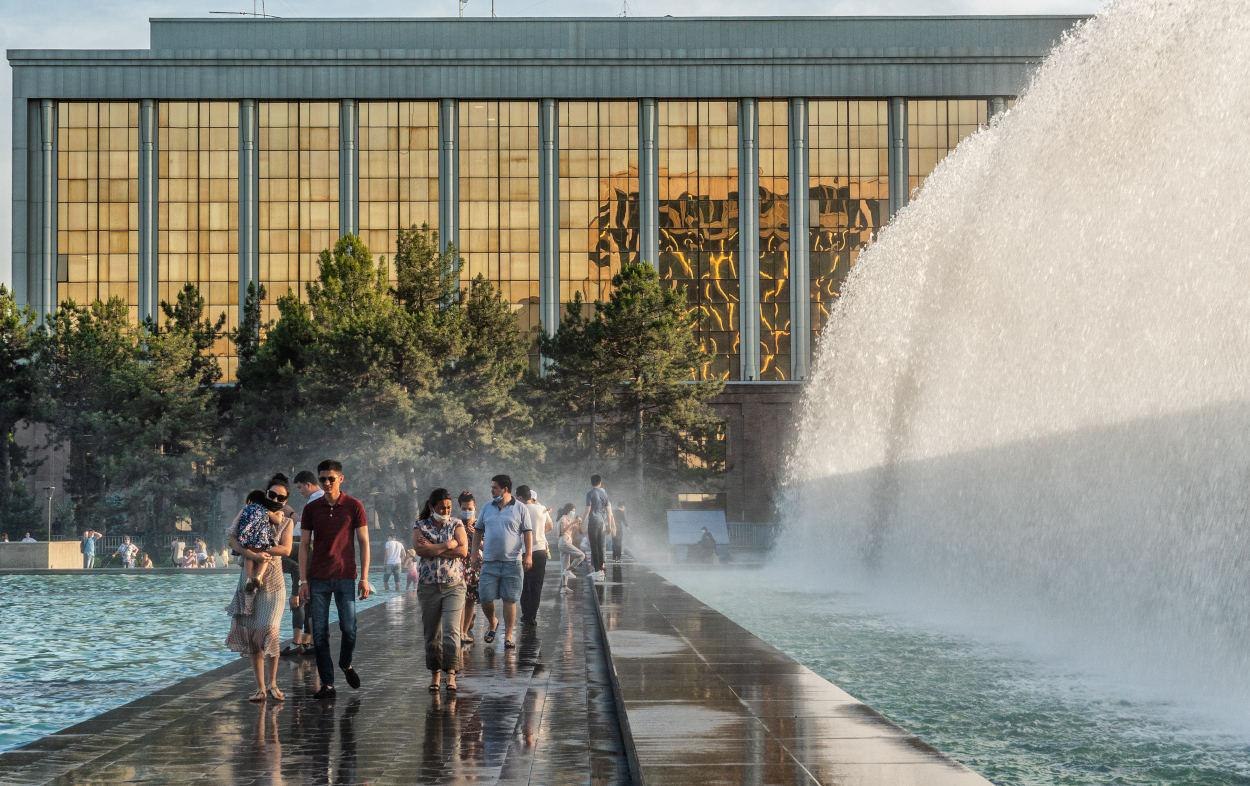 Source: Fergana Media
It begins even in the metro, when a passenger understands which exit leads to a museum, which to a park, or which to a historic quarter. Navigation is guided by landmarks, road markings, neighbourhood maps, public transport stops, and lighting – it is a clear organisation of movement through space.
Good navigation doesn’t force a person to search for their way. It accompanies them throughout their entire journey. But today, it seems to me that the problem runs much deeper.
Will the walker master the road?
Tashkent is developing very rapidly, the population is growing, and the city is welcoming more and more tourists. New modes of transport are emerging.
Yet the streets themselves have barely changed. The width of the pavements remains the same. But the number of people using them is constantly increasing. Where once the pavement belonged to the pedestrian, today it is simultaneously contested by parents with prams, children, the elderly, cyclists, scooter users, couriers, patrons of summer cafés, and ordinary passers-by. The result is that the space intended for people is shrinking.
We build a city for people, but gradually take away their space. So today, we should talk not only about major projects, but also about what I call the ‘everyday life route’. It consists not of landmarks, but of dozens of small points: a bus stop, a pedestrian crossing, a pavement, a drinking fountain, or a bench. Shade on a hot day, a public toilet, a clear sign, and even lighting. Each of these details seems insignificant on its own. But together, they create the feeling of a city.
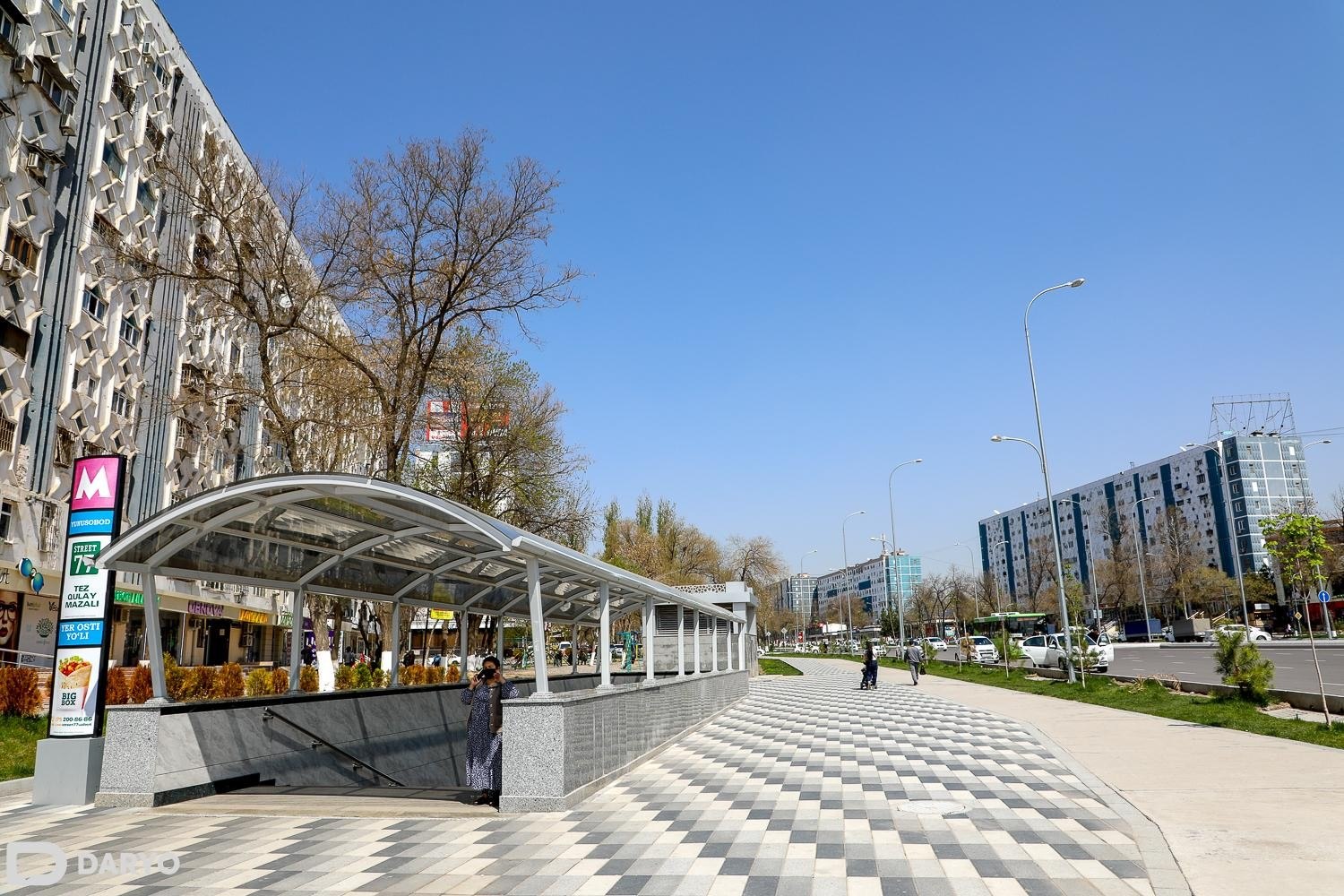 Source: Daryo.uz
Urban navigation is, above all, about safety and reducing stress. Imagine entering an unfamiliar room with no light. You can’t see where the door is, and you don’t know what’s around you. The first few seconds cause anxiety, but as soon as the light comes on, you immediately understand the space. It’s just an ordinary living room or a hotel lobby. The stress disappears. The same happens with a city. When a person understands where they are, where to go next, and what to expect ahead, they feel calm.
Good navigation is that very light that helps you orient yourself in space. Some say that navigation is no longer so important today, since everyone has a smartphone that shows the route. But urban space should show the direction. And these are different things. A map helps you find an address, but a city should help a person feel confident.
Inclusion as a luxury
There is another issue that seems particularly important to me.
Sometimes it seems that there are almost no people in wheelchairs in the city, but perhaps the problem is not that. Perhaps the city simply hasn’t yet left them any space.
If even an ordinary pedestrian finds it increasingly difficult to find their place among cars, bicycles, scooters, and other road users, how free can a person feel for whom an accessible environment is not a matter of comfort, but an essential condition for independent living? It is precisely the most vulnerable participants in the urban environment – children, the elderly, parents with prams, tourists, and people with disabilities – who best reveal how truly convenient a city is.
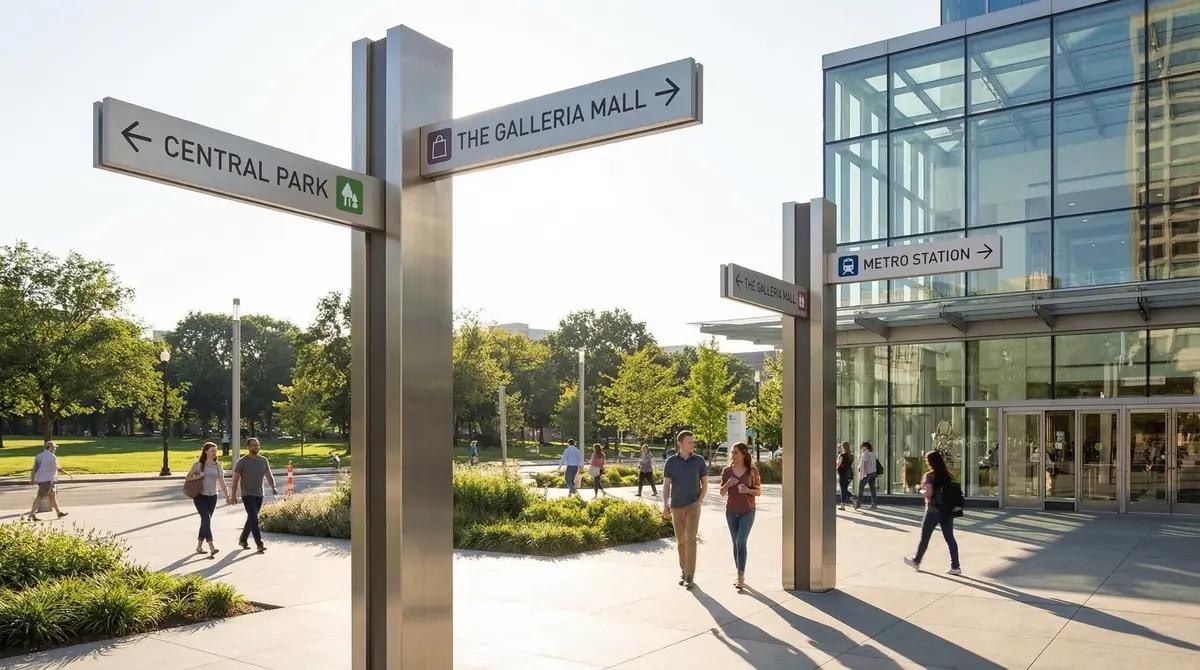
It seems to me that we are accustomed to judging a city by its objects. I suggest we try judging it by a person’s route. Not by how many parks have been built, but by how easily one can reach them. Not by the number of metro stations, but by how clear the path is after leaving the carriage. Not by the width of the avenues, but by how much space remains for the person.
I believe true comfort begins not with large-scale projects. It begins the moment a person stops thinking about obstacles and simply starts living in the city. When the journey becomes as important as the destination.
A comfortable city is a continuous chain of clear solutions from one's front door to any destination.


