
In recent years, the diversity of Uzbekistan's book market has increased significantly: there are more publishers, and translating foreign literature into Uzbek has received heightened attention. As of early 2024, the country had 532 publishing houses (for comparison: there were 168 in 2020). Competition in the market has grown, and readers have plenty to choose from.
What are the trends in Uzbekistan's book market?
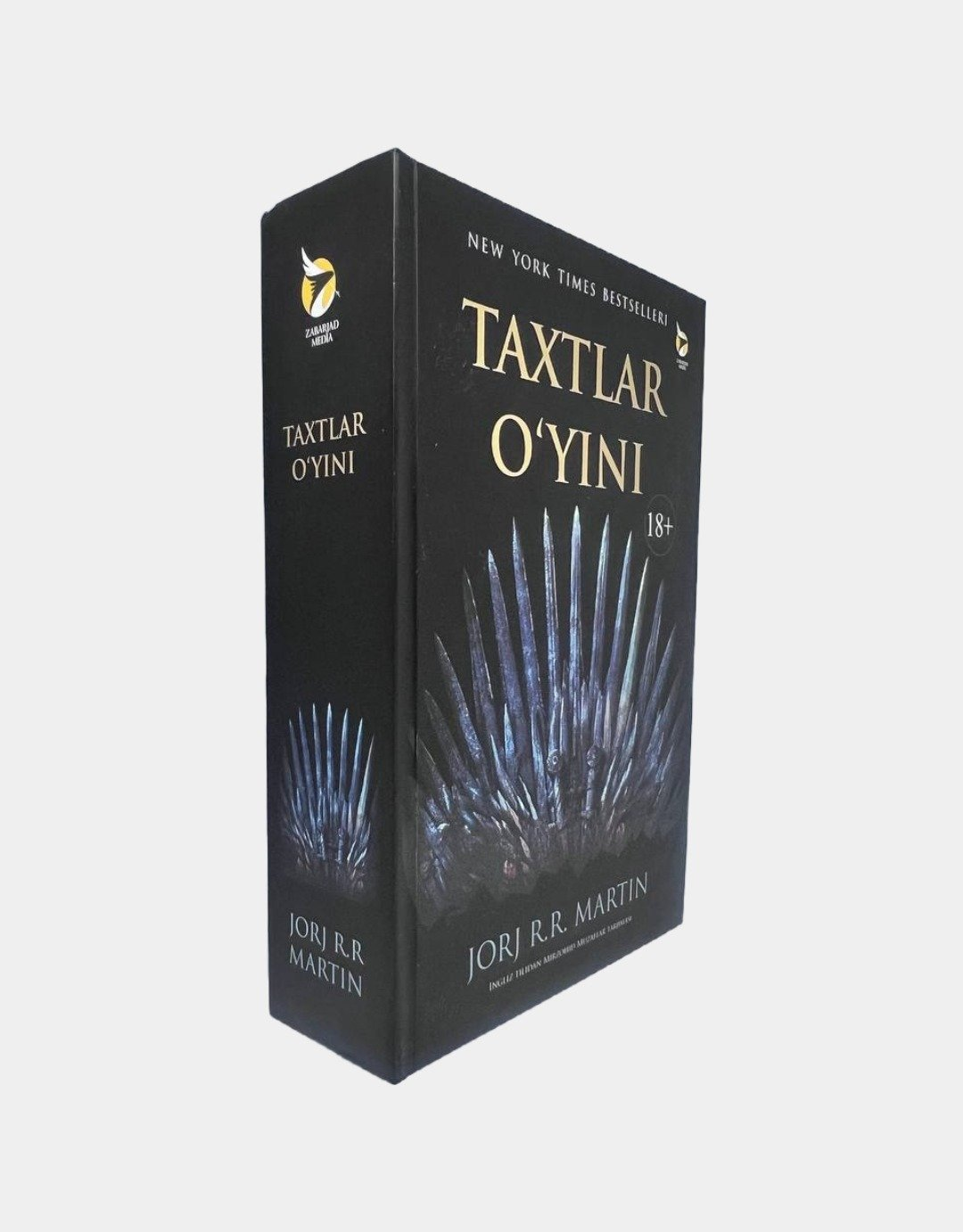
Thanks to translations, Uzbek readers began to discover genres new to them – one of them became fantasy. However, even before, for example, there was interest in the Harry Potter book series or other similar books, but finding books in this genre in the Uzbek language was problematic. In 2024, the publishing house Zabarjad Media released the first novel by George Martin from the "A Song of Ice and Fire" cycle – "A Game of Thrones" – in Uzbek. The book became a hit and opened the genre to a wide audience.
In parallel, Russian classics, especially Dostoevsky, are regaining popularity. This is evident from the activity of book bloggers: "The Gambler," "The Brothers Karamazov," and "Crime and Punishment" are back in the rotation.
As for foreign classics in general, readers choose Remarque, Tolstoy, Jane Austen, Márquez, Balzac, Bulgakov.
Turkish Literature: From Mass-Market to Meaningful
Among Uzbek readers, interest in Turkish literature has remained a steady trend in recent years. Young people are massively reading authors like Fatih Duman, Sabahattin Ali, Reşat Nuri Güntekin, Zülfü Livaneli, Halis Karabeyli, and others.
The Turkish literature currently entering the Uzbek book market can be roughly divided into mass-market and classical. After the quarantine caused by the COVID-19 pandemic, the market became filled with works by representatives of Turkish mass-market literature, and a stable perception formed that Turkish prose is mainly light reading.
After several years, Uzbekistan began publishing Turkish classics as well, and gradually the stigma attached to Turkish literature began to fade. For example, this year, the novel "My Name is Red" by Nobel laureate Orhan Pamuk was translated into Uzbek.
Turkish mass-market literature also has its admirers. For several years now, the books of Emine Şenlikoğlu have not lost their popularity. Over the past two years, the book series by Fatih Duman — "Men," "Sir," "Lol," "Işk," and others — have become incredibly popular. Their distinctive feature is their simple, colloquial language. The themes are also straightforward. For example, in Şenlikoğlu's works, all stories are somehow connected with religion, while Duman's books are loved for their "emotional" and "touching" plots.
National Literature
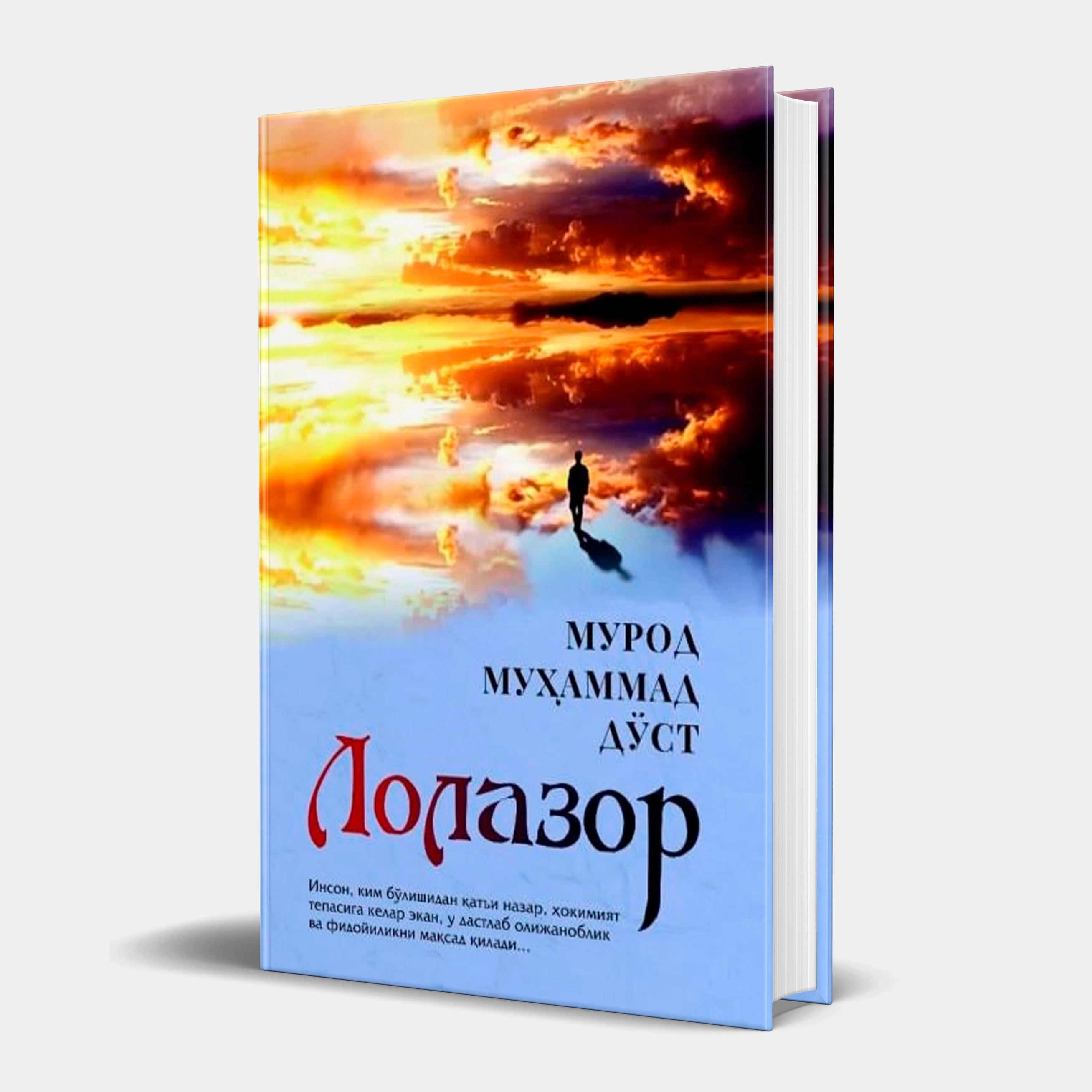
Despite the dominance of translations, national literature also has its admirers. For instance, Pirnashr publishing house recently released Erkin A'zam's books "Ambassador to Honolulu" and "Days, Except for Holidays," as well as Zulfiya Kurolboykizi's novel "Oyimtilla." Today, these books are often seen in the hands of readers. Furthermore, last year, among Uzbek readers, Murad Muhammad Dost's novel "Lolazor" generated significant interest — it became a real hit among works of Uzbek literature. Attention to Rauf Parfi's work also remains strong. According to Sanjar Nazar, head of Akademnashr publishing house, their published two-volume "Selected Works" was completely sold out.
It is also important to note this trend of recent years: publishing houses are actively supporting young authors. The Izlam series from Akademnashr and the Aks series from Yangi Asr Avlodi publish works by contemporary Uzbek authors, shaping the face of new Uzbek literature. Although these books do not always sell in large quantities, they are important for the cultural ecosystem.
Bestsellers in the Uzbekistan Market
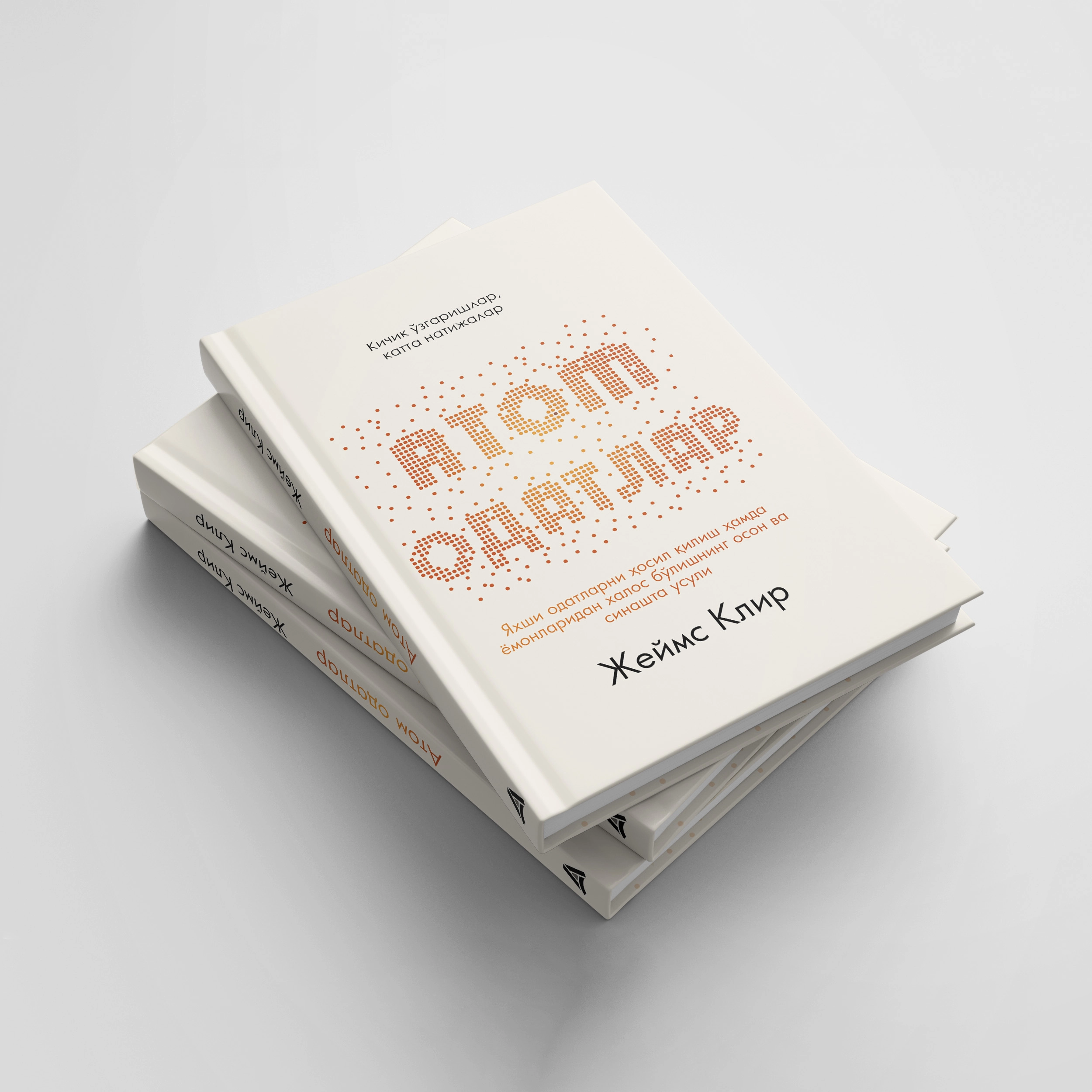
As in other countries, the market in Uzbekistan consistently shows high demand for self-help and business books. Deep down, we all want to develop, grow, and become successful. In Uzbek, people read "How to Win Friends and Influence People" by Dale Carnegie, "The 7 Habits of Highly Effective People" by Stephen Covey, "Think and Grow Rich" by Napoleon Hill, "The Richest Man in Babylon" by George S. Clason, as well as biographies of Steve Jobs and Elon Musk. James Clear's book "Atomic Habits" has firmly held the top sales position at the publishing house since its release at Asaxiy Books.
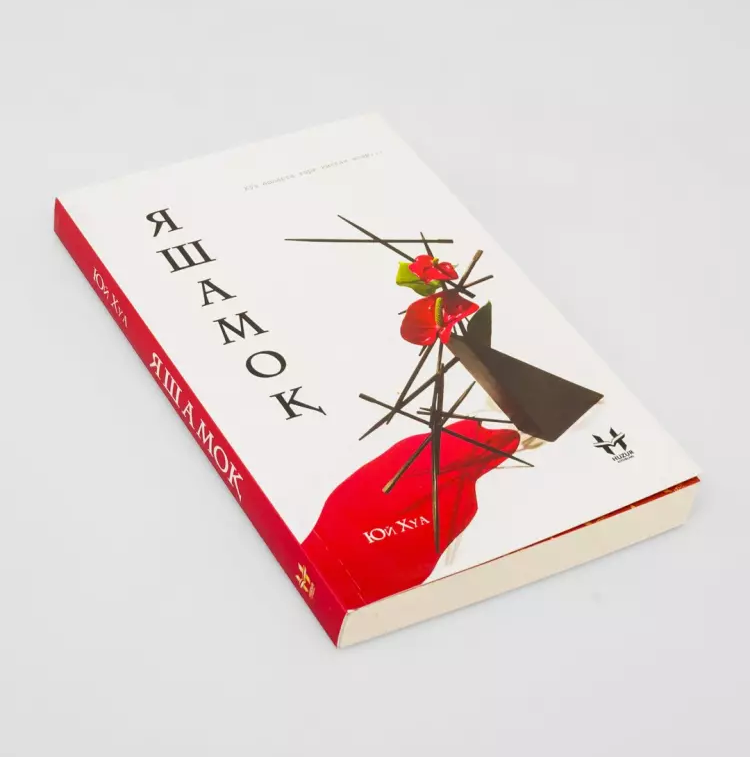
Alongside them, there are books that become sensations through the "word-of-mouth" effect. One of them is the work "To Live" by the Chinese writer Yu Hua — about the peasant Fugui, who survived the major upheavals of the 20th century in China. A novel about resilience, memory, and pain. It is read in Tashkent and the regions, with young people recommending it to each other. Readers like books that allow them to "live through" difficult feelings and trials together with the hero. Such books can be emotionally draining, but within this "suffering" there likely lies a peculiar satisfaction. According to the results of 2024, the subscribers of the Huzur publishing house's Telegram channel named Yu Hua's novel the book of the year.
The second important discovery for Uzbek readers was the South Korean novel "Please Look After Mom" by Shin Kyung-sook. This is also a very touching, painful story about maternal love, loss, and remorse. The book was recognized by the Yangi Asr Avlodi publishing house as the best literary work of 2024. The novel is almost impossible to find on bookstore shelves.
There used to be a belief that "thick books don't sell here," and publishers avoided such works. But the 928-page "A Game of Thrones" — whether due to the army of fans of George R.R. Martin's universe or for other reasons — exceeded expectations and became the best-selling publication by Zabarjad Media in 2024. Now, Uzbek readers are eagerly awaiting the second volume of this series.
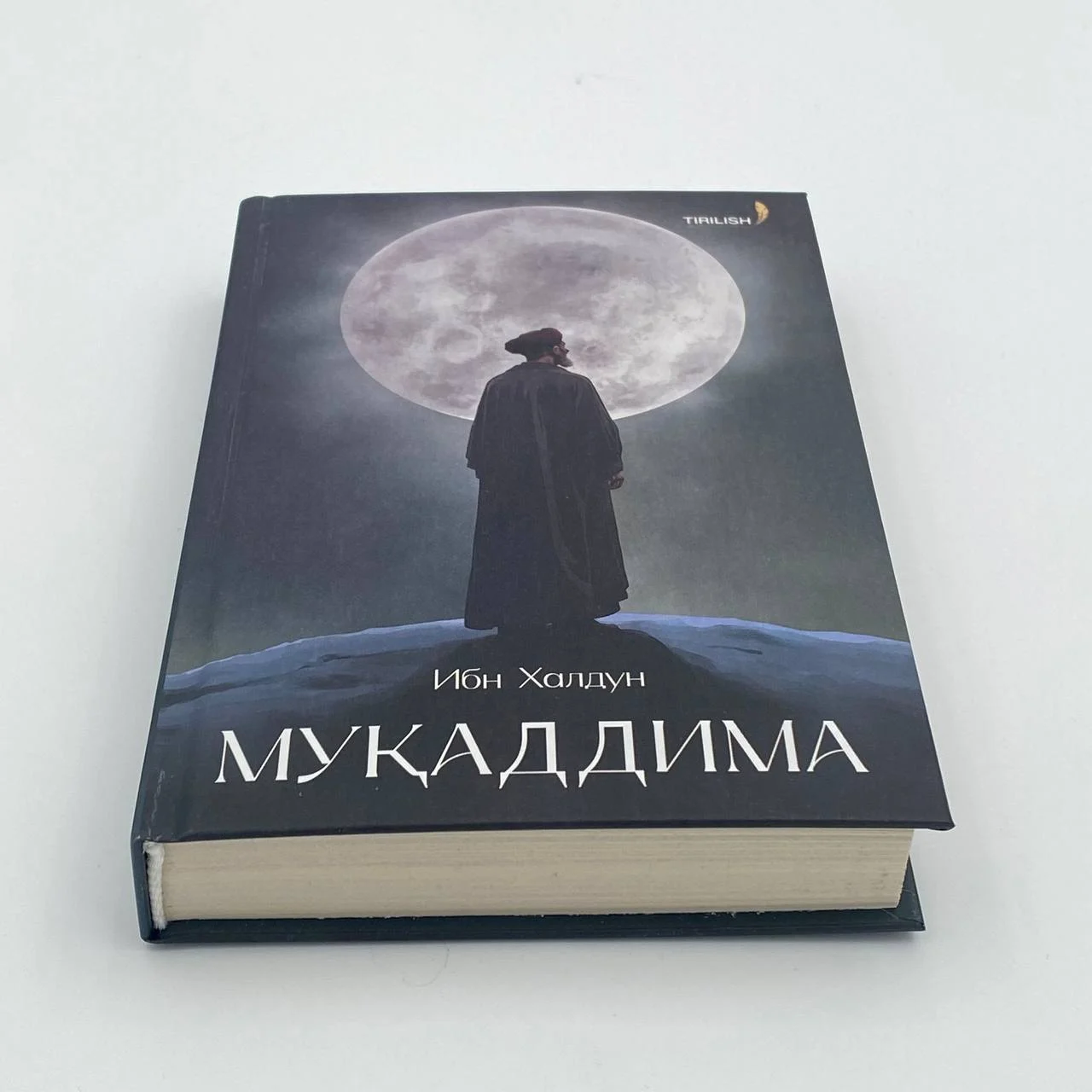
Interestingly, in 2025, an unexpected bestseller became Ibn Khaldun's "Muqaddimah"—a 14th-century philosophical treatise on the principles of state governance, peoples, customs, and culture. After popular religious bloggers began quoting the book, the Tirilish publishing house decided to "strike while the iron is hot" and promptly prepared a translation.
According to Akademnashr Director Sanjar Nazar, the bestsellers include books for children and teenagers, educational manuals, and dictionaries.
"Most often, we sell children's and young adult literature, as well as educational popular science guides. Books by Erkin Malik and the 'Little Academician's Library' series are absolute bestsellers. Also, there seems to be high interest in learning foreign languages: our dictionaries are in demand as well. For instance, the German-Uzbek dictionary is very popular."
- said the publisher of HD mag.
Over the past 3-4 years, the number of books on child-rearing in bookstores has noticeably increased. For example, "Non-Yelling Moms" by Khadicha Kubro Tongar, published by Yangi Asr Avlodi, has been on the bestseller list for several years now. And "After Three It's Too Late" by Masaru Ibuka, published many years ago, remains popular among young parents.
According to Sanzhar Nazar, serious literary fiction also has its own loyal audience. Particularly warm responses were elicited by Andrei Platonov's "Dzhan" and "The Foundation Pit," as well as Julio Cortázar's "Occupied House."
Serious Reading: Dystopias and Analytics
There is also a special category of readers who prefer popular science literature with a political slant or the dystopian genre. In Uzbekistan, George Orwell's "Animal Farm" and "1984" are particularly popular — these books consistently rank among the most-read foreign works. Interest in Aldous Huxley's novel "Brave New World" is slightly less, but still noticeable.
Among popular science books, the work "Why Nations Fail" by James Robinson and Daron Acemoglu stands out. The book has become a staple for those interested in political economy, state governance, and the historical cycles of societal development.
More translations
Finally, another important process is the translation of scientific literature into Uzbek. For a long time, the shortage of scientific books in Uzbek has been a problem. Under the state project 1000KITOB, over the past year, 50 popular science works have been translated, which are planned to be published in 2025. Among them are the Oxford University Press series "What Everyone Needs to Know", "A Short History of Nearly Everything" by Bill Bryson, and "Meditations" by Marcus Aurelius. These books, along with the other mentioned factors, will help spark interest in reading.
In Uzbekistan, reading is increasingly becoming part of everyday culture. This is happening against the backdrop of a growing number of publishing houses, the translation of important and serious works, and the formation of modern Uzbek prose. We want to believe that this trend will continue. After all, an interest in reading today, along with the rising level of education, is a decisive factor for well-being.


