
Today, Uzbekistan is home to 16 religious denominations that serve representatives of over 130 nationalities. We have decided to limit ourselves to five of them.
Islam: The Path to Becoming a Mufti
Uzbekistan — is a secular state, where the constitution guarantees everyone the right to profess any religion or none. Sunni Islam plays a huge role in shaping the cultural identity of the country's inhabitants — according to various estimates, it is professed by about 35 million people (88 to 96% of the population).
The overall number of Muslims in the world has reached 2 billion people. Despite the impressive figures, contemporary Islam lacks institutions of political governance analogous to the Vatican or — if speaking in the post-Soviet context — the Russian Orthodox Church (ROC). The Ummah exists as a spiritual and value-based community but is not administered by anyone at the supranational or regional levels.
There exists the Organization of Islamic Cooperation (OIC) with its headquarters in Jeddah (Saudi Arabia). It aims to “protect and promote the interests of the Muslim world”, but it is not a religious organization. During the Soviet period, the Spiritual Administration of Muslims of Central Asia and Kazakhstan (SADUM) operated. It was formed in 1943 and oversaw five republics of the Soviet Union: the Kazakh, Kyrgyz, Tajik, Turkmen, and Uzbek SSRs. After the collapse of the USSR, each of the new independent countries established its own spiritual administrations.
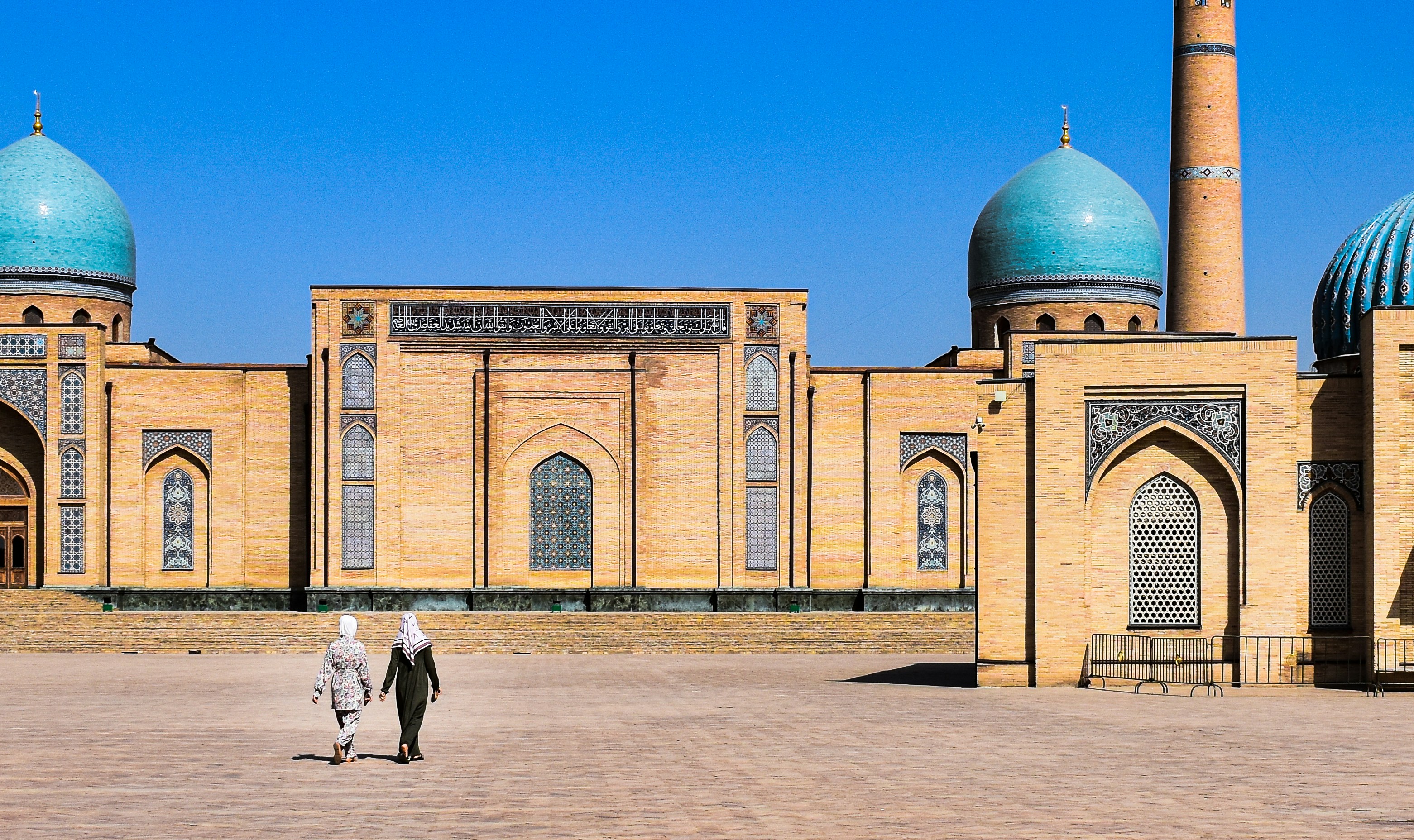
In Uzbekistan, the highest spiritual leader is the Grand Mufti—the chairman of the Muslim Board of Uzbekistan (currently, this is the former imam-khatib of Tashkent, Nuriddin Kholiknazarov). He assumed this position in October 2021—two months after the death of the previous Mufti, Usmonkhon Alimov.
The candidacy of the new mufti is considered at a meeting of the presidium of the UMM, which includes the mufti's deputies, members of the Council of Ulema, heads of territorial administrations, rectors of Islamic educational institutions, and chief imam-khatibs of the regions. The appointment is approved by a decision of the presidium and comes into force with the unanimous support of those present.
Catholicism: From Ballot to White Smoke
Much has already been shown in the film "Conclave" starring Ralph Fiennes — we will try to explain the formal side of the matter. The modern procedure for electing the pontiff is described in the Apostolic Constitution "Universi Dominici Gregis," written by John Paul II in 1996 (it was updated by Benedict XVI in 2007 and 2013).
Any baptized Catholic man can become the Pope, but for several centuries now, the head of the Holy See has effectively been chosen from among the cardinals.
The conclave begins no earlier than 15 and no later than 20 days after the death of the Pope, and only cardinals under the age of 80 can participate. Even if the pontiff elevated someone to the rank of cardinal by a secret decision during his lifetime, such decisions lose force after his death — this is where the central plot of the film "Conclave" is not entirely accurate. The secret voting continues until one of the candidates receives two-thirds of the votes of those present. If no one wins after 33 rounds, the cardinals are asked to choose between the two most popular candidates.
What happens next is well known to everyone who has read Dan Brown's "Angels and Demons" and watched Paolo Sorrentino's "The Young Pope." If after another round of voting a new pontiff is not identified, the ballots are placed in a wood-burning stove, covered with a special chemical composition, and black smoke rises over the Vatican. White smoke announces the successful conclusion of the conclave.
The newly elected pope is asked the traditional question: "Do you accept your canonical election as Supreme Pontiff?" (Acceptasne electionem de te canonice factam in Summum Pontificem?). The elected cardinal answers affirmatively (accepto) or negatively (non accepto).
The pontiff must also announce his new name, which is proclaimed from the balcony of St. Peter's Basilica—the same place from which the new pope addresses the city and the world.
Orthodoxy: From Monasticism to Patriarchate
The head of the Russian Orthodox Church is the Patriarch of Moscow and All Rus'. Becoming a patriarch — is a task that requires both spiritual authority and the consent of the council members. According to the ROC Statute, the patriarch is elected by the Local Council — a large assembly of bishops, clergy, and lay delegates from dioceses. The Statute also stipulates the conditions required for a candidate to the patriarchal throne — he must be a bishop of the ROC, have an impeccable reputation, have received a higher theological education, and possess sufficient experience in managing a diocese.
The process is similar to an election, but within the church family: first, the Bishops' Council (the assembly of all bishops) nominates candidates, and then the Local Council determines the winner through a secret ballot. Candidates for patriarch do not conduct any election campaigns, but there are ballots, ballot boxes, and a counting commission — this procedure is outlined in the statutory documents of the ROC and is based on canons dating back to apostolic times.
Regulation on the election of the patriarch states that a candidate must receive more than half of the votes cast by the council participants. For example, the current Patriarch Kirill in 2009 received 508 out of 700 votes from the participants of the "Orthodox conclave".
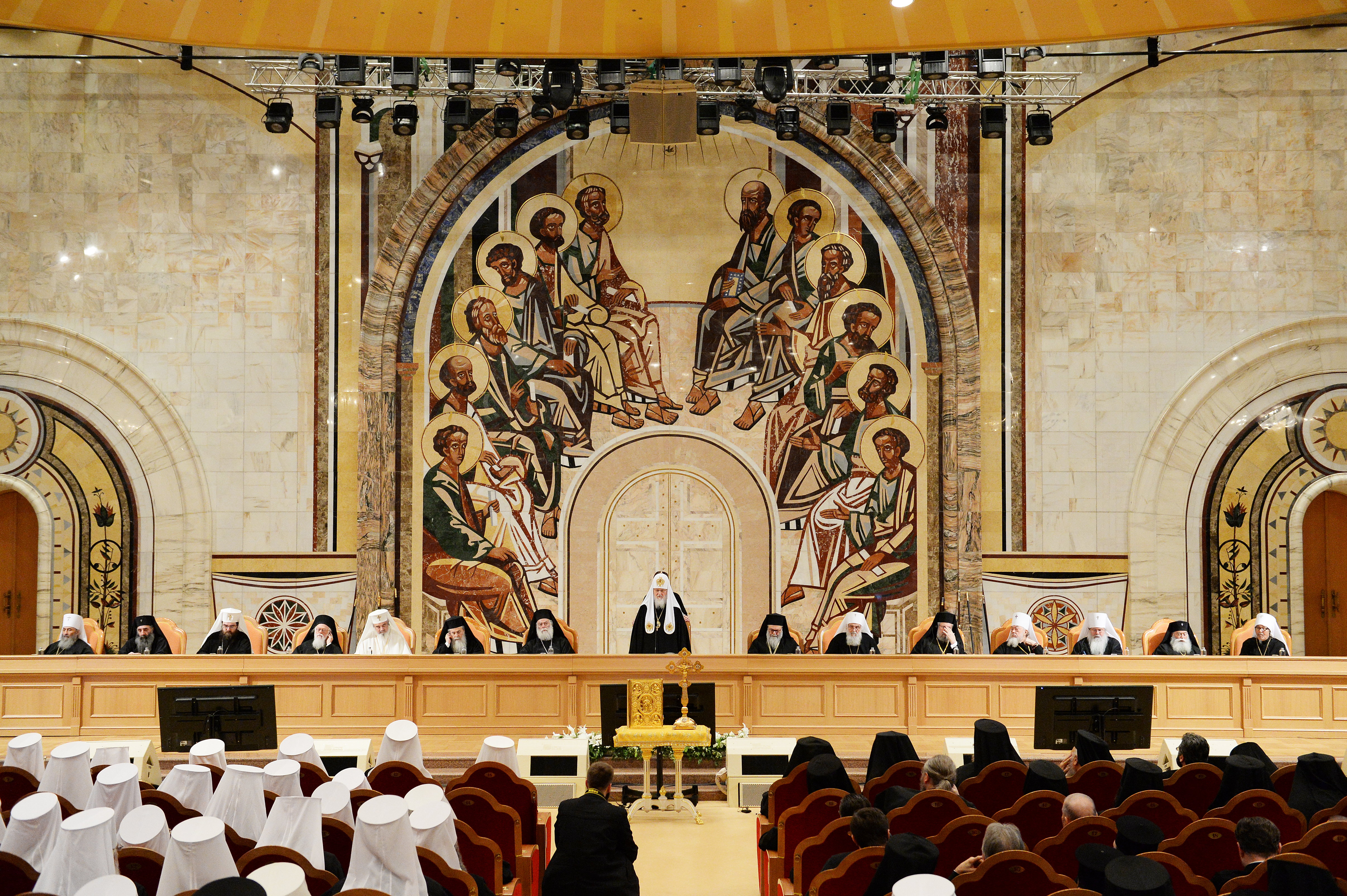
In Uzbekistan, Orthodox communities are subordinate to the Tashkent and Uzbekistan Diocese, which is part of the ROC. To become a spiritual shepherd for the Orthodox in Uzbekistan, one must follow a long path within the ROC: take monastic vows, become a bishop, earn the trust of the Patriarch and the Synod — only then can one get the chance to shepherd the flock in Tashkent, Samarkand, or Fergana. Since 2021, the diocese has been headed by Metropolitan Vikenty of Tashkent (Morar). Theoretically, he too could lay claim to the Moscow Patriarchal throne. However, the vacancy of Patriarch does not open often.
Buddhism: The Reincarnation of Eternity
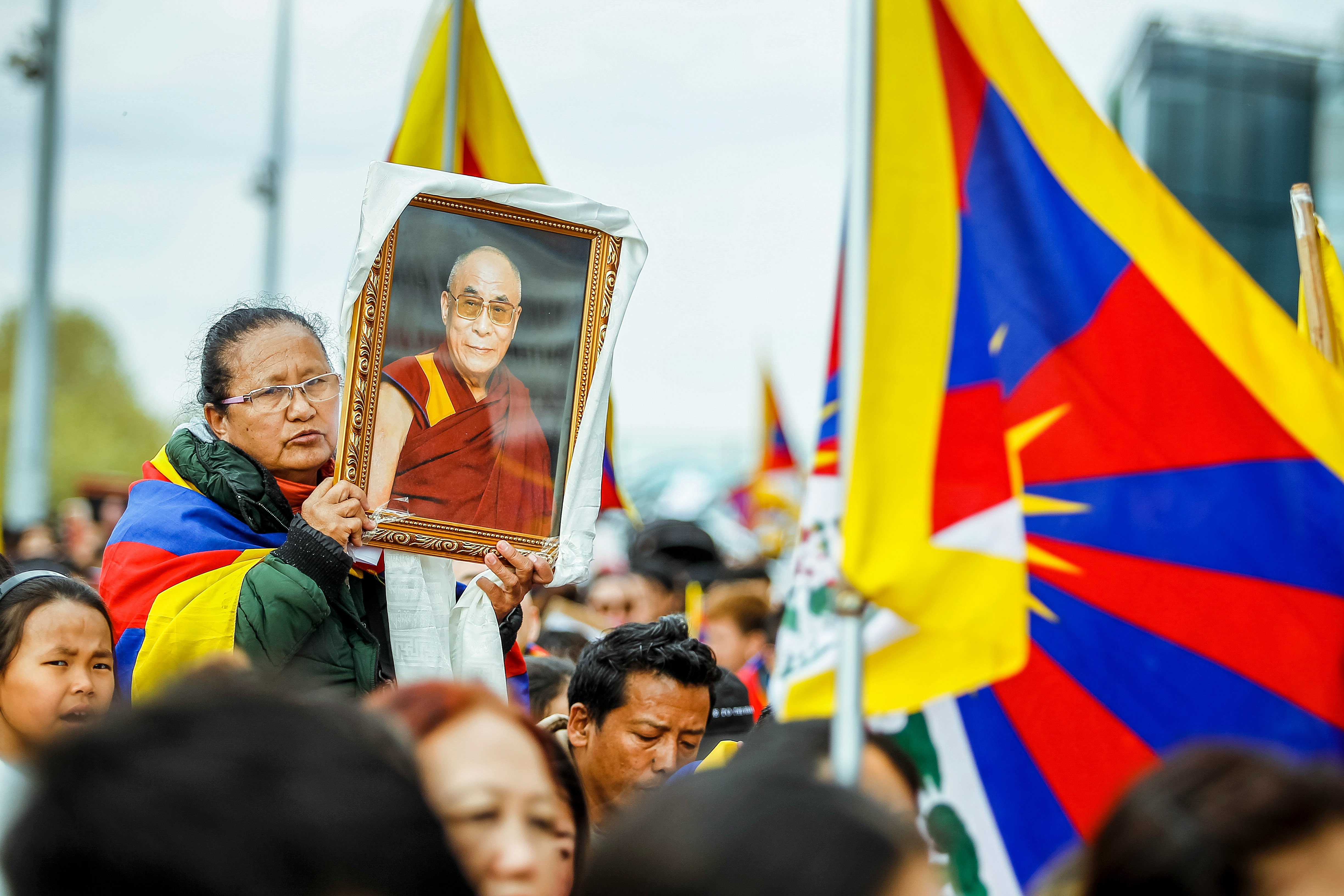
Unlike other world religions where the supreme clergy are chosen by people in the flesh, in Buddhism, the new Dalai Lama is "chosen" by the previous one. In the Tibetan Buddhist tradition, the soul of the senior monk reincarnates into a child after his death. The current, 14th Dalai Lama (full name — Ngagwang Lobsang Tenzin Gyatso) was recognized as the reincarnation of his predecessor at the age of two.
The process of recognizing a new Dalai Lama is based on the fundamental belief in the existence of past and future lives. Technically, it begins with the senior clergy studying the predecessor's prophetic letter and other instructions left behind. Then, expeditions of monks travel to Tibetan villages in search of an infant born shortly after the previous lama's death. Candidates undergo tests: they are shown items belonging to the previous Dalai Lama mixed with others, and observers see if the child recognizes "his" objects or close associates of the predecessor.
There are also additional methods for recognizing the reincarnated Dalai Lama: divination by spiritual mentors, prophecies from worldly oracle deities, and observing visions that may appear on the surface of the sacred Lake Lhamo Latso, located south of Lhasa. The most convincing candidate is declared the new incarnation and is raised as the future leader.
The secular authority attempts to regulate reincarnations: the Chinese government, under whose jurisdiction Tibet has been since 1950, has issued a decree stating that the reincarnations of lamas must be approved by competent authorities. The 14th Dalai Lama, who resides in the Indian city of Dharamshala, believes that to fulfill his purpose — to be the voice of compassion and the spiritual leader of Tibetan Buddhism — his predecessor must be reborn "in a free world."
Judaism: From Learning to Rabbi
In Judaism, there is no single vertical power structure — each region decides for itself who its leader is. Usually, it is the most authoritative and educated rabbi, recognized by the community or appointed by a special council. In Israel, to become a rabbi, one must undergo lengthy study in a yeshiva — a religious school where the Torah, Talmud, and Halakha (Jewish religious law) are studied.
After several years of study, the candidate must pass exams confirming their knowledge. This could be internal testing at the educational institution or an official certification organized by the Chief Rabbinate of Israel. If the candidate successfully passes the exams, they receive a semicha. This status allows them to teach, conduct services, and lead a community. However, to work in official positions — for example, as a city rabbi or a judge in a religious court — it is necessary for the semicha to be issued specifically by the Chief Rabbinate.
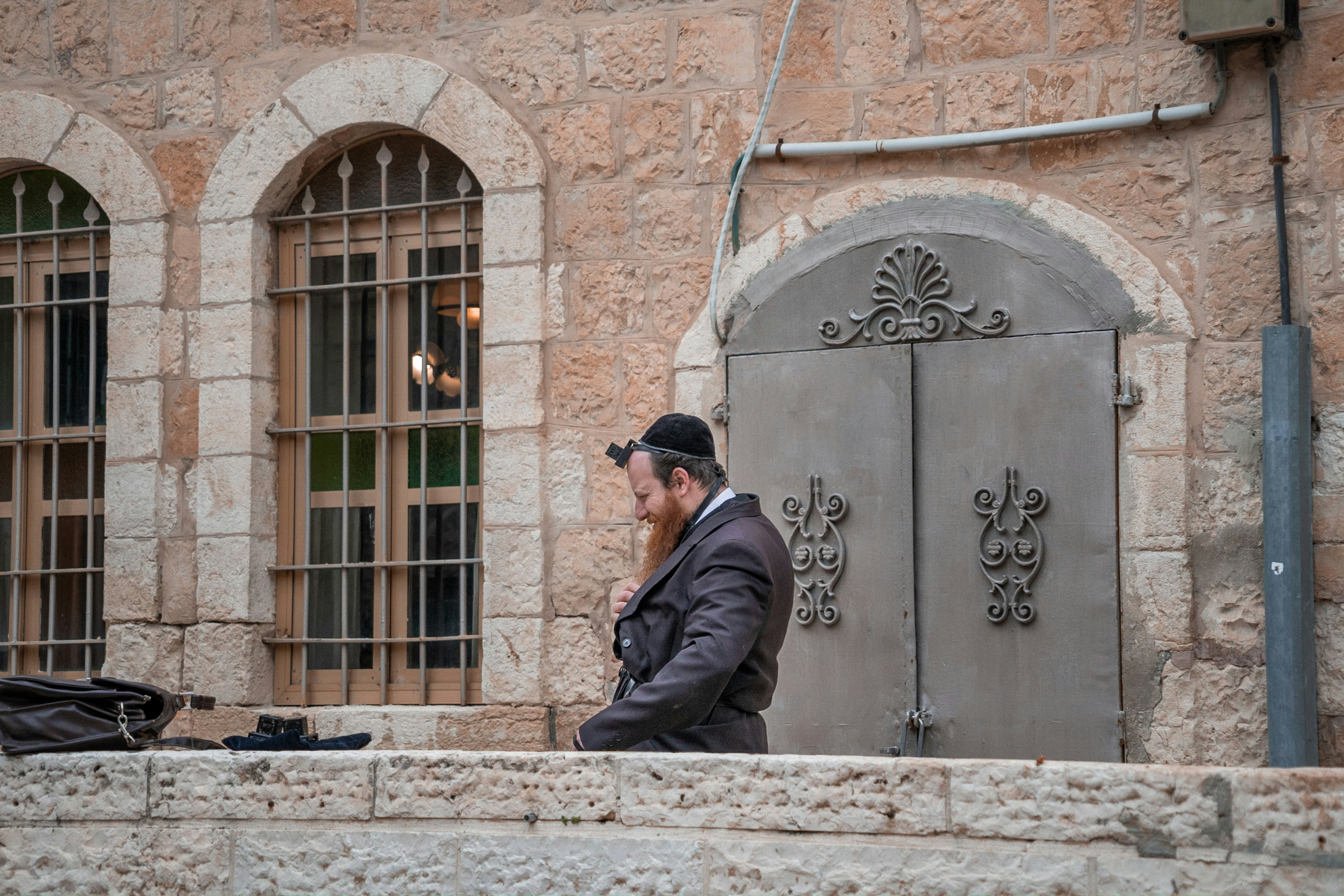
In Uzbekistan, the Jewish community is small but ancient (Bukharian Jews have lived here for more than 2000 years). After the collapse of the USSR, most left, and now only a few thousand Jews remain in the country. Nevertheless, they have an official rabbinate and a chief rabbi who coordinates religious life (kashrut, synagogues, holidays). To become the chief rabbi in Uzbekistan, one must receive semicha, return to one's community, and gain its recognition. In practice, this means the candidate must be prepared to take responsibility for the religious life of the entire Jewish community in the country.


