Foreign literature in Uzbek is no longer a rarity today, but an established trend. Among the new translations are Turkish novels, Latin American prose, Scandinavian melancholy, American classics, and much more. In the spring of 2025, books by renowned authors, whose names have long become literary brands, appeared on the shelves of bookstores.
Orhan Pamuk — "My Name is Red"
Publisher: Yangi asr avlodi

One of the most famous novels by Nobel laureate Orhan Pamuk is a multi-layered story at the intersection of a detective story, a philosophical novel, and a love story, "seasoned" with reflections on the fate of the artist and art in general.
The novel's action unfolds in 16th-century Istanbul, where artists find themselves drawn into a conflict between tradition and new European art. East and West in the novel are not simply opposed to each other but engage in a complex dialogue. If you are not yet acquainted with Pamuk — start with this very book.
José Saramago — "Blindness"
Publisher: Inson

"Blindness" is a dark and hypnotic allegory that became the signature work of the Portuguese writer and one of the most powerful and memorable books of the 20th century. In an unnamed city, a strange epidemic breaks out: people suddenly lose their sight, but instead of darkness, they see only a white light—a fact hinted at by the book's cover. Society quickly finds itself on the brink of collapse, but the novel tells not so much about the catastrophe as about a person stripped of their supports. It is a frighteningly honest story about the fragility of order, the limits of ethics, and the vulnerability of human dignity.
If you are interested in literature about the limits of human capabilities, moral dilemmas, and metaphorical plots — "Blindness" will not leave you indifferent.
Knut Hamsun — "Hunger"
Publishers: Huzur, Yangi asr avlodi

If we pay attention to the previous examples, a trend can be noticed: translations of Nobel laureates' works are becoming increasingly popular among Uzbek-speaking readers. One such notable spring publication was Knut Hamsun's novel "Hunger". This is a rare case where the same work is published in two different translations simultaneously—from different publishing houses. For the Uzbek book market, such a situation is truly unusual.
The Norwegian writer Knut Hamsun received the Nobel Prize in Literature in 1920 (formally for the novel "The Growth of the Soil"), but it was "Hunger" that brought him worldwide fame. This is an unsettling, mercilessly honest novel about human despair, loneliness, and the struggle for dignity. At the center of the plot is a young writer living in poverty and desperately trying to survive in a big city. Reading "Hunger," you literally feel the heat, cold, pain, and helplessness along with the protagonist.
If you relate to themes of inner turmoil, existential crises, and literary experiments, "Hunger" will be a powerful experience.
Harper Lee - "Go Set a Watchman"
Publisher: Akademnashr

Harper Lee is best known for the cult novel "To Kill a Mockingbird," but not everyone is aware that this story has a sequel. Or rather, a prologue—the novel "Go Set a Watchman" was written earlier but was only published in 2015, 55 years later. The title is a reference to the Book of Isaiah: "to set a watchman" means to find an internal moral compass within oneself. The Uzbek edition was published under the title Tasbeh daraxti soyasida — "In the Shadow of the Prayer Bead Tree."
Rumor has it, the manuscript gathered dust in a safe deposit box for many years. The events unfold 20 years after "Mockingbird": a grown-up Scout returns to her hometown to visit Atticus. However, she is confronted with the fact that the image of her father—the hero of her childhood—is beginning to crack. This is a book about growing up, disappointment, and the painful re-evaluation of the past.
If you are interested in themes of morality, civil rights, and the American South at a turning point, then "Go Set a Watchman" is a challenging but intriguing read.
Emily Brontë — "Wuthering Heights"
Publisher: Yangi asr avlodi
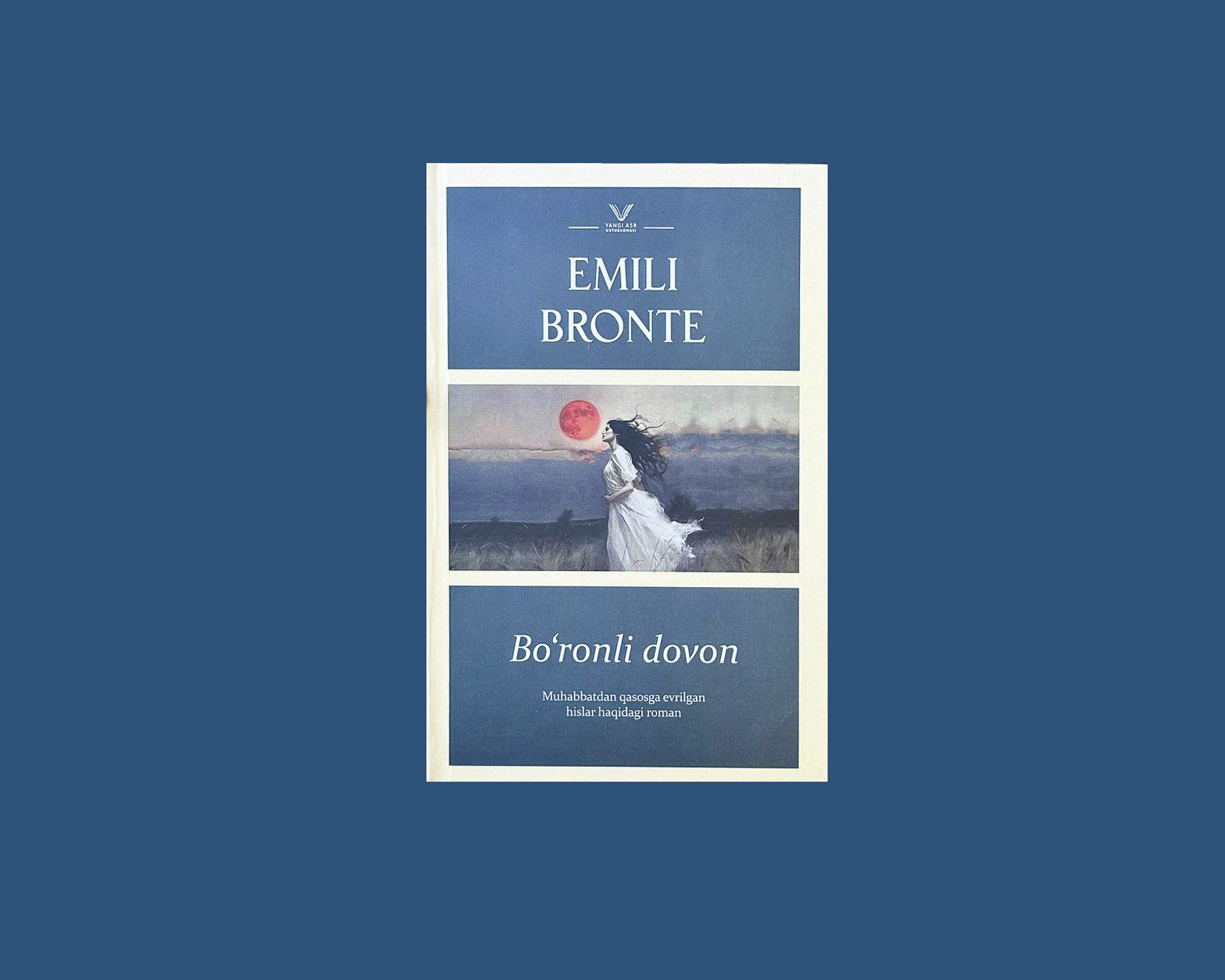
"Wuthering Heights" is the only novel by Emily Brontë. It was published in 1847 under the pseudonym Ellis Bell. During the author's lifetime, the book received little recognition but later became one of the significant works of English literature.
This is a tragic gothic tale of love, revenge, and pain. At the heart of the plot are Heathcliff and Catherine Earnshaw—the adopted son and the natural daughter of the master of Wuthering Heights estate. Heathcliff, an orphan from the streets of Liverpool, was sheltered but never accepted as an equal. An attraction arises between the young people that defies logic. A deeply psychological and truly dark novel that leaves behind a disturbing yet powerful impression.

Gabriel García Márquez — "No One Writes to the Colonel"
Publisher: Arxetip
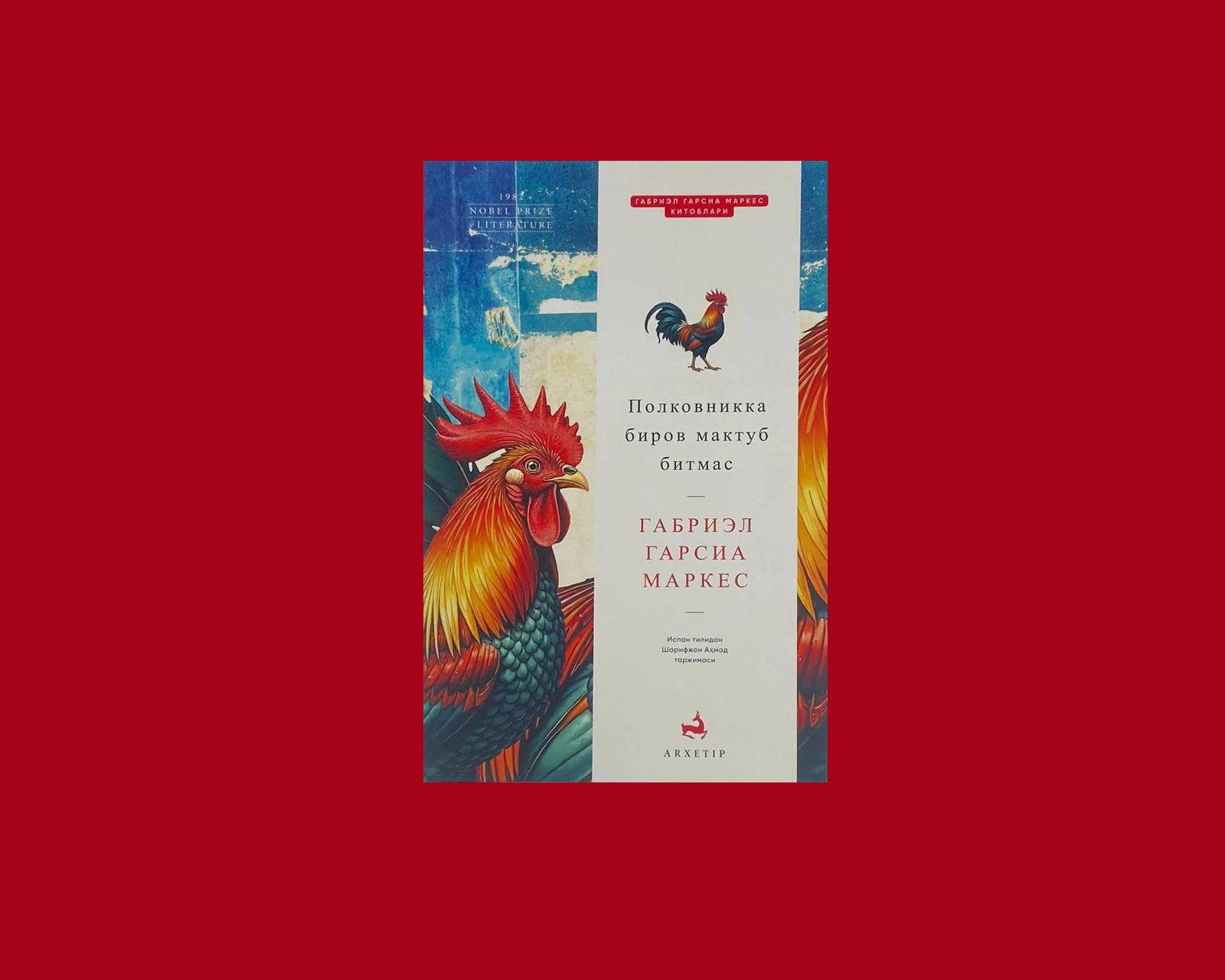
"No One Writes to the Colonel" is an early novella by Gabriel García Márquez, written before "One Hundred Years of Solitude" and still considered one of his strongest works. This spring, the Uzbek translation was published by "Arxetip" — together with another book by Márquez, "Chronicle of a Death Foretold".
Marquez is a frequent guest on the Uzbek bookshelf: "One Hundred Years of Solitude," "The Autumn of the Patriarch," "Love in the Time of Cholera," and "Farewell Letter" have already been translated into the language.
The main character is an old colonel, a veteran of the Colombian civil war. For 15 years now, he has been waiting every Friday for the pension promised to him. Together with his sick wife, the colonel lives in poverty but does not stoop to humiliation. This is a lyrical tragedy about human dignity, poverty, and quiet hope. In spirit, it's almost like "The Old Man and the Sea," but with a Colombian vibe.
The book is small in volume but leaves a significant aftertaste. A story simple in form yet very deep about hopelessness and hope—precisely the kind you want to reread.
Thomas Harris — "Red Dragon"
Publisher: Yangi asr avlodi
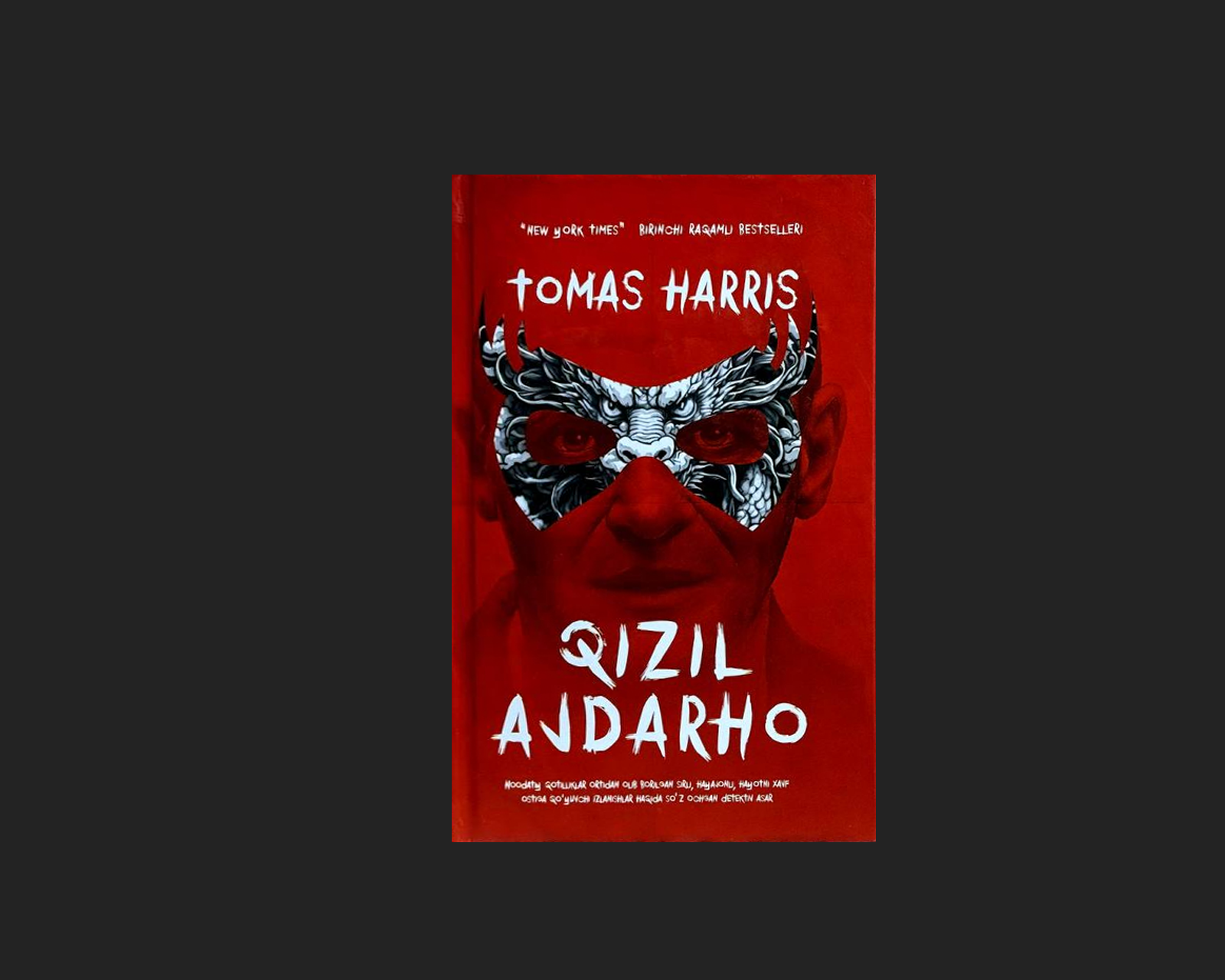
Most likely, you've heard of 'The Silence of the Lambs' — and perhaps even seen the film. But it all started with 'Red Dragon' — the first book in the series about Dr. Hannibal Lecter. American writer Thomas Harris created four novels about the charismatic cannibal professor: 'Red Dragon', 'The Silence of the Lambs', 'Hannibal', and 'Hannibal Rising' — in that exact order.
Harris writes precisely, coldly, and with a deep knowledge of the anatomy of fear: forensics, psychiatry, behavioral analysis — it all sounds convincing, yet reads easily. At the center of the plot is Will Graham, a former FBI agent who can think like serial killers.
If you love thrillers with psychological depth and intense plots, "Red Dragon" deserves a place on your "must-read" list.
This spring, several powerful and diverse books were published in the Uzbek language at once—and most of them belong to authors with prestigious literary awards. The trend is clear: publishers are increasingly taking on translations of Nobel, Booker, Pulitzer, and Goncourt Prize laureates—and this is excellent news.
For example, in winter, Asaxiy Books released "The Anomaly" by Hervé Le Tellier—a novel that won the Goncourt Prize. Coming soon is "The Vegetarian" by Han Kang—the winner of the 2016 Booker Prize and the first South Korean writer to receive the Nobel Prize in Literature in 2024.
If publishers maintain this direction, Uzbek readers will have fewer and fewer reasons to seek books in other languages.