
How the camp is organized
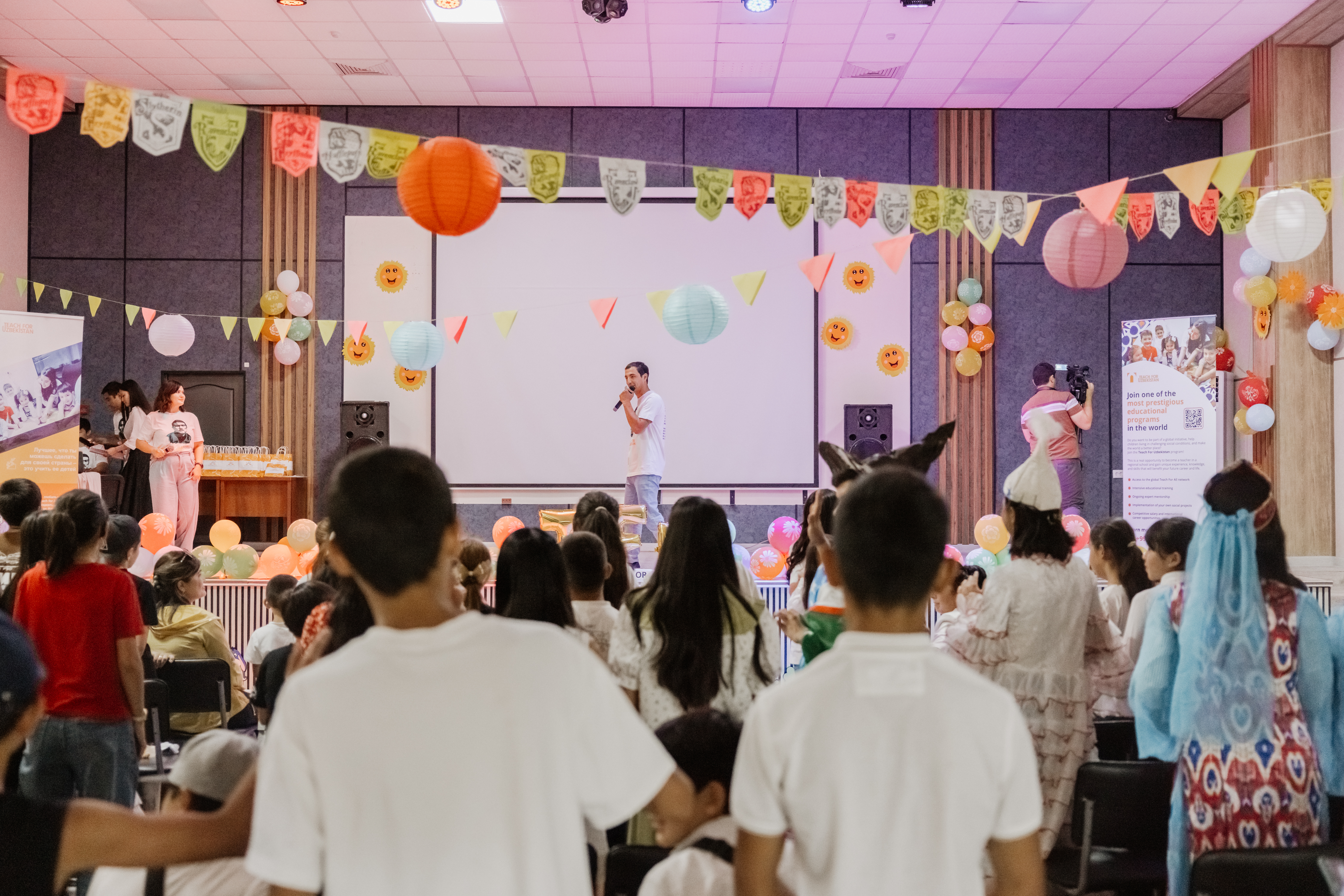
During the final week of the Summer Institute, the organizers invite children from nearby villages—in previous years, these were students from the Bostanlyk district.
This year, it was planned to accept 40 children, but about 80 came. Each morning begins with various activities, then the children are divided into classes, and full lessons are conducted according to the schedule. Over six days, participants lead classes in the following subjects:
- right;
- economics;
- biology;
- chemistry;
- mathematics, etc.
After classes - quests, games, and team tasks that develop communication, teamwork skills, and creative thinking. The main goal of the camp is to combine academic learning and soft skills development.
"It was the conclusion of the children's camp and the Summer Institute," said one of the organizers.
Who they train and where they send them
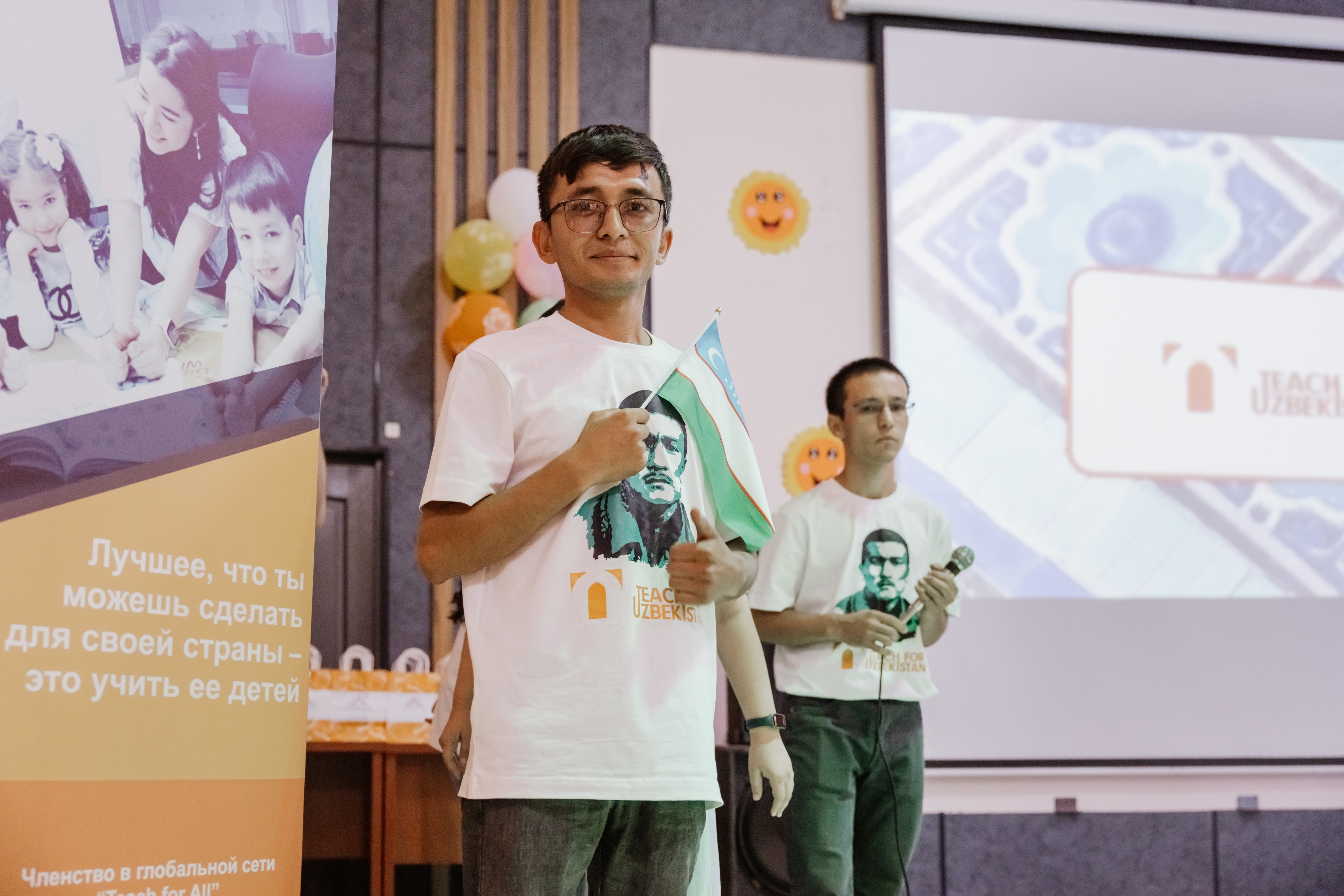
Participants in the program are future teachers. After graduating from the institute, they will go to regions of Uzbekistan to work in schools for two years. In 2024, graduates worked in the Kashkadarya region, and in 2025 — in Termez, Kizirik, and Muzrabad.
Reach and effect
The program is based on actual reach: on average, one teacher works directly with 120 students, but due to large class sizes, Teach for Uzbekistan uses a coefficient of 150 (three classes per participant) in its calculations. Thus, with 31 participants, the reach is about 4,600 children.

According to the program's internal assessment, in the very first year of operation, students tutored by participants showed a 23% increase in academic performance. Furthermore, using the Panorama methodology (an international tool for assessing classroom engagement and climate), the average score reached 78%—a level the program considers high and indicative of the creation of a comfortable and engaging learning environment.
How Schools and Regions Are Changing
The program encompasses not only lessons. Participants: — work with practicing teachers, share methodologies, and integrate digital tools and artificial intelligence elements into teaching; — learn from rural educators — a two-way exchange takes place; — conduct seminars for principals on school management, which helps manage the school more effectively overall.
Young professionals launch social projects, involve parents and local communities in the process, and become role models. The organizers note: if at least ten students start believing they are capable of entering a university in Tashkent or abroad, that is already the first step toward systemic change.

The children's camp within the Summer Institute serves as a testing ground for methodologies and the first real audience for future teachers. The program demonstrates that improving education quality requires not only lessons but also engagement with the school ecosystem: — colleagues, — principals, — families, and the community.
It is through such practice that Teach for Uzbekistan prepares specialists capable of transforming the school system in remote areas.


