
January 6 (a time when you barely realize that the holidays are really over, and you no longer expect any impressive events from city life) at "Panorama" there was a screening of the documentary film by Ali Khamraev — "Parajanov's Lilac Wind." Yes, this film has already appeared on big screens, but only at international festivals; in the homeland of director Khamraev, it was shown for the first time.
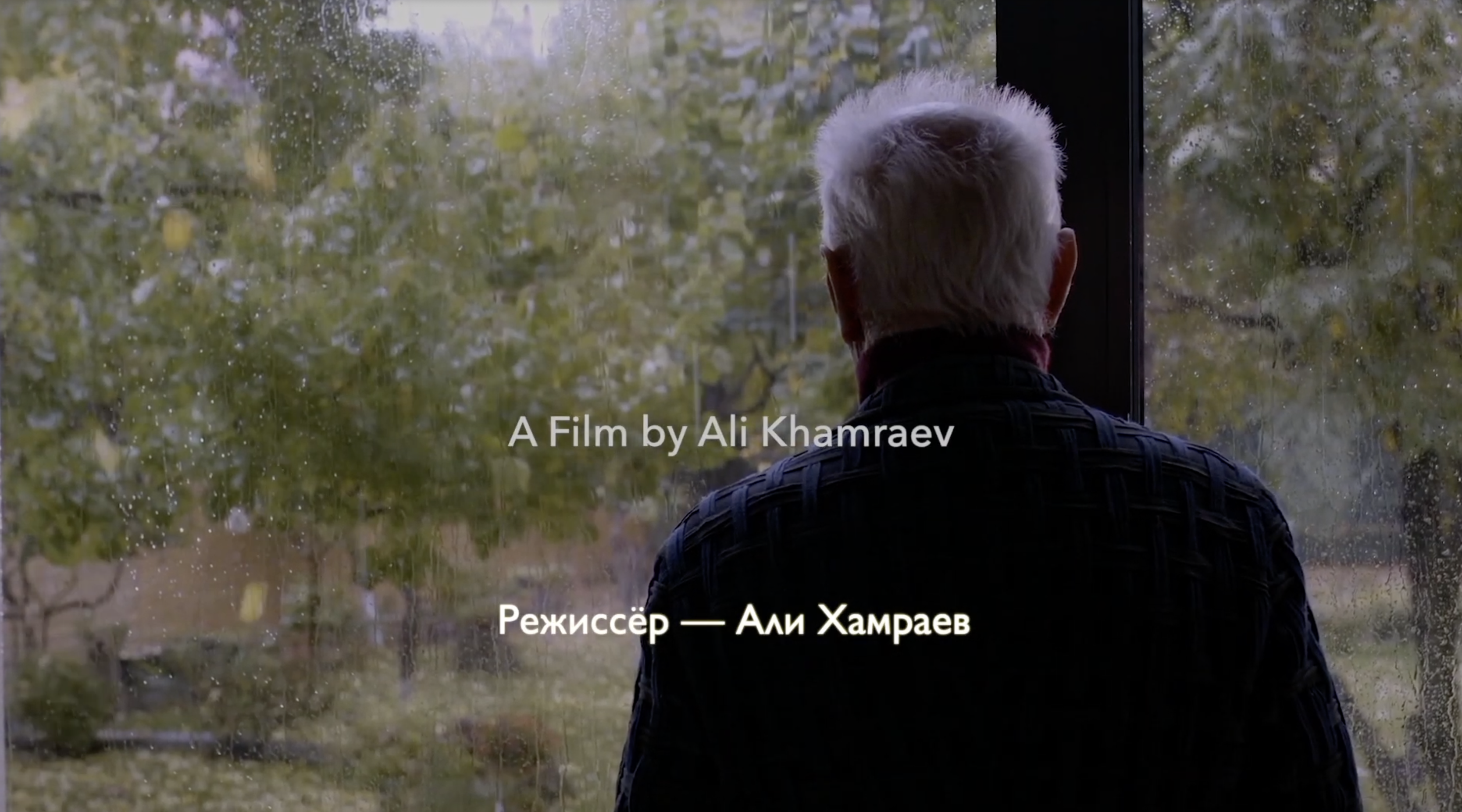
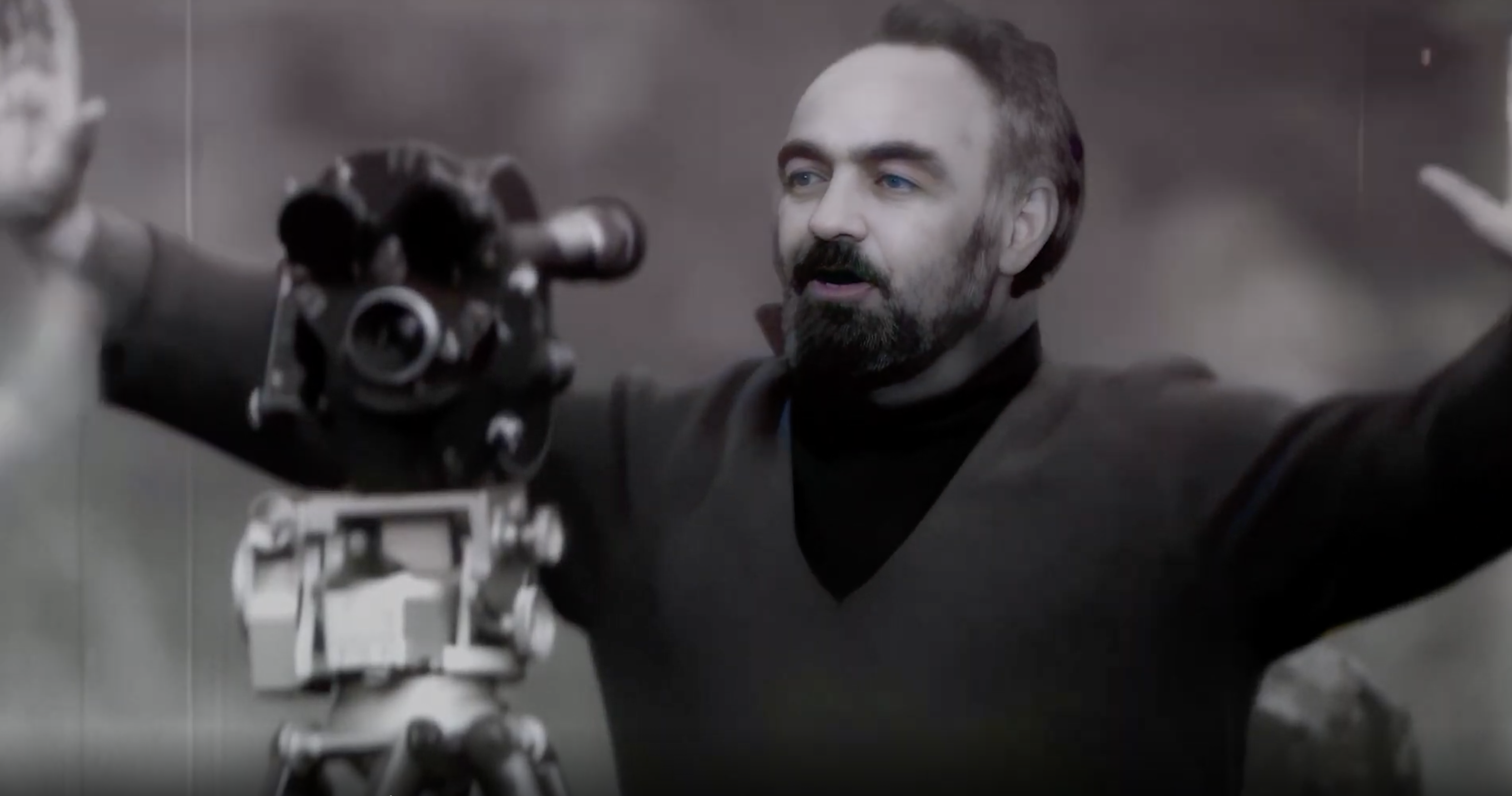
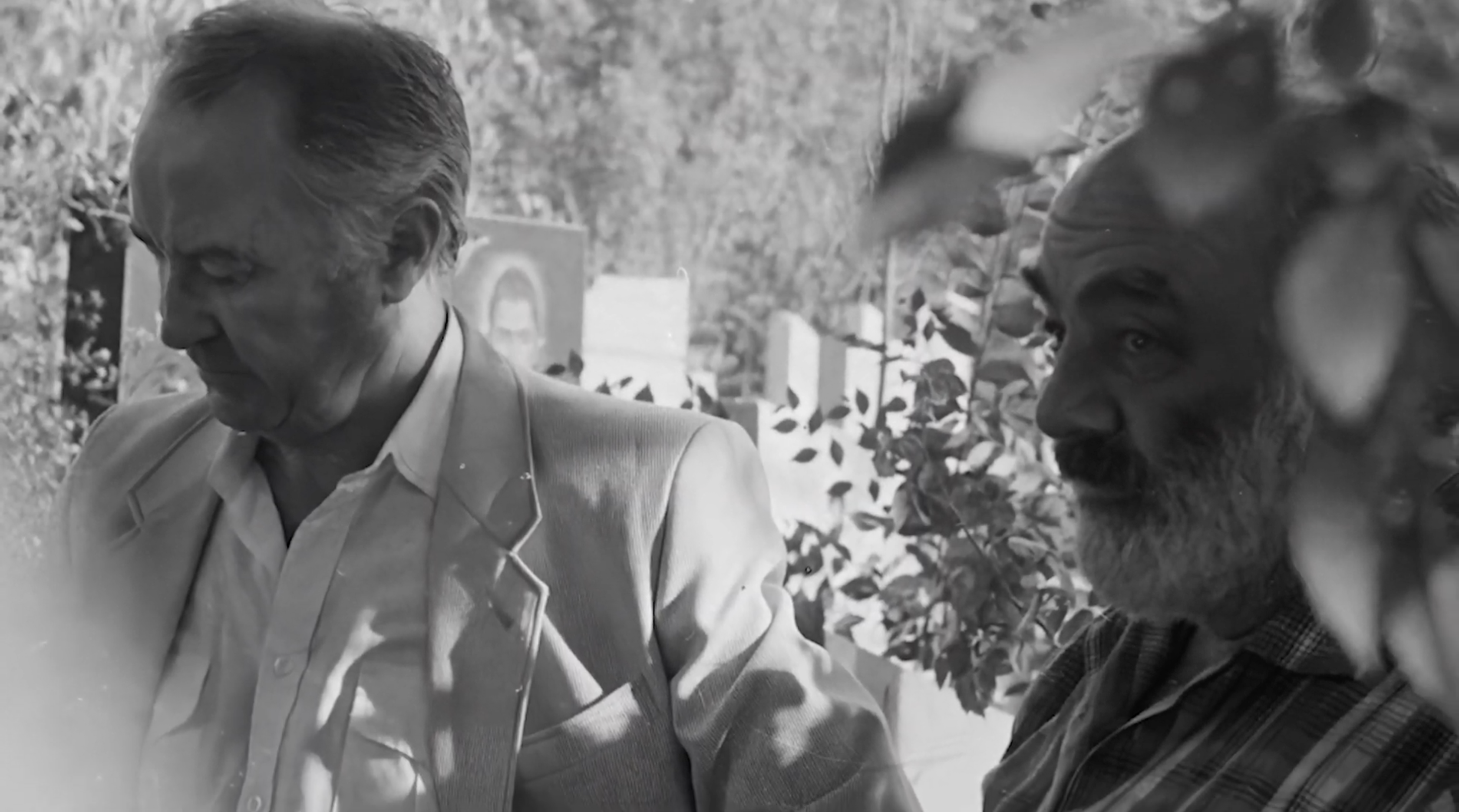
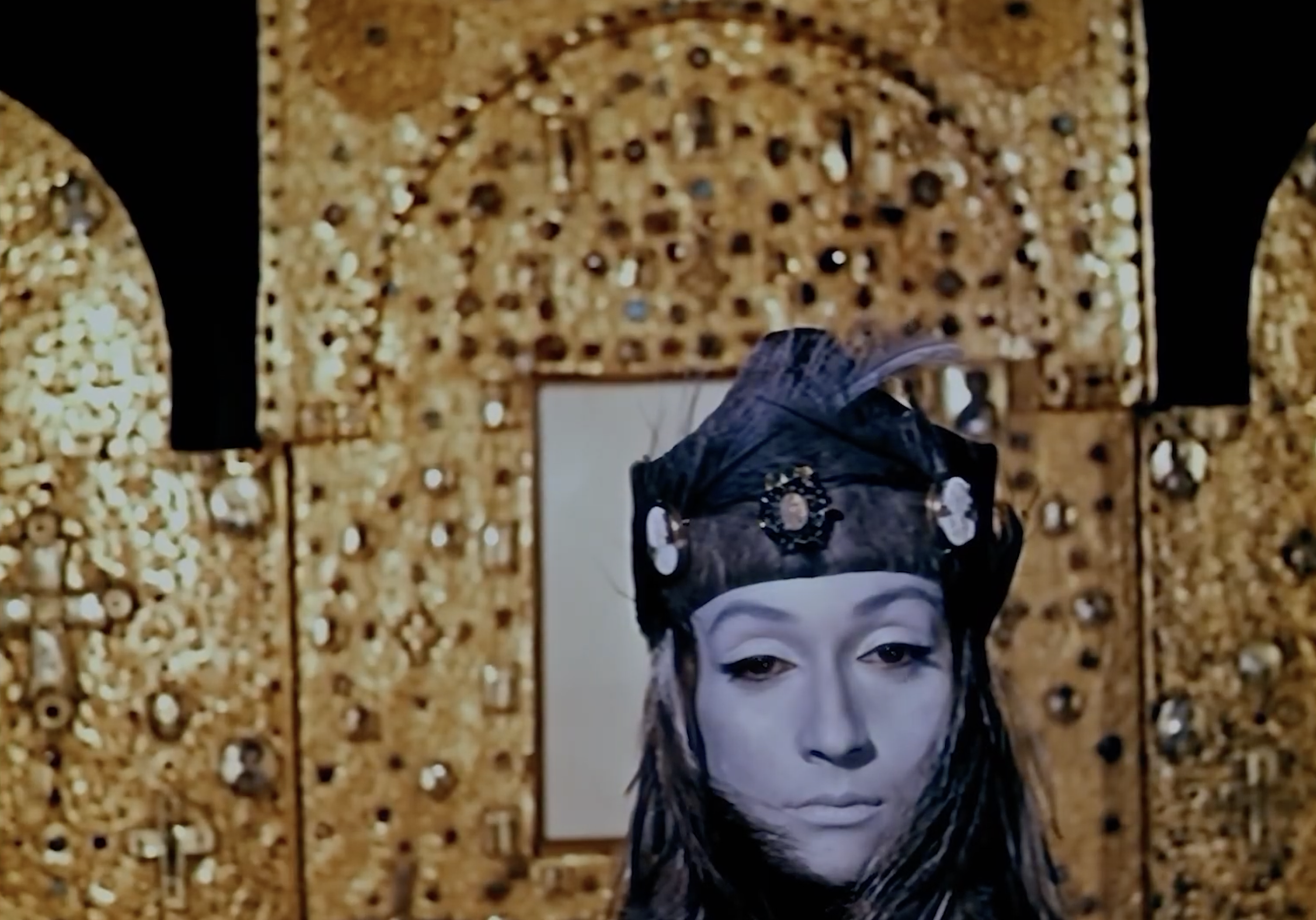
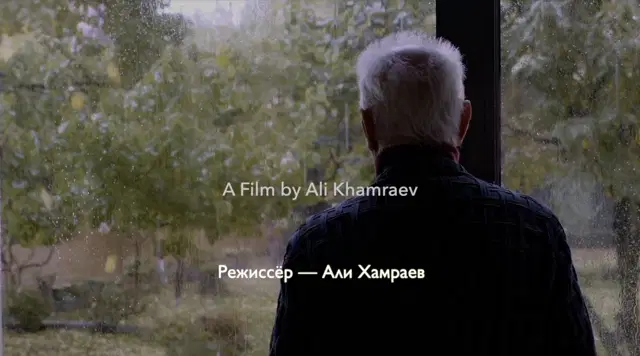
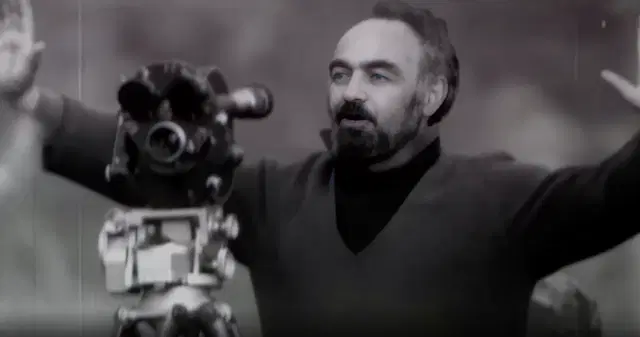
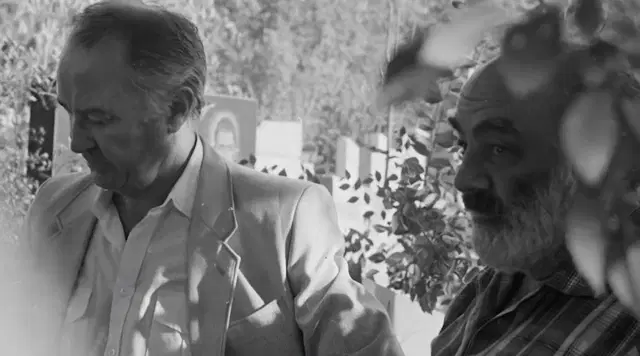
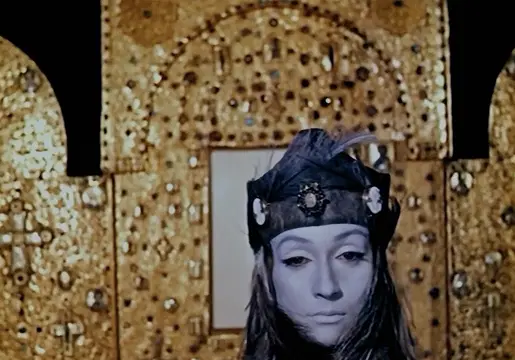
Why did the confession of love happen right now? According to Khamraev himself, in 2023 he remembered that "in a year Parajanov will turn 100, which means the film absolutely has to be made." And so, together with cinematographer Yuri Klimenko, he sets off on a journey—to Georgia and Armenia. Not as a researcher, but as a person searching for traces of a living presence. Archives, meetings with those who were close: friends, associates, colleagues—and all of this forms not so much a chronicle as, rather, a route of memory. It was from this journey that the film was born.
Every director at the very beginning is given a task — to decide from which angle to present the story. To talk about creative methods? About visual style? To give a lecture on the emergence of national, folkloric cinema? None of these options are about “Lilac Wind.” Is this film about Parajanov’s art? Khamraev divides the material into several sections (of course, with an epilogue) and shows a story about a person’s journey, which includes both the creative and the personal, as well as the fates of other people who surrounded and influenced him. He starts with the most important — childhood, parents — and ends with the ongoing life of Parajanov, because he is “not a postman, not a pharmacist, and not even a president” to just take and die.“I did not bury Parajanov,” Khamraev says at the very beginning of the film. And at that very moment, the camera shows Yerevan, where Parajanov’s coffin floats above a crowd of thousands. Later, his friends will all repeat: this man never really lived on earth. And it’s hard to argue with that.
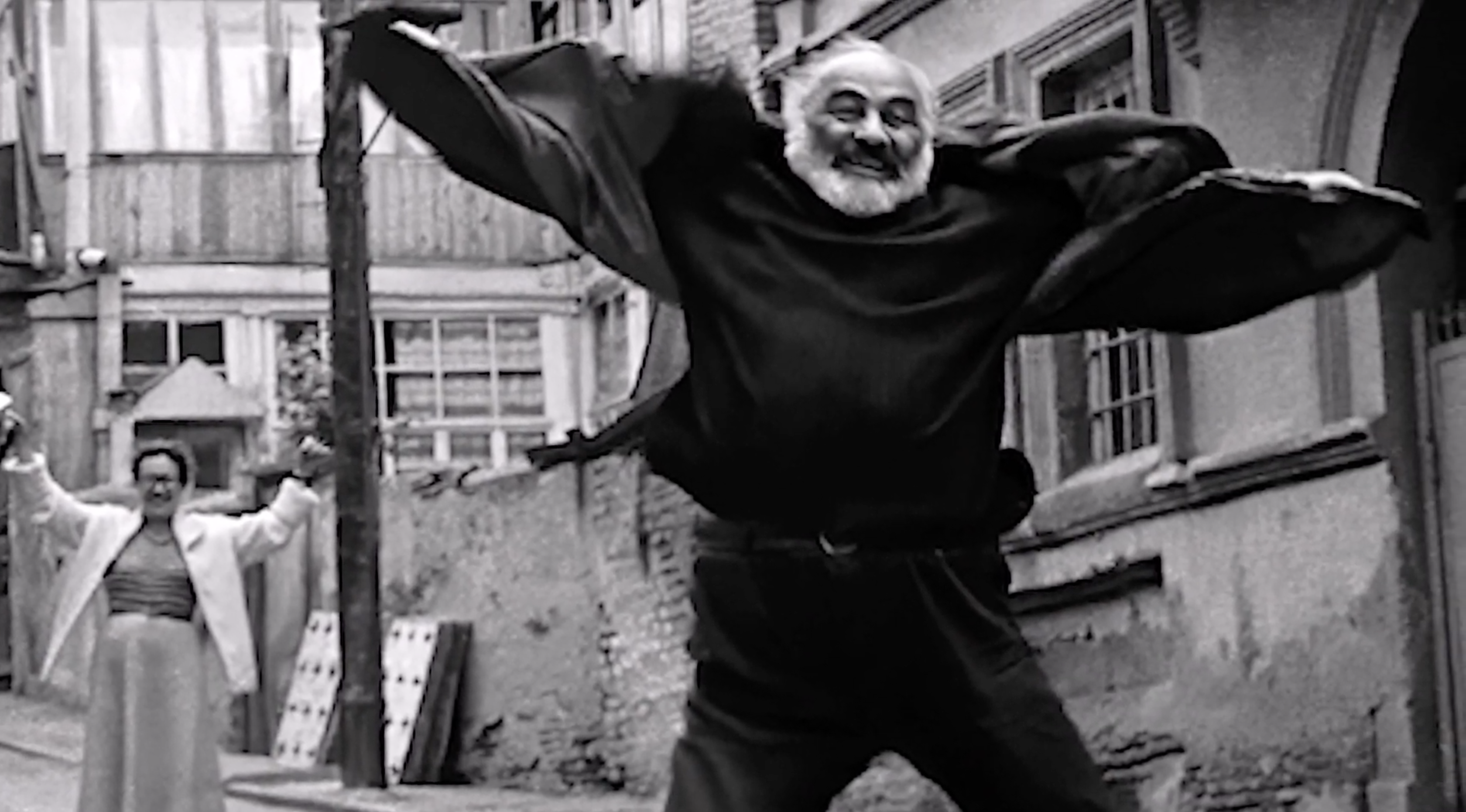
Then Parajanov suddenly appears alive—laughing, recalling his childhood. The stories there are such that it's not immediately clear where the truth is and where the play-acting: diamonds hidden in the mouth during searches, an almost chosen career as a tenor singer. Everything seems real, but it intertwines with his imagination.But “Lilac Wind” is not about reconstructing facts at all. This is Ali Khamraev’s story not about the director, but about his friend Parajanov. Their friendship began in 1985, with a meeting in Tashkent—and this personal connection is felt in every fragment. Here Parajanov is a man of the world: an Armenian, born in Tbilisi, studied in Moscow, worked in Kyiv, the Caucasus, in places where cinema was still searching for its own language.
Khamraev deliberately rejects the format of a jubilee film—even though the centenary of Parajanov was recently celebrated around the world. Instead, he gathers a circle of those close to him, who were by his side: cinematographer Yuri Klimenko, directors Roman Balayan, Irakli Kvirikadze, Artavazd Peleshyan, photographer Yuri Mechitov—the author of the legendary photograph of Parajanov, soaring/flying during a walk. In this same company are Andrey Khrzhanovsky and Andrei Tarkovsky. All these are connections that have always proven stronger than time, arrests, and death.
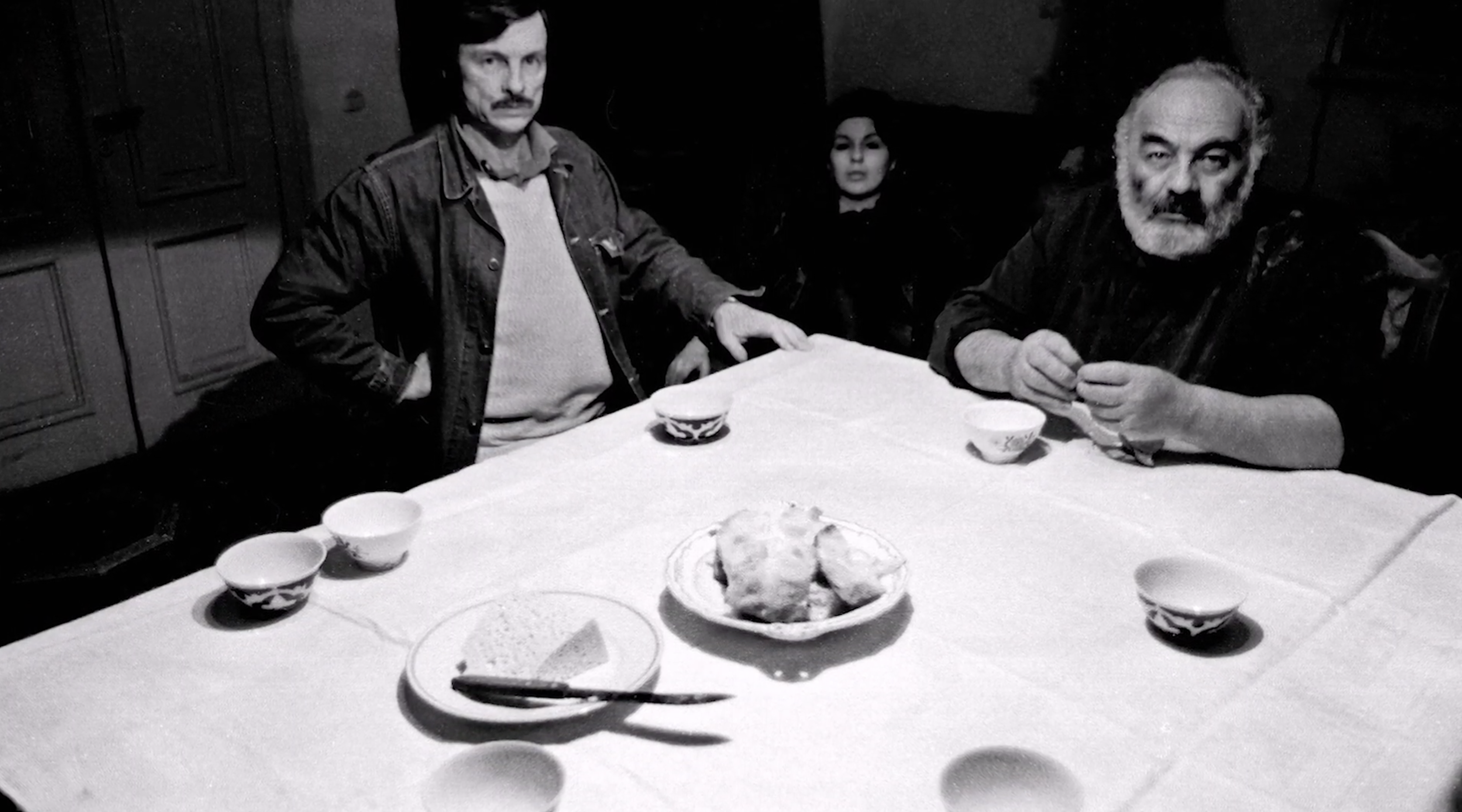
The film features chronicles—for example, the Rotterdam press conference of 1988, Parajanov’s first trip abroad after his release. His own stories, friends’ memories, animation, and documentary fragments come together in an uneven map of his fate. The fate of an artist who did not know how and was unable to exist in the outside world, and each time invented another reality for himself—lighter, more airy. But even into this “unreal” reality crept persecution, bans, the impossibility of working, and prison.However, even where it seemed that everything was over, he continued to create. From trash, from improvised materials—the very same talers, kefir lids with cut-out profiles: the Virgin Mary, Pushkin, Gogol. Today they are kept in his museum in Yerevan (another segment of the film). One of these medallions ended up with Fellini and became the prototype for the silver award of the Rimini festival—the very one received by Forman and Mastroianni.
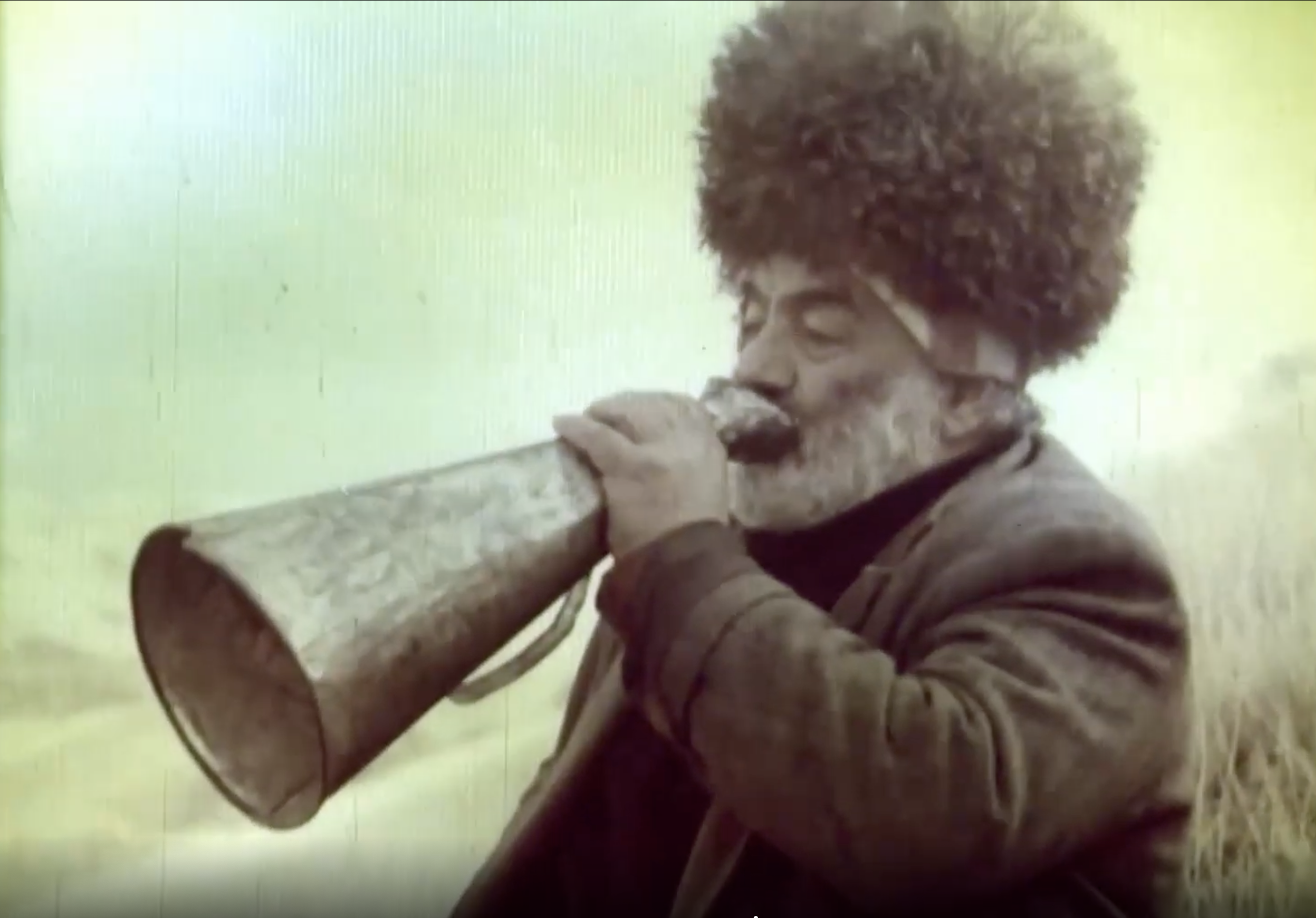
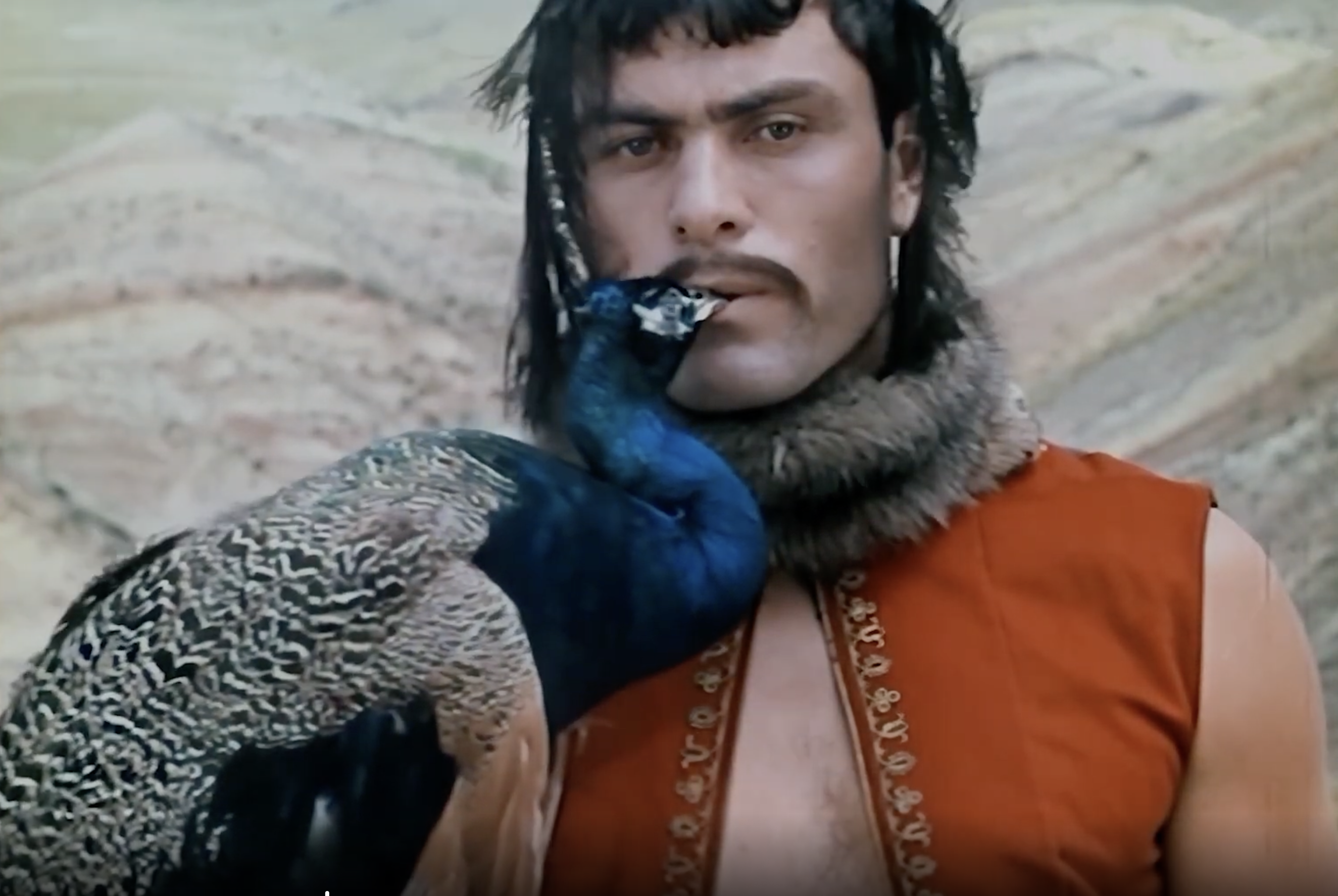
And when the question arises about Parajanov’s influence on cinema and on the authors of the former USSR, it becomes clear: it’s not even about imitation, but about the sense of freedom he conveyed. The impact of that very freedom on the cinematography of national film studios began with Parajanov’s film “Shadows of Forgotten Ancestors” (1964). At the national Ukrainian film studio named after Alexander Dovzhenko, the director made a phenomenal film that became an example of what kind of cinema could emerge even in a Soviet republic—national, folkloric. Later, Parajanov, turning to the culture of his native Armenia, created another work—“The Color of Pomegranates” (1970). Inspired by mythology, the director changed the usual approach to cinematic storytelling and made a work that became the antithesis of the existing template of Soviet mass culture. His symbolic cinema defined the poetic period in cinematography.
At first, the film’s certain naivety is somewhat surprising, but then, rather, it even becomes charming. Take the musical accompaniment: Saint-Saëns’ “Danse Macabre,” Vivaldi, Satie with his Gnossienne—these works seem to leave no chance not to feel the emotion, the thrill you get from notes that are already unshakable, cemented in culture for centuries. And it would seem that Parajanov’s personality is so grand that it does not need such amplification. But Khamraev cannot resist: for him, the story of a person on screen is too personal to remain restrained.
This same intonation continues in the finale—in the touching shots of lilac flowers fluttering in the wind. They refer both to the title of the film and to its recurring image—the wind: lilac and necessarily free.
Khamraev does not abandon these techniques—and in fact, this is not even necessary. This is no longer the era of the Thaw, when he, like Parajanov, brought new, previously unthinkable images to cinema, shaping the language of poetic filmmaking. Back then, his "Man Leaving for the Birds" in 1974 was accused of "Parajanovism."
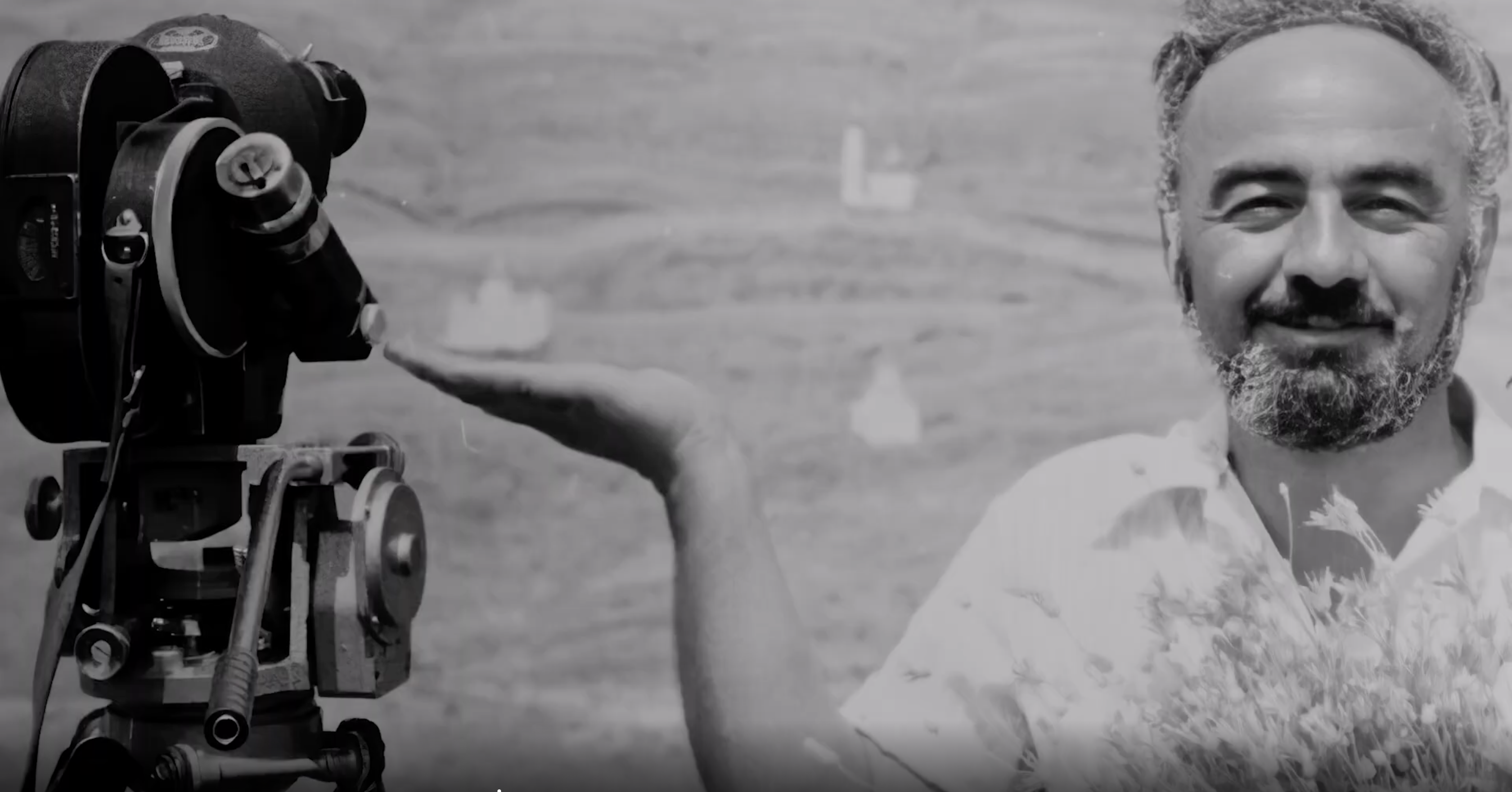
In this almost childlike and poetic belief in immortality, in the impossibility of final disappearance, lies, among other things, the scale of Khamraev’s personality. He calls Parajanov a friend, a teacher, a cosmos. And the cosmos, as we know, cannot be described by dates and filmographies—it can only be felt.
And there is another, very personal reason why this film could not become a classic documentary. Ten years after those accusations, when Khamraev and Parajanov met in Tashkent in 1985, Parajanov came to the cemetery to visit Khamraev's mother, bought all the flowers there, and covered her grave with them. His own mother had died in Tbilisi while he was serving his sentence. After that, is it possible to avoid excessive lyricism, personal admiration, multiplied by tenfold trembling? There is no answer to this question except a negative one.
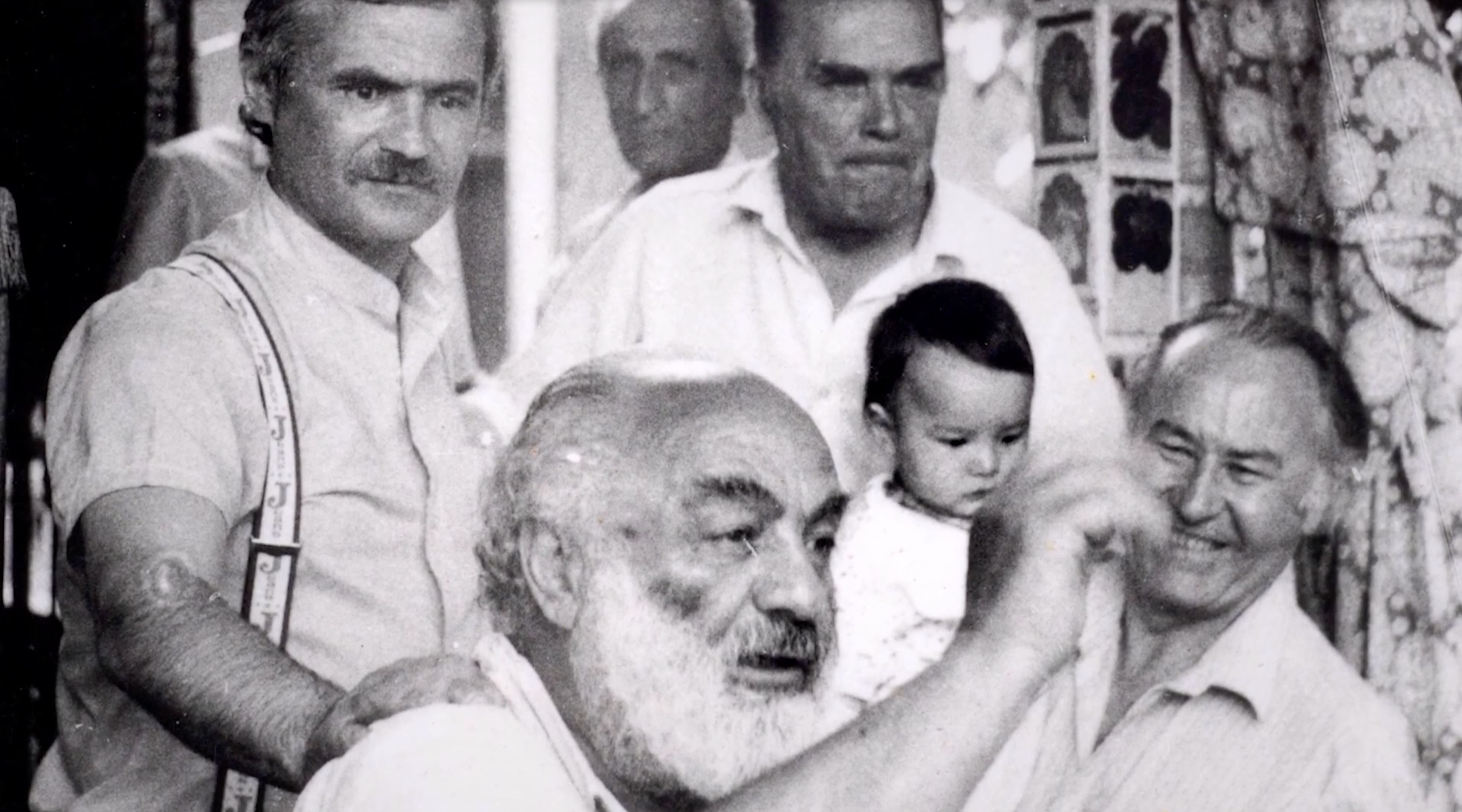
And — yes, — what happens when one great man makes a film about his friend, who is no less great, because that friend is Sergei Parajanov? This goes nowhere else — only into the heart.


