
Hearts that burn with love exist in a space where it is difficult to truly express that love.
Varia Garib
About the film
The film was shot in Tashkent in October 2024 and previously took part in the Women Watch Uzbekistan 2024 film project accelerator, where it was presented by director Varia Garib and producer Vasilisa Inshutina.
Yuragim tells the story of Saida, who works as a schoolteacher and interpreter for foreign businessmen. She soon discovers that her new job is far more complex and morally ambiguous than it first appeared. It is a story about searching for one’s own path in a place where it seems the choice has already been made for you.
We spoke with directors Varia Garib and Kirill Komar to understand how Yuragim constructs its narrative, from the initial idea and ethical considerations to working with space and non-professional actors.
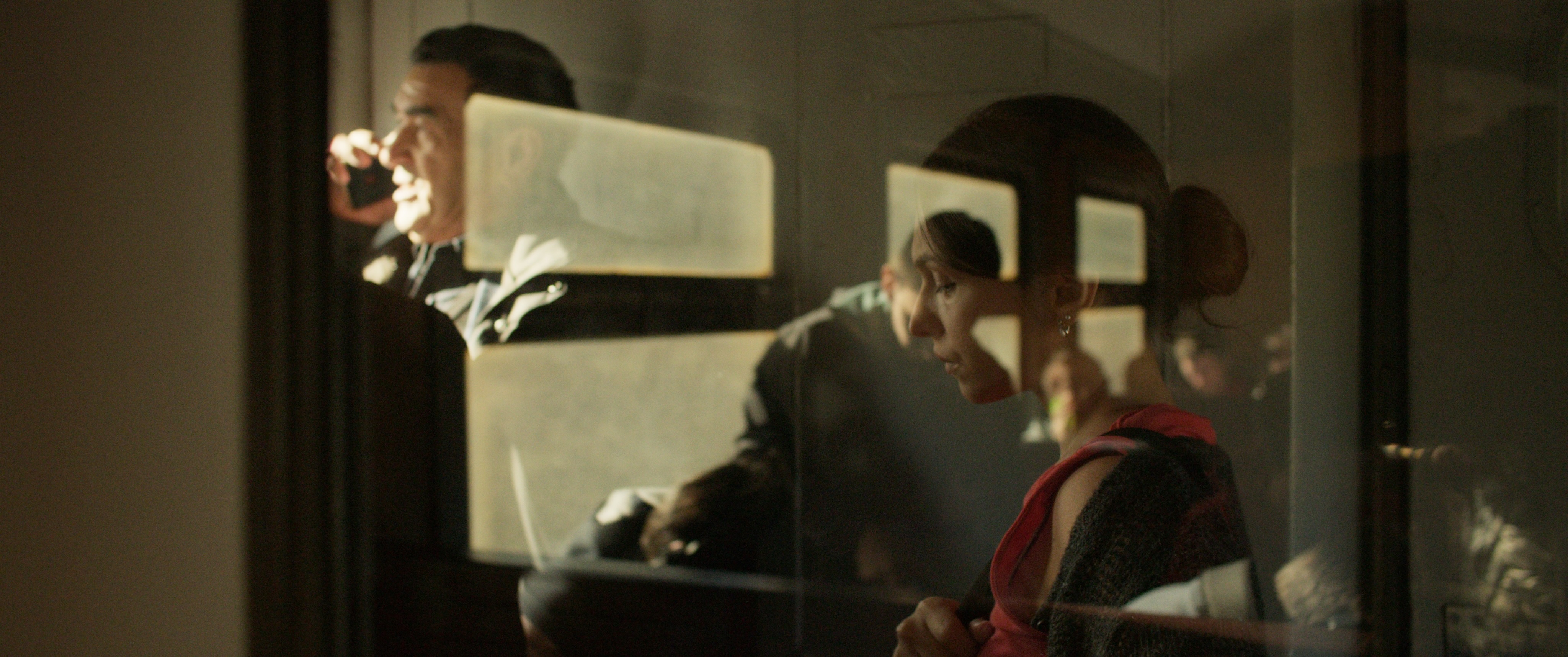
Autobiographical Elements
Varia Garib is originally from Uzbekistan and spent her early years in Tashkent before continuing her education in Europe. It might seem natural to assume that the protagonist’s return reflects the director’s own biography, yet Garib notes:
The film is not autobiographical. But the feeling of being confined, constrained, perhaps that is somewhat autobiographical. Though I do not think it is tied specifically to the Central Asian context.
Varia Garib
Co-director Kirill Komar was born in Odesa, grew up in Germany, and now lives in Vienna, where he began his career directing music videos and commercial projects before turning fully to cinema. His involvement also reshaped the original concept:
When we started working together, we revised the script. We moved away from my personal story and focused on a fictional character, Saida. The first draft, written in the summer of 2023, was extremely autobiographical. But over time, that dissolved, leaving only a certain personal sense of life.
Varia Garib
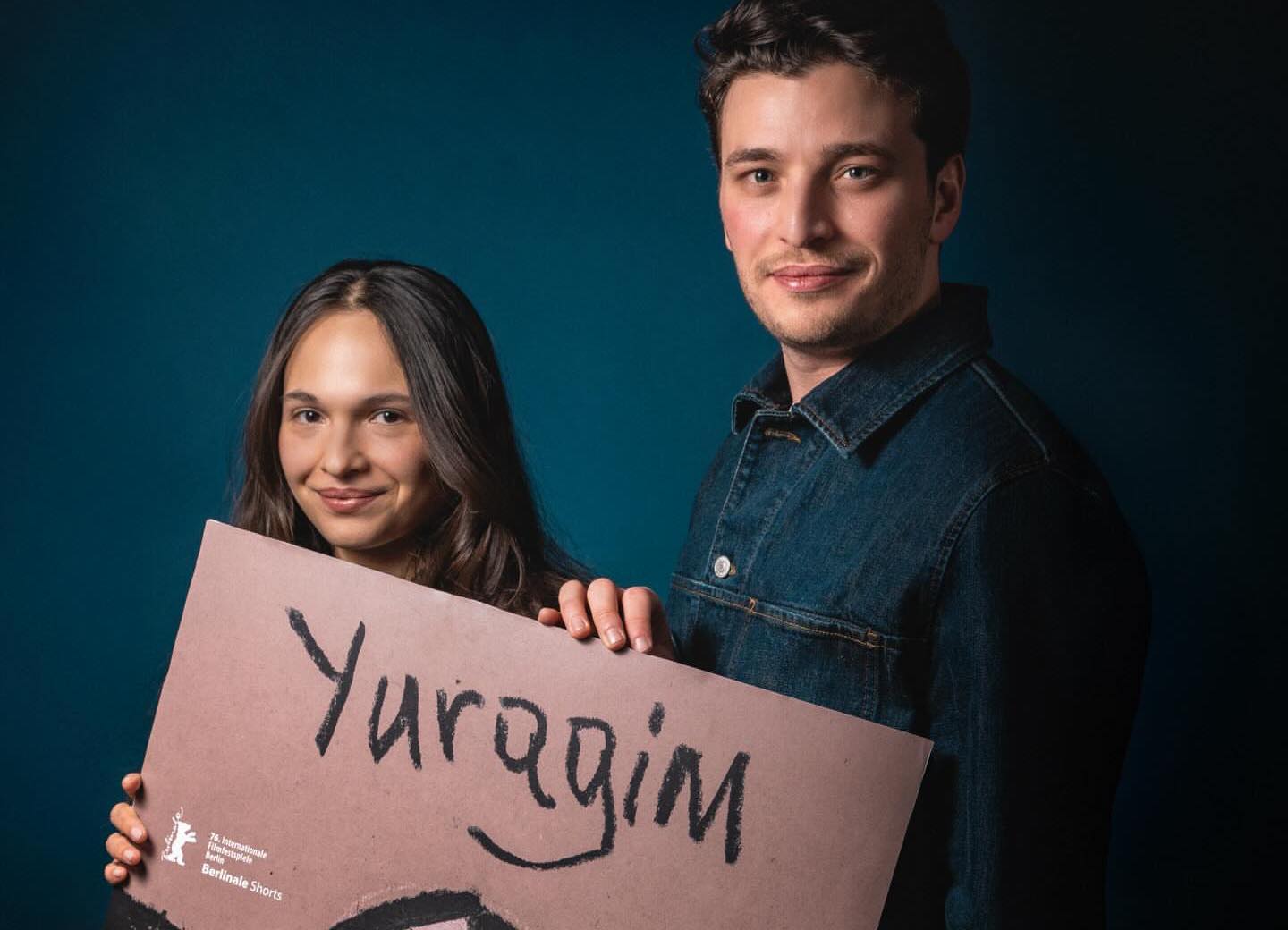
Identity, Migration and Ethical Issues
The most important thing we can say about the film right now is that it is about how hearts that burn with love exist in a space where it is difficult to express that love. It is a rather harsh, cold, oppressive environment that ultimately destroys the heart. It freezes, it fades, it finds no outlet for that love.
Varia Garib
Kirill emphasises that although the experience of living “between countries” is familiar to both directors, they deliberately avoid being didactic:
As for the themes and message, identity and migration are close to us. We both grew up that way, and it is part of who we are. But we did not want to teach anyone, because the moment you start teaching, cinema dies.
Kirill Komar
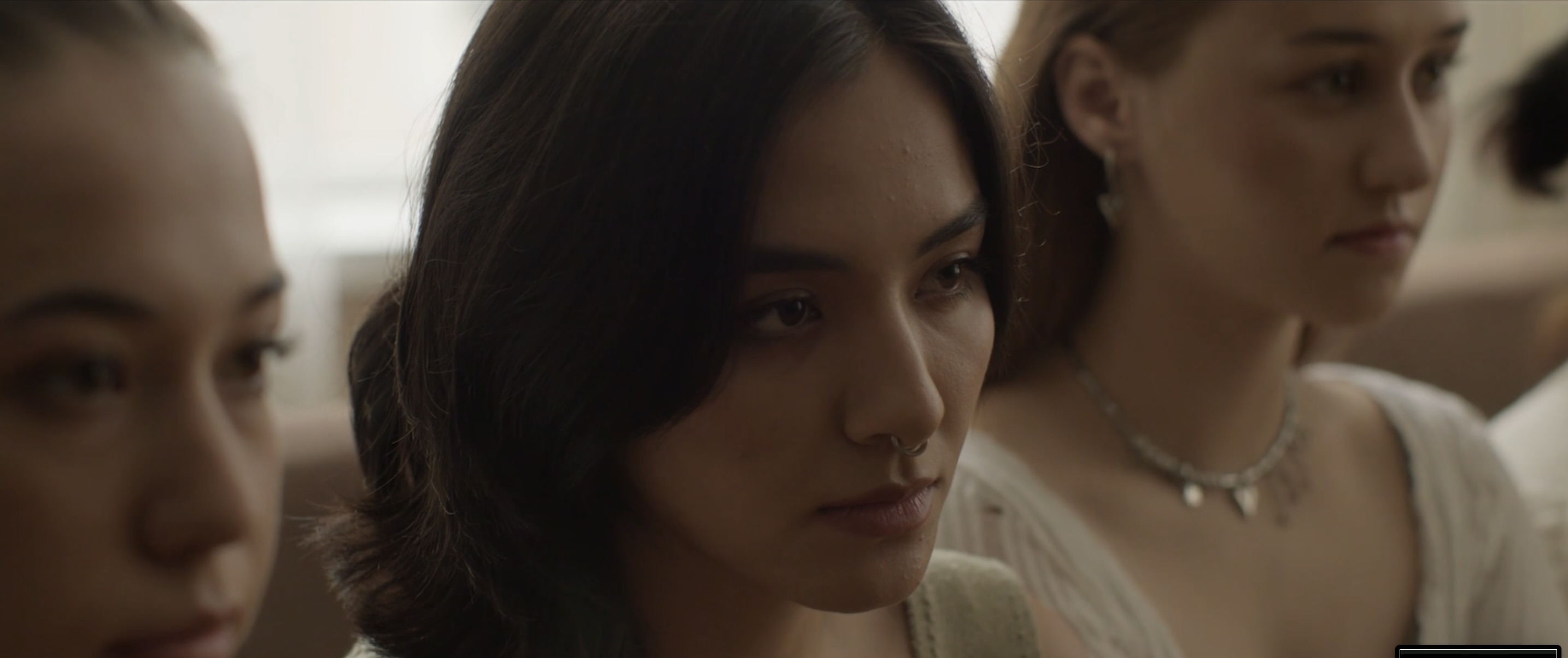
This approach extends to the film’s form as well. The use of three languages, Uzbek, Russian and German, is not a stylistic device but a natural environment in which the characters exist:
Multiple languages are simply our reality. We grew up surrounded by them. They say more about the world than about the characters, and there is no judgement in that. It is just a fact. The film reflects our perception of the world, and of Uzbekistan in particular, where this multilingual environment exists.
Varia Garib
This approach extends further, with the environment taking precedence over the character’s action.
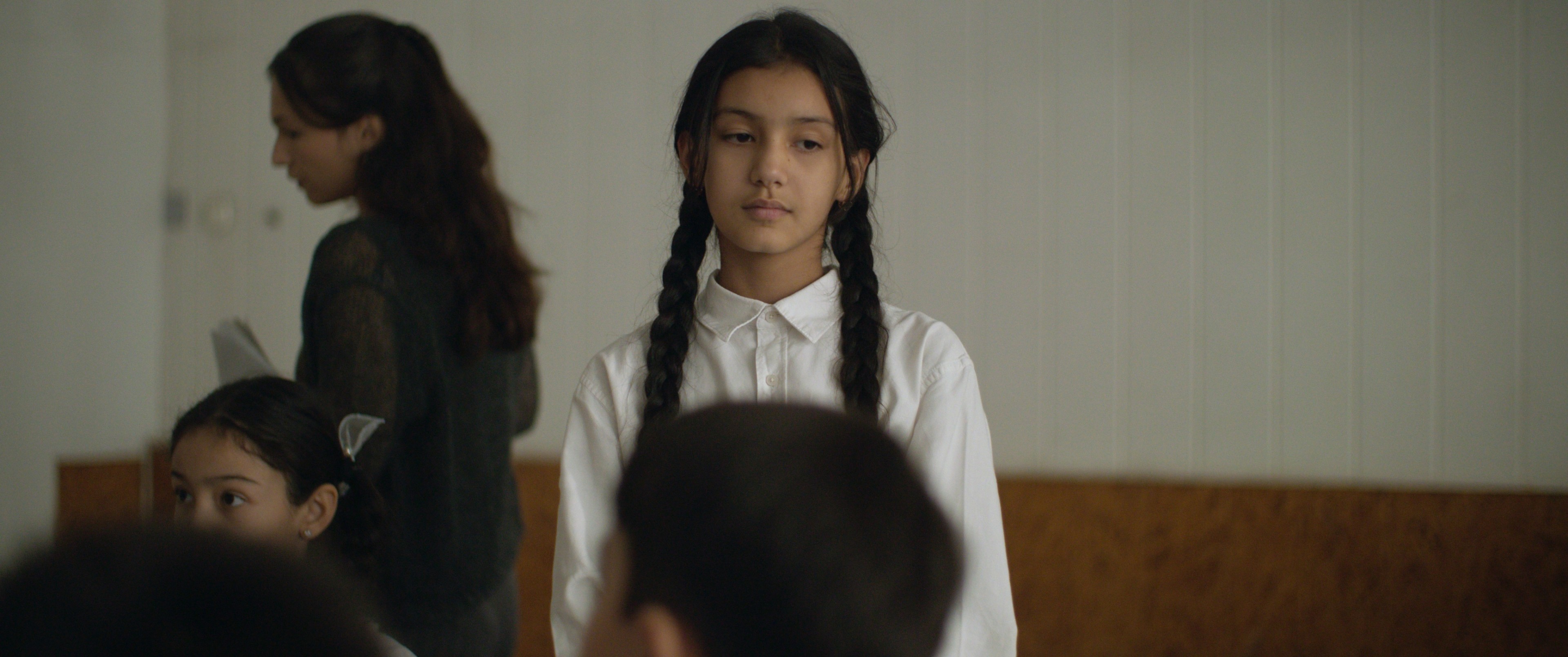
What Matters Most?
One of the key principles for the team was to show Uzbekistan without turning it into an image for an external viewer:
When filmmakers shoot in their home countries with a Western audience in mind, it often leads to exoticisation. I find that problematic. It was important for us, on the one hand, to show Uzbekistan through our own lens, and on the other, to do so as simply as possible.
Varia Garib
The directors deliberately chose not to work with professional actors, aiming instead for a sense of unpolished reality:
It is interesting because it brings a different kind of truth, a different sense of people and space. In a way, it also relates to avoiding exoticisation. We are not adding it, but rather softening it.
Kirill Komar
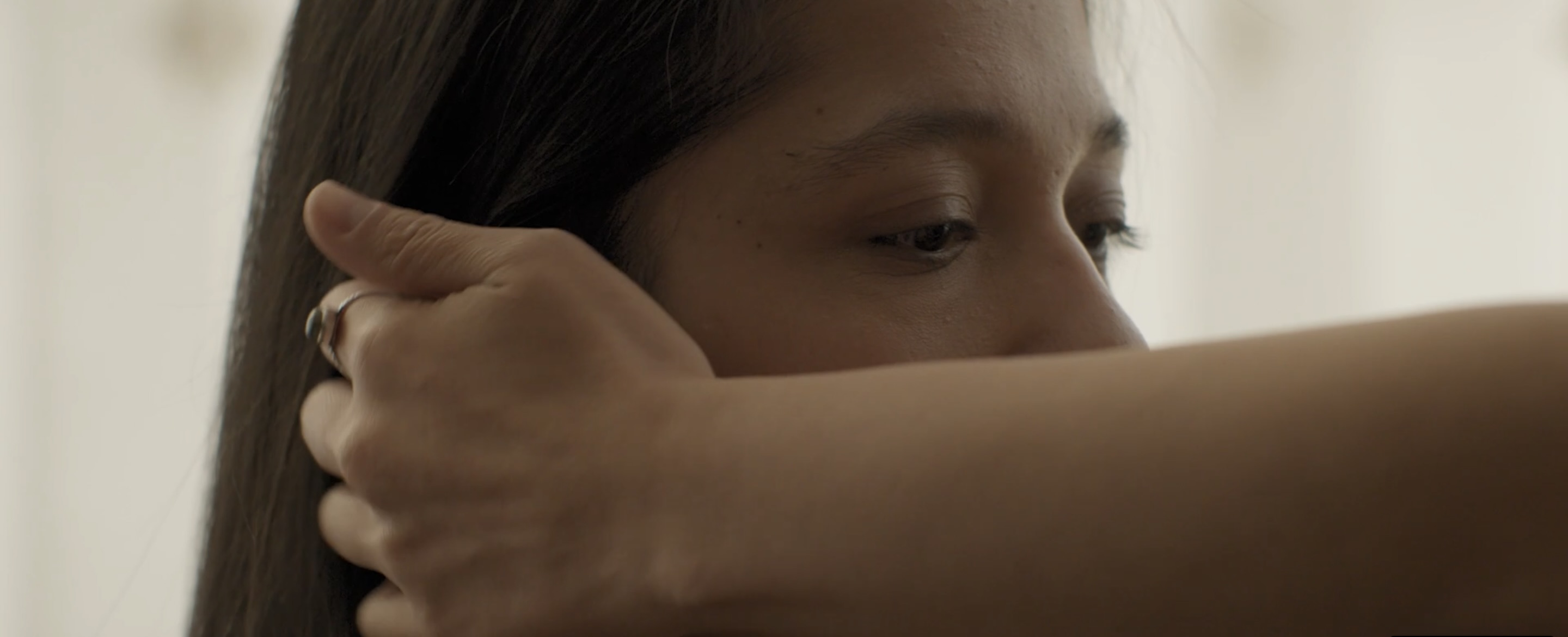
Space as a key element
Space comes first. It sets the rules for the character. It was crucial for us to work with the location; it gave us a great deal during filming.
Kirill Komar
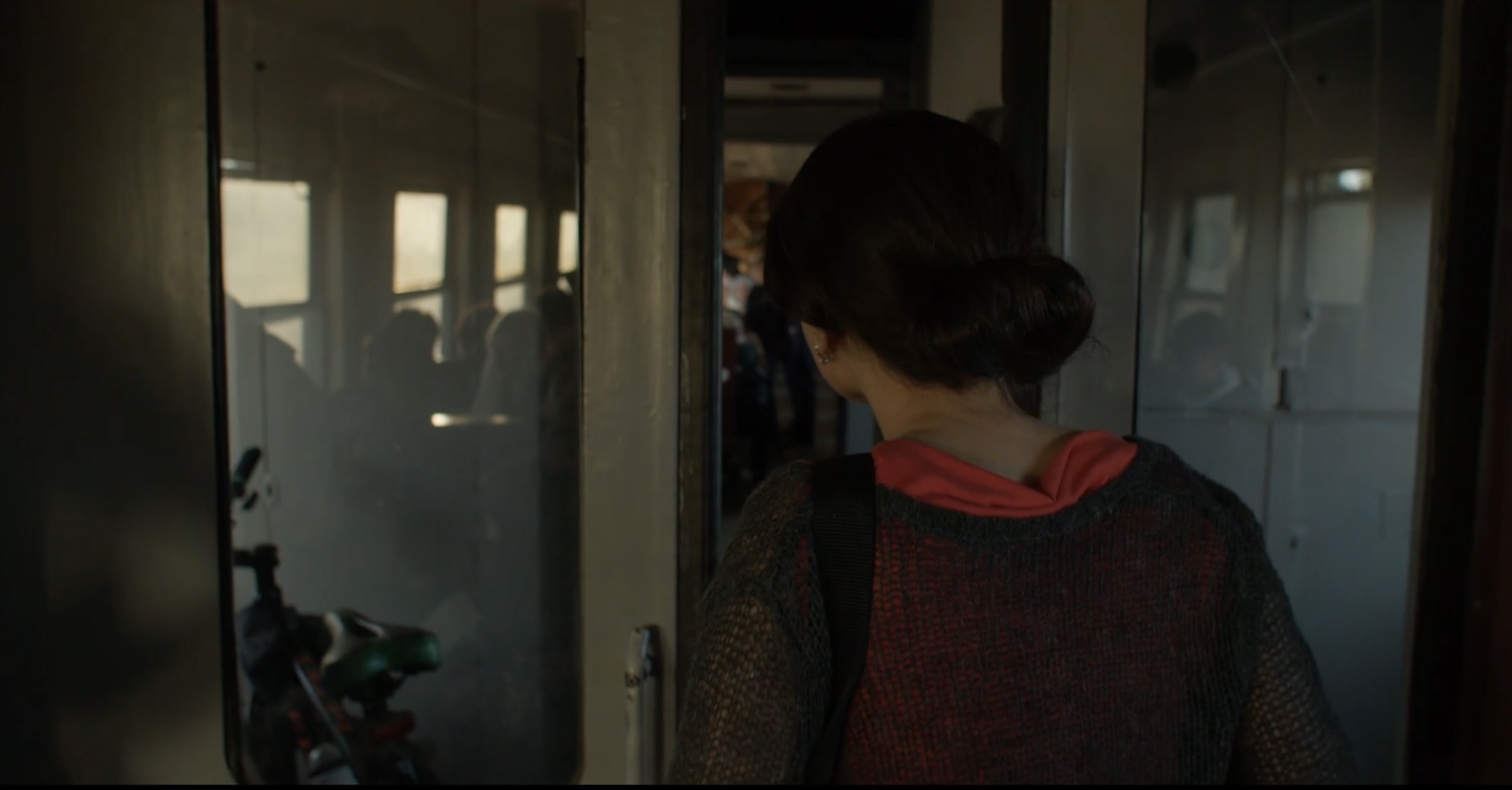
Then, this idea becomes not only artistic but also practical. Trusting the location influenced not only the choice of settings but also how scenes were shot, resulting in a more documentary-like quality in certain episodes. Scenes on the train and in various locations were filmed with a degree of openness and freedom.
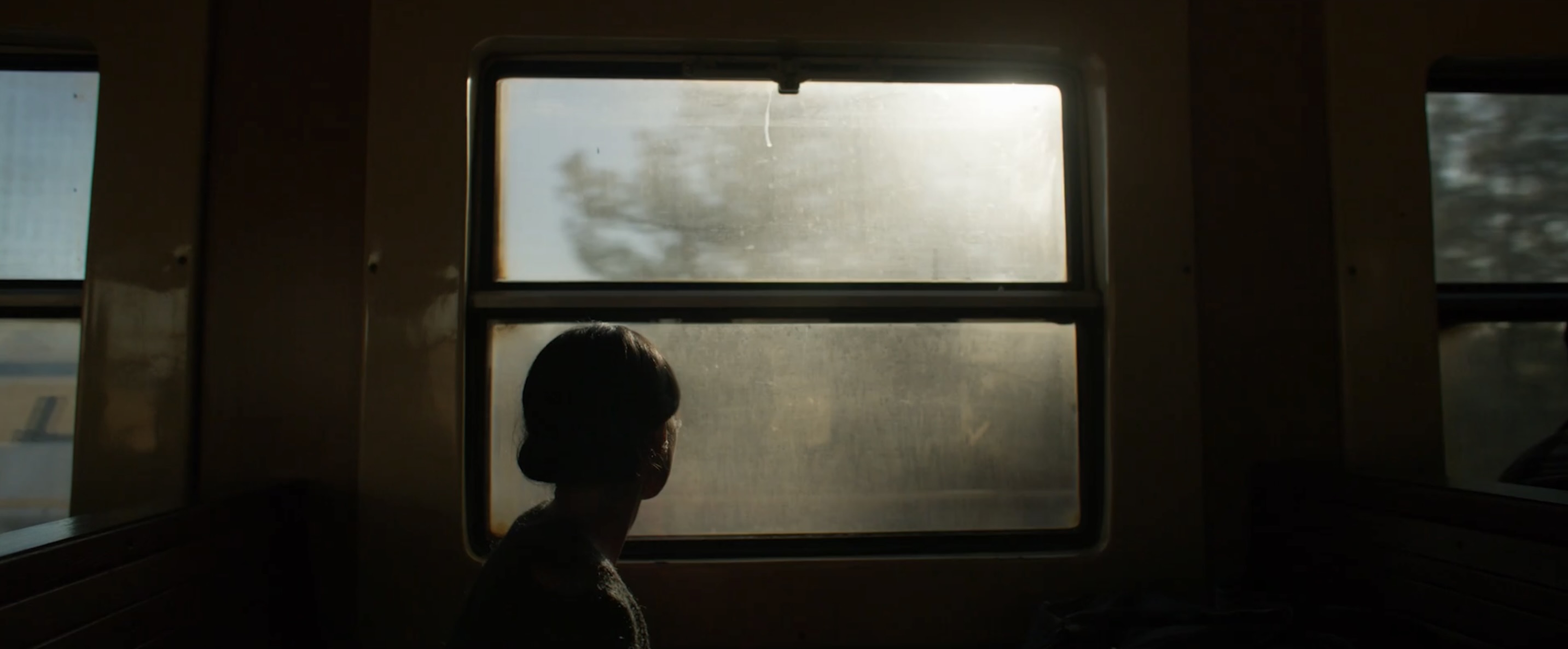
We believe that space has its own kind of magic, and we don’t need to control everything in the frame. That kind of hyper-control, common in commercial cinema, tends to kill that magic.
Varia Garib
When this method works, it brings something into the frame that cannot be staged in the conventional sense:
The spaces of Uzbekistan gave us many moments that cannot be staged or directed. It feels like something from above.
Varia Garib
On collaboration
Varia notes that there is no rigid division of roles between her and Kirill. Their collaboration is flexible rather than strictly structured.
Kirill adds that shared understanding and an emotional approach are essential. Varia clarifies:
If one of us loses that initial feeling that was at the core of the film and starts approaching things too rationally, the other tries to bring him back to that sense of emotion and space, reminding him what the film was meant to convey.
Varia Garib
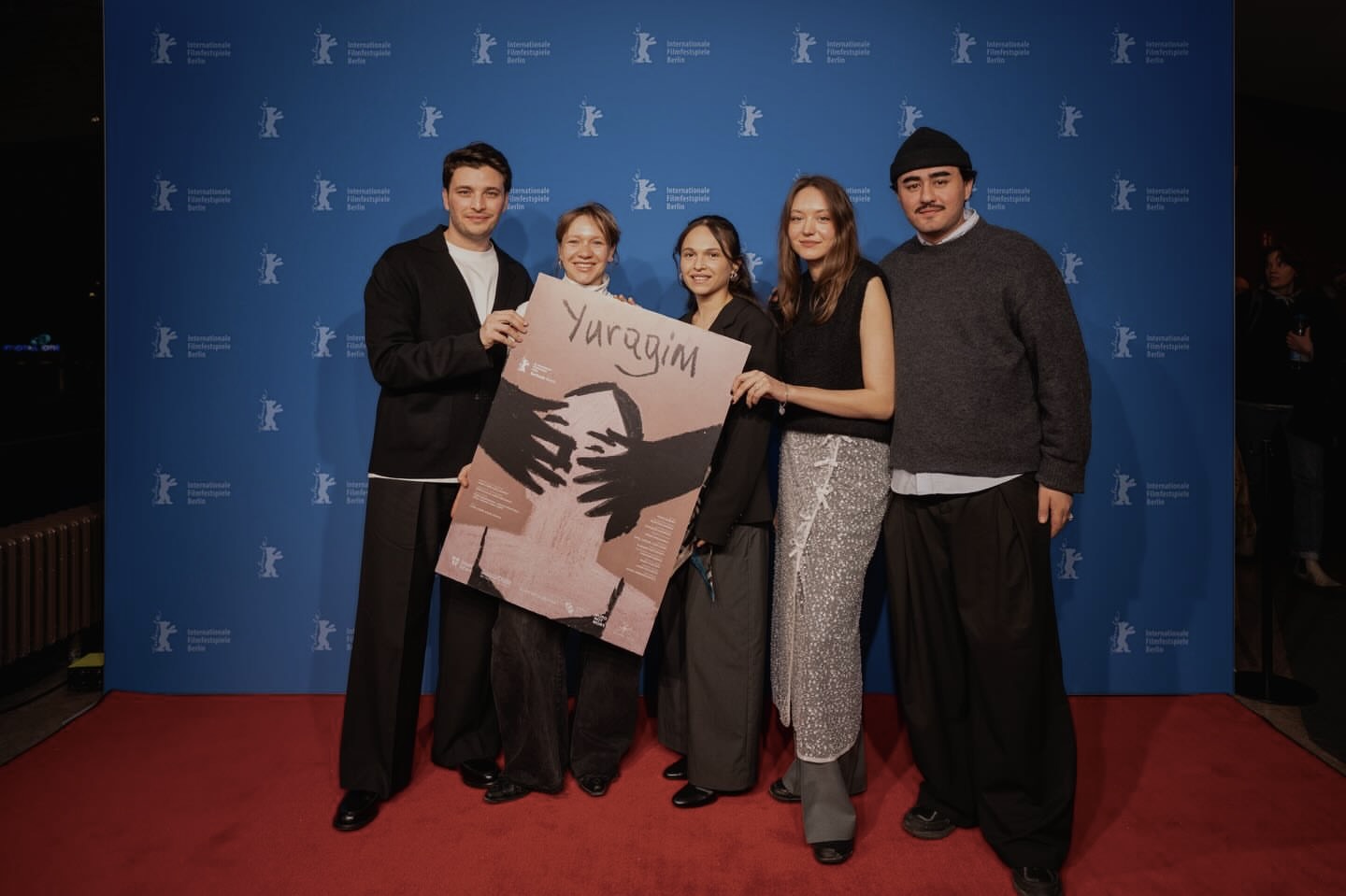
Since Varia also appears in the film as an actress, a unique dynamic emerges. She maintains the director’s perspective from within the frame, while Kirill holds it from behind the camera.
Yes, it is as if a kind of magnetic field is created, one magnet in front of the camera and the other behind it.
Varia Garib
On Filming in Uzbekistan
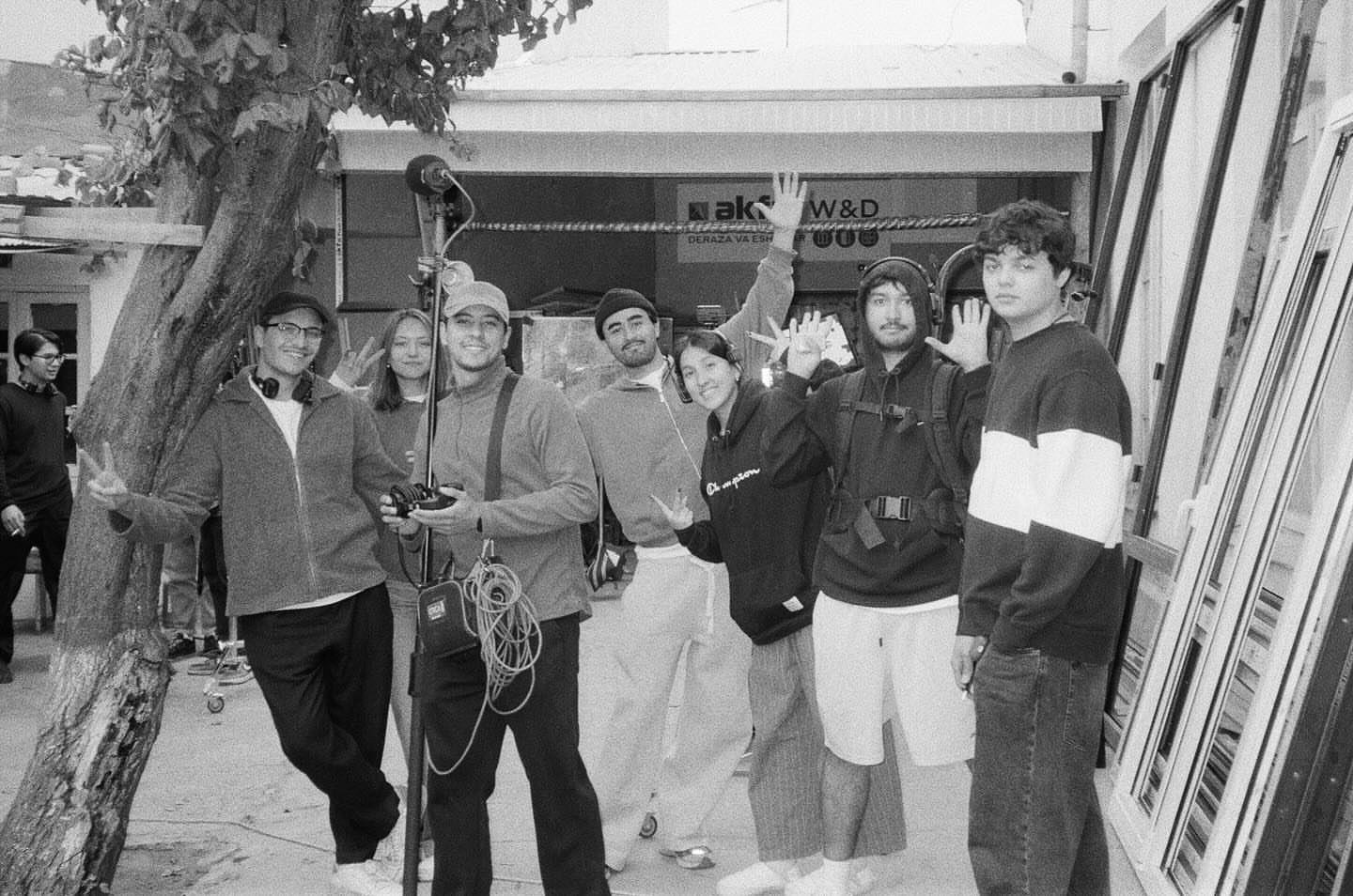
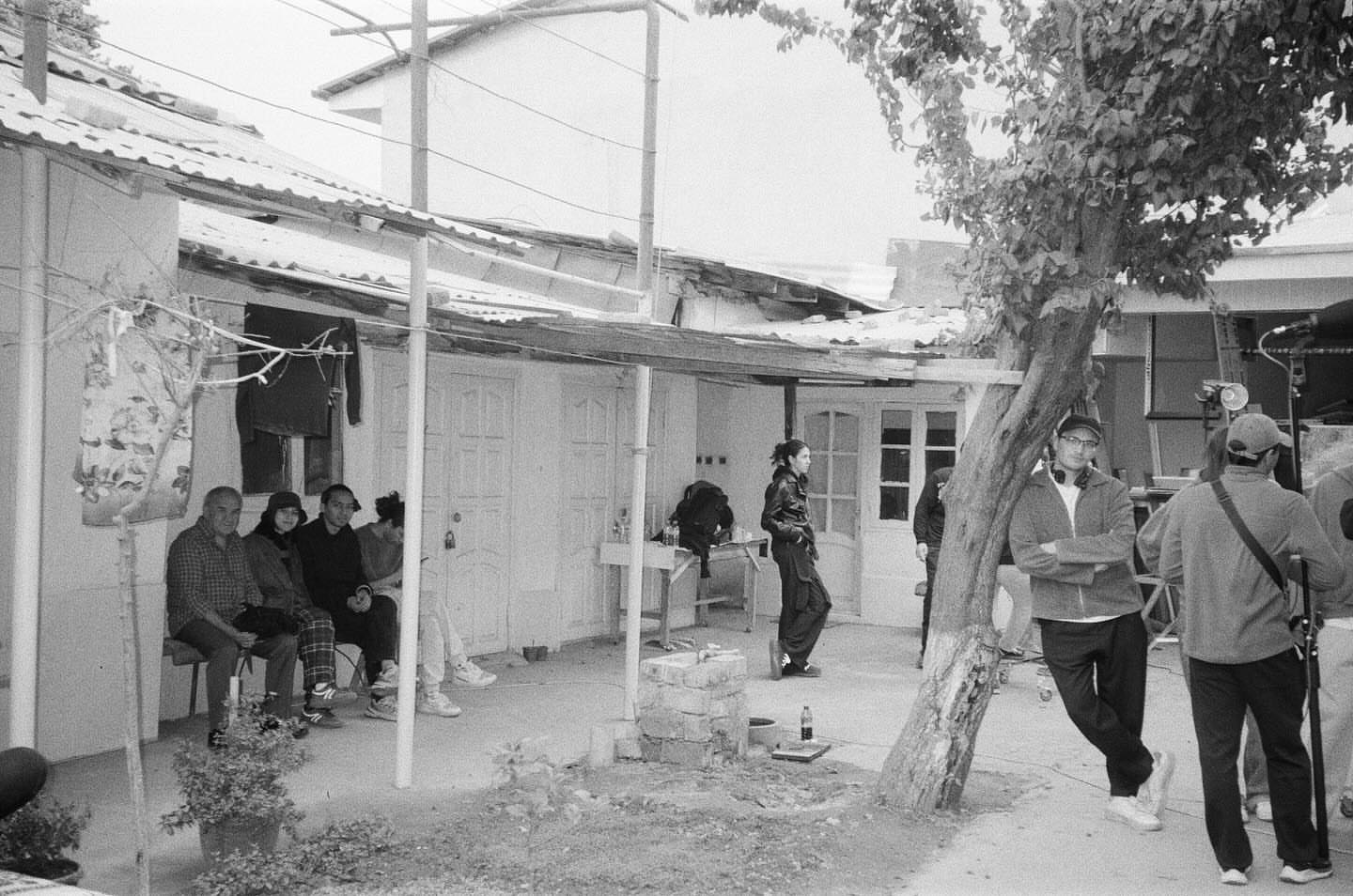
We are very happy that we were able to work in Uzbekistan. We had an incredible team, and the film exists thanks to them. We collaborated, for example, with Tashkent Film School.
People were motivated, engaged, and generous with their time and attention to the project. It felt magical, something we had not experienced on other shoots. We will never forget it; this team will always remain in our hearts.
We are grateful to everyone who believed in us when we had nothing. Hopefully, we will film in Uzbekistan again. Special thanks to Vasilisa and Doni, who helped organise everything locally. Without their professionalism and support, none of this would have been possible.
Varia Garib
Project Details
Yuragim is a co-production between Uzbekistan and Austria, with a running time of 19 minutes. It was produced by Zanzara Films and Buro Notfrom.
The project credits include producers Doni Akhmadjonov and Vasilisa Inshutina (Uzbekistan), co-producer Gregory Bagaev, cinematographers Sasha Kulak and Murat Ibragimov, and music by Bhima Yunusov, with performances by Dado, Masa and Asl Wayne.


