
For women, the path to directing required not only talent
but also exceptional persistence and resilience, especially in years when
filmmaking was considered a male profession.
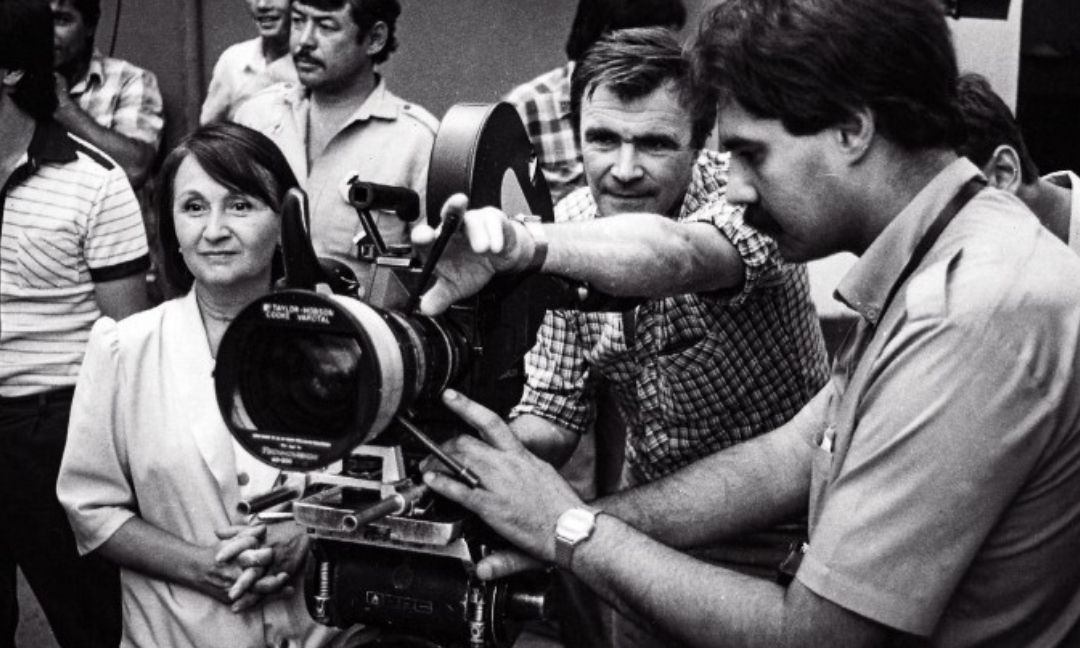
Among them, Kamara Kamalova holds a special place as the
first female film director in Central Asia. She entered history not only as a
pioneer but also as an artist who managed to portray female experience with a
sensitivity and openness that was unusual for her time.
In the history of Uzbek cinema, women were not only
actresses. They worked in documentary, animation, and feature filmmaking, and often
became innovators. One of these figures is Kamara Kamalova, the first female
director in Central Asia.I
In the early 1960s, Kamalova enrolled at VGIK, one of the
most prestigious film schools in the Soviet Union. For a woman at that time,
this was an almost impossible path. Yet even a diploma did not guarantee
immediate access to major cinema.
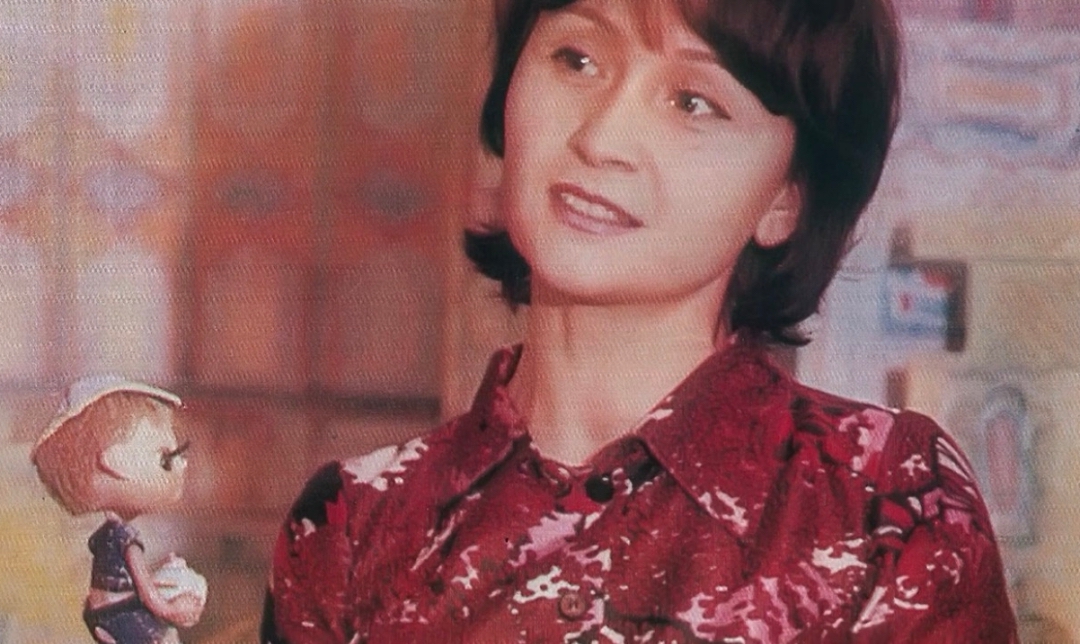
After graduating, Kamalova created animated films and
worked in television. Feature filmmaking was a rare opportunity at the time, as
there was a strict limit on the number of films produced annually in Uzbekistan.
Meanwhile, Uzbek cinema was already shaped by major figures such as Shukhrat
Abbasov, Ali Khamraev, and Latif Fayziev.
Within this system, a young director, especially
a woman, had to wait for her moment. That moment came in 1975, when Kamara
Kamalova directed her first feature film, Bitter Berry.
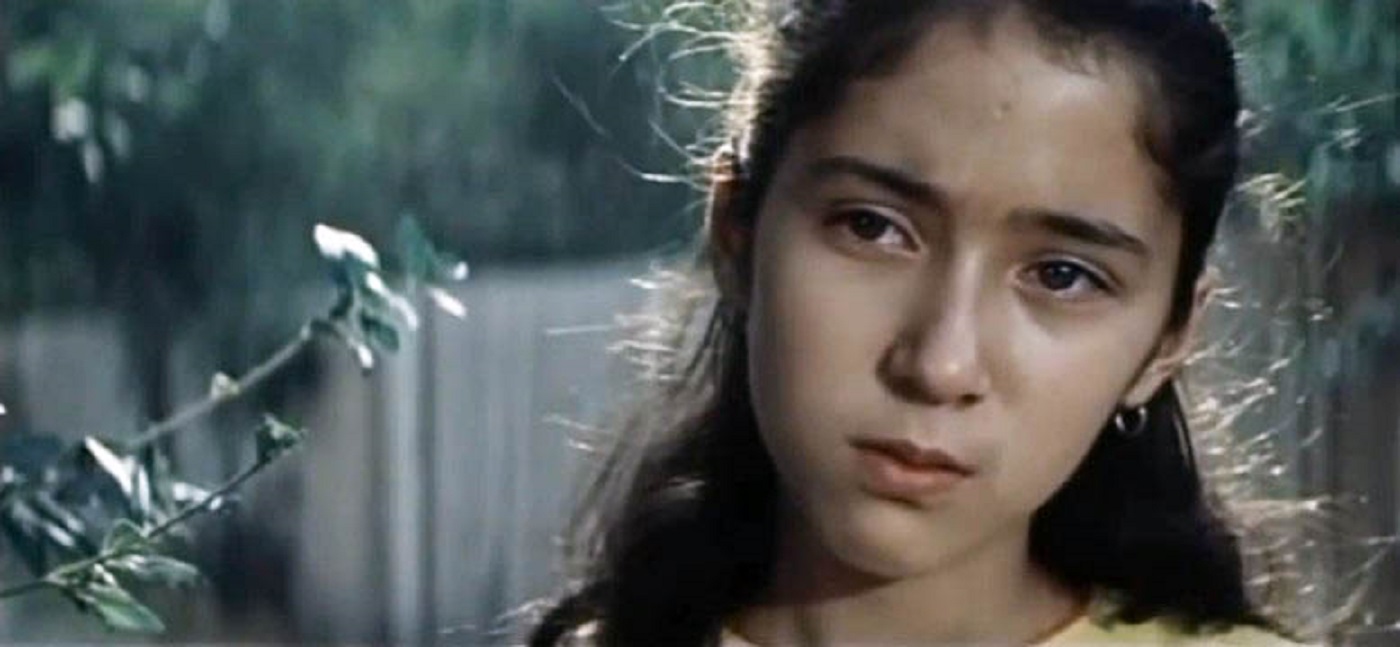
Bitter Berry is a classic
example of Thaw-era cinema, exploring one of its central themes: coming of age
and bidding farewell to childhood. The film’s protagonist is thirteen-year-old
dreamer Nargiz, who spends her summer holidays with her grandmother in the
mountains. There, she experiences her first love and, later, her first love
disappointment.
The film perfectly captures the atmosphere of the Thaw
period. It is a story about childhood and adolescence, where the personal
experiences of its “small” characters take centre stage, proving to be just as
significant as the emotions of adults.
Kamalova, however, does something else that is equally
important. While many directors of the time focused on adult female characters,
she brings to the screen a girl, a teenager, and centres the inner world of a
young heroine. It is a perspective on female experience from within, shaped by
emotions, doubts, and the process of growing up. This is why Kamalova’s film is
often referenced today in discussions of the female gaze in cinema.
In the 1970s, film theorists began to examine how the
cinematic gaze itself is constructed. Scholar Laura Mulvey introduced the
concept of the “male gaze,” the idea that cinema often presents the world
through a male perspective. Later, filmmakers and researchers began to speak of
a “female gaze” as well, suggesting that when women tell stories, they bring
their own experiences, sensitivity, and vision to the screen.
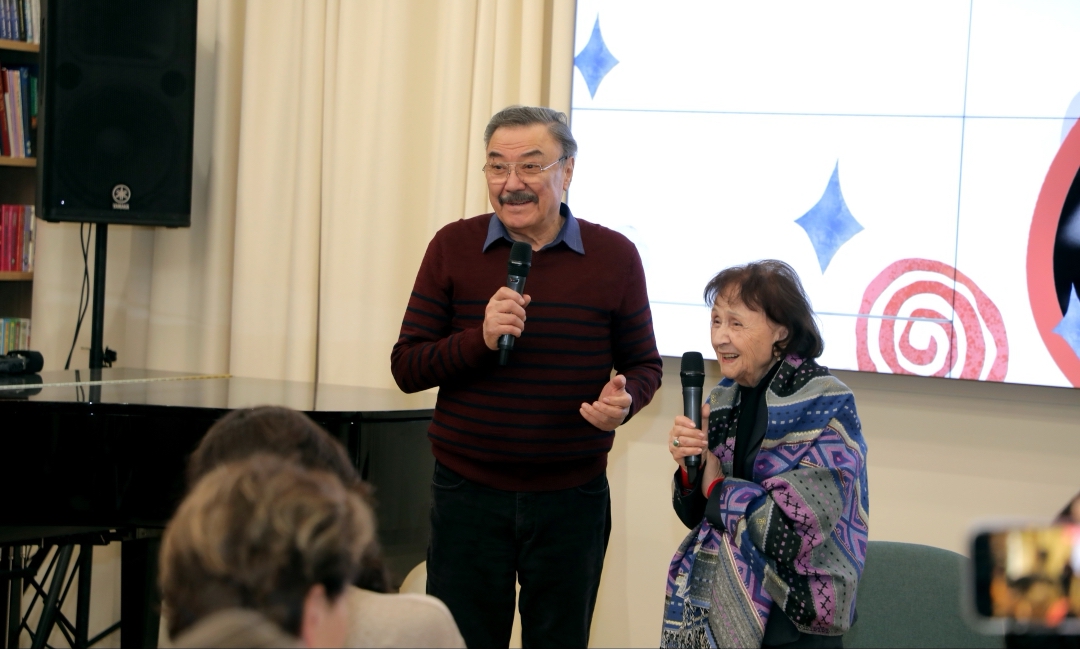
For this reason, Kamara Kamalova’s work is important not
only for the history of Uzbek cinema. It demonstrates how female experience,
cultural context, and the director’s personal vision can reshape the way cinema
tells stories.


