
For many travellers, the capital has long been a city of arrivals and departures — a place to spend a day or two before continuing on to explore the rest of the country. Today, that is beginning to change.
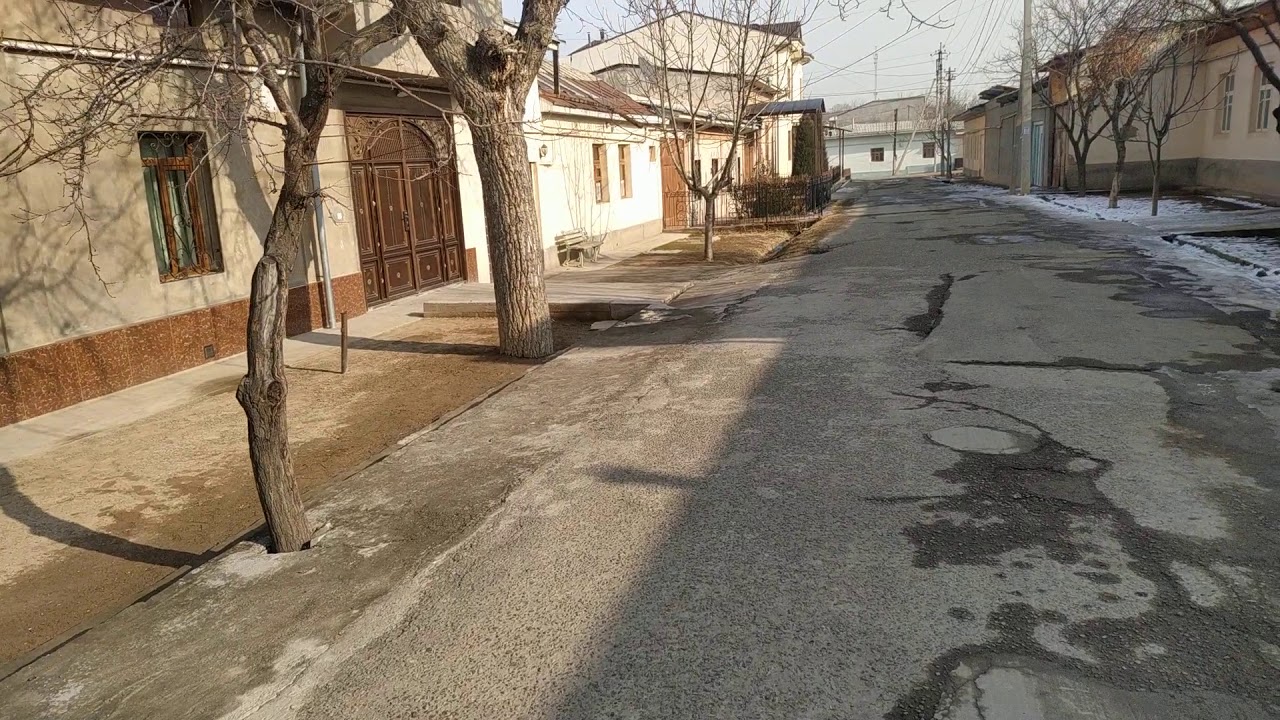 Source: ipaknews.uz
New public spaces, parks, gastronomic streets, cultural venues, festivals and urban events are emerging across the city.
At first glance, these appear to be isolated projects. Yet look more closely, and it becomes clear that they all serve a single purpose. The city is creating new points of attraction. This is a natural stage in the development of any modern capital. New spaces draw attention. They generate urban activity. They create additional demand for businesses. They support tourism. They raise the city's profile.
For the state, this is not merely a question of urban improvement. It is a question of economics.
This is why, in many countries, new public spaces have become an integral part of territorial development strategies. Yet as one observes the changes unfolding in Tashkent, a different question increasingly comes to mind.
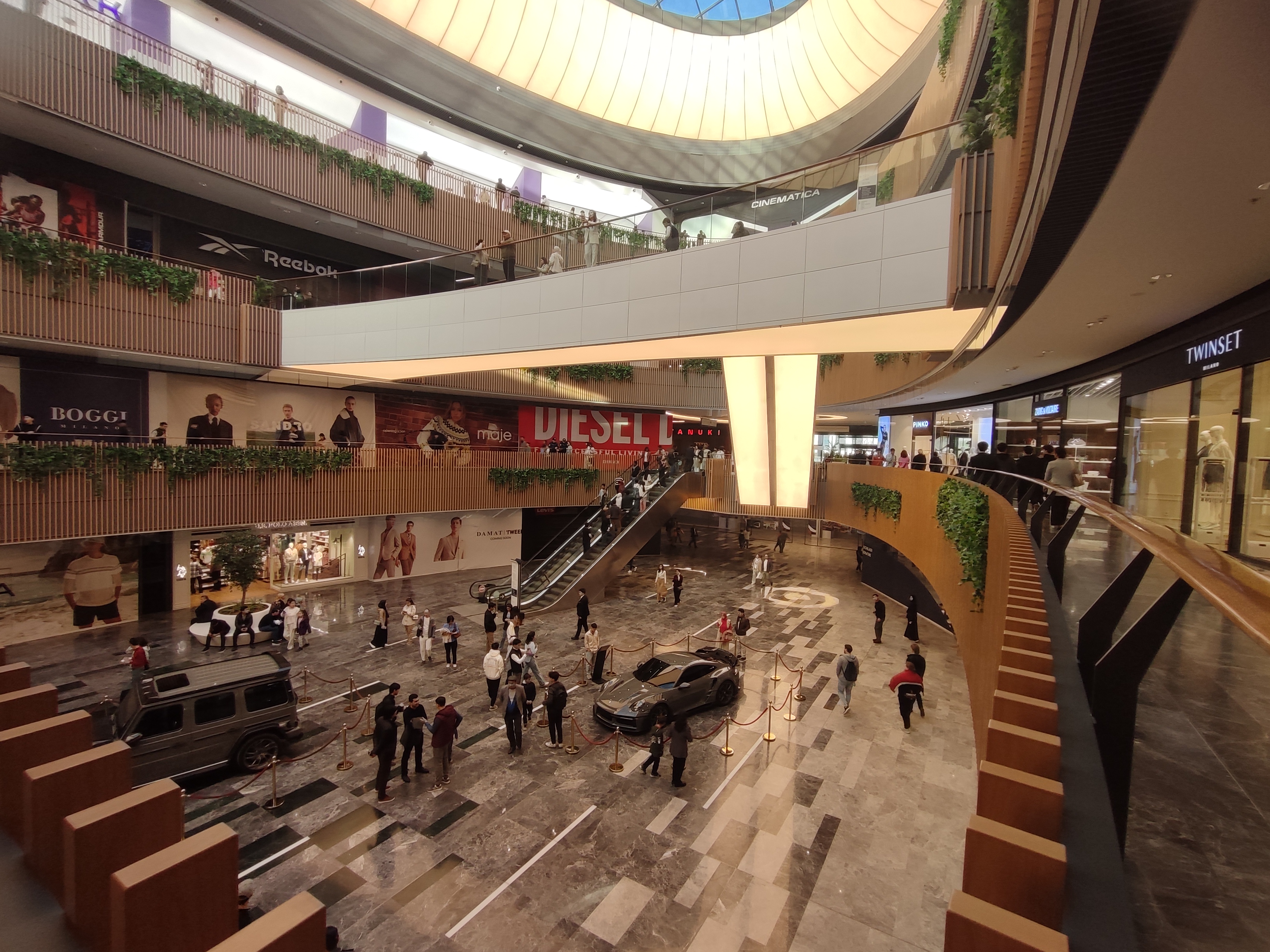 Source: Wikipedia.org
What happens to a city after a new point of attraction appears? And what role does the resident themselves play in that process?
The City Through the Eyes of Its Residents
A city is not used by tourists alone. A tourist arrives for a few days. A resident stays for years, even decades. For a tourist, a new space becomes an experience. For a resident, it becomes part of everyday life. This is precisely why residents assess a city differently. What matters to them is not only a new park, a square or a festival. What matters is their connection to the city. Memory. The places bound up with personal history, the people they encounter day after day.
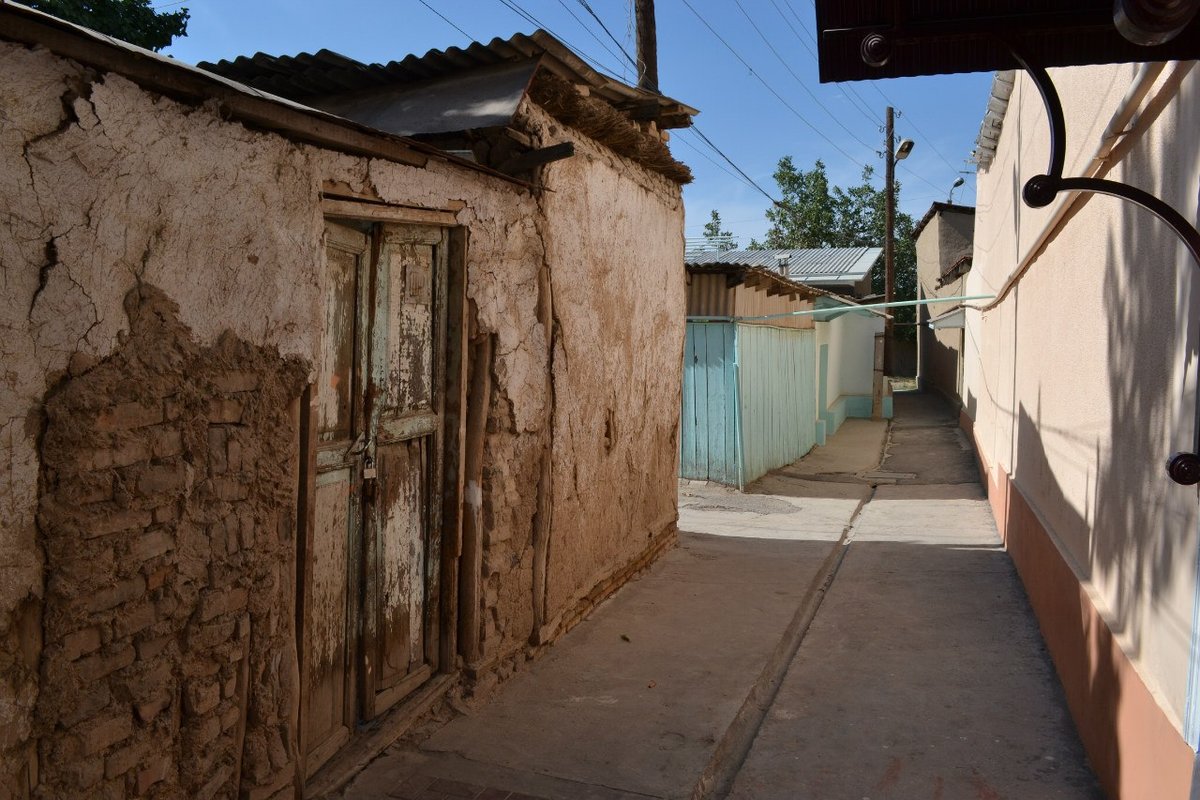
And here arises a subject that is raised far less frequently: vernacular neighbourhoods, mahallas, local markets, modest streets and the established urban communities that inhabit them.
These are territories that rarely feature in investment presentations or development strategies, yet it is precisely they that shape the cultural code of a city, preserve the memory of place and ensure continuity between generations.
 Source: Vesti.uz
Their value, moreover, extends beyond the preservation of history. Increasingly, such territories are being recognised as a resource for the development of the urban environment, the local economy and new city itineraries.
This approach may seem less immediately obvious than the creation of new landmarks. Yet international experience demonstrates that it is precisely the integration of historic urban fabric into contemporary development that most often yields the most enduring results.
In recent years, Japan, South Korea and China have devoted considerable attention to the preservation of historic quarters and traditional urban fabric alongside the development of new districts.
The task, however, is not simply to preserve buildings. Far more important is to preserve the life within these neighbourhoods: local businesses, social bonds, urban traditions and the everyday existence of their residents.
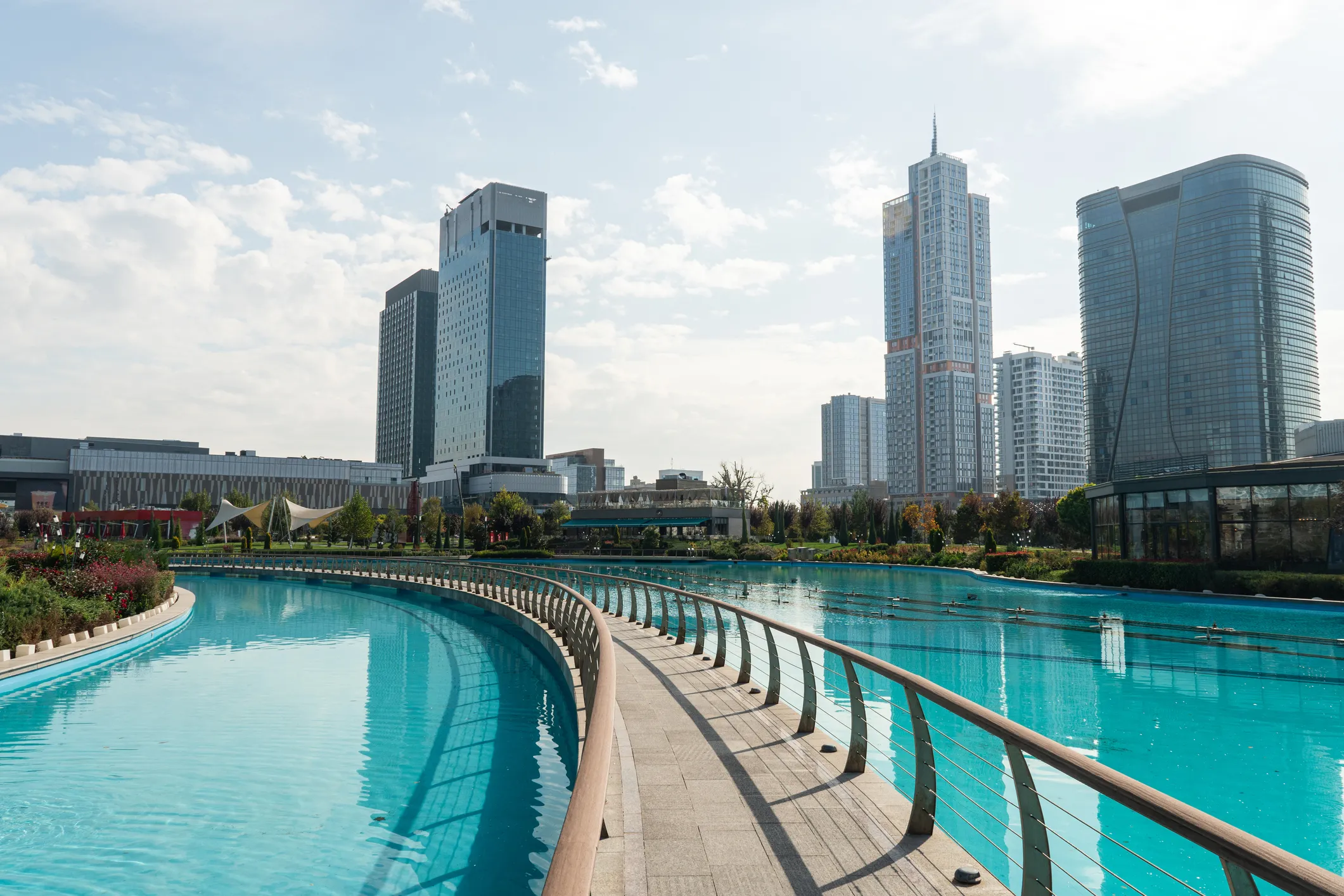 Source: Vand.ru
The Balance Between Renewal and Preservation
In a number of European cities, development has followed a path of vigorous commercialisation of historic centres. This has brought tourist appeal and economic benefit, but has simultaneously raised the question of preserving local life and ensuring that residents themselves retain a presence in historic districts.
Tashkent today stands at a fascinating juncture in its development. The city is growing rapidly. New players and international companies will inevitably enter the market, bringing with them new approaches to territorial development. The question is no longer whether change will occur, but rather which model of development the city will choose — for new points of attraction and vernacular neighbourhoods are not competing resources.
On the contrary. They are capable of reinforcing one another: new points of attraction create the economy of the future, whilst vernacular neighbourhoods preserve the cultural code of the city.
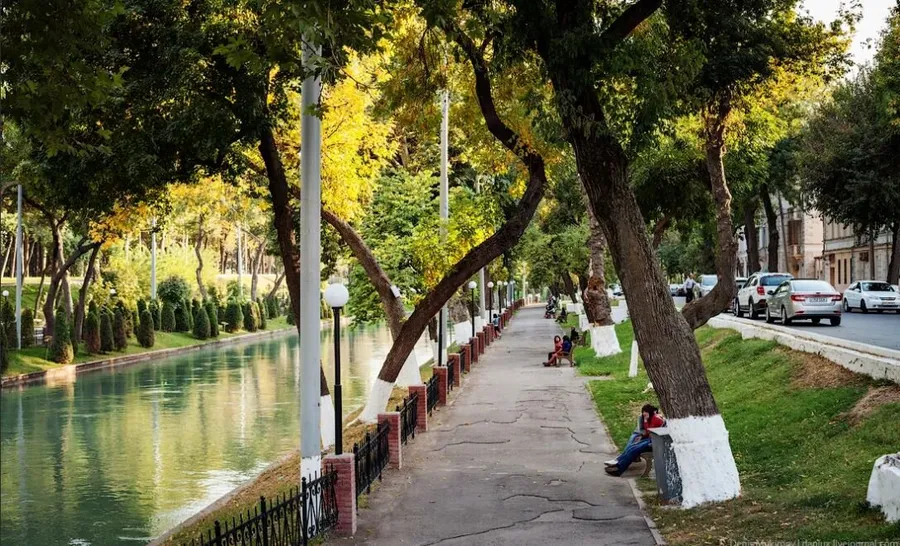 Source: Afisha.uz
The successful development of Tashkent depends not on choosing between these models, but on the capacity to unite them. Furthermore, vernacular neighbourhoods have the potential to become not only a cultural but also an economic resource for development:
- Through local tourism.
- Through new urban itineraries.
- Through support for small businesses.
- Through cultural projects and public spaces woven into the existing urban fabric.
- Through the opportunity to show visitors not only the new Tashkent, but the authentic Tashkent — the one that has been shaped by generations.
Yet there is another factor that is frequently underestimated. Any change touches the everyday lives of people. The environment shifts. Public spaces are transformed. Familiar patterns of engaging with the city are altered.
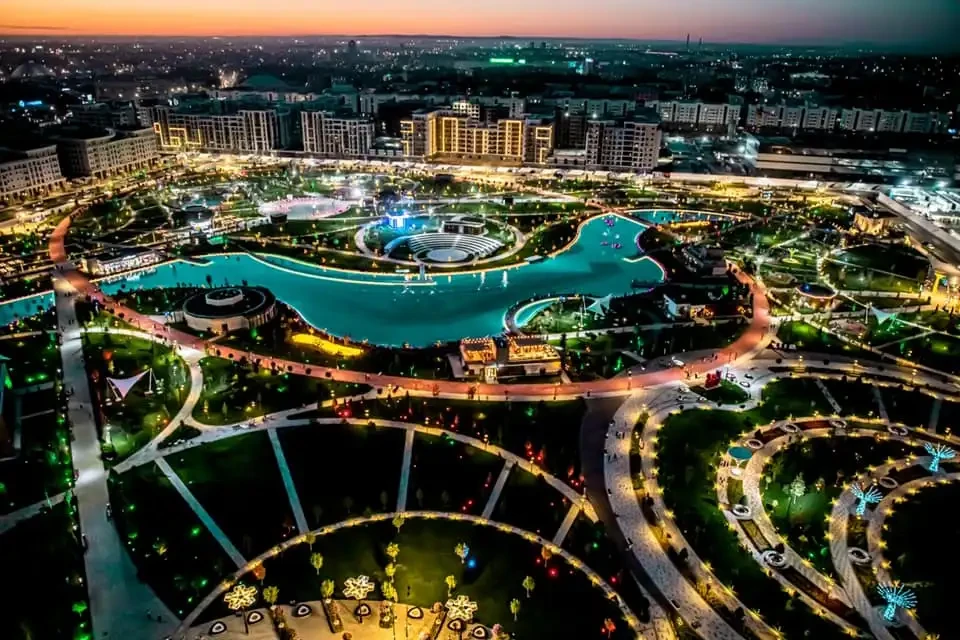
Sustainable development, therefore, does not begin with the construction of new landmarks alone. It begins when residents understand the changes taking place and feel a sense of belonging to them. When they understand why a territory is being developed. When they see that their needs are being taken into account. When new spaces become an extension of the city rather than a replacement for the city they know.
The Principal Challenge Facing Tashkent
Perhaps the central question for Tashkent today is no longer whether the city needs new points of attraction. It does. Just as it needs investment, the development of tourism, new public spaces and modern infrastructure. The question lies elsewhere.
Can the city transform development into a continuation of its own history, rather than a substitution for it? Urban identity cannot be constructed anew. It is shaped across generations. This is precisely why the memory of place becomes not an obstacle to development, but one of its most vital resources.
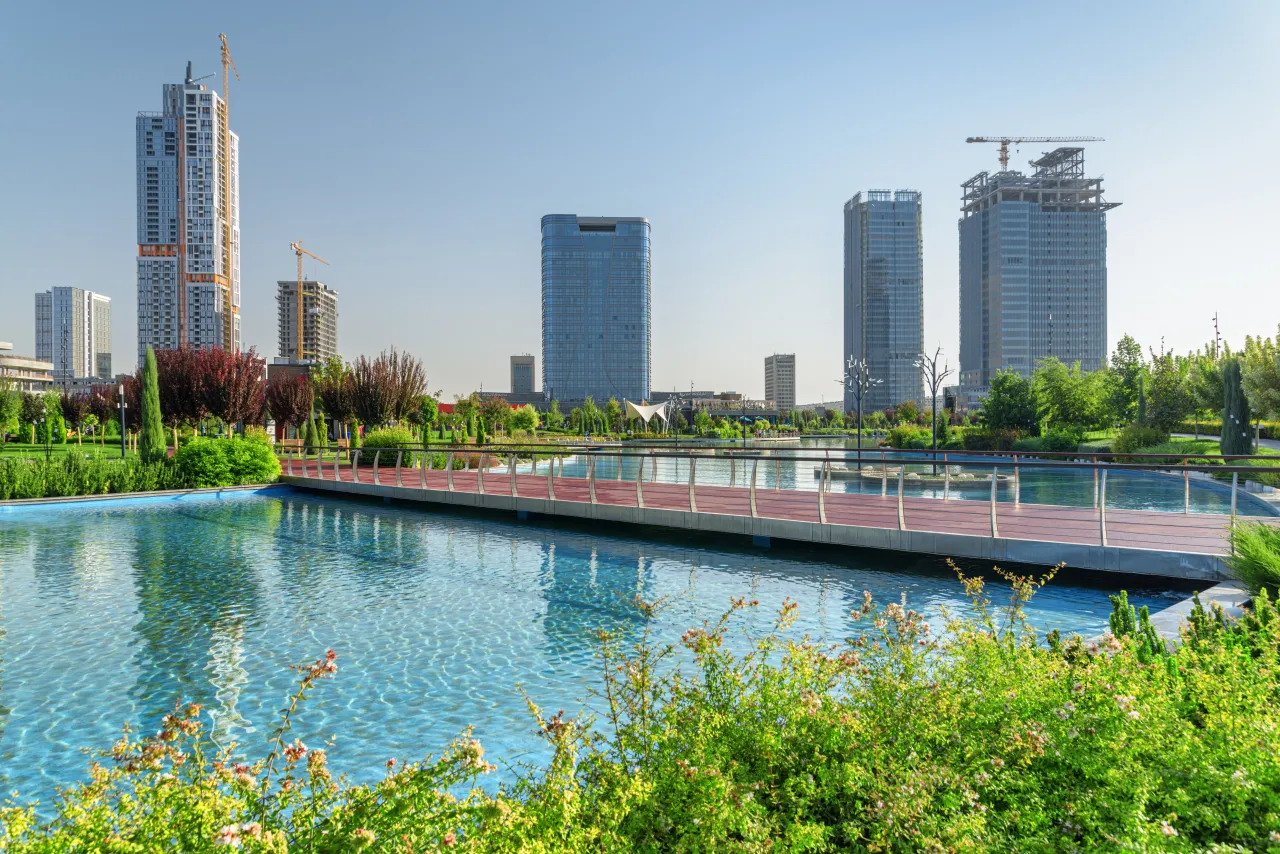 Source: Poehali.tv
The next stage of Tashkent's development will be defined not only by the creation of new points of attraction, but by the city's capacity to connect its future with its own history. Perhaps it is in this very capacity that the principal resource of the city's sustainable development truly lies.


