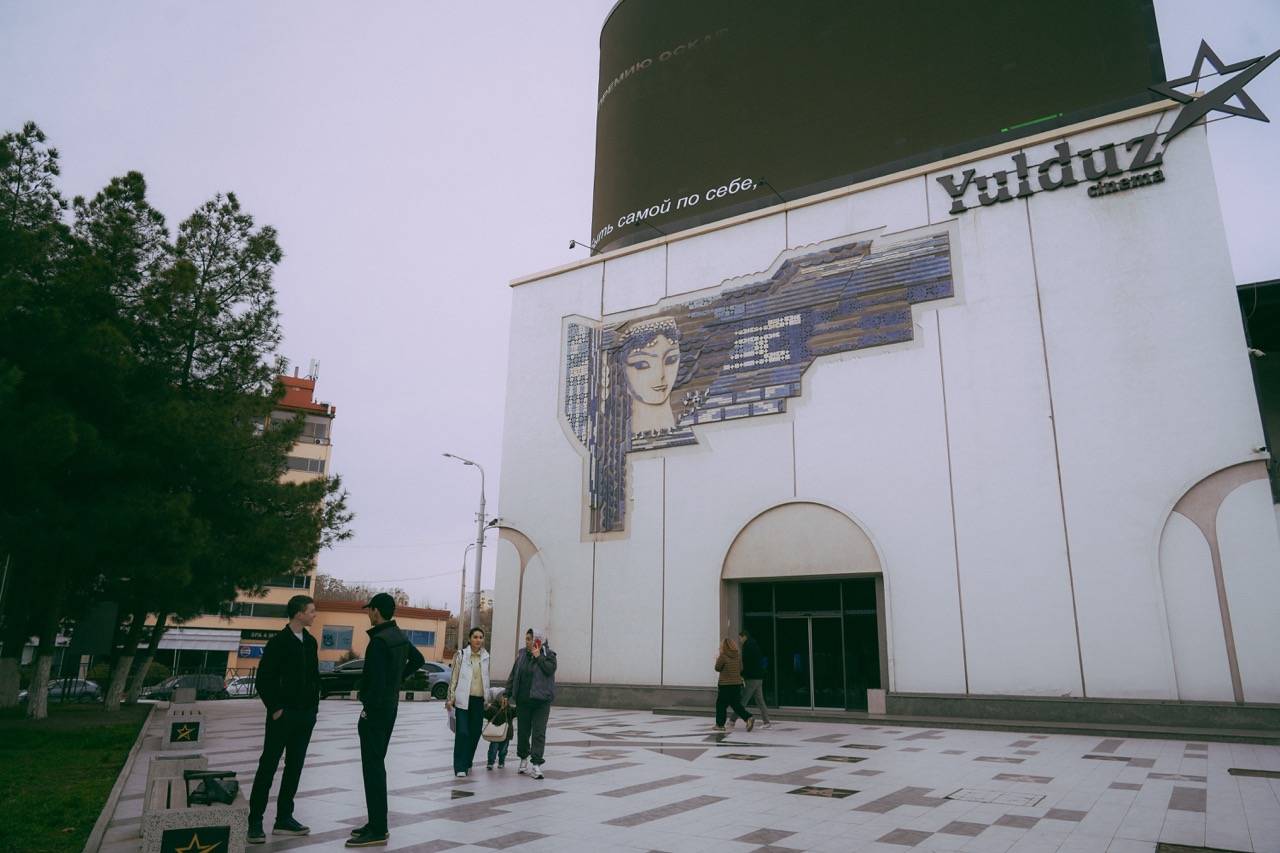
Rustaveli Street appeared on Tashkent’s map in the second half of the 19th century. At that time it was called Dachnaya Street and led to the garden of the Turkestan Governor-General, now the site of Babur Park. In 1938, the authorities of Soviet Tashkent sought to erase remnants of the past, and the street’s nameplates were changed to honour the great Georgian poet Shota Rustaveli. In 1991, after Uzbekistan gained independence, the street was renamed again, this time after the outstanding Uzbek poet, Usman Nasir, a native of Namangan. In 2010, the street’s previous name, Shota Rustaveli, was restored.
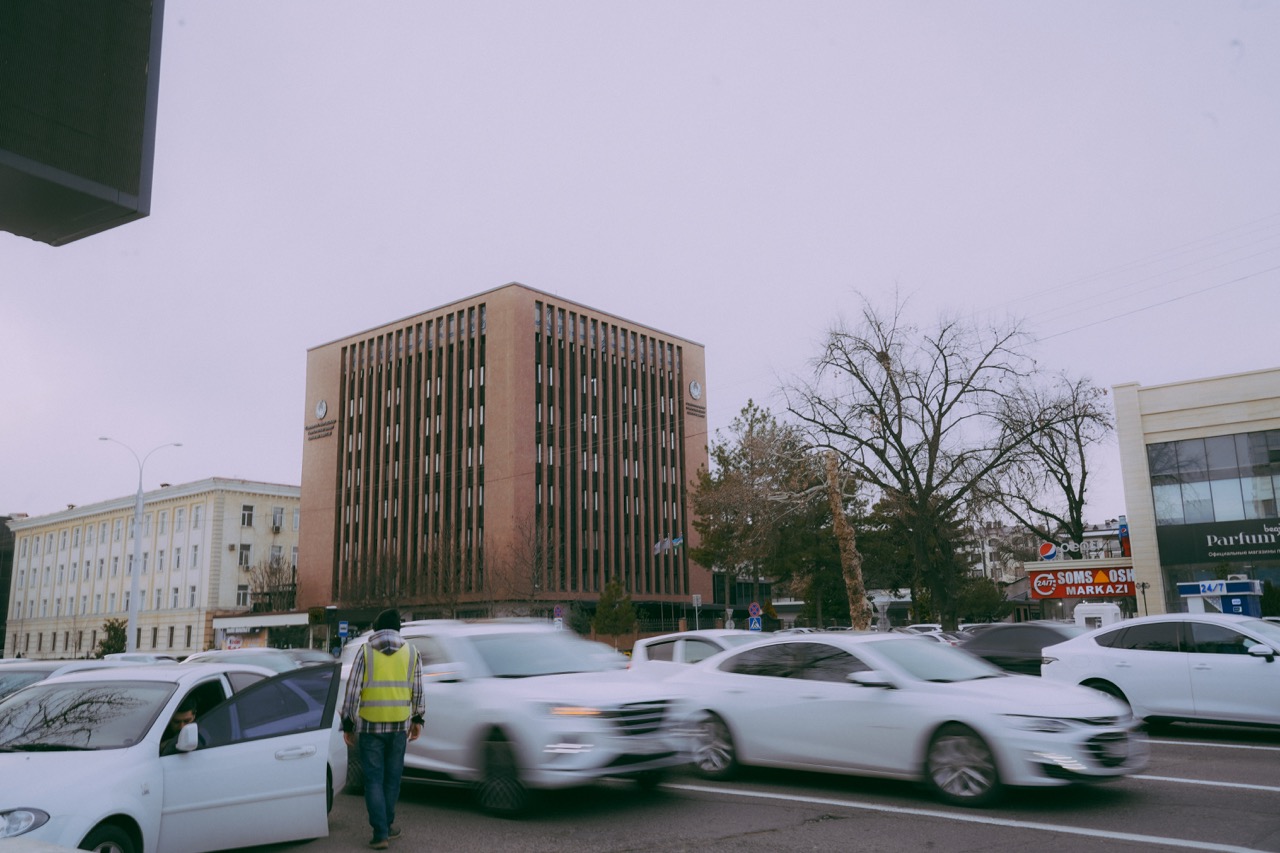
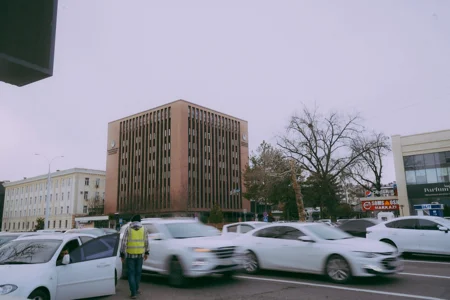
Today, along Rustaveli Street stand Do'stlik Bog'i (Friendship Park), the Grand MirHotel, the Civil Court, the Saodat Shopping Centre, the Swiss Embassy, and the office of the International Fund for Saving the Aral Sea. The surrounding area is rapidly being developed with premium housing and office spaces. Recently, the architectural ensemble of the district was enriched with a striking new addition, the building of the Anti-Corruption Agency.
For a native Tashkent resident like Ildar Sadykov, who explores Uzbekistan as a professional photographic artist, this renovation is more a cause for sadness than pride.
When I am asked about the most vivid memories of my childhood, the first thing that comes to mind is my street, Shota Rustaveli Street. I lived there until I was 19; all my childhood unfolded near the Rossiya Hotel. It was a special district, where every street, every courtyard, every corner had its own atmosphere.
Babur Park, once named Kirov Park, the Textilshchik Stadium, where my friends and I played football, these places are forever etched in my memory. We didn’t know boredom, we sought joy in the simplest things.
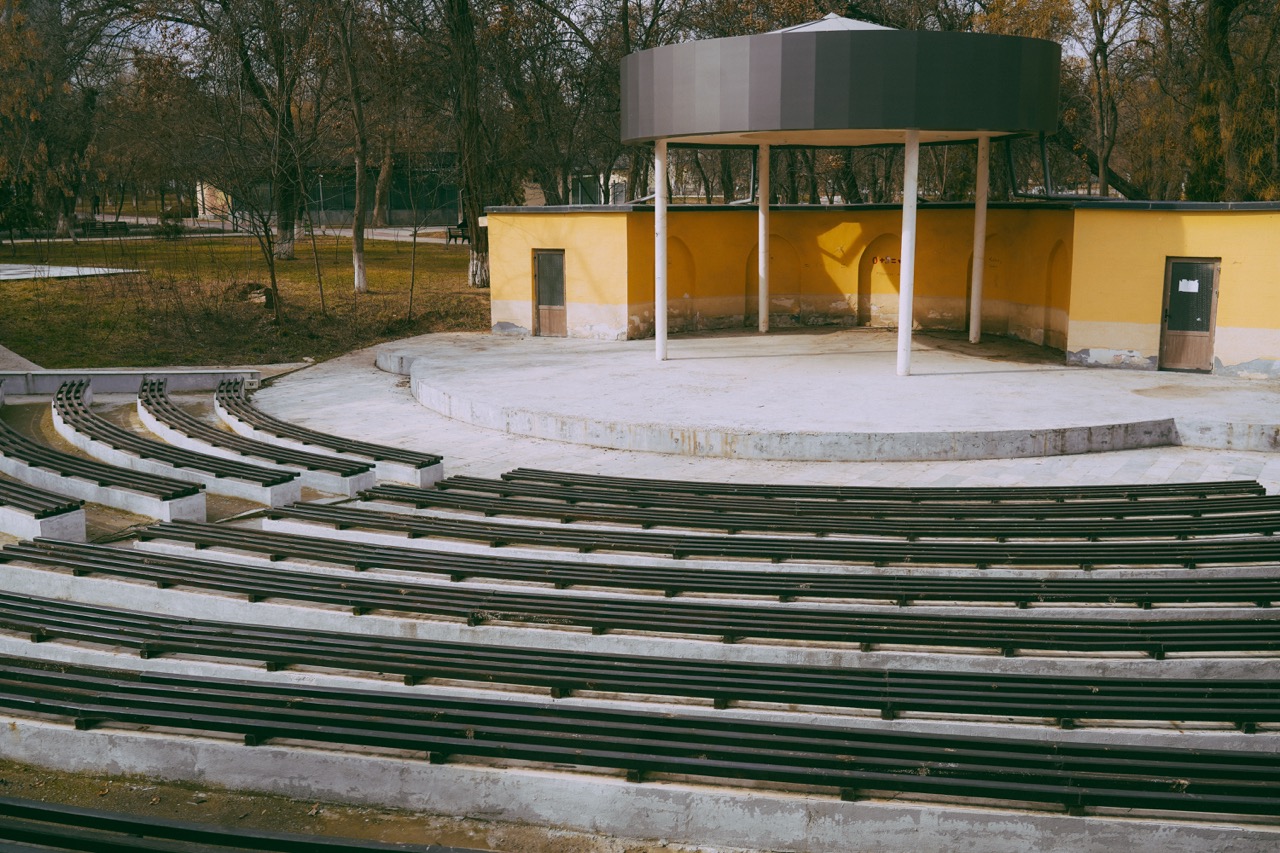
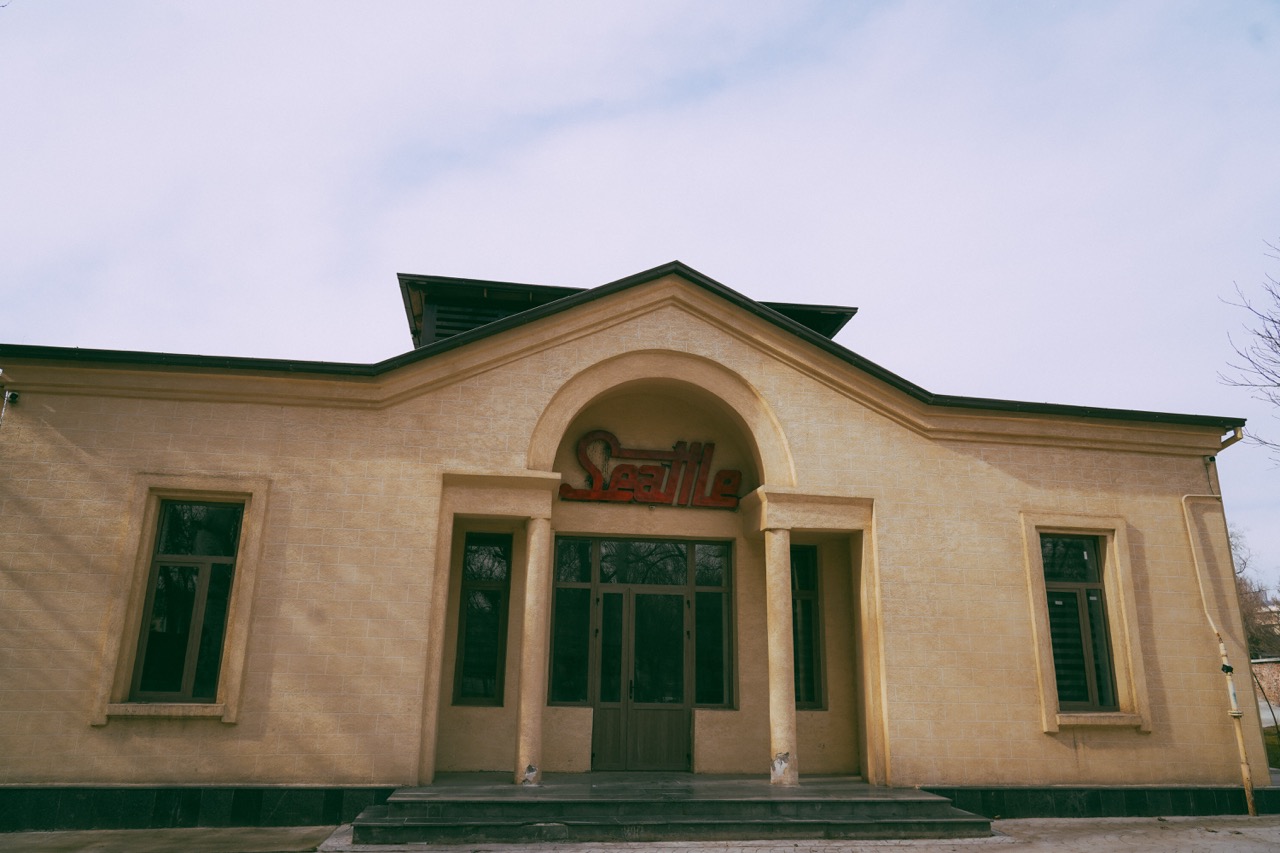
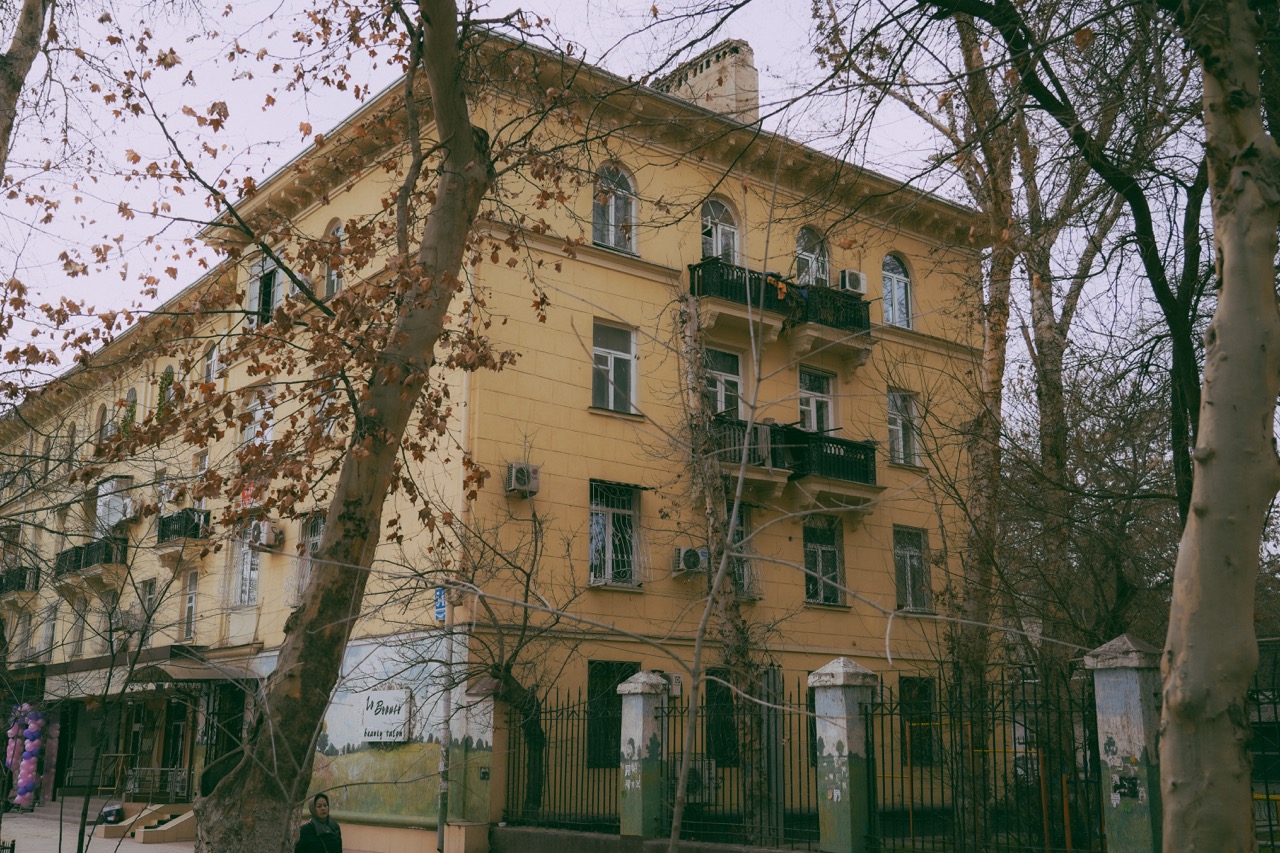
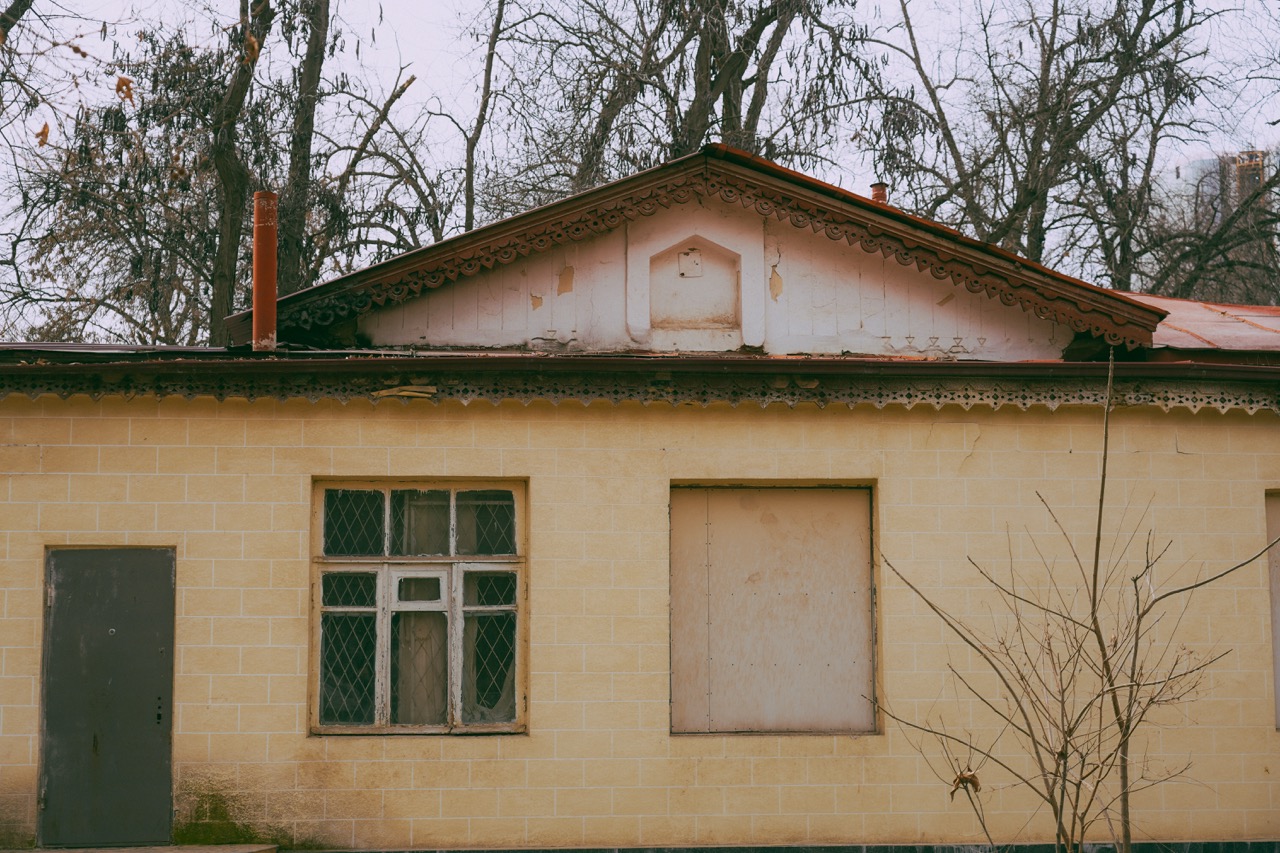
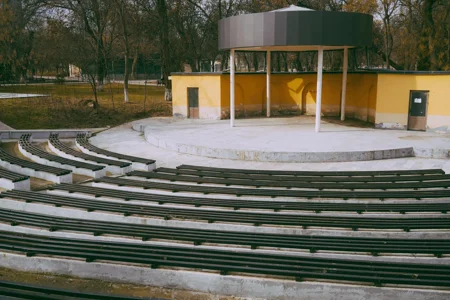
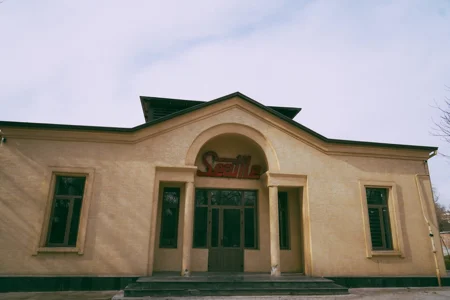
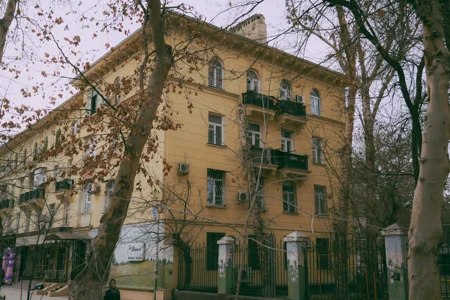
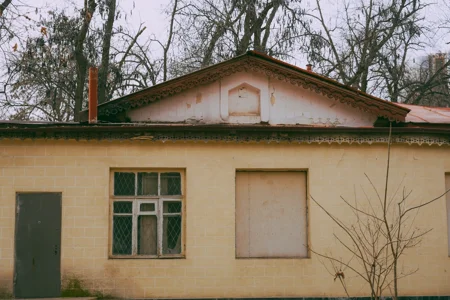
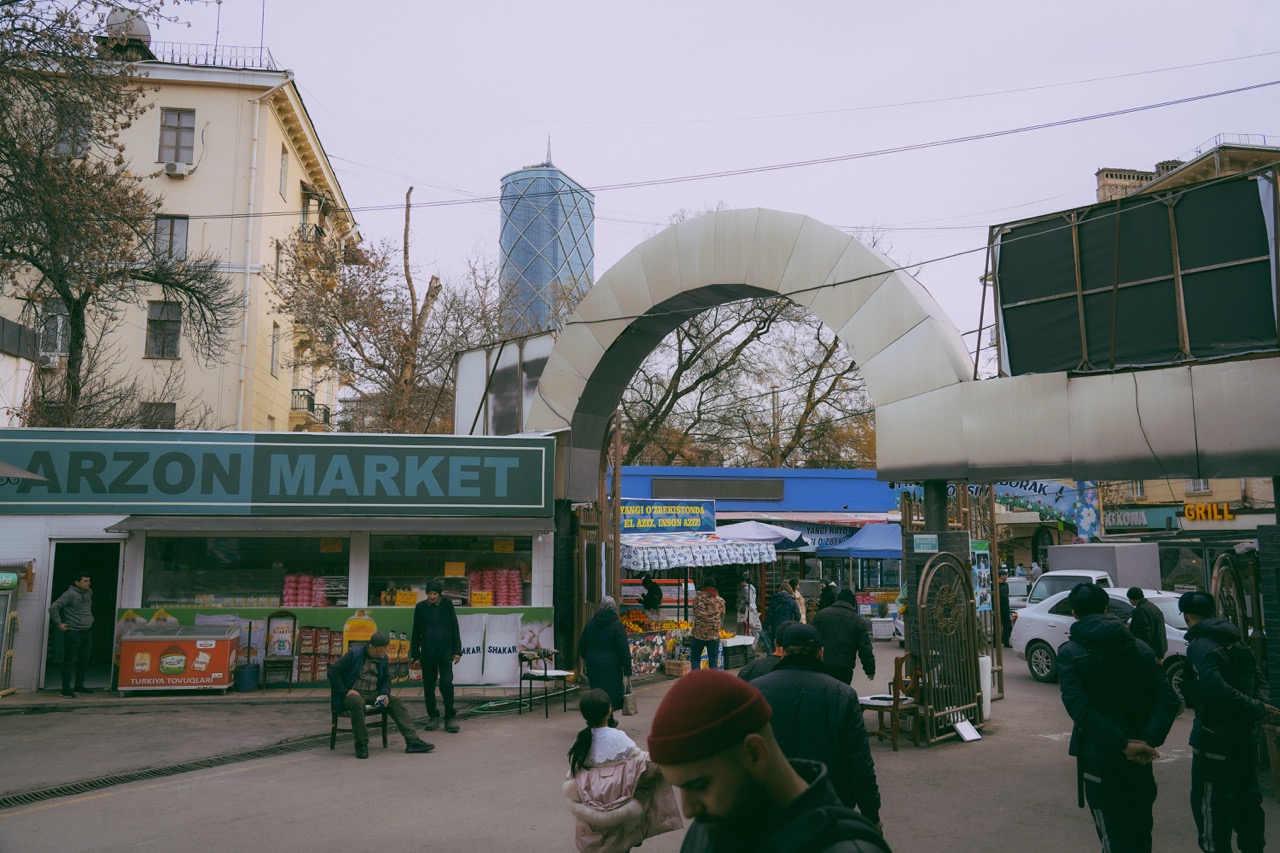
Some might say the street hasn’t changed much. The façades of old four-storey, three-storey and seven-storey buildings that still remember those times remain the same. In general, the district looks much as it did years ago, but the feeling has changed. On the sites of old cosy courtyards, new buildings have appeared that, in my view, disrupt the harmony of the area.
Rustaveli Street once embodied the old Tashkent; now it does not.
I can’t say the new buildings are bad, but they definitely feel out of place. There was a time when this street was not just a place to live but an oasis of calm in the heart of the city.
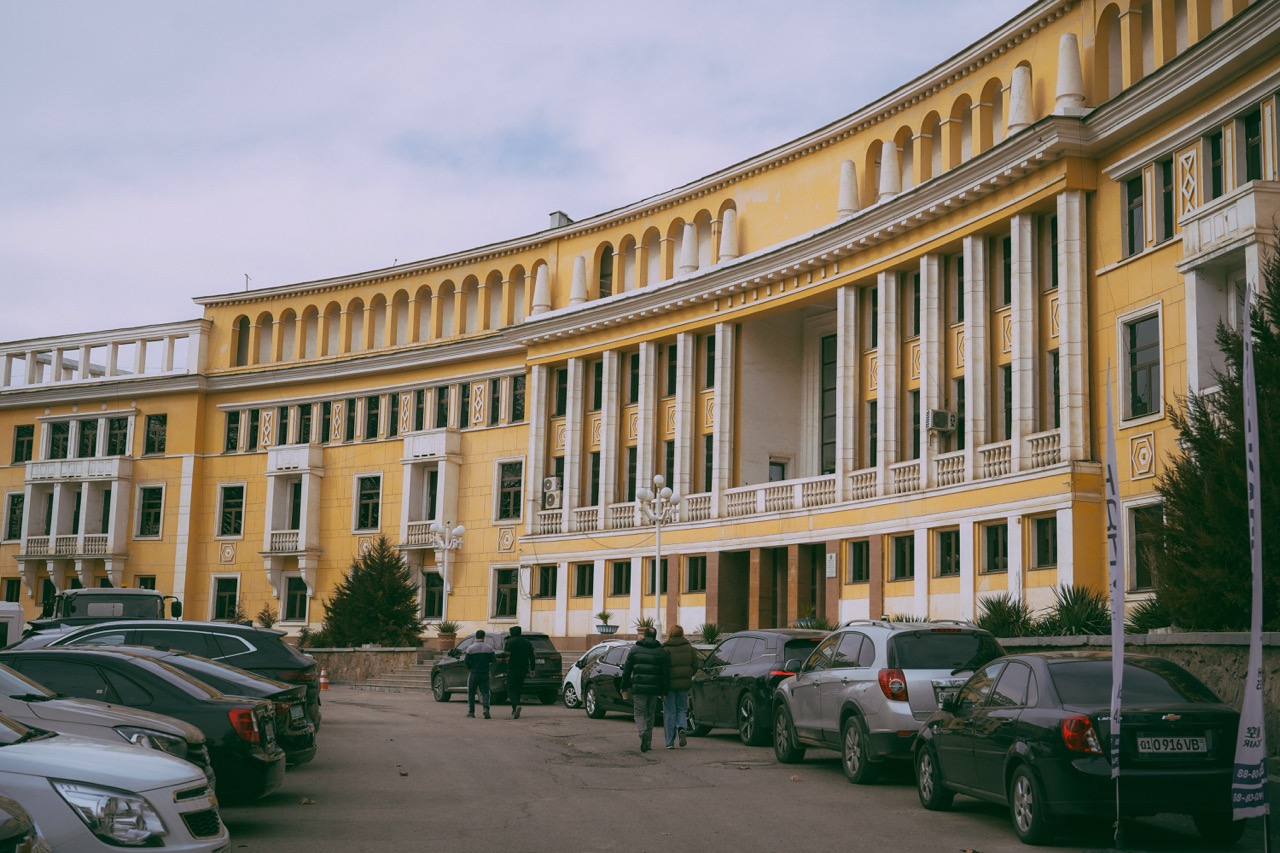
The House of Pioneers was another world, a world of creativity, friendship and new discoveries. I took part in school events, recited poems at competitions, and attended congresses and meetings. I cannot forget the Palace of Textile Workers, where my friends and I went to watch films every Wednesday. It was a major event for us. Exhibitions and competitions were held there, including an art studio where I learned many skills as a photographer.
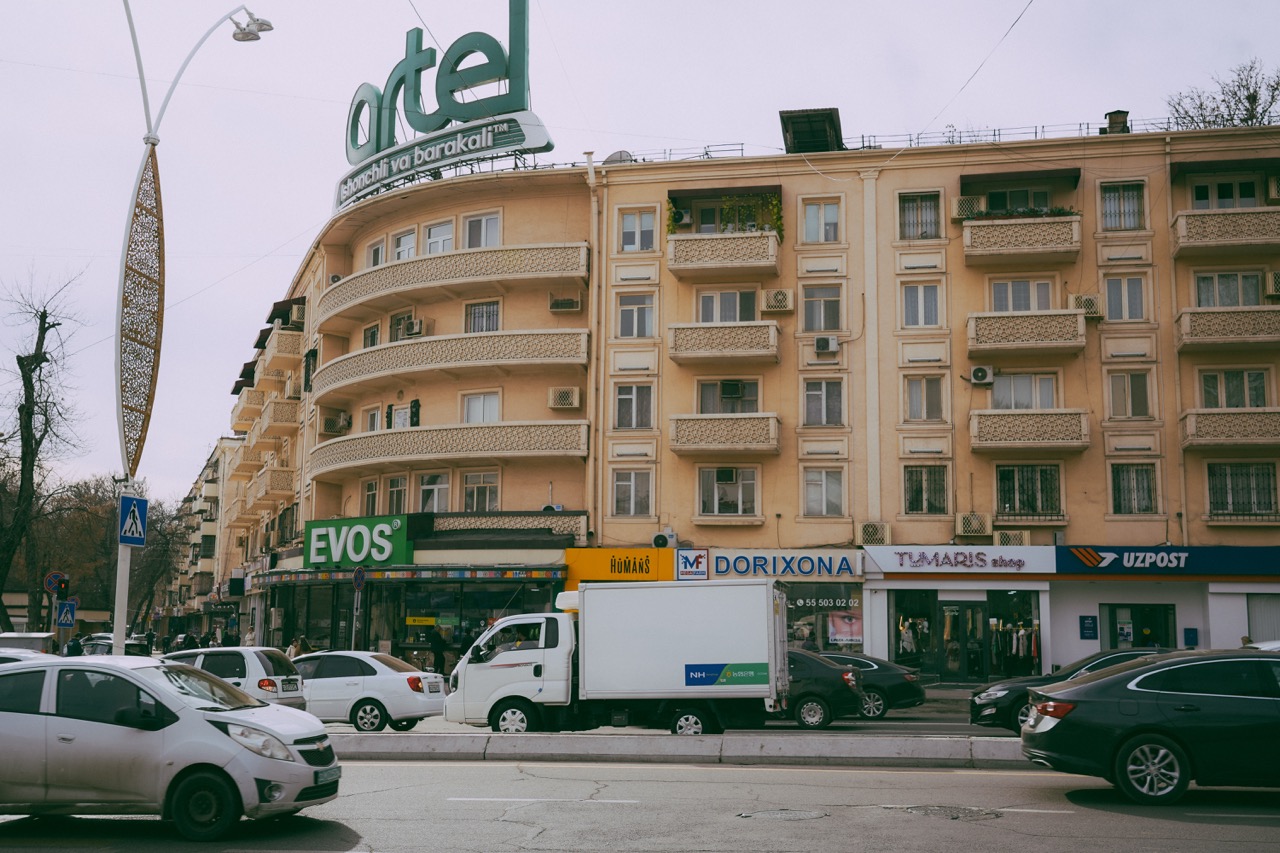
Active construction on the street began in the 1930s. Several landmark buildings have survived, the Tashkent Textile Factory Polyclinic in the avant-garde style (1934), Stalinist buildings of the 1940s and 50s, and typical panel buildings of the 1960s, familiar to every post-Soviet city resident.
One of the most memorable places on the street was the Radost (Joy) shop. My friends and I bought toys there, treasures for us at the time. That shop no longer exists, and the site has long been abandoned.
That world is gone, and it is a great loss.
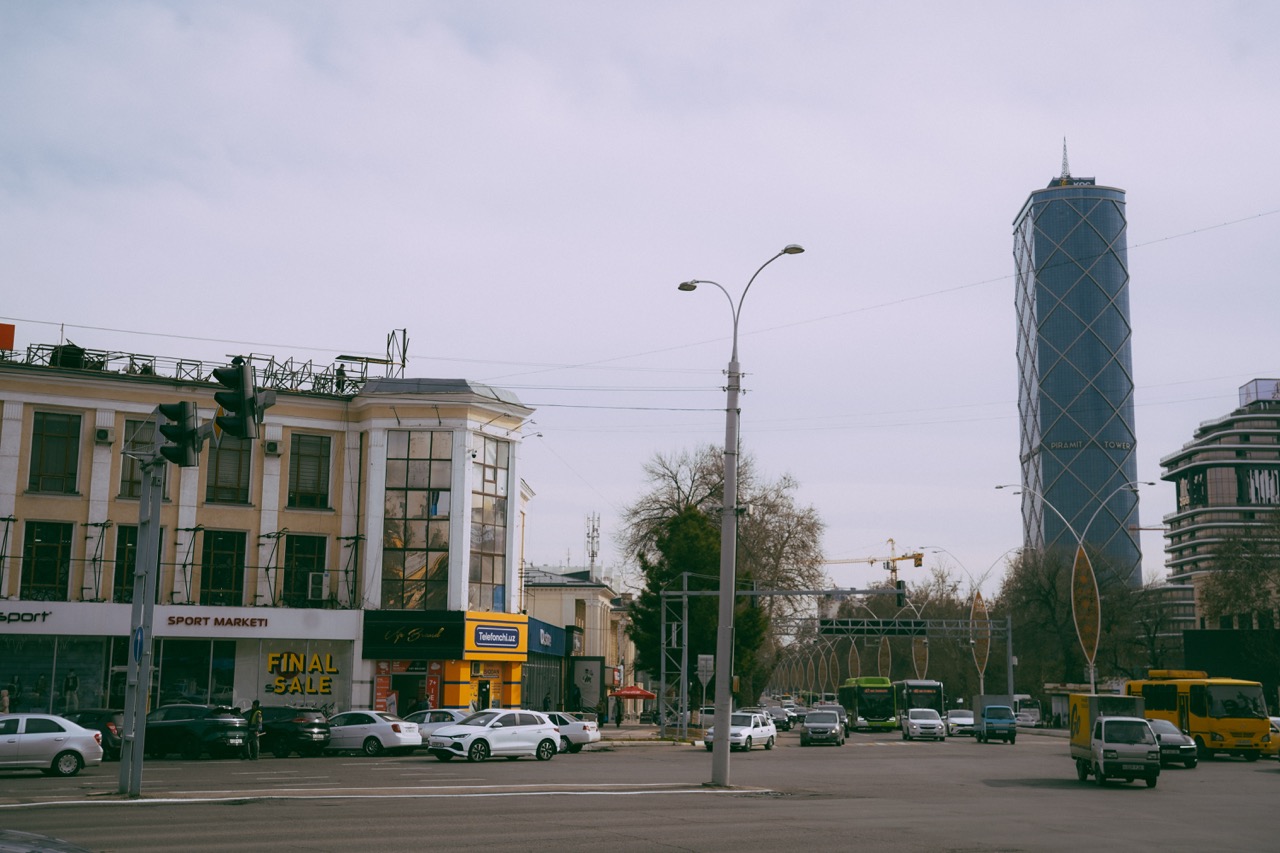
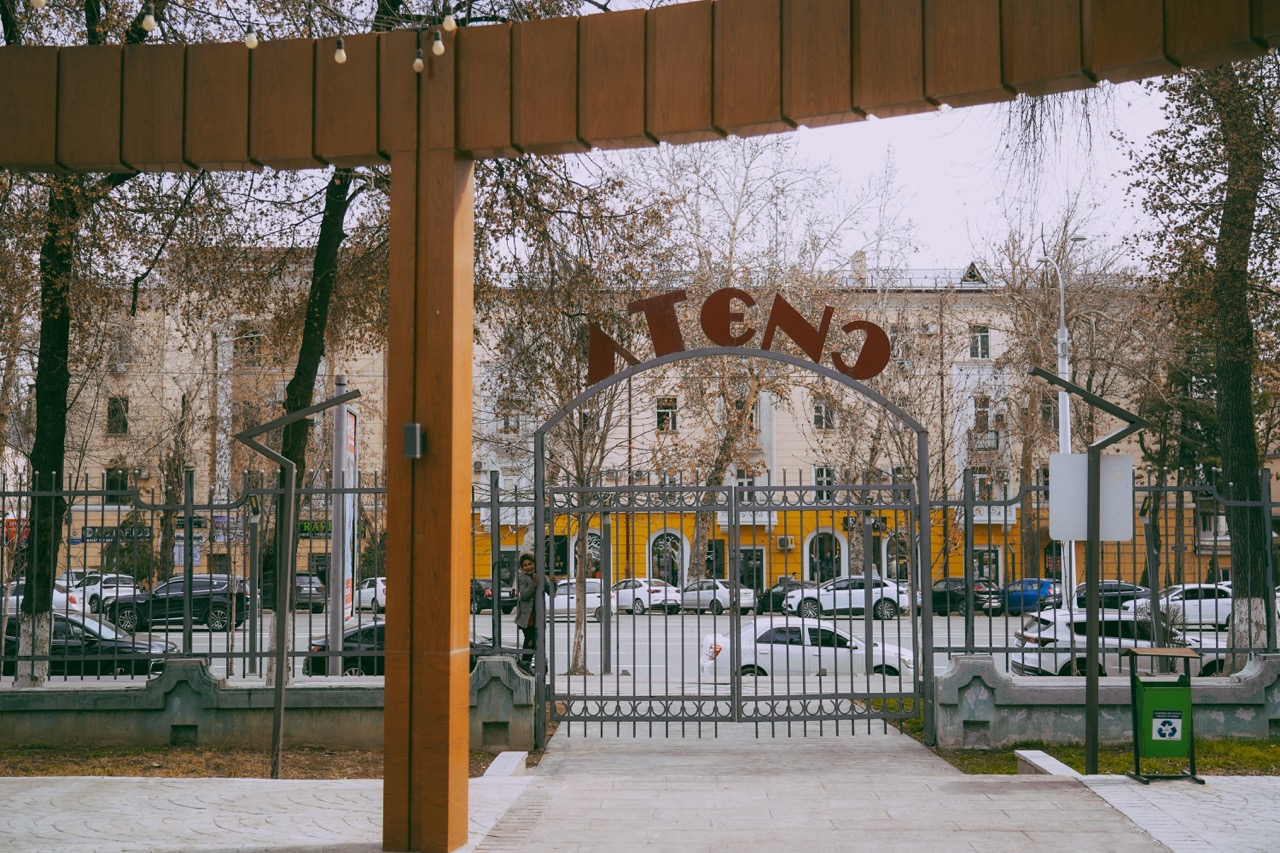
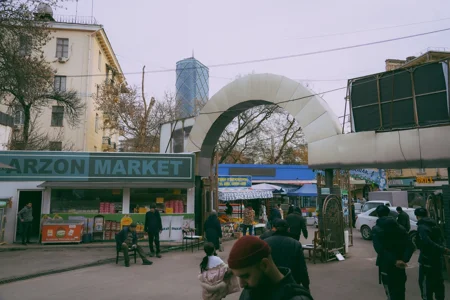
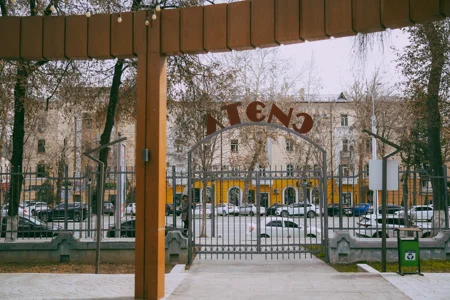
I have always wished for this street to remain as it was in my childhood. I hope the construction of high-rises will stop, that the places so dear to me will not be destroyed. May the street remain as green as it was, with more trees planted to replace those cut down. May the feeling of cosiness and calm that I so value endure.
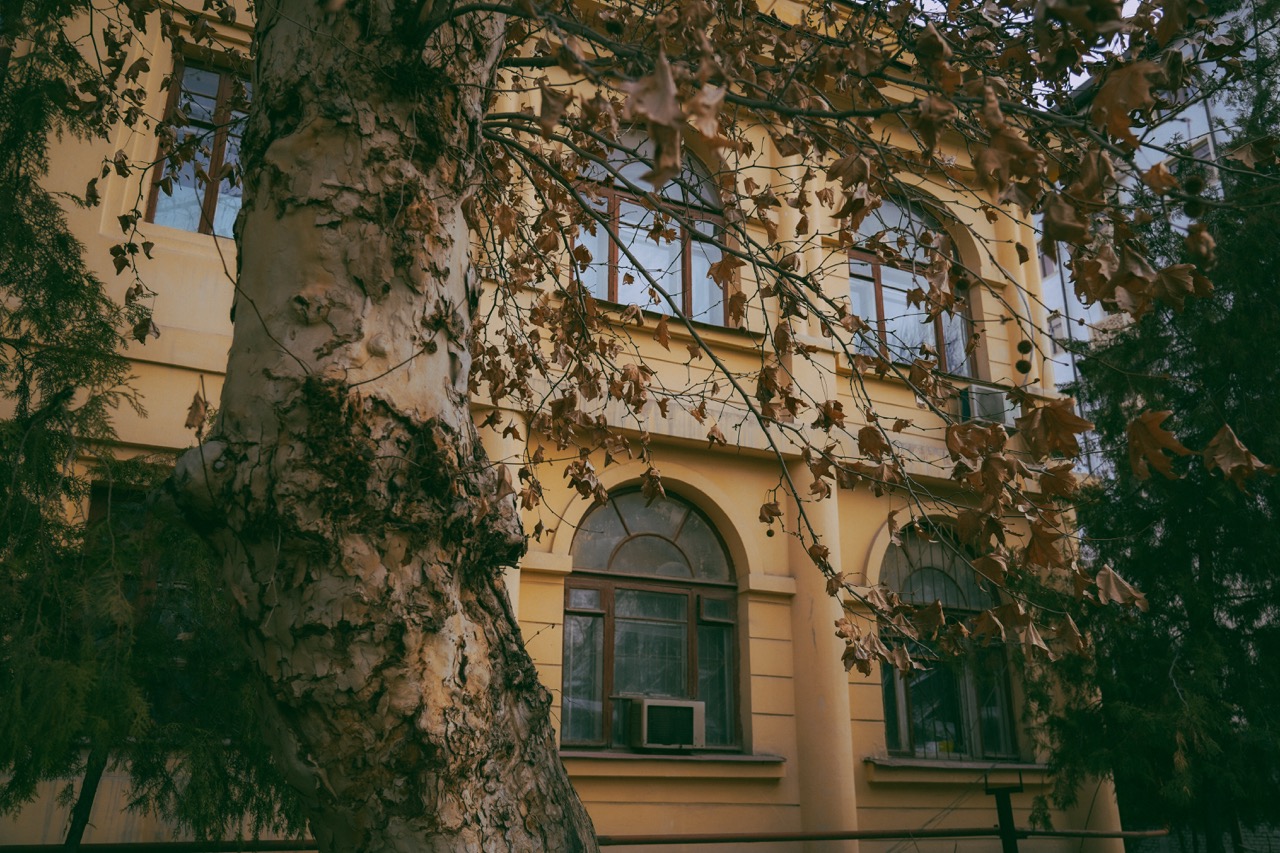
I do not want this district to lose its uniqueness, its atmosphere. I do not want the memories of my childhood erased. Shota Rustaveli Street is not just a street; it is my life, my home, my story.