
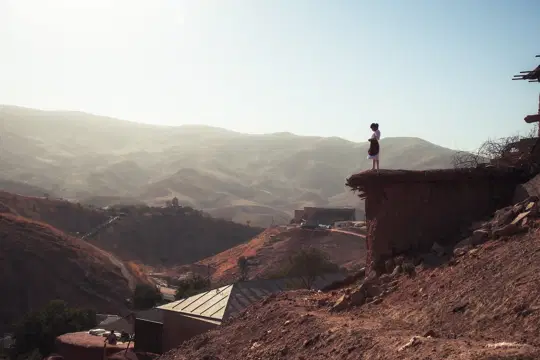
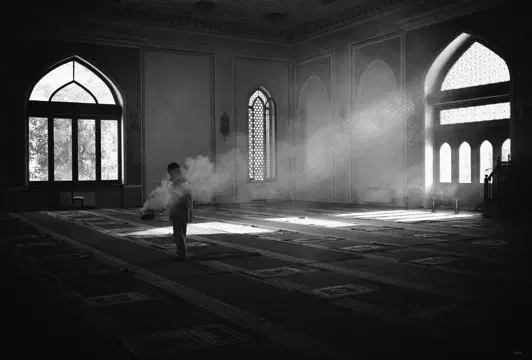
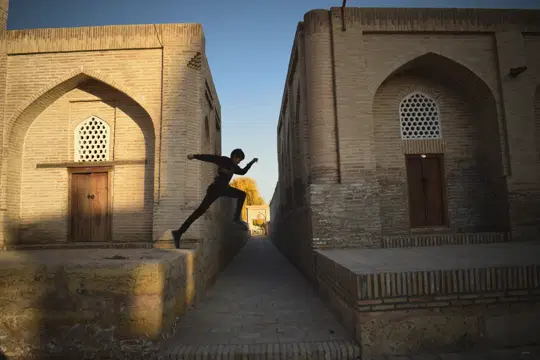
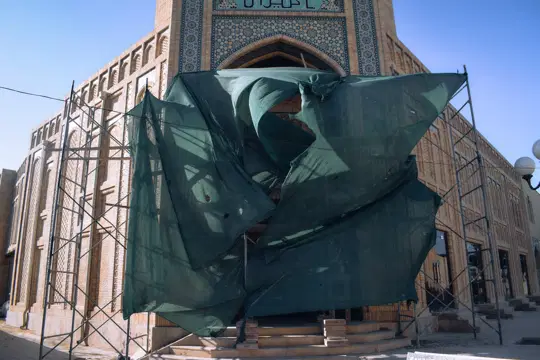
Analyzing faith — a thankless task. All we can do — is observe and capture, while keeping the demands of tradition in focus.
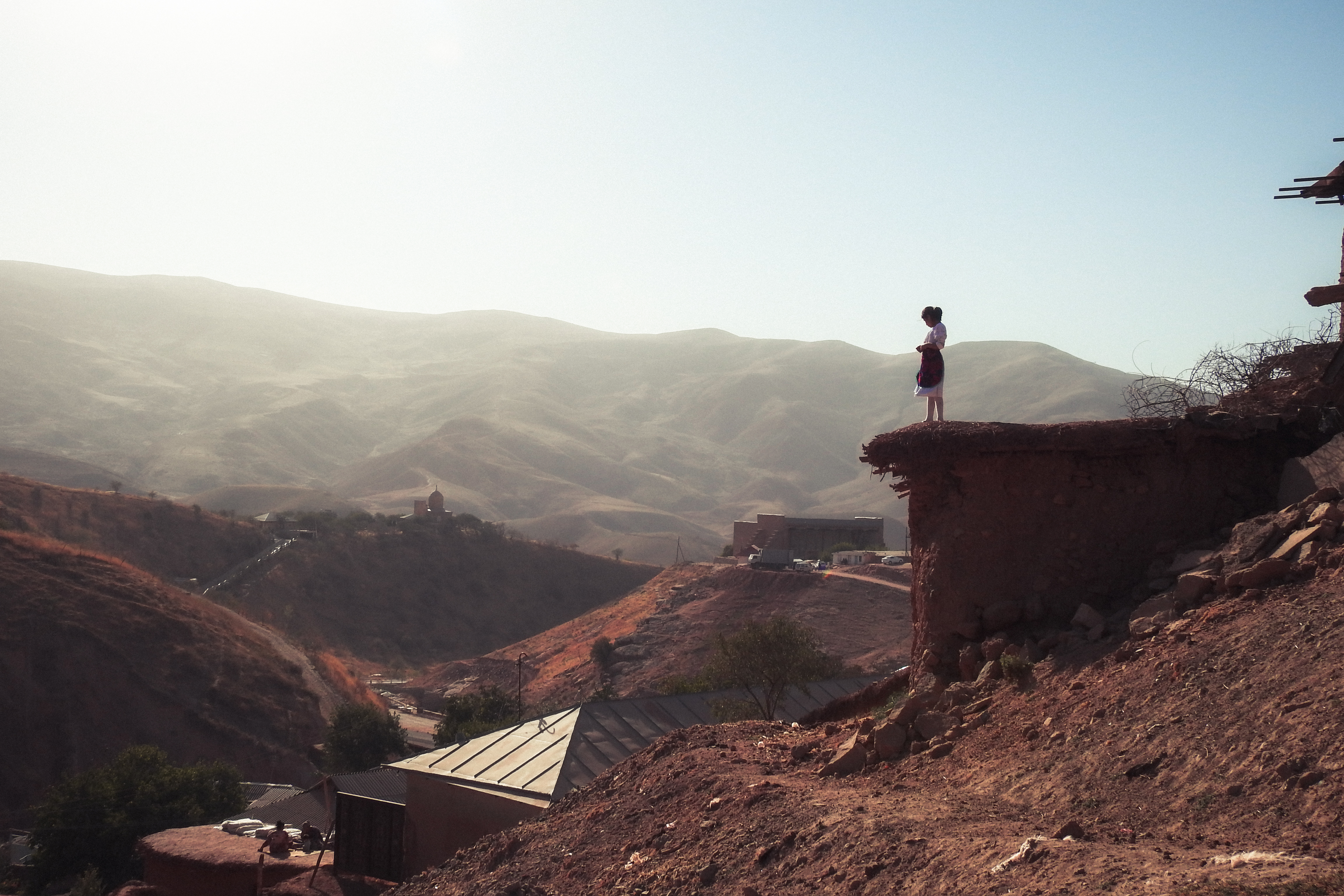
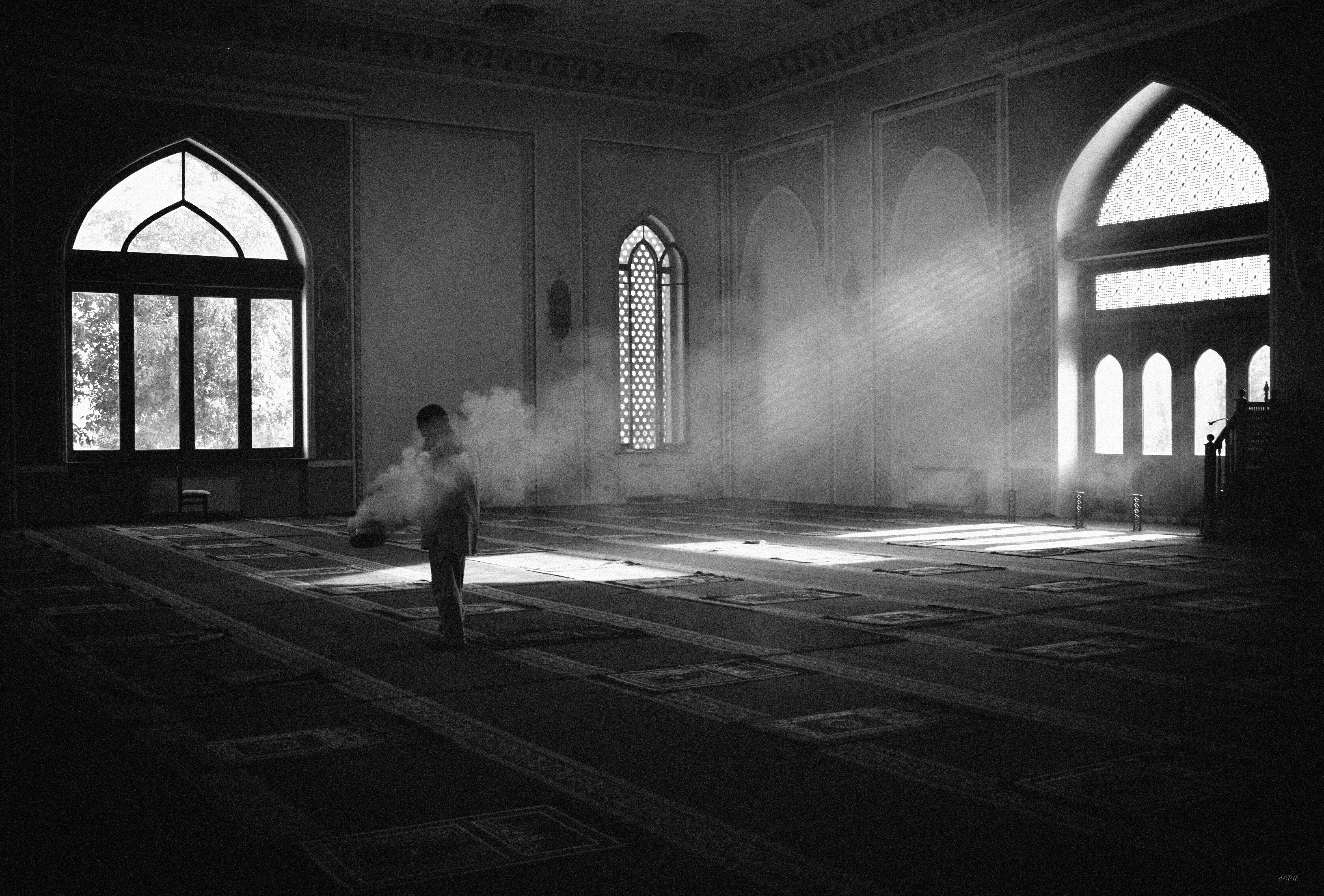
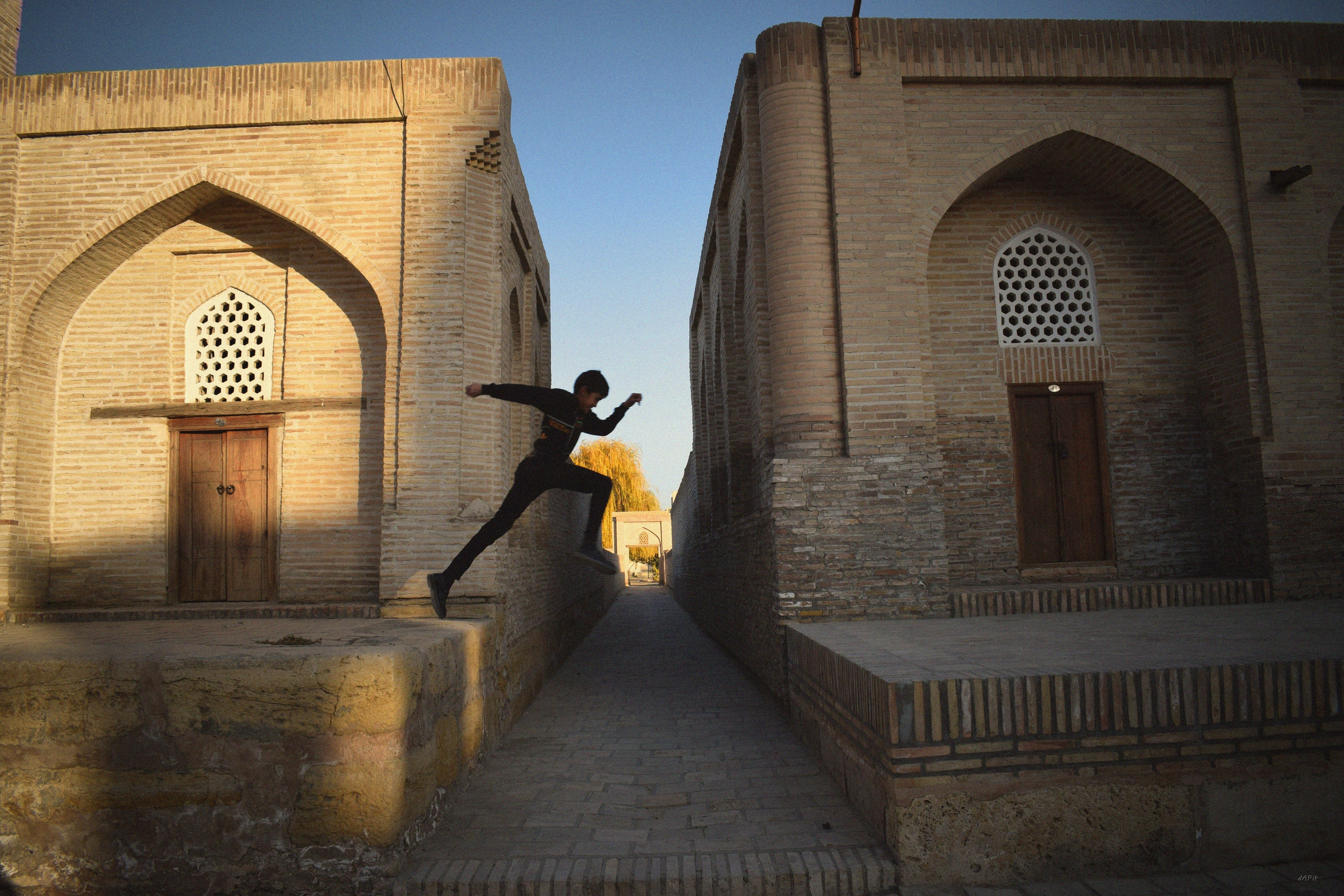
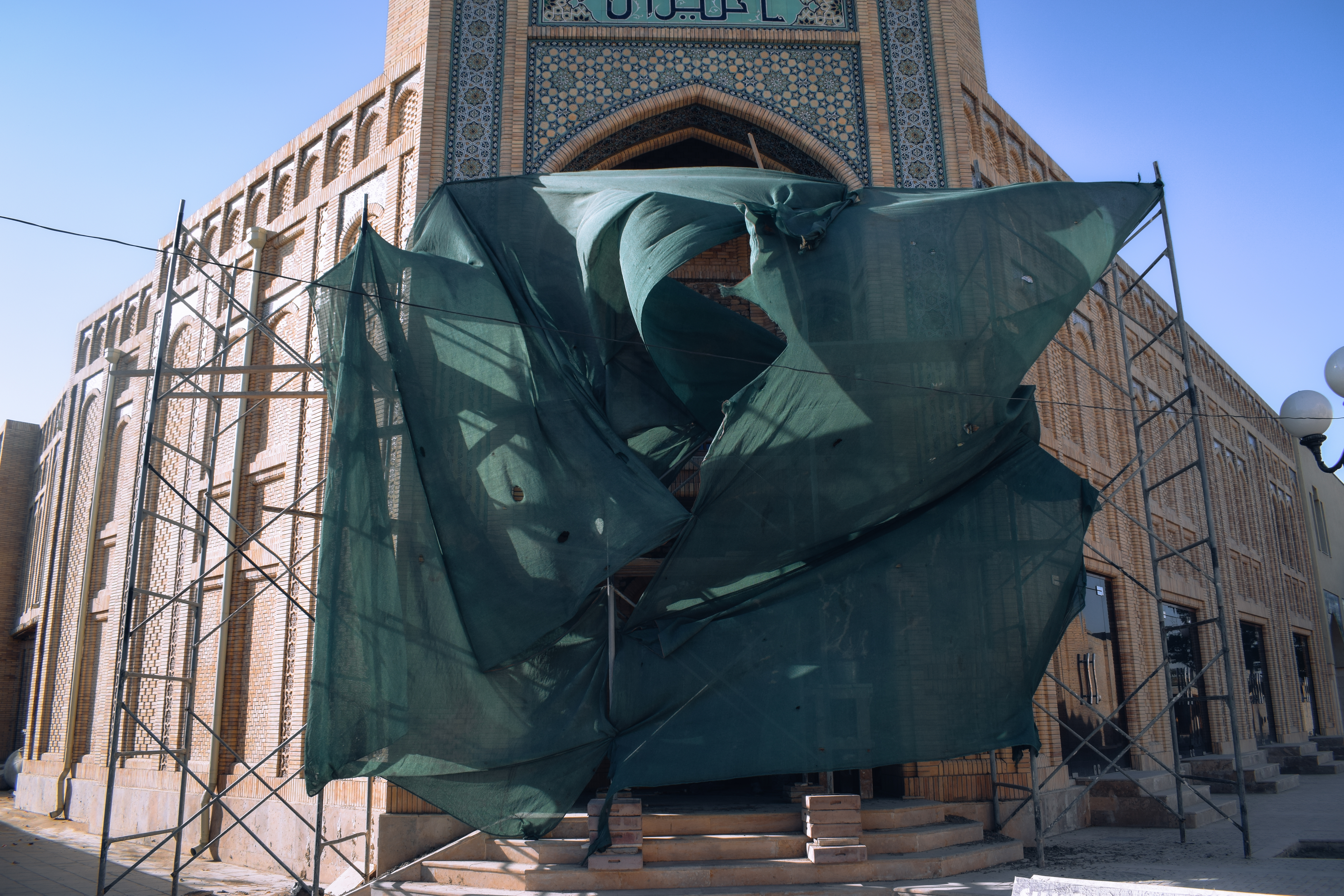
Qurban Hayit is celebrated exactly 70 days after Ramazan Hayit (Eid al-Fitr), so it has no fixed date. All dates are calculated according to the lunar calendar. The essence of the holiday — is to extol the all-consuming, unshakable faith of man and the mercy of Allah, who showed compassion to Ibrahim, ready to sacrifice his son to God. In the Muslim view, the sacrificial animal — is a symbol of the test of faith and its happy resolution.
A triumph of overcoming, the attainment of divine mercy — these are the main components of the culmination of all festive events.
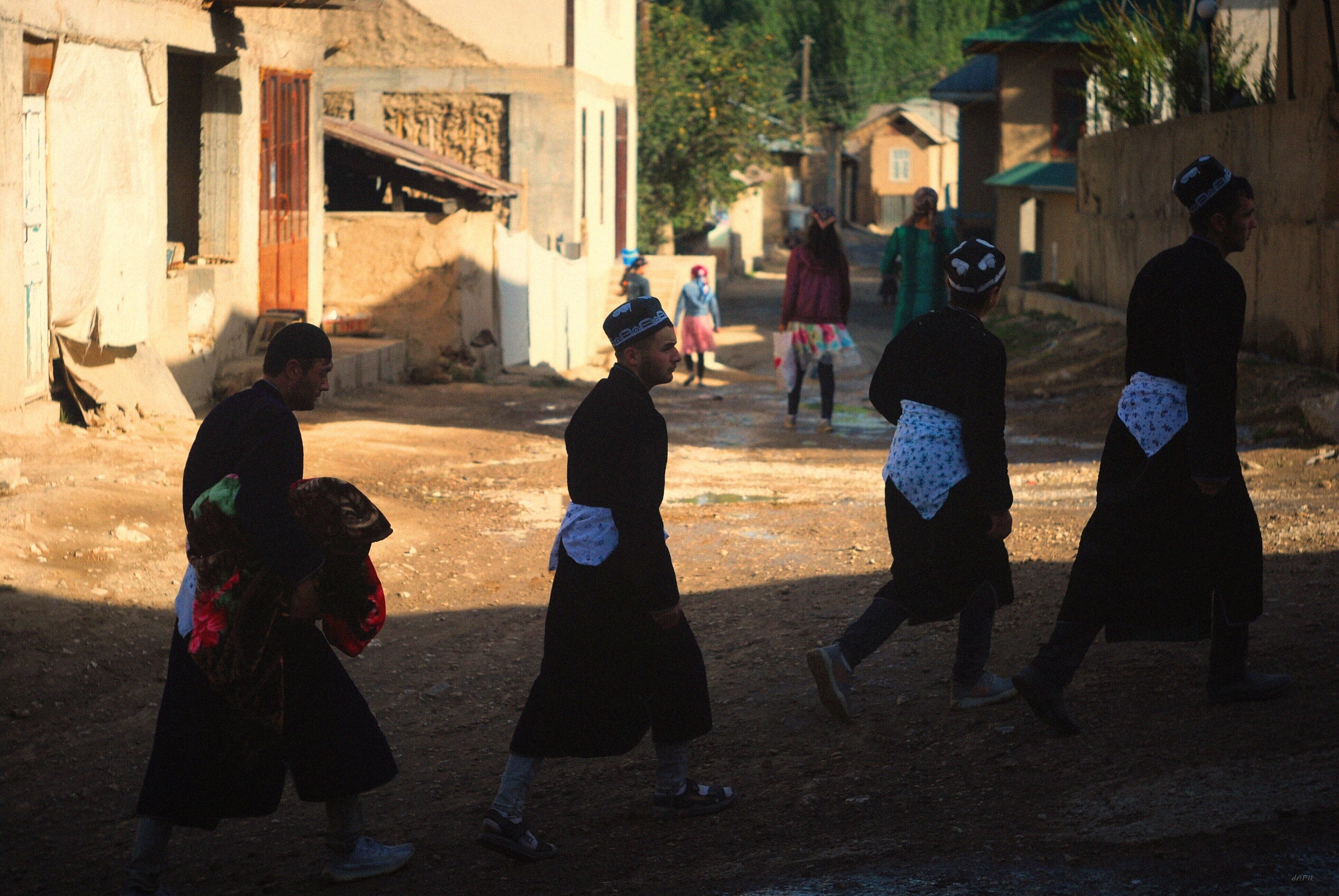
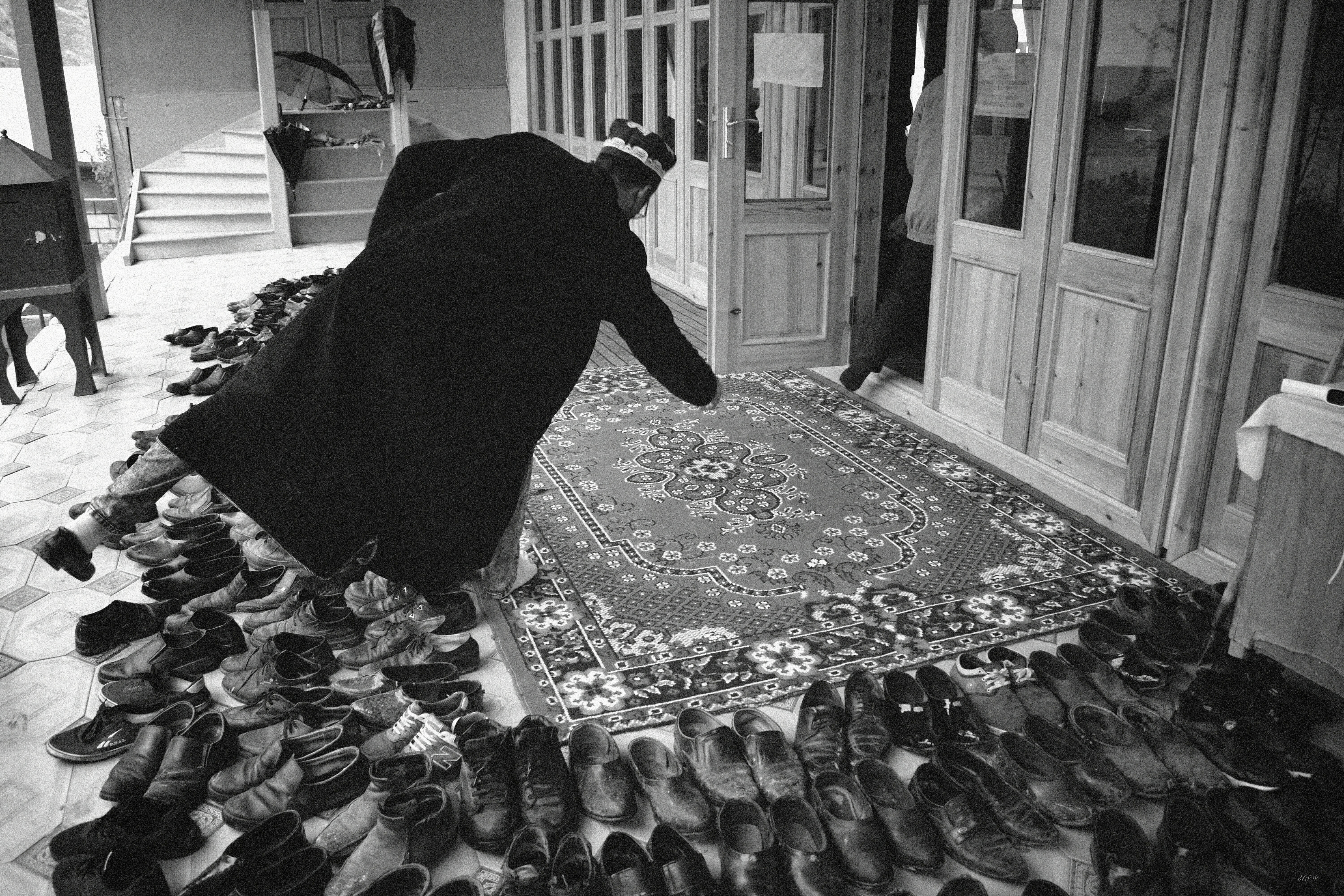
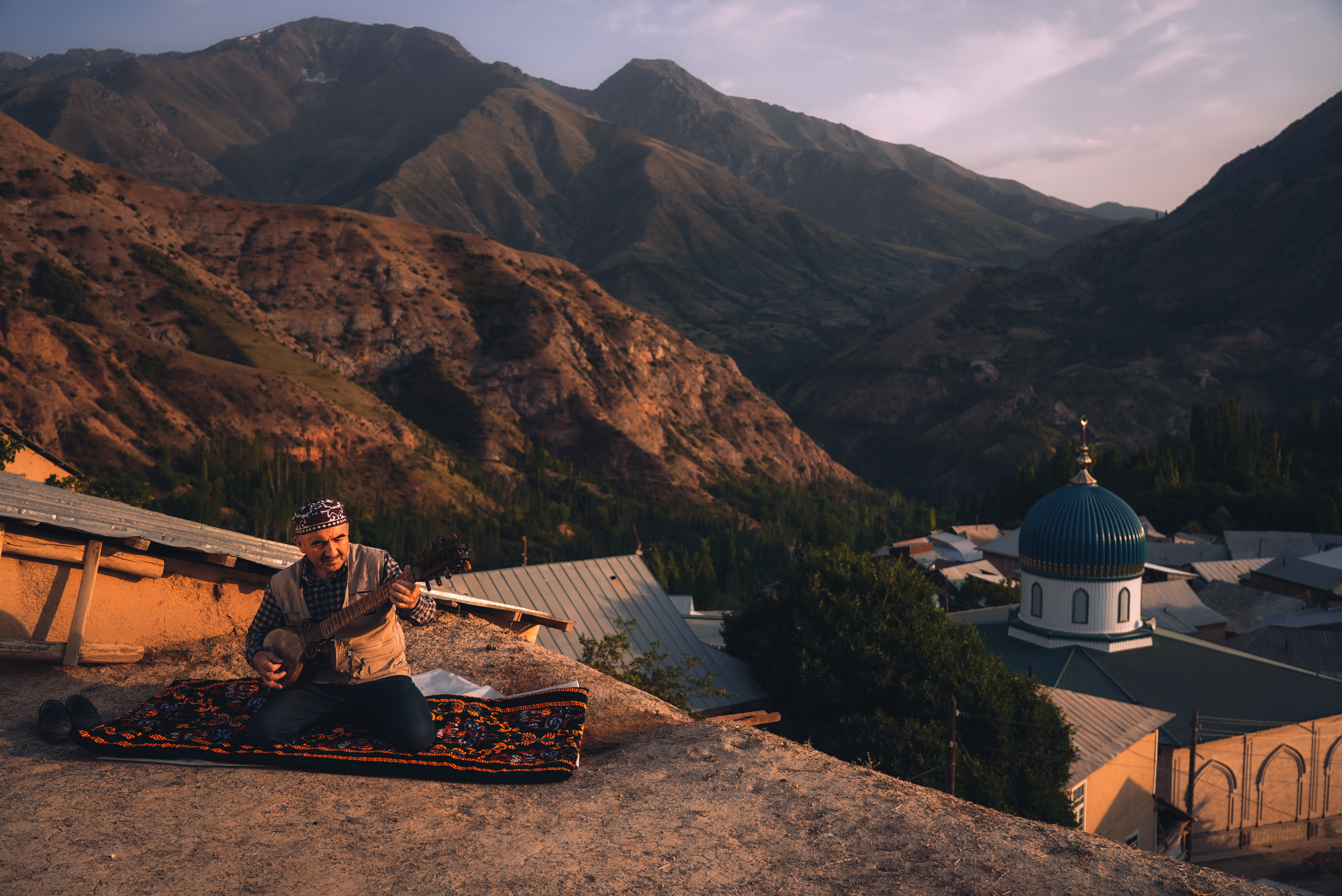
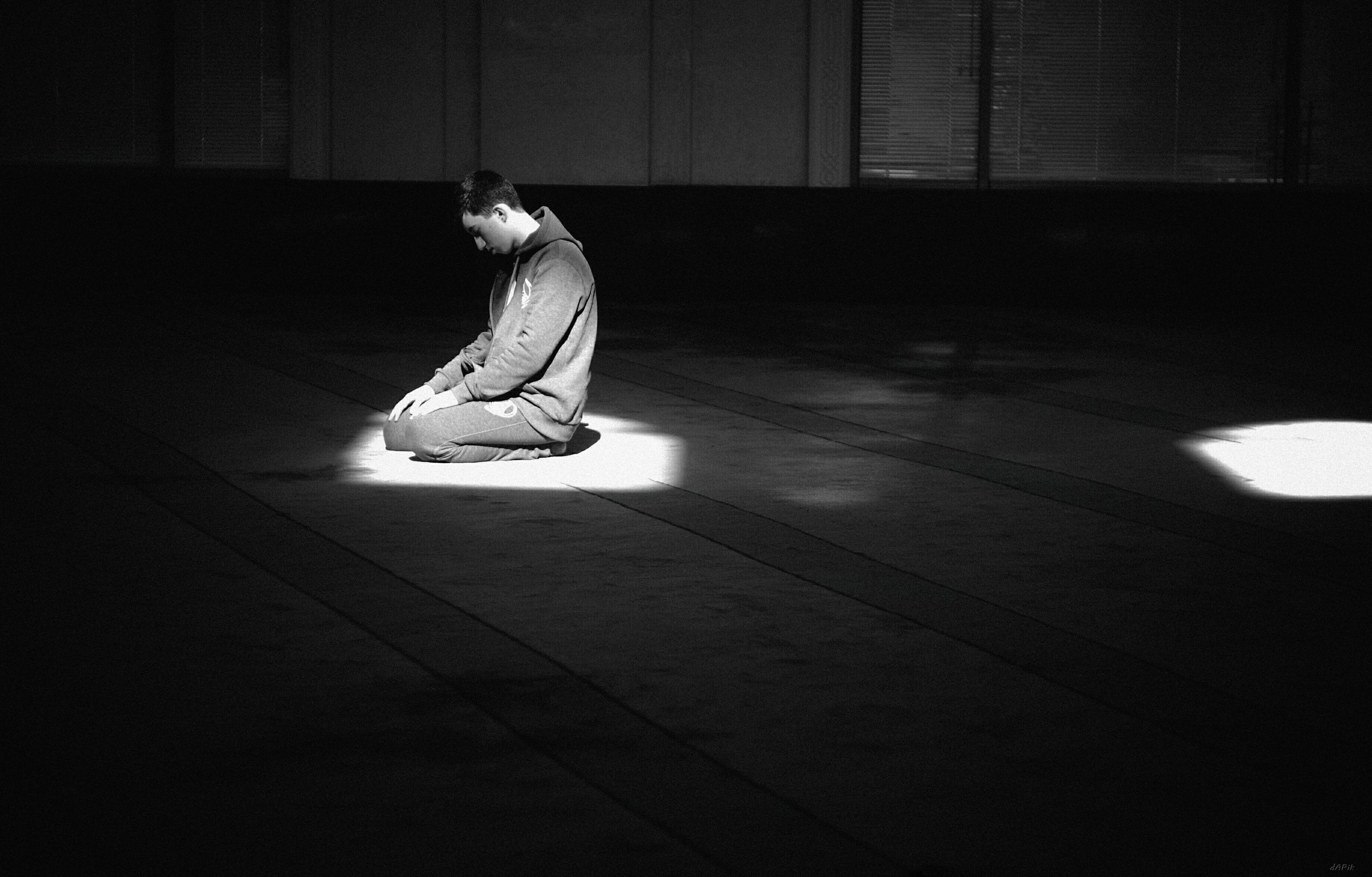
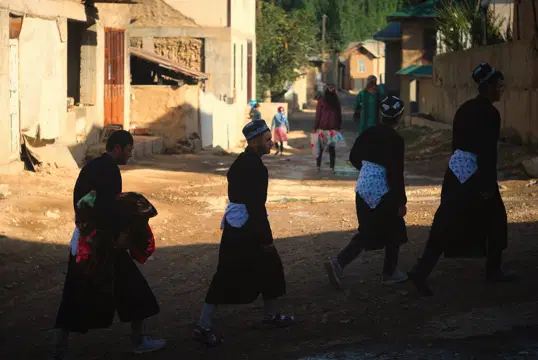
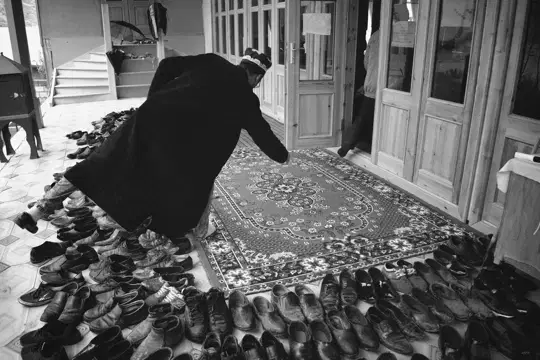
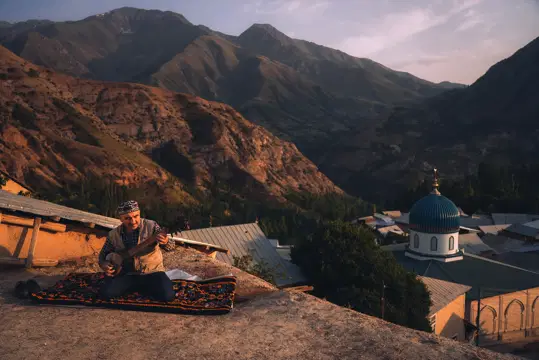
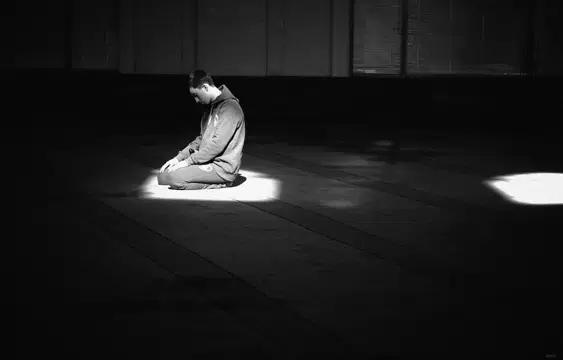
I remember from childhood how important Hayit was for all of us. I especially love the tradition of giving new clothes: to both children and adults. Watching the joy of a man whose wife gives him something new to wear — it's a special pleasure. Men, especially in the regions, don't spoil themselves and rarely buy anything, so they rejoice at a gift like children. You must try on the new outfit and show off in front of your relatives.
Ildar Sadykov
Qurban Hayit — the second (and last of the year) major holiday for Muslims.
Preparations for the holiday and the celebrations themselves take place in several stages. On the day of Arafa, household preparations and cleaning are done, and festive clothes are taken out and put in order. From the evening, traditional dishes are prepared in every home, mainly pastries — flatbreads, samsa, baursaks, chak-chak, brushwood cookies, and other sweet treats. The dishes, of course, vary from region to region, but the main thing is that the home should greet the holiday and guests with warmth, grace, and an atmosphere of abundance.
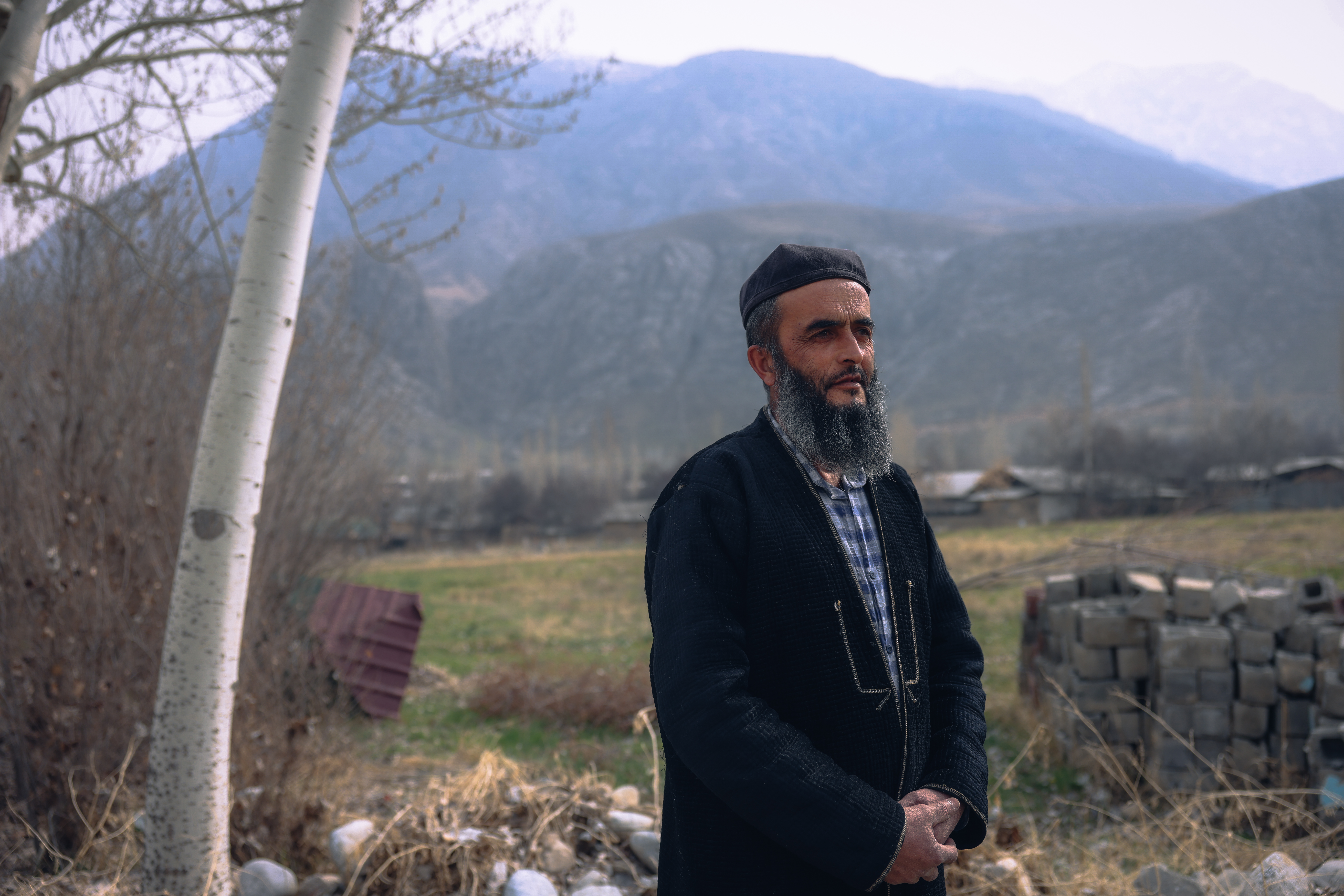
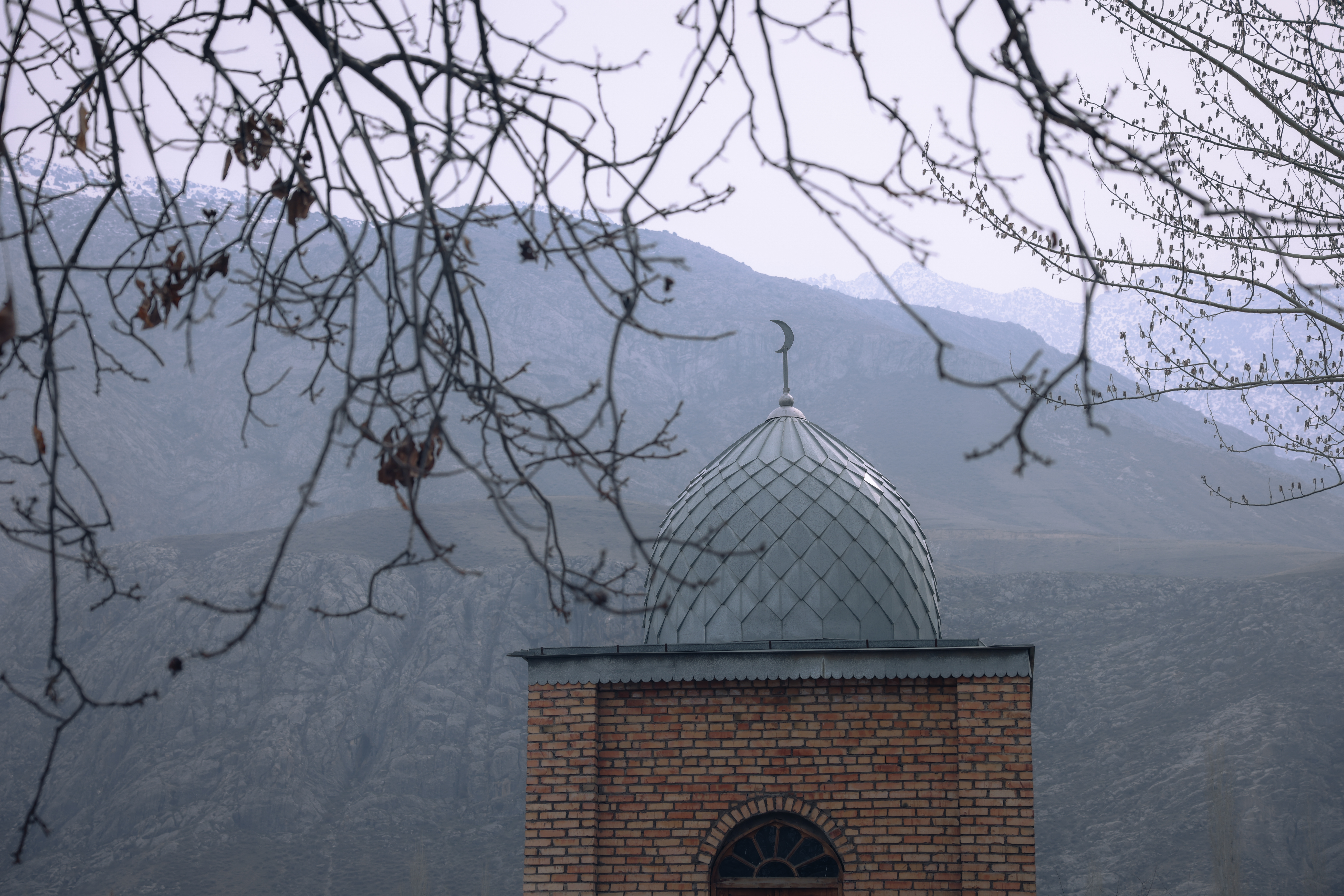
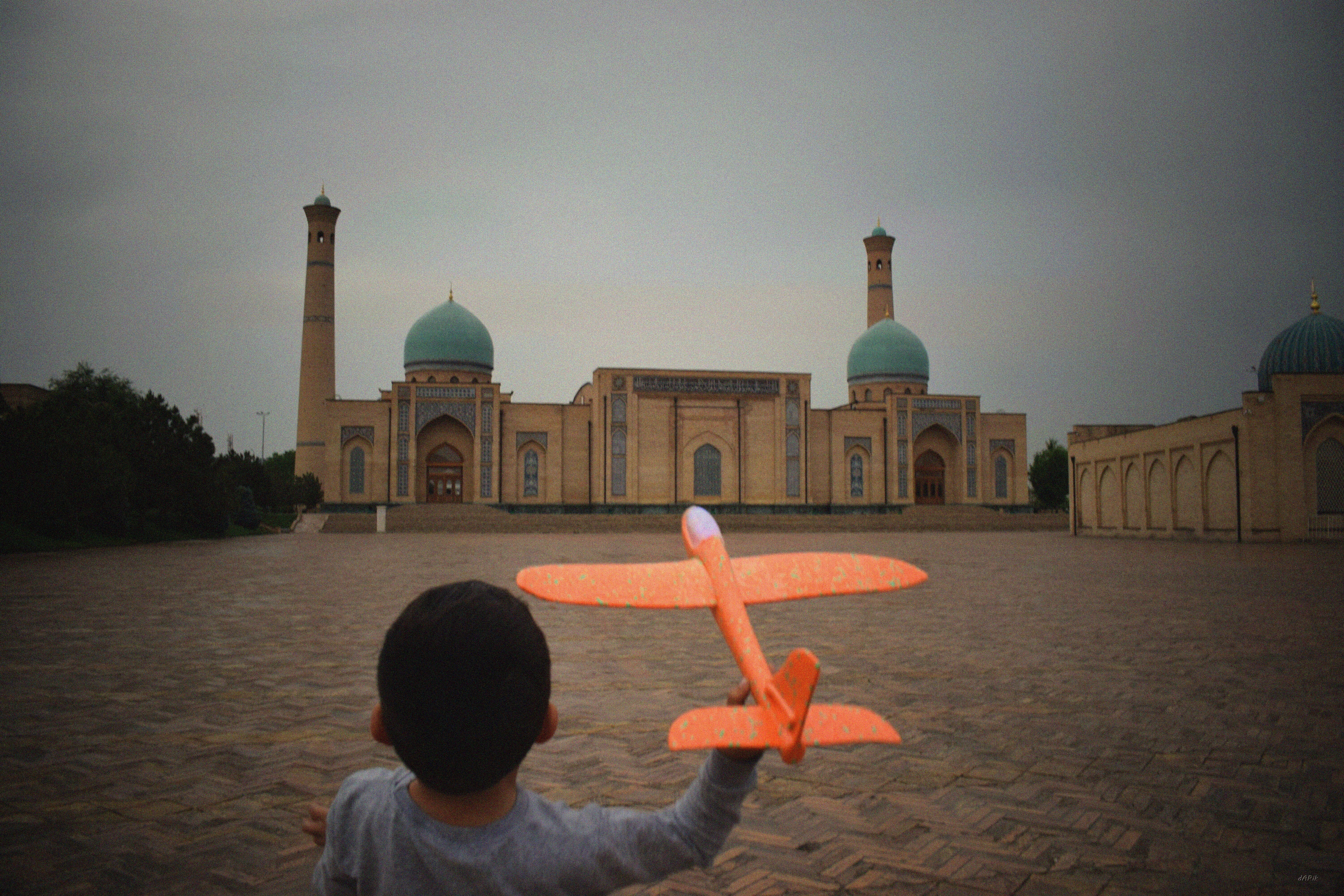
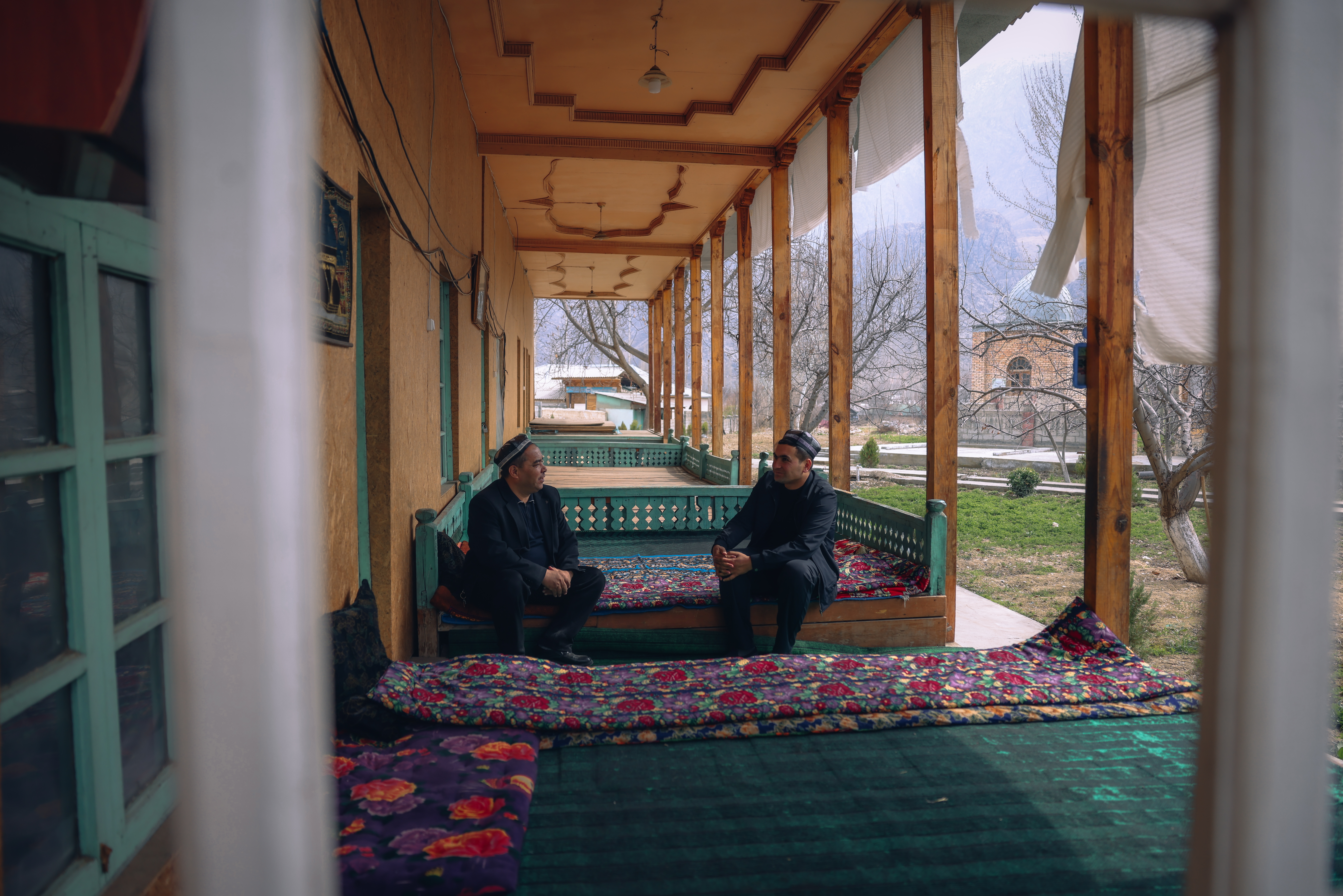
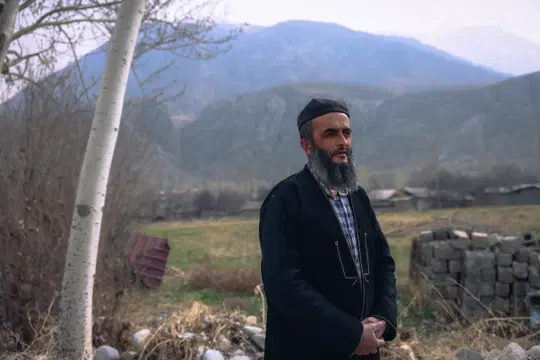
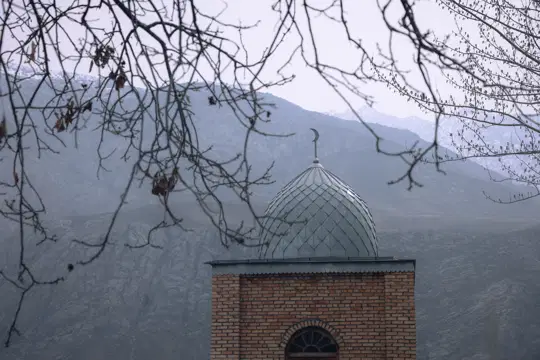
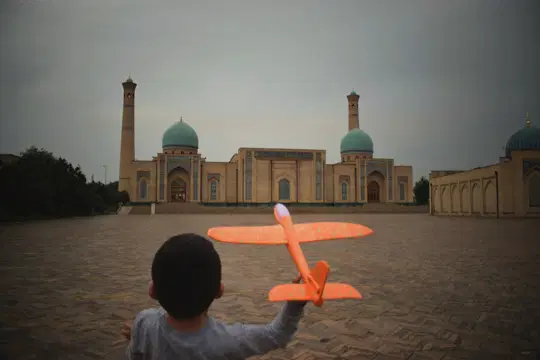
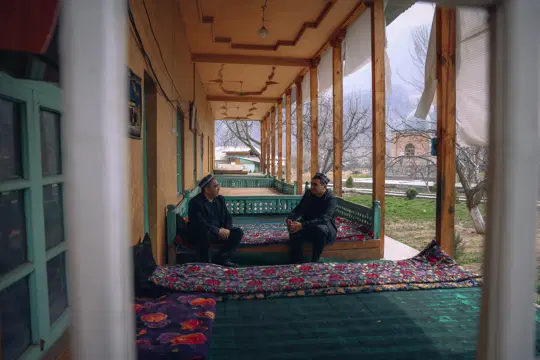
A heart-wrenching memory for millions of Uzbekistanis — the pre-holiday mahalla. When the smells of dough, oil, and tandoor drift from every courtyard, the hum of the street falls silent, only to sound again in the morning. On the holiday, neighbors will exchange treats and good wishes — sometimes right over the fence, which was never a barrier to togetherness. Thus, the courtyard becomes a metaphor for the land where all people — are brothers.
After the morning festive prayer, the solemn sacrifice is performed: only part of the animal's meat stays with the family, the rest is distributed to relatives, neighbors, and the needy in the area.
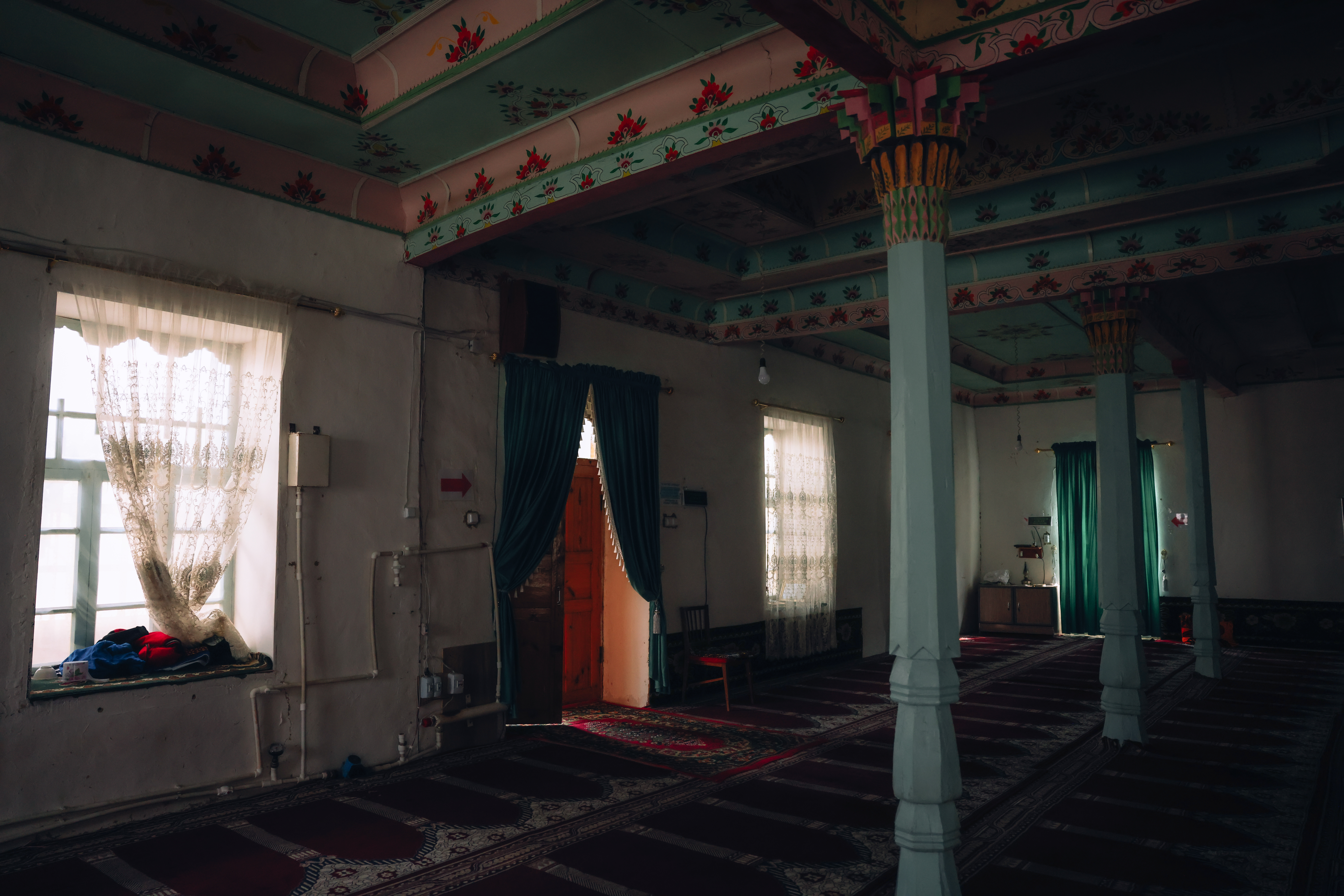
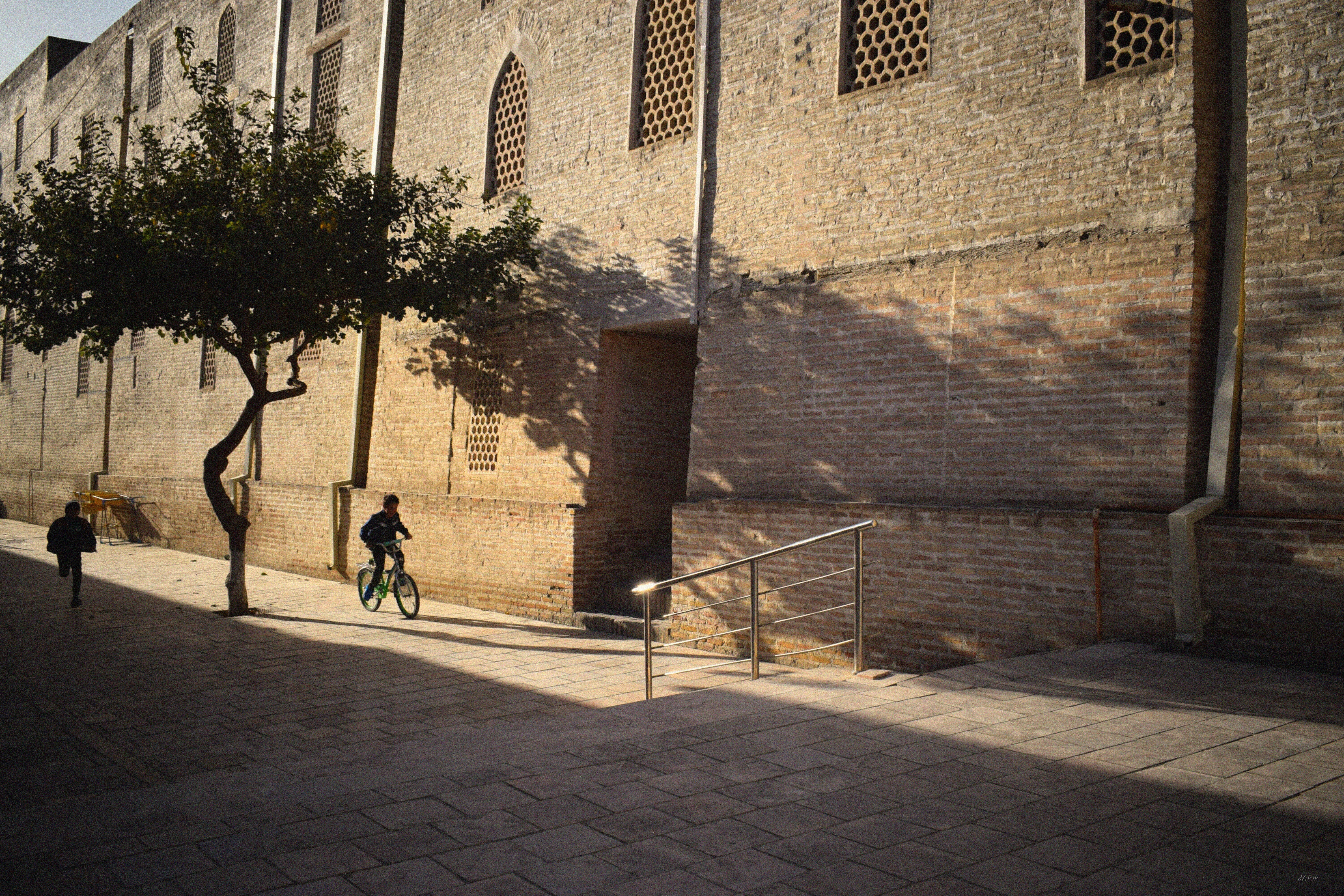
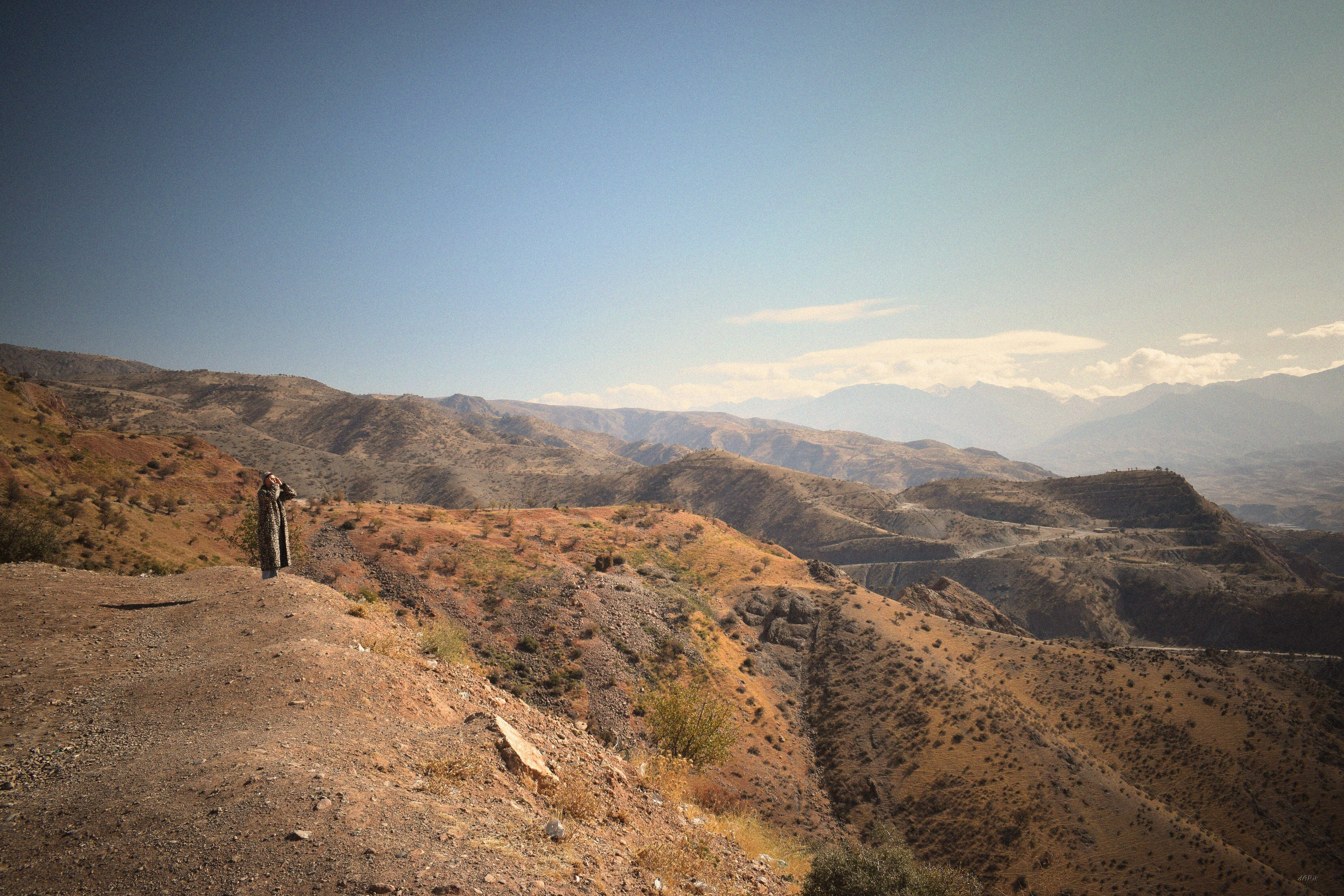
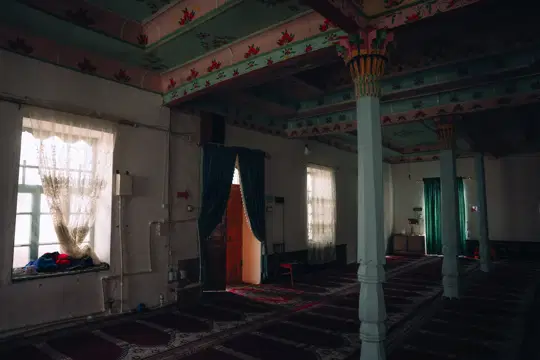
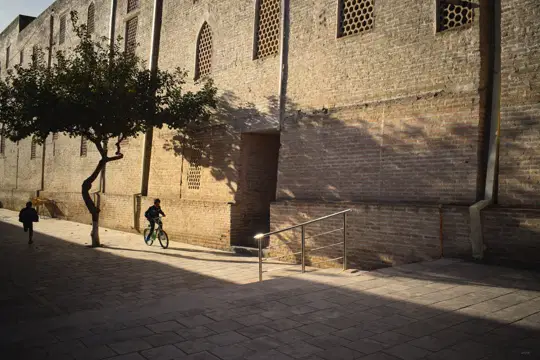

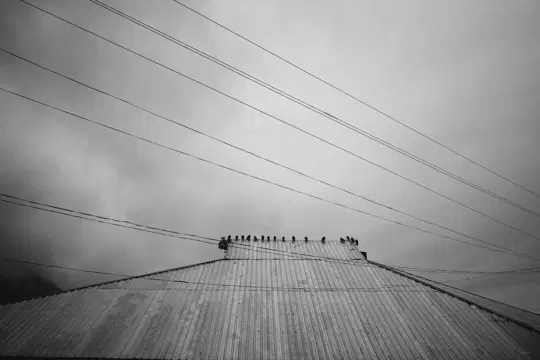
For three consecutive days, prayers are recited, relatives gather, and deceased family members are remembered. These days require visits to cemeteries and gatherings in the mahallas. Qurban Hayit — a time for settling disputes and reconciliation. It is essential to share food and blessings with those in need.
In Uzbekistan, it is a communal holiday, when the memory of ancestors becomes something alive again. Indeed, the entire life of a Muslim in our lands — is a testament of gratitude and reverence for preceding generations, patriarchs, guardians of lineage and faith. Often before the holiday, a hashar is held — a joint effort to clean the cemetery, which the entire mahalla turns out for.
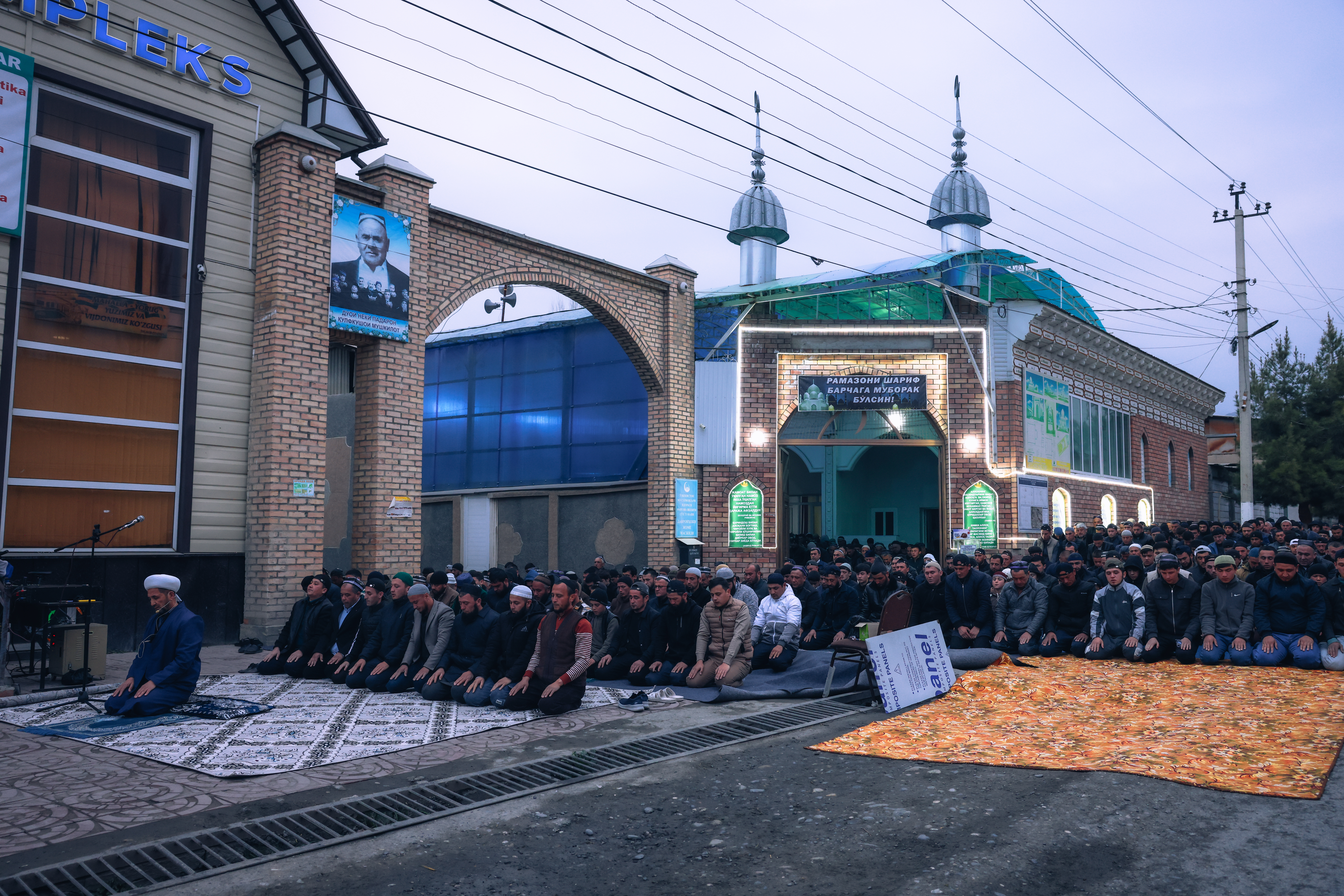
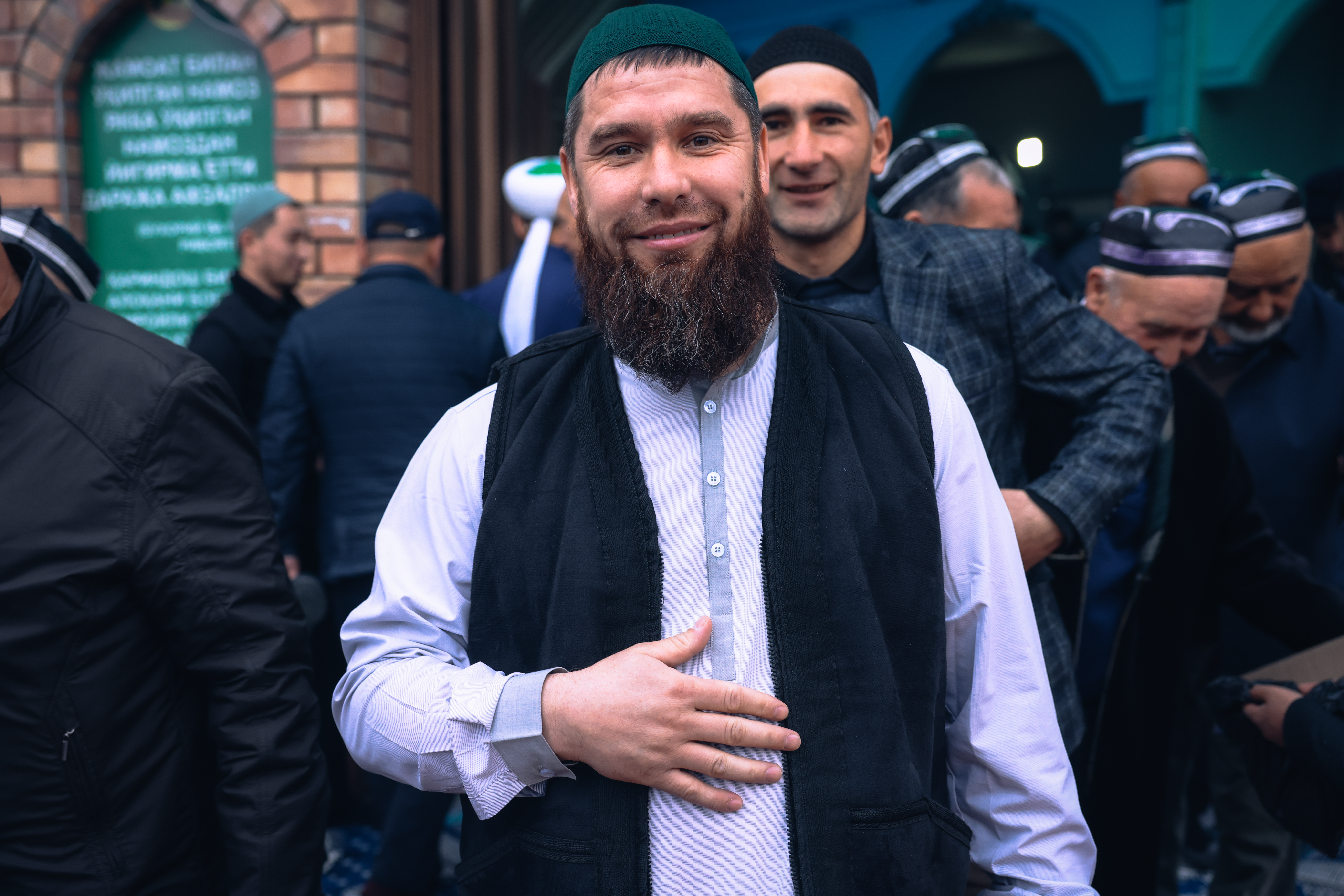
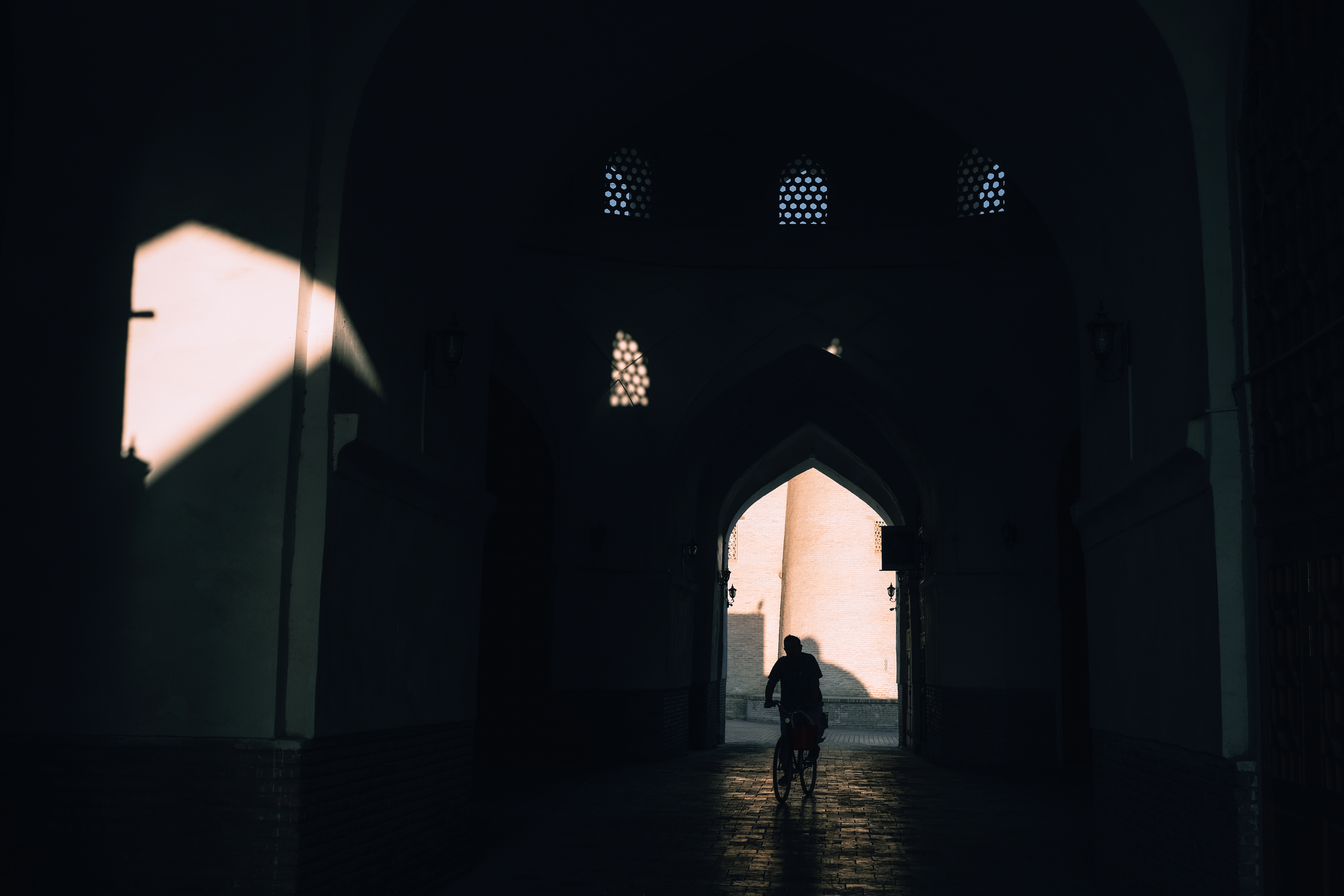
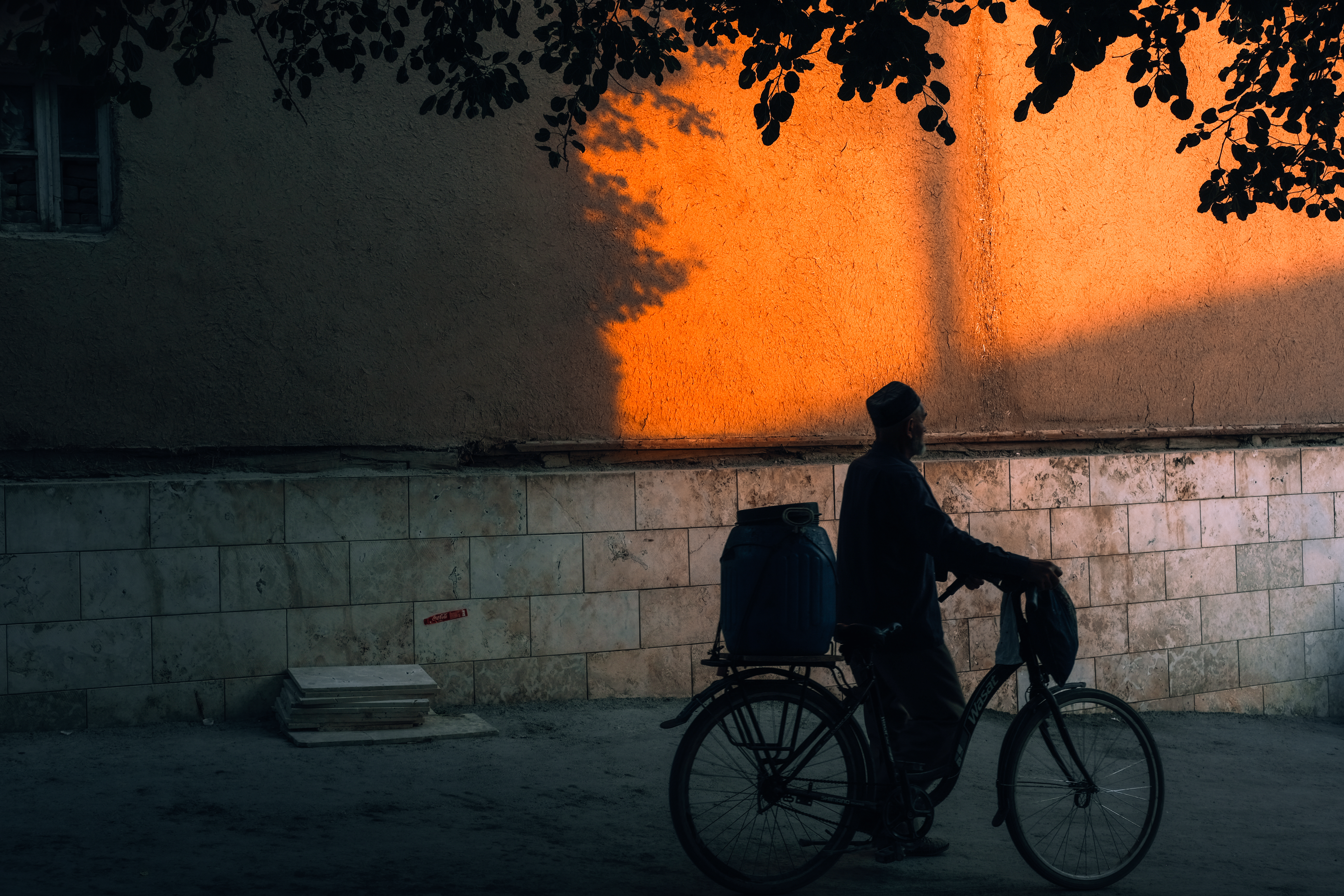
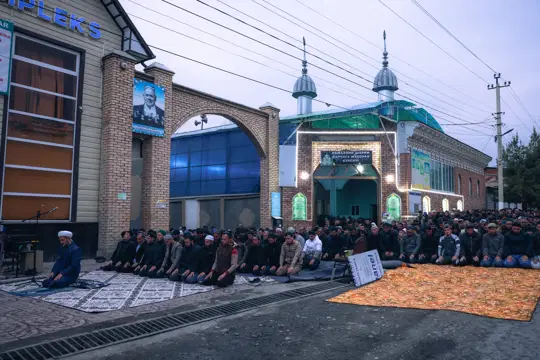
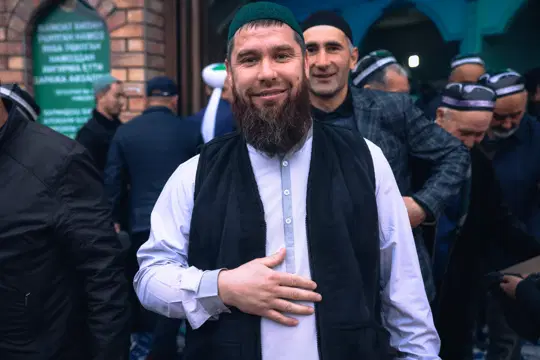
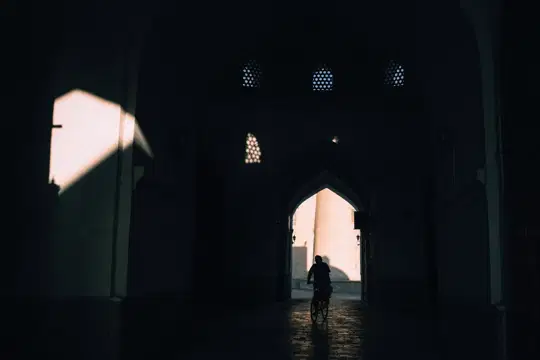
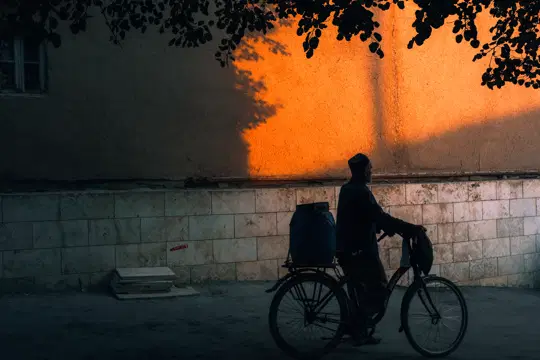
Celebrating Hayit is the core tradition in faith, in spirituality. It is preserved by our aksakals, and we — as if basking in their light, slowly absorbing it. In the hope of passing this light on to future generations.
Ildar Sadykov


