
The folklore festival was established after UNESCO recognised the culture of the Baysun region in 2001 as a Masterpiece of the Oral and Intangible Heritage of Humanity.
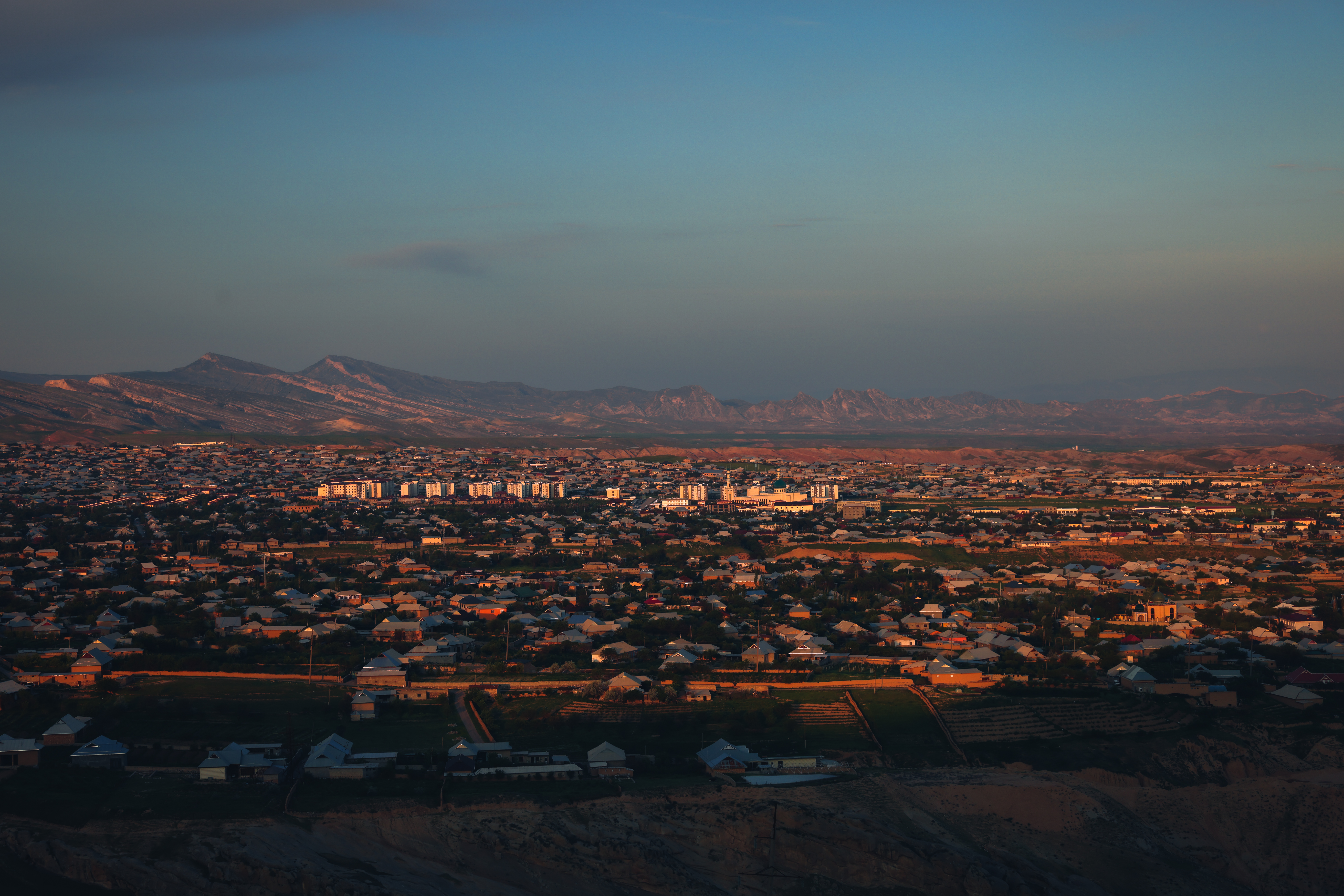 Photo: Ildar Sadykov and Sergey Poghosyan
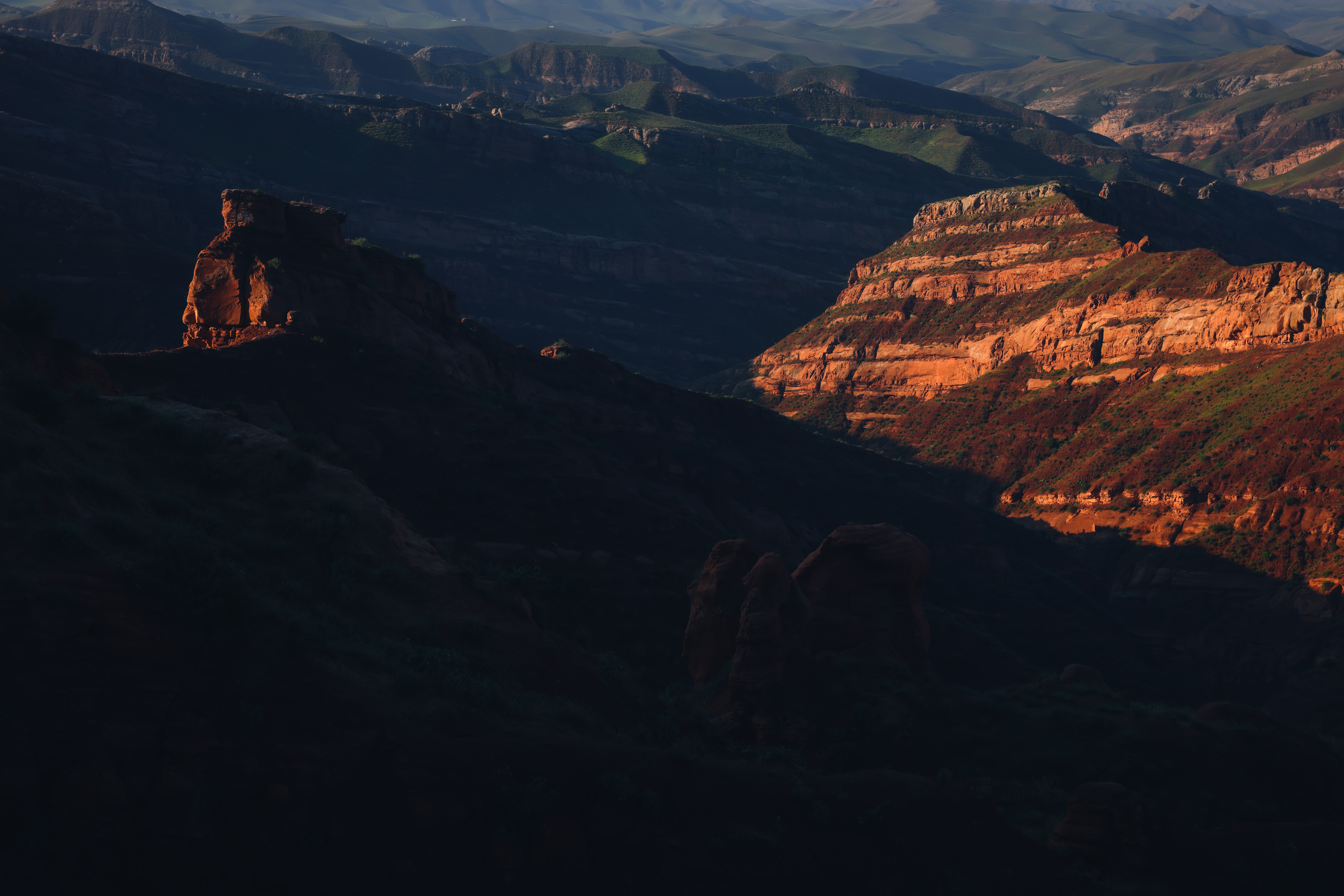 Photo: Ildar Sadykov and Sergey Poghosyan
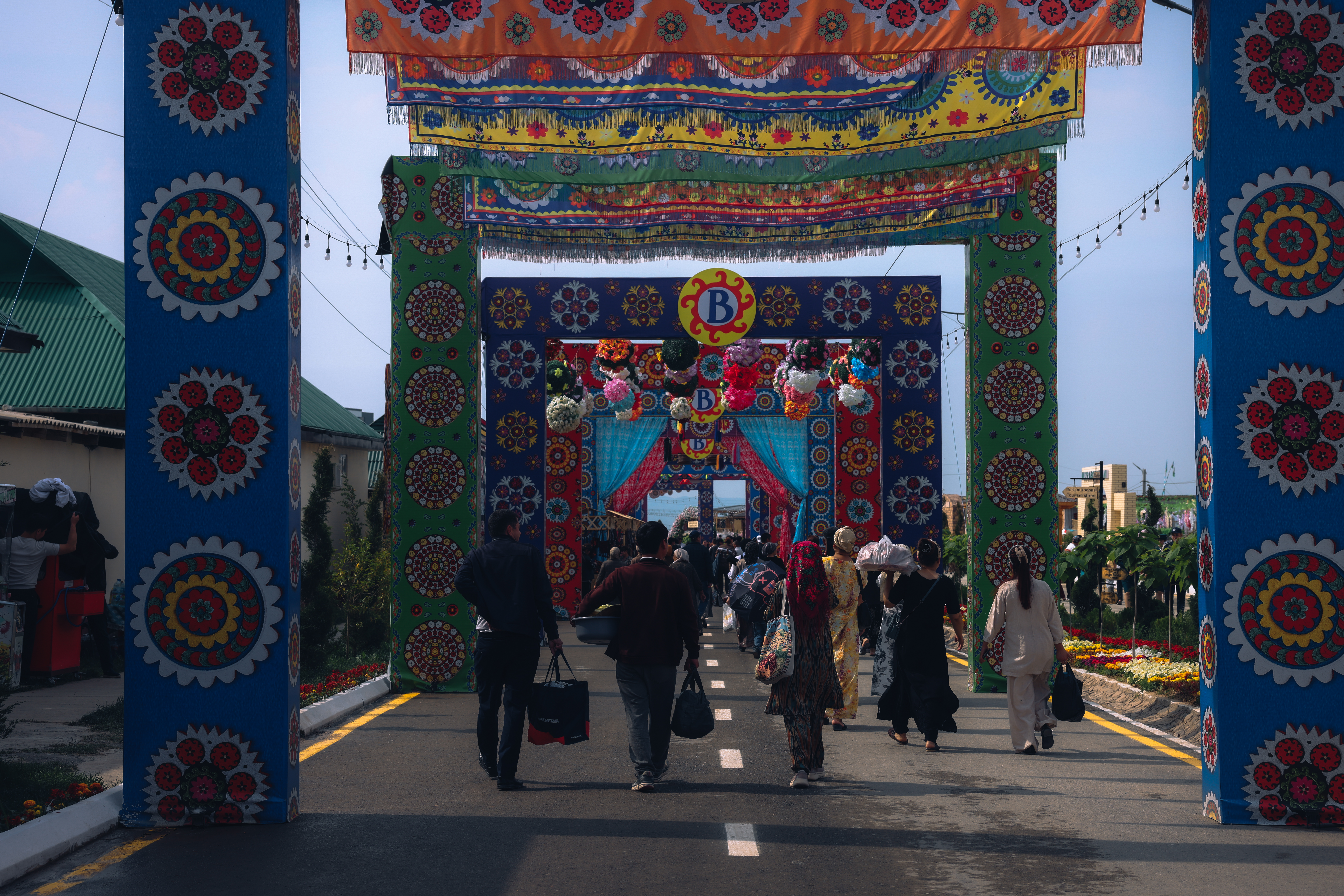 Photo: Ildar Sadykov and Sergey Poghosyan
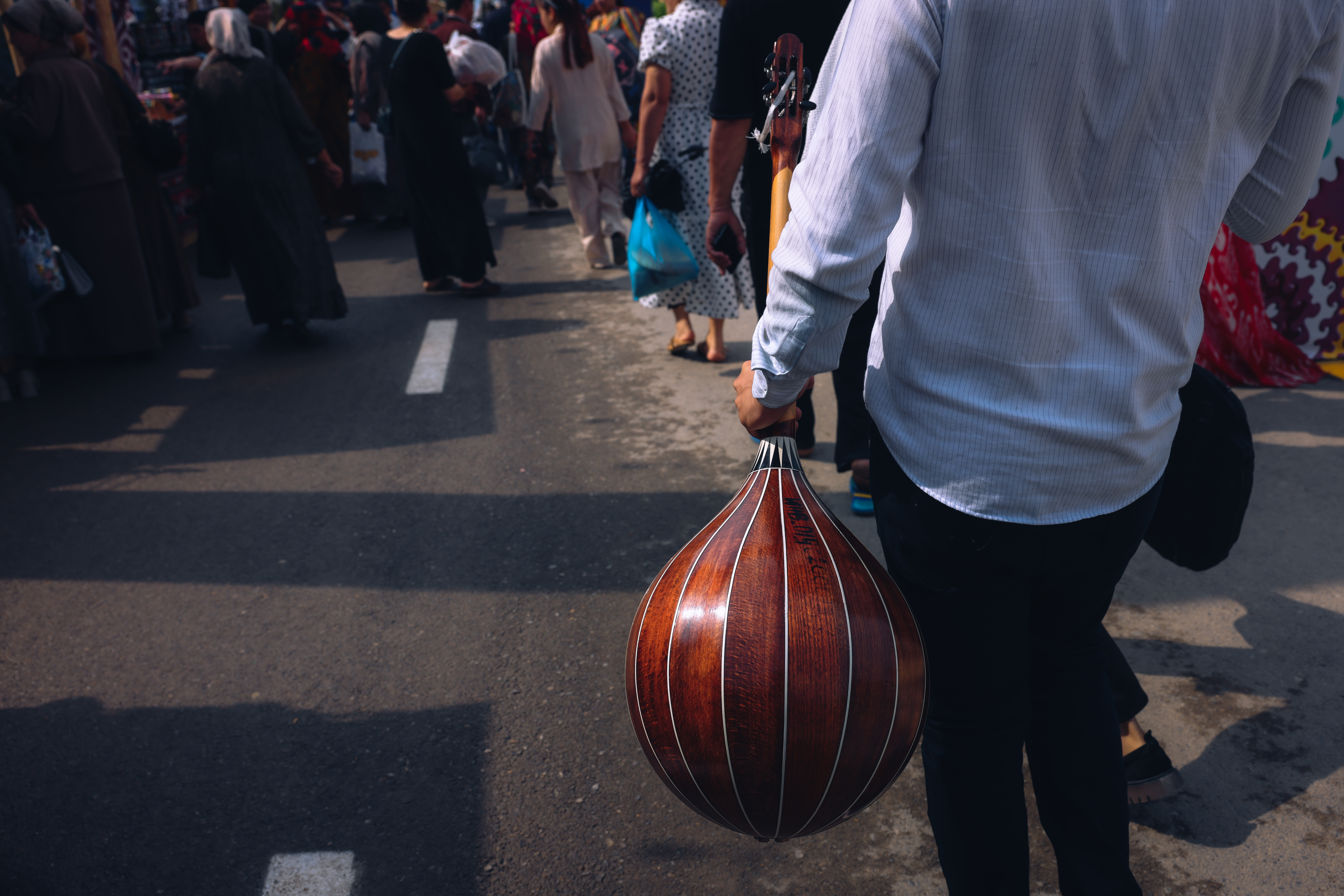 Photo: Ildar Sadykov and Sergey Poghosyan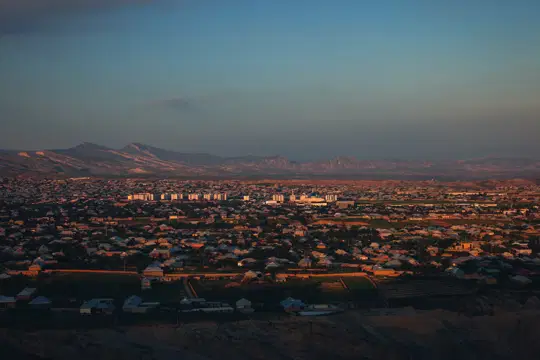
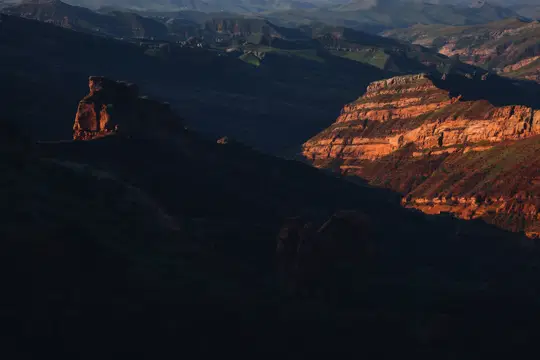
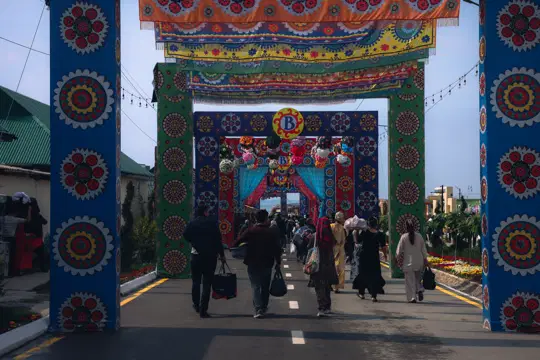
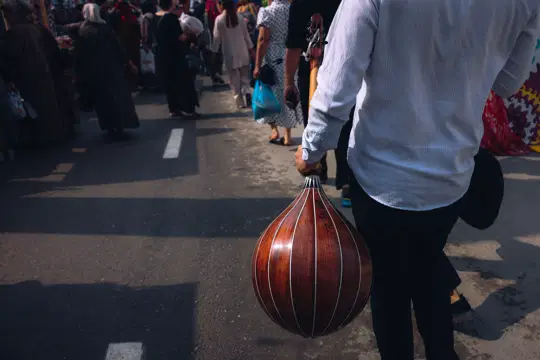
Since 2017, Baysun Bahori has been held regularly in the Baysun mountains every two years. This year, the festival's main events took place from 1 to 3 May, although the celebrations stretched across ten days.
I had long dreamed of visiting the Baysun Bahori festival because I consider the culture of Surkhandarya the most powerful in Uzbekistan. Here, you can still touch the very origins of our civilisation. It is an essential part of the world’s cultural heritage. We were fortunate enough to attend the festival as ‘VIP guests’, which allowed us to photograph absolutely everywhere. In the small town of Baysun, filled with visitors from across the world, we encountered extraordinarily hospitable and cheerful people. We tried to reflect that spirit in our work.
Ildar Sadykov
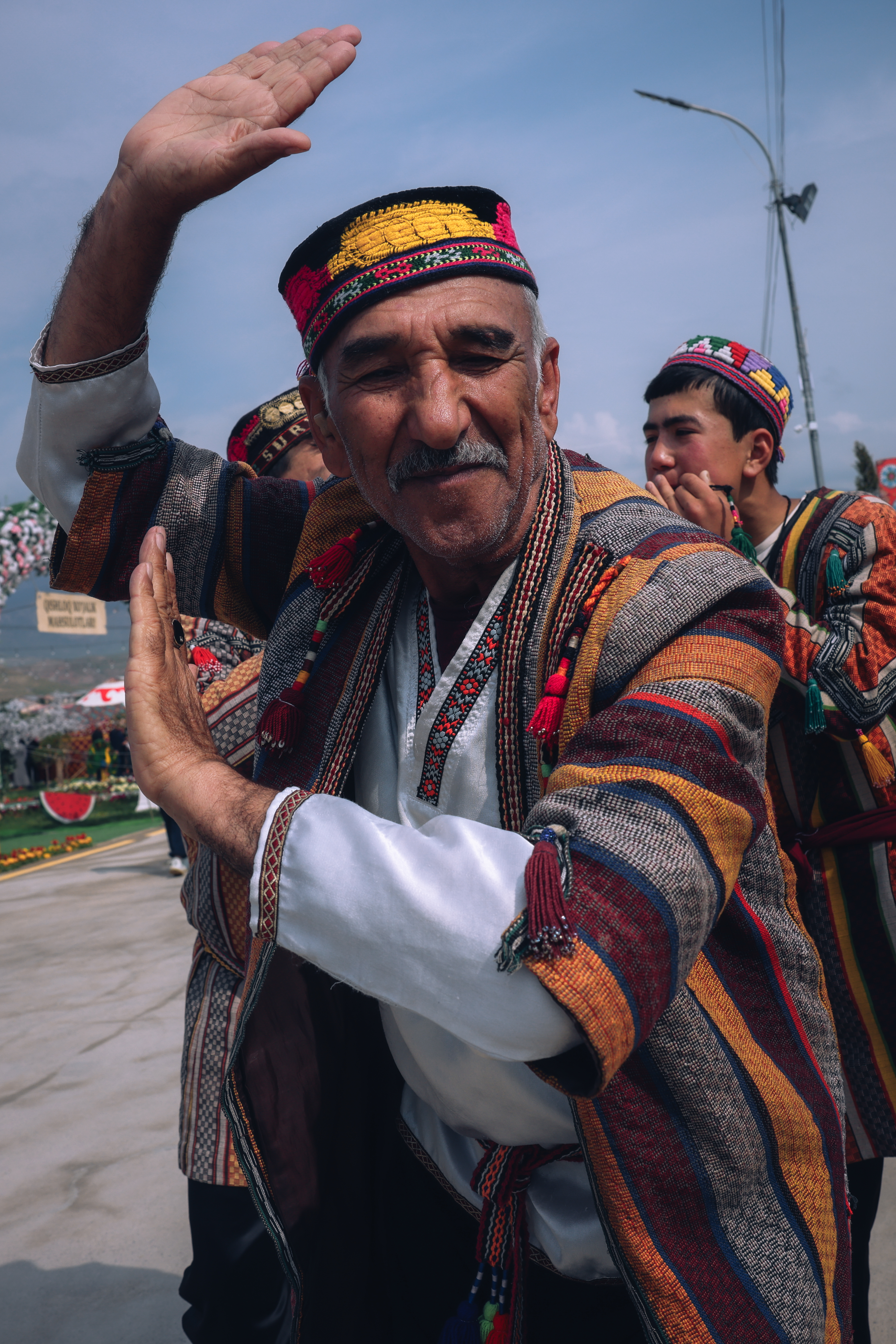 Photo: Ildar Sadykov and Sergey Poghosyan
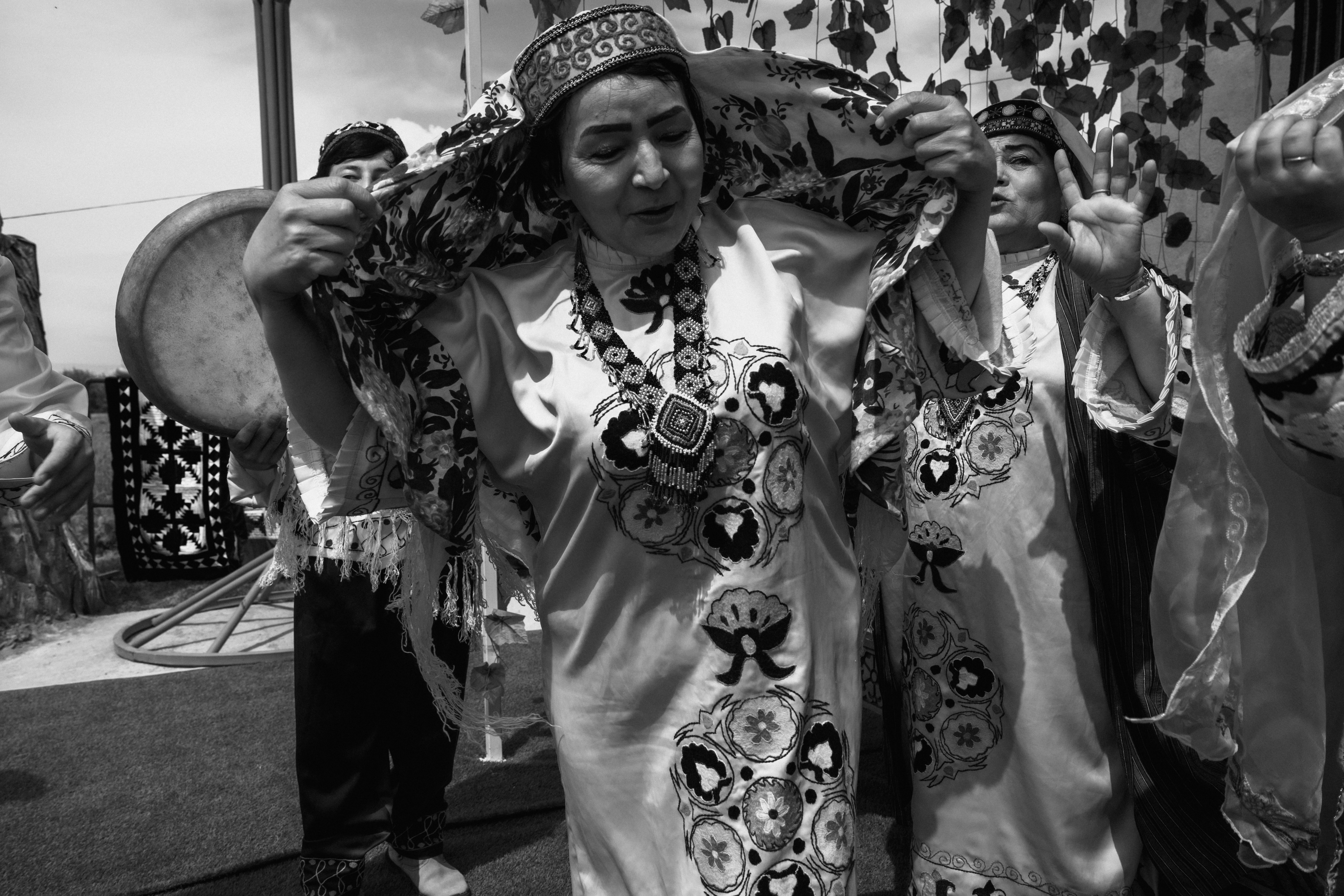 Photo: Ildar Sadykov and Sergey Poghosyan
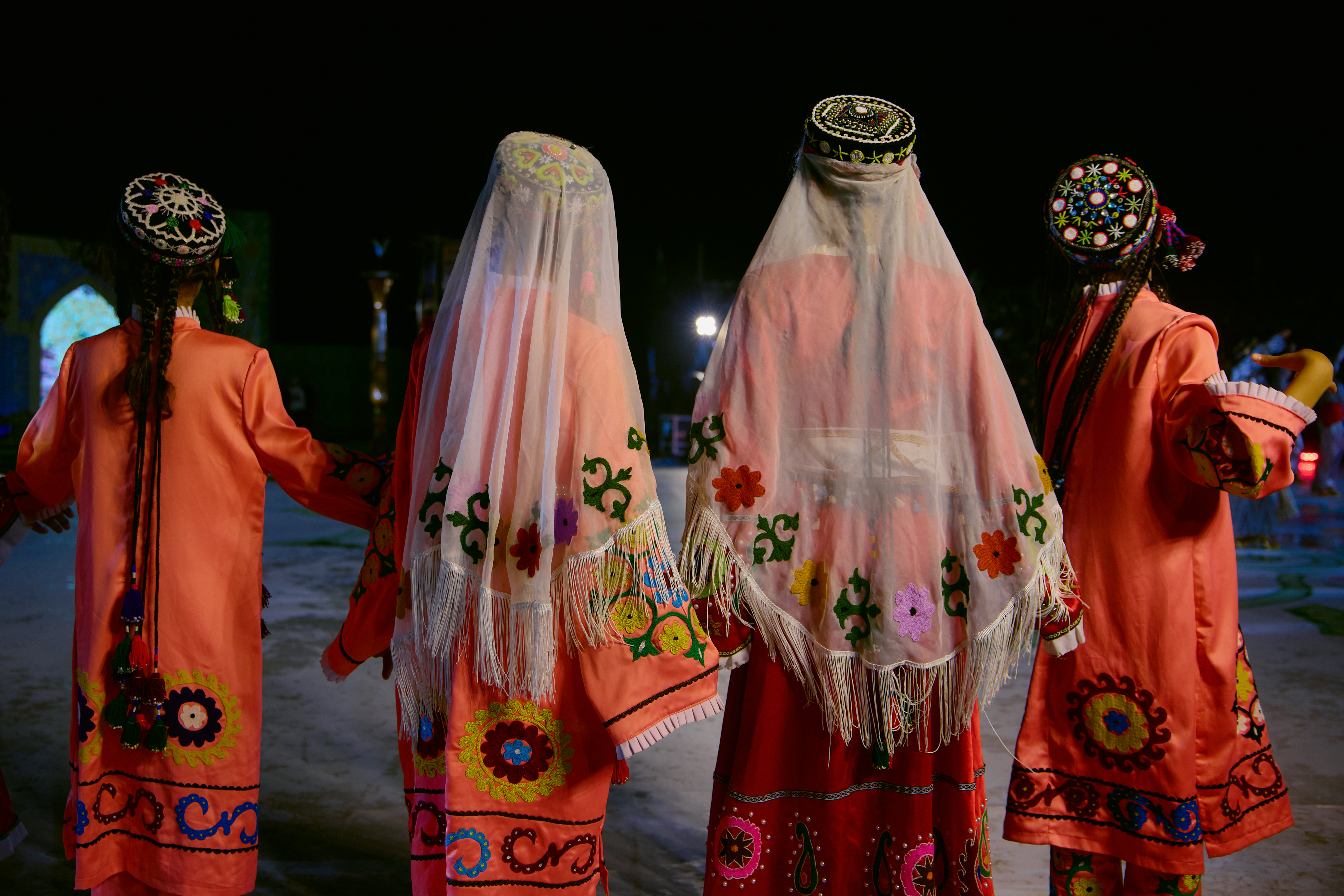 Photo: Ildar Sadykov and Sergey Poghosyan
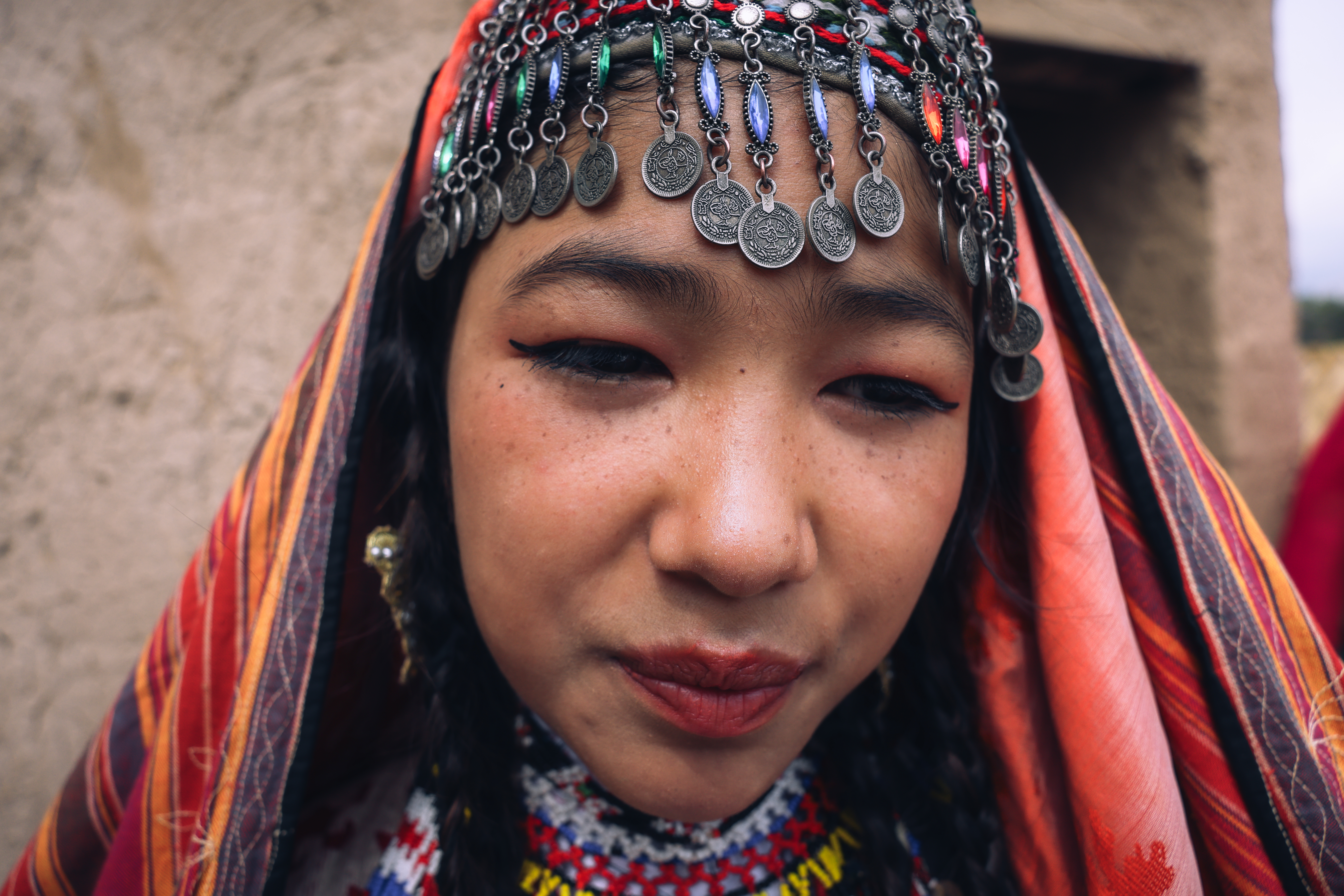 Photo: Ildar Sadykov and Sergey Poghosyan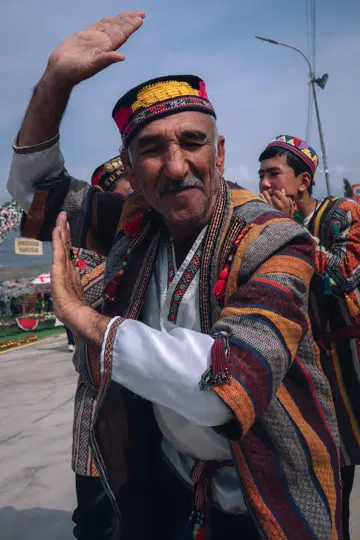
The region astonishes with the diversity of its ethnic cultures, preserved in oral traditions, dance, craftsmanship and folk art. This richness is deeply rooted in history: Surkhandarya once stood at the crossroads of civilisations and branches of the Great Silk Road.
Surkhandarya is home to Teshik-Tash and traces of Neanderthal settlements, the Kushan Wall and the Iron Gates, Kurganzol and Payonkurgan, the rock art of Zarautsay with its “magical hunt” scenes, and the dinosaur footprints of Kugitang. It is also the land of Alexander the Great and his Alexandria Oxiana. Mountain bridges, ancient stepped roads, sacred springs and dramatic gorges shape a landscape as beautiful as the stories tied to it, stories that inspire both awe and pride.
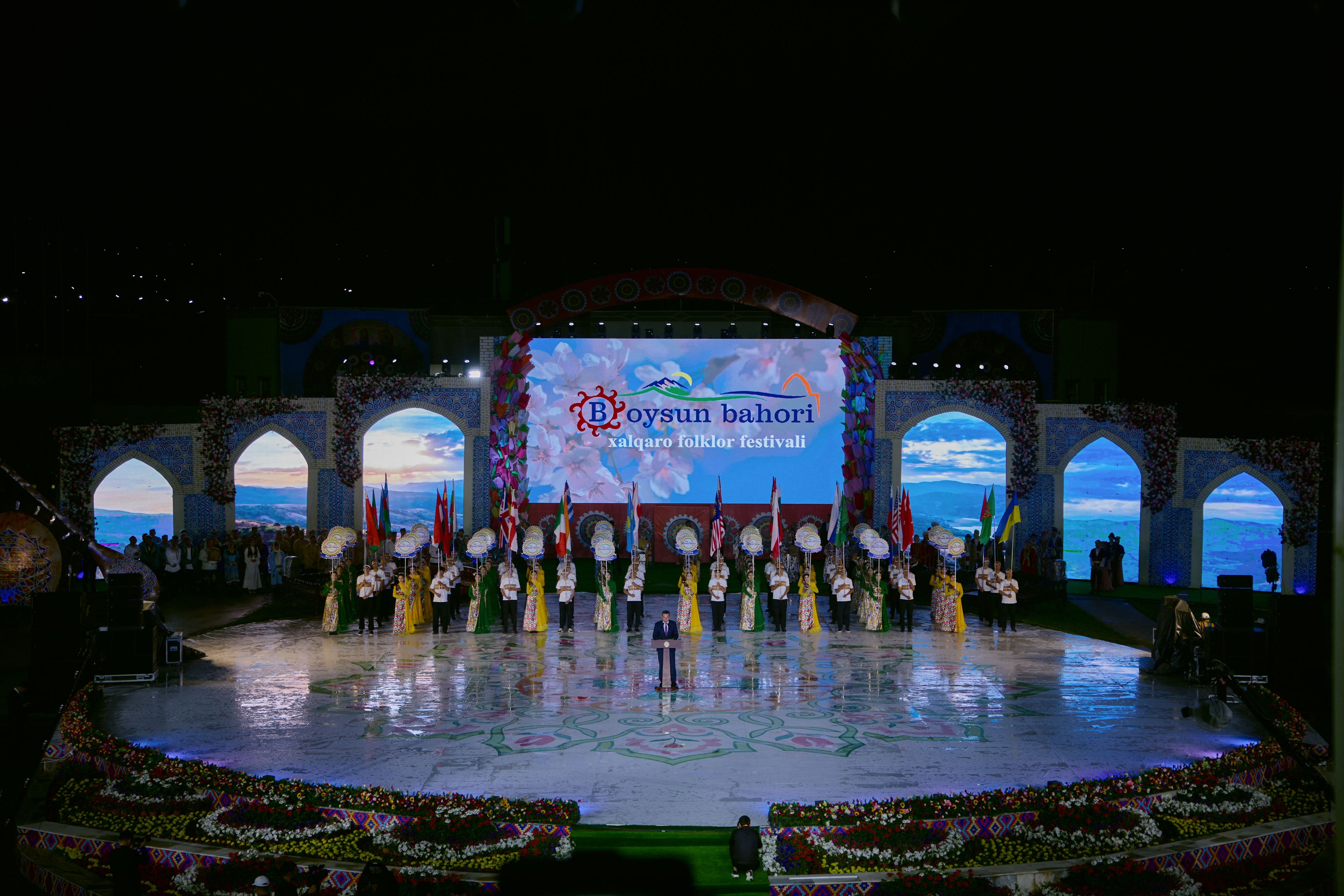 Photo: Ildar Sadykov and Sergey Poghosyan
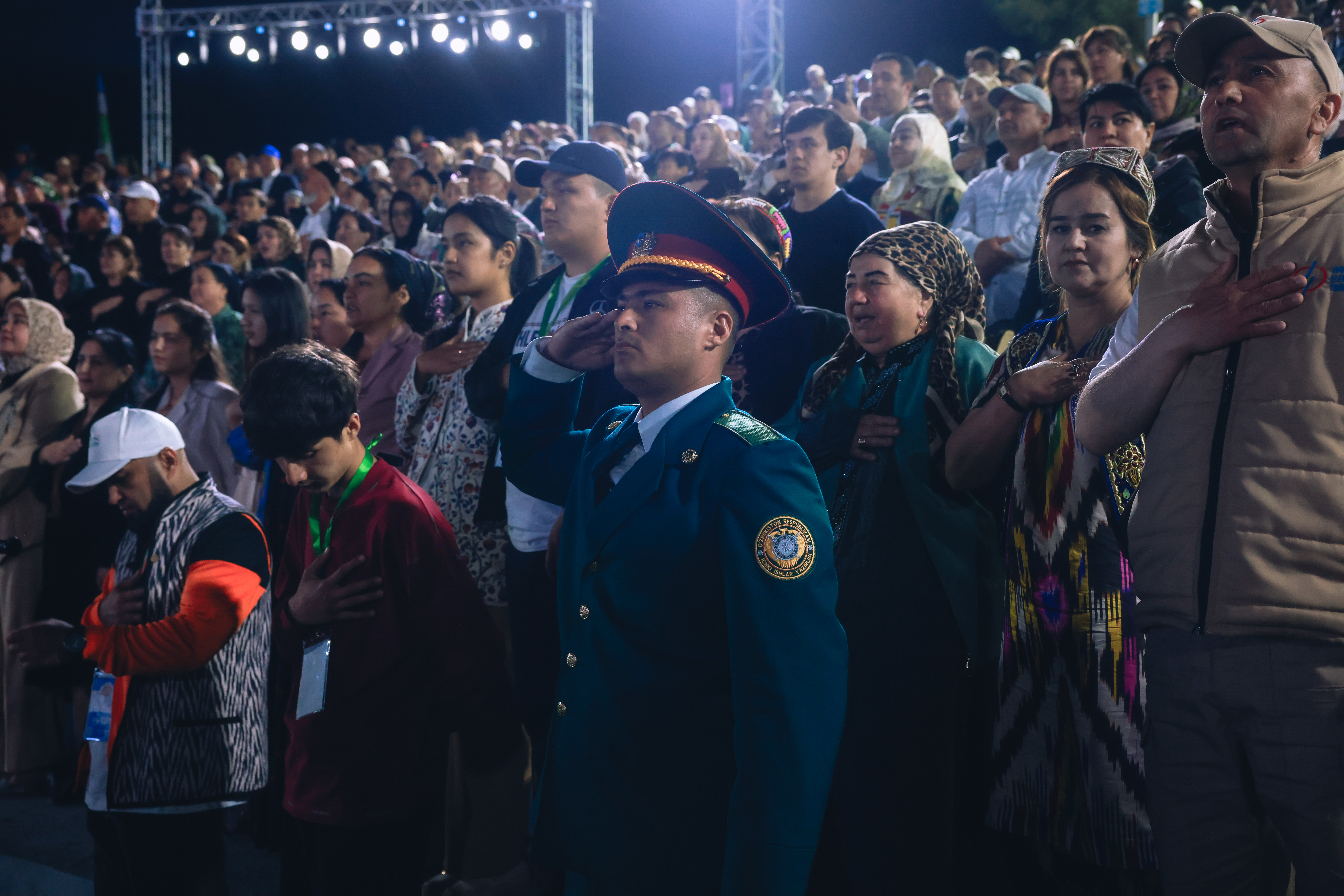 Photo: Ildar Sadykov and Sergey Poghosyan
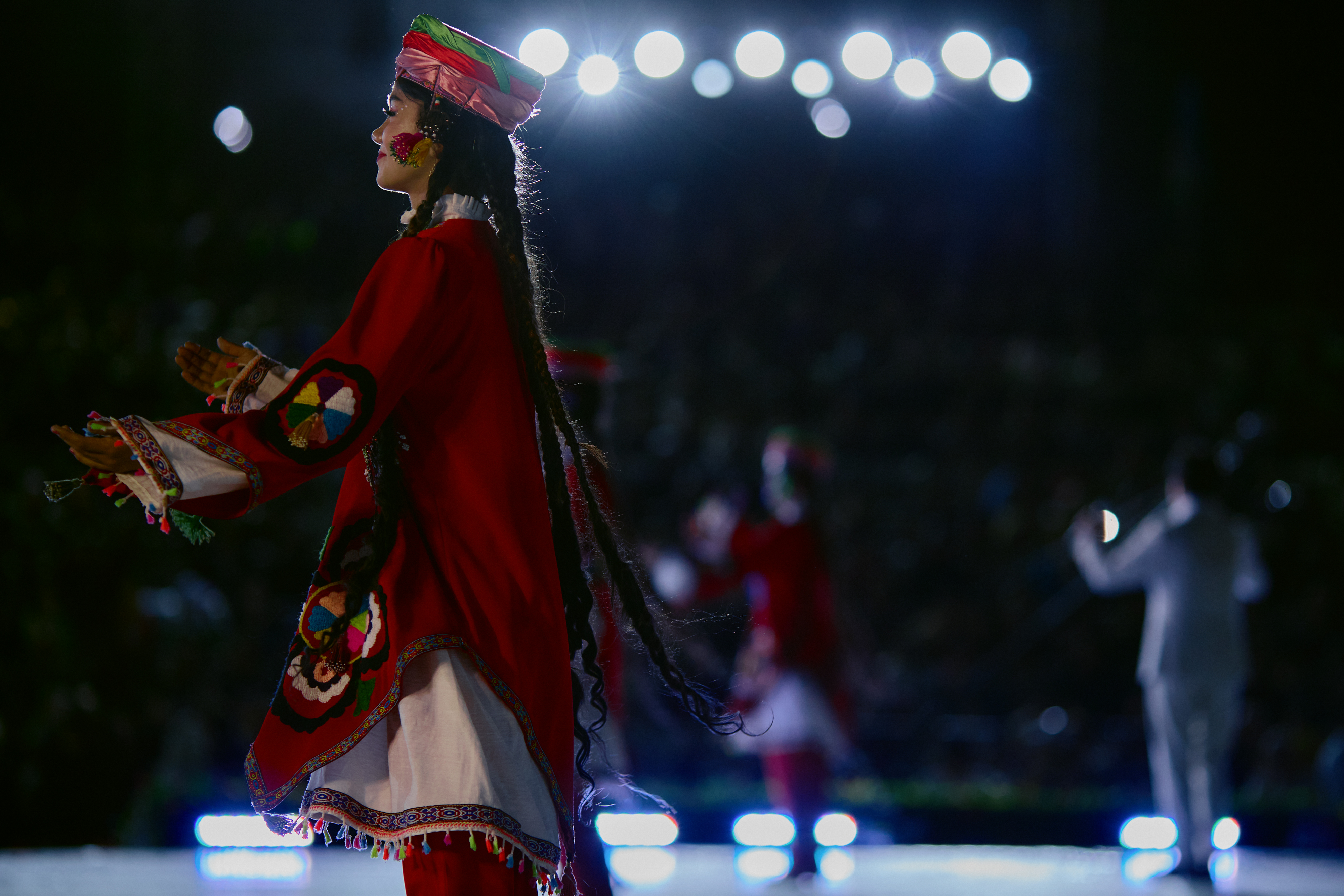 Photo: Ildar Sadykov and Sergey Poghosyan
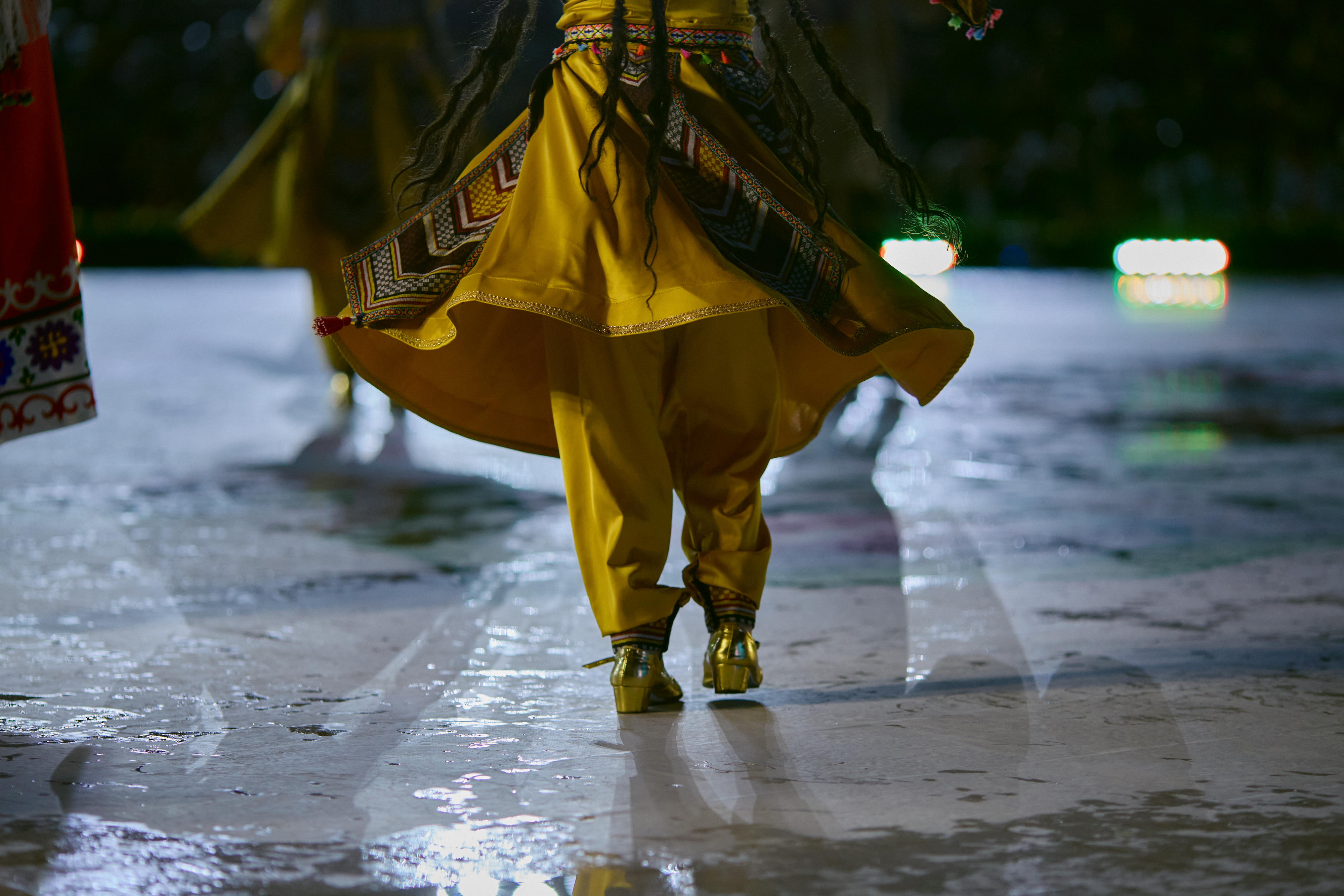 Photo: Ildar Sadykov and Sergey Poghosyan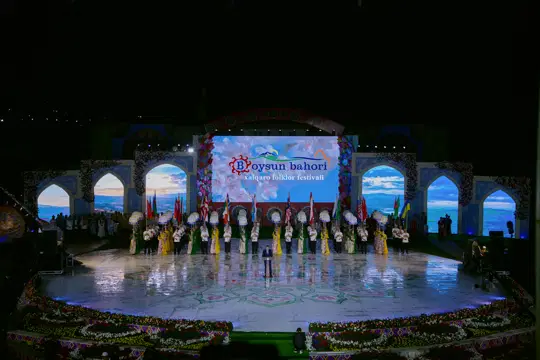
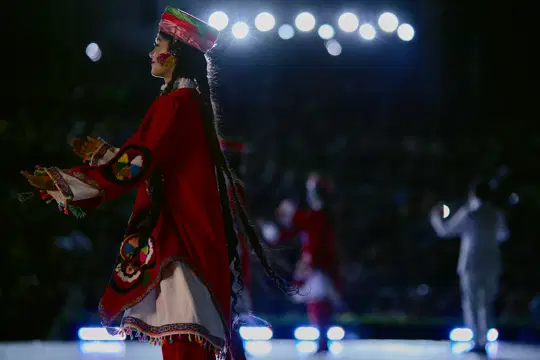
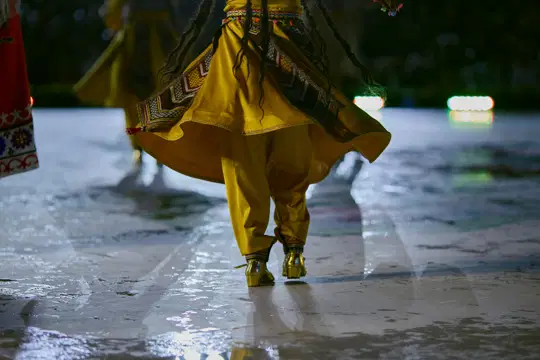
It is hardly surprising, then, that the region’s culture represents a fusion of eras and traditions inherited from the peoples of the Silk Road: Turkic and Iranian customs, nomadic and settled ways of life, Islam, Buddhism, Zoroastrianism and ancient belief systems. Baysun, more than any other district, has preserved this layered heritage accumulated over centuries at the meeting point of civilisations, from epic storytelling and music to rituals, clothing and crafts.
The festival’s mission is not only to preserve this heritage, but also to revive lost traditions and explore aspects of culture that remain little studied, presenting them to the world with pride.
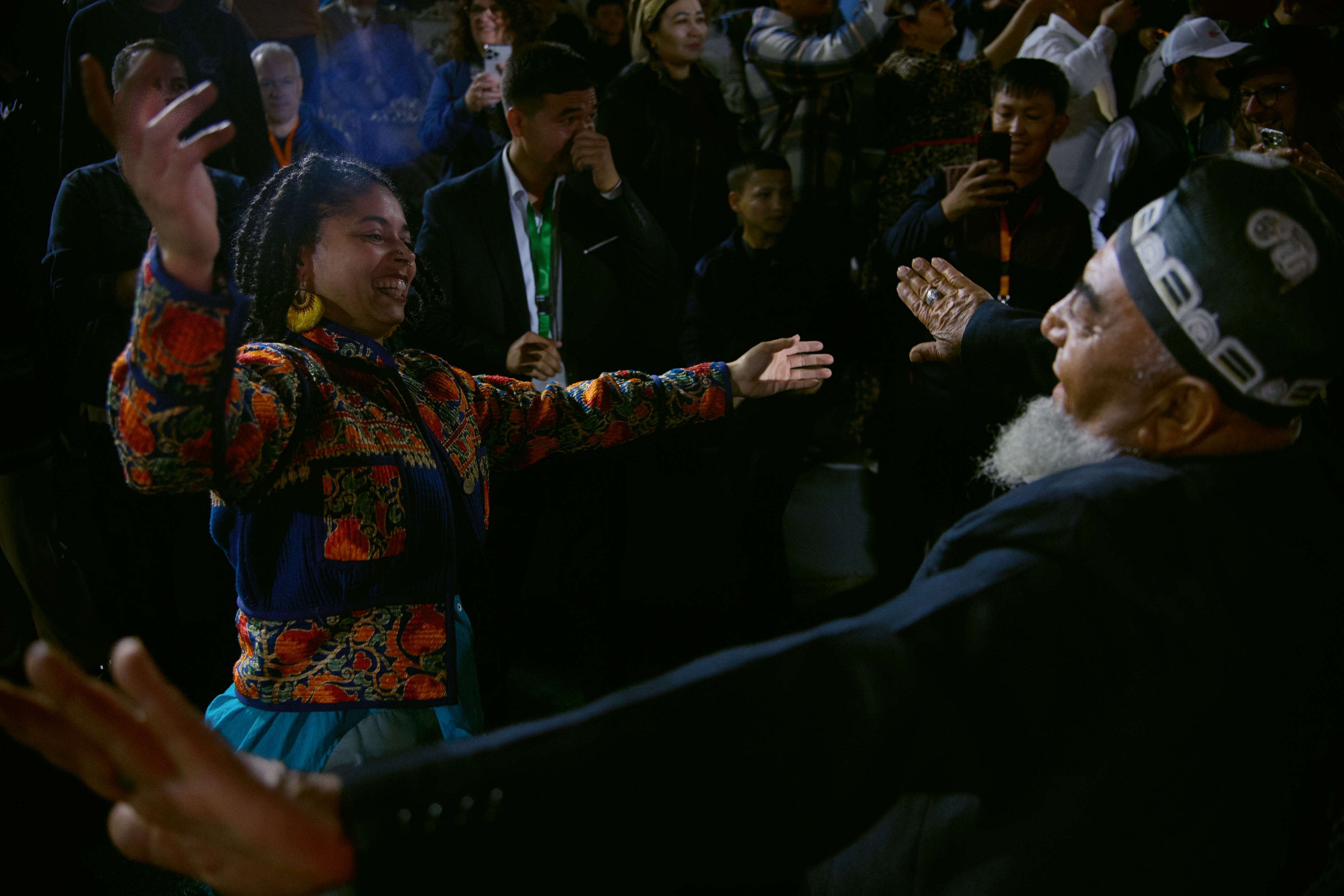 Photo: Ildar Sadykov and Sergey Poghosyan
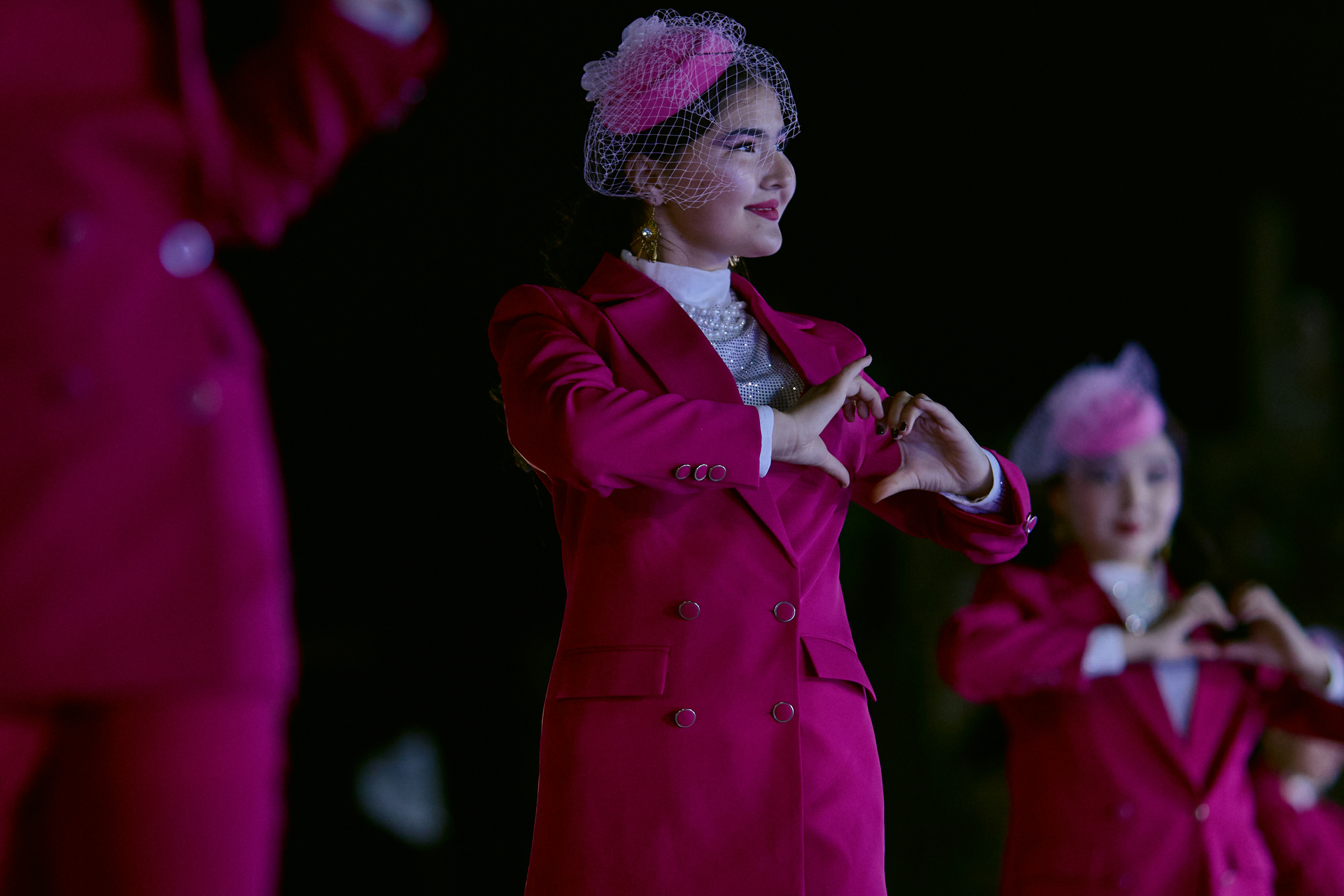 Photo: Ildar Sadykov and Sergey Poghosyan
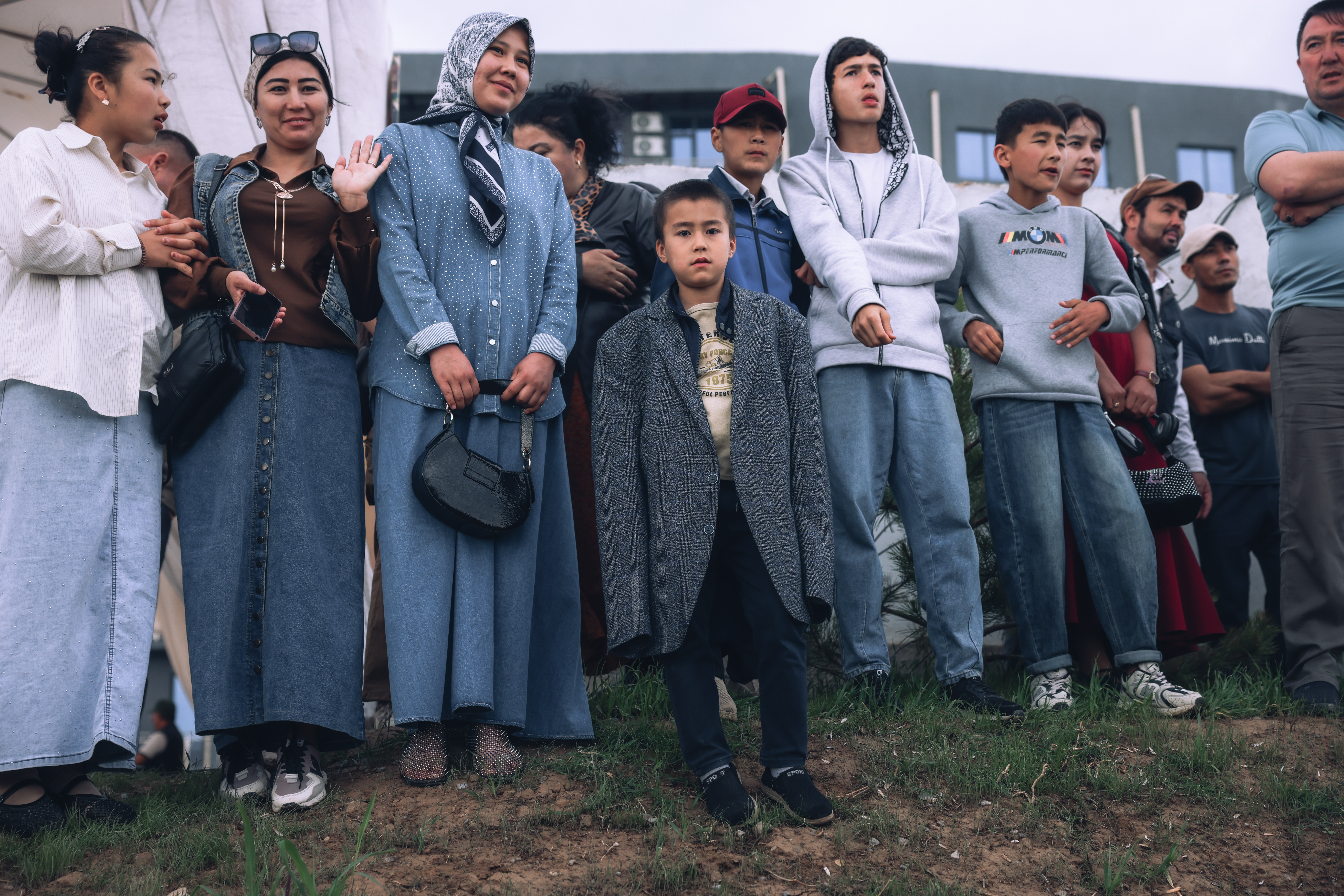 Photo: Ildar Sadykov and Sergey Poghosyan
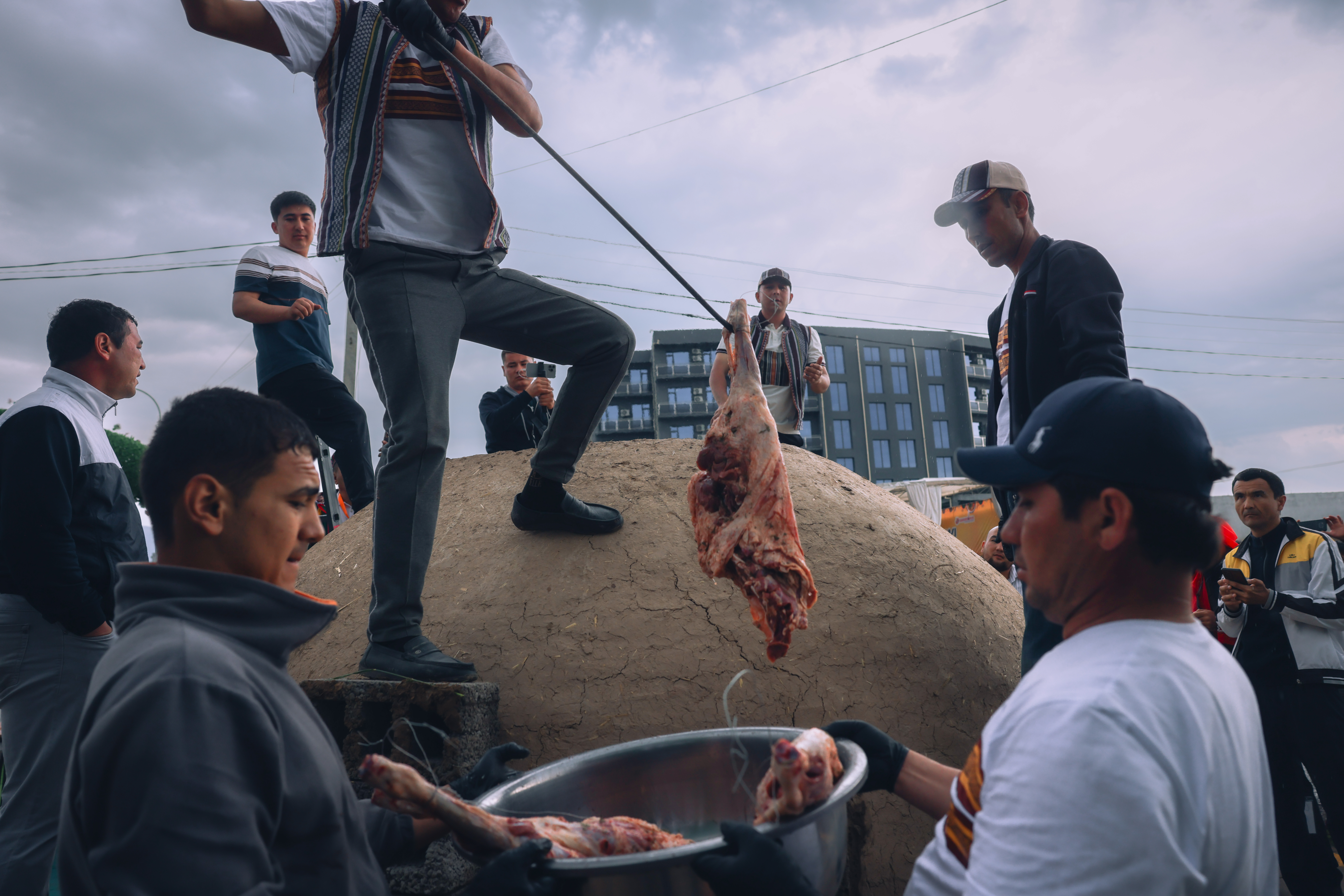 Photo: Ildar Sadykov and Sergey Poghosyan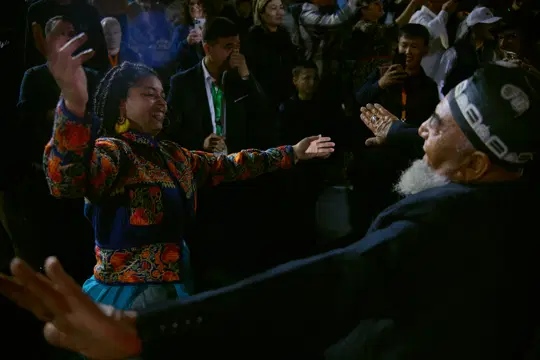
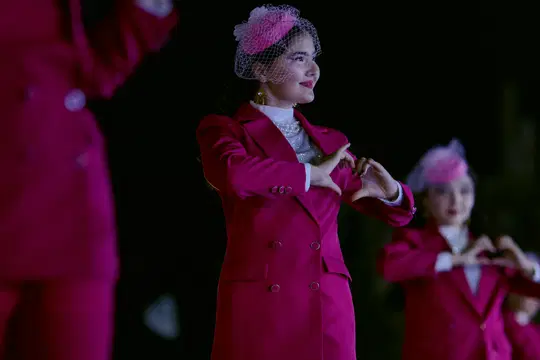
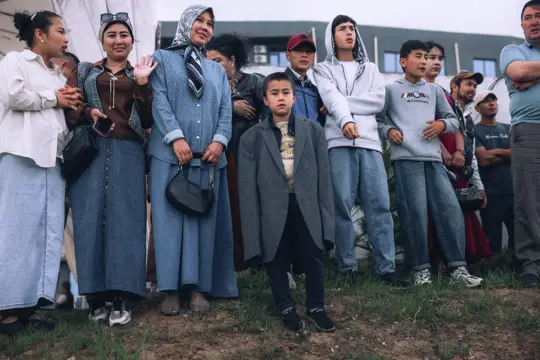
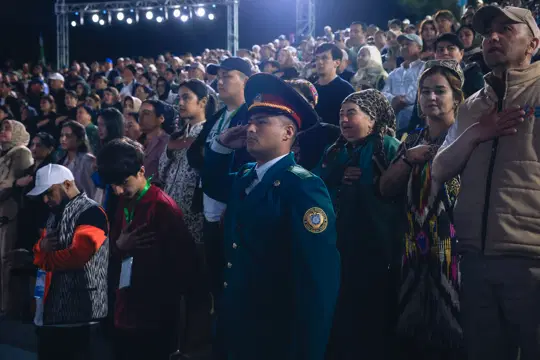
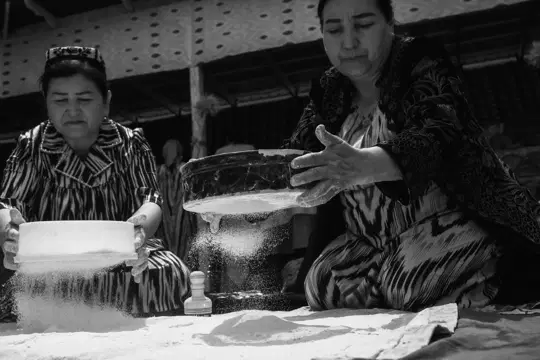
Most of the celebrations take place in the Baysun Bahori amphitheatre park, where the official opening ceremony and performances by folklore ensembles from around the world are held. Every region of Uzbekistan and each district of Surkhandarya presents its own pavilion, traditionally filled with handicrafts and local food.
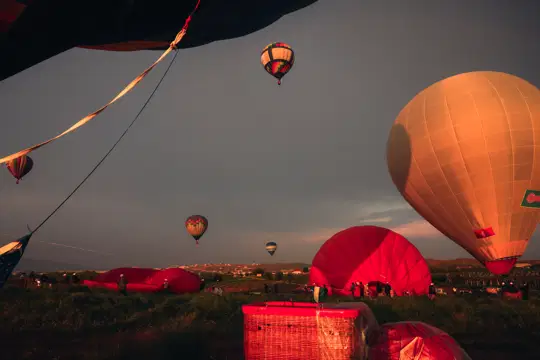
On the festival’s second day, organisers planned to launch 32 hot-air balloons into the sky, a record number for Uzbekistan. However, only seven took off, as many pilots lacked the required licences. Even so, the scale of the event remained unmistakable.
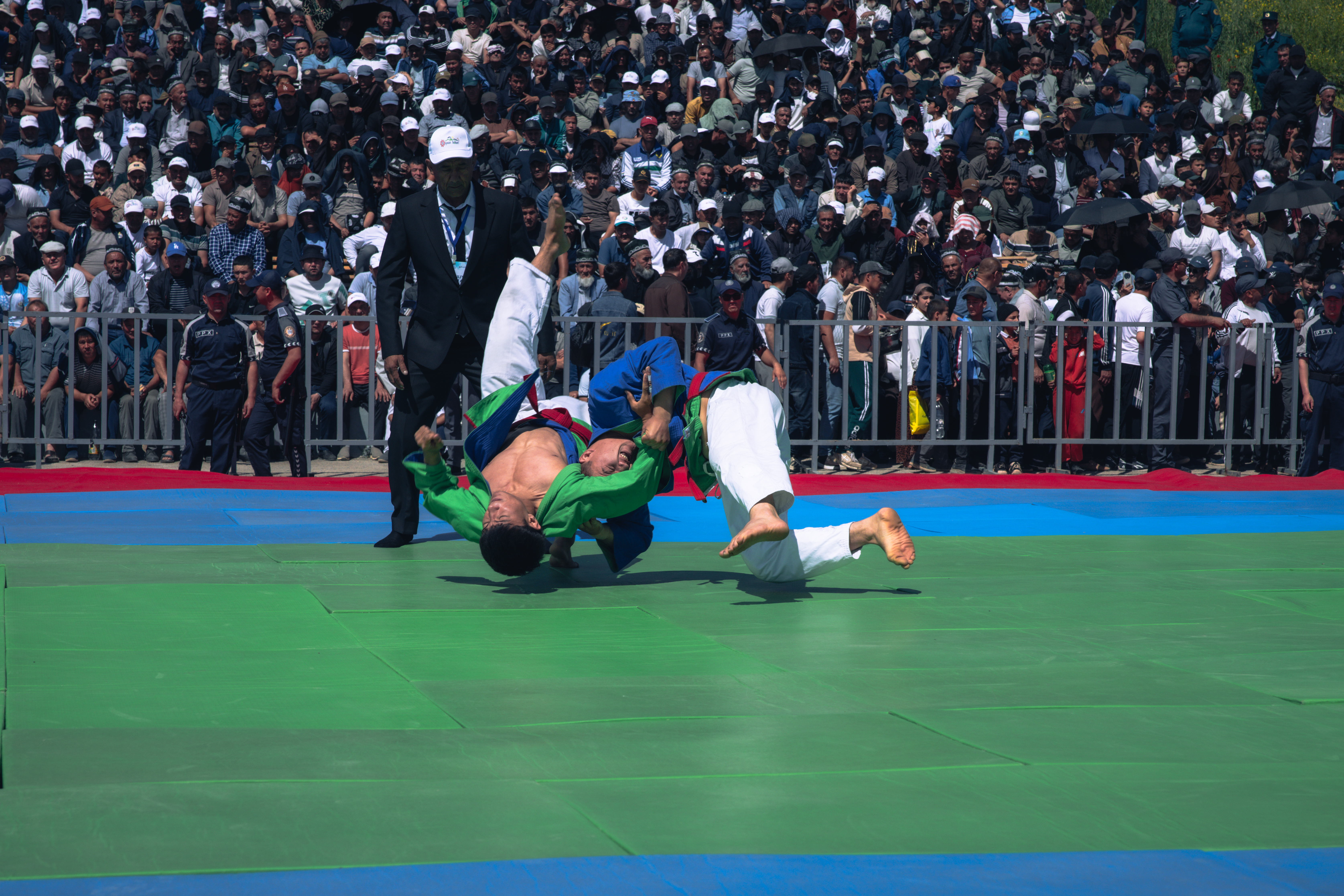 Photo: Ildar Sadykov and Sergey Poghosyan
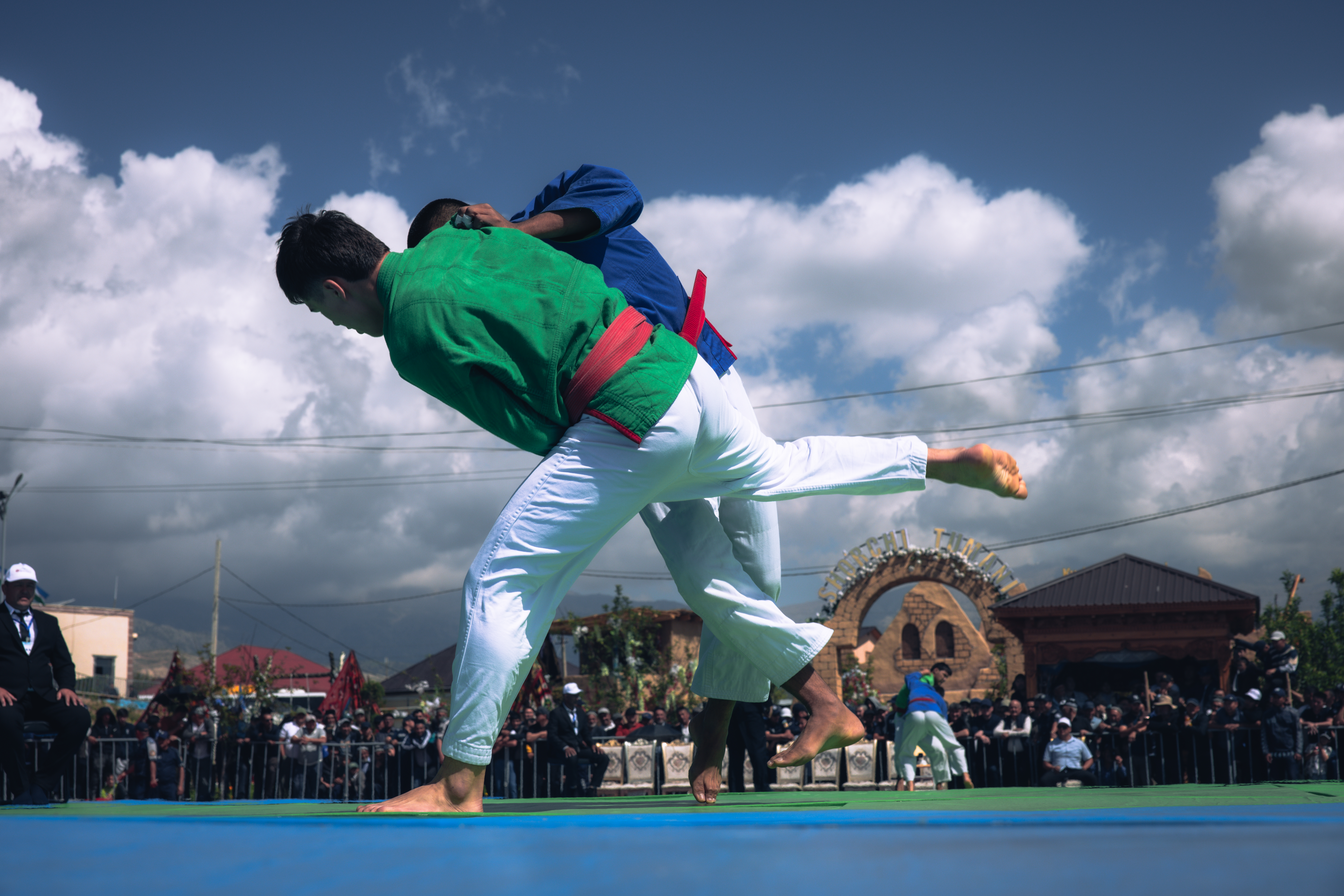 Photo: Ildar Sadykov and Sergey Poghosyan
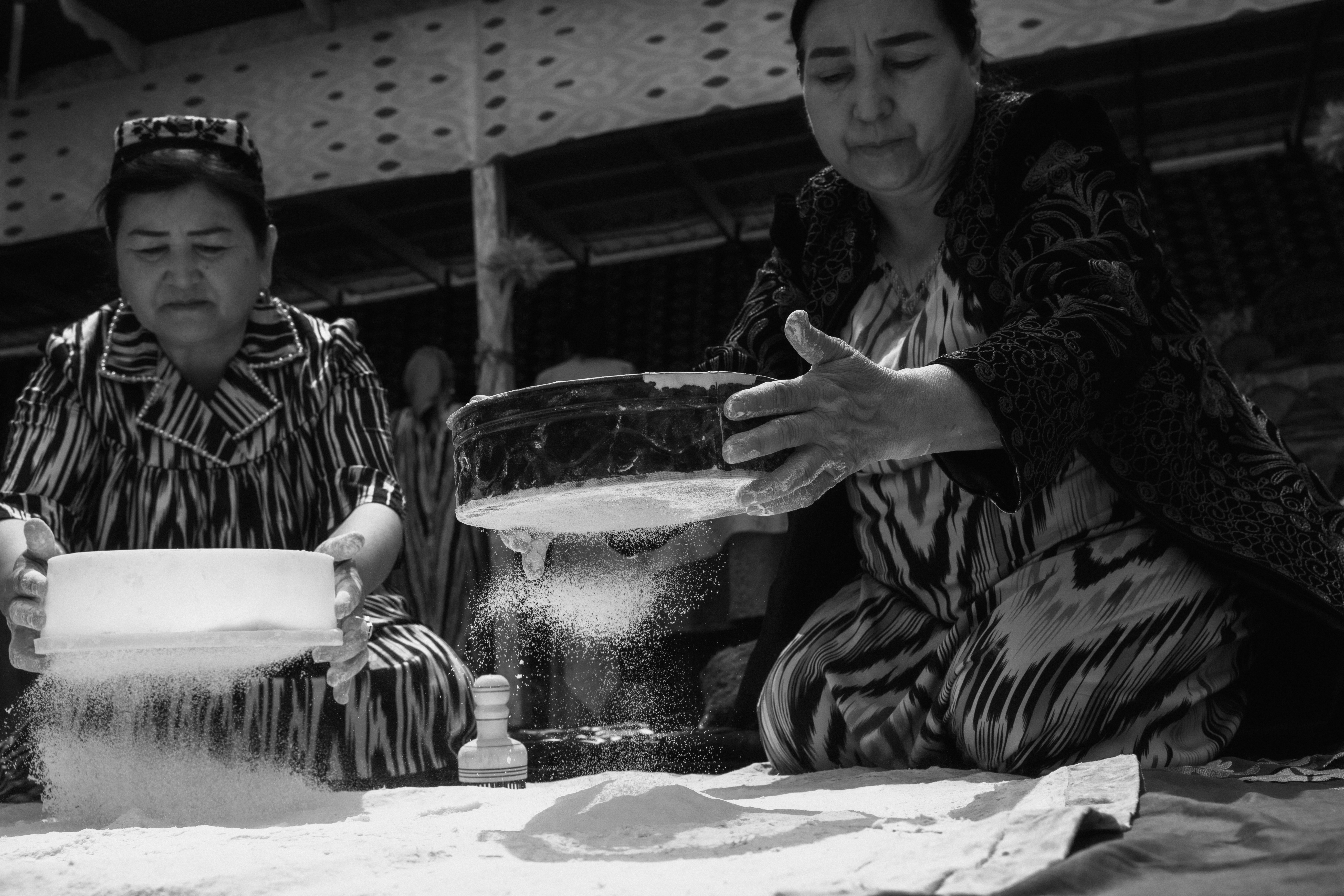 Photo: Ildar Sadykov and Sergey Poghosyan
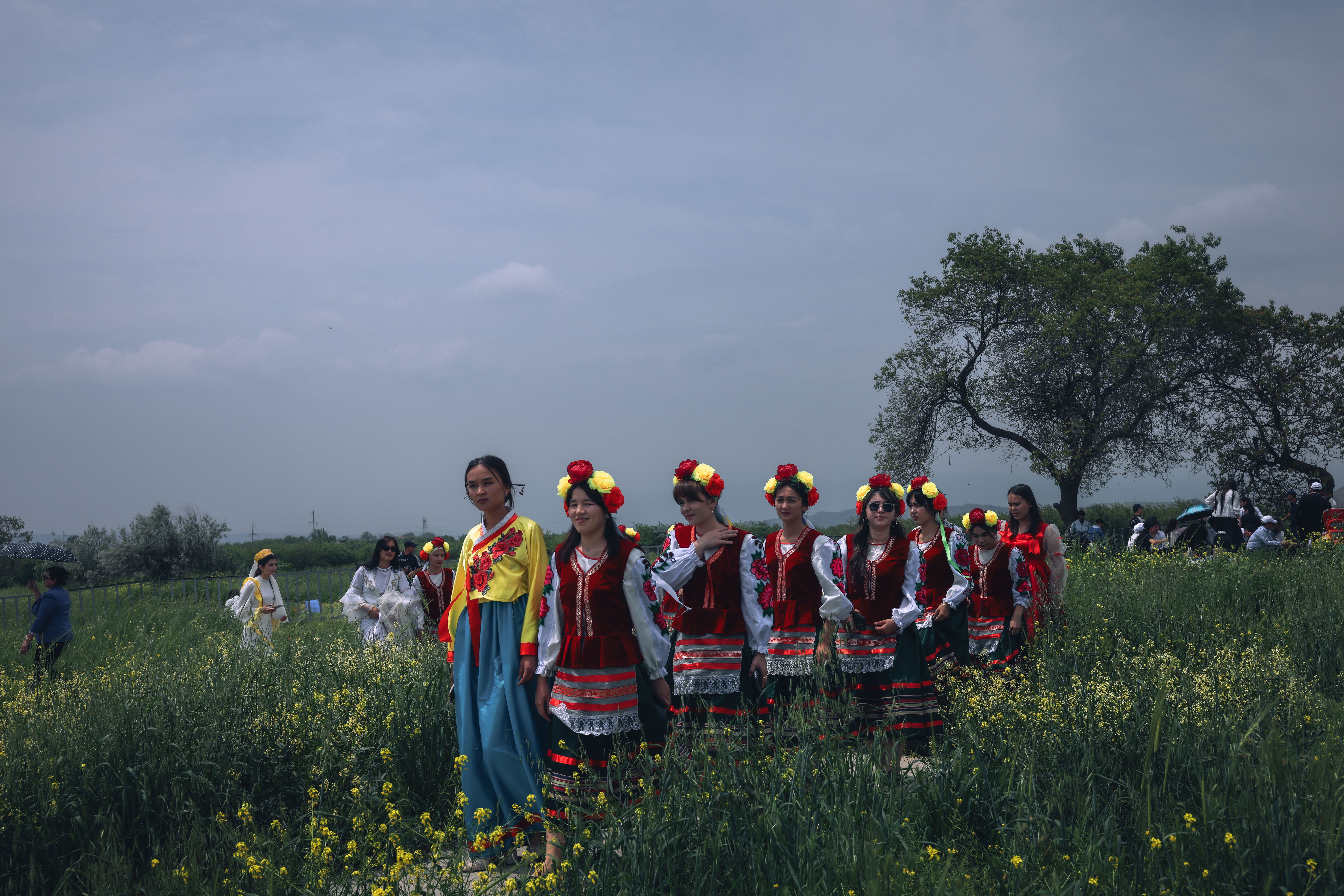 Photo: Ildar Sadykov and Sergey Poghosyan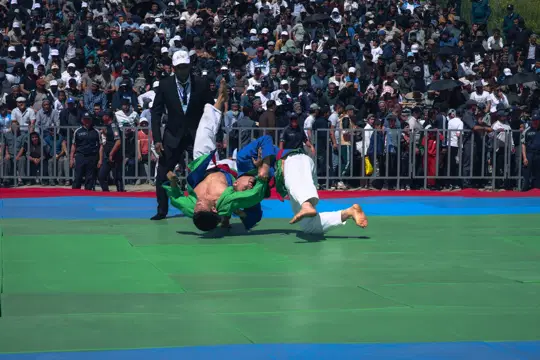
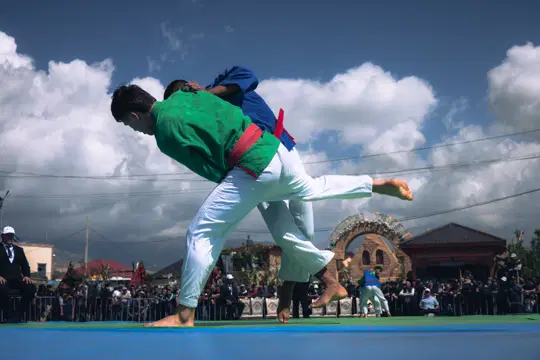
The third day featured major national kurash wrestling competitions, one of Uzbekistan’s most popular traditional sports. Young athletes from across the country took part, and the contests lasted all day. In my view, kurash generated the greatest excitement among spectators. There was not enough space for everyone: elderly men sat for hours on the hills surrounding the arena, remaining there under the blazing sun. The reward was worth it: the winner received a Chevrolet Cobalt.
Ildar Sadykov
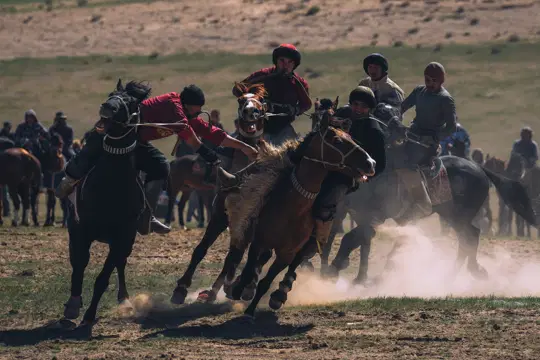
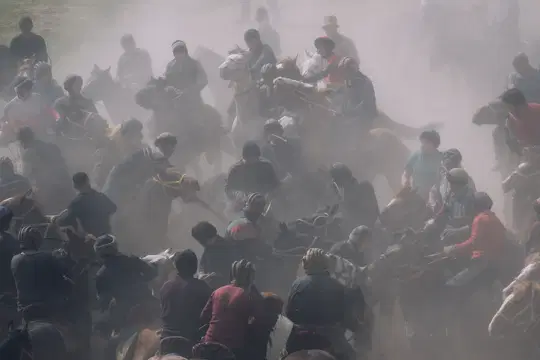
Traditional sports enjoy particular respect in Surkhandarya. One of them is kupkari, a traditional horseback competition held during the same days in a village near Baysun.
A combined circus performance featuring acrobats and strongmen from three regions of the country drew large crowds on the festival’s third day.
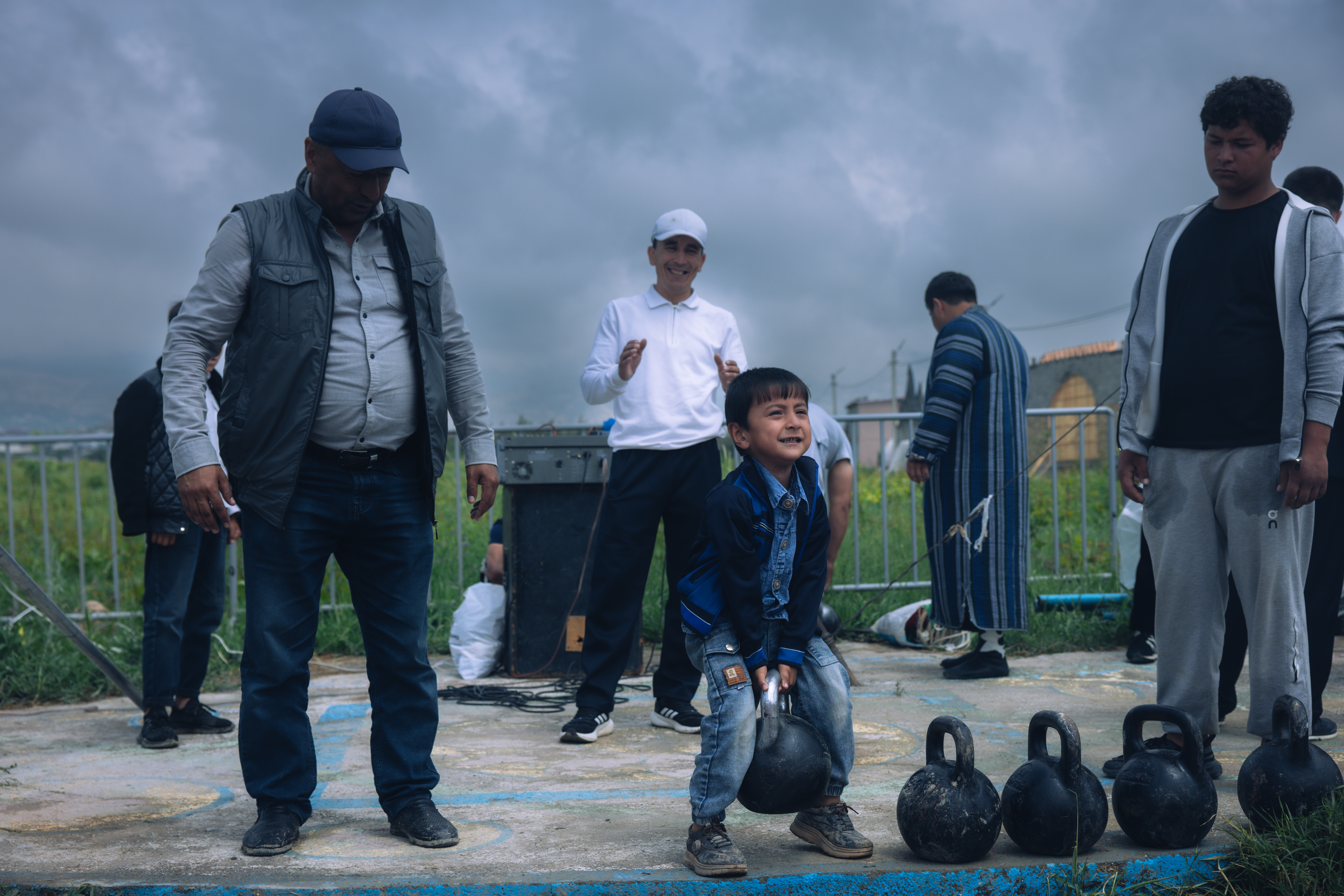 Photo: Ildar Sadykov and Sergey Poghosyan
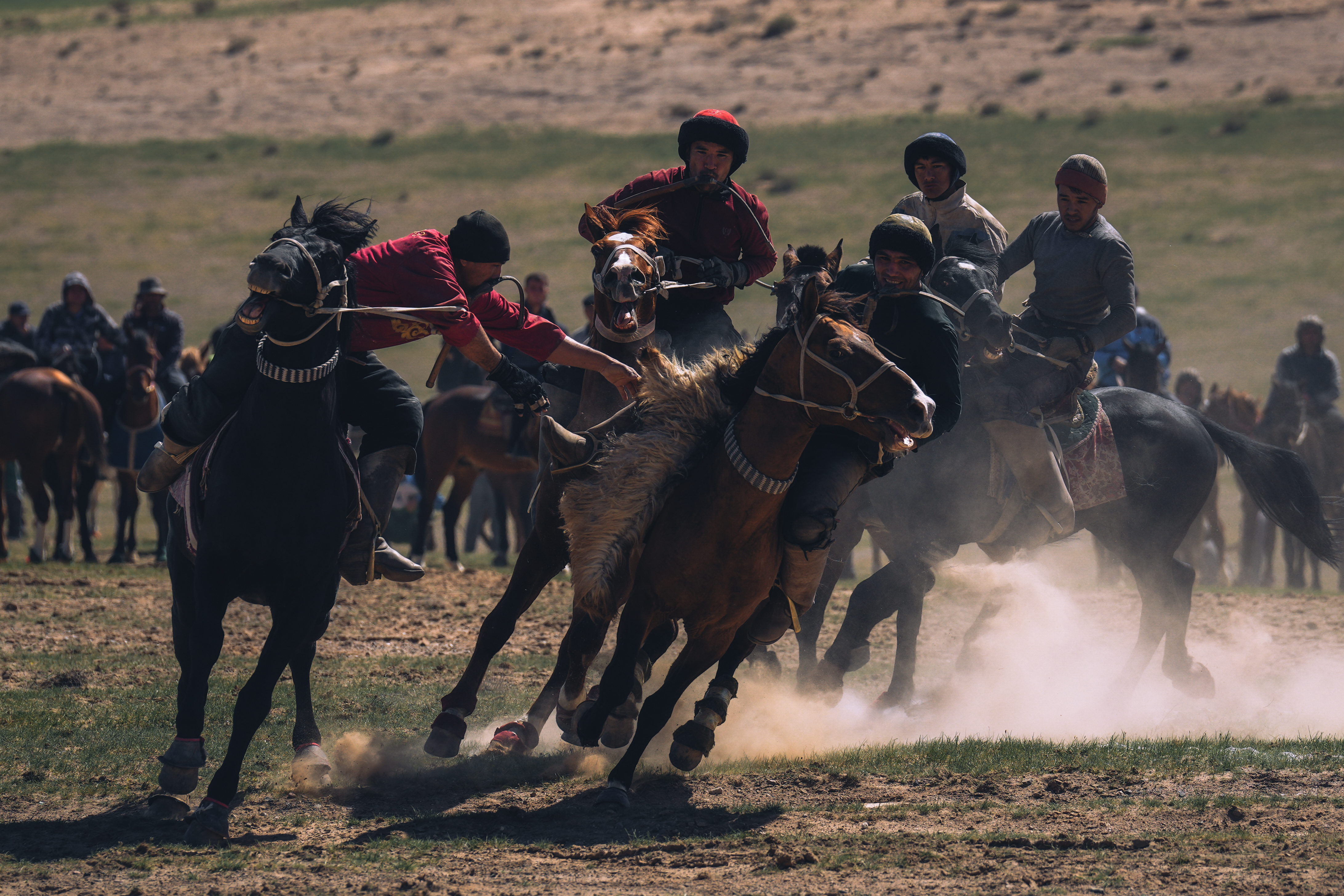 Photo: Ildar Sadykov and Sergey Poghosyan
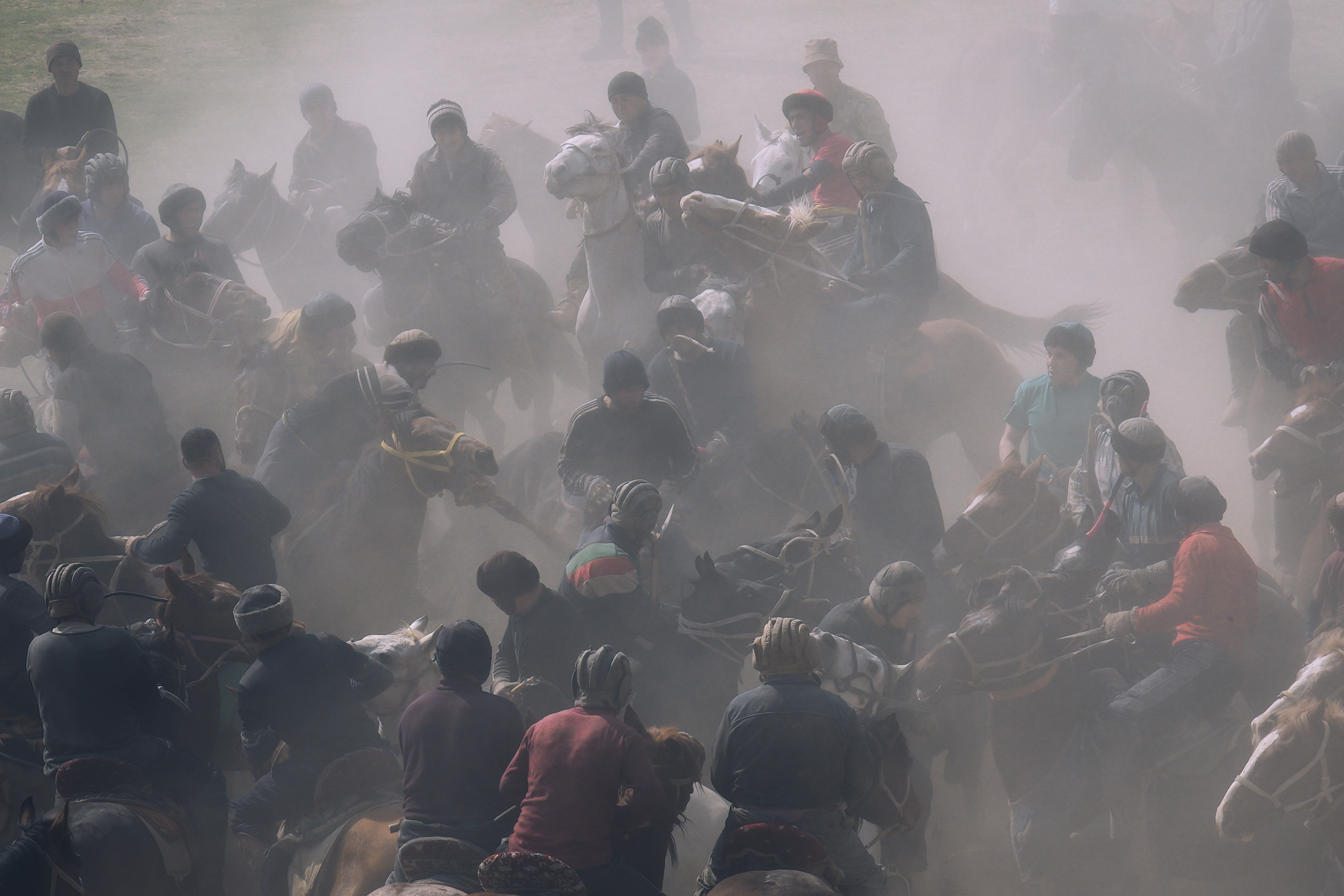 Photo: Ildar Sadykov and Sergey Poghosyan
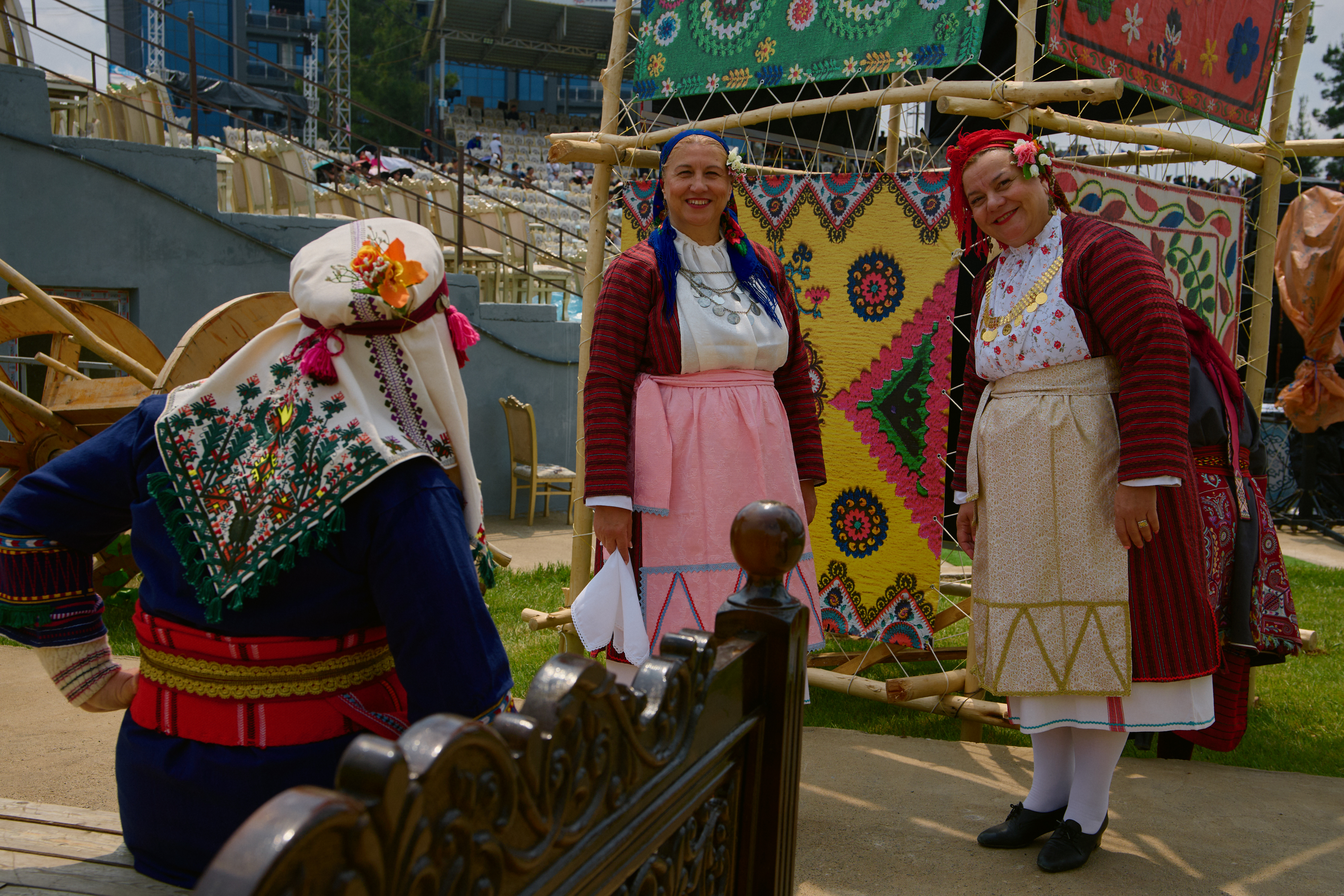 Photo: Ildar Sadykov and Sergey Poghosyan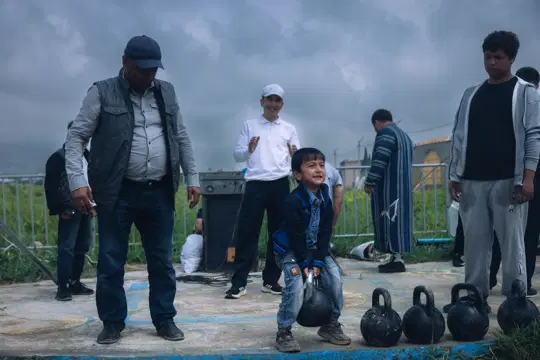
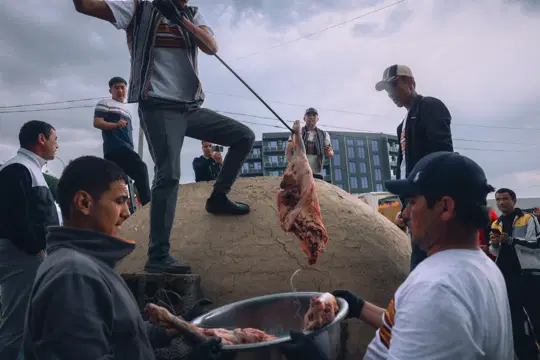
Another festival record belonged to the cooks: the world’s largest tandyr oven was used to prepare tandyr kebab from ten sheep, twenty chickens and five turkeys. Not only festival participants but also ordinary Baysun residents had the chance to taste it. At least those who were quick enough.
The festival brought together international participants from neighbouring countries, as well as from Europe, including Belgium, Hungary and the United Kingdom, and from Asia and Africa, including Pakistan, Tunisia and Japan. They included performers, members of folklore ensembles and master artisans. The participants performed in the amphitheatre throughout the festival’s three days, and all received prizes. The Grand Prix was awarded to a folk group from Surkhandarya.
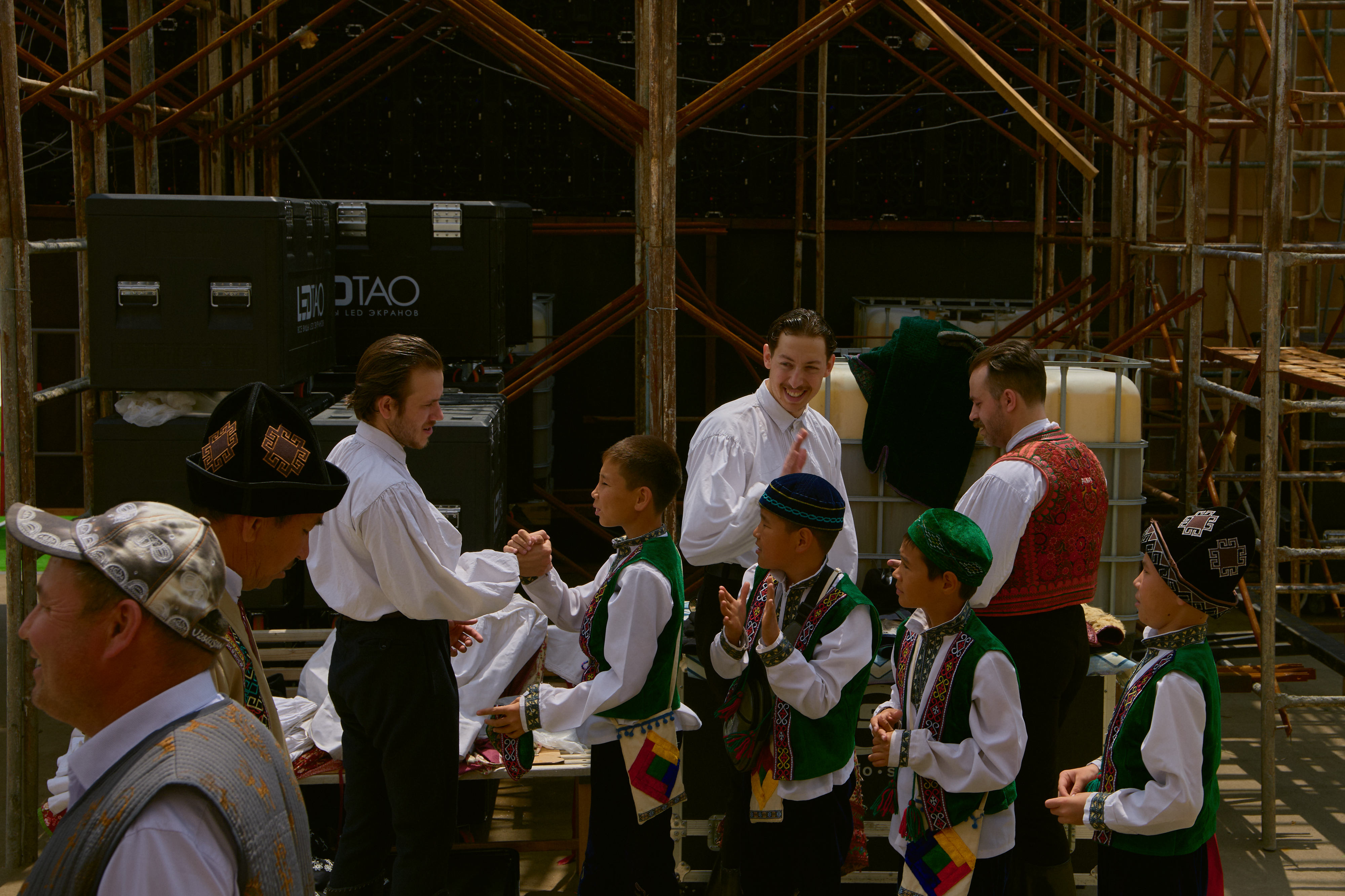 Photo: Ildar Sadykov and Sergey Poghosyan
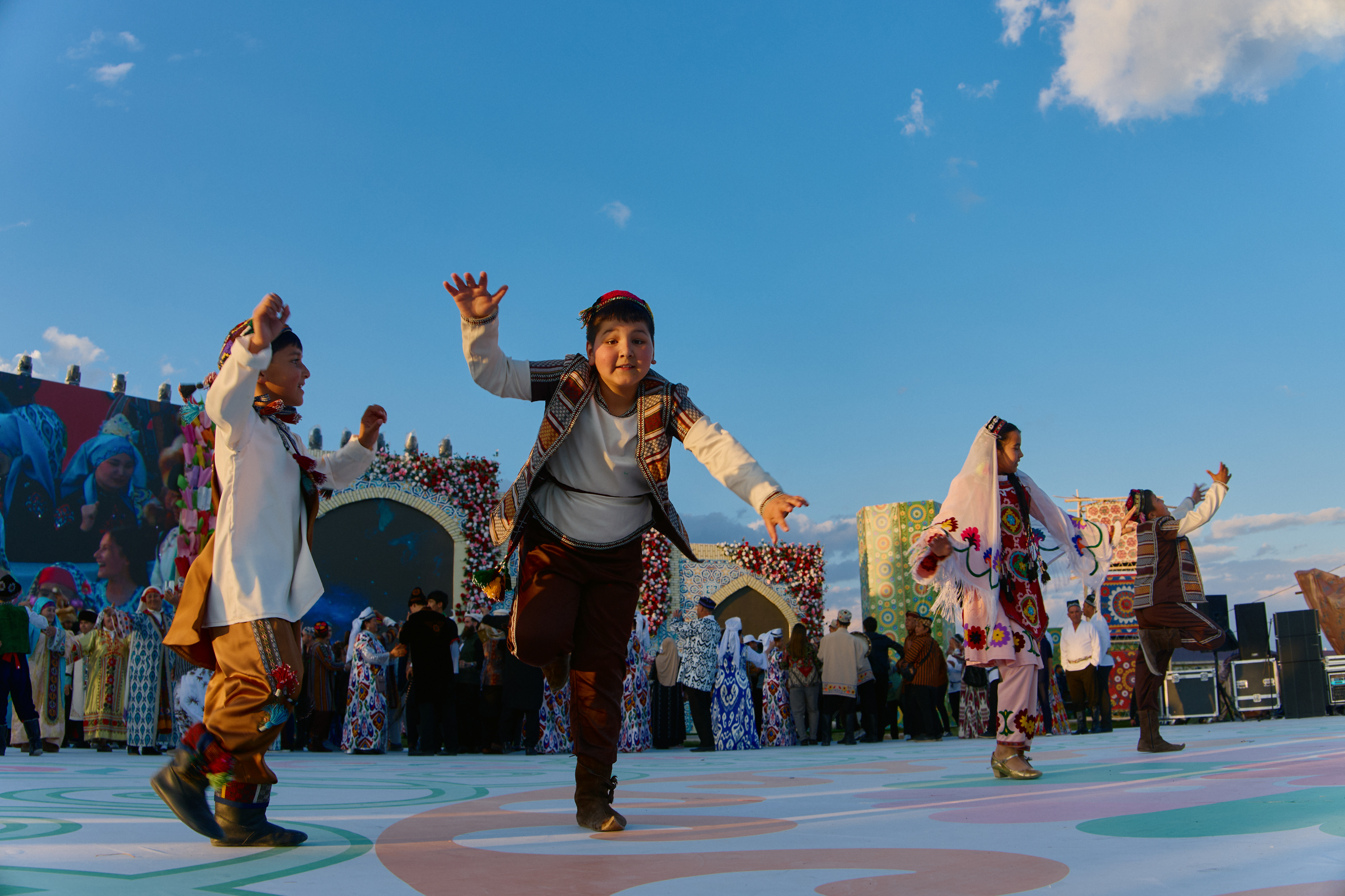 Photo: Ildar Sadykov and Sergey Poghosyan
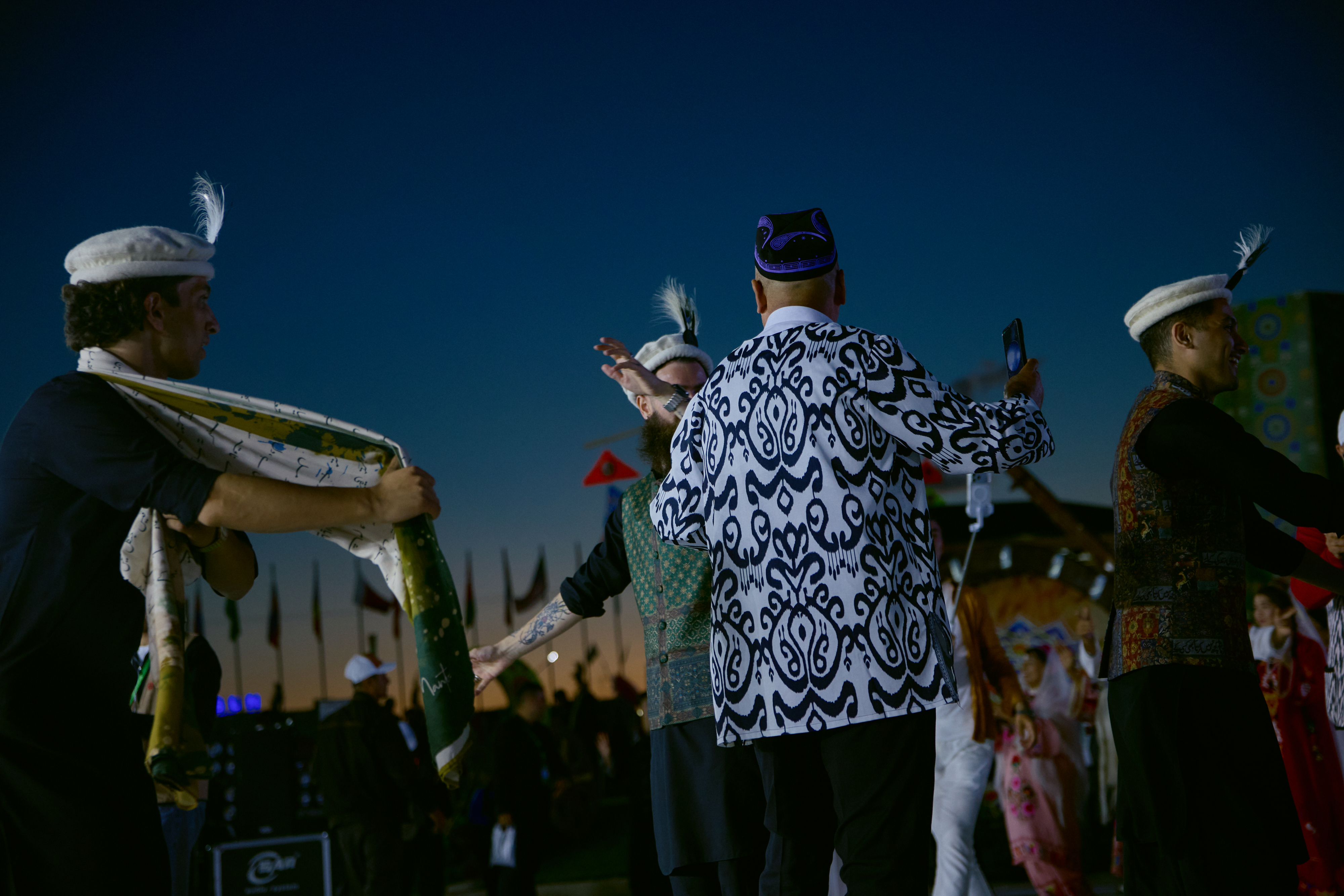 Photo: Ildar Sadykov and Sergey Poghosyan
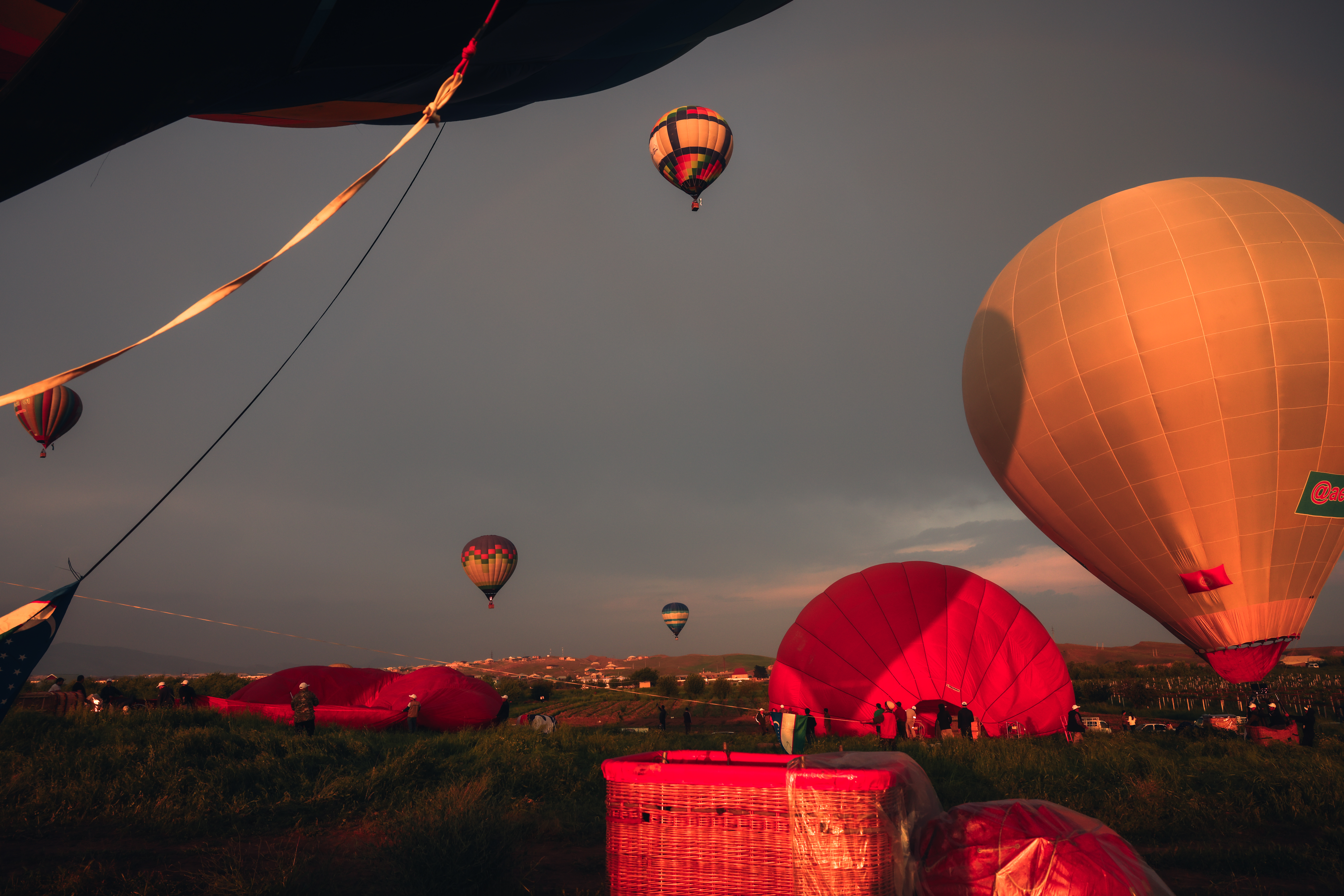 Photo: Ildar Sadykov and Sergey Poghosyan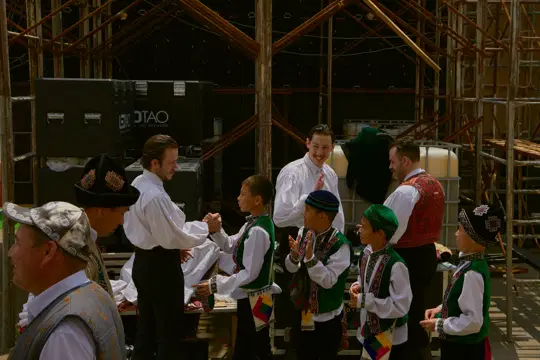
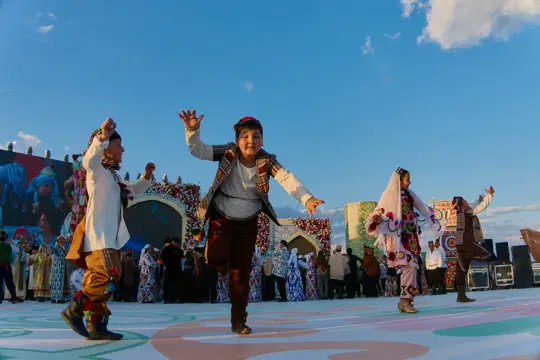
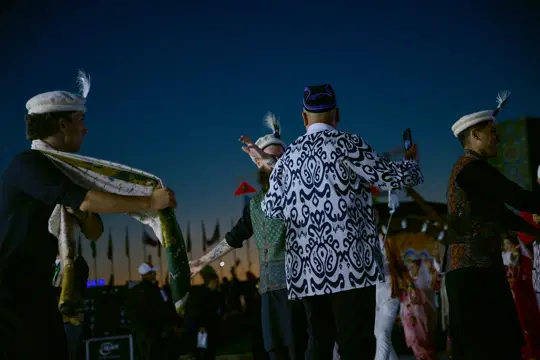
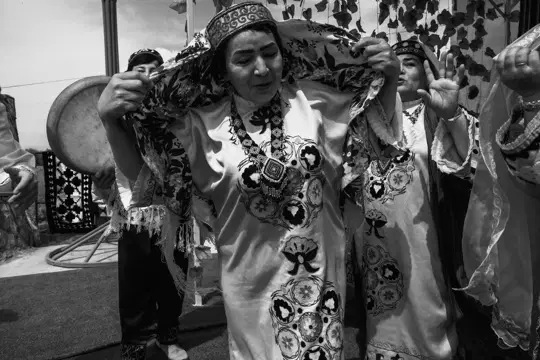
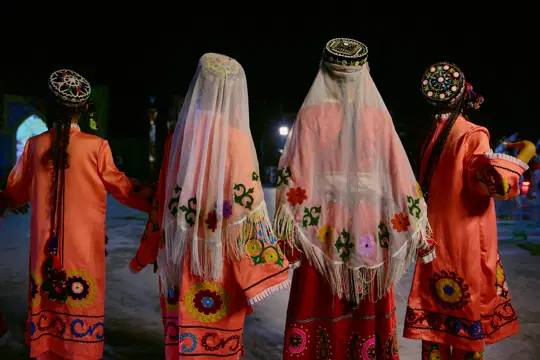
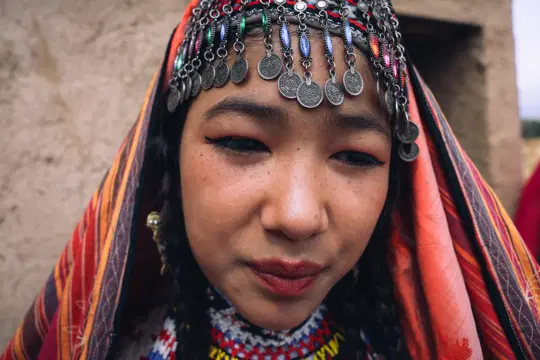
One of the most memorable and symbolically rich elements of Surkhandarya culture is undoubtedly traditional costume. As we wrote previously:
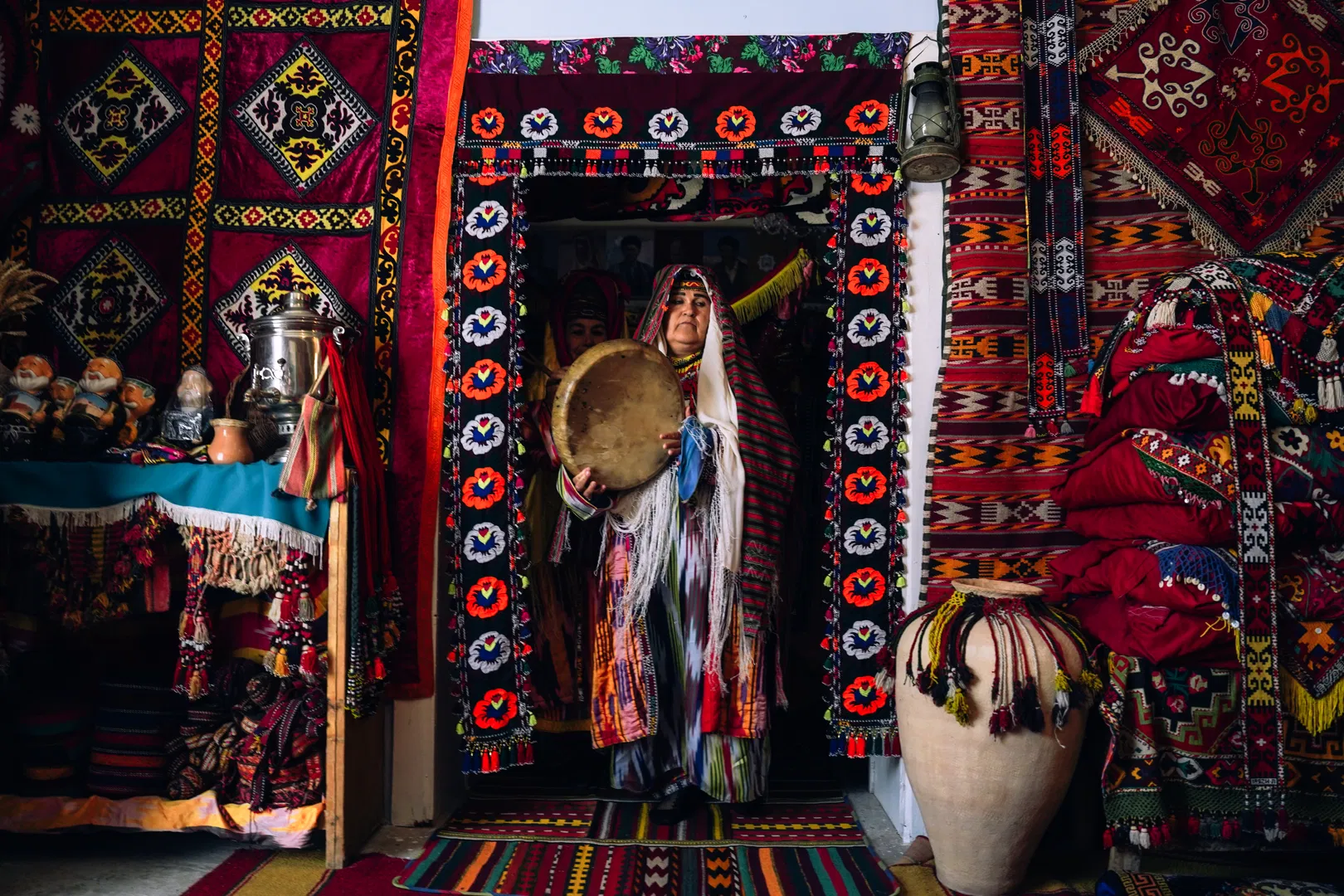
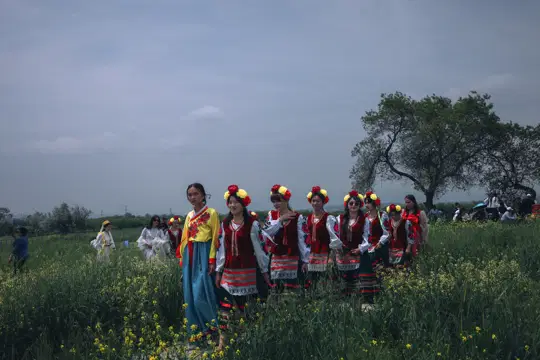
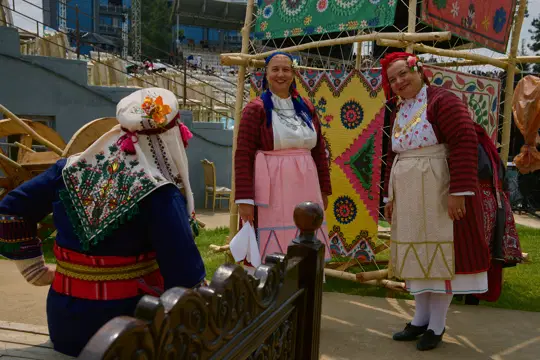
One of the festival’s defining features is the extraordinary variety of traditional dress. Perhaps it is this vivid colour and unmistakable character that draw so many visitors here, while for the people of Surkhandarya it remains part of everyday life.
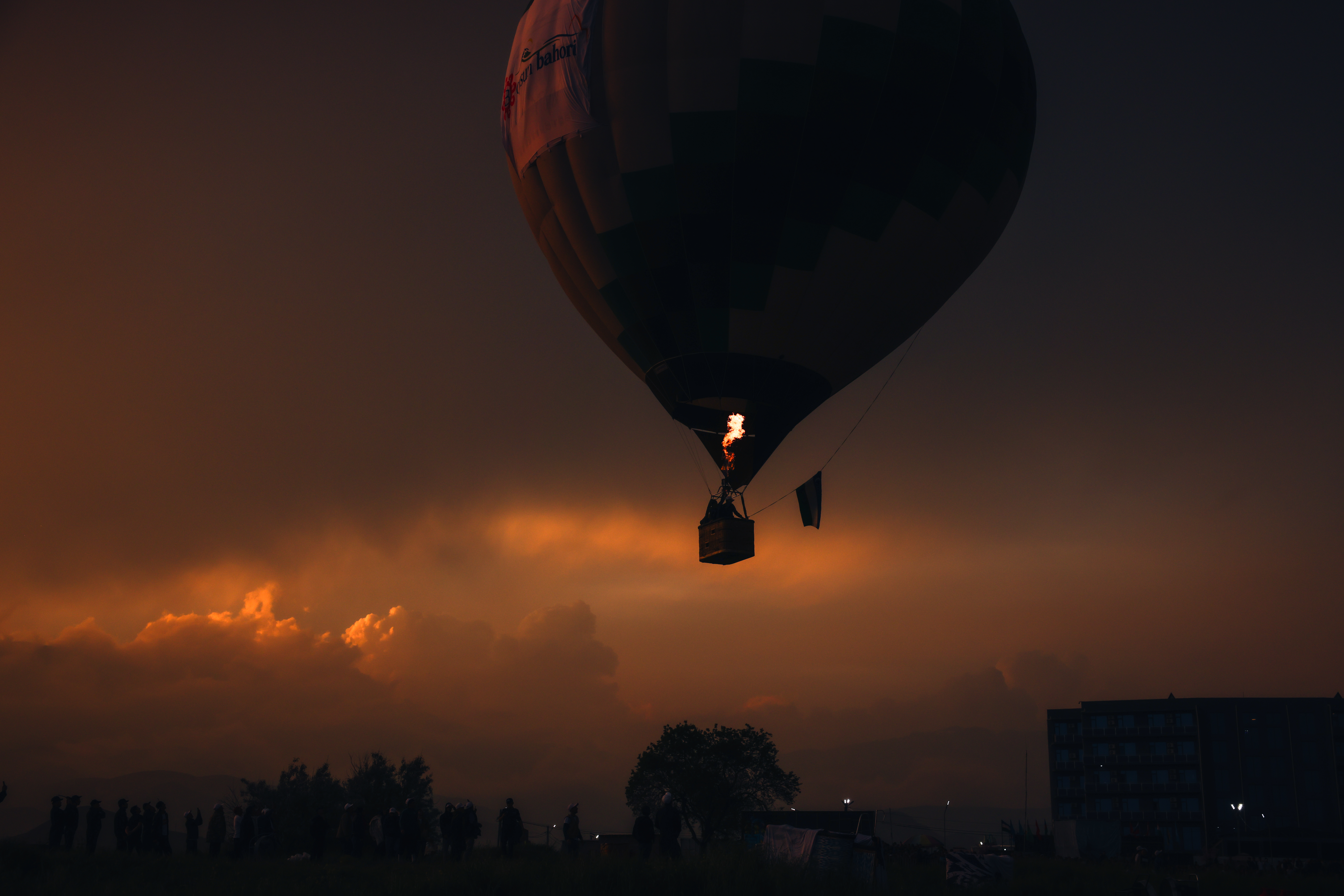 Photo: Ildar Sadykov and Sergey Poghosyan
We captured a great many images of traditional dress. It feels as though it would take half a lifetime to study the countless symbols embedded in these costumes. I wanted to ask questions and learn more. I was struck by how naturally every element of ethnic dress suits the women of Surkhandarya, girls, young women and elderly ladies alike. The same applies to the men. The signs embroidered here on suzani textiles, as well as on festive and everyday clothing, preserve very ancient meanings.
Ildar Sadykov
Baysun Bahori is a major international celebration that has long brought worldwide recognition to this small town with its ancient history. Through the festival, people brought together by fiery ancient rhythms, warmed by the sun and captivated by the legends of this land grow closer to one another and immerse themselves in each other’s cultures.
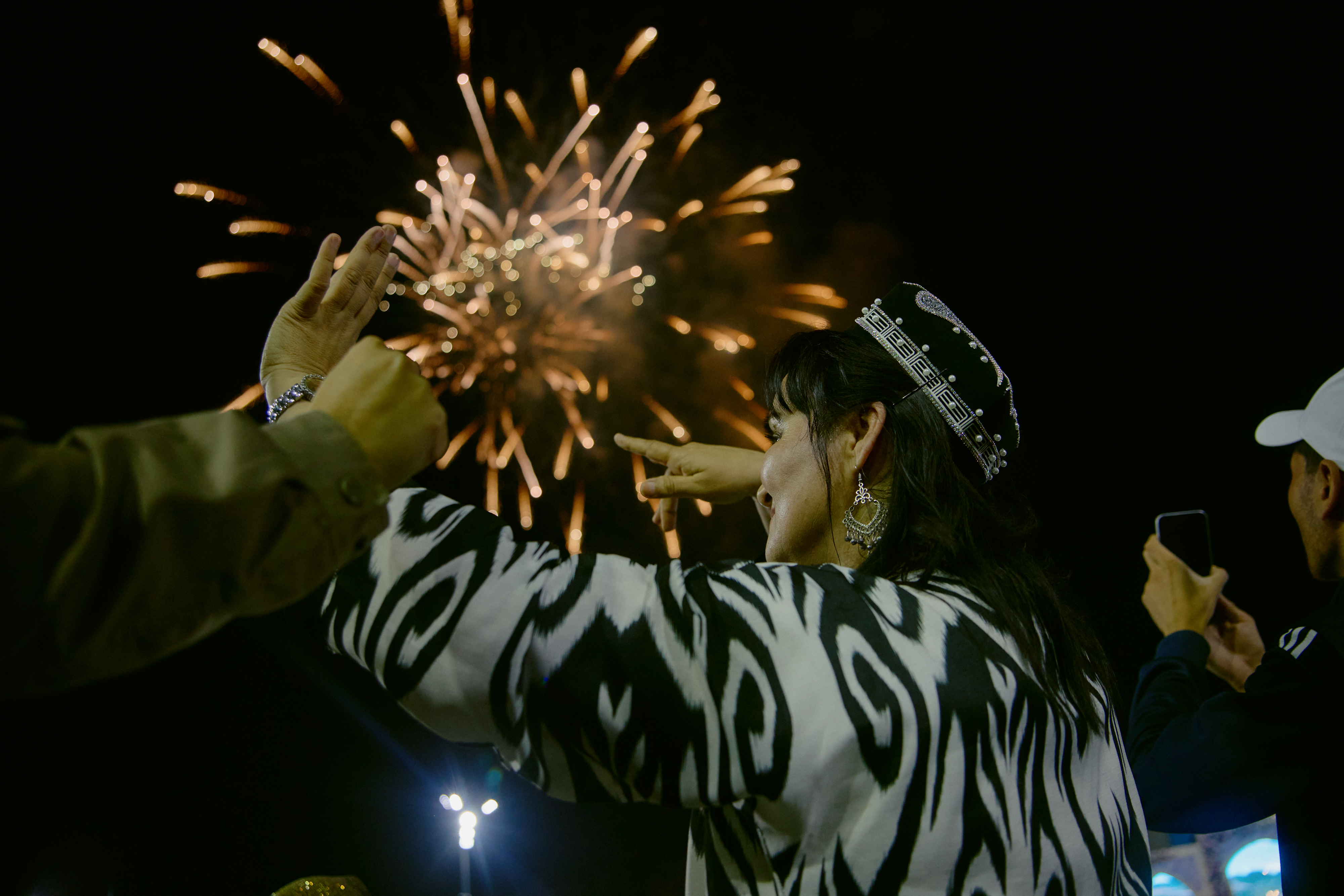 Photo: Ildar Sadykov and Sergey Poghosyan
Even without the culinary and sporting records, fireworks and hot-air balloons filling the skies above Baysun, Surkhandarya has every reason to take pride in its heritage, and the people of Uzbekistan in their roots. After attending a festival like this, one realises that we already possess everything needed to present ourselves to the world. Fully understanding the value of this heritage is simply a matter of time, and of the wisdom of future generations.


