We analyzed the changes in several cities of Central Asia and spoke with Akmal Abdullaev, an analyst for the UNDP project “Enhancing the Resilience of Cities to Disaster Risks and Climate Change in Central Asia” and an expert of the Association of Young Architects of Uzbekistan, to understand whether the new appearance of the cities meets the needs of modern times from an urban planning perspective.
Today, dozens of projects are simultaneously underway in Central Asia: in some places, new neighborhoods with parks and embankments are being built, while elsewhere old fortresses, museums, and palaces are being transformed into modern cultural centers. Such initiatives show how the region's cities are rediscovering themselves for the world, turning from forgotten provinces into attractive tourist destinations.
Let’s look at how Shymkent, Fergana, Astana, Turkestan, Almaty, and Chirchik found their own paths to renewal and what these transformations have in common.
New Shymkent: the modern Shymkent City district
 Источник: akorda.kz
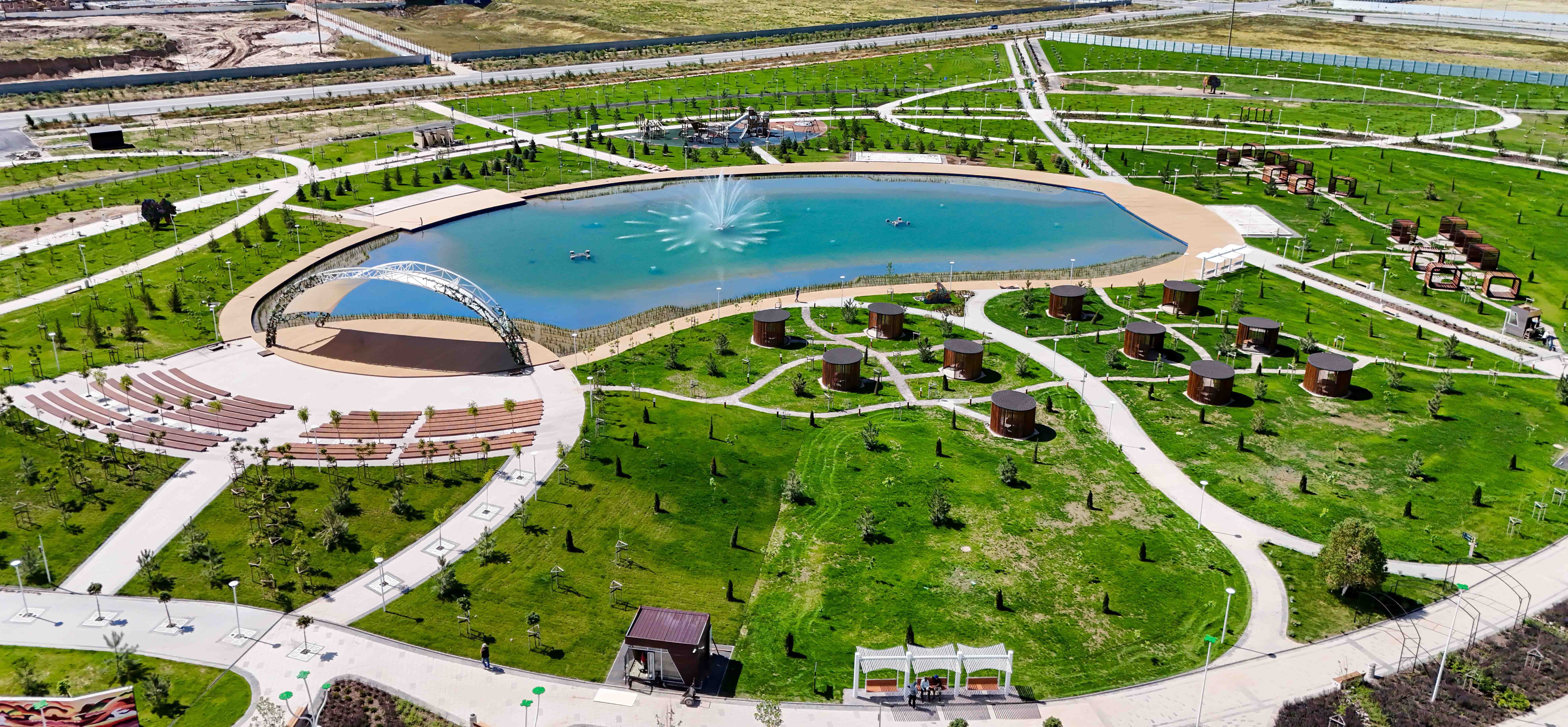
Shymkent is one of the largest cities in Kazakhstan and is actively growing today. In the north of the city, several years ago they began to build a new district, Shymkent City, where more than 50,000 people will be able to live. The project covers more than 400 hectares: here they are constructing housing, schools, kindergartens, and social facilities. It is planned that the district will become a true "city within a city" with its own business, cultural, and sports life.
A Congress Hall with two thousand seats for concerts and forums will appear in the center of the district. Nearby, the large sports complex "Shymkent Arena" is being built, and a 49-hectare park with paths and play areas is being created for residents to relax. The new park will be connected to the A. Askarov Dendropark to form a long walking area. The district will be linked to the rest of the city by a new highway and public transport routes, so that it will be quick and convenient to reach the center.
Shymkent Fortress: from excavations to an open-air museum
 Источник: eurasia.travel
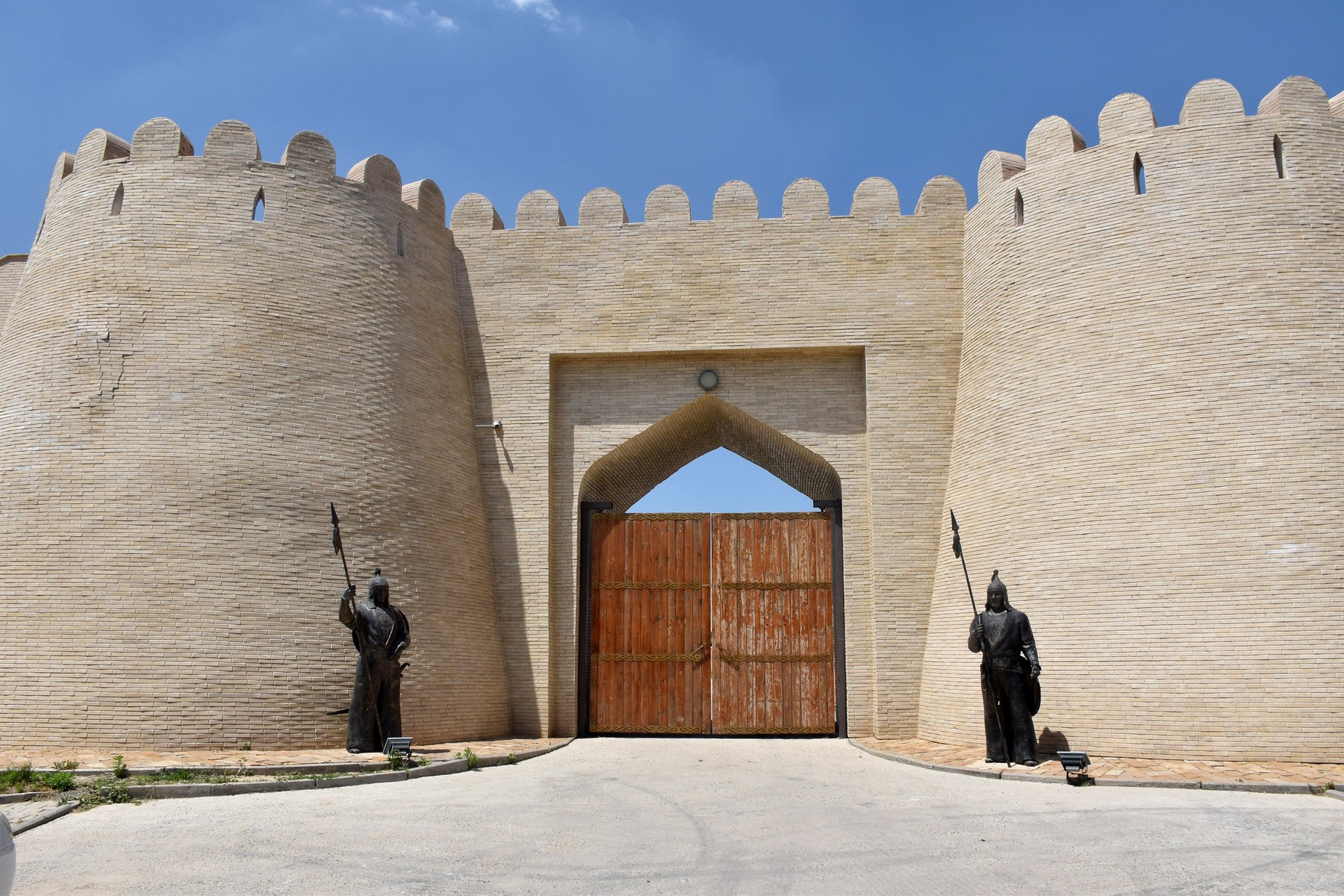
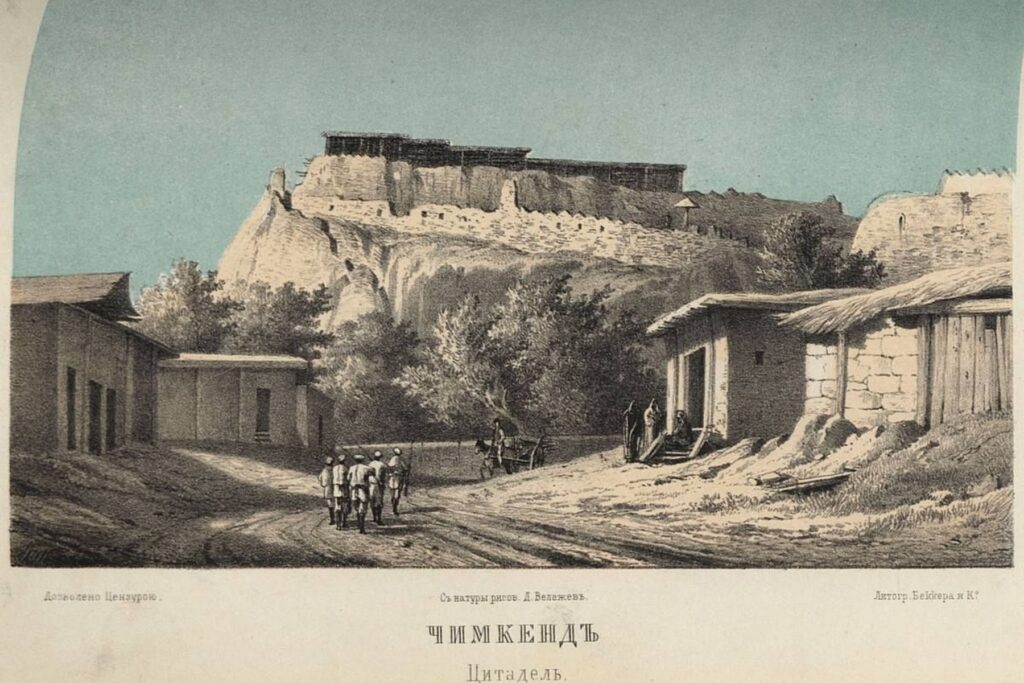
The historical center of Shymkent is also changing. The main attraction of the old city, the ancient citadel of Shymkent, for a long time looked like an abandoned hill near the market. It is about 2,200 years old. In 2017, it was decided to create an open-air museum here. Work began in 2018. In 2021, the Shymkala historical and cultural complex opened. Archaeologists studied the remains of walls, towers, and houses from different eras. Based on their data, fragments of the fortress, gates, elements of a caravanserai, and a medieval bazaar were restored. In the excavated houses, tandoor ovens and brick beds were left to show the daily life of past city dwellers.
 Источник: eurasia.travel
In the spring of 2021, the complex received the status of the Shymkala museum-reserve. This is a new tourist attraction in Shymkent. Visitors walk through the excavations, view artifacts in the halls, and descend into underground passages. In the future, interactive excavations are planned for guests. This is the only place in Kazakhstan where an ancient settlement has been preserved in the center of a large city.
There are also problems. By 2024, the ethno-village on the territory of the complex became dilapidated, moisture and mold appeared on the walls. Part of the work was temporarily stopped to fix everything. The reason is delays in transferring the site to the city’s balance and in funding. The authorities are preparing a new reconstruction. They plan to renovate the ethno-village, improve infrastructure for tourists, and attract private investment.
Palace "Phosphornik": a new life for a cultural center
 Источник: saby.kz
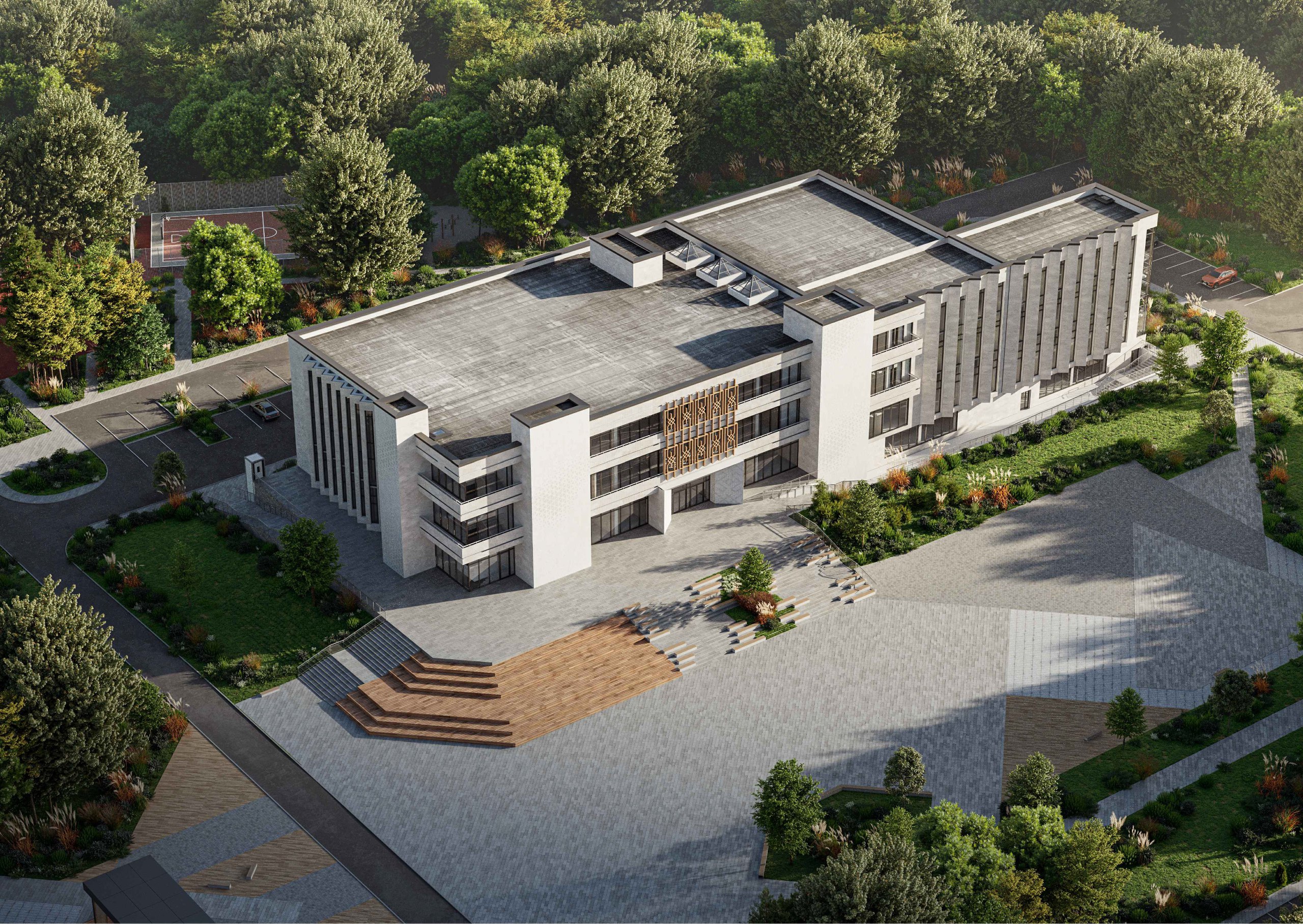
Another important project in Shymkent is the renovation of the Phosphornik Palace of Culture (formerly the Palace of Culture of Phosphor Workers). It was built in 1980, when a large chemical plant operated nearby. In Soviet times, concerts and meetings were held here, but later the building was abandoned and stood empty for a long time. In 2023, an inspection declared it unsafe, and the old building was demolished.
In the spring of 2025, at this location, construction began on a new palace. The project was supported by the Saby Charitable Foundation, founded by Assel Tasmagambetova (president of the Saby Foundation) and businessman Kenes Rakishev. The new Phosphornik will become a modern cultural center, housing three hubs — IT, creative, and public initiatives. Workshops, galleries, an amphitheater, coworking spaces, conference halls, and studios for video and audio recording will open here. There will be a library and a 350-seat hall for concerts and performances.
The building will combine elements of old architecture with a modern style. Alleys, fountains, playgrounds, and a small park will be arranged around it. The new Fosfornik is expected to become not only a place for recreation and creativity, but also one of the landmarks of Shymkent.
In many cities of Central Asia, tourist areas no longer look like separate decorations. They are created with the interests of residents in mind: cafes, craft shops, services, and cultural spots begin to operate year-round and become elements of the urban economy. The growth of tourism and the increase in the population’s purchasing power only strengthen the demand for such spaces.
Pedestrian zones, parks, and embankments in Samarkand, Turkestan, Fergana, and other cities are turning into full-fledged centers of activity, where the interests of tourists and locals intersect. Tourist spots are gradually becoming part of everyday life and are no longer dependent on tourists.
Akmalk Abdullaev
Fergana: eco-city "New Uzbekistan"
 Источник: bloomarch.uz
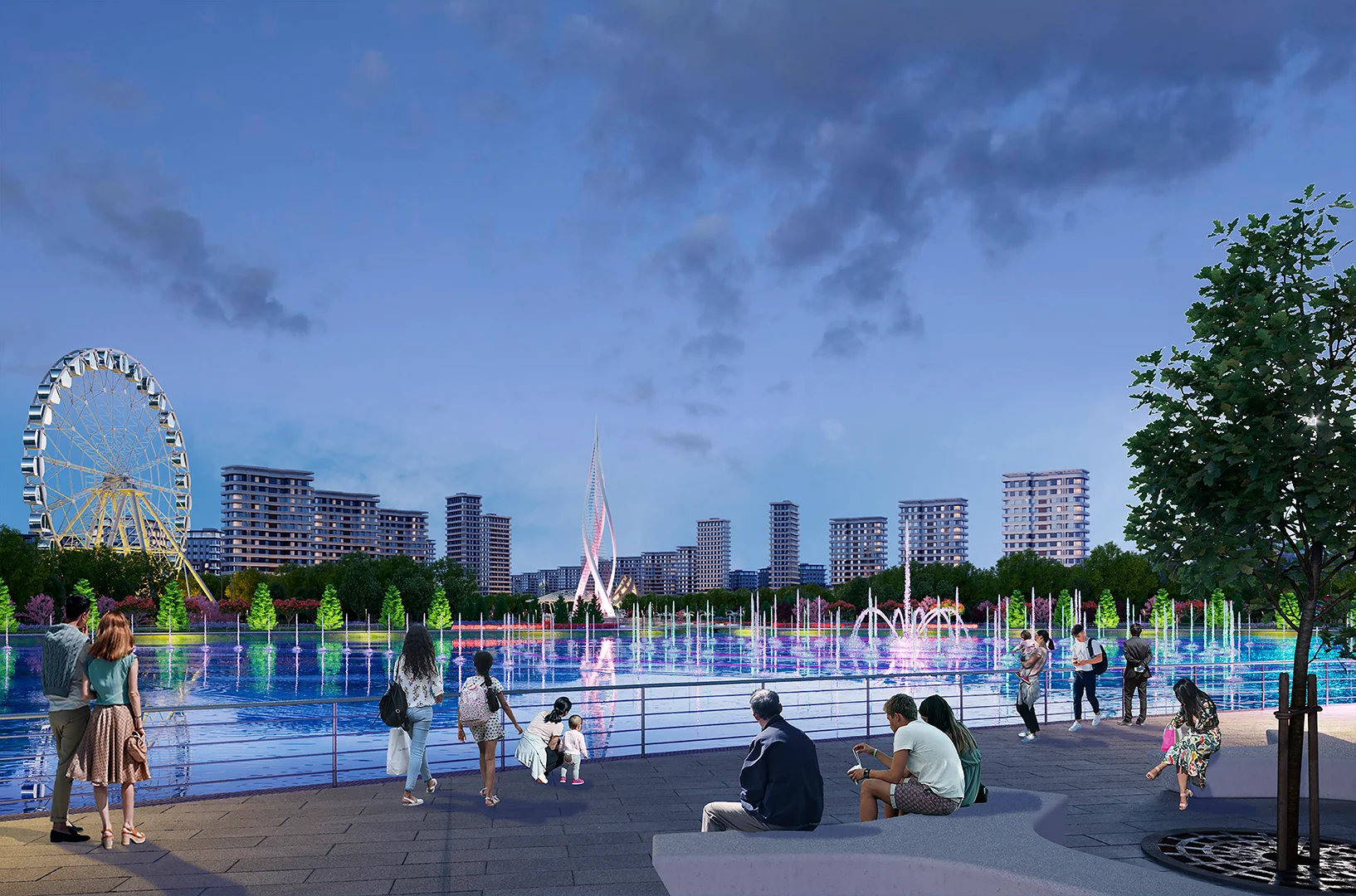
Big changes are also taking place in Uzbekistan. In Fergana, a new residential district called Yangi Uzbekistan (“New Uzbekistan”) is being built. This is a project to create a modern, eco-friendly city on the outskirts of old Fergana. On an area of about 300 hectares, almost 300 multi-story buildings will be constructed, where about 65,000 people will be able to live.
In the new district there will appear schools, kindergartens, clinics, shopping centers, a sports complex, and a mosque. Nearby, a technopark will be created on 50 hectares so that residents can work close to home. Yangi Uzbekistan will become an independent urban center with housing, jobs, and social infrastructure.
In the center of the district, a large park with an area of 70 hectares will be created. It will feature an artificial lake, alleys, and recreation areas. More than 10,000 trees have already been planted, and a total of 21,000 are planned. There will be bike paths, green courtyards, and modern technologies to help save energy and preserve nature.
Fergana became the first city where such a district is being built. In the future, similar projects will appear in other places as well. Yangi Uzbekistan will provide the city with new jobs and modern homes, and will also become a comfortable place to live.
Sustainable projects are those that are not limited to architectural visuals and are built as fully functional urban clusters. Examples include Yangi Uzbekistan in Fergana and Namangan, with housing, social facilities, and workplaces, as well as Turkestan, which is developing according to a long-term plan until 2050 with an emphasis on preserving the historical environment and controlled development.
The population growth in the region makes large multifunctional districts especially in demand, capable of withstanding future pressures. Such projects succeed where transport logistics, energy efficiency, resource management, and adaptation to climate risks are planned in advance.
Fergana and Shymkent are implementing energy-efficient solutions, landscaping, and comfortable pedestrian zones, but environmental friendliness works only with sustainable operation. The project's ecosystem requires regular maintenance, proper irrigation, reliable engineering systems, and accessible transport.
Mistakes—such as young trees dying due to poorly designed irrigation systems or untimely care—show that without management and competent operation, the result can be disastrous. Now municipalities are gradually adjusting their approaches and developing the competencies necessary for such districts to truly function, rather than exist only at the presentation level.
Akmalk Abdullaev
Astana: a capital built from scratch as a tourist magnet
 Источник: zattyq-ruhy.kz
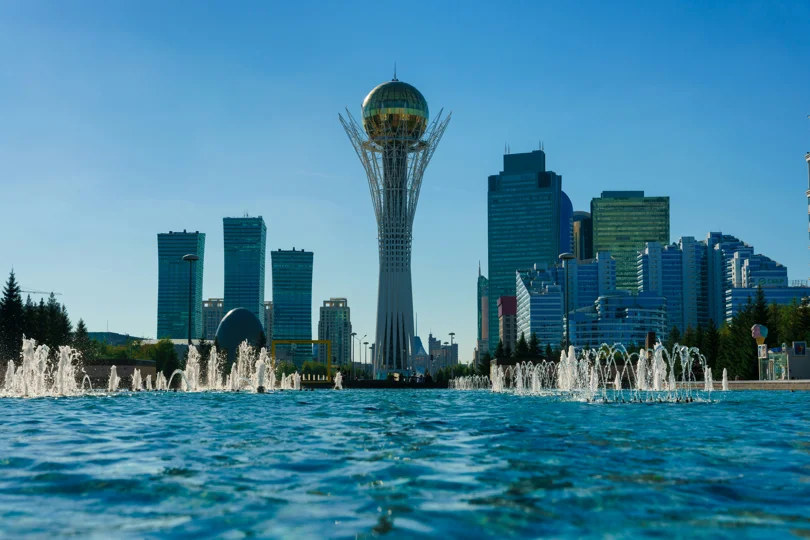
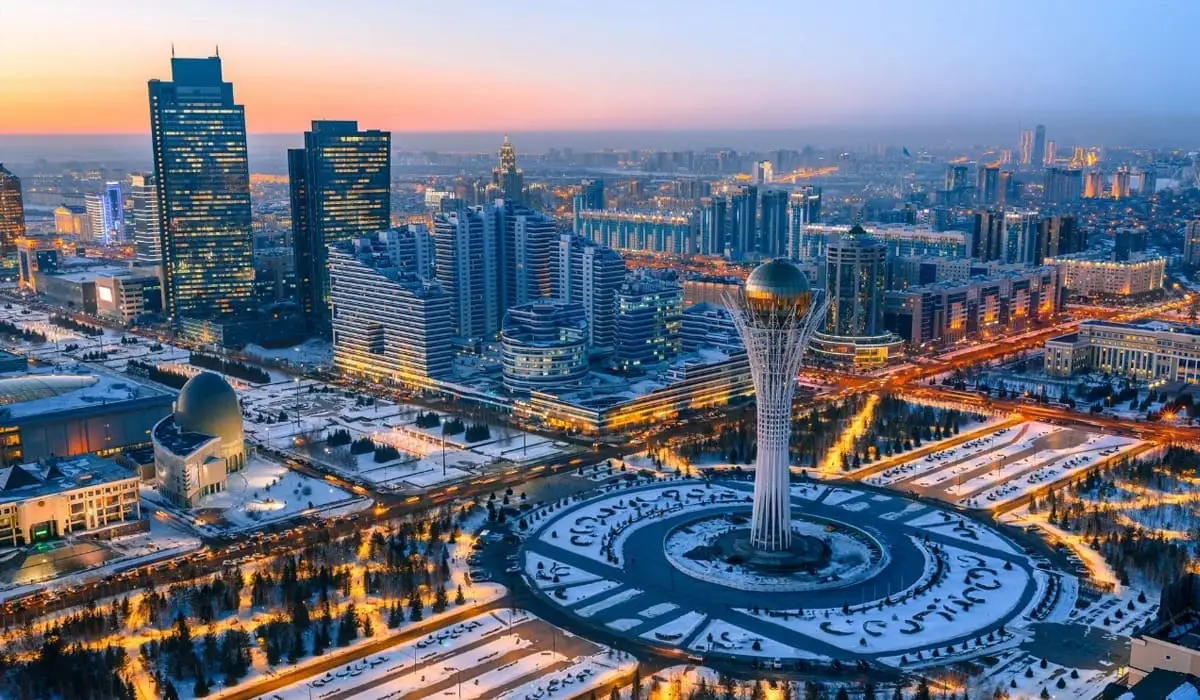
Astana is a vivid example of how a small city became a modern capital. In 1997, the first president of Kazakhstan, Nursultan Nazarbayev, decided to move the capital from Almaty to Akmola, which soon received a new name — Astana. In just a few years, the city turned into the center of a grand construction project. On the left bank of the Ishim River, government buildings, the presidential residence Ak Orda, the parliament, the Supreme Court, as well as famous modern structures — the Bayterek monument, the Palace of Peace and Reconciliation, the Khan Shatyr center, and others — were built.
The relocation of the capital became a serious impetus for the entire country. Investments and specialists from all regions were directed to Astana. The city quickly became a center of development and a symbol of the new Kazakhstan. In two decades, it transformed from a small settlement into a modern metropolis with skyscrapers, wide streets, and green parks.
Today Astana remains the leader of the region and hosts major international events — summits, exhibitions, and forums. Astana is recognized as a symbol of Kazakhstan’s post-Soviet revival. Tourists are attracted by modern buildings, Baiterek with a panoramic view of the city, the oceanarium, the Khan Shatyr shopping and entertainment center, and the singing fountains on Nurzhol Boulevard.
From 2019 to 2022, the city was called Nur-Sultan, but then it returned to its old name. New districts, schools, and a light metro are still being built here. Astana, which grew almost from scratch, has become a dynamic and modern city that travelers to Central Asia should definitely visit.
Almaty and Chirchik are transforming old recreation areas
 Автор: Дмитрий Доценко
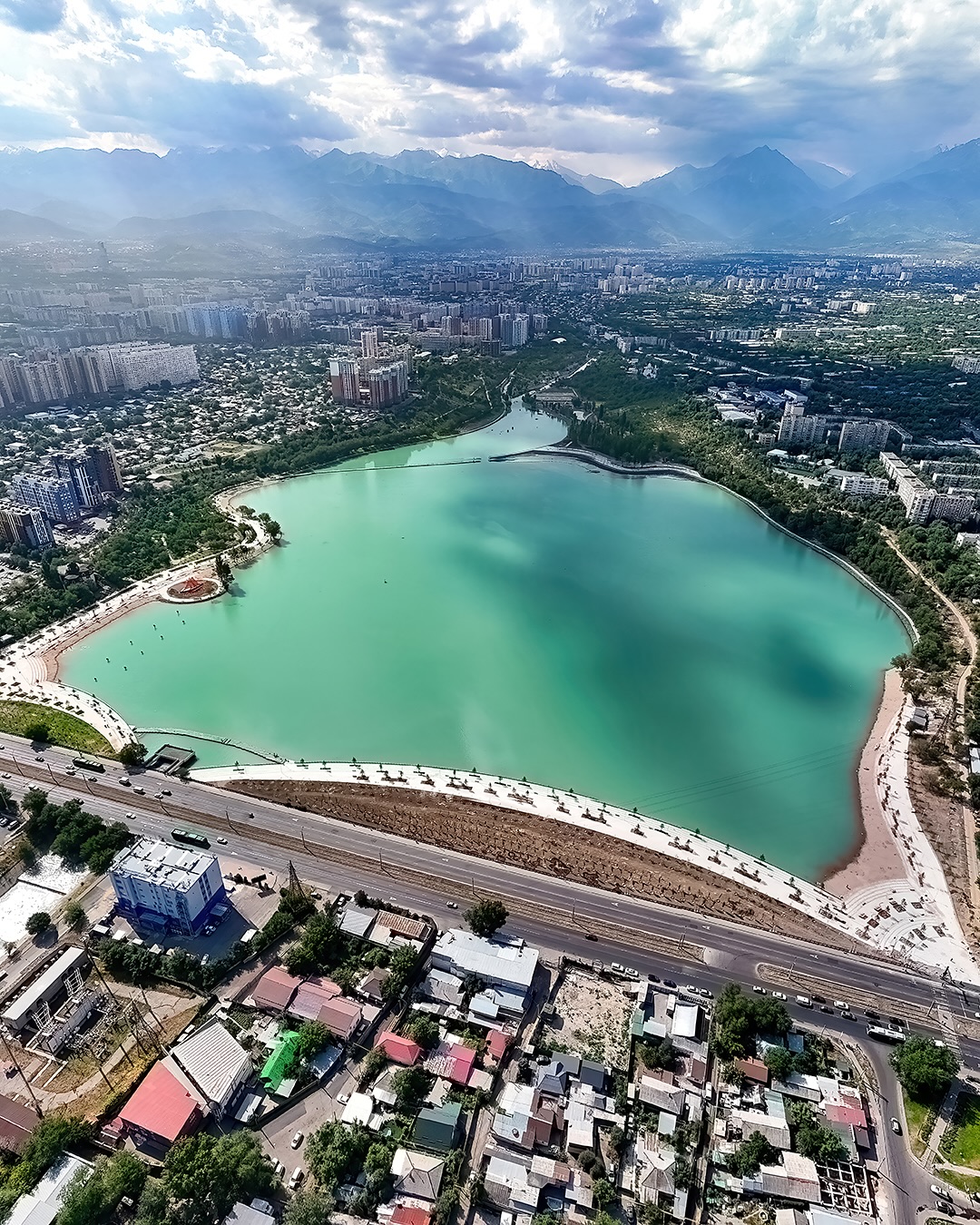
In Kazakhstan and Uzbekistan, not only large cities are being renewed, but also small urban areas. In Almaty, the reconstruction of Sairan Lake, which had served as the city beach for many years, was recently completed. Over two years, the reservoir was completely cleaned and the surrounding area was improved. The bottom was reinforced, water quality improved, and a 2.5-kilometer promenade with bike paths, children's and sports playgrounds was created. Sand was brought to the shore, and the beach was equipped with showers and lifeguard stations. Thousands of trees were planted and hundreds of lanterns were installed. This is the first such large-scale renovation in 35 years, and now Sairan has become one of the favorite recreation spots for city residents.
In Uzbekistan, in the city of Chirchik, a new park called Urmon ("Forest Park") has appeared on the site of part of the old grove. It opened on June 1, 2025, and immediately became a source of pride for the townspeople. The park covers about 80 hectares; alleys, children's playgrounds, a skatepark, sports zones, and a rope course have been built here. In the center, there is an artificial lake and an open-air amphitheater. In the evening, the park is beautifully lit, making walks safe and pleasant.
The new park not only beautified Chirchik, but also provided jobs for dozens of local residents. For an industrial city, this became an important event — for the first time in a long while, a large and modern place for family recreation appeared. Urmon is already attracting guests from neighboring Tashkent as well. This is a good example of how even small renovations can revitalize cities and make them more attractive for residents and tourists.
Turkestan — a new competitor to Samarkand and Bukhara?
 Источник: getyourguide.ru
Turkestan is one of the oldest cities in Kazakhstan, which has changed a lot in recent years. Previously, it was a quiet provincial town, but in 2018 it was given the status of the center of a new region. This decision was made by Nursultan Nazarbayev to emphasize the spiritual significance of Turkestan and to develop the region.
The city has always been an important place for the Turkic world. Here is located the mausoleum of Khoja Ahmed Yasawi—a shrine included in the UNESCO list. After 2018, Turkestan began to rapidly develop. A plan was created until 2050, and already the first years brought major changes. In the north of the city, a new administrative center was built with offices, an amphitheater, a wedding palace, a tourist center, and other facilities. Many buildings became gifts from different regions of Kazakhstan: for example, Almaty financed a modern media center, Mangystau region—an open-air amphitheater for 1,000 seats, East Kazakhstan region—a traditional eastern bathhouse, Kyzylorda—a wedding palace, Aktobe—a tourist service center, etc.
In a short time appeared a new airport, with flights to Astana, Almaty, Istanbul, and other cities. A bus station and new roads have been built. The old city center has also been transformed. Around the Yasawi Mausoleum, a pedestrian zone called Azret Sultan with fountains and alleys was created. Nearby, museums dedicated to the history of Kazakhstan have opened.
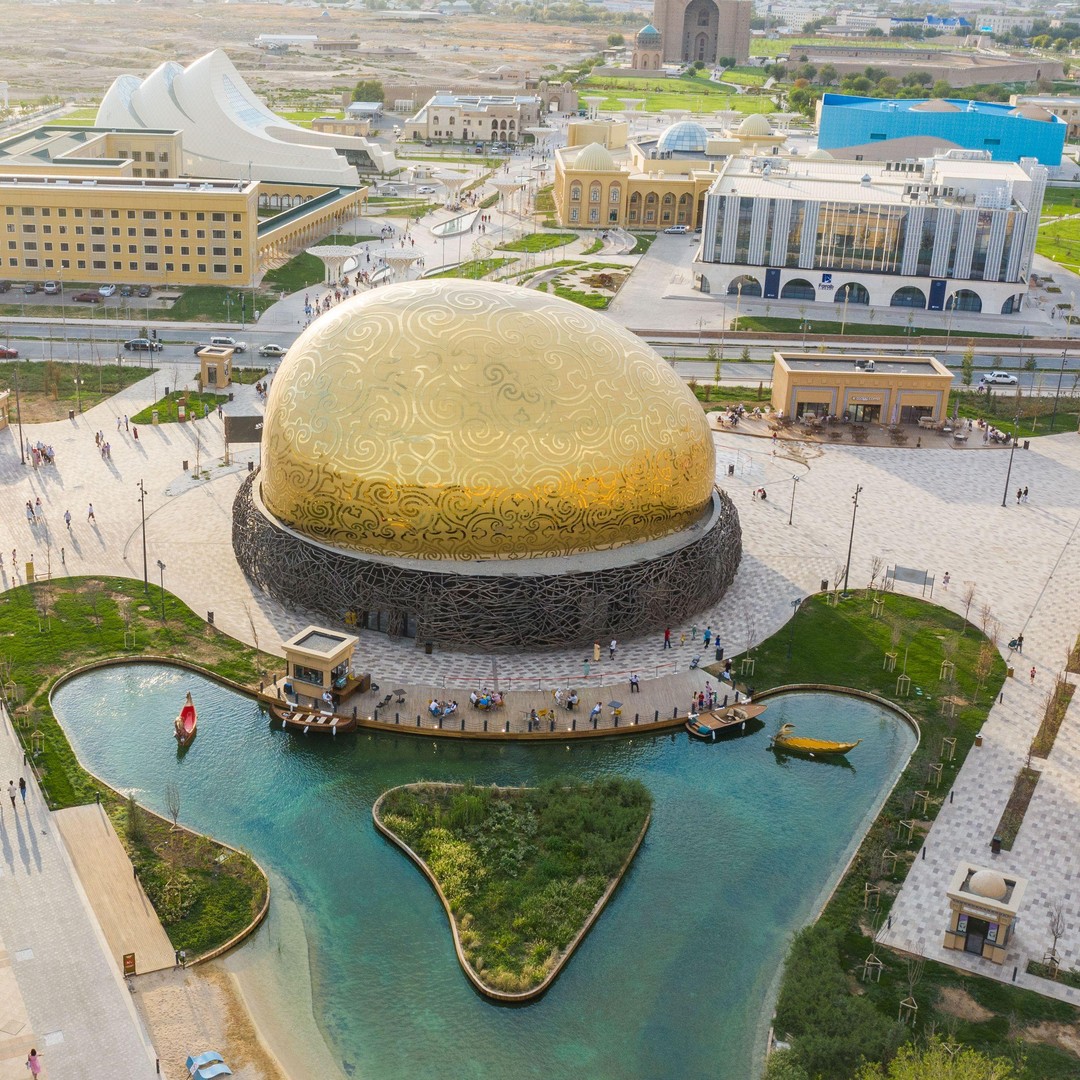
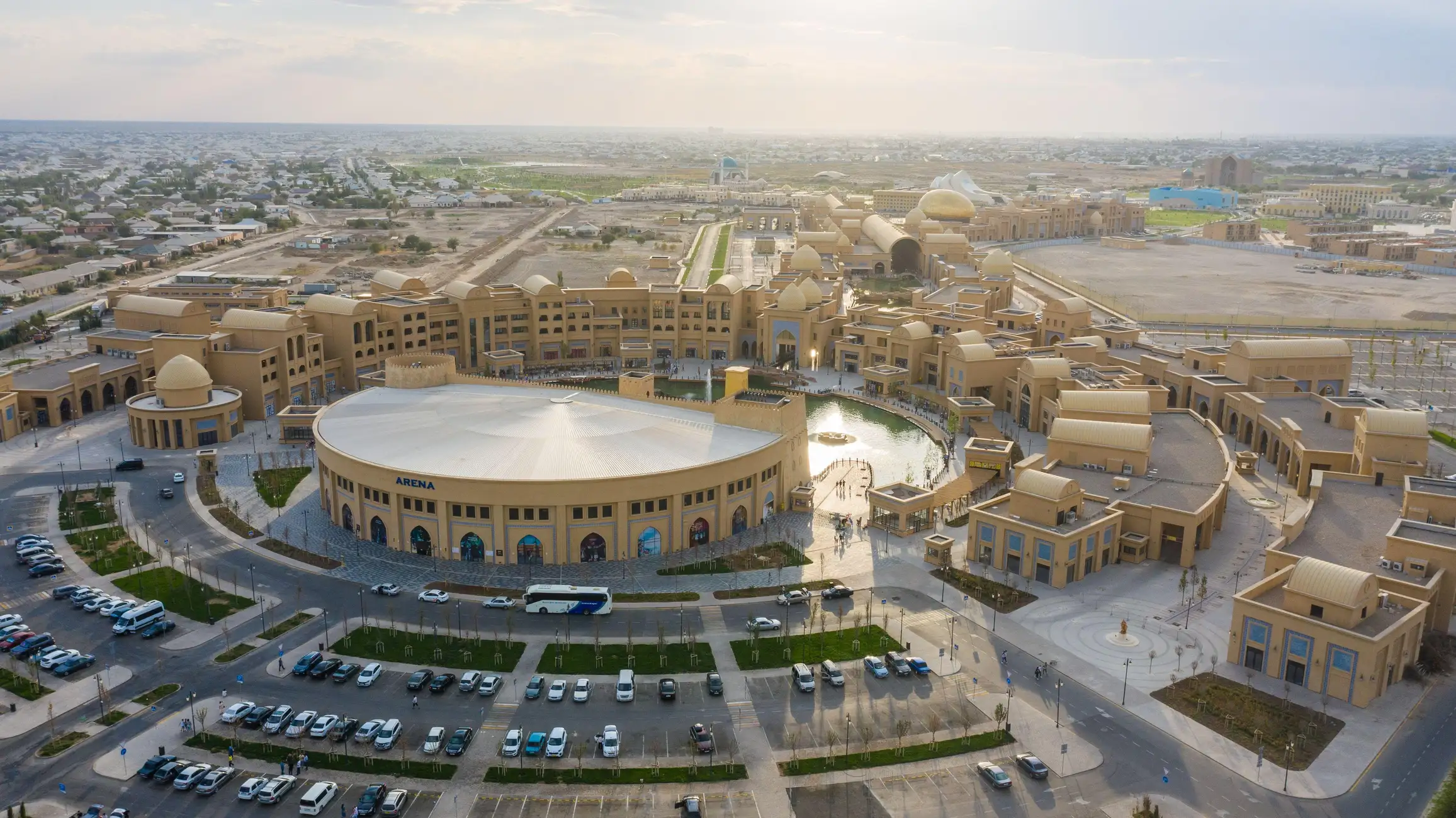
Main the pride of the new Turkestan — the Karavan-Saray complex. It opened in 2021 and became the new calling card of the city. This place resembles an eastern city from the times of the Silk Road. There are hotels, restaurants, shops, a theater, and a water canal where performances take place. The project provided jobs for thousands of people and became a magnet for tourists.
 Источник: getyourguide.ru
In 2024, Turkestan was officially granted a special status as the spiritual and cultural center of the country. Now it is forbidden to build tall buildings near historical monuments. The authorities are required to preserve old quarters and support craftsmen. The Turkestan Akimat is given additional powers, up to and including approving its own architectural style, city design code, and special land use regulations.
The main goal of the Turkestan phenomenon is to preserve history and breathe new life. Apparently, this experiment has succeeded. Turkestan has become the flagship project for the development of southern Kazakhstan. The city's success shows that even ancient settlements can experience a second birth in modern times, provided there is respect for heritage and competent investment.
Today Turkestan is a living open-air museum and a modern city with hotels, parks, and an airport. It is compared to Samarkand and Bukhara. The city has become a symbol of how history can be preserved while stepping into the future.
The most harmonious balance between development and preservation of identity is demonstrated by Turkestan, Chirchik, Samarkand, Osh, Almaty, Khujand, and Shymkent. There, modernization is carried out with consideration for the historical environment, natural landscape, or traditional urban structure. More and more often, multidisciplinary teams work on projects together with historians and ethnographers to ensure that new solutions do not destroy identity.
The perception of the residents themselves is becoming a key factor. When new spaces meet their expectations, they become lively and in demand. Ignoring the interests of city dwellers, on the contrary, leads to alienation and conflict.
The new life of a city can be seen in the growth of tourist flow, the emergence of small businesses, increased attendance of new spaces, and rising property values. The example of Samarkand shows how the Great Silk Road complex generates events, attracts guests, and creates new jobs. The picture is complemented by the upcoming UNESCO park, which combines recreation and educational initiatives. The first plantings were carried out by participants of the forum and the 43rd session of the UNESCO General Conference, which took place in Samarkand from October 30 to November 13 of this year.
The effectiveness of reconstruction can also be felt by how actively residents use urban spaces, how much transport accessibility has improved, and how green infrastructure is maintained. At the same time, it is important to take into account temporary inconveniences from major events and to establish communication with residents in advance.
Akmalk Abdullaev
The examples of Shymkent, Fergana, Astana, Turkestan, as well as the renovations in Almaty and Chirchik show that throughout Central Asia, cities are getting a second life. In some places, new districts and modern centers are being built; in others, ancient fortresses and monuments are being restored, parks and cultural venues are being created. But the goal is the same for all — to preserve heritage while making the cities comfortable and interesting for residents and tourists.