
A large bazaar along the Great Silk Road thrived around the
clock, alive with bustling, full-blooded life. It was an entire infrastructure
complex, comprising caravanserais, trading rows, a bathhouse, a mosque, and, of
course, numerous teahouses, known as chaikhanas.
 Author: Ildar Sadykov
 Author: Ildar Sadykov
 Author: Ildar Sadykov
 Author: Ildar Sadykov
 Author: Ildar Sadykov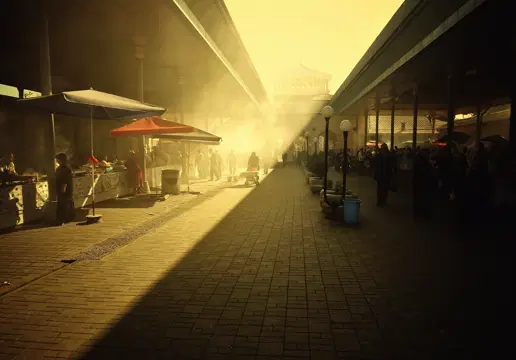
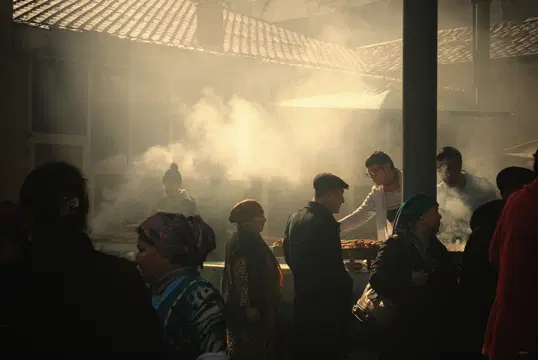
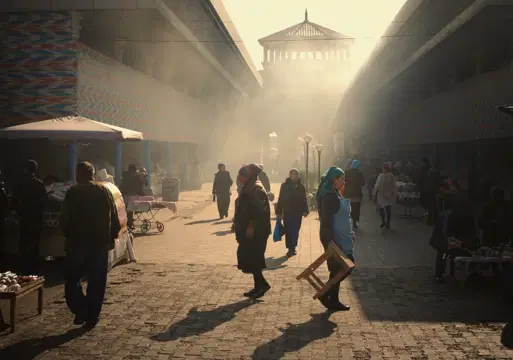
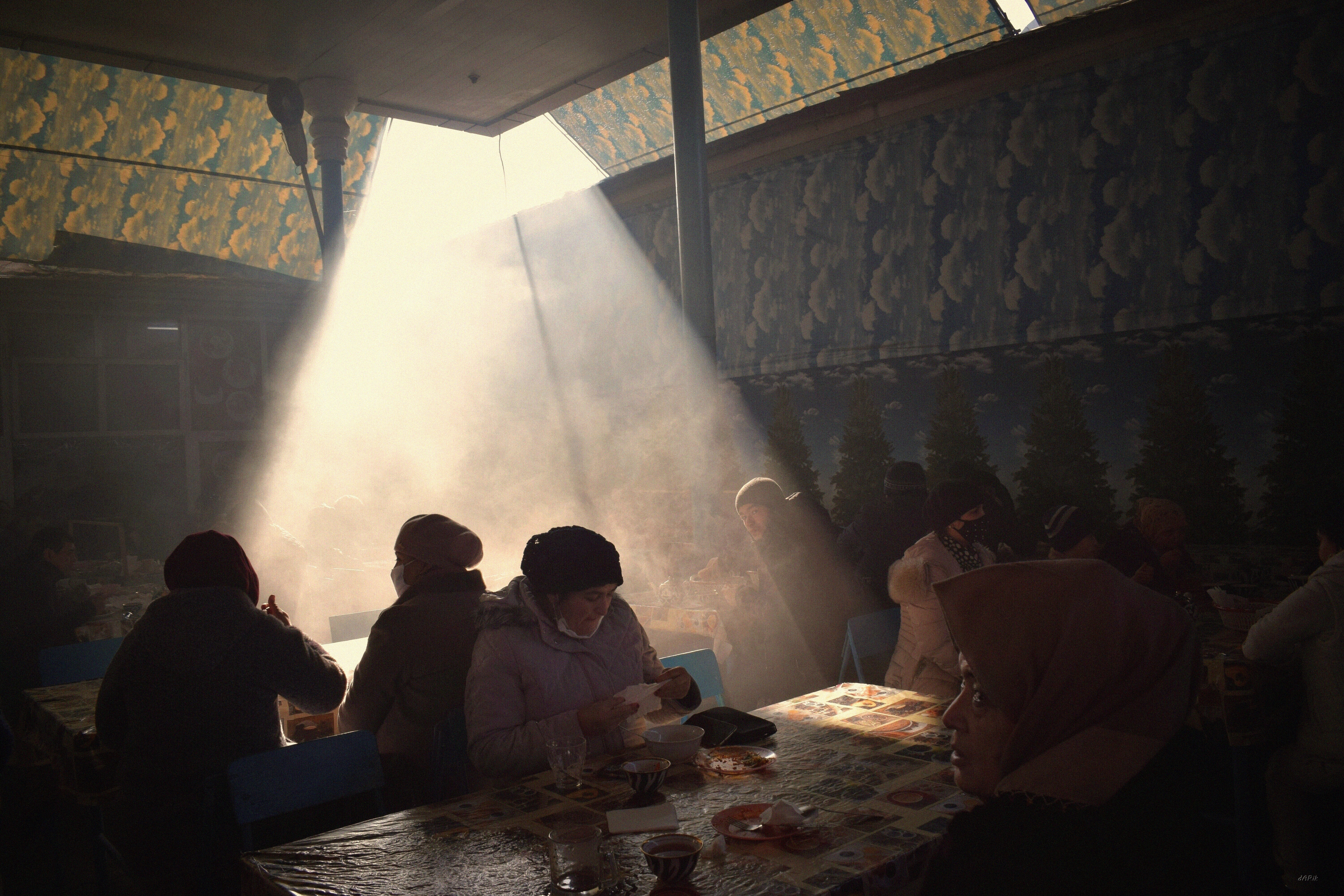
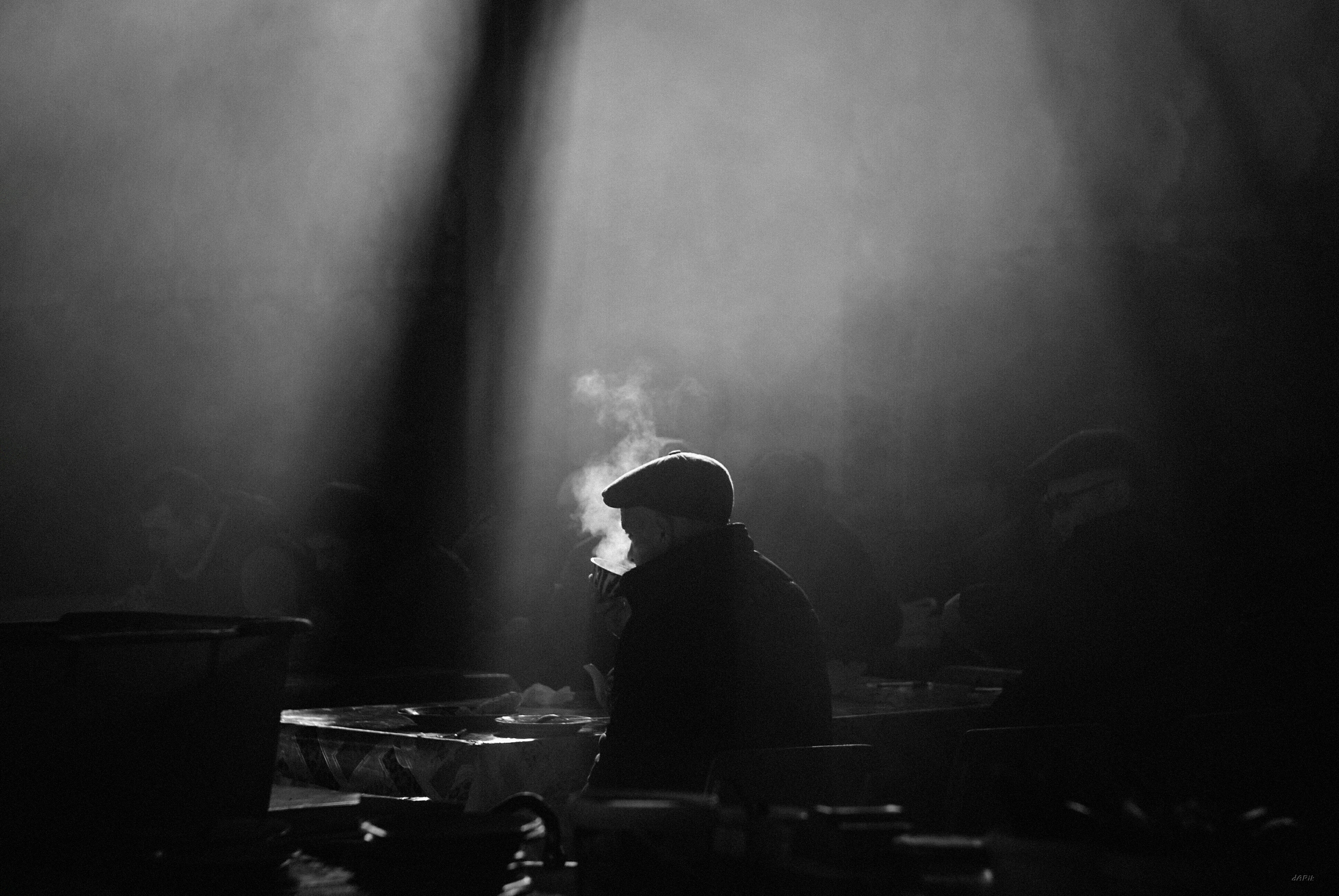
When speaking of the chaikhana, the one praised in the song
by the group Yalla, depicted on Benkov’s canvases, and
carefully preserved in the public consciousness, it is worth remembering that
it was a sociocultural phenomenon deeply rooted in historical reality. In the
chaikhana, people did not just drink tea; destinies were decided, debates were
held, and poems were read. In the absence of social media, radio, or
television, people came there to exchange priceless knowledge, gossip, and
news. Visiting the chaikhana was not merely a form of leisure but an important
ritual that structured daily life. Upon entering a chaikhana, one could observe
a social cross-section of the period, as it was a place where people from all
classes and professions gathered.
 Author: Ildar Sadykov
 Author: Ildar Sadykov
 Author: Ildar Sadykov
 Author: Ildar Sadykov
 Author: Ildar Sadykov
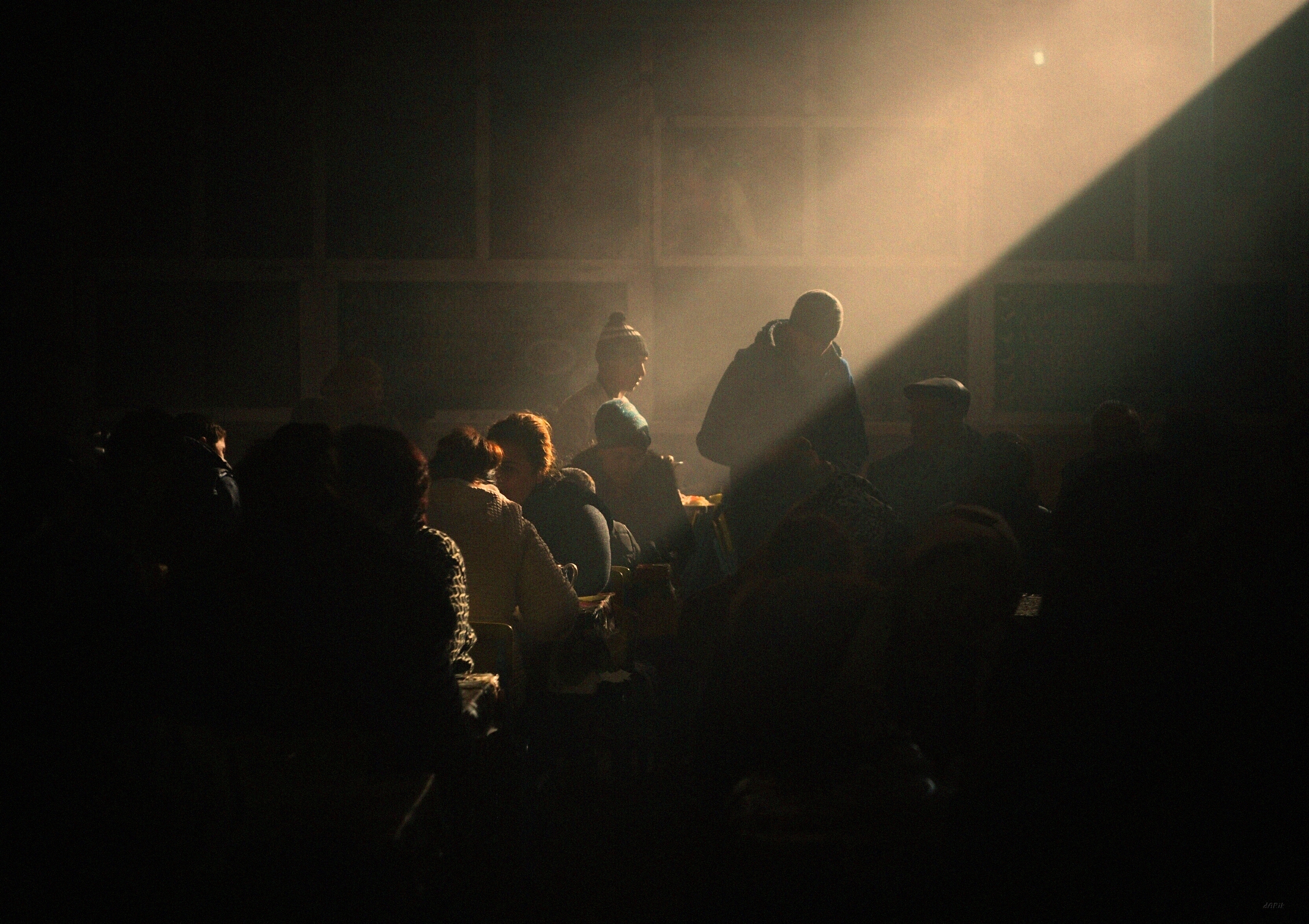
People traditionally came to the bazaar with the whole
family. The first stop was the bathhouse, which existed at every large market.
After that, leaving household matters to their wives, the men would gather in
the chaikhana to drink tea and catch up on the week’s news. Town criers came
here to announce decrees issued by the city’s rulers, and performers, artisans,
and craftsmen also gathered from all around. Bird fights, performances, and
other cultural entertainments were held here as well.
Besides serving as a kind of urban forum, the chaikhana at
the bazaar was also a hub for various culinary traditions, as people of
different cultures and tastes gathered there, all of which had to be taken into
account.
 Author: Ildar Sadykov
 Author: Ildar Sadykov
 Author: Ildar Sadykov
 Author: Ildar Sadykov
 Author: Ildar Sadykov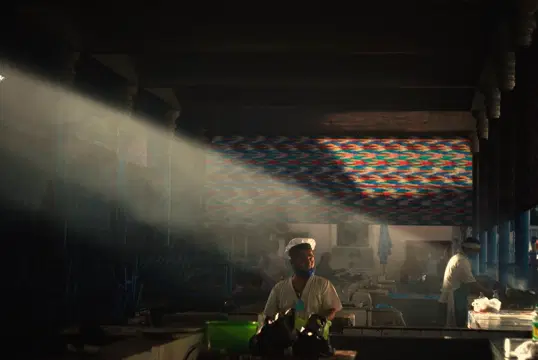
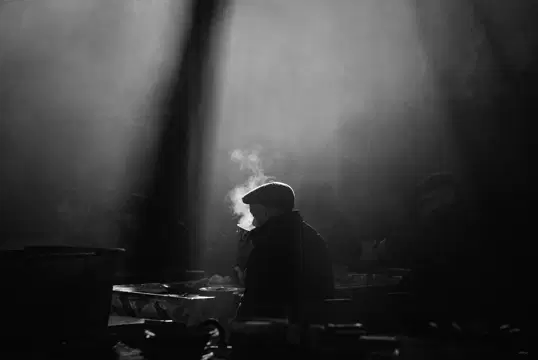
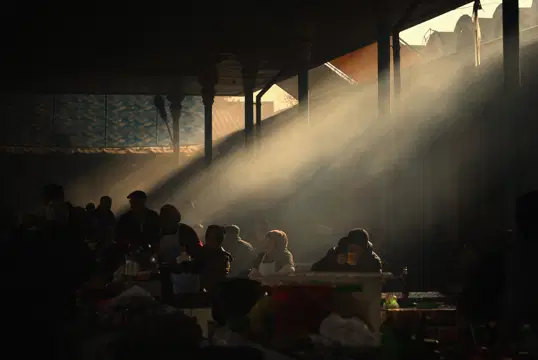
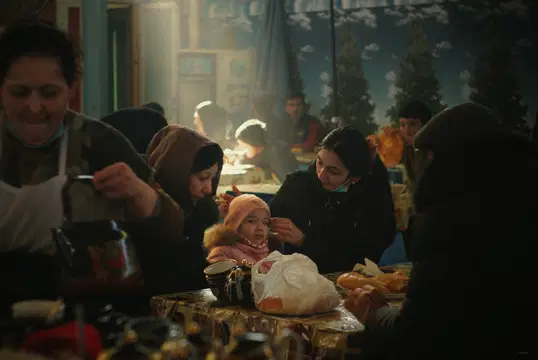
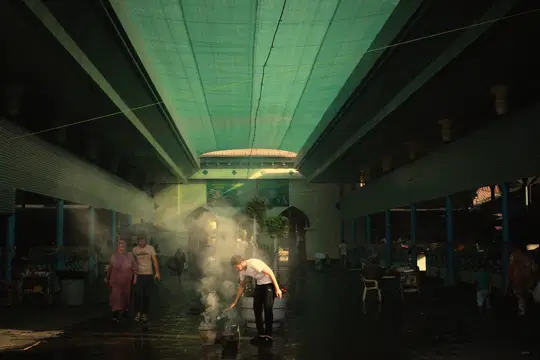
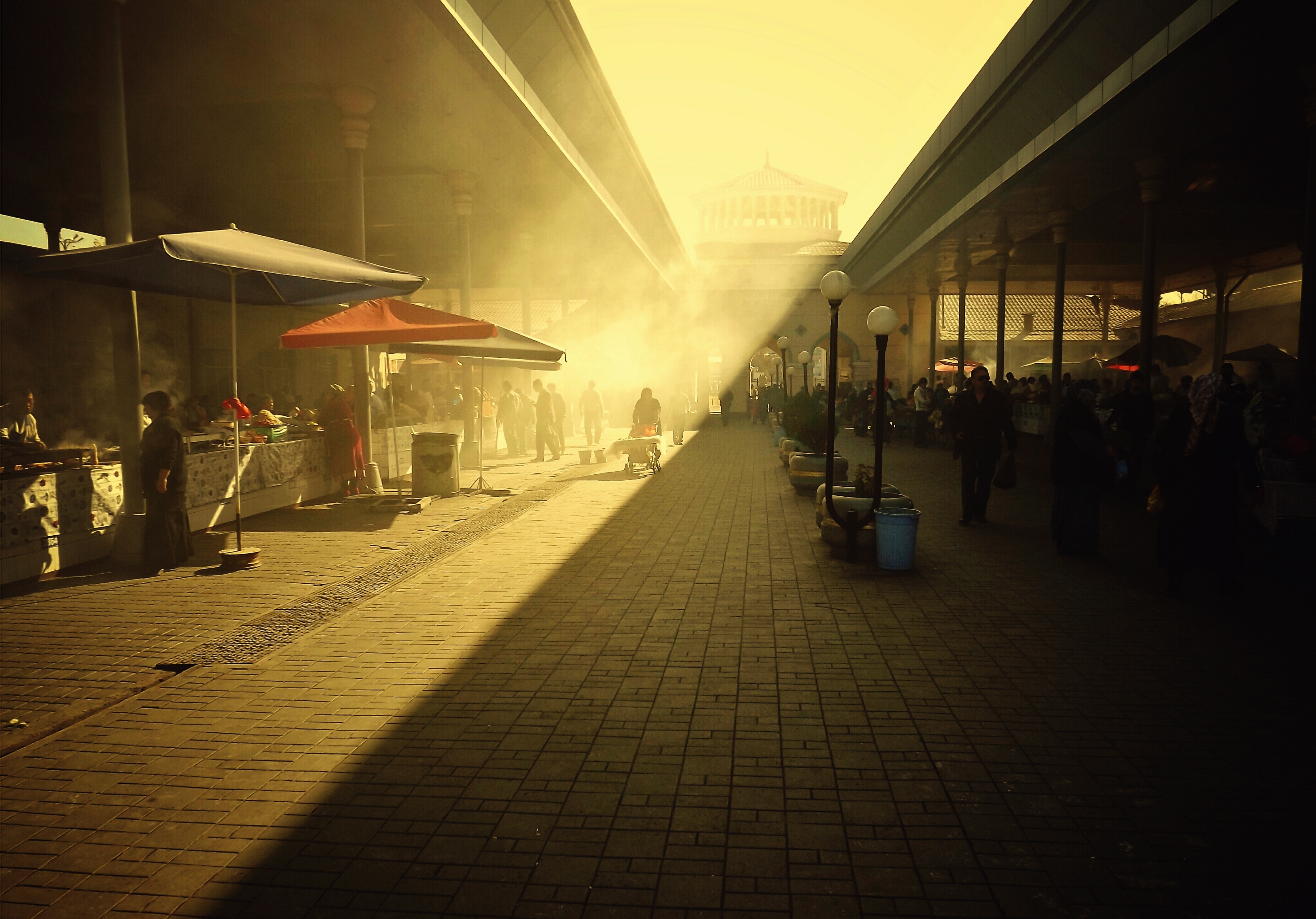
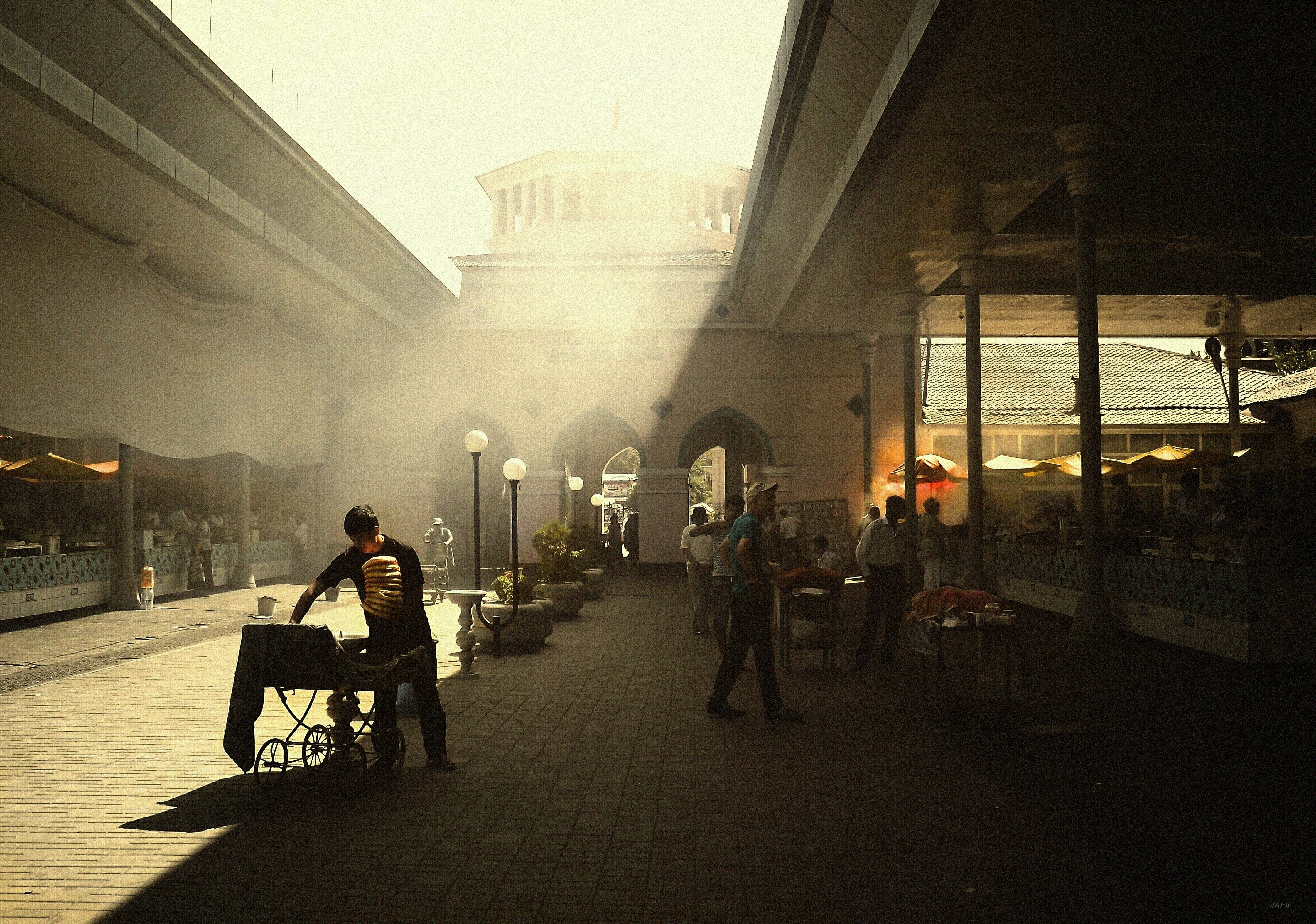
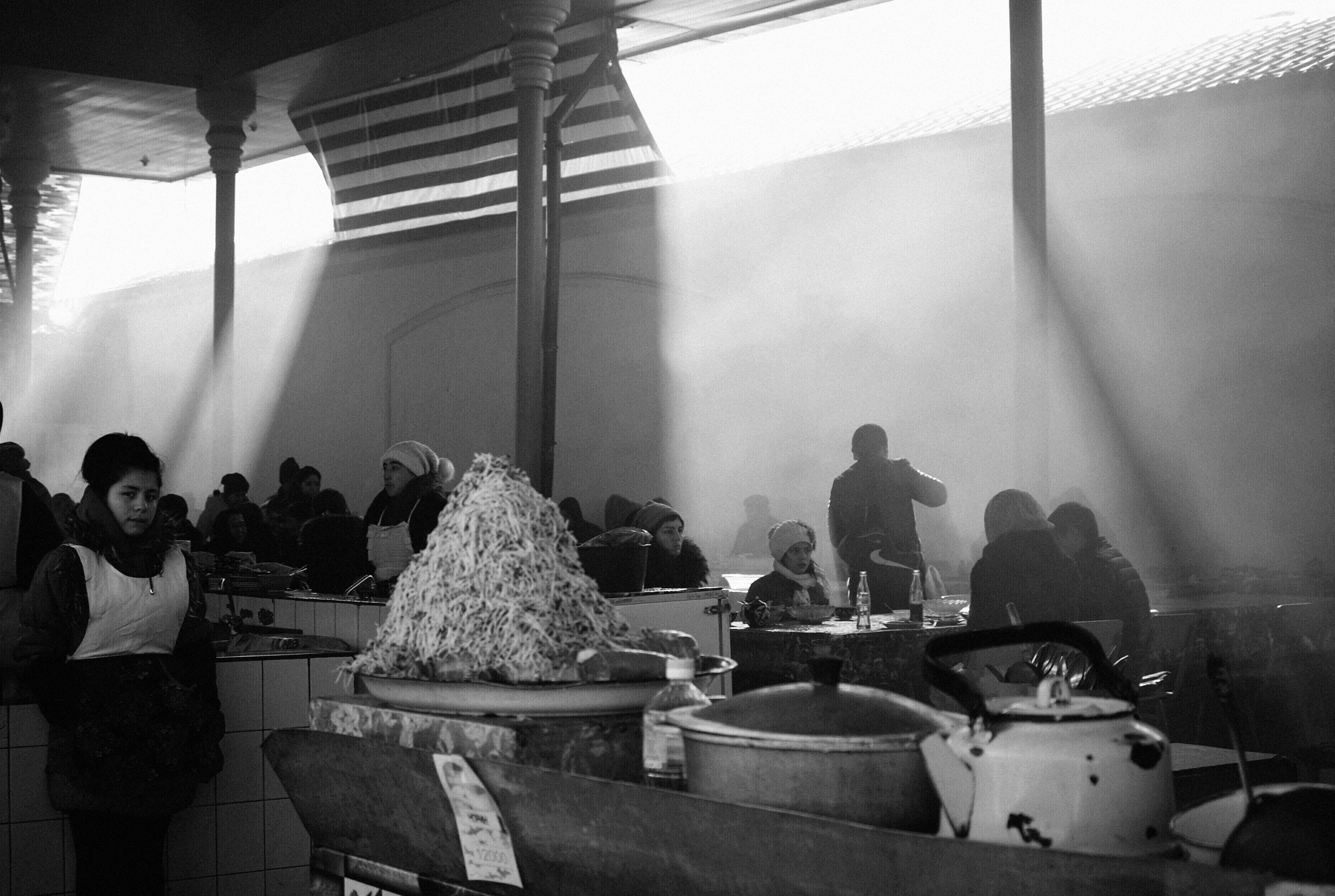
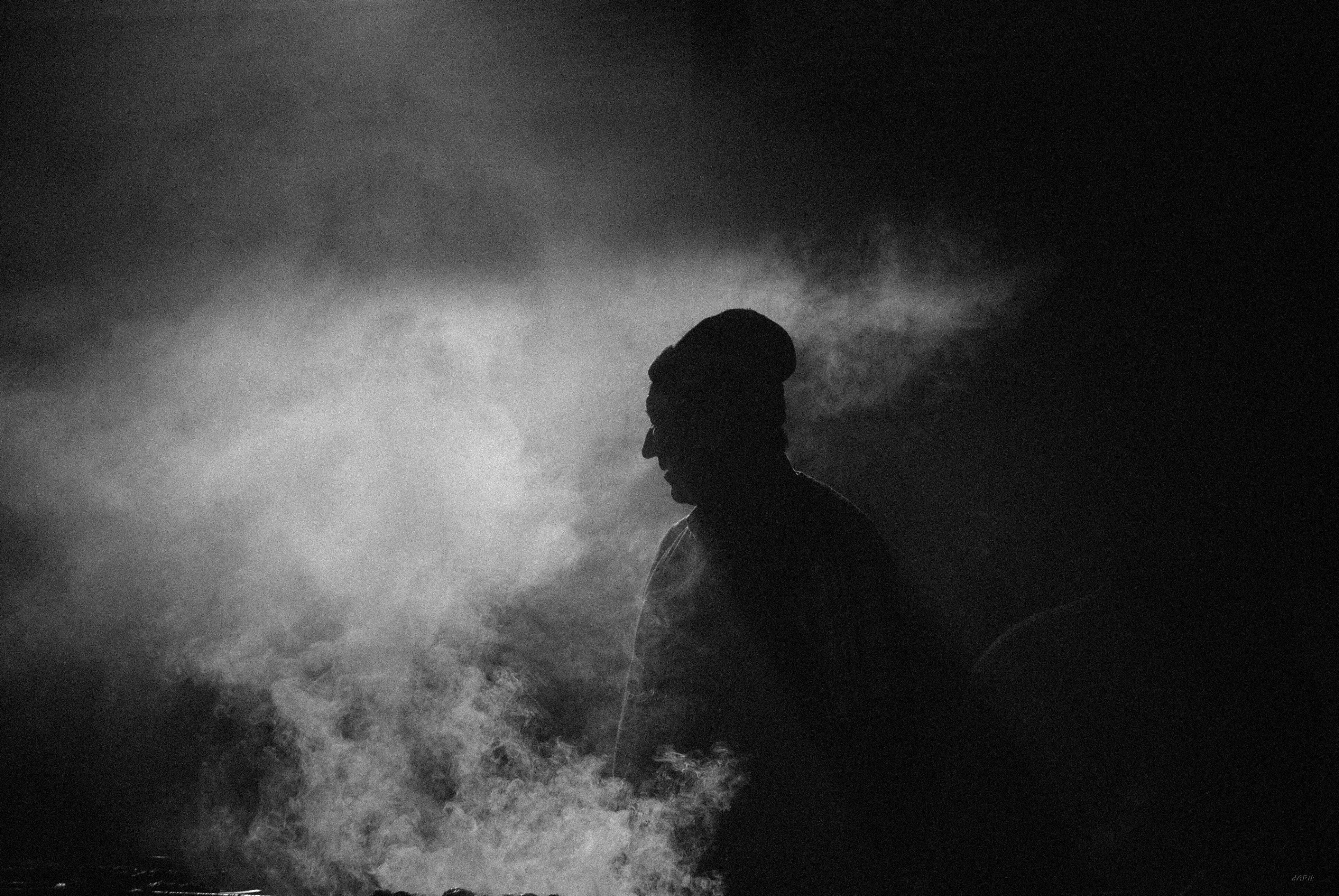
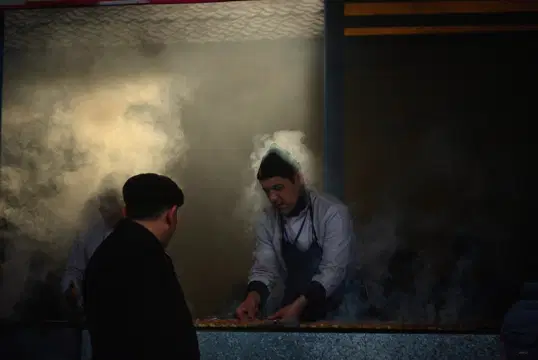
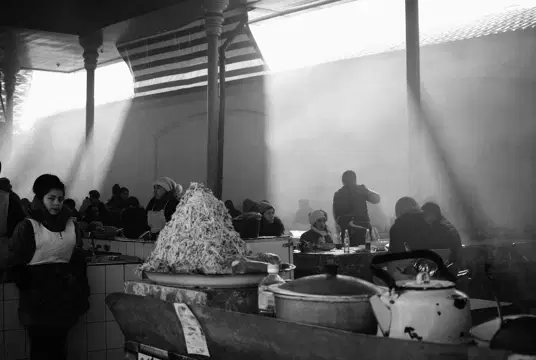
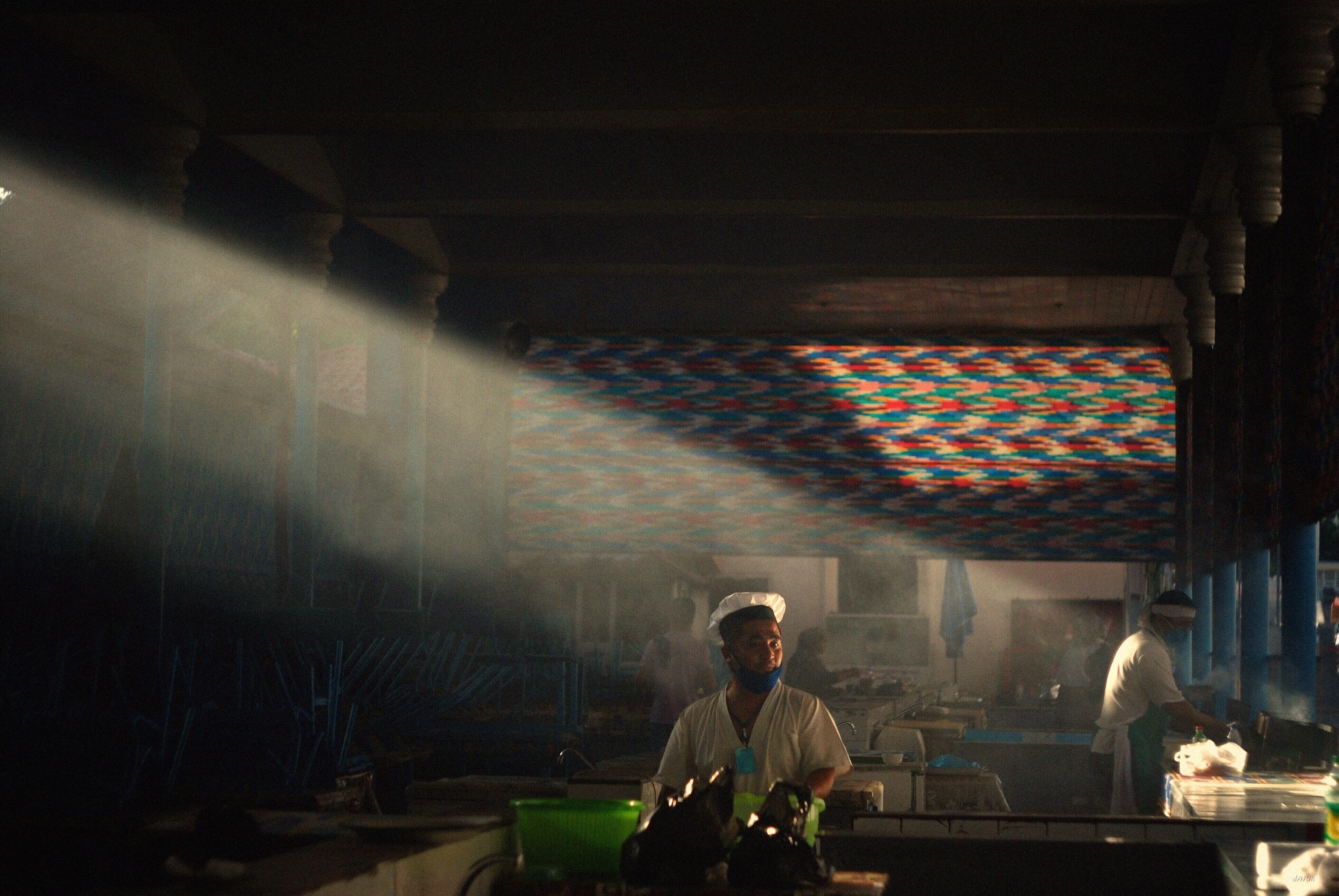
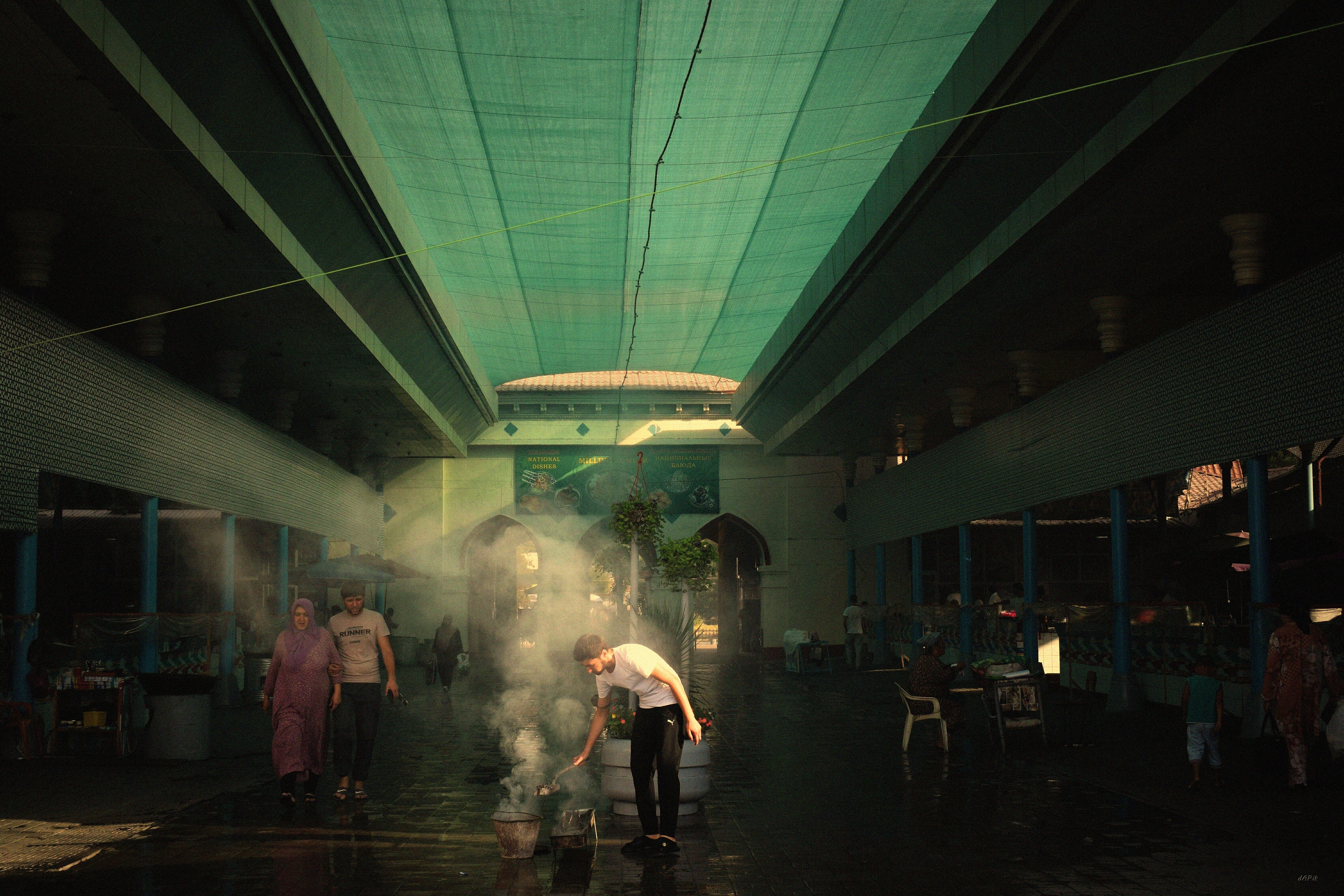
The Obzhornye Ryady (literally “Gluttony
Rows”) are one of those large old chaikhanas that once formed the plain but
essential foundation of the bazaar’s “universe.”
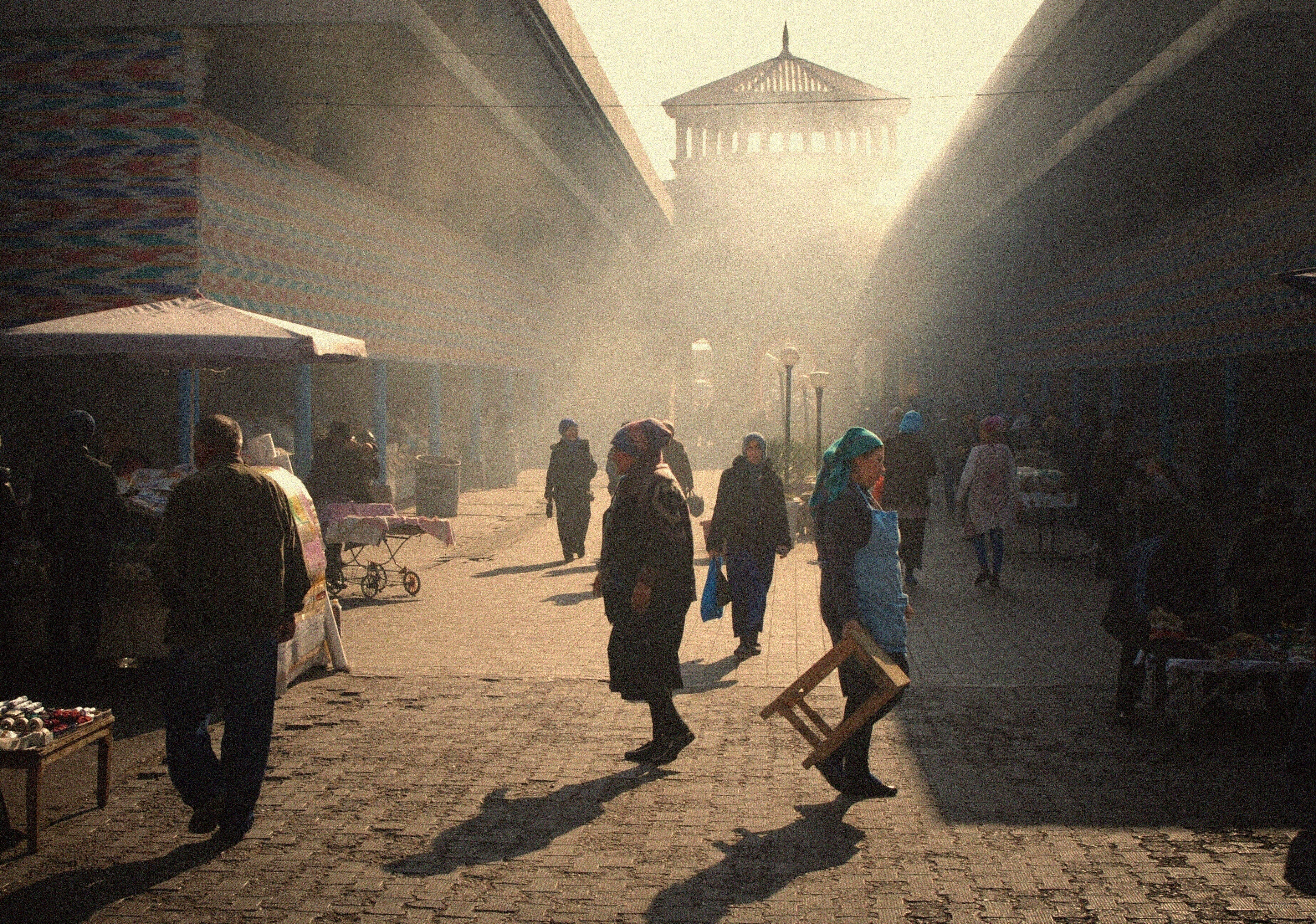
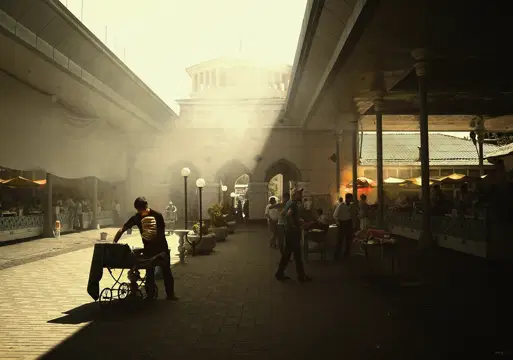
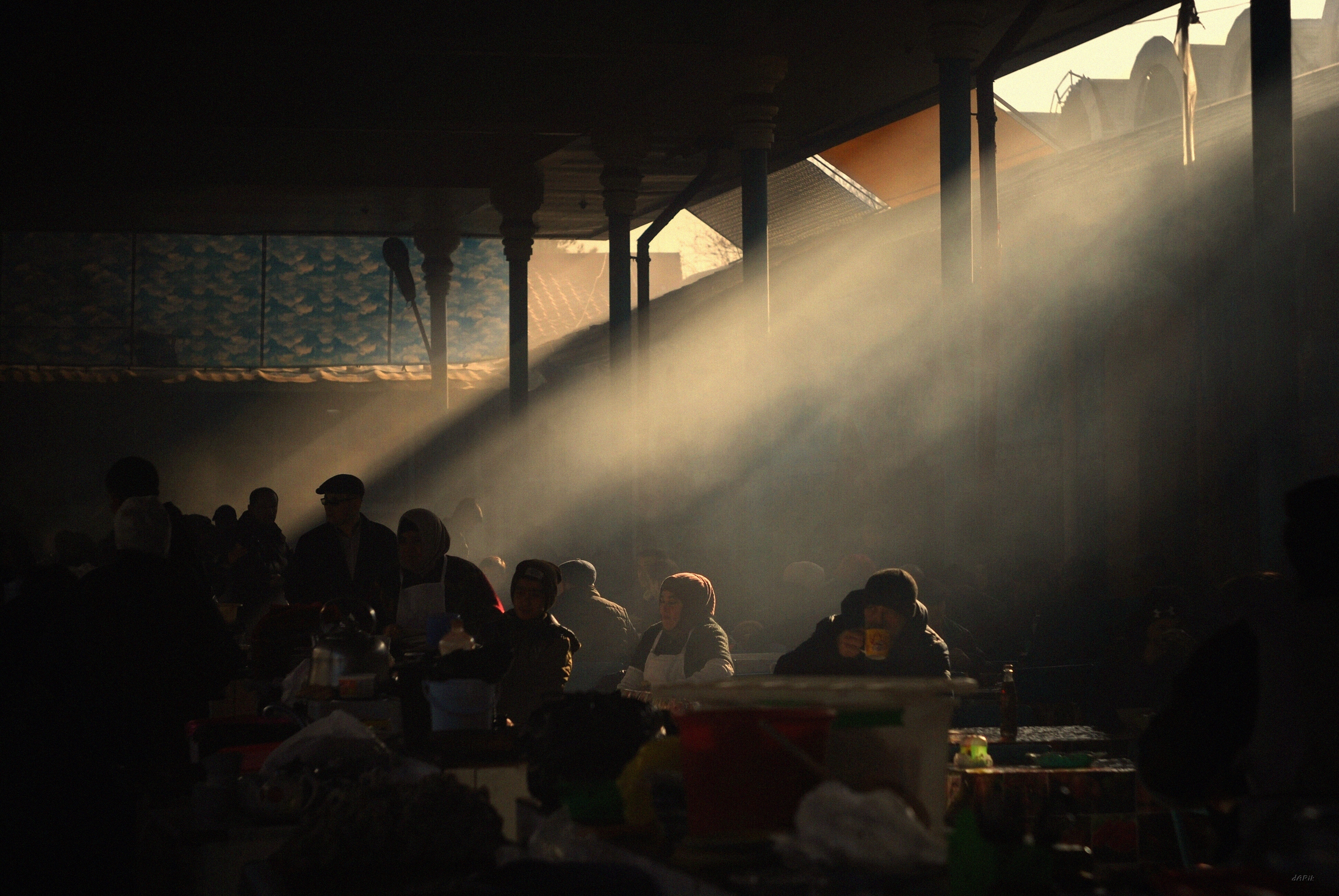
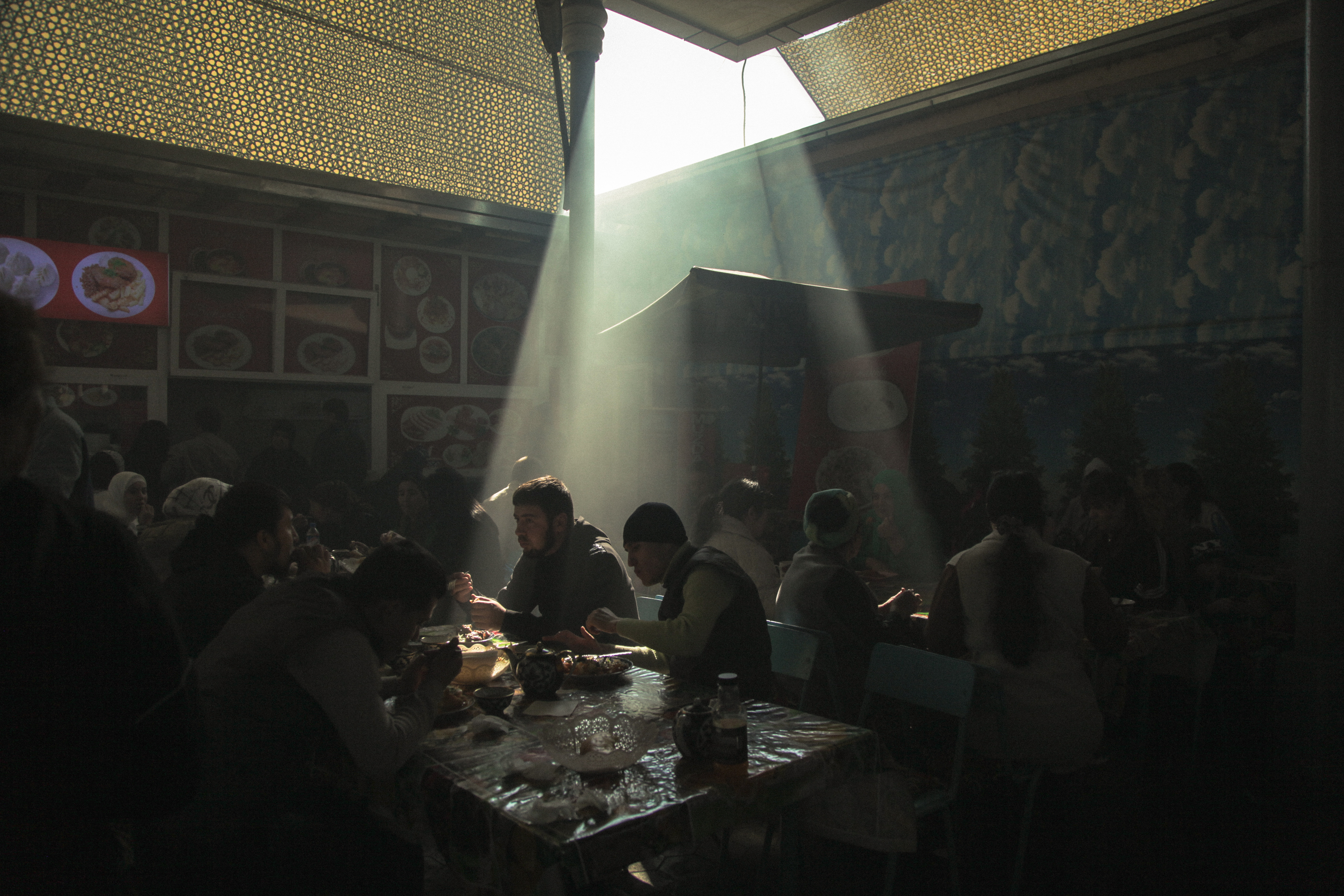
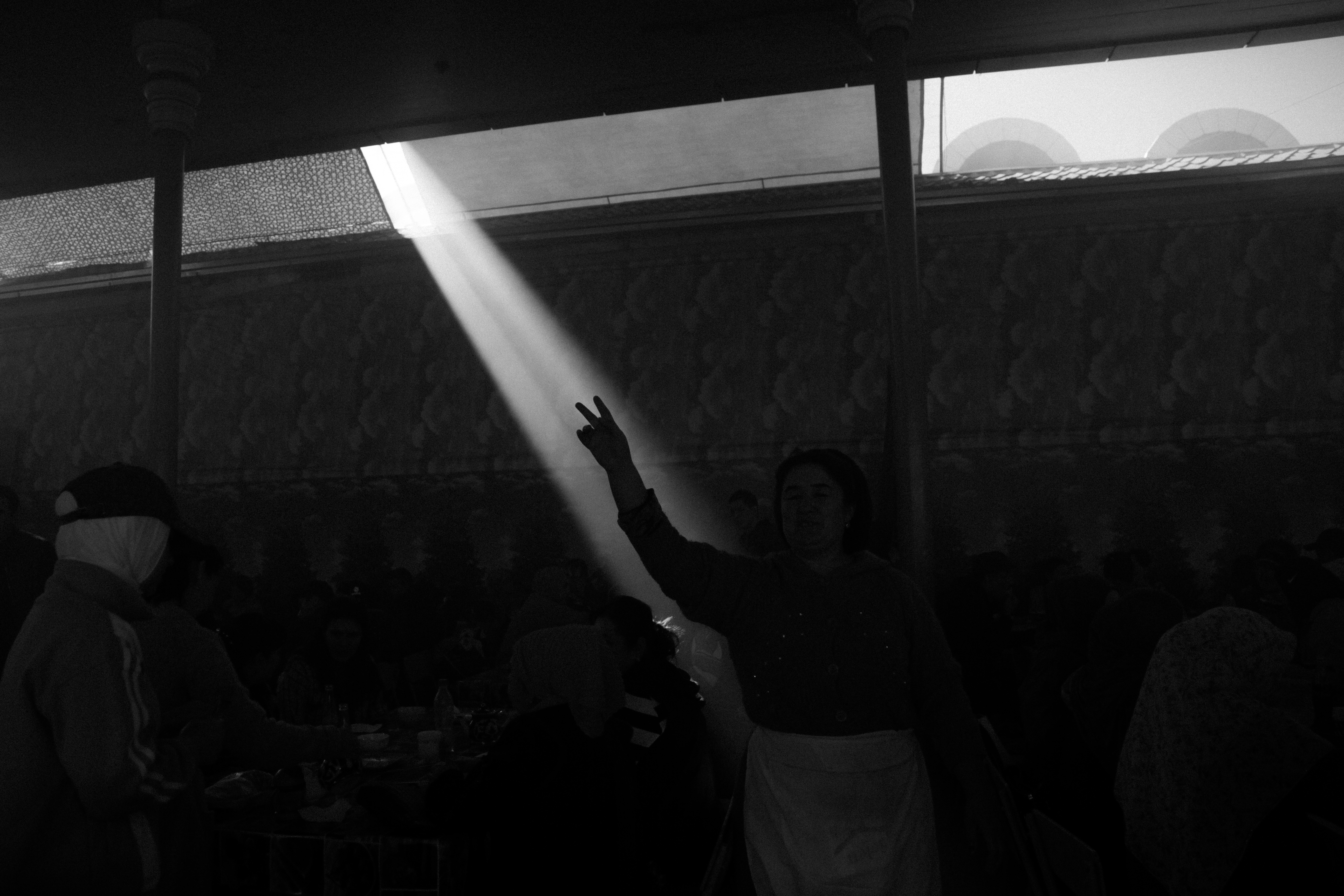
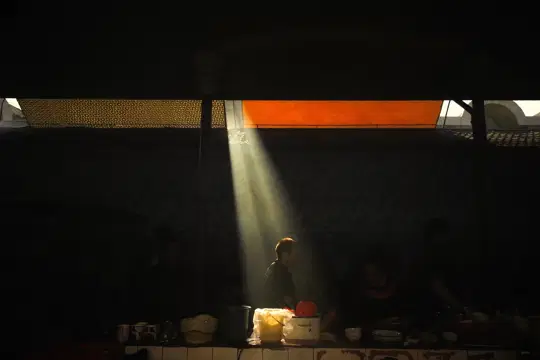
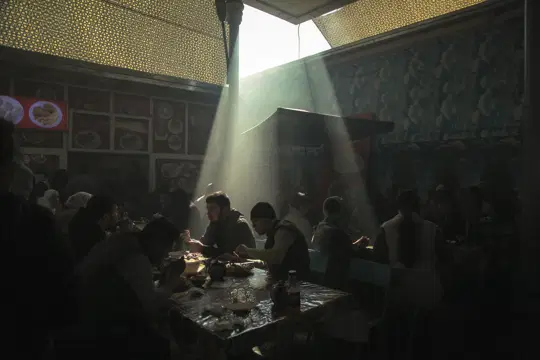
Today, people come to the Obzhornye Ryady at Chorsu more
for the atmosphere than for news and gossip. They also come to feel the thread
connecting generations.
...Decades have greatly changed the appearance of Chorsu, even within my own memory. I remember how the dome was built when I was a child. Deep in the narrow old streets there was a bird market where cockfights and quail fights were even held. That is gone now. Traditional crafts, such as the making of furniture, beshiks, chests, and other items, have been moved to separate rows outside the bazaar. Yet they have not lost their relevance, and you can still find many interesting things.
Ildar Sadykov
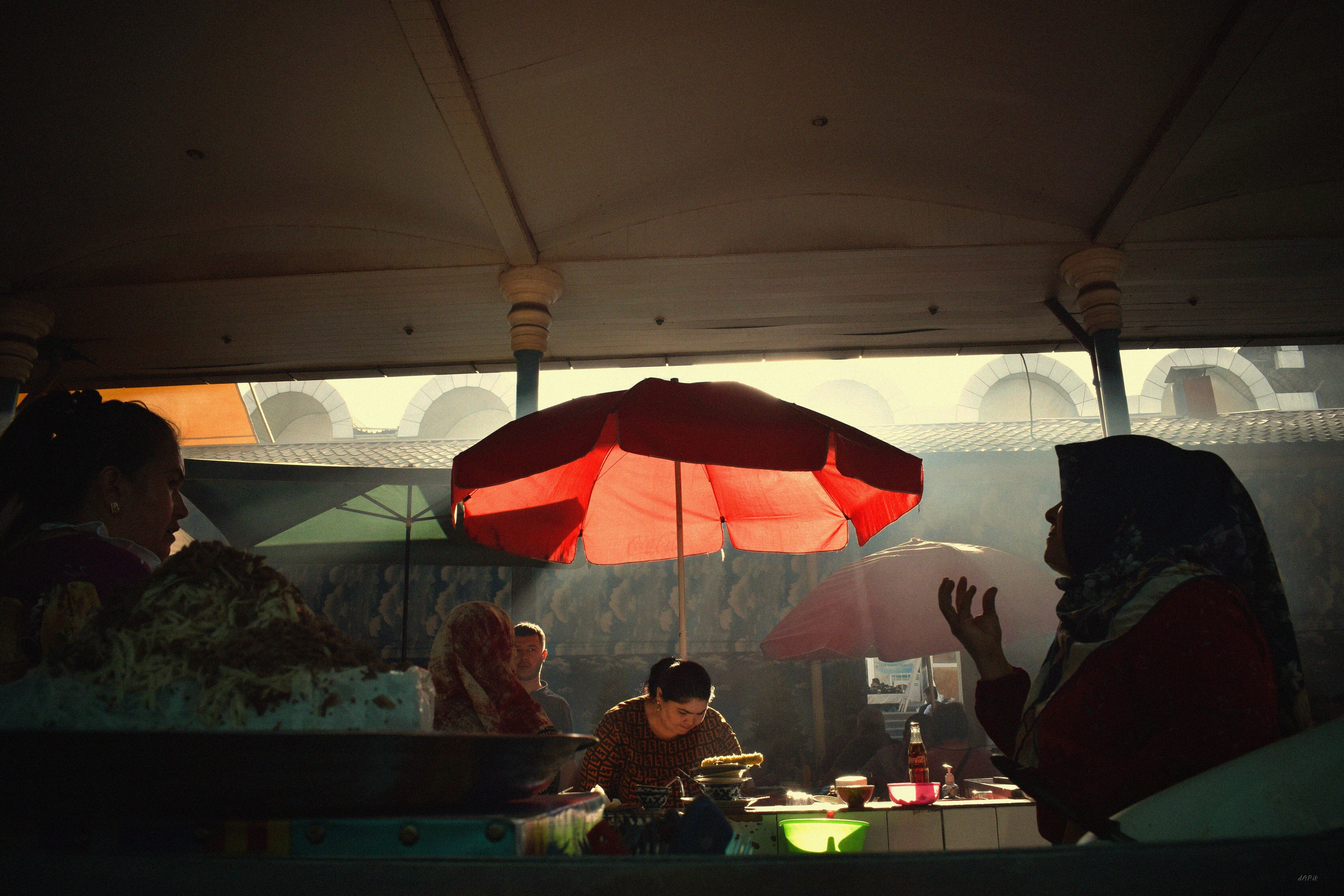
Today, the Obzhornye Ryady are an iconic place for both
Tashkent residents and foreign tourists. The latter are brought there in
organized groups as part of Old City tours. Where people once came to rest and
spend their free time on market days, the place has now become something of an
open-air museum with its unmistakable authenticity and aromas.
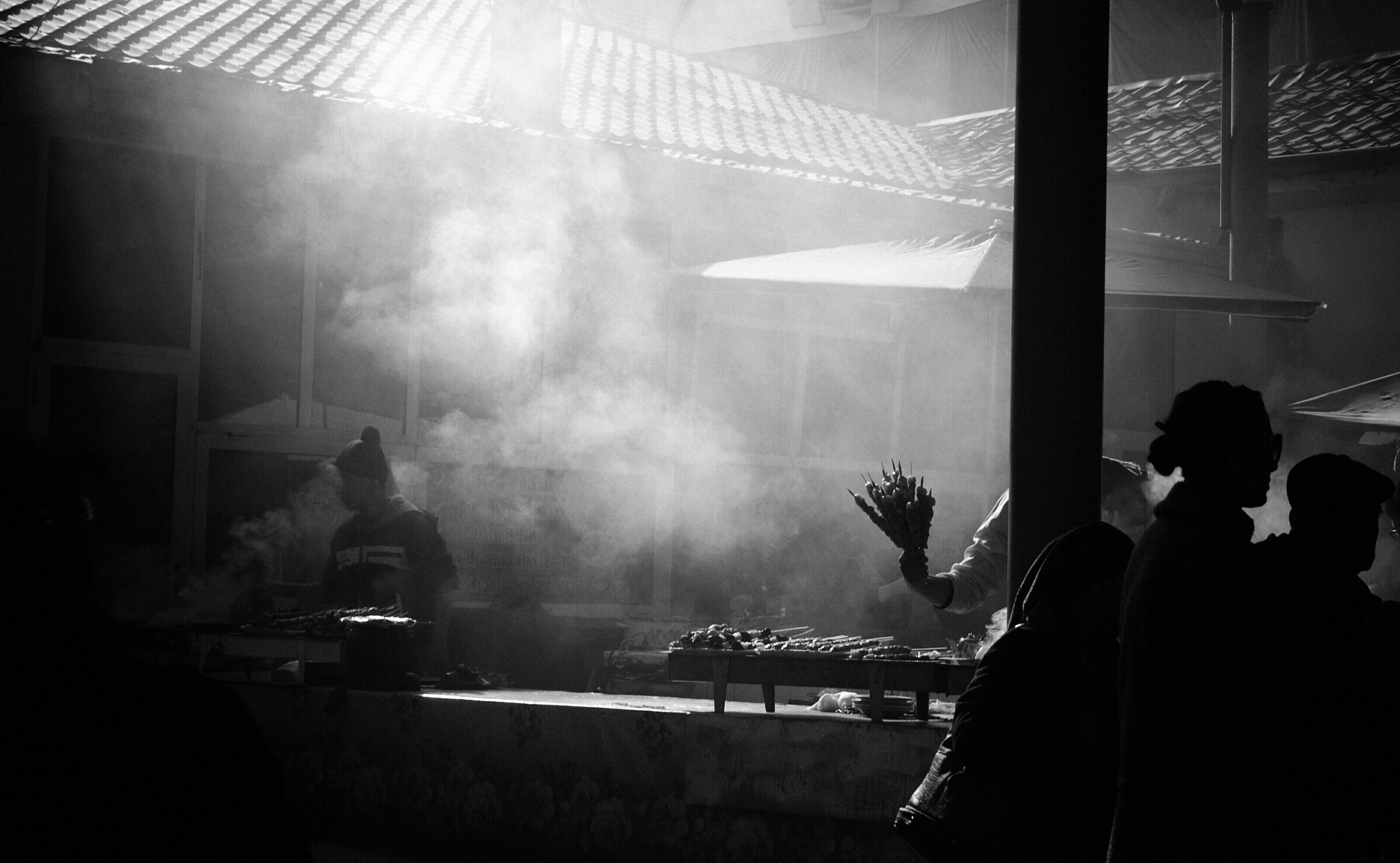
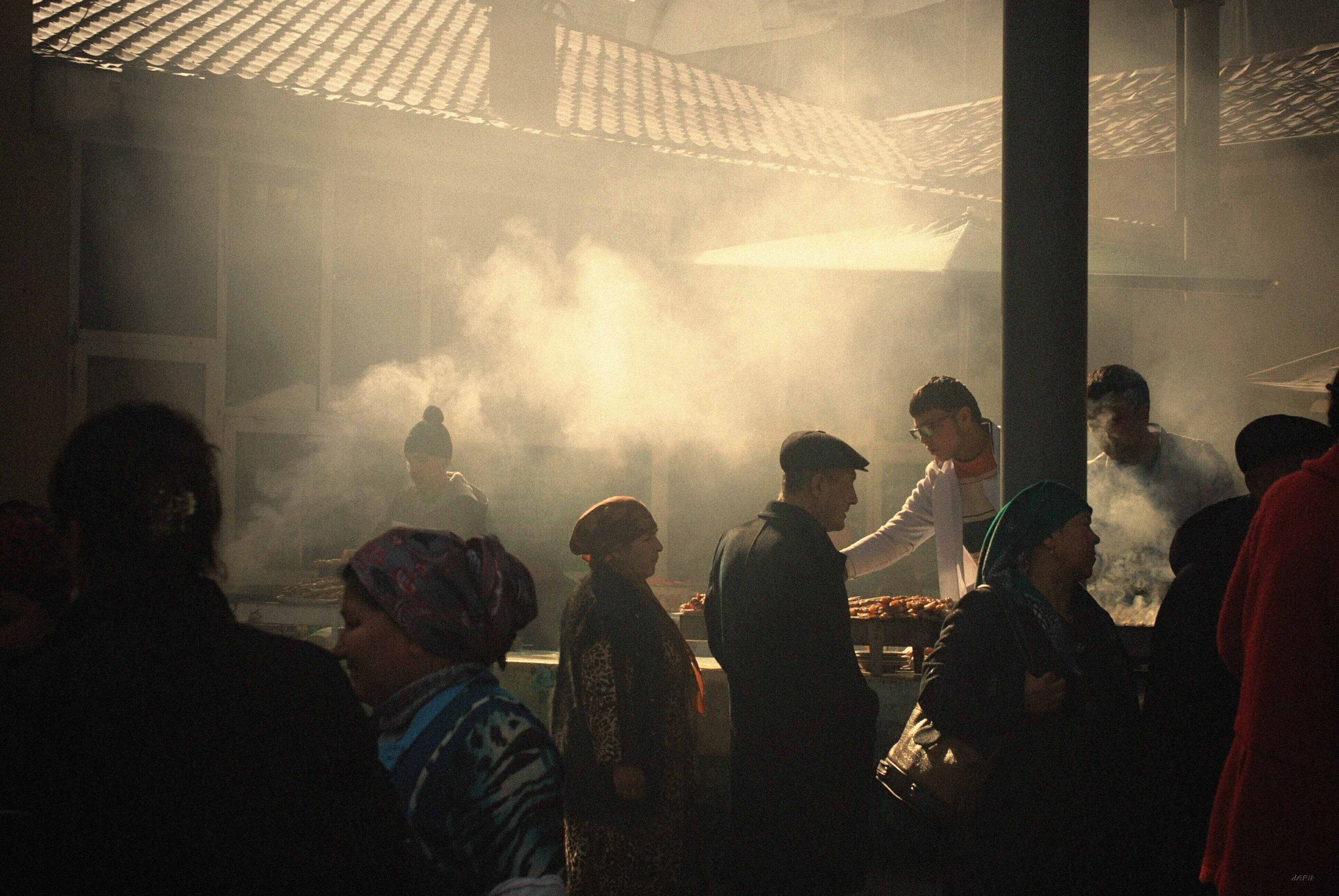
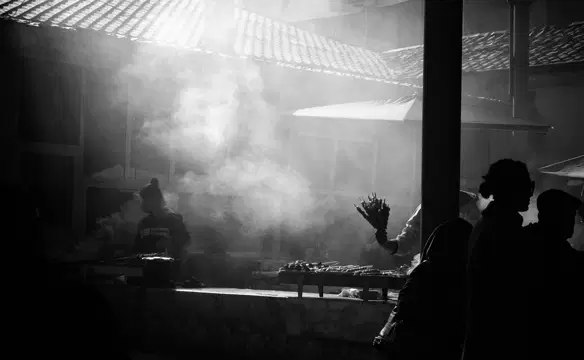
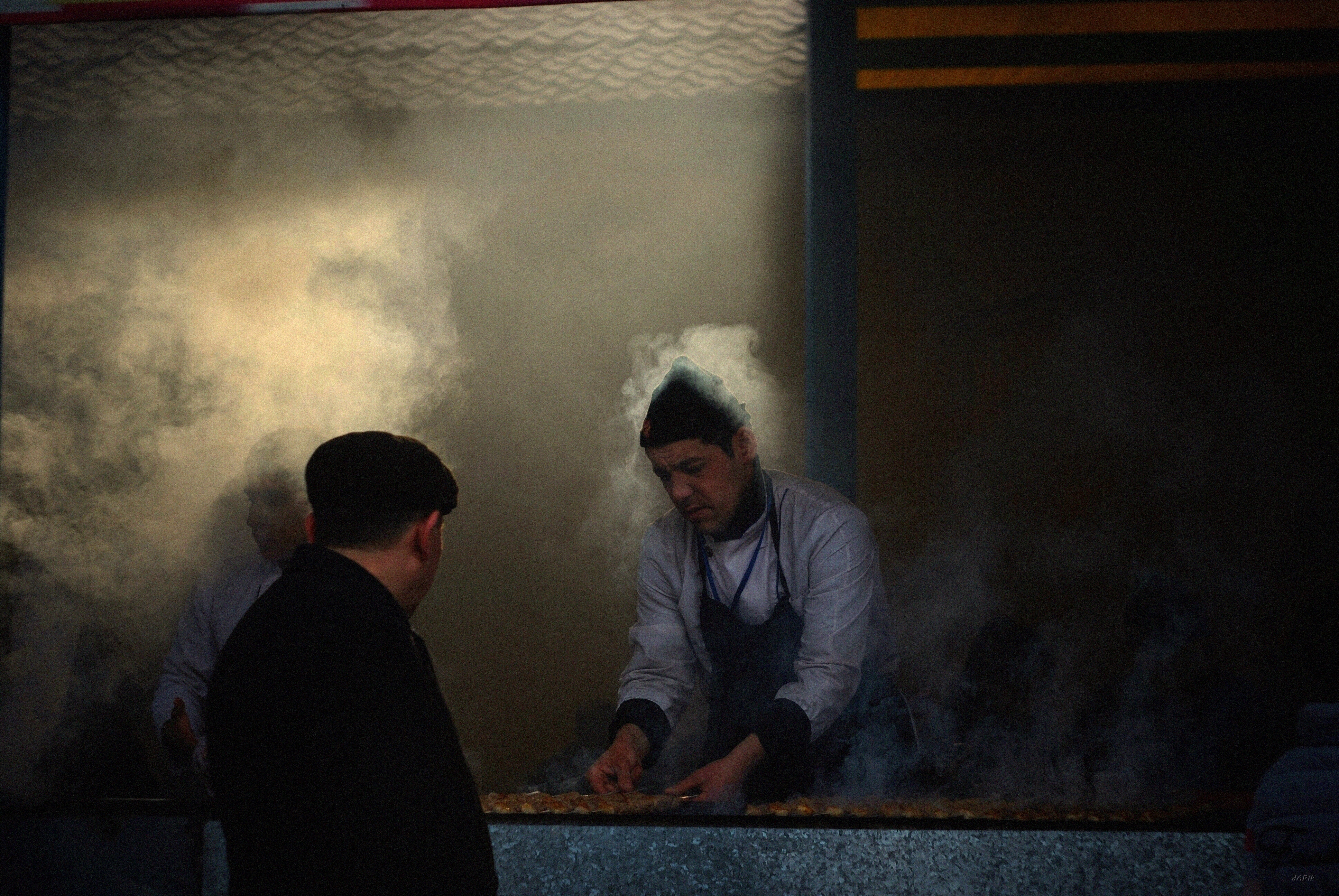
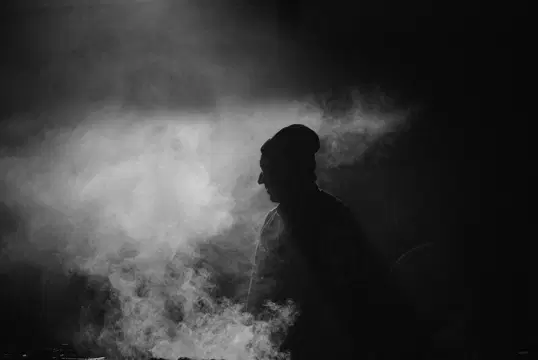
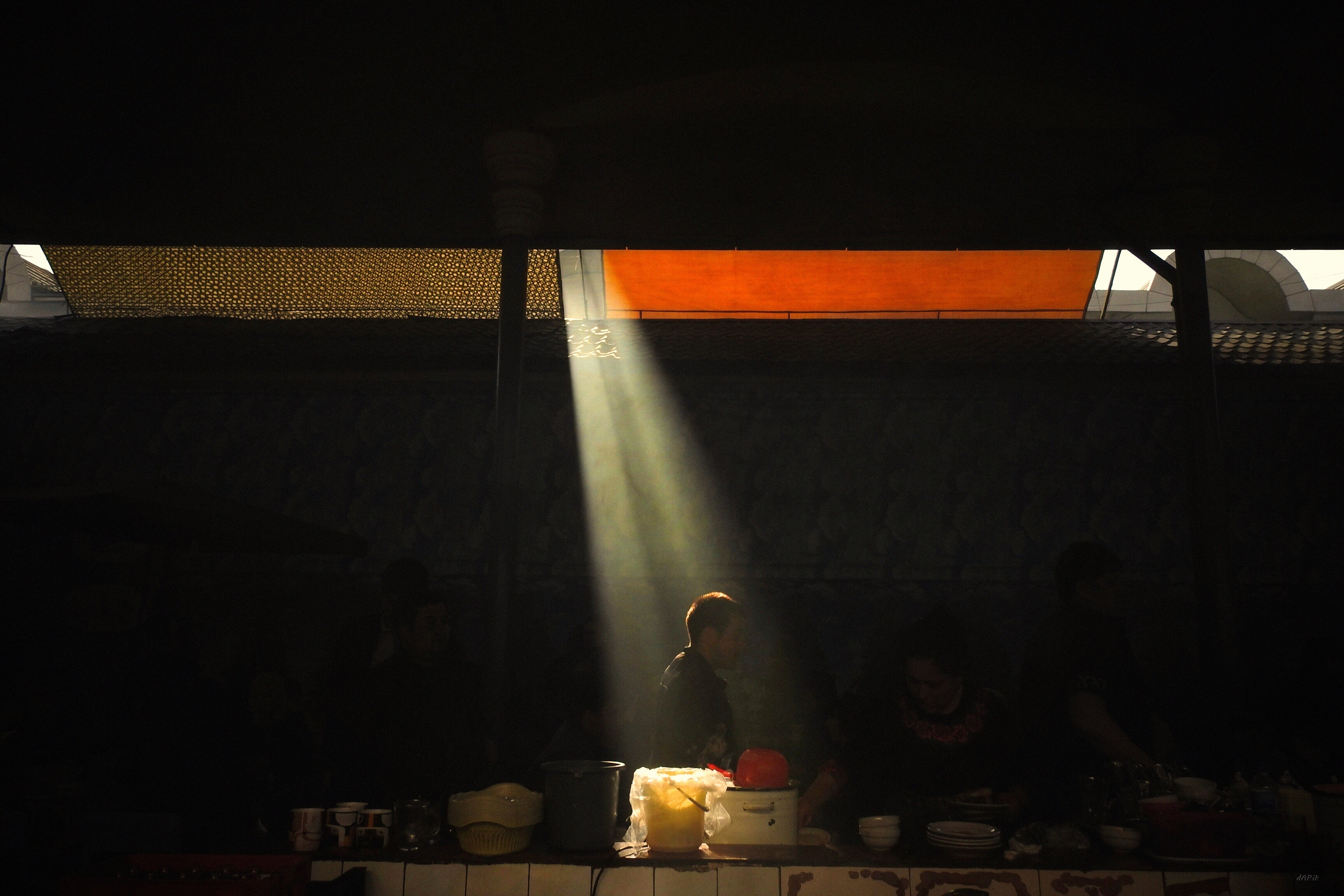
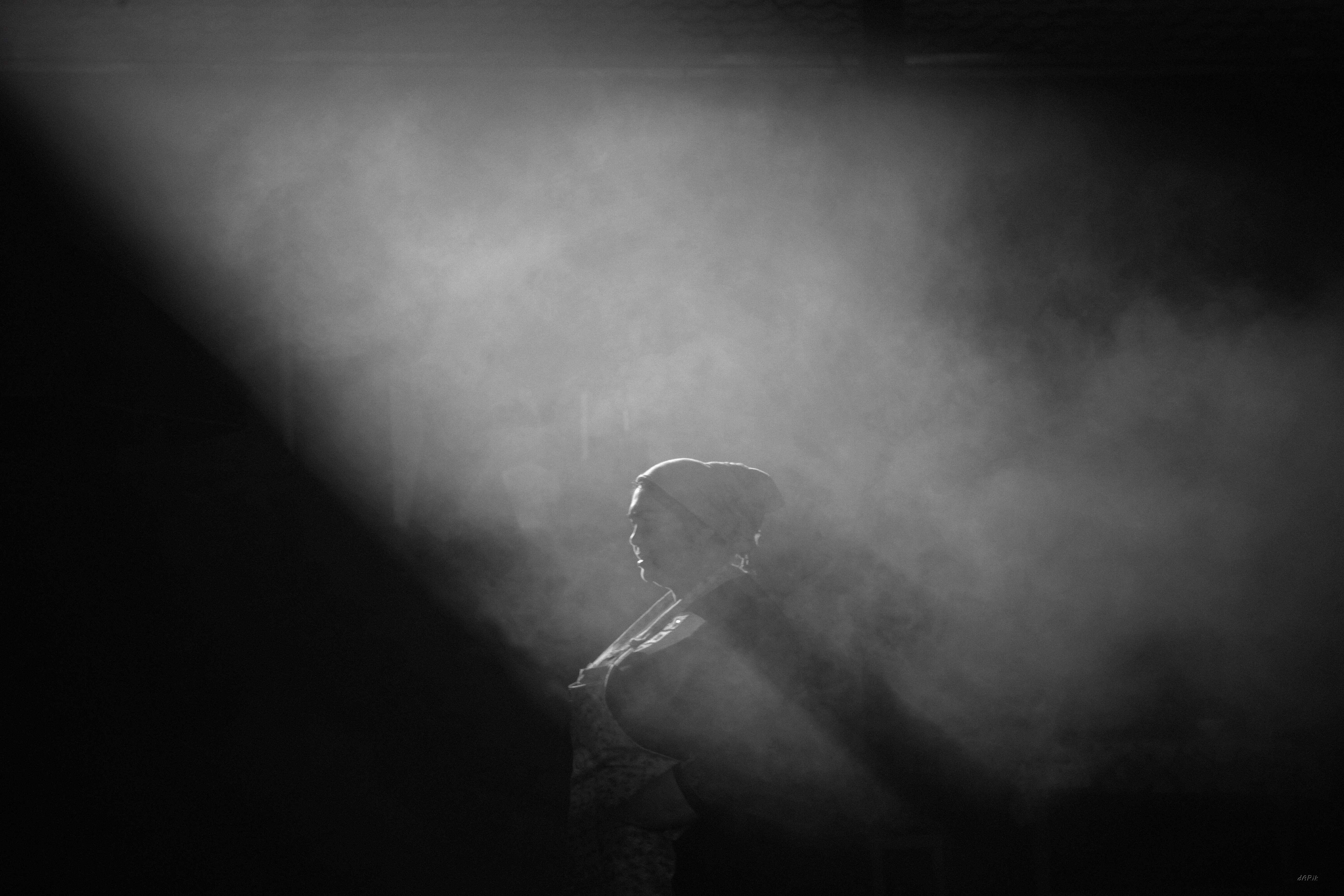
The Obzhornye Ryady are also a culinary landmark. Many of
the cooks working here come from families that have passed their recipes down
through generations. In a sense, it is a historical fast-food market.
 Author: Ildar Sadykov
 Author: Ildar Sadykov
 Author: Ildar Sadykov
 Author: Ildar Sadykov
 Author: Ildar Sadykov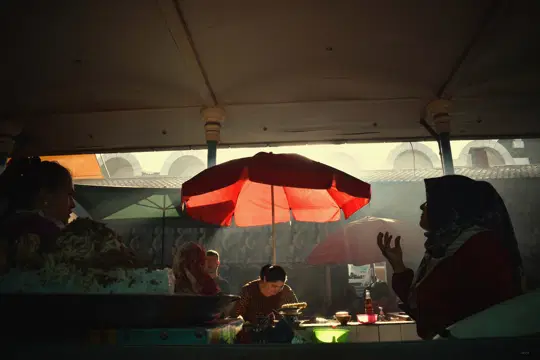
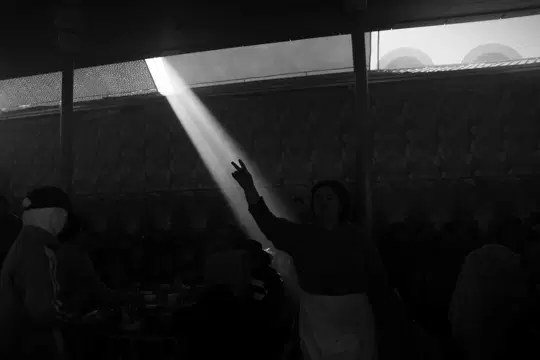
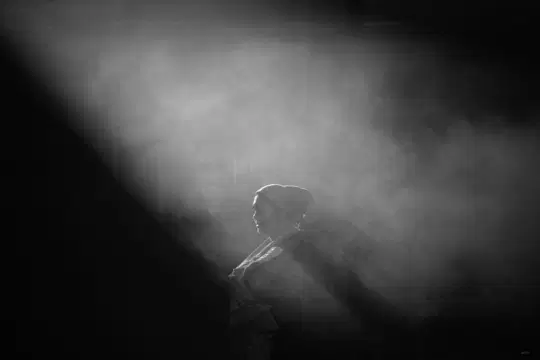
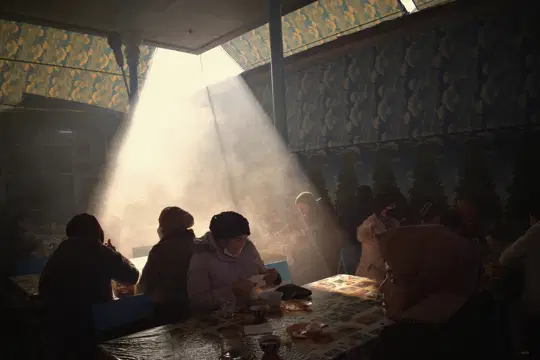
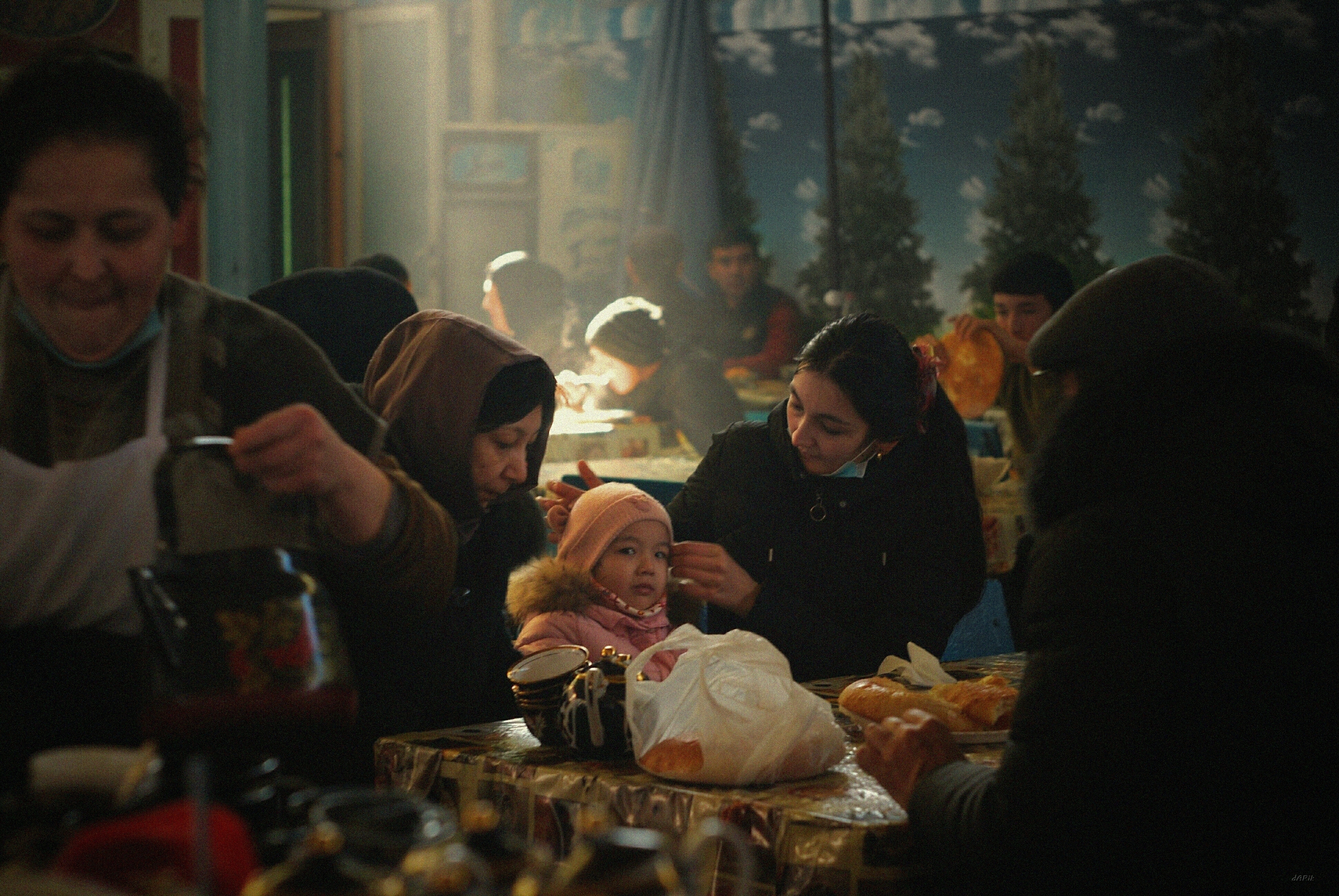
Today, locals come here less to debate philosophical ideas
and more to share a quick meal with family or friends, confident in the
familiar taste of well-known dishes. Yet something of the ancient chaikhana has
survived into the twenty-first century. One thing is certain: it remains a
space of openness, acceptance, and tolerance. A place where you are welcomed
and where, along with a cup of hot tea, you receive the warmth of hospitality,
no matter where you come from or where you are heading.


