
Analysing faith is a thankless task. All we can do is observe and capture it, while keeping the demands of tradition in focus.
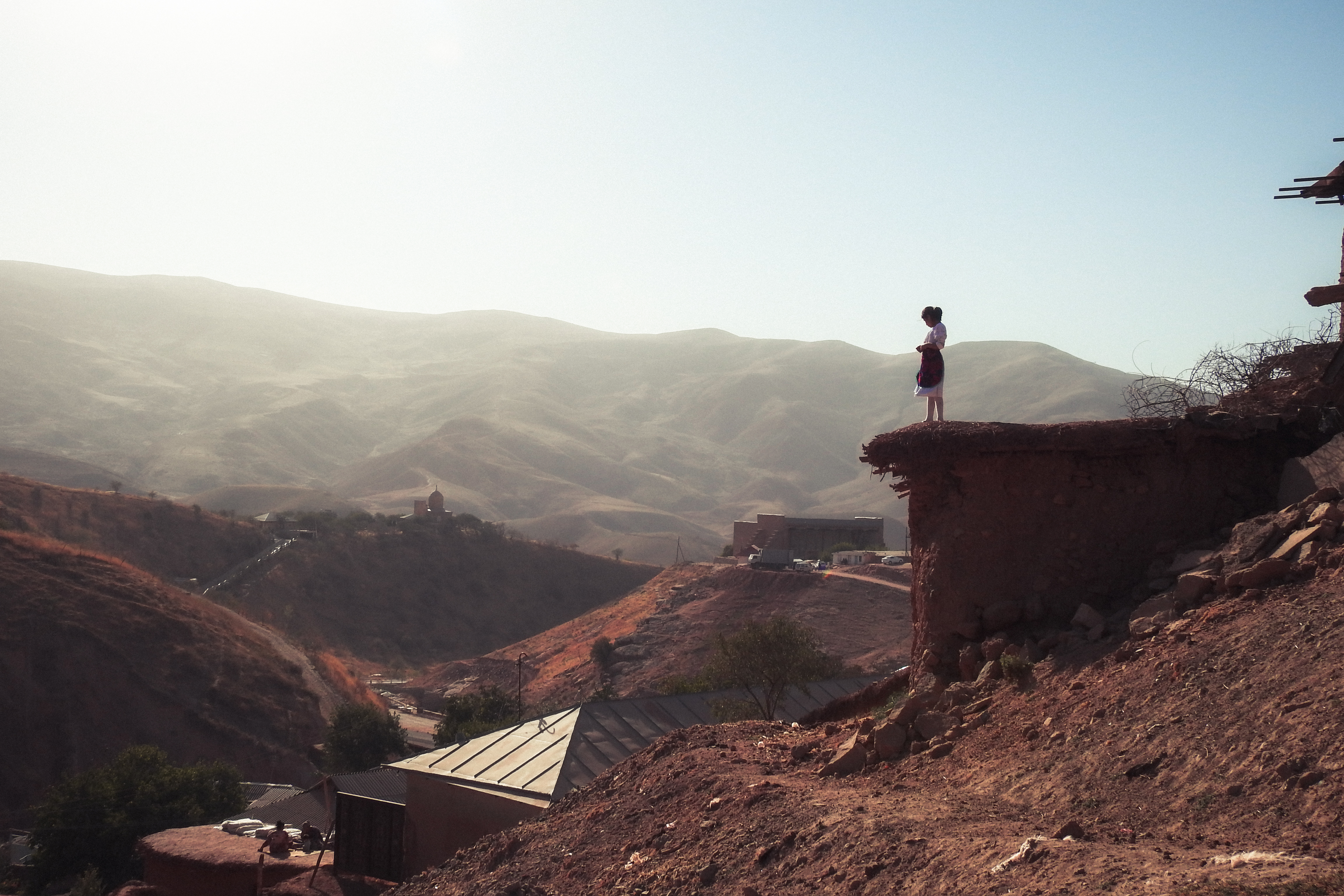 Photo: Ildar Sadykov
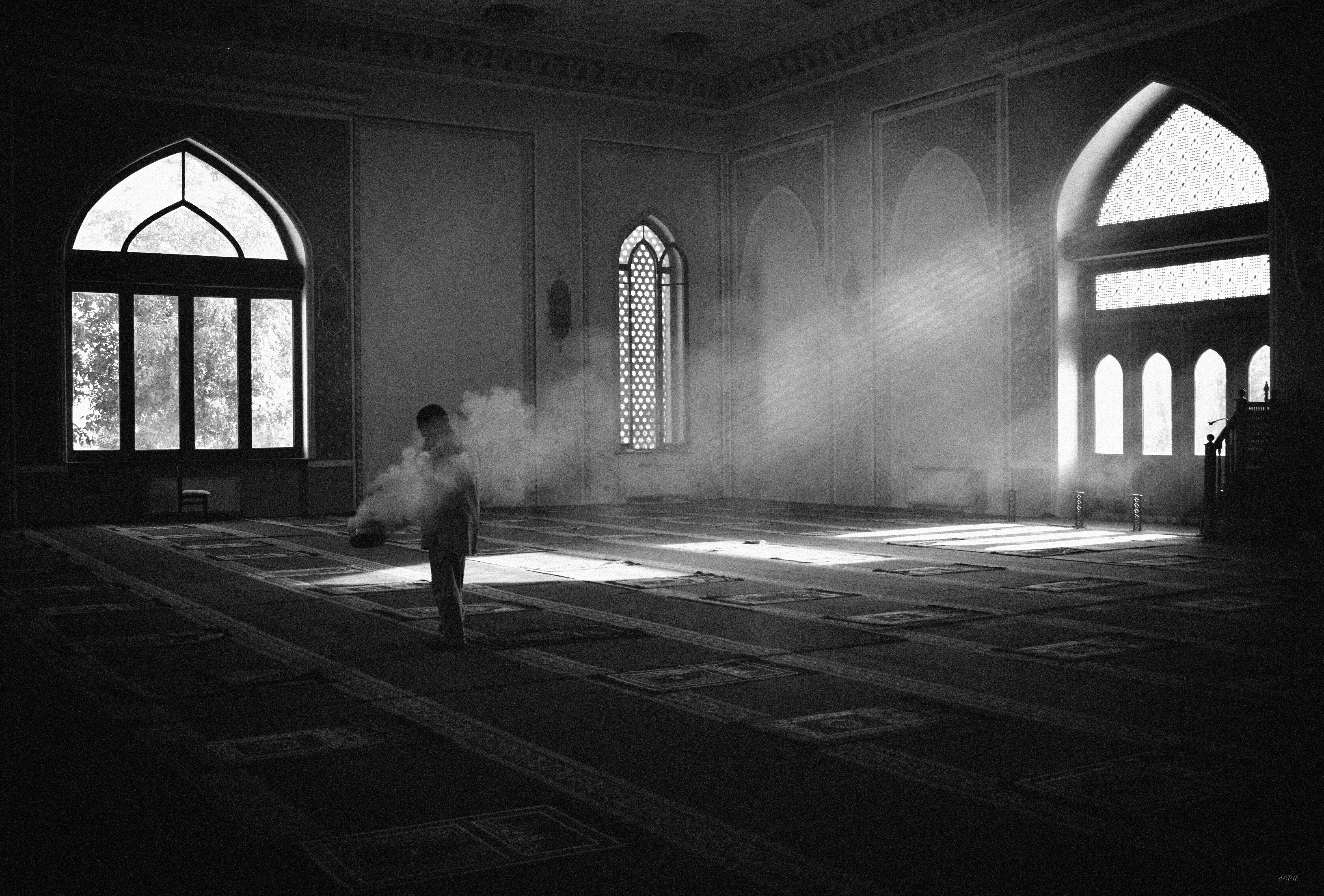 Photo: Ildar Sadykov
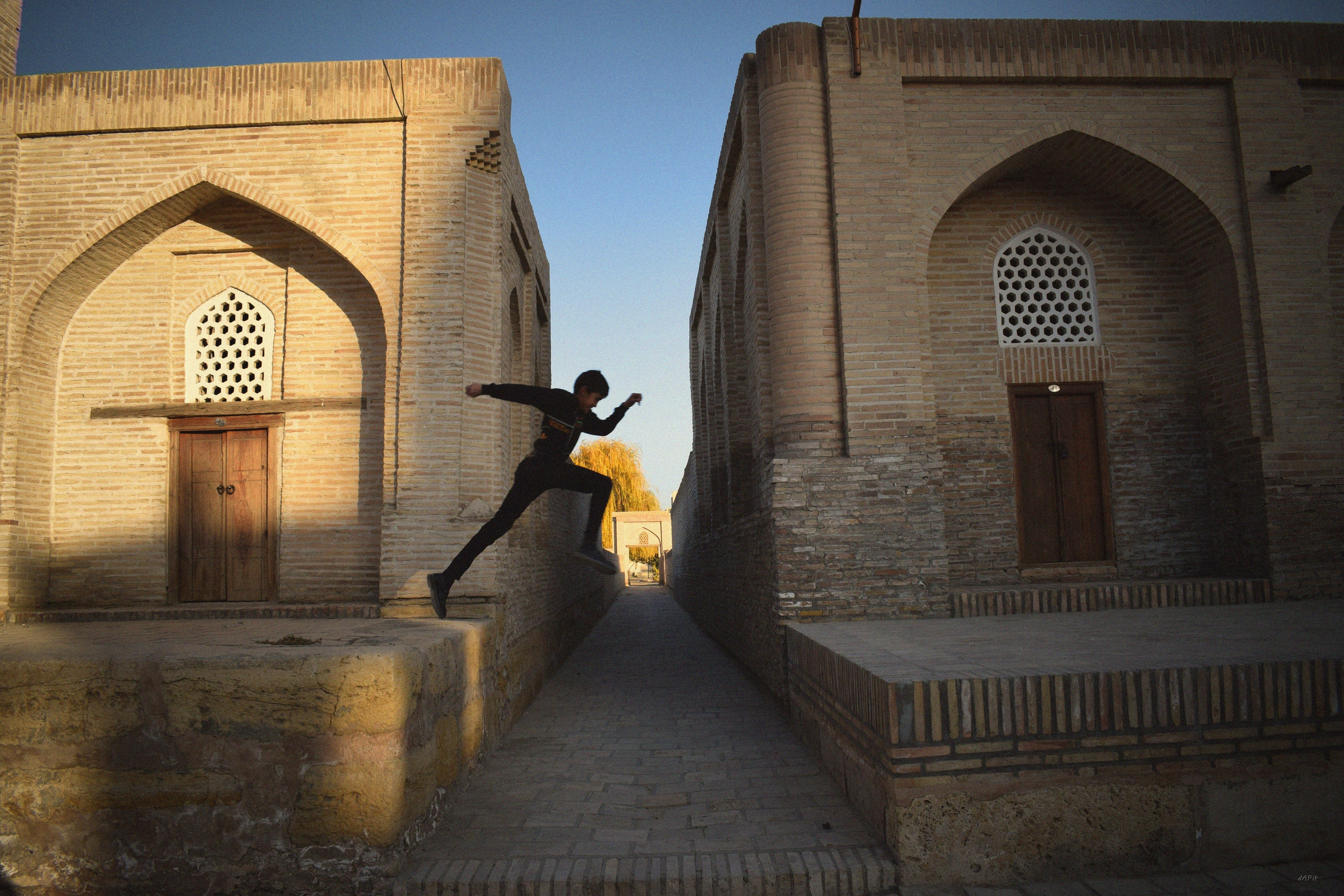 Photo: Ildar Sadykov
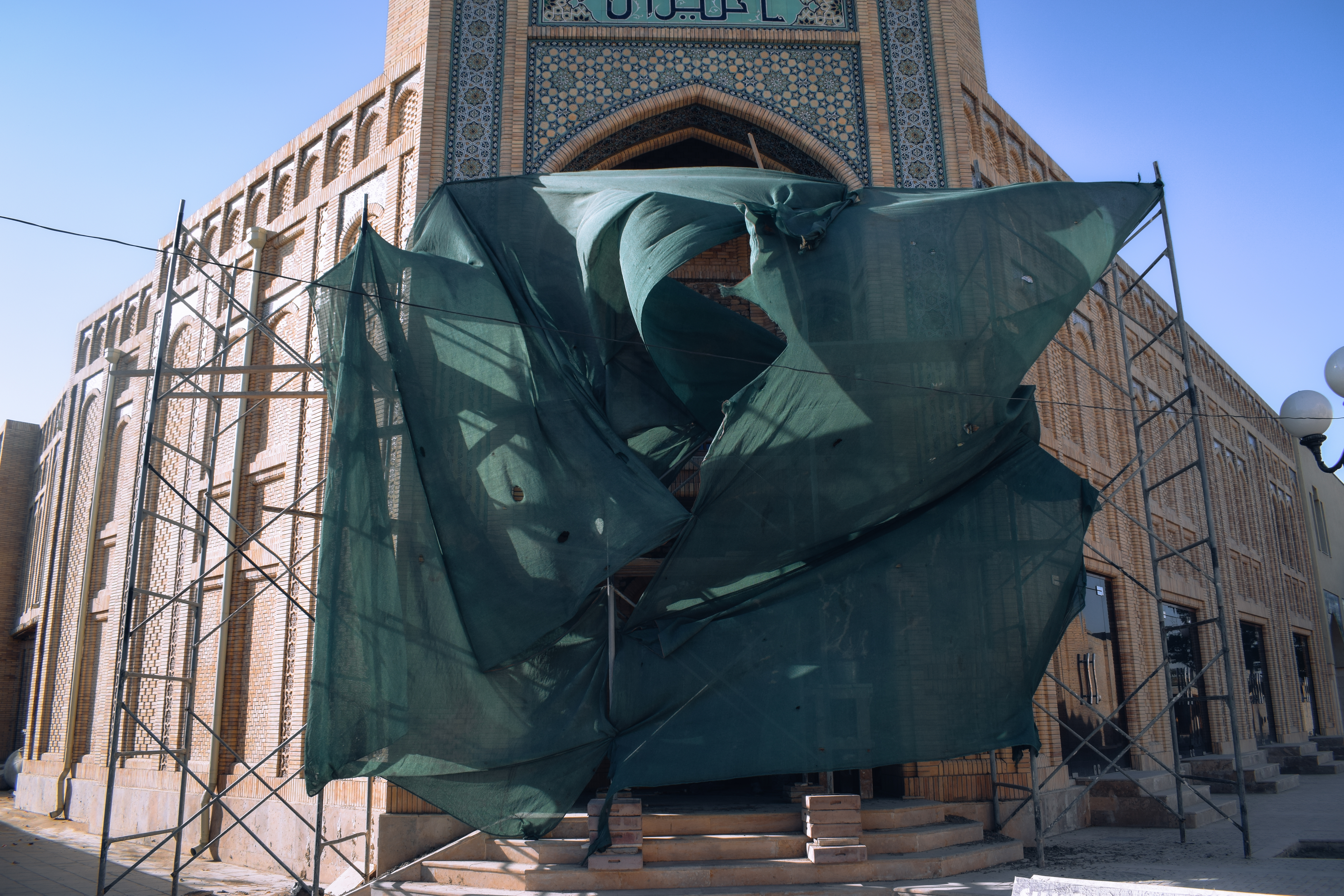 Photo: Ildar Sadykov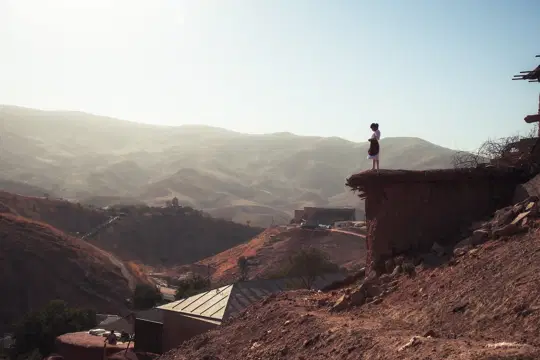
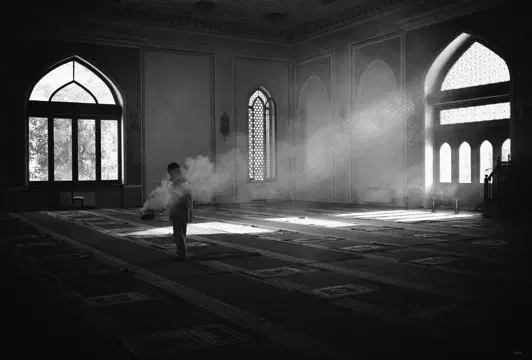
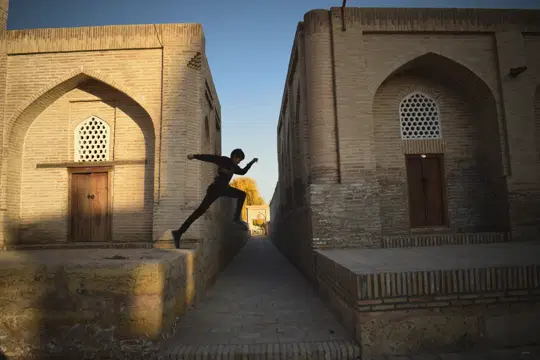
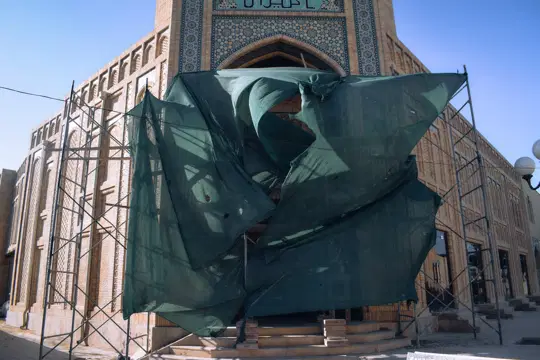
Kurban Hayit is celebrated exactly seventy days after Ramazan Hayit (Eid al-Fitr), which is why it does not have a fixed date. All dates are calculated according to the lunar calendar. The essence of the holiday is the celebration of a person’s all-encompassing, unwavering faith and of Allah’s mercy towards Ibrahim, who was prepared to sacrifice his son to God. In the Muslim tradition, the sacrificial animal symbolises a test of faith and its blessed resolution.
The triumph of overcoming and the attainment of divine mercy are the central elements of the culmination of all the festive celebrations.
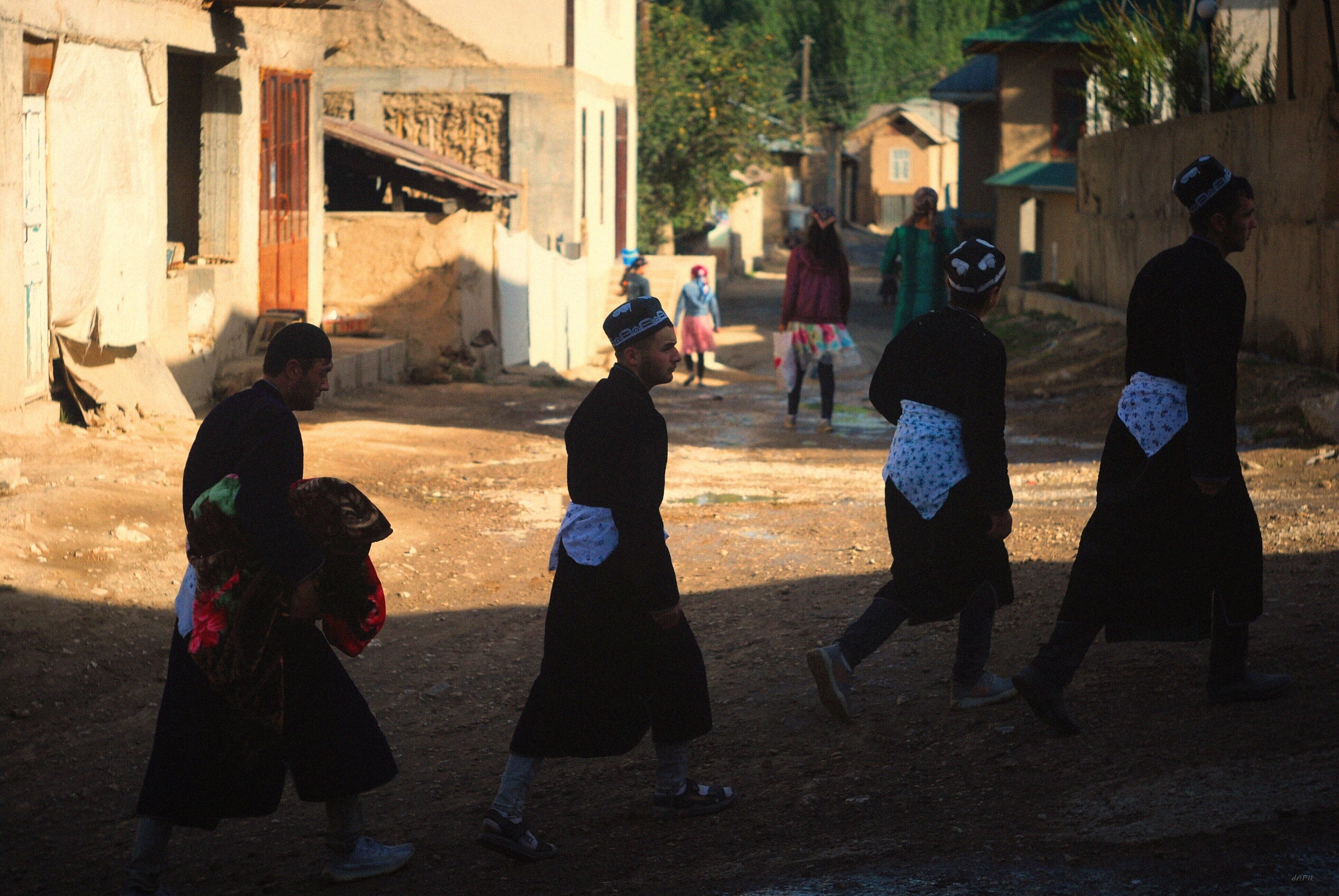 Photo: Ildar Sadykov
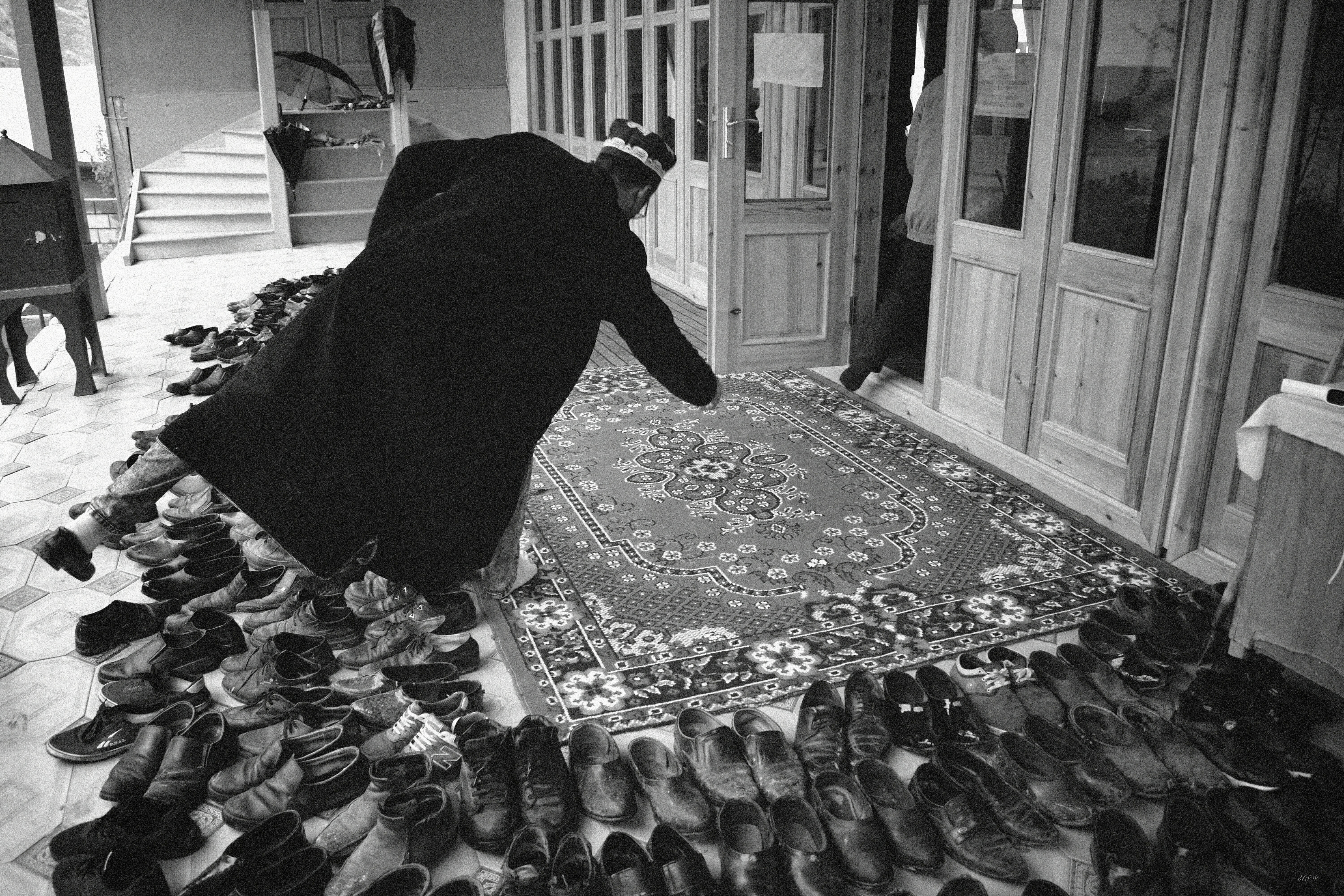 Photo: Ildar Sadykov
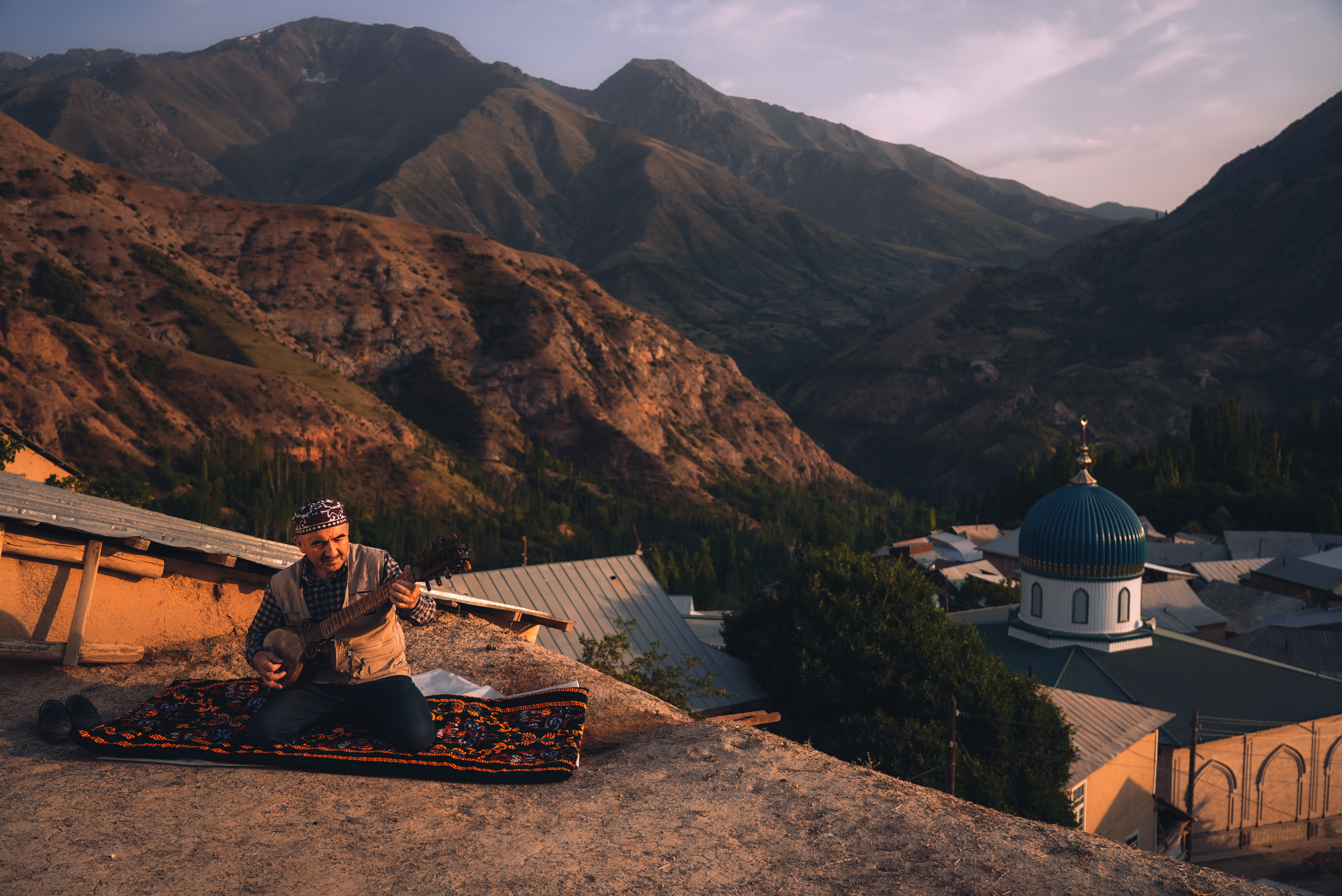 Photo: Ildar Sadykov
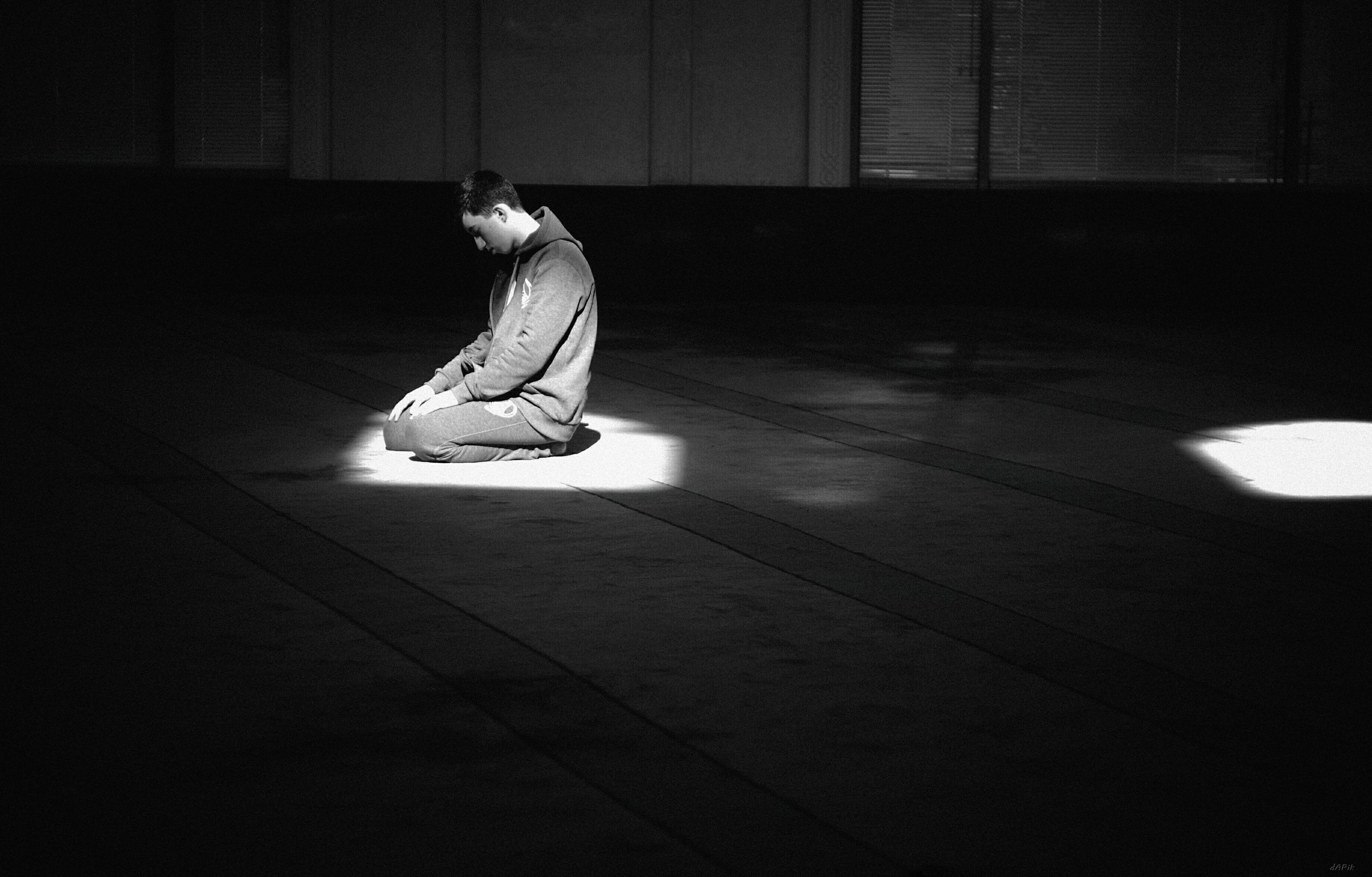 Photo: Ildar Sadykov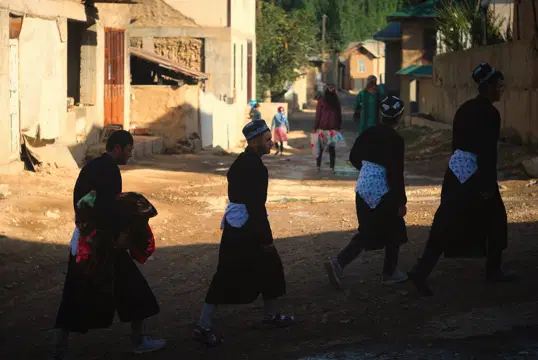
I remember from childhood how important Hayit was for all of us. One tradition I especially love is the giving of new clothes, both to children and adults. Watching a man's delight when his wife presents him with something new to wear is a pleasure in itself. Men, especially in the regions, rarely treat themselves, so they welcome such gifts with the excitement of children. The new outfit is always tried on at once and proudly shown off to relatives.
Ildar Sadykov
Preparations and celebrations unfold in several stages. The Day of Arafah is devoted to the household. Homes are cleaned and tidied, while festive clothes are carefully brought out and made ready. By evening, families begin preparing traditional dishes, most of them baked goods: flatbreads, samsa, baursaks, chak-chak, fried pastries and other sweets. The specific dishes vary from region to region, but the spirit remains the same: the home should welcome both the holiday and its guests with warmth, generosity and an atmosphere of abundance.
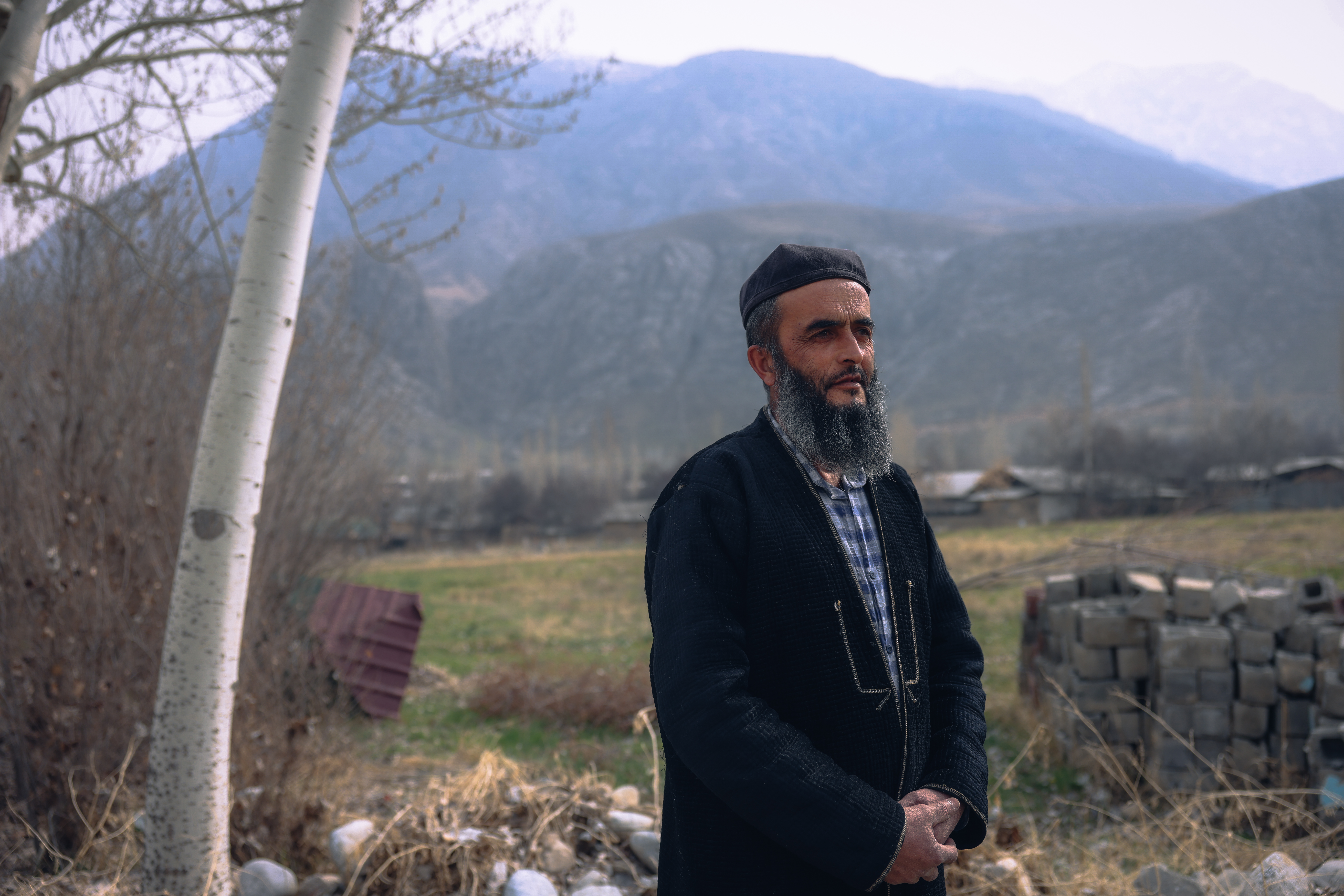 Photo: Ildar Sadykov
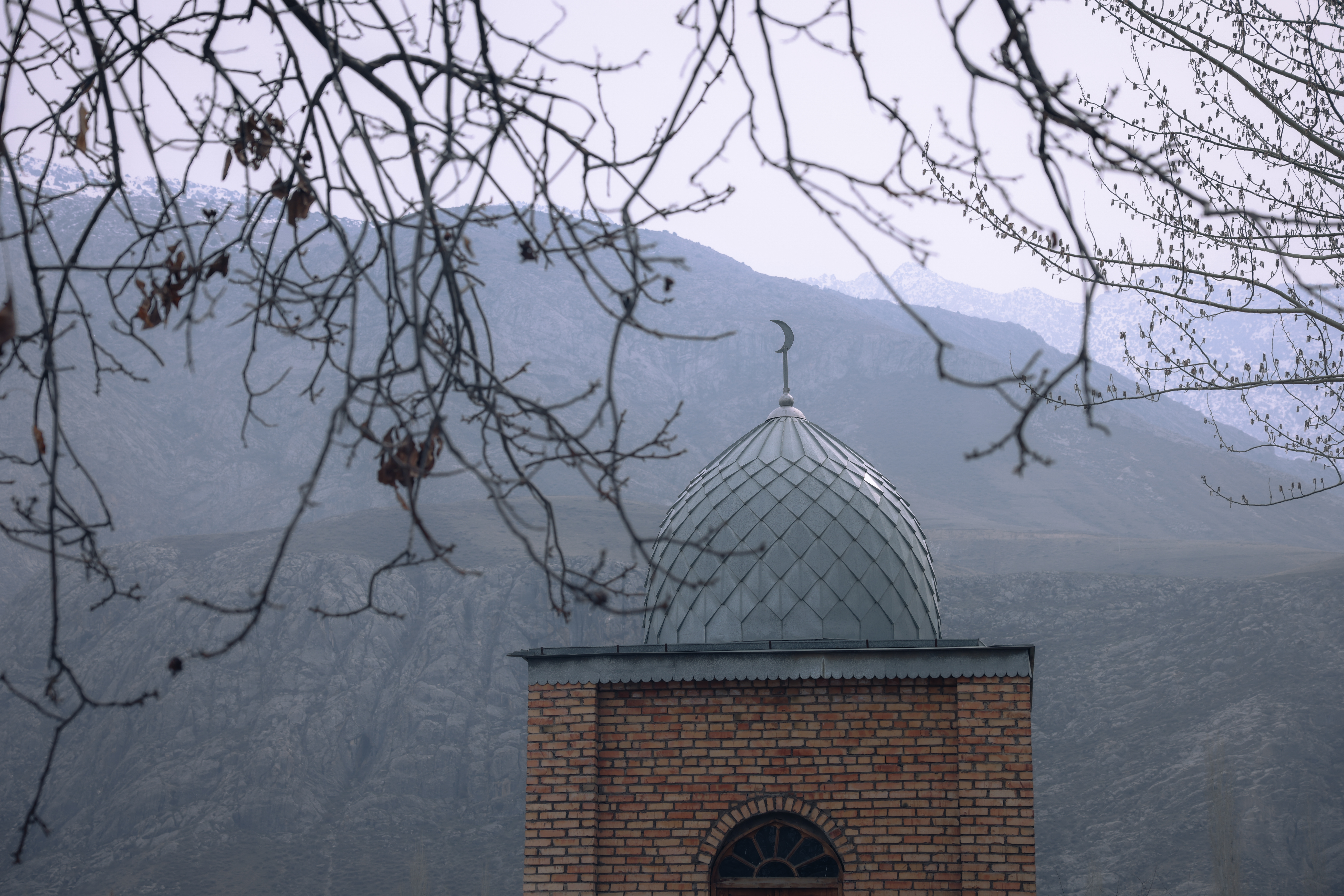 Photo: Ildar Sadykov
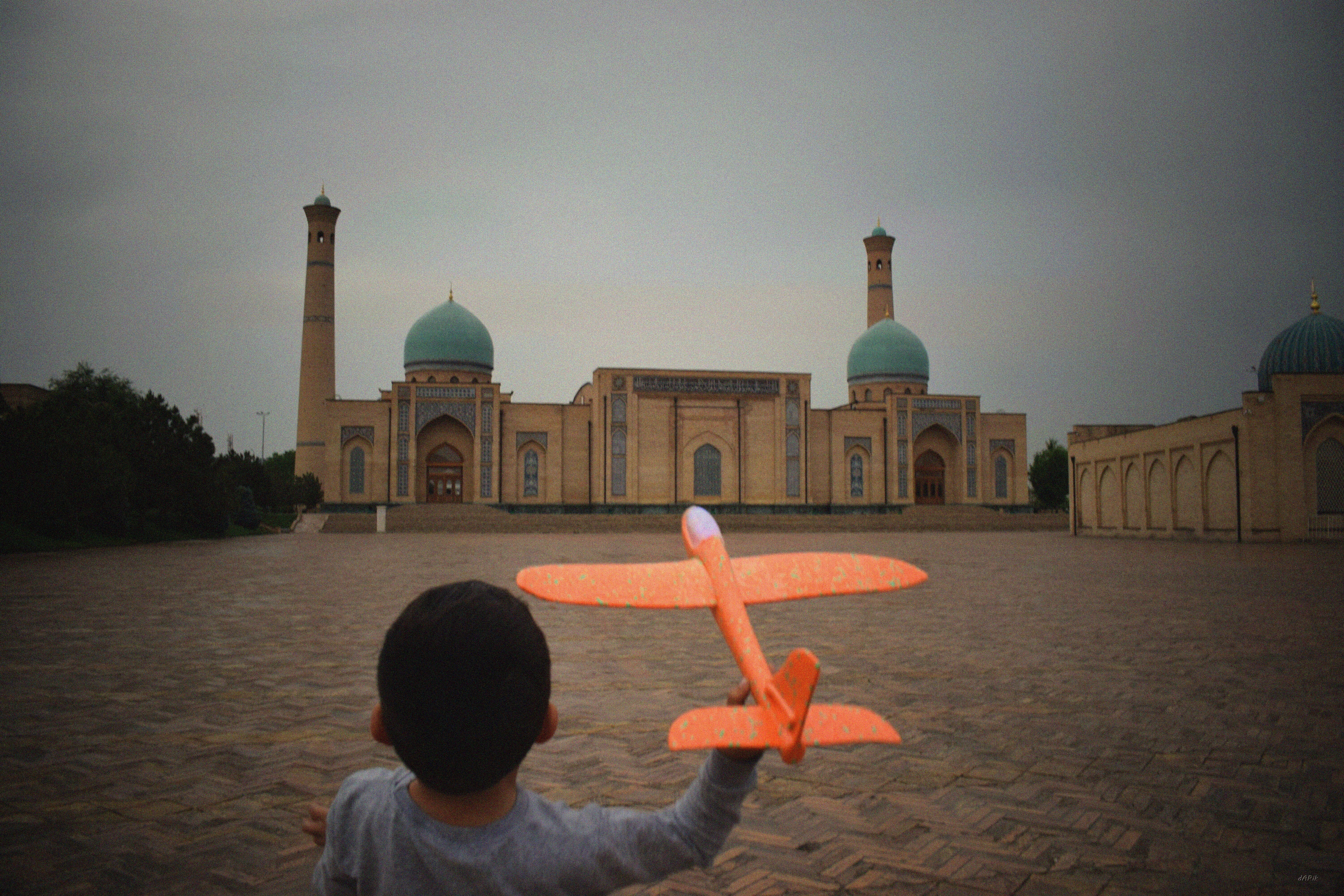 Photo: Ildar Sadykov
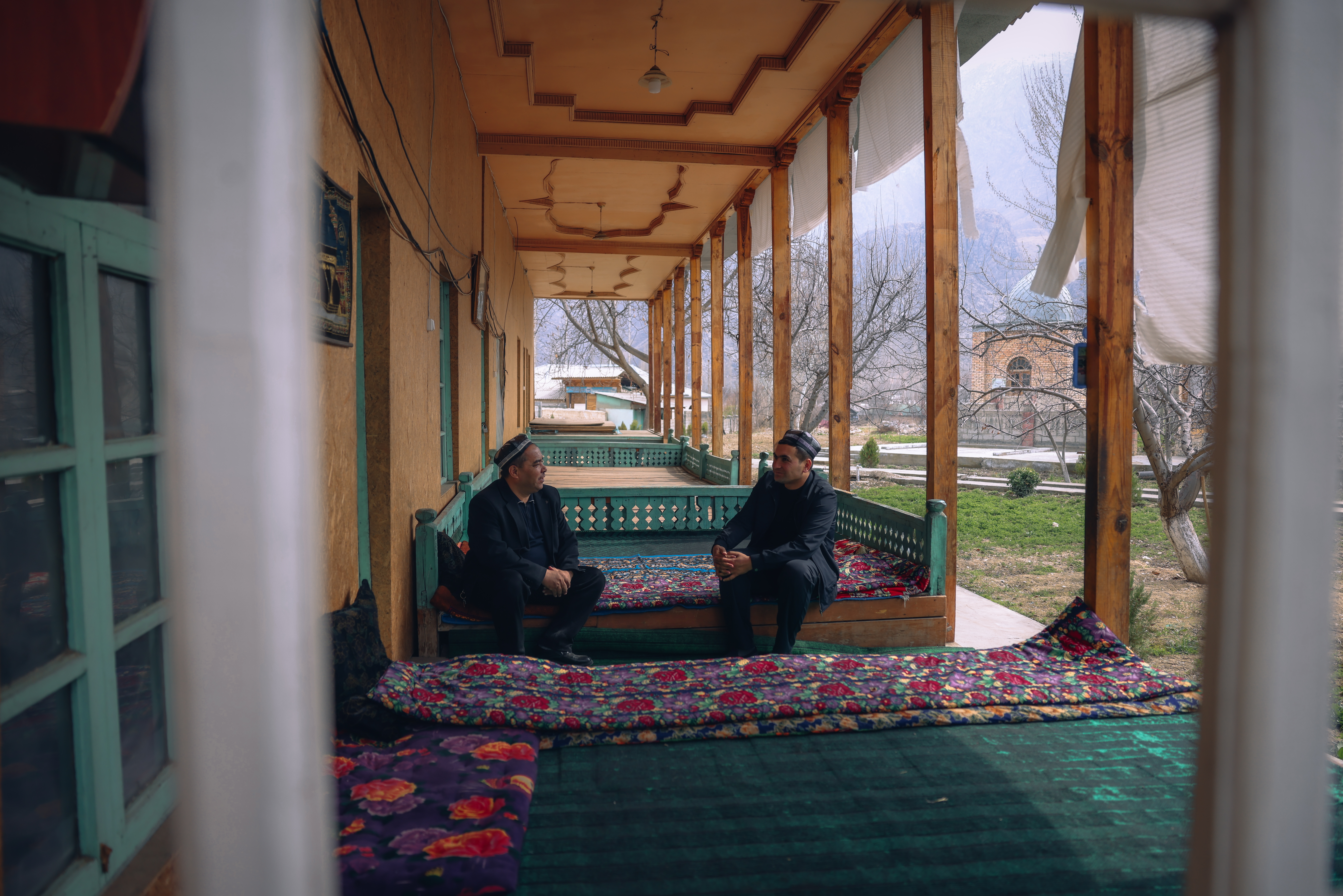 Photo: Ildar Sadykov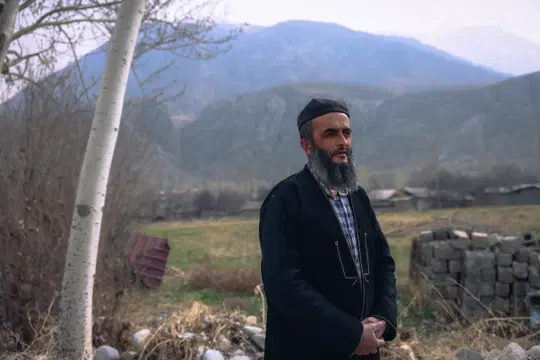
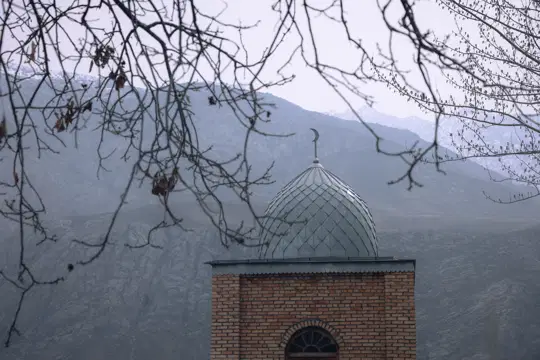
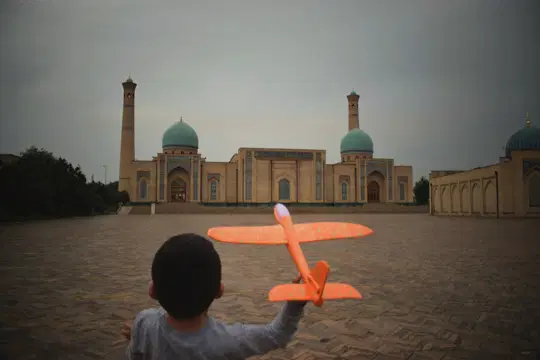
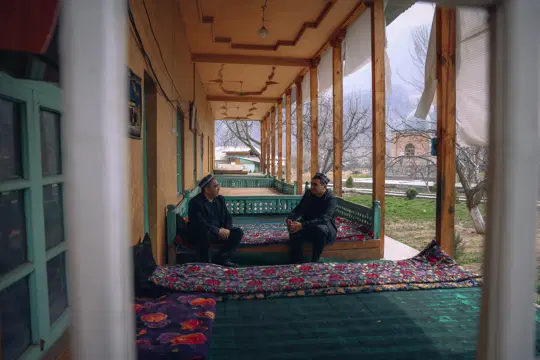
A poignant memory for millions of Uzbeks is the mahalla on the eve of the holiday. The scent of dough, oil and tandoor ovens drifts from every courtyard, while the usual bustle of the streets gradually subsides, only to return the following morning. During the holiday, neighbours exchange treats and good wishes, sometimes quite literally over a fence that has never been a barrier to community spirit. In this way, the courtyard becomes a metaphor for a land where all people are brothers.
After the morning holiday prayer comes the ritual sacrifice: only part of the meat remains with the family, while the rest is shared with relatives, neighbours and those in need.
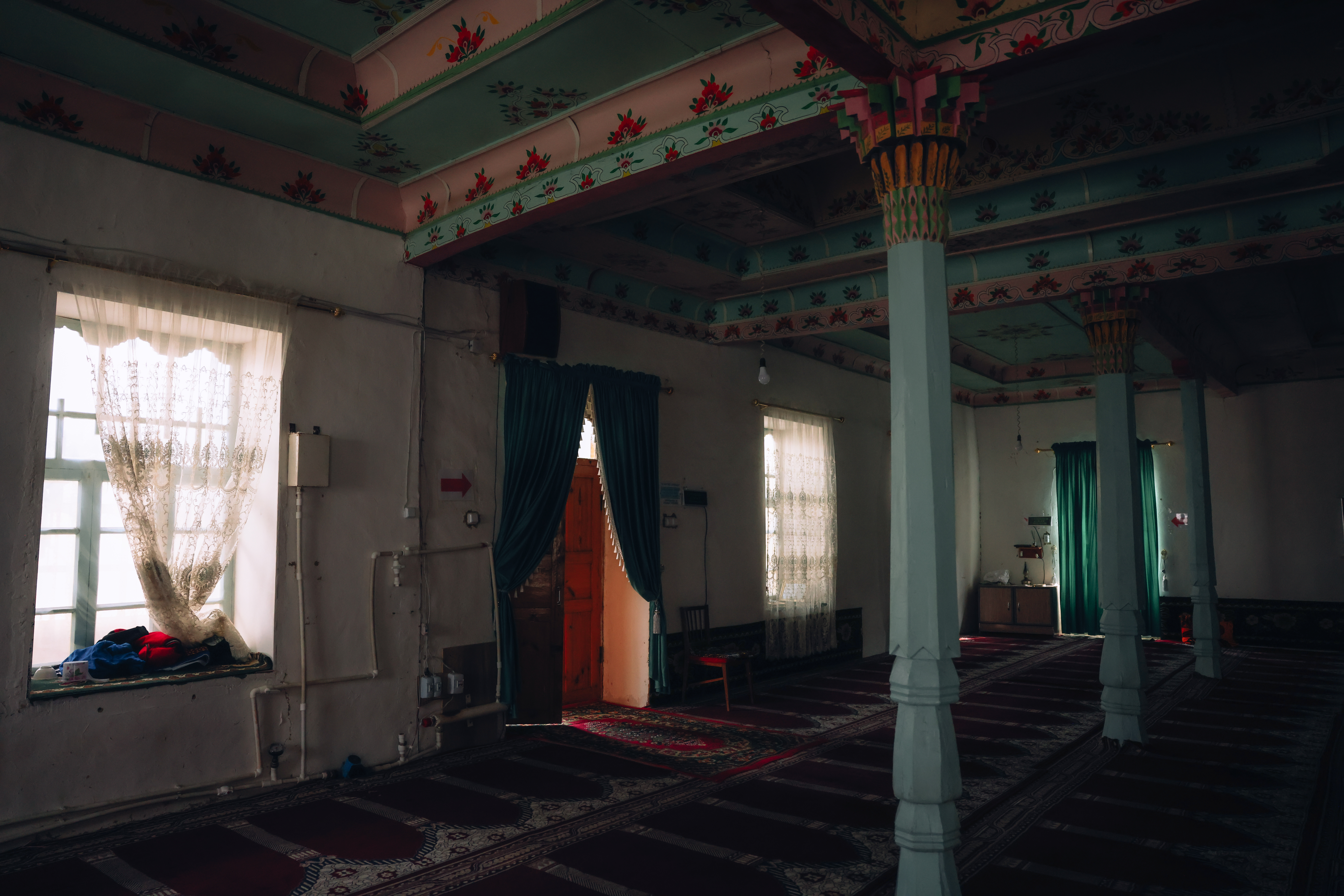 Photo: Ildar Sadykov
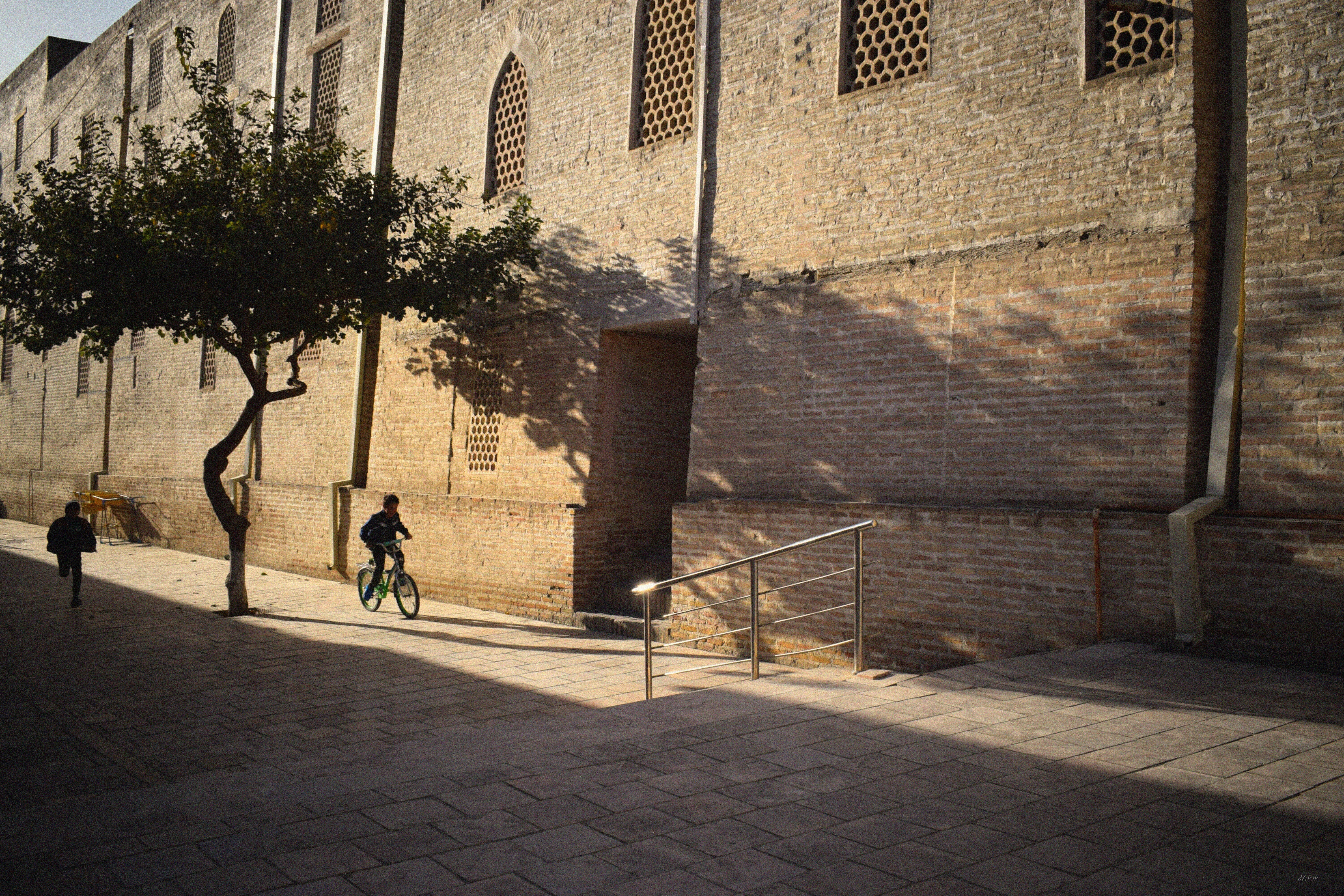 Photo: Ildar Sadykov
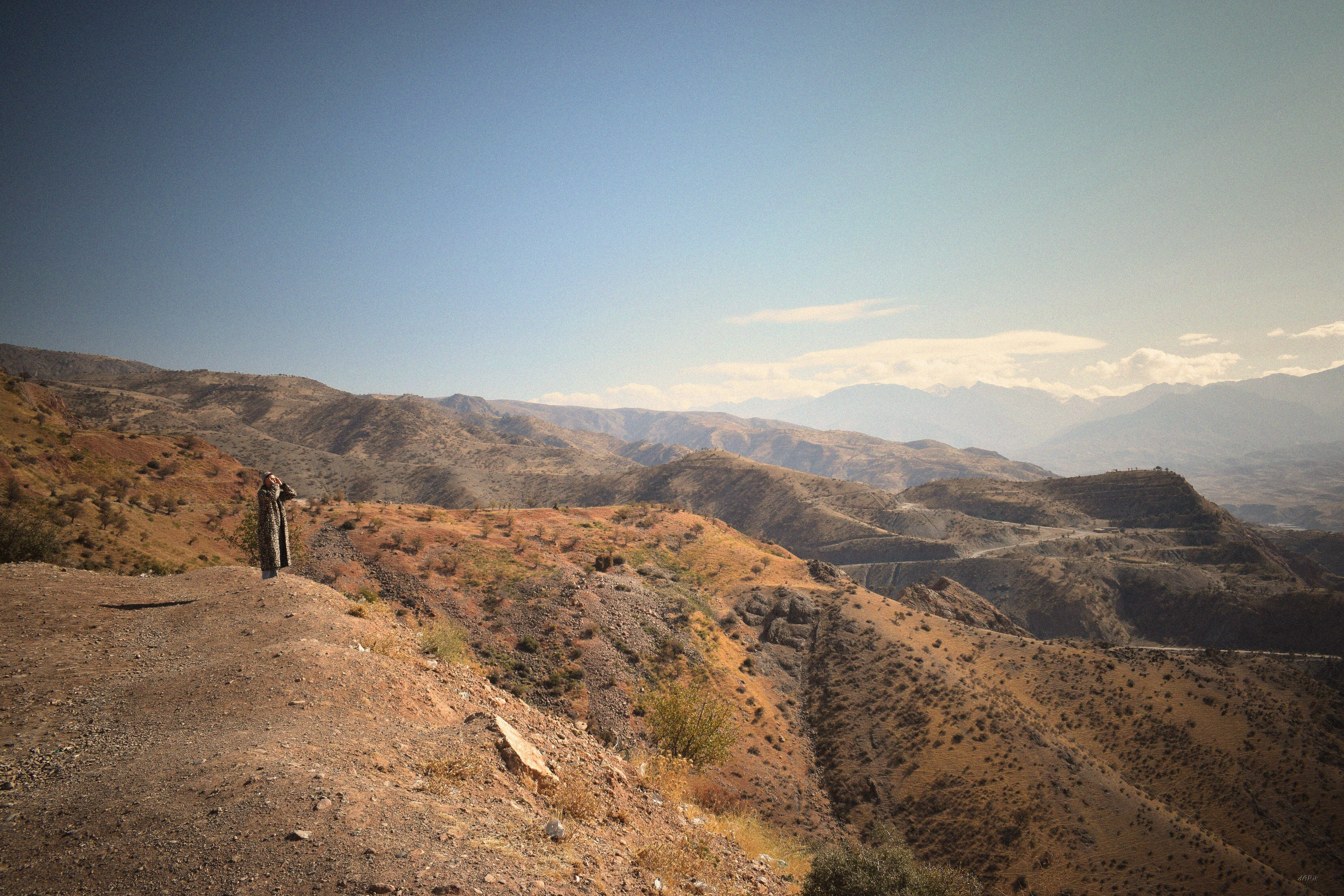 Photo: Ildar Sadykov
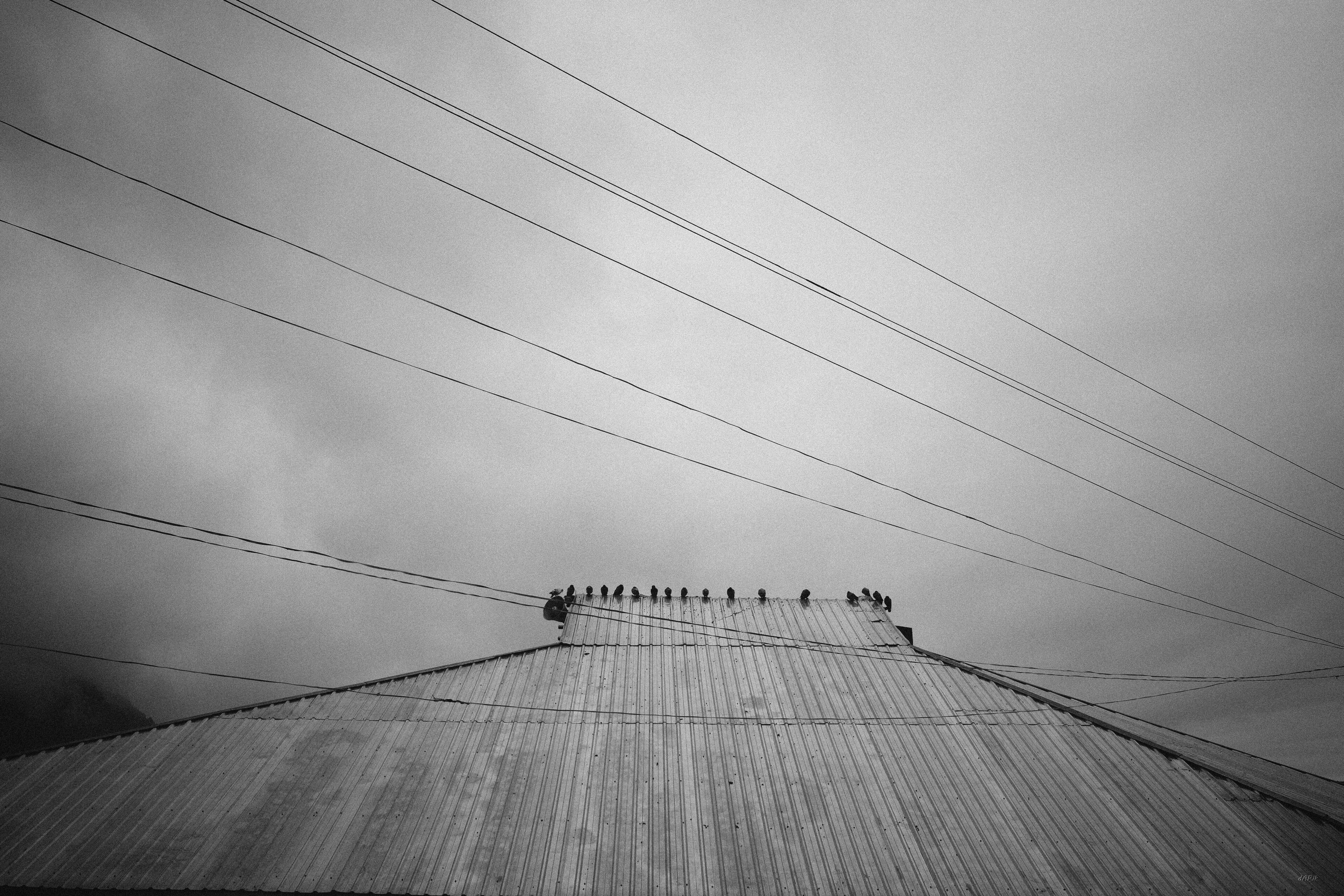 Photo: Ildar Sadykov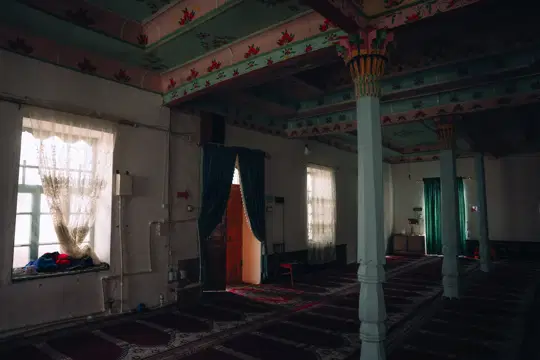
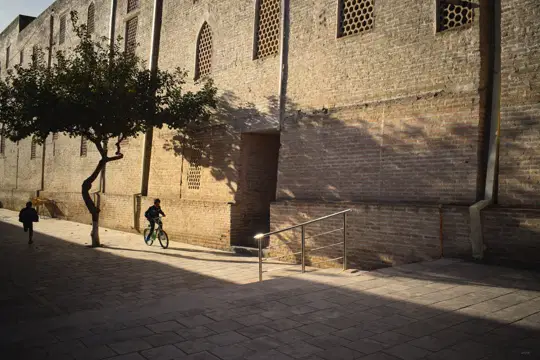

For three consecutive days prayers are recited, relatives gather and deceased family members are remembered. Visiting cemeteries and gathering within the mahalla are essential parts of the observance. Kurban Hayit is also a time for resolving disputes and seeking reconciliation. Sharing food and blessings with those in need is considered a duty.
In Uzbekistan, it is a community-rooted holiday, a time when the memory of ancestors becomes something living once again. Yet the entire life of a Muslim in this region bears witness to gratitude towards previous generations, to the patriarchs and guardians of family and faith. Before the holiday, many communities organise a hashar, a collective effort to clean and maintain local cemeteries, with the whole mahalla taking part.
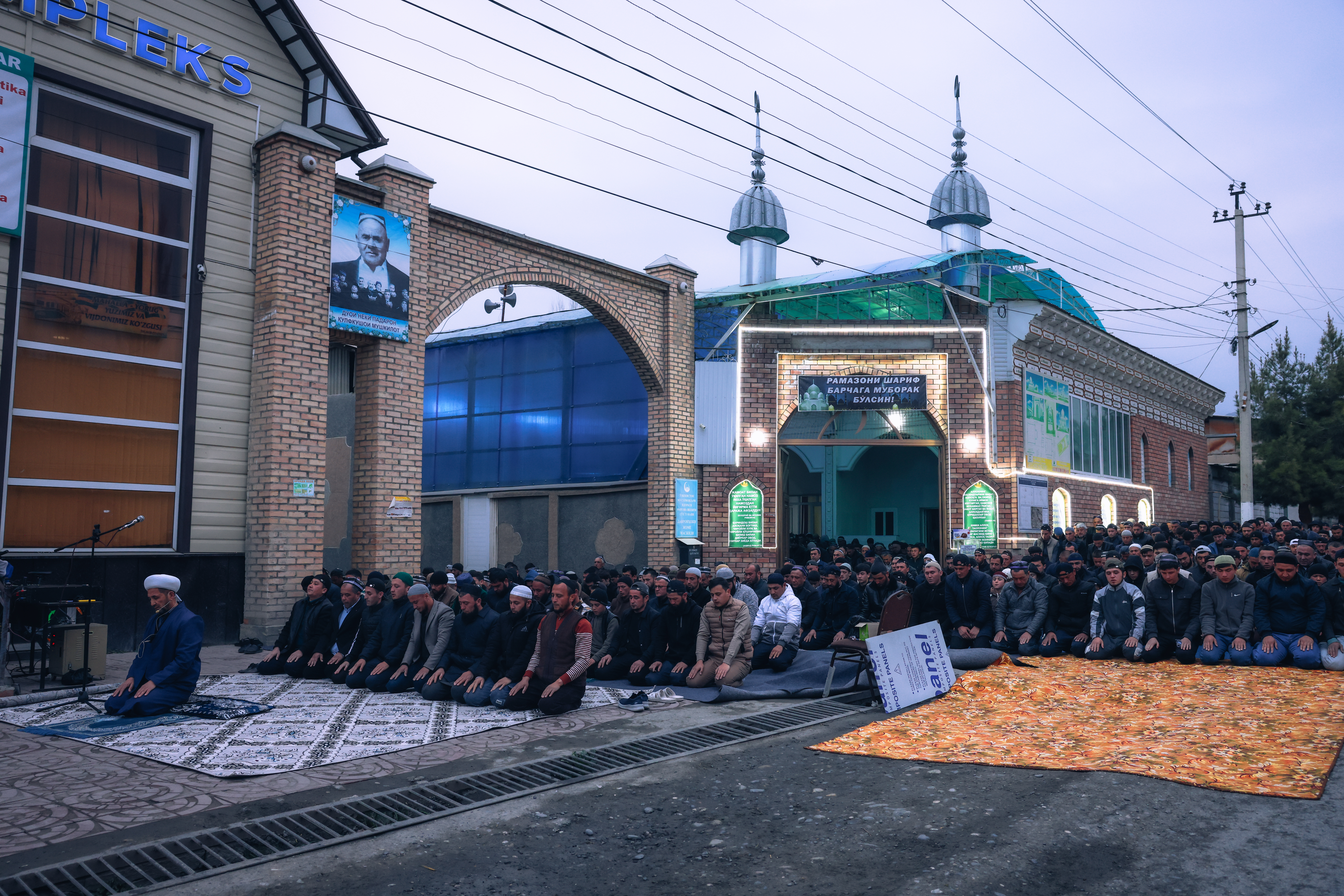 Photo: Ildar Sadykov
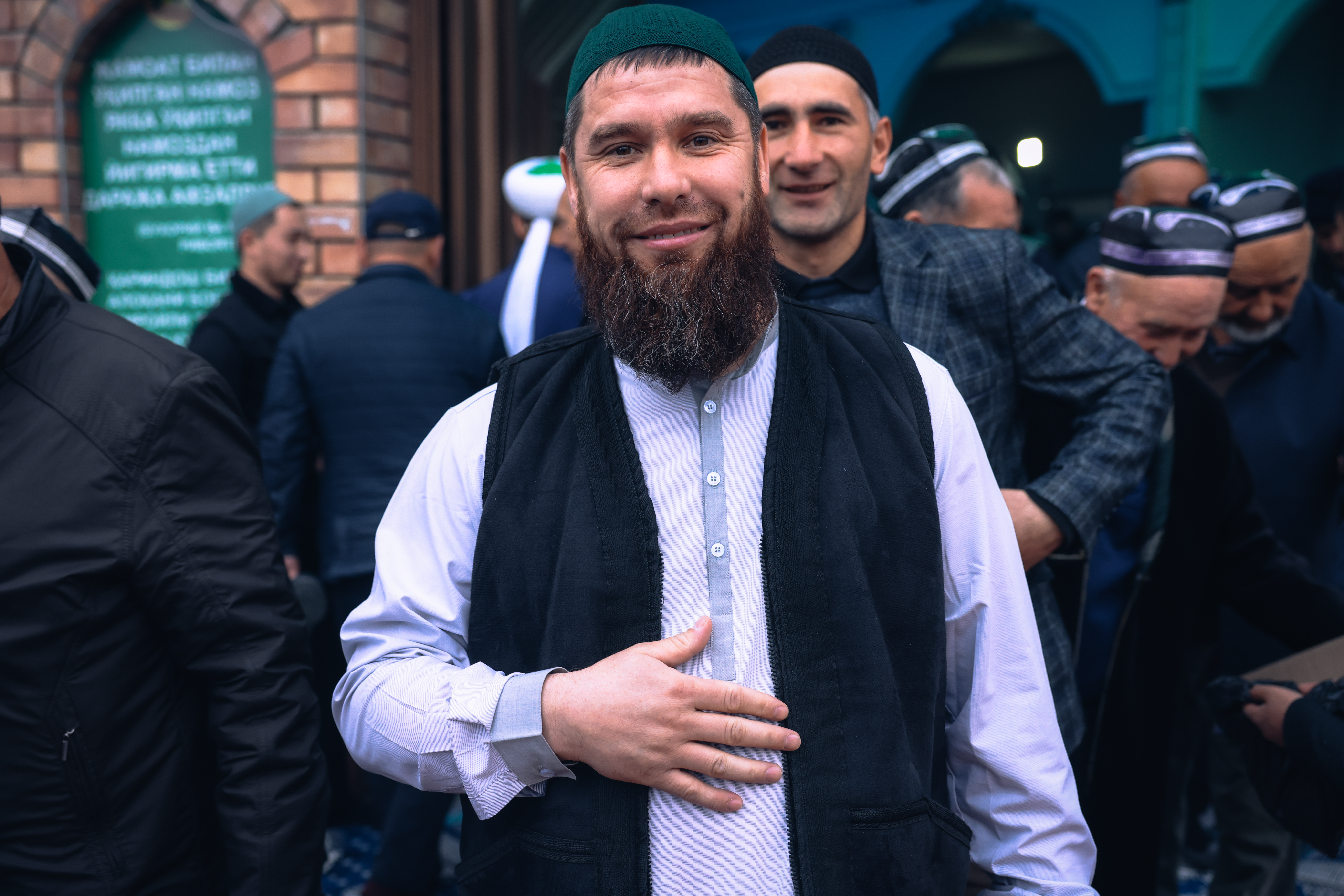 Photo: Ildar Sadykov
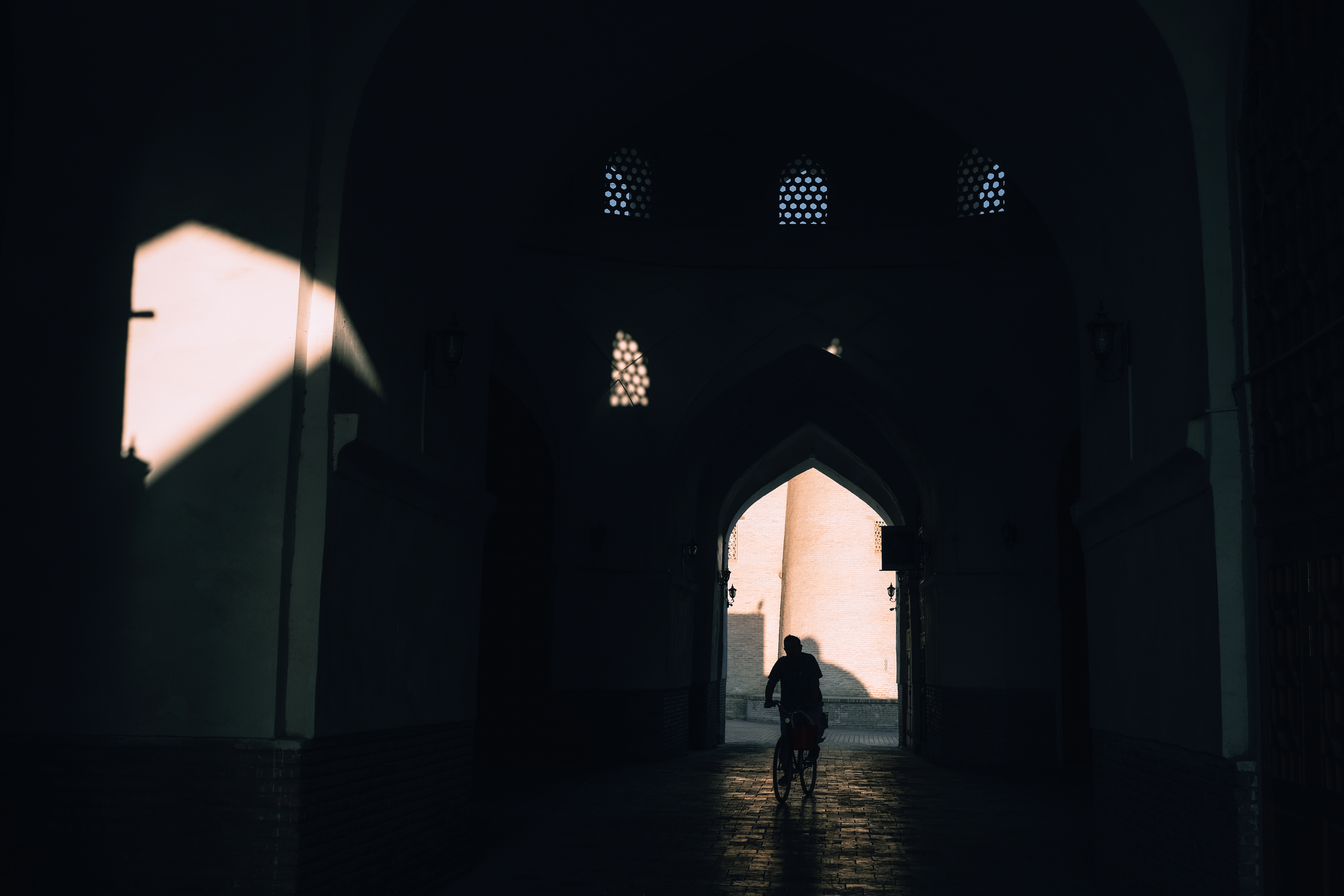 Photo: Ildar Sadykov
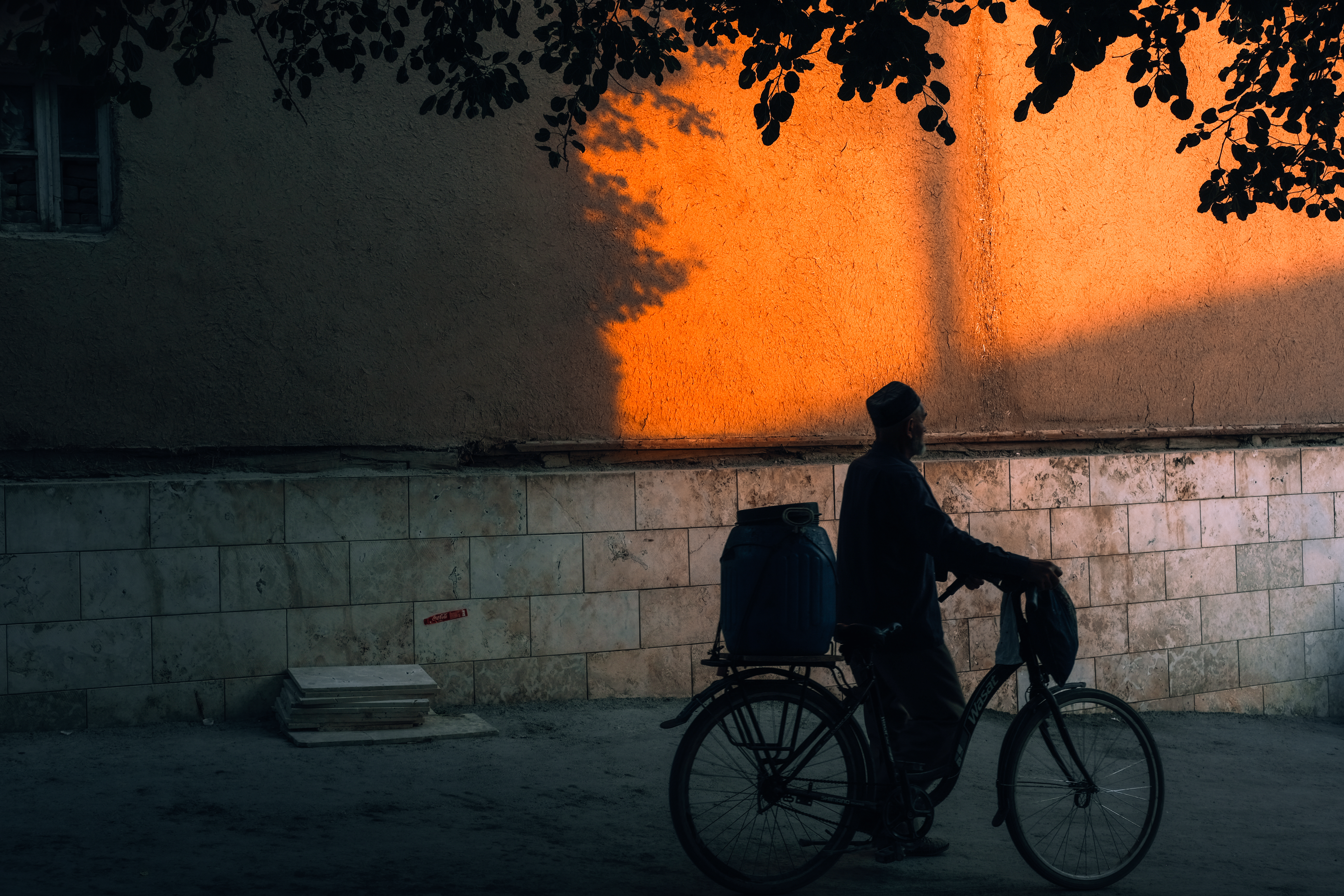 Photo: Ildar Sadykov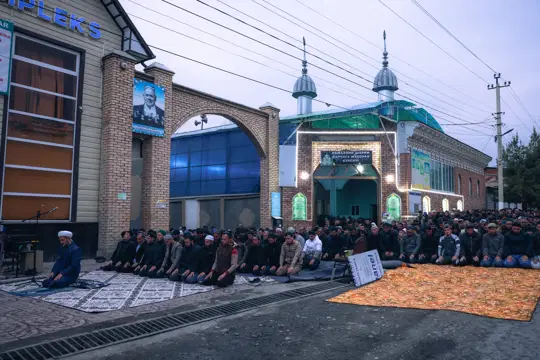
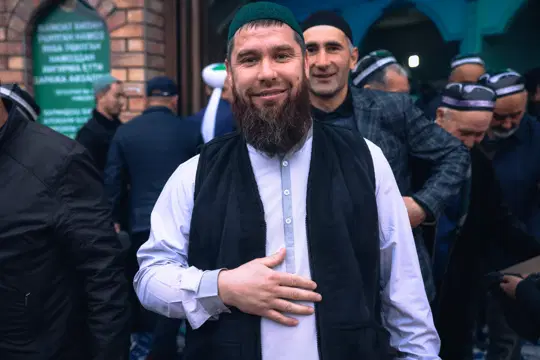
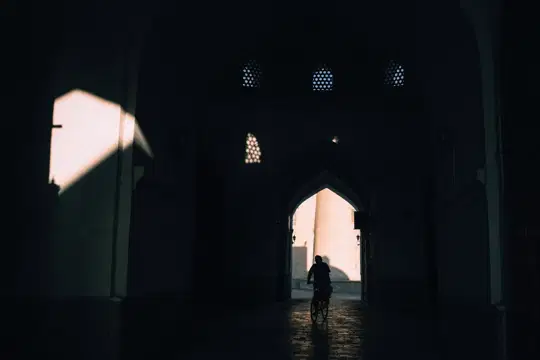
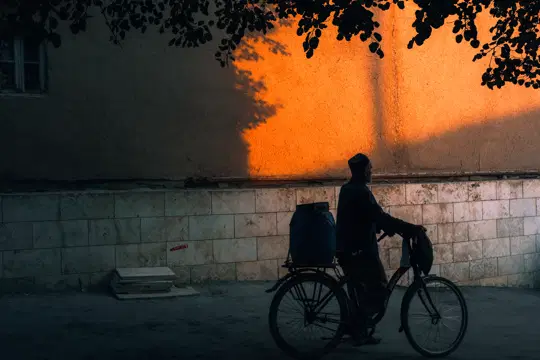
The celebration of Hayit is a central tradition of faith and spirituality. It is preserved by our aksakals, while we warm ourselves in their light, slowly absorbing it, and hoping to pass it on to future generations.
Ildar Sadykov


