
The bird, a messenger of the sky, has always been a sacred symbol of happiness. In Uzbek homes and later in apartments, there was always a place for a cage with a quail, canary, or finch, whose trills filled the air with a special sense of warmth and serenity.
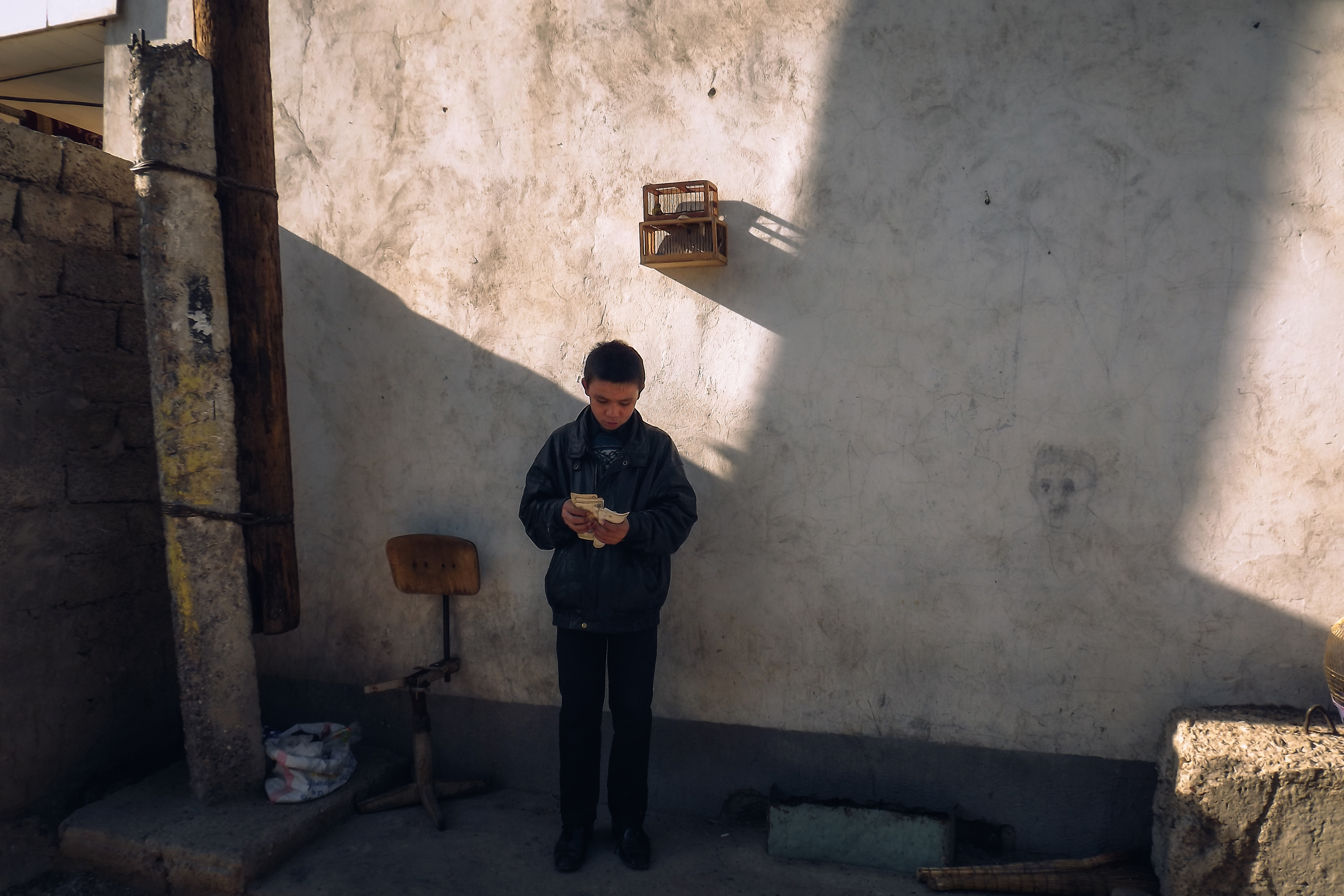 Photo: Ildar Sadykov
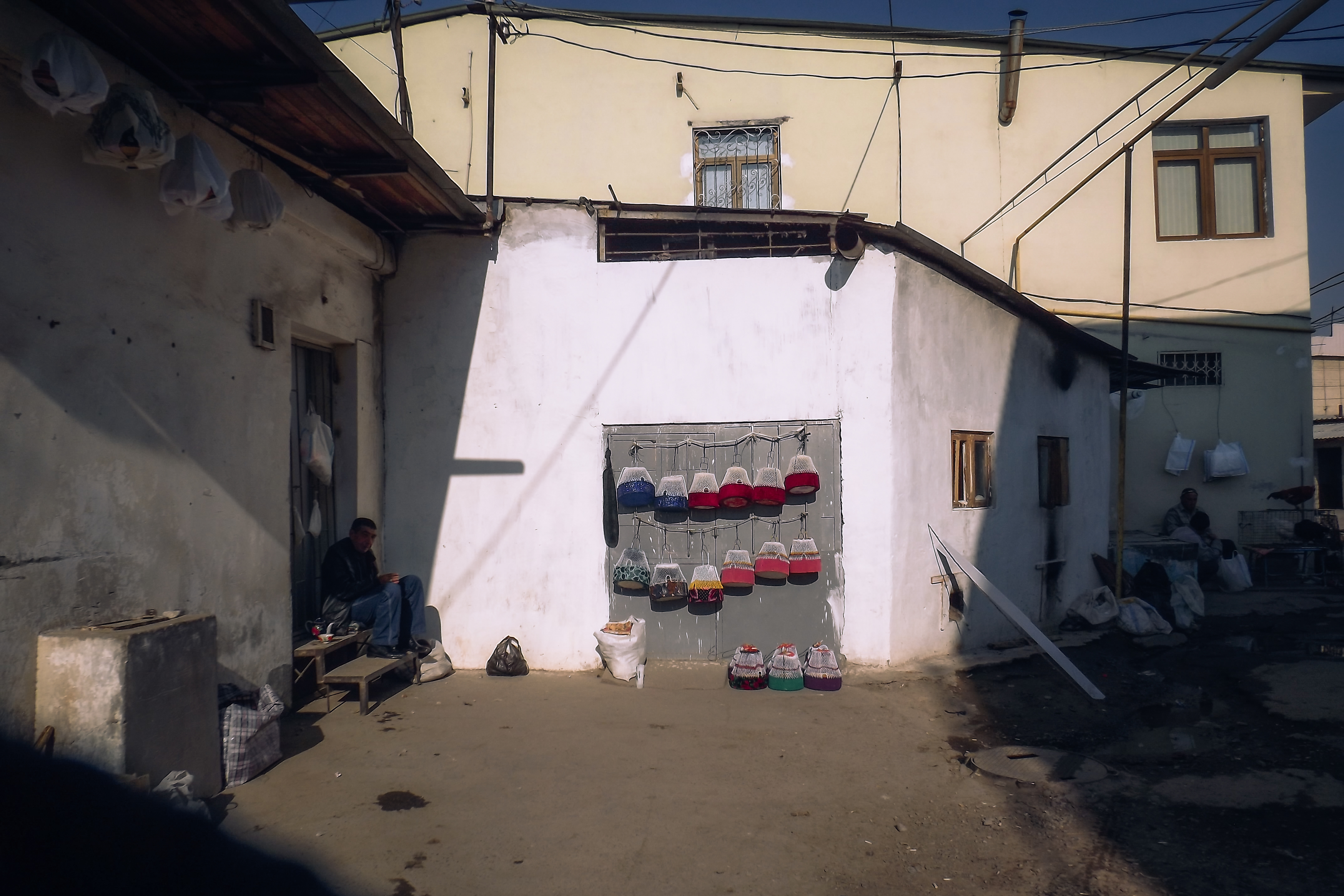 Photo: Ildar Sadykov
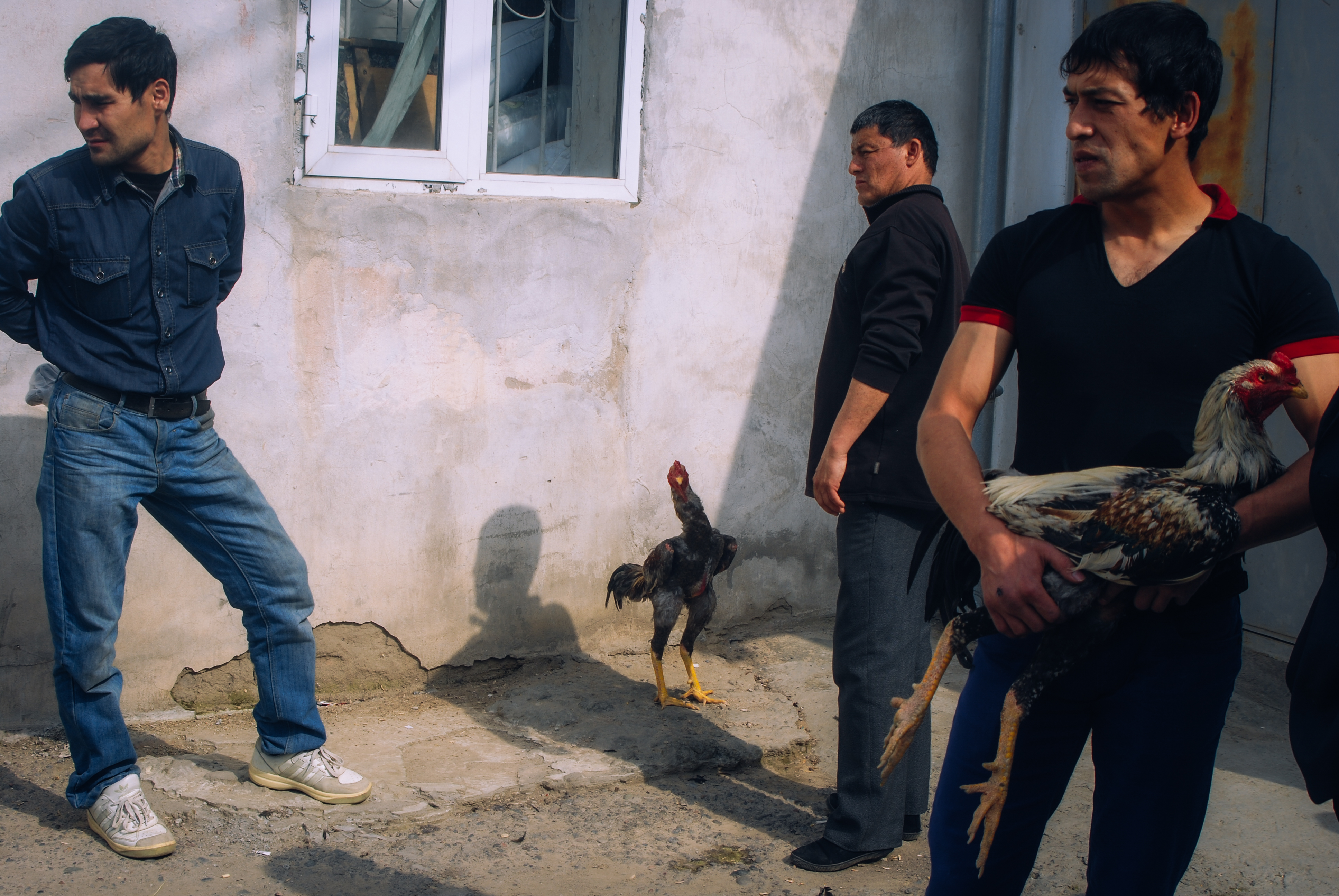 Photo: Ildar Sadykov
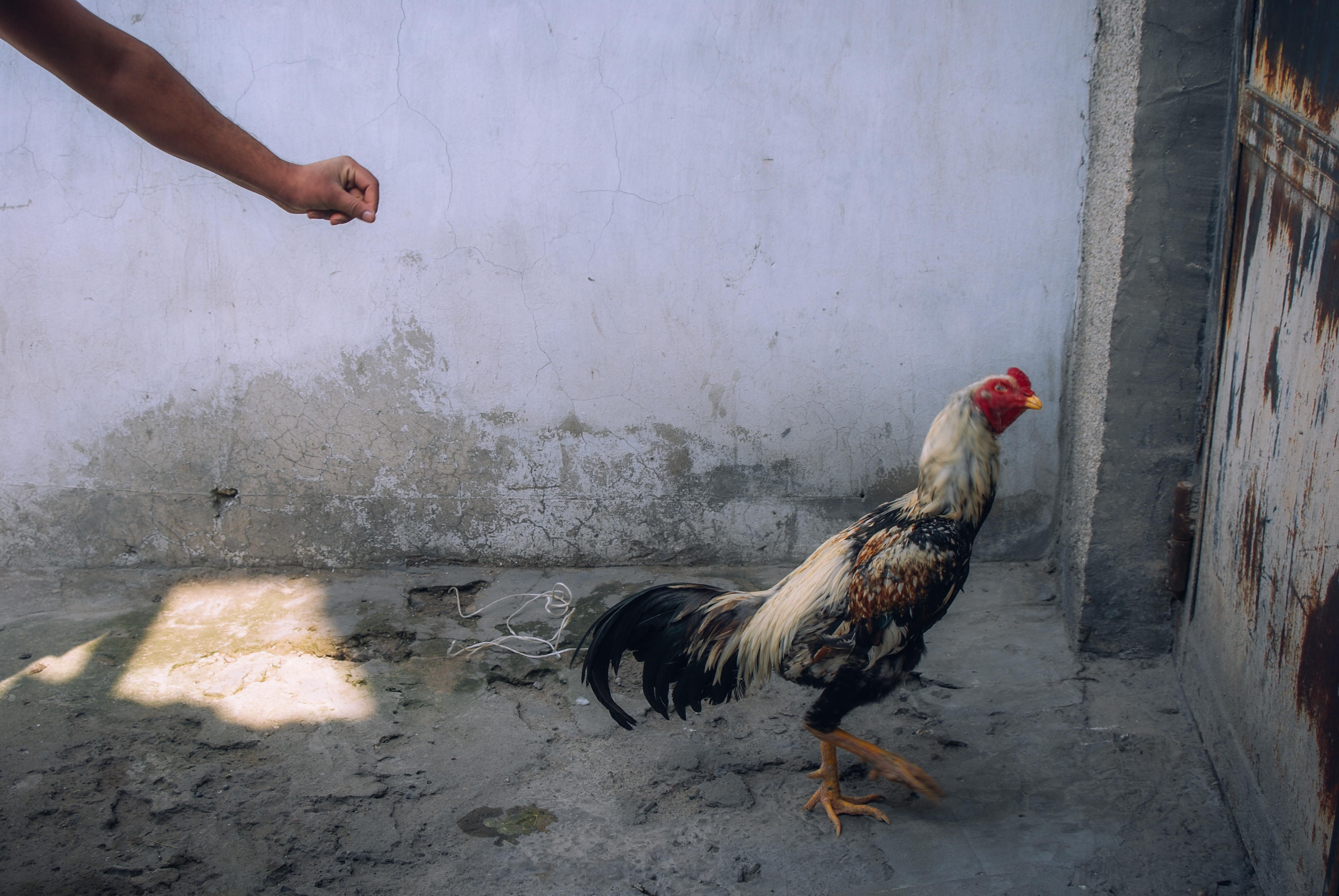 Photo: Ildar Sadykov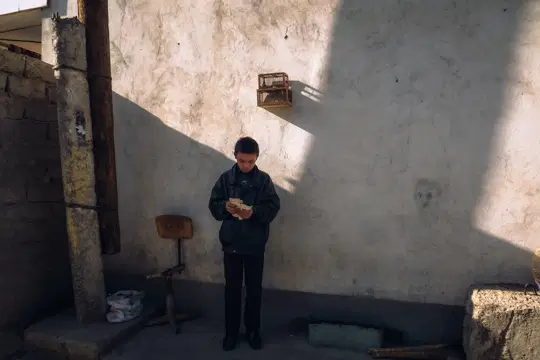
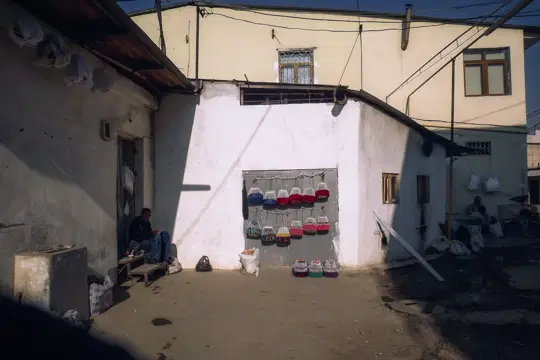
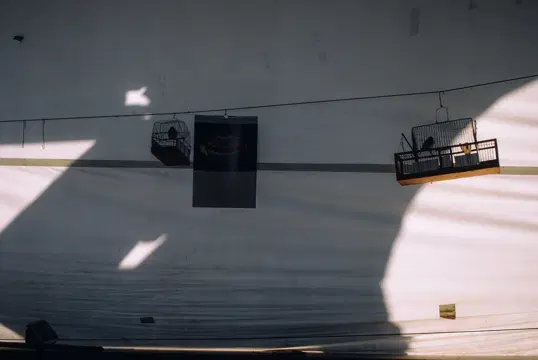
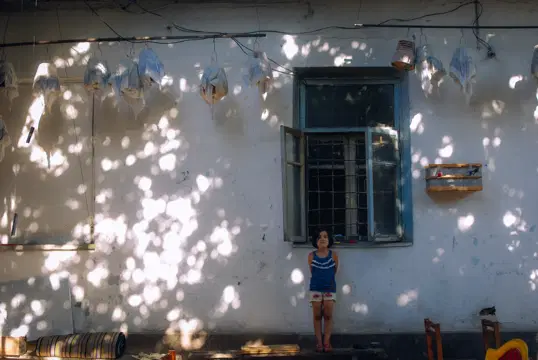
Cages made from gourds were traditionally hung high above the floor on the ayvan and wrapped in white cloth. This evokes images of an old tea house or a bustling home in the Old City where countless children were awakened in the mornings by the distinctive chirping of the bedan, a symbol of calm, daily joy and the eternal cycle of life.
In our childhood, bird markets were almost sacred places, usually visited with fathers or grandfathers. These visits were always thrilling and fascinating. Besides birds, there were turtles, rabbits, basically a mini-zoo. The markets were always crowded, full of commotion, trade, and movement, a world of its own, with both permanent and visiting characters. For some, it was a profitable livelihood, for others, breeding and selling birds was a hobby.
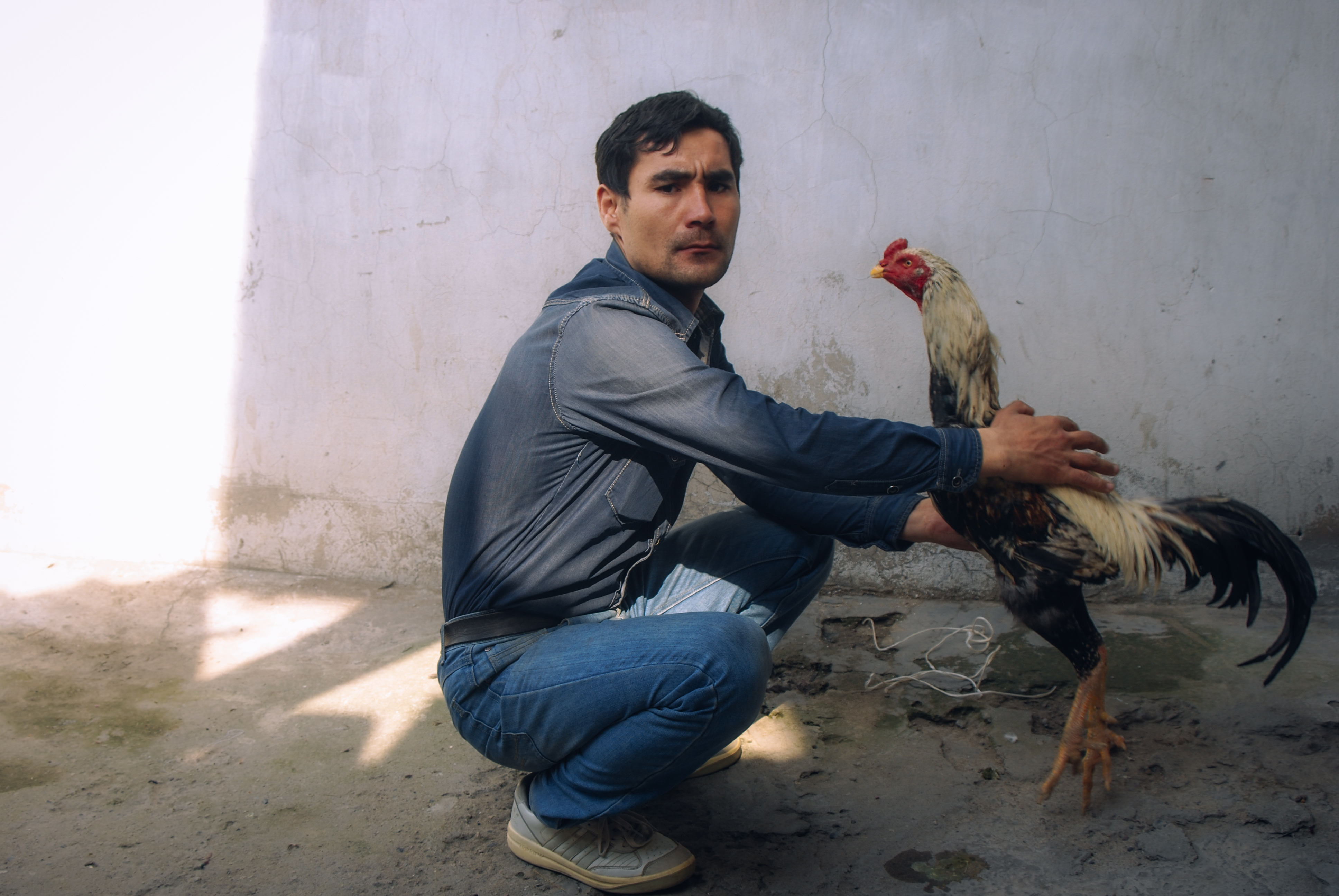 Photo: Ildar Sadykov
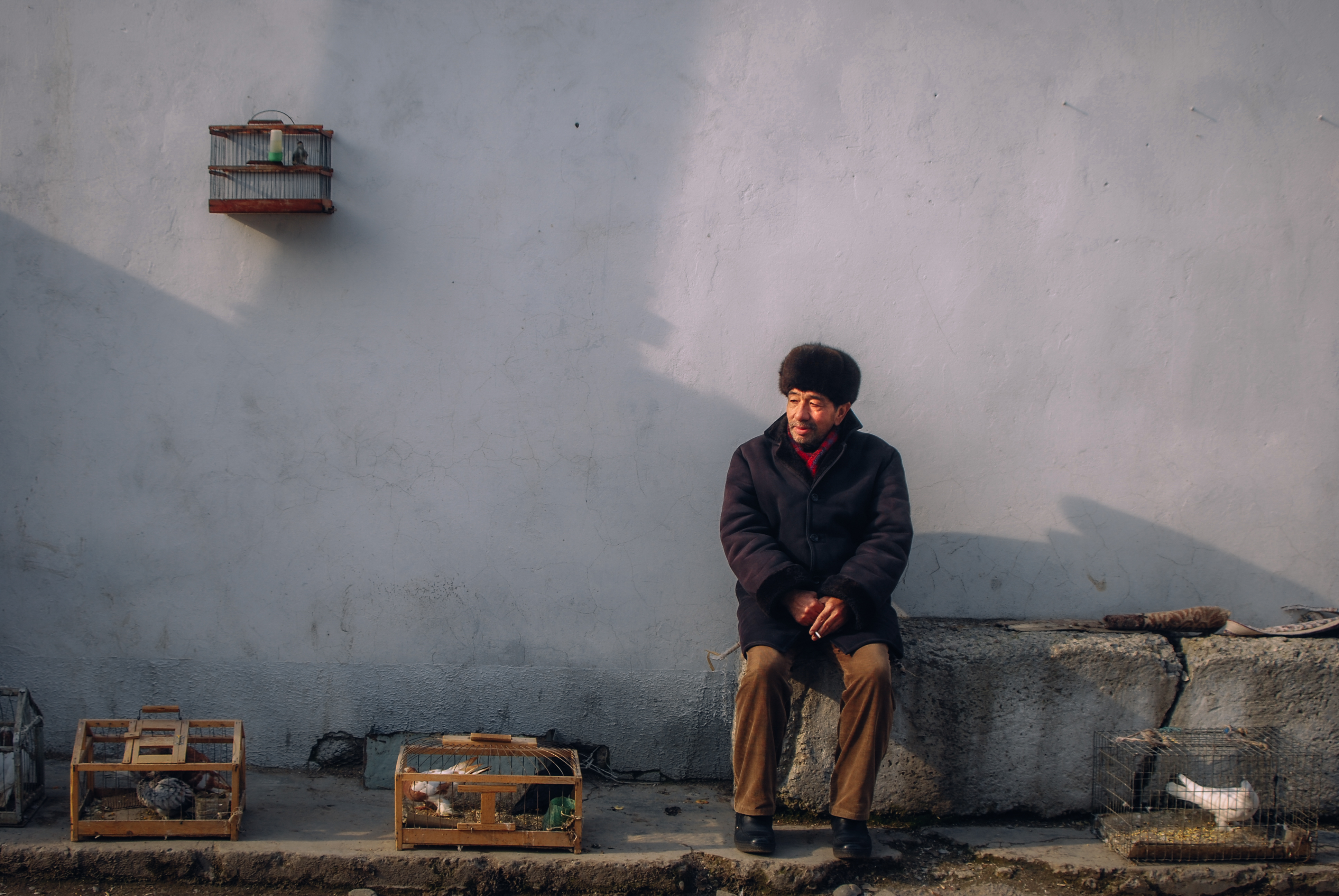 Photo: Ildar Sadykov
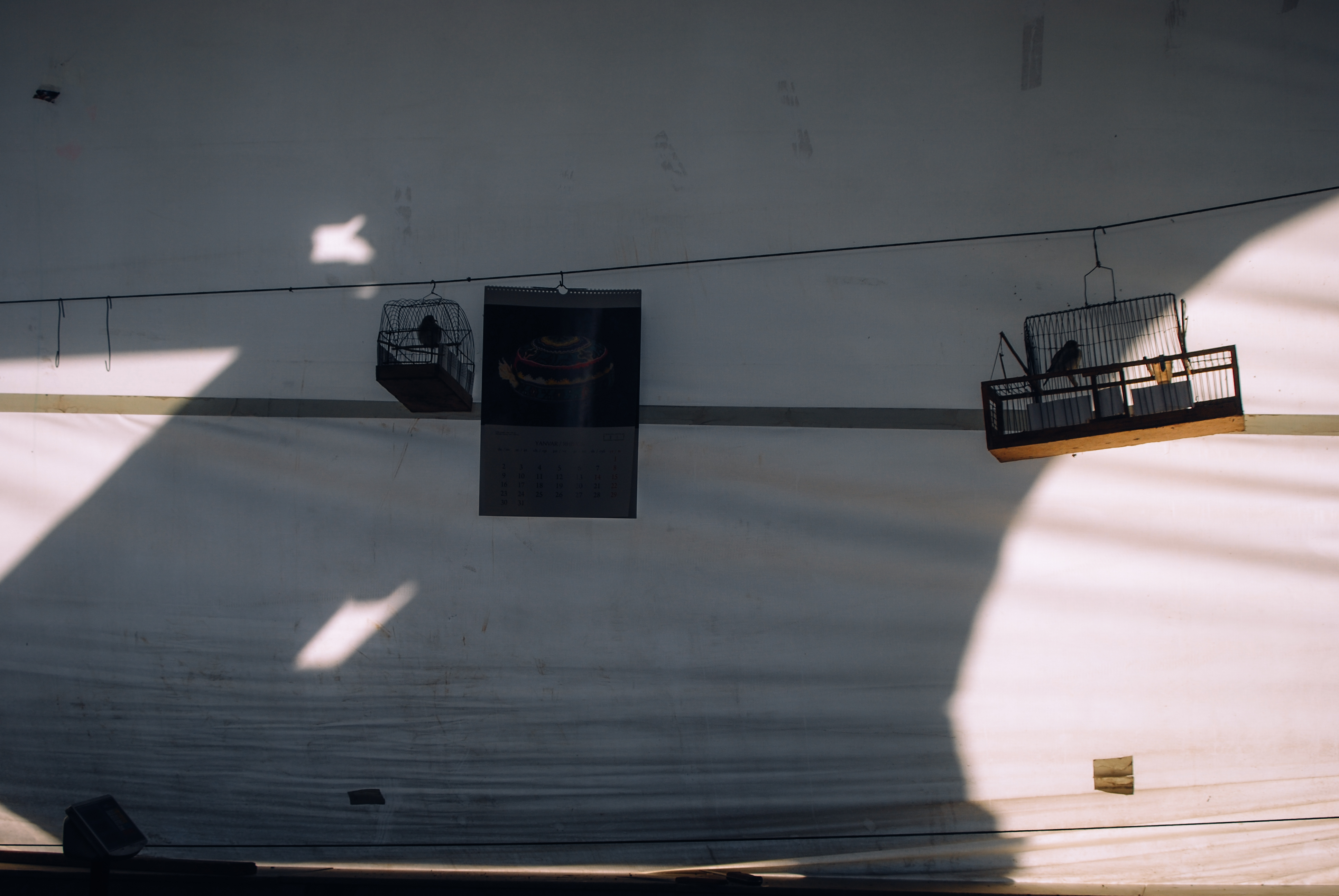 Photo: Ildar Sadykov
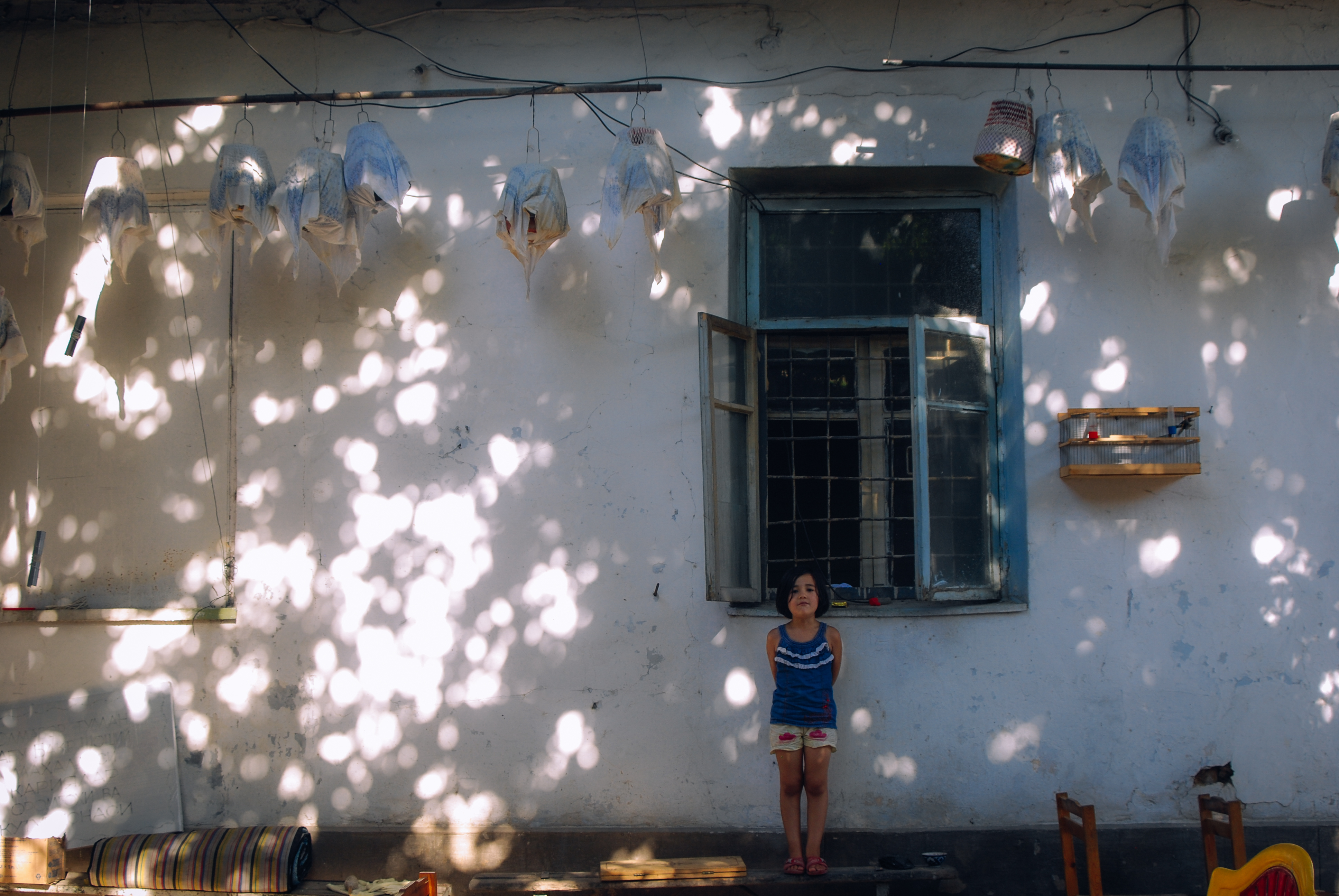 Photo: Ildar Sadykov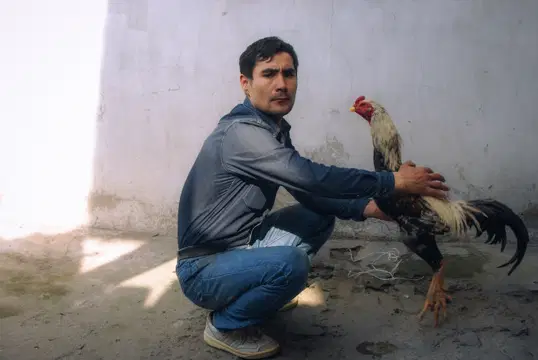
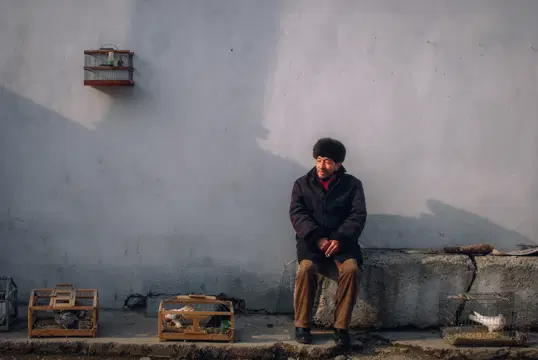
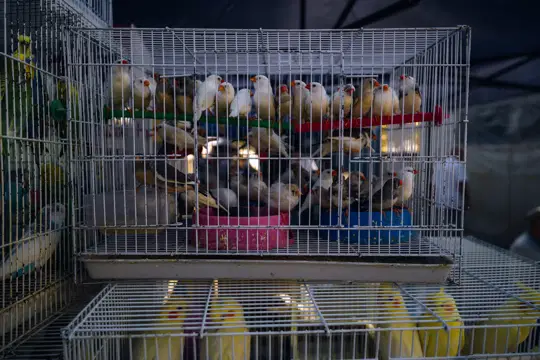
I photographed at four different bird markets in Tashkent at various times. One of the markets was in Beshagach, across from the famous Komsomol Lake. We often went there with our parents, especially in the summer. Mostly they sold canaries, budgies, small parrots, but you could also find larger domestic birds, such as geese, roosters, and ducks. Later, this market moved to Karakamysh.
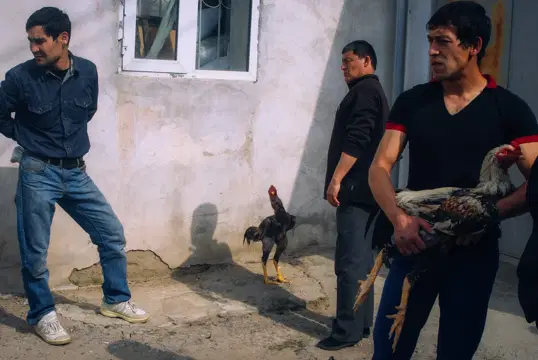
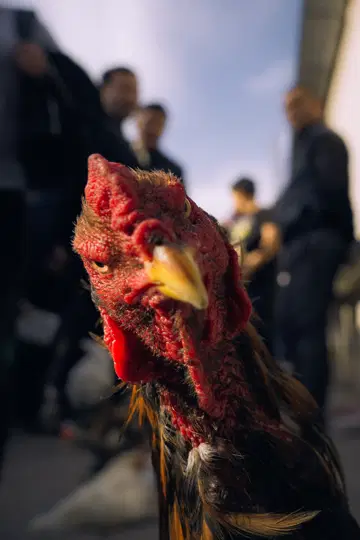
The best time to visit is early morning, around 5–6 a.m., when sellers are just setting up. Most of the birds sold are songbirds, but there are also roosters of various breeds, shaggy, “trousered”, and of course, fighting roosters.
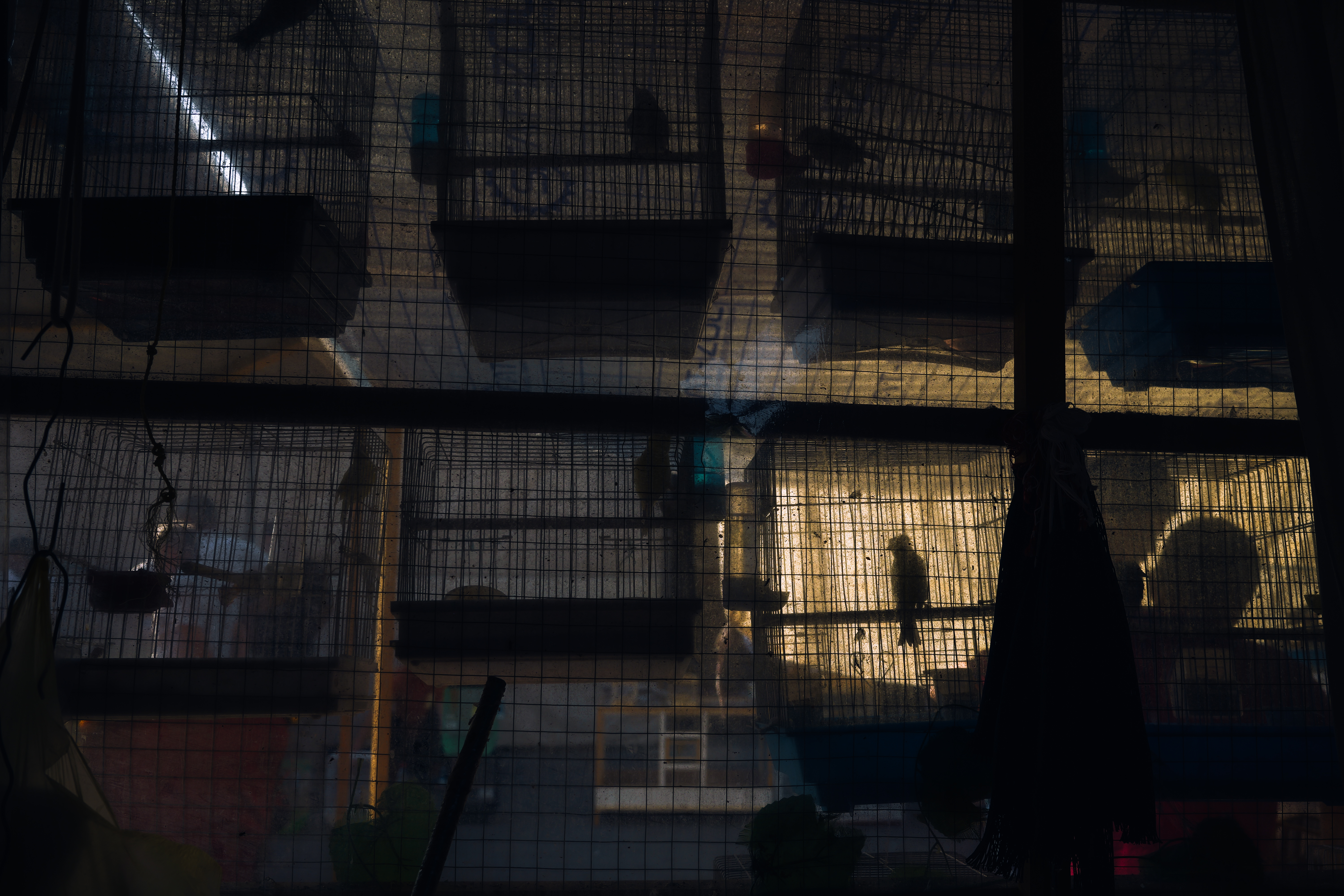 Photo: Ildar Sadykov
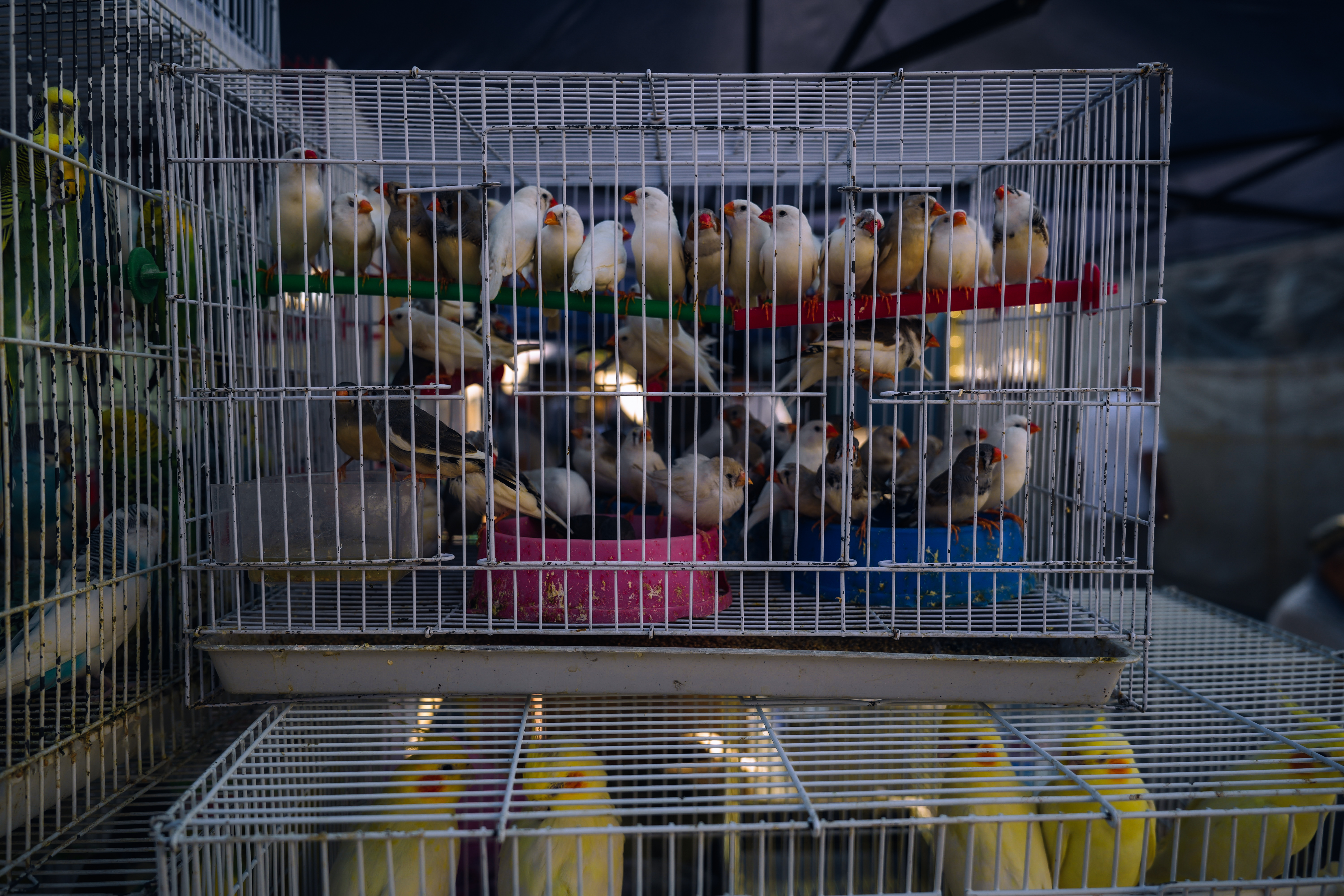 Photo: Ildar Sadykov
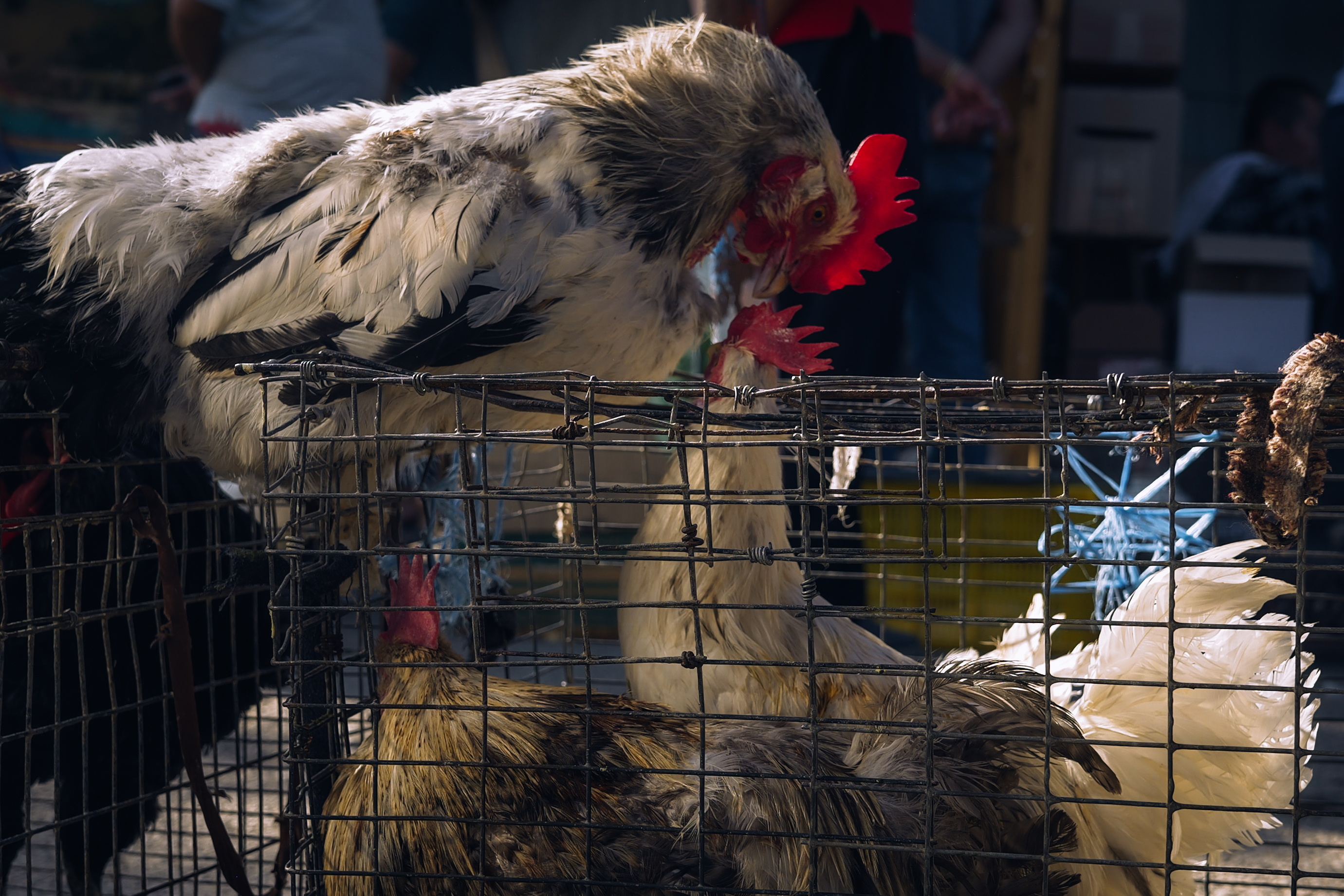 Photo: Ildar Sadykov
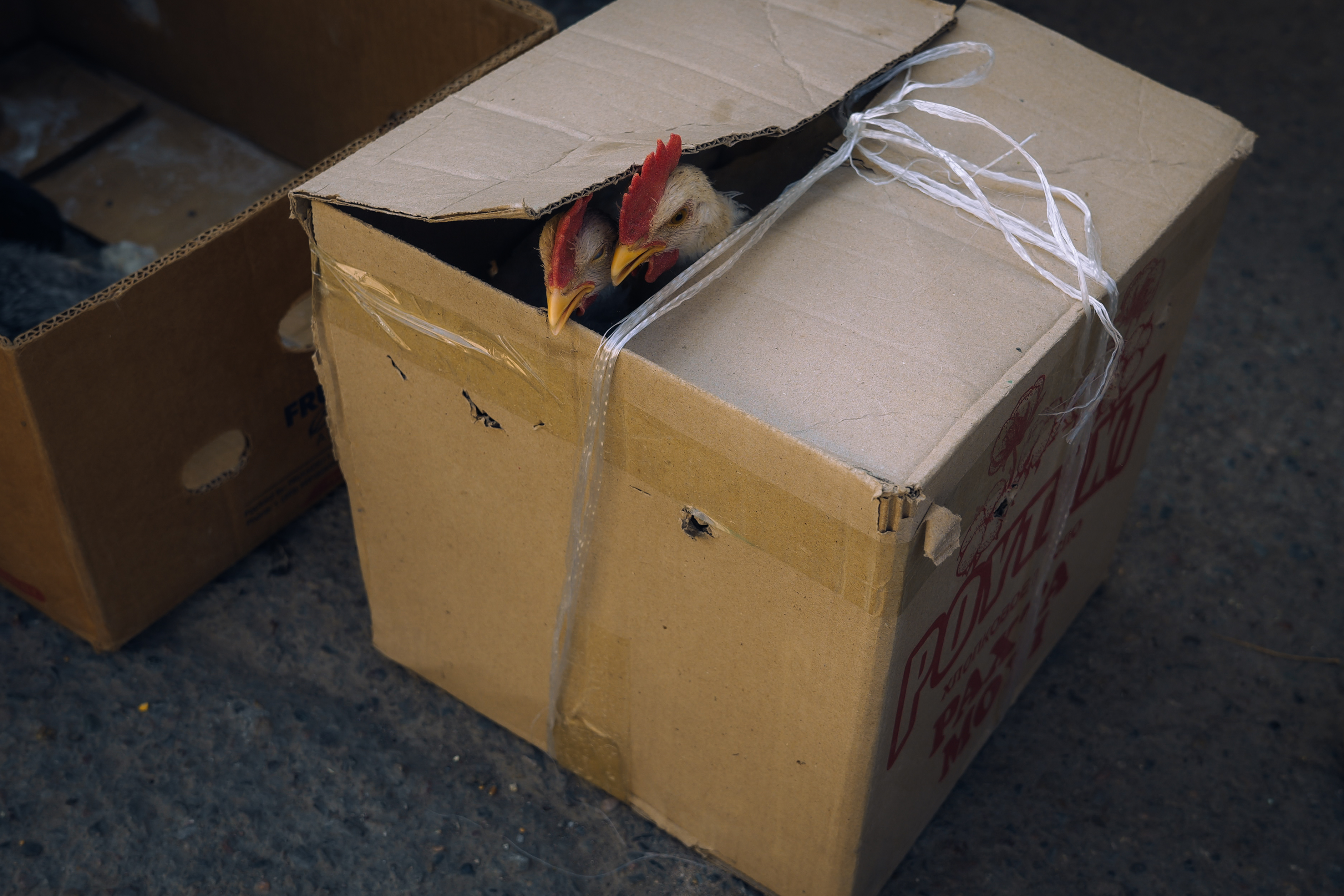 Photo: Ildar Sadykov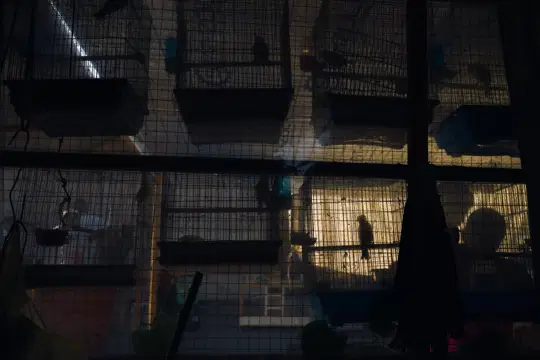
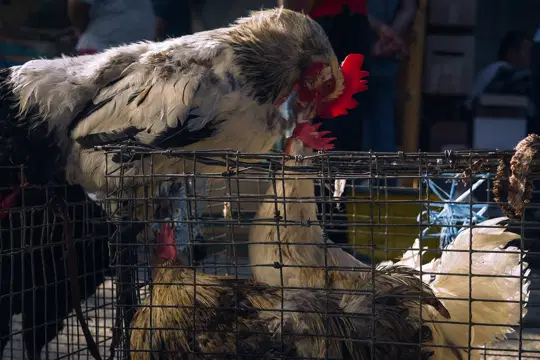
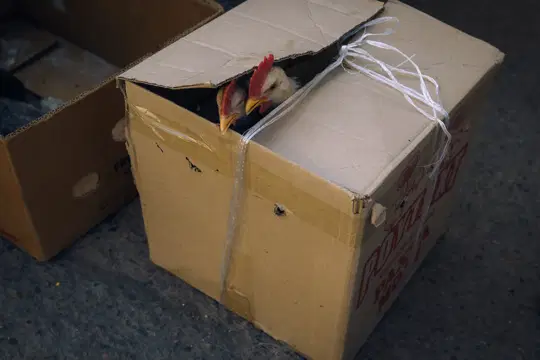
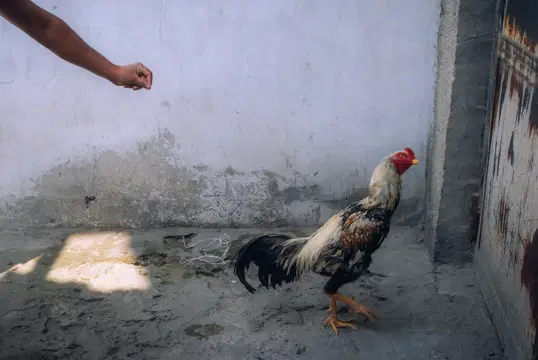
As it is widely known, cockfighting and quail fighting have long been prohibited in the country. (Quails, by the way, though small and delicate in voice, can be surprisingly aggressive.) Even with the official ban, such events can still occur in practice.
Until recently, a large bird market operated at Chorsu. It was a whole courtyard dedicated to fighting roosters. Mini fights were staged, showing what the birds could do without blood or serious injury. Later, the large market was demolished, and the bird stalls are now limited to a narrow corridor beside the complex.
Despite the ban, fights still take place in various locations. I personally witnessed a match in one of Samarkand’s mahallas, with money at stake and, sadly, with a bloody outcome.
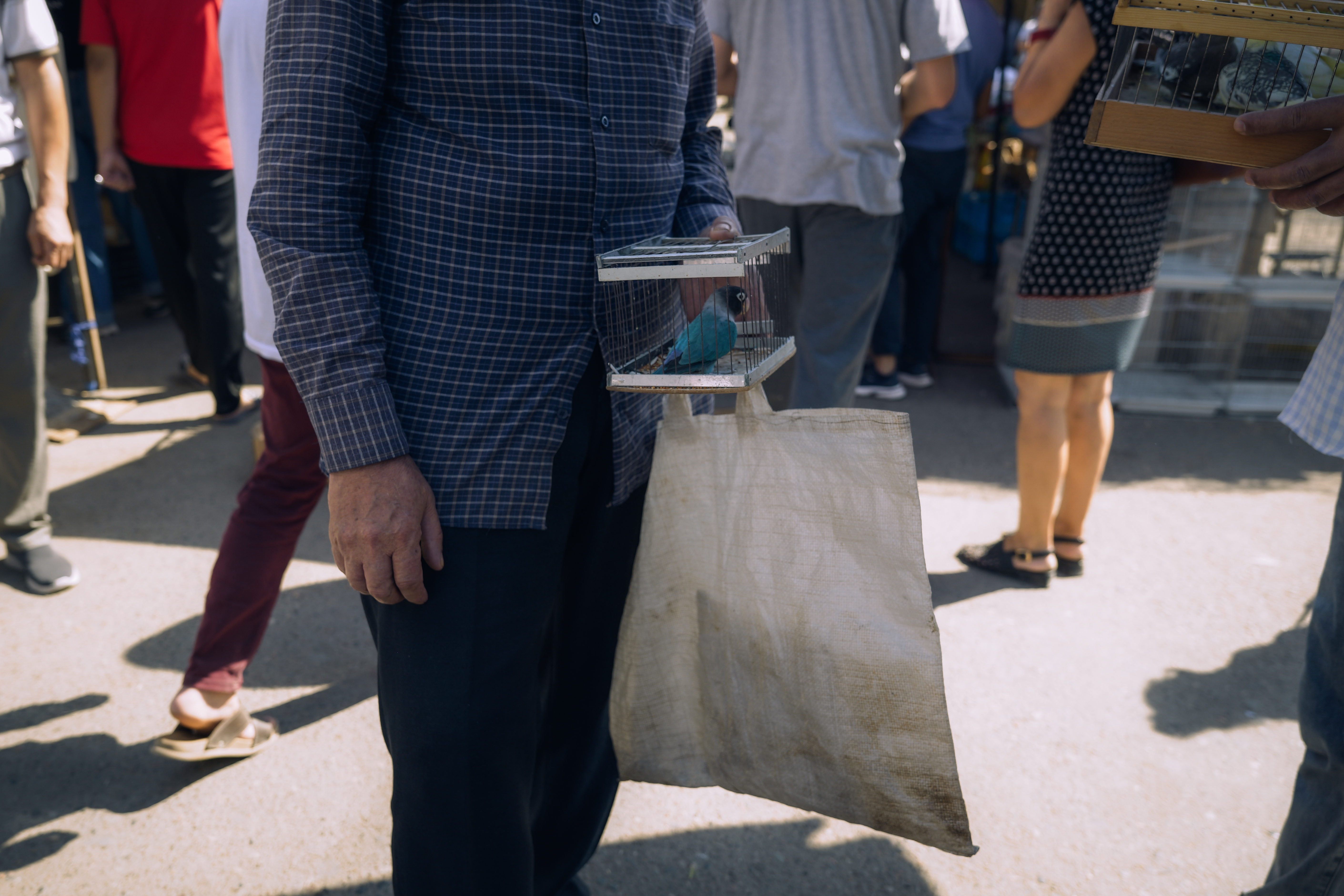 Photo: Ildar Sadykov
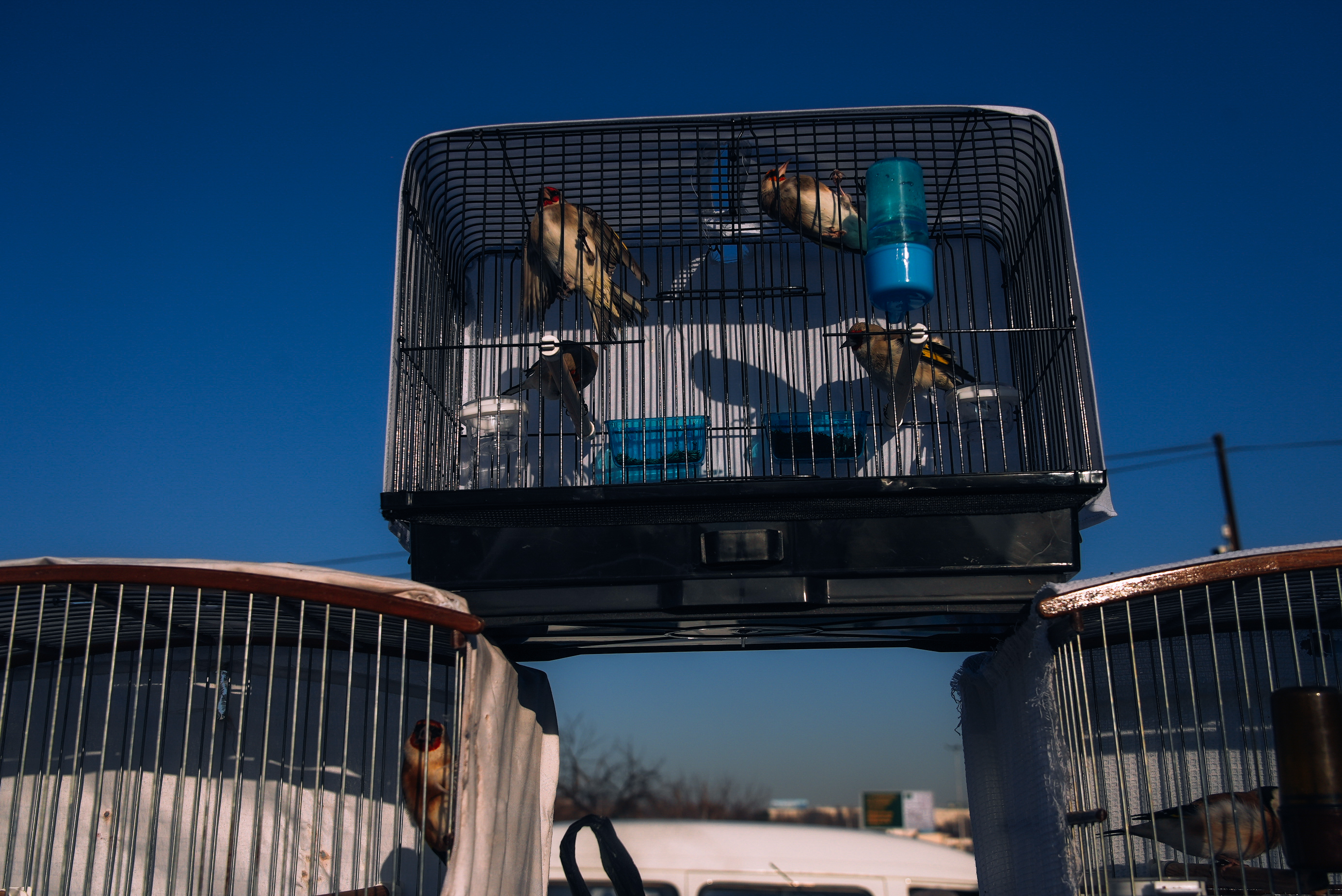 Photo: Ildar Sadykov
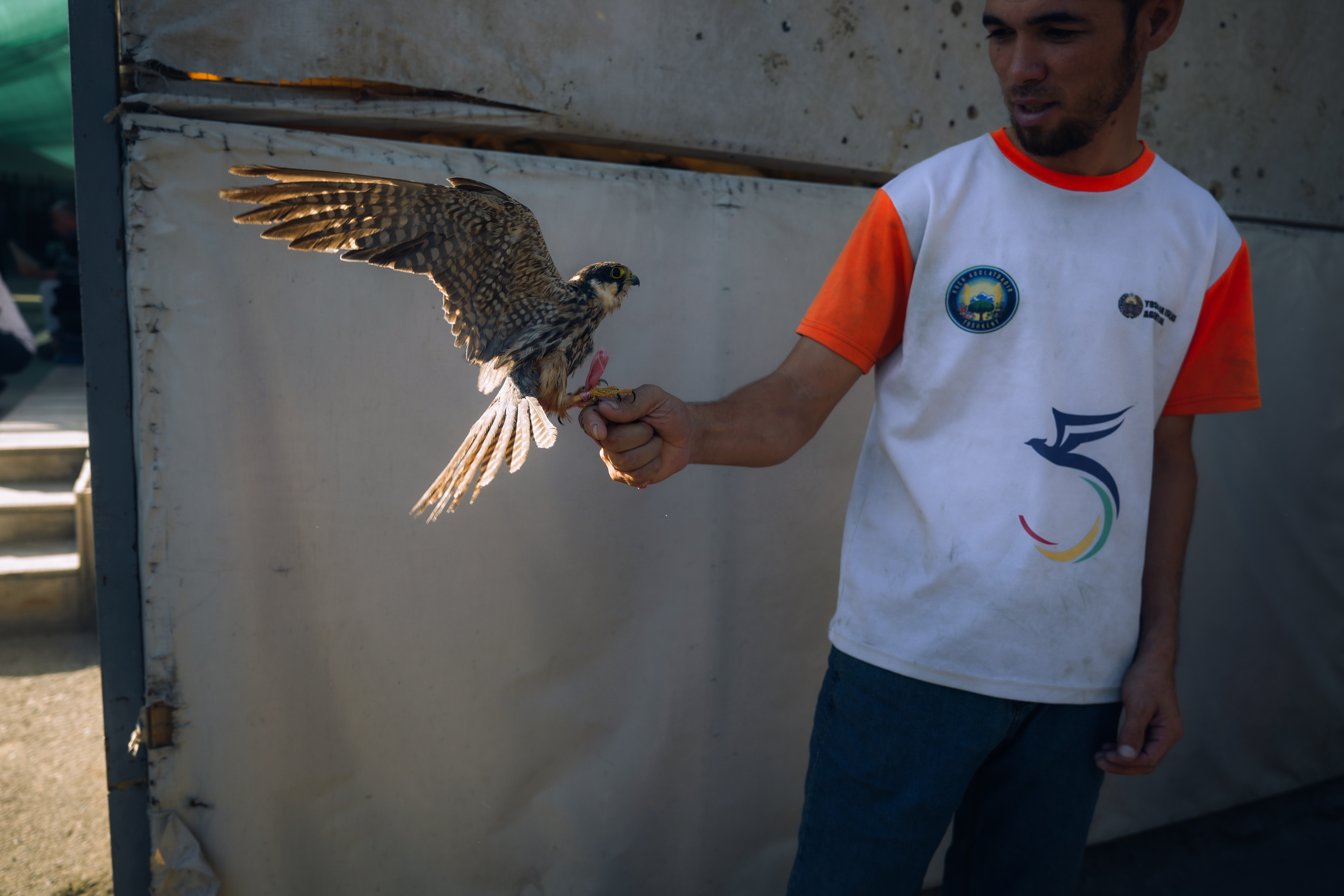 Photo: Ildar Sadykov
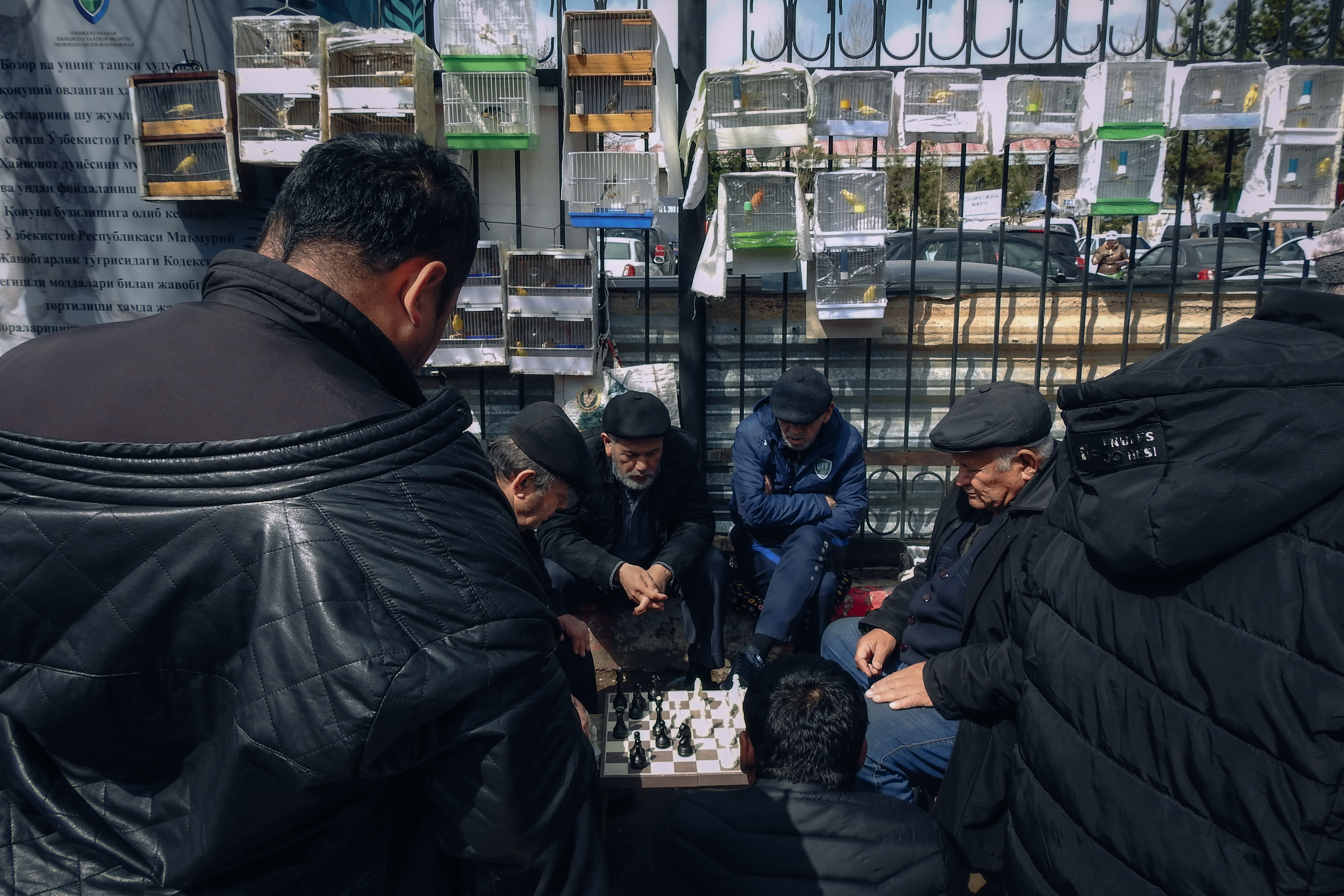 Photo: Ildar Sadykov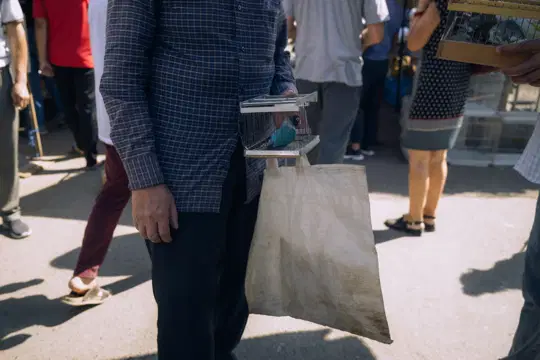
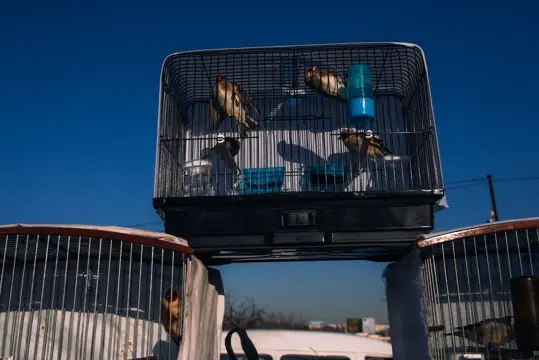
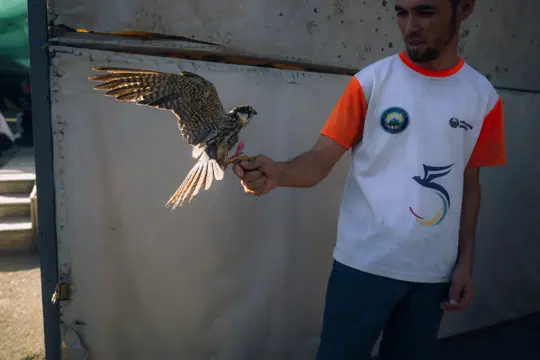
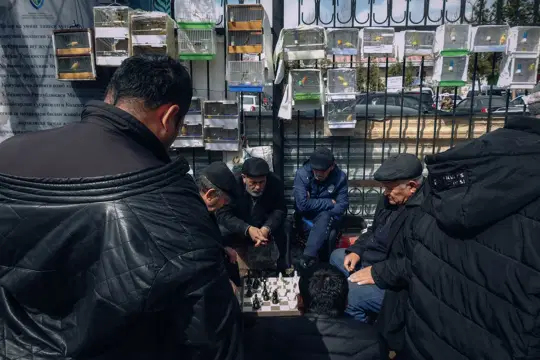
Beyond the birds themselves, these markets sell feed and cages. Over time, the cages have evolved from simple enclosures for birds into decorative interior pieces, meticulously crafted from wood or gourd, often in elegant pear-shaped forms, reflecting both aesthetic taste and traditional craftsmanship.
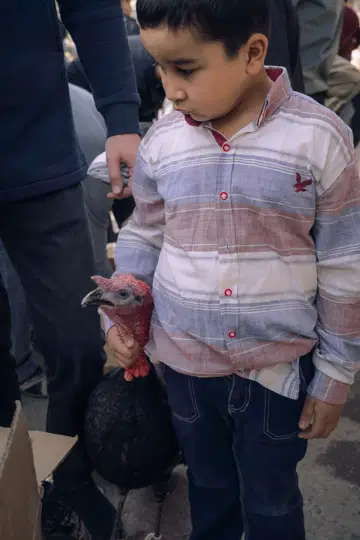
Bird markets exist across all regions. In the countryside, you mainly find geese, ducks, roosters and turkeys. In Tashkent and its surrounding areas, singing birds and parrots dominate.
Draw your own conclusions.
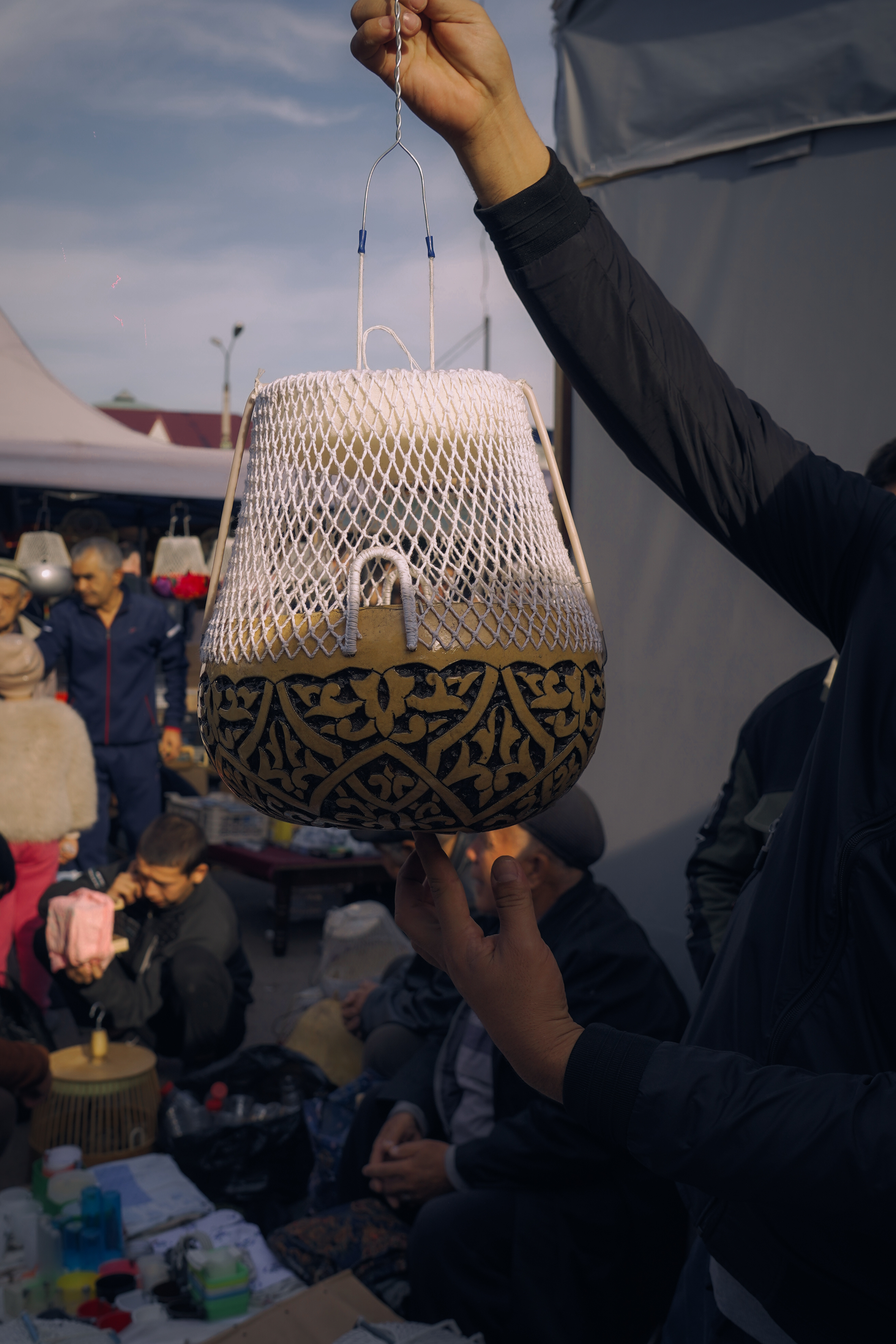 Photo: Ildar Sadykov
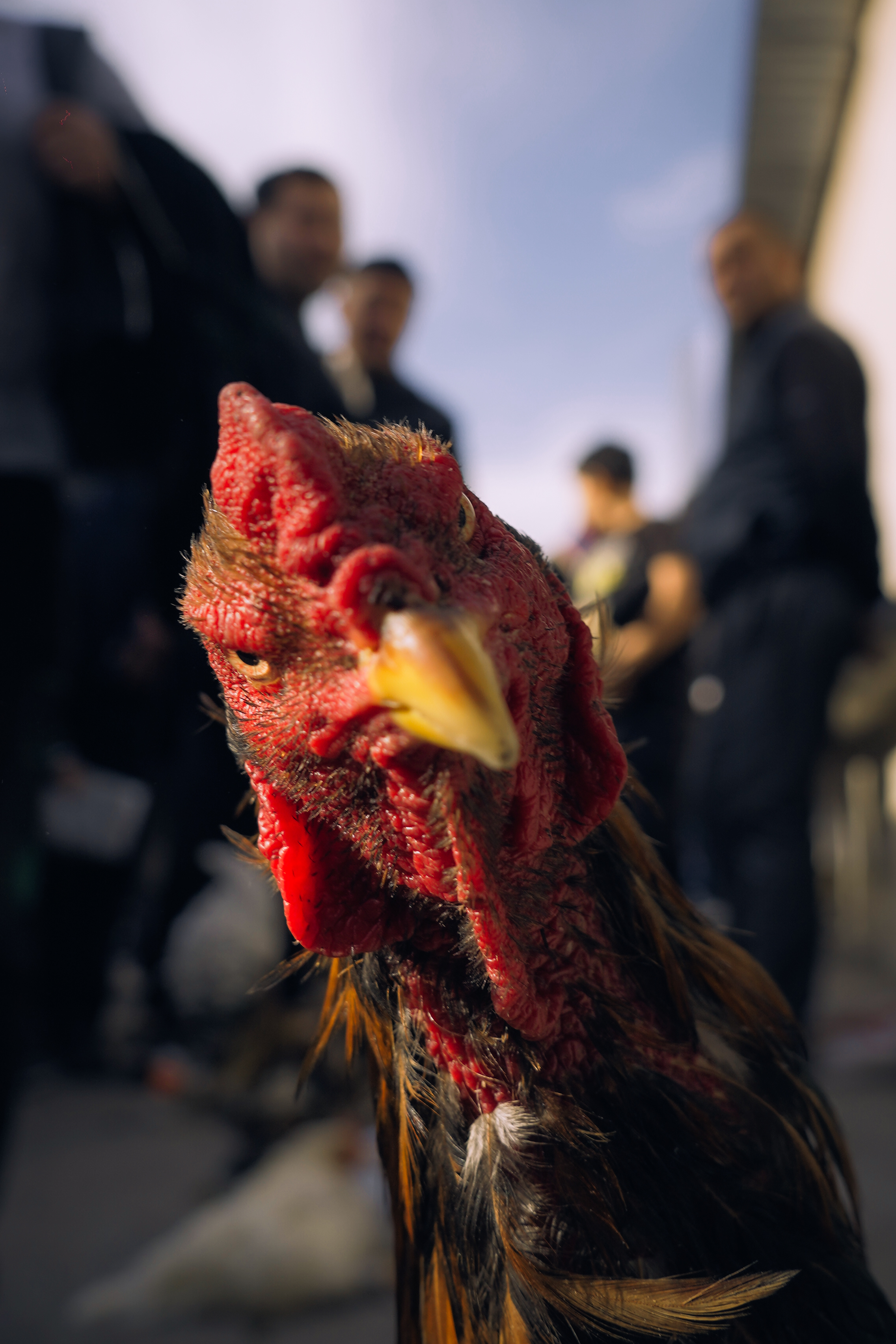 Photo: Ildar Sadykov
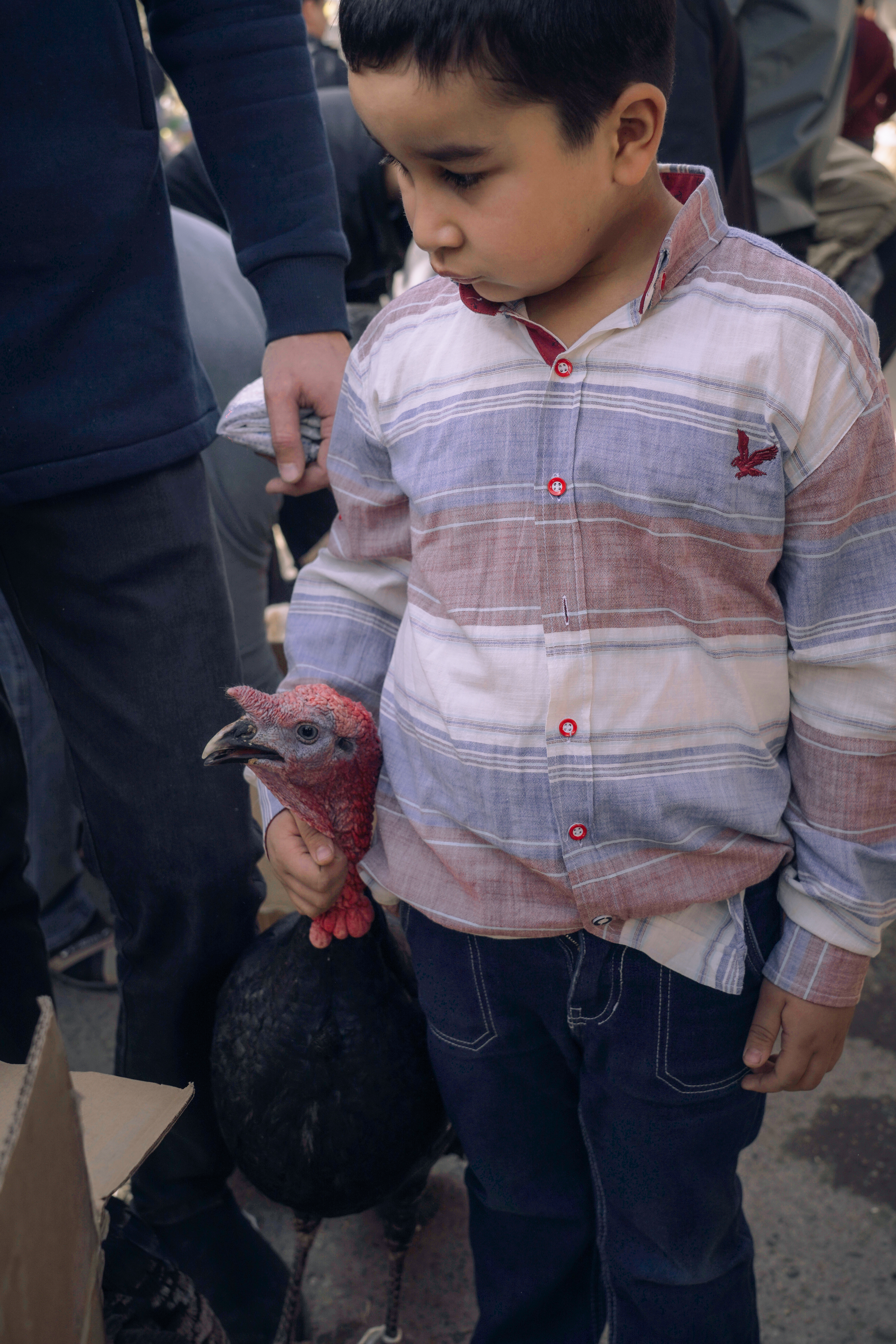 Photo: Ildar Sadykov
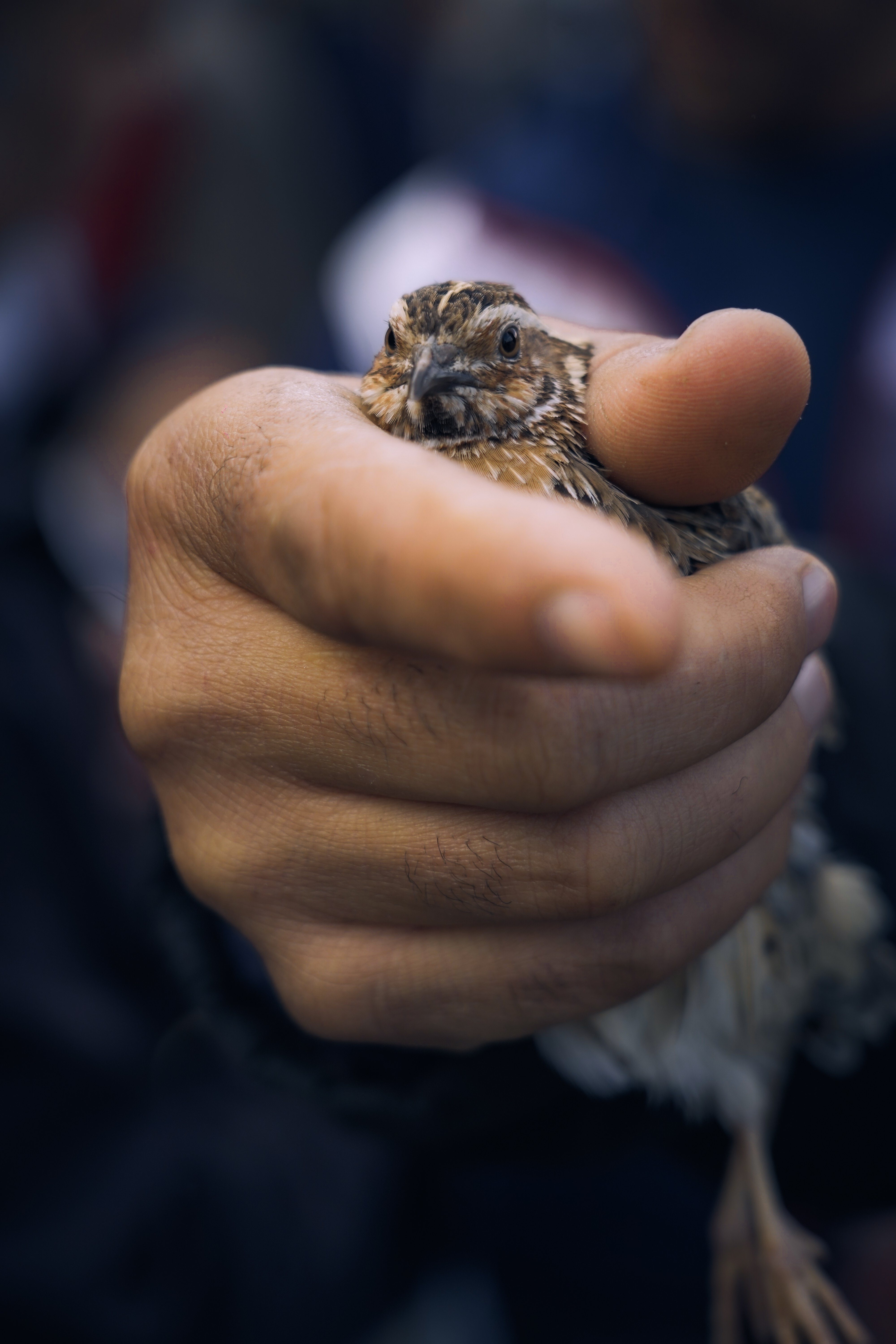 Photo: Ildar Sadykov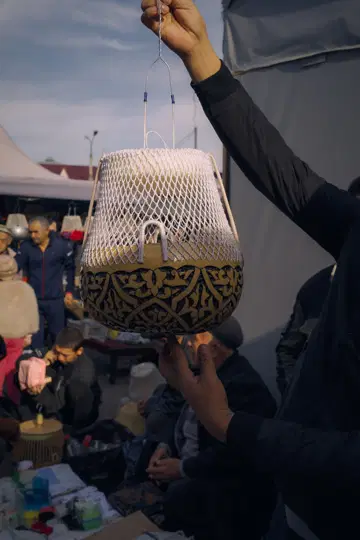
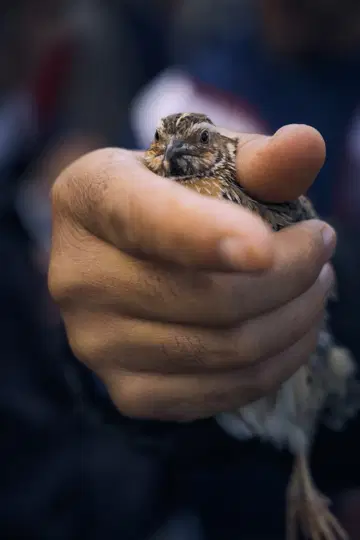
Brutal games, the gentle trills of quails in the vineyards, stork nests on poles, all of this is the fabric of our reality. It has been woven over centuries, seemingly independently of us. Perhaps birds are given to us so that, through their presence, we can reflect on ourselves in this world, our freedom, our cruelty, and the beauty and poetry of existence.
Indeed, our entire life, from birth to the very last moment, passes accompanied by these heart-wrenching sounds, if you just listen.


