
You probably remember the opening scenes from the film "The Kite Runner," where the main character — a little boy named Amir — participates in a kite-fighting competition. In Afghanistan, such pastimes have been banned — due to the risk of injury and the overly secular excitement of the participants. The kite strings are coated with a mixture of crushed glass and glue to cut through the opponent's strings during maneuvers. In the end, only one kite should remain in the sky — the winner's kite. The peaceful skies of Uzbekistan know no such competitions.
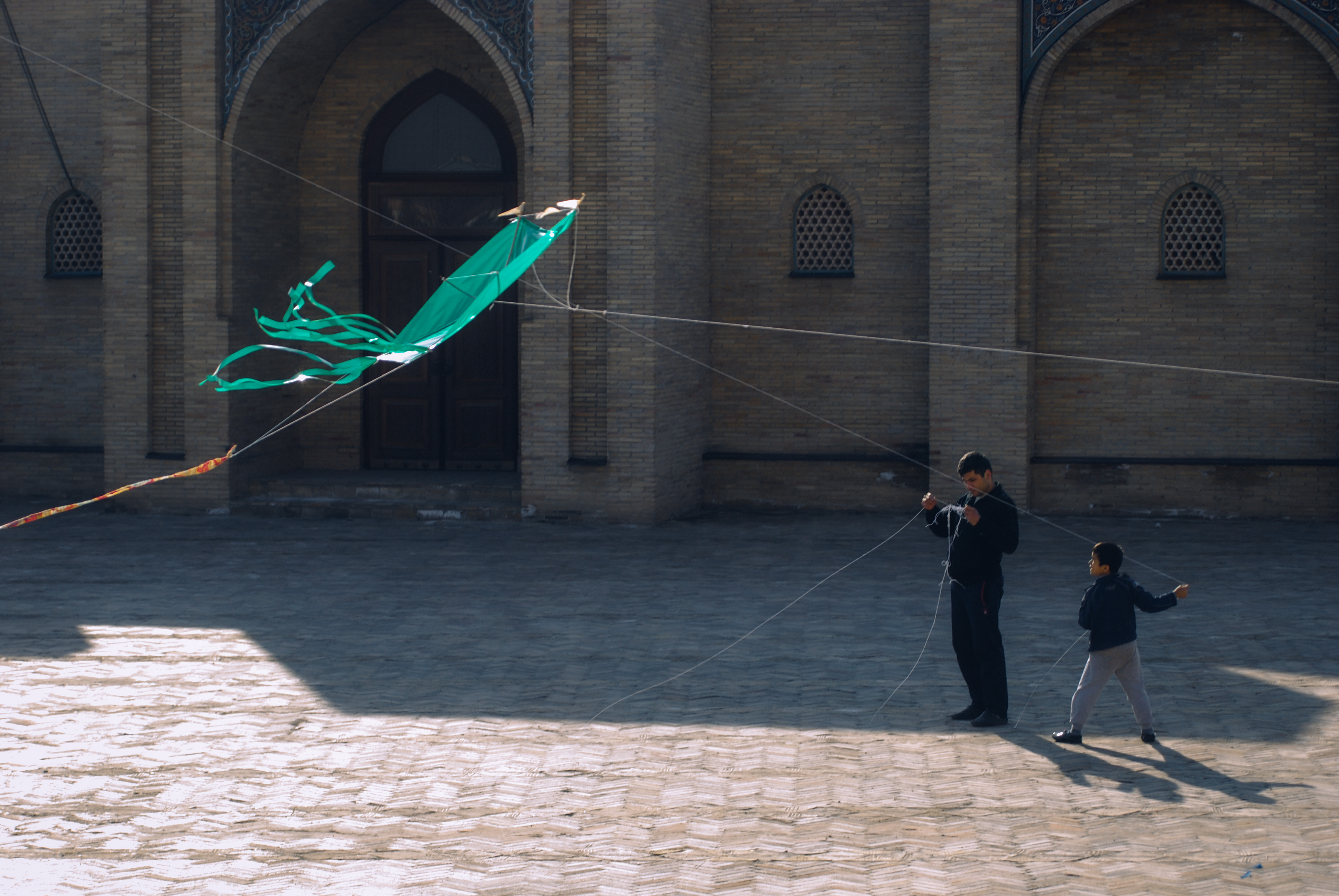 Photo: Ildar Sadykov
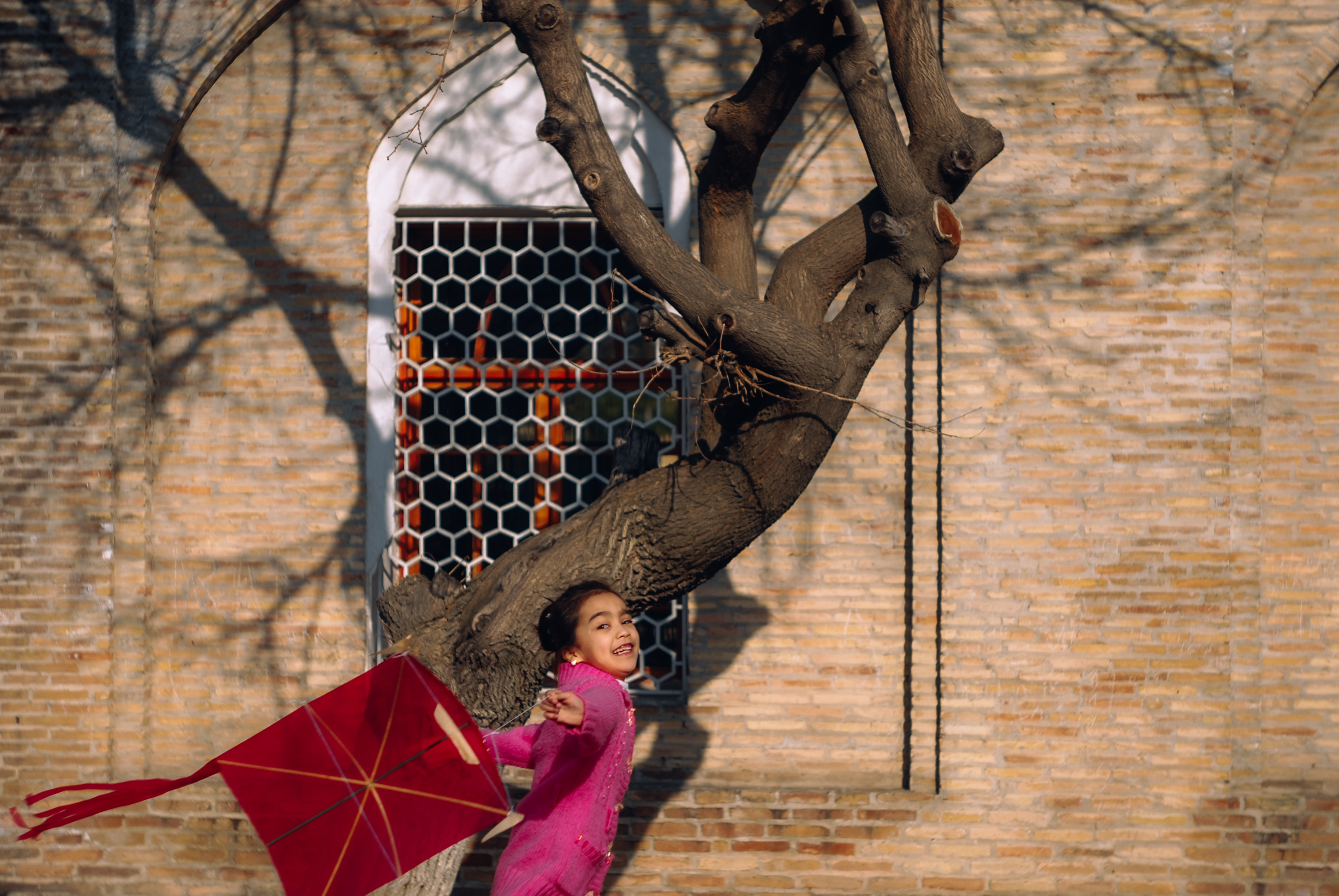 Photo: Ildar Sadykov
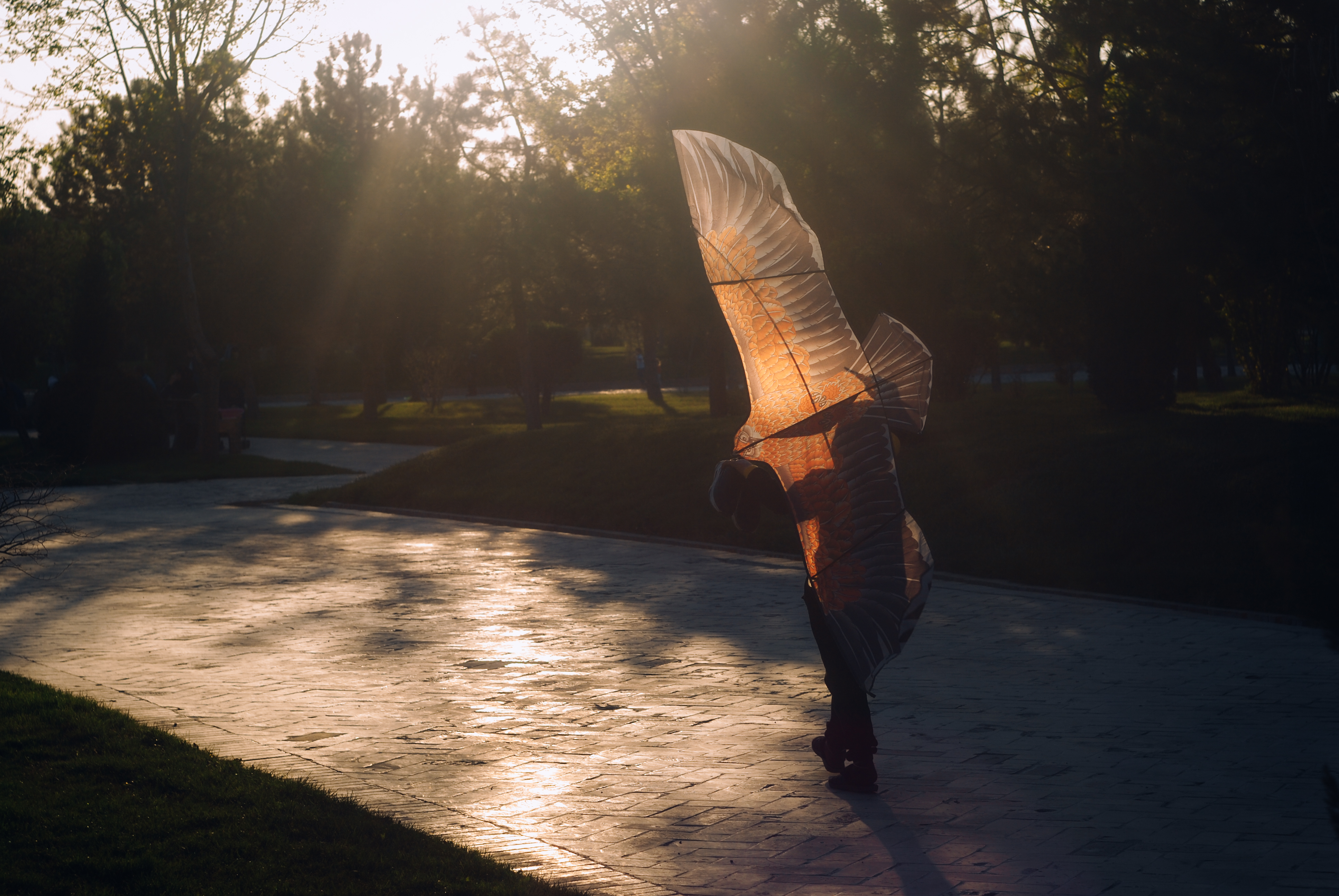 Photo: Ildar Sadykov
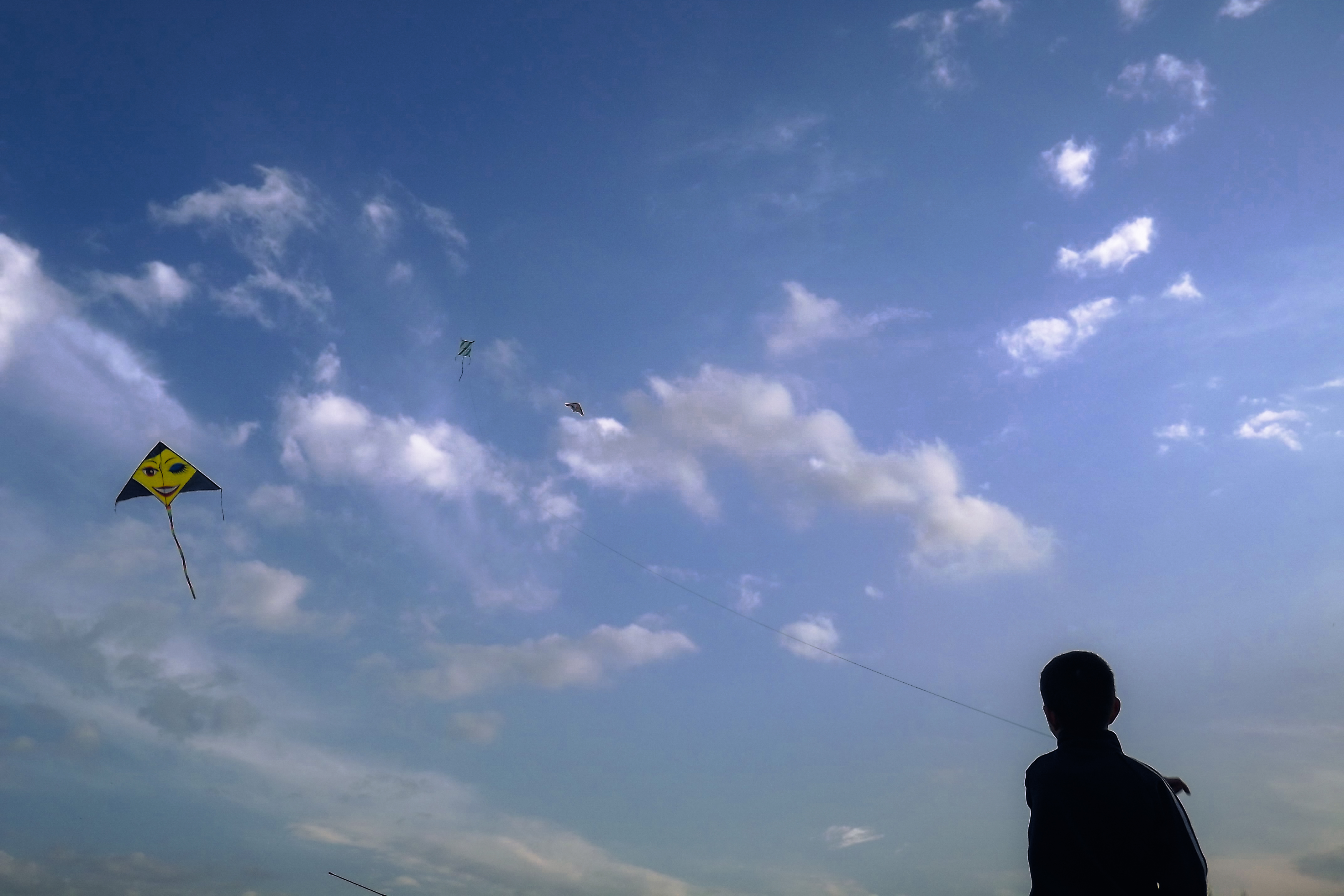 Photo: Ildar Sadykov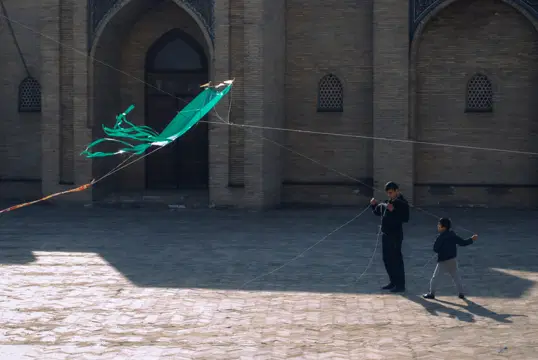
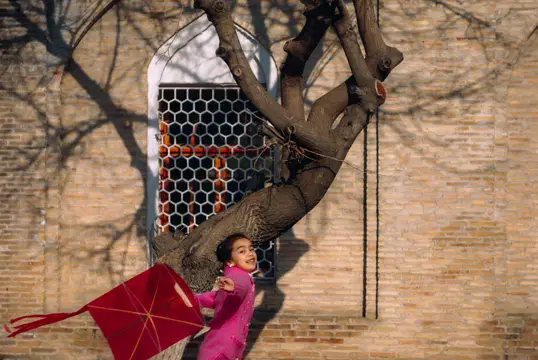
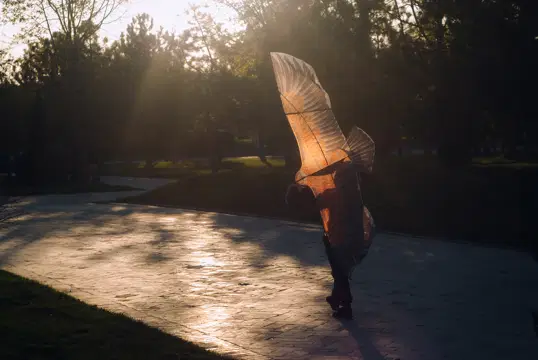
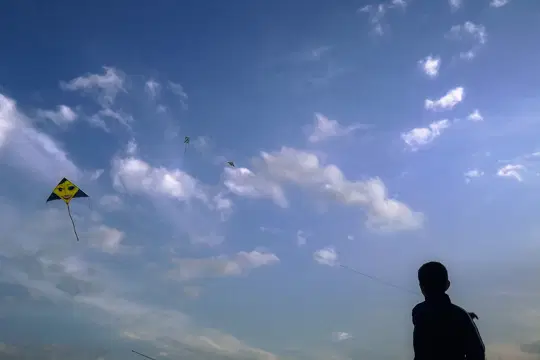
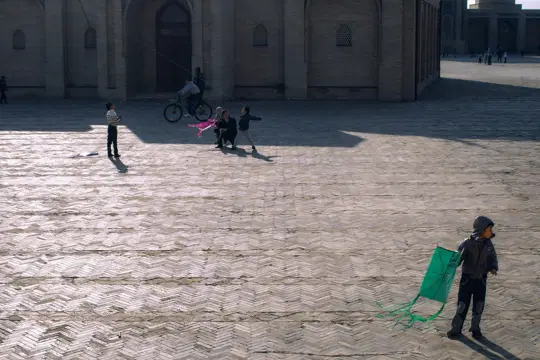
Launching a kite here — is a spectacular event where there are no winners or losers, only the enjoyment of the process and childlike delight mixed with the scent of the spring wind.
Kites originated in China and were not initially intended for children's amusement. They were used for signaling, military observation, and measurements. Only centuries later did they become part of folk rituals and festive events. In Chinese culture, the kite serves as a link between earth and sky, and there is also a belief that the wind, together with the kite, can carry away illnesses and misfortunes. Sometimes, traditions attribute a connection to ancestor commemoration rituals.
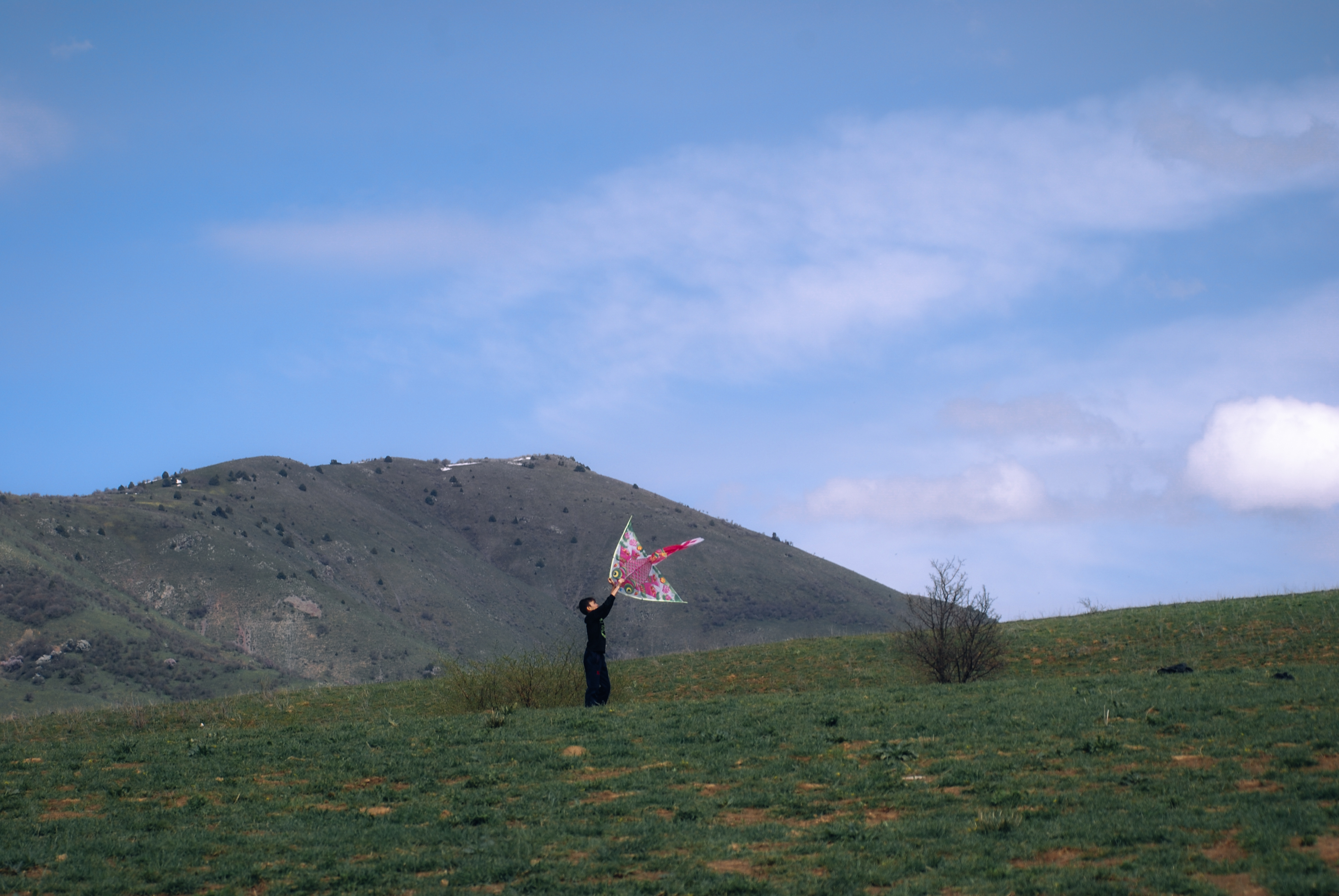 Photo: Ildar Sadykov
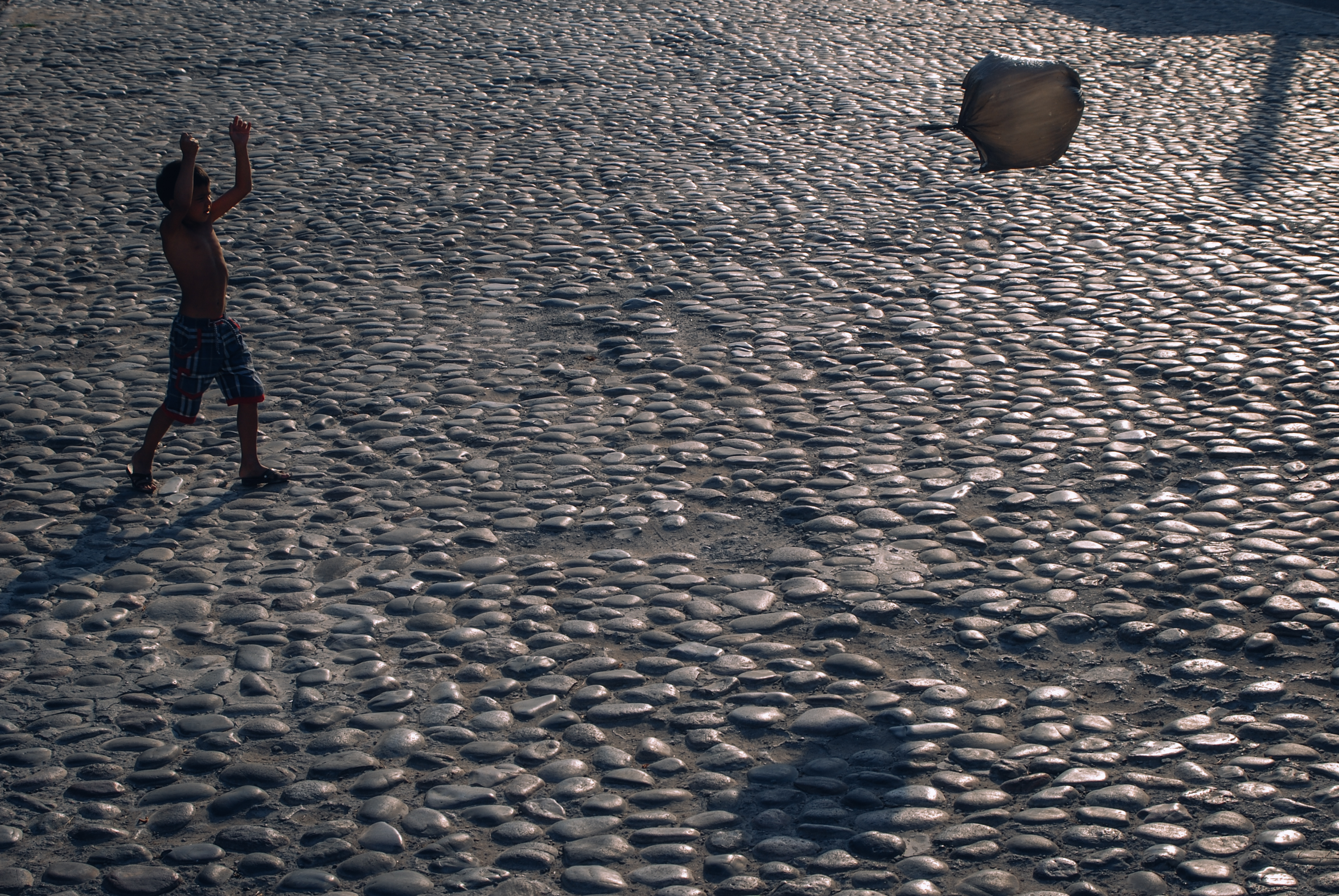 Photo: Ildar Sadykov
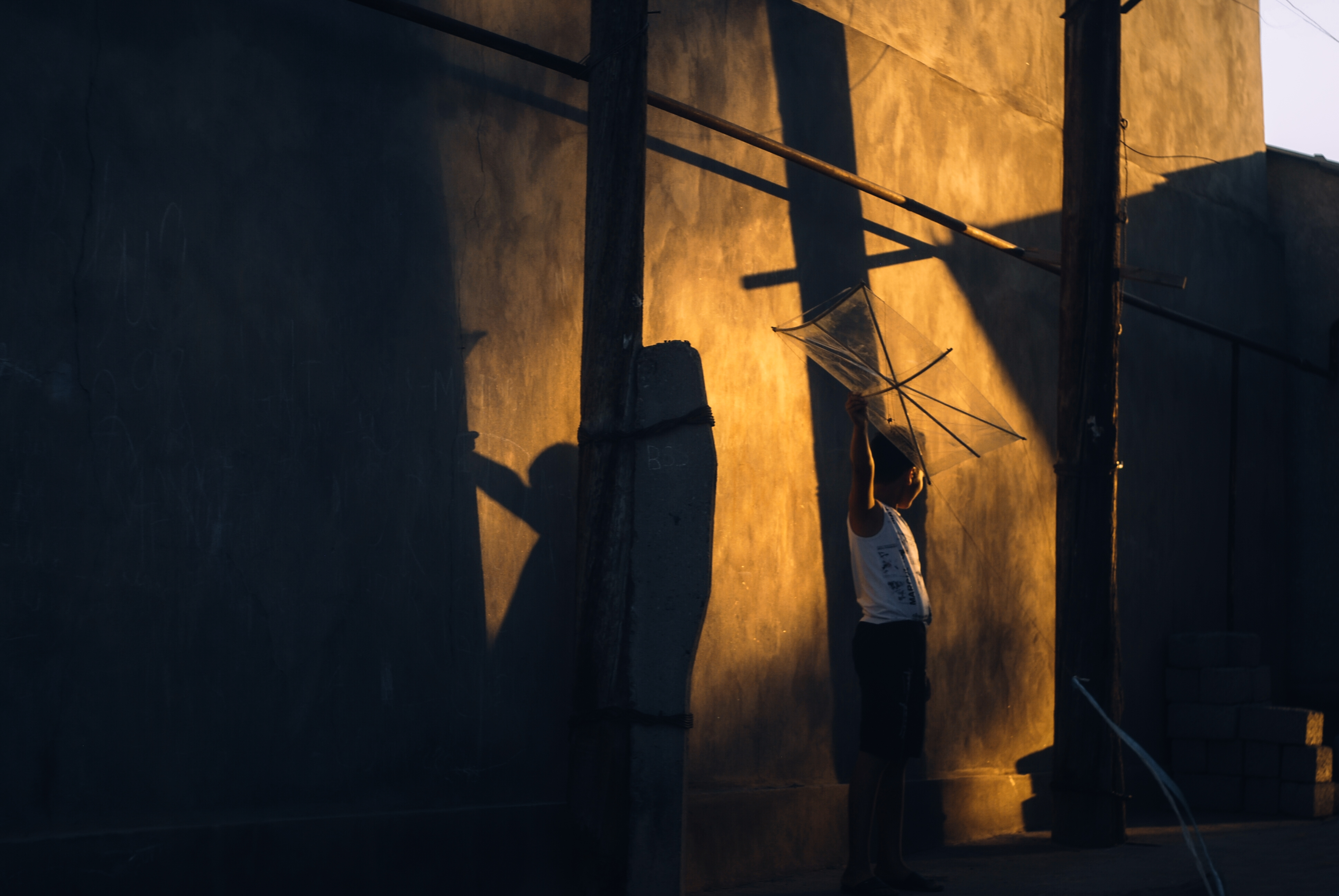 Photo: Ildar Sadykov
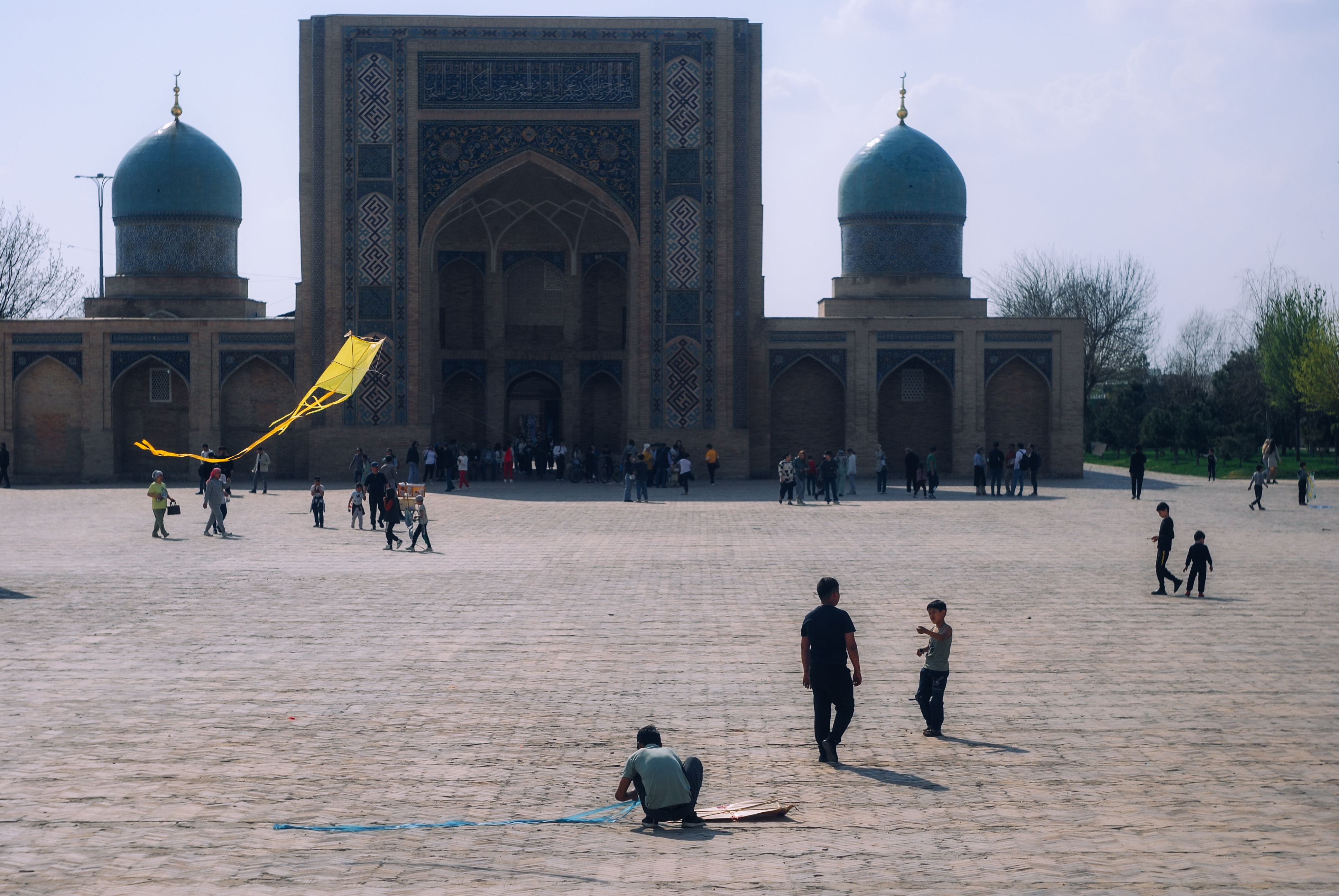 Photo: Ildar Sadykov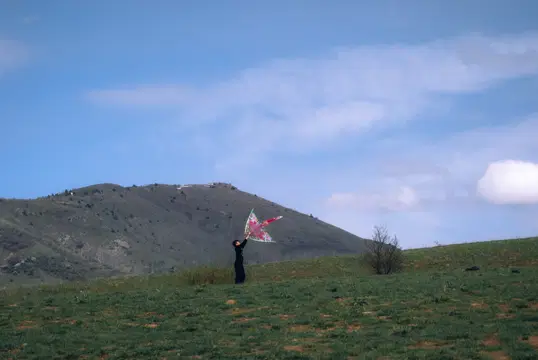
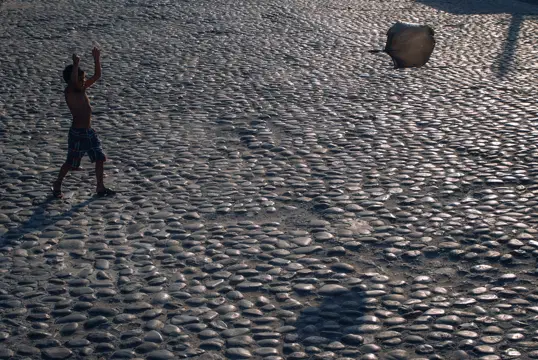
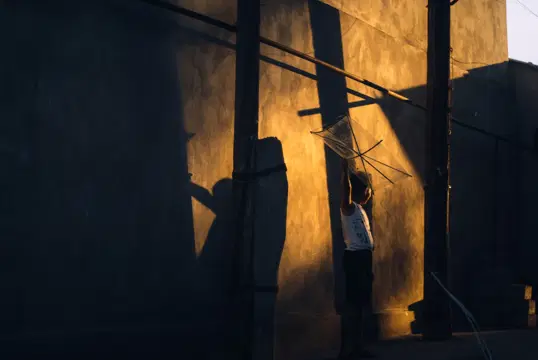
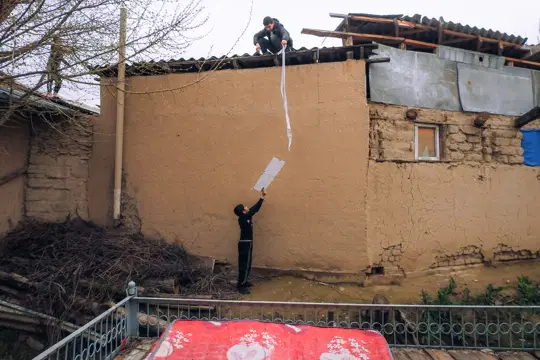
The tradition of flying kites existed back in the USSR. In our labor classes, we crafted them from available materials: dried reed stems, parchment. And each time before launch, it was a mystery—would it fly? There were failures and joys. And if it did take off—our emotions were indescribable. Generally, flying kites in spring is the brightest memory from childhood. The blooming of apricot trees and flying a kite—two events that heralded the beginning of the best time of the year.
Ildar Sadykov
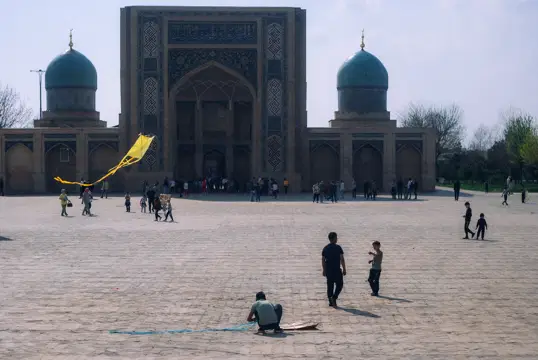
The main locations for kite flying now are Khast-Imam Square and the Chimgan Mountains.
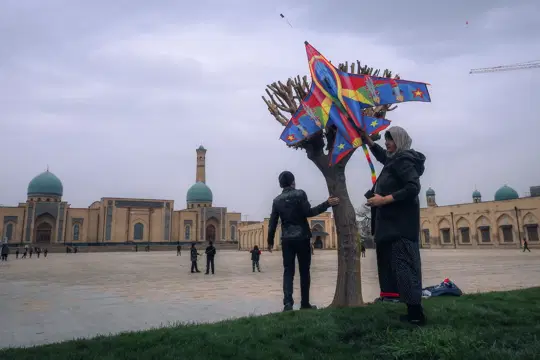
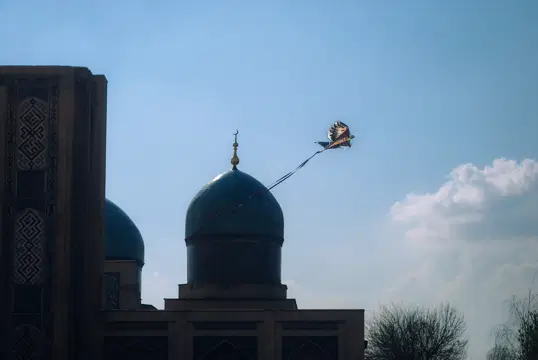
Sometimes hundreds of kites soar over the city's center of religious life, rising higher than the giant dome of the Center of Islamic Civilization towards the setting sun, captivating both casual passersby and children alike. Childhood, joy, unclouded, the pure thrill of the game. Not only do children from neighboring mahallas run to watch and participate, but also residents from distant districts of practically all ages.
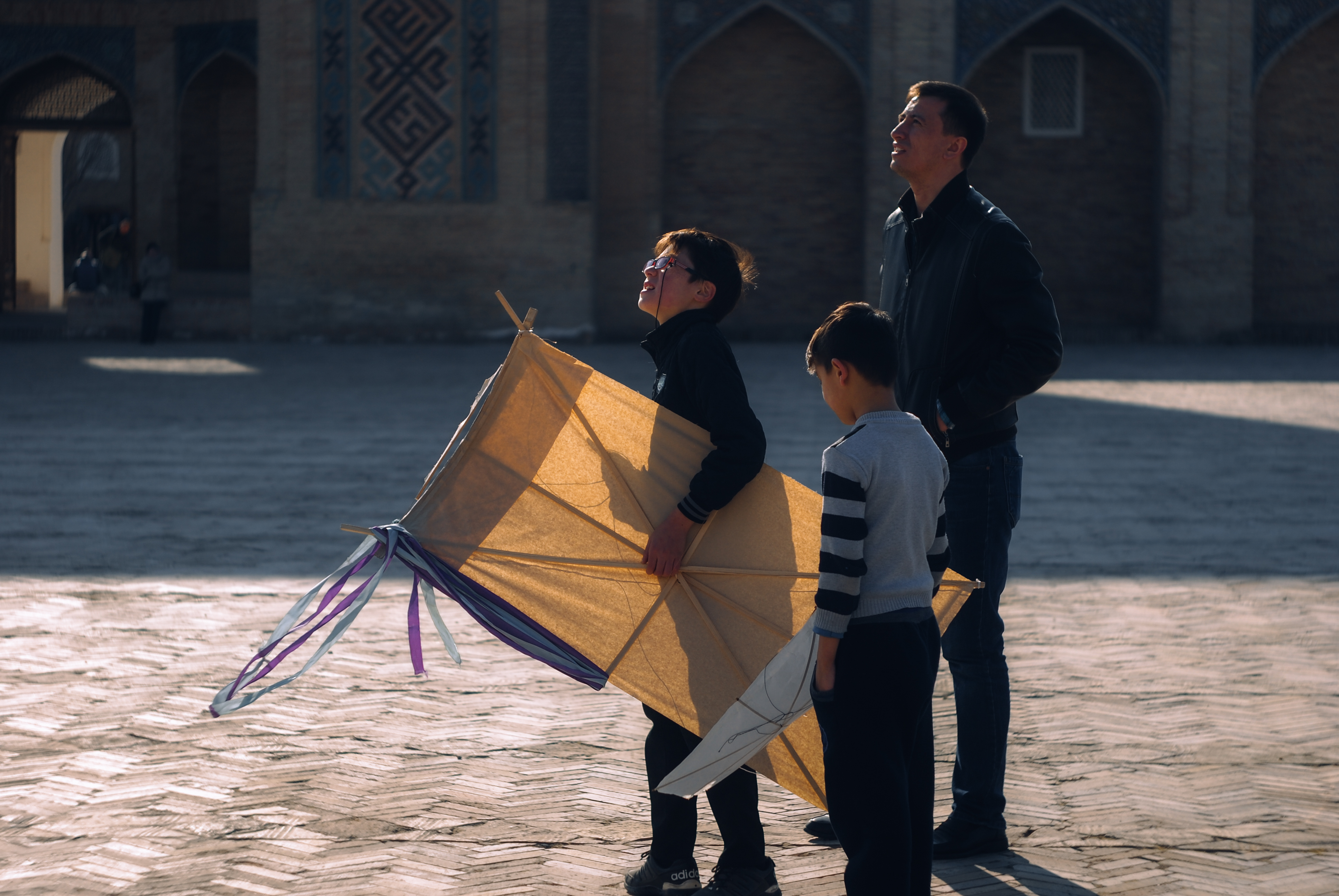 Photo: Ildar Sadykov
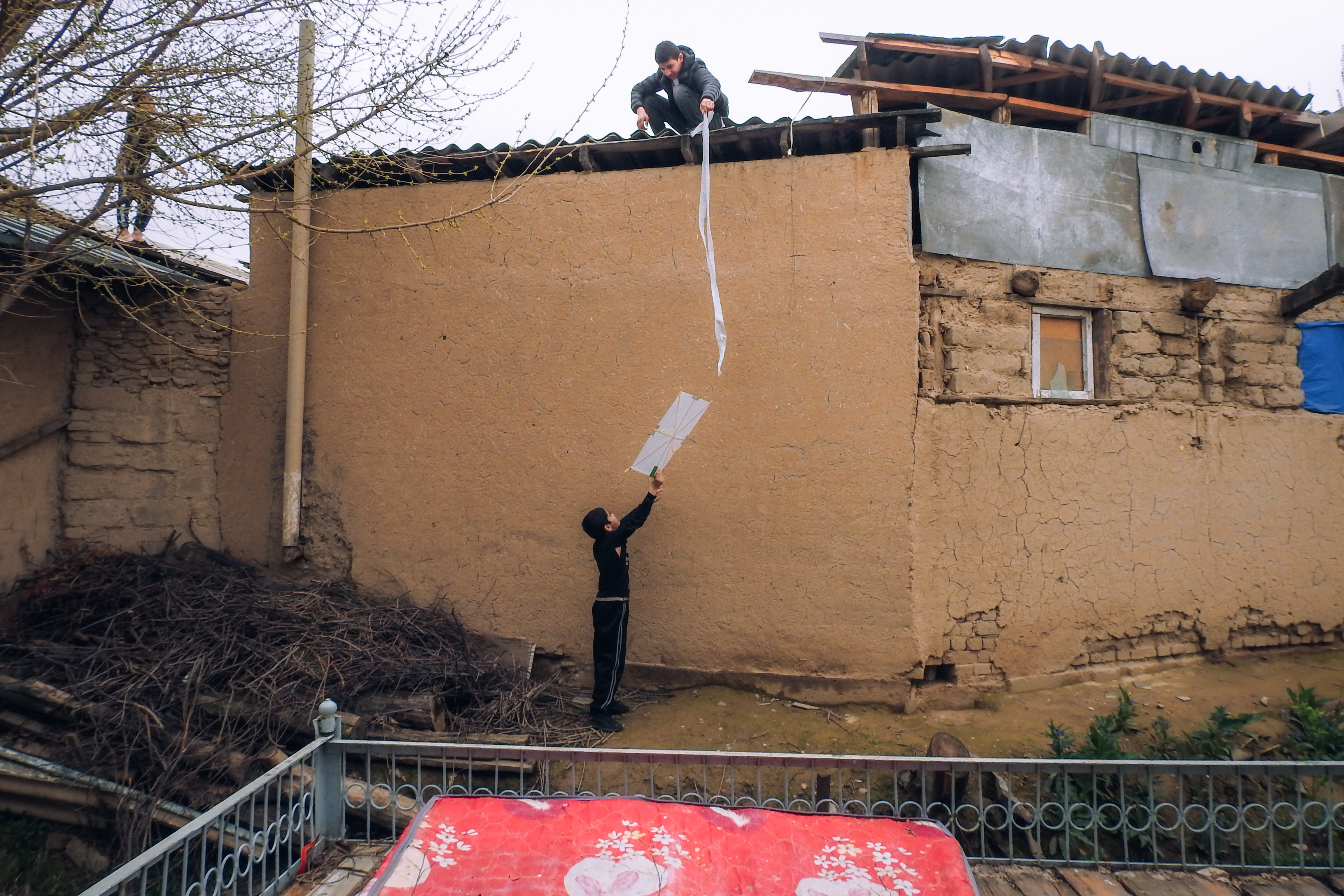 Photo: Ildar Sadykov
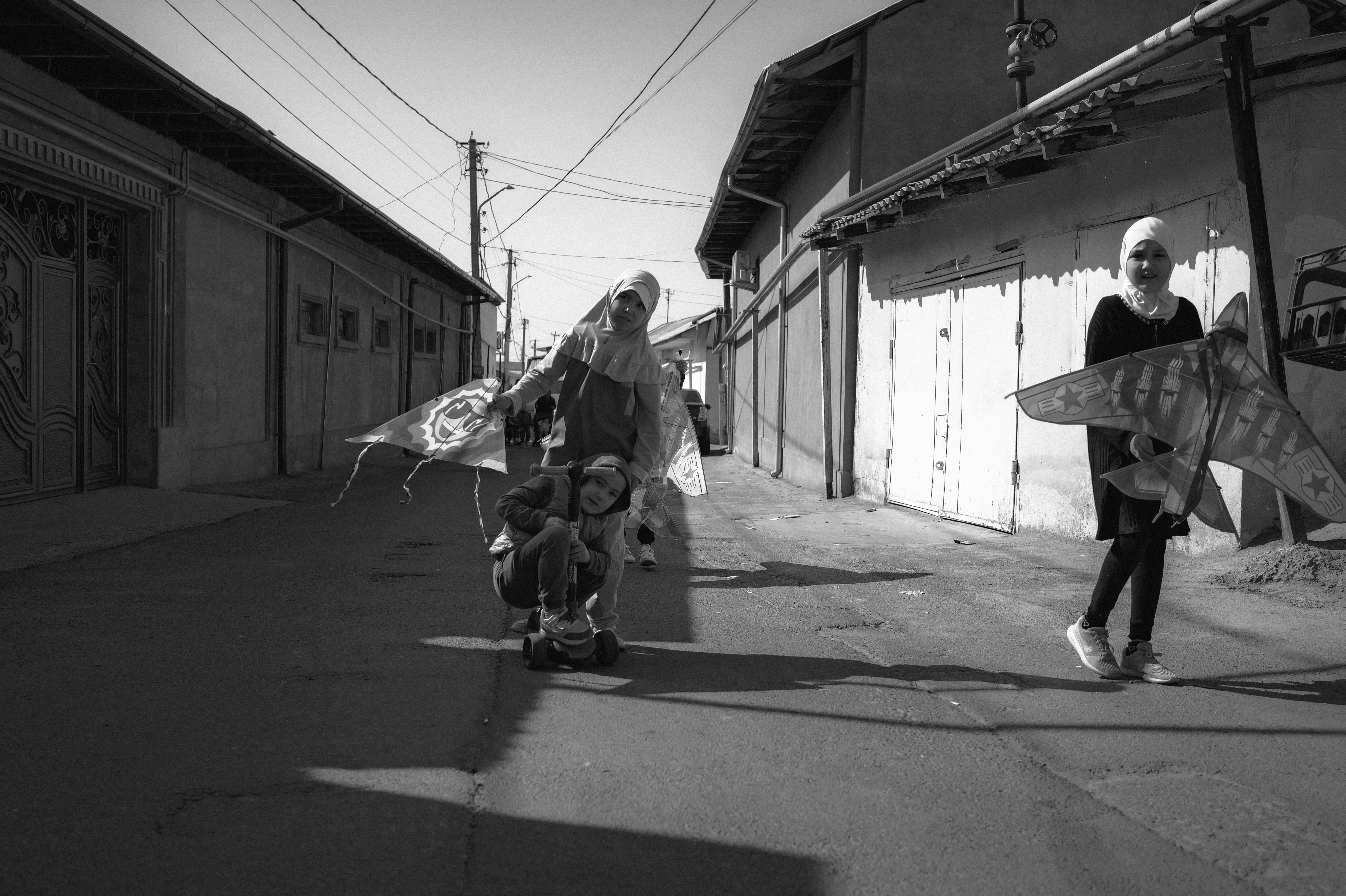 Photo: Ildar Sadykov
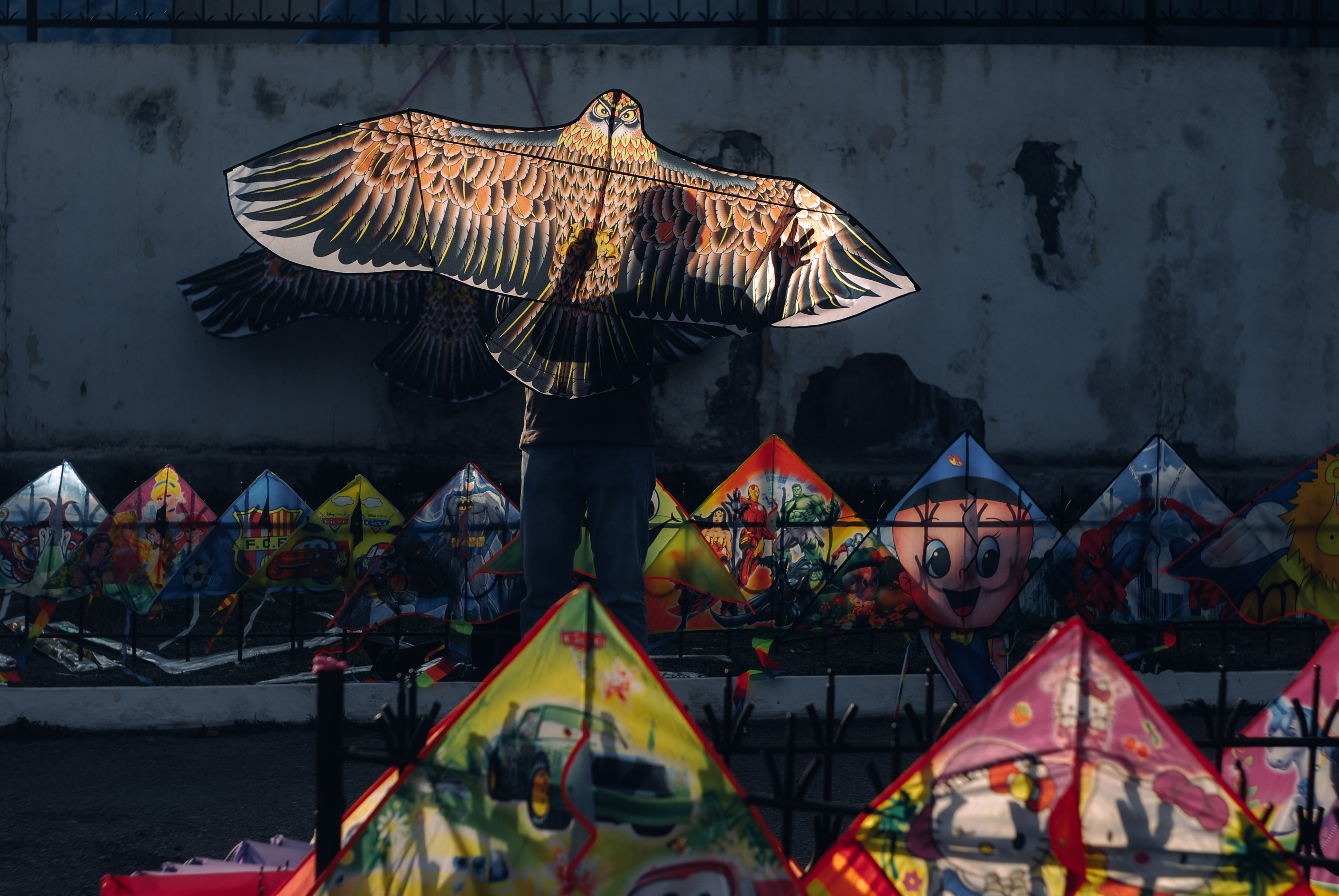 Photo: Ildar Sadykov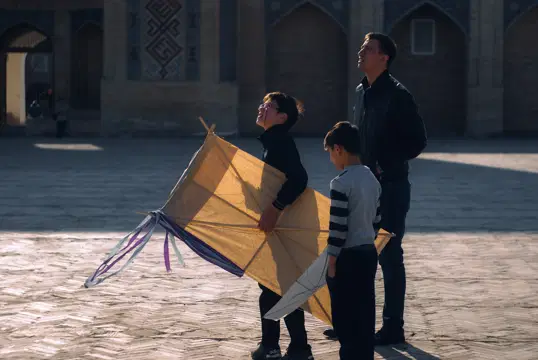
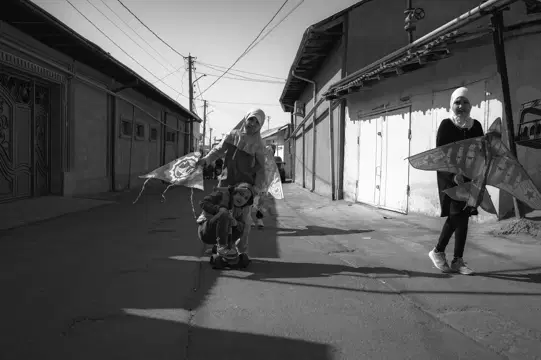
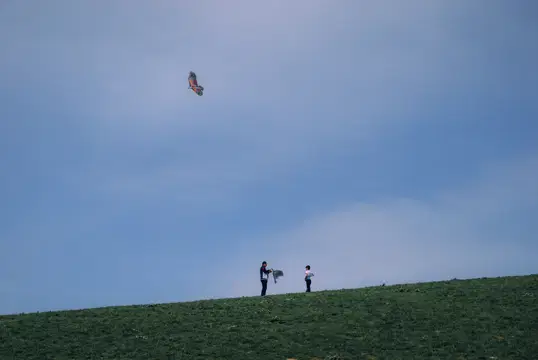
Many go to the mountains to catch the wind — there is both the freedom of nature and a greater chance of success. And if before it was a children's pastime, now it's more of a family event, a leisure option for groups.
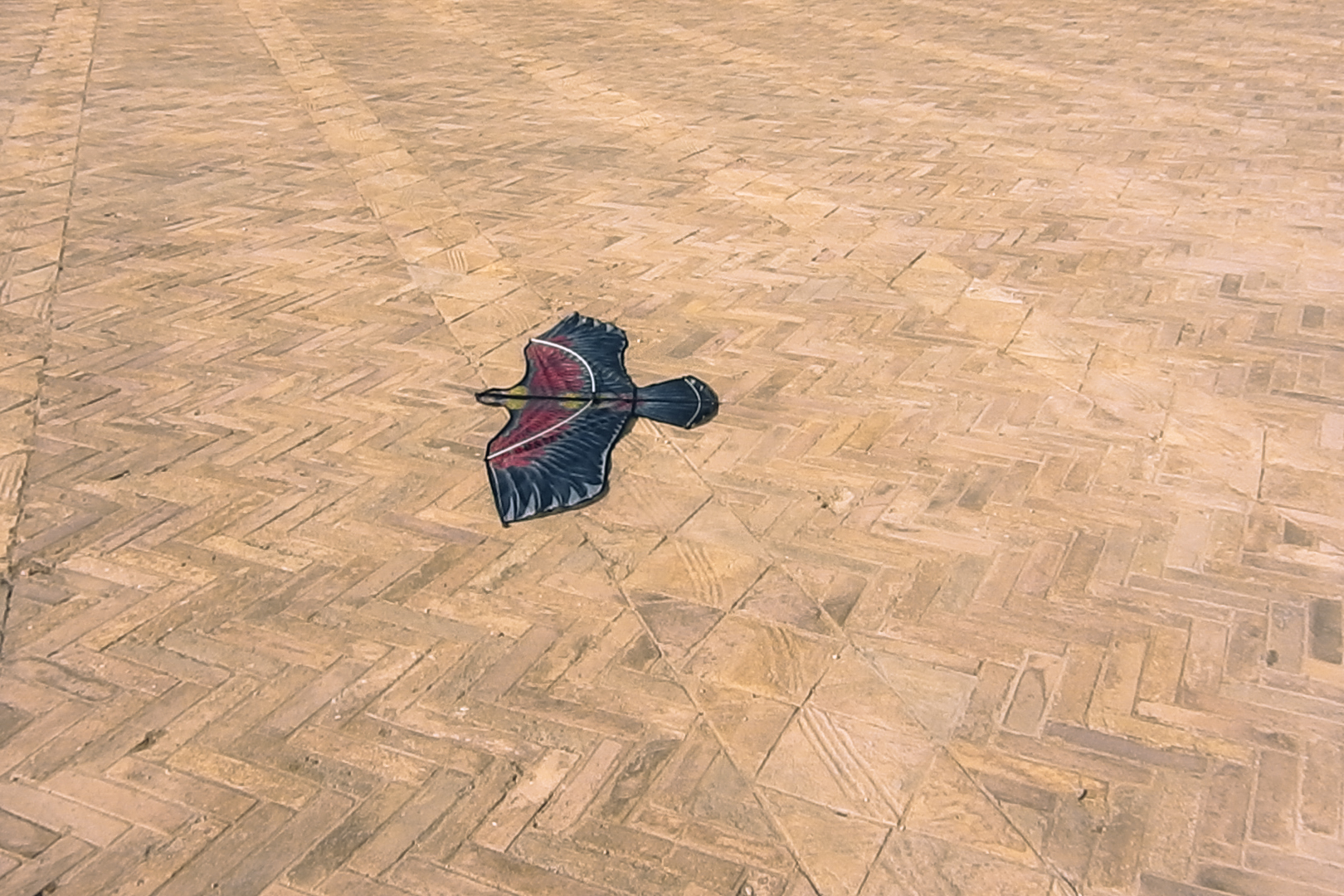 Photo: Ildar Sadykov
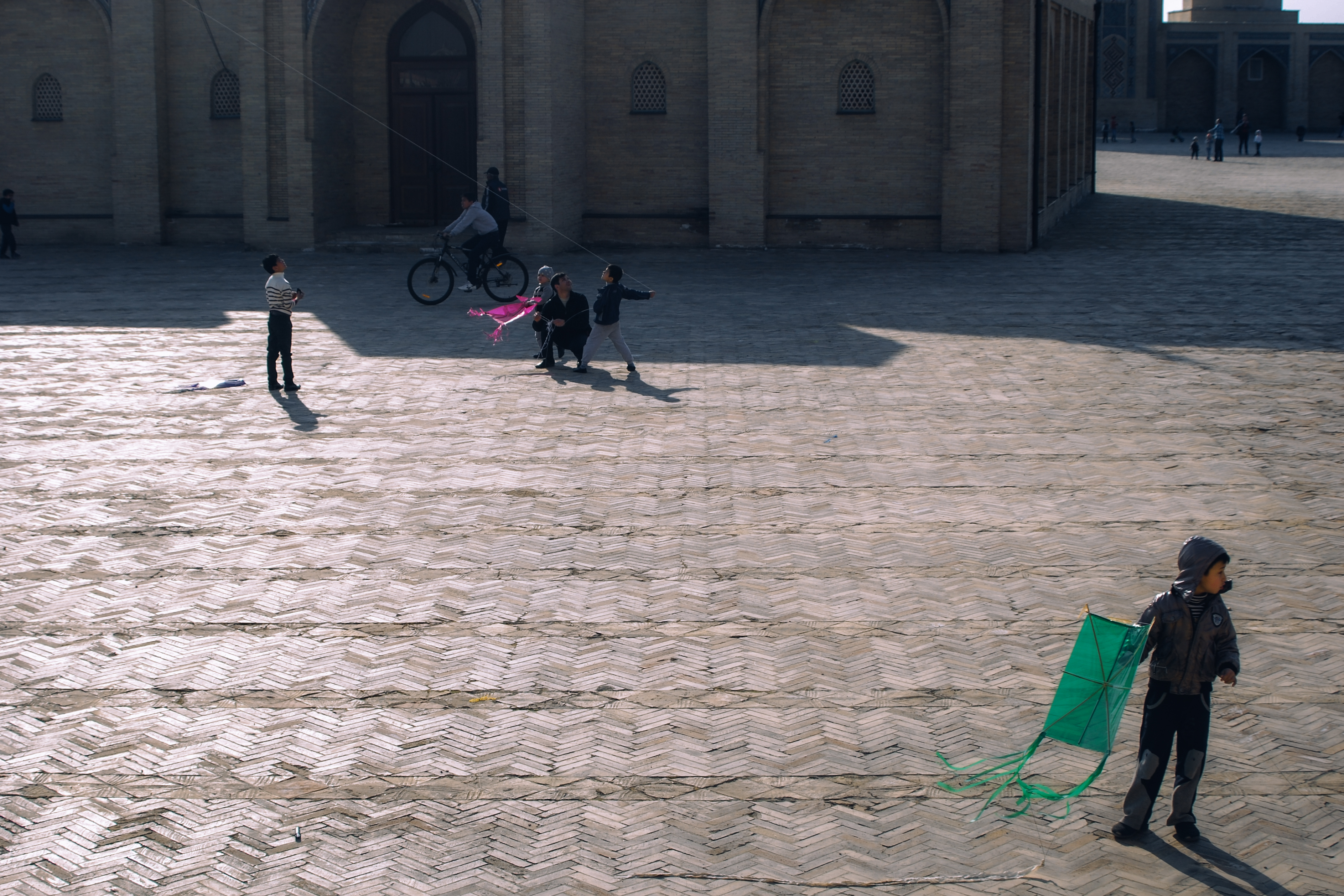 Photo: Ildar Sadykov
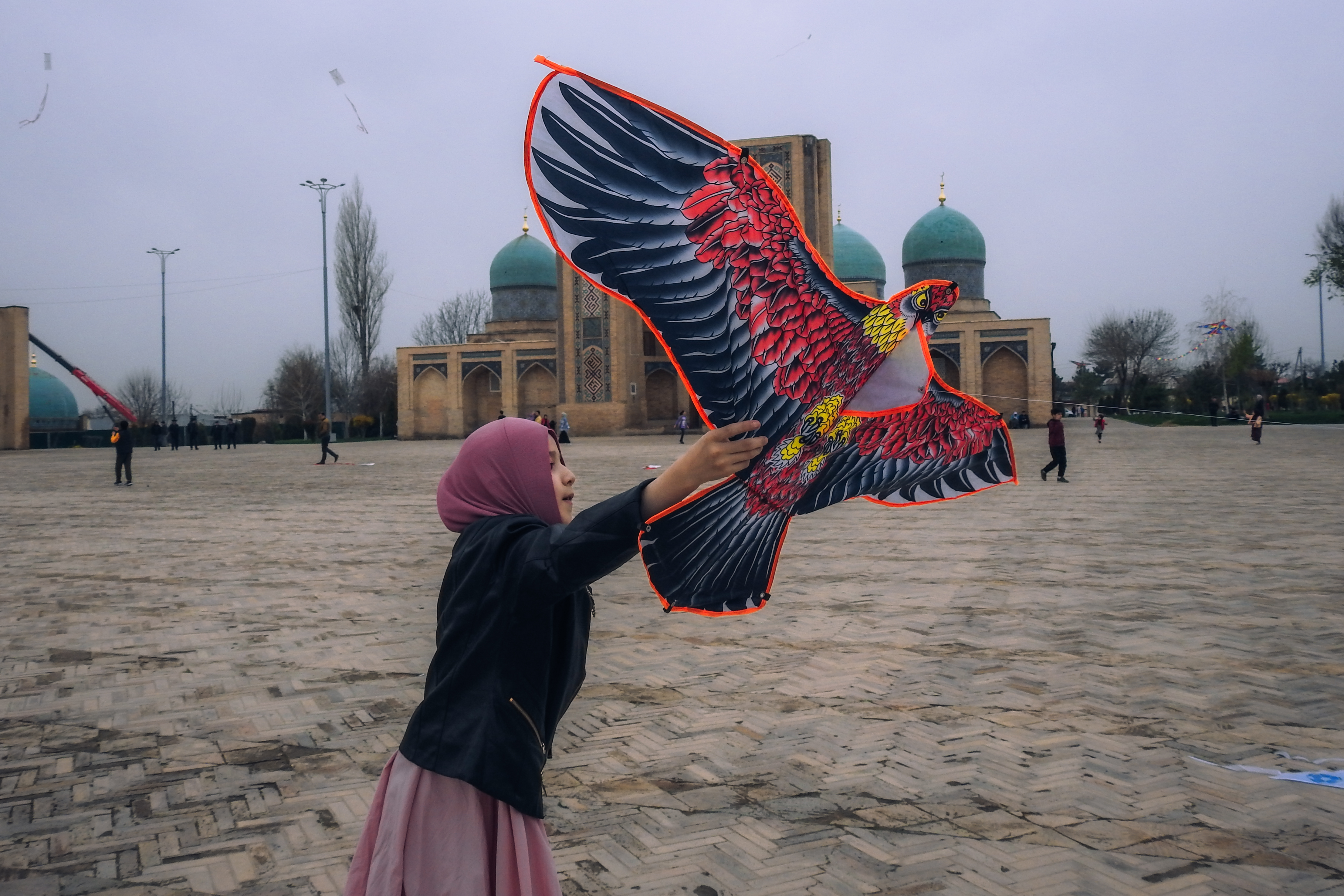 Photo: Ildar Sadykov
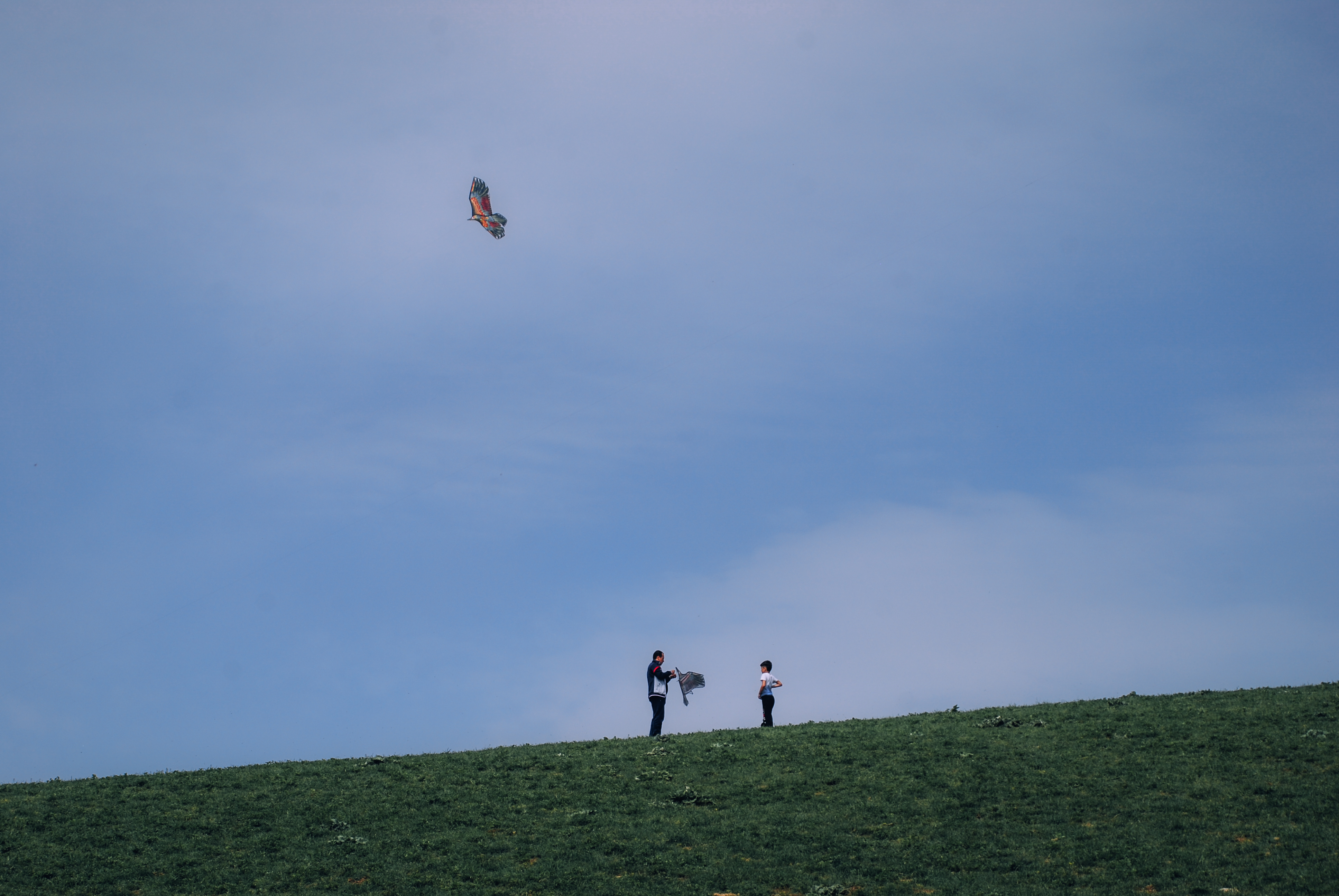 Photo: Ildar Sadykov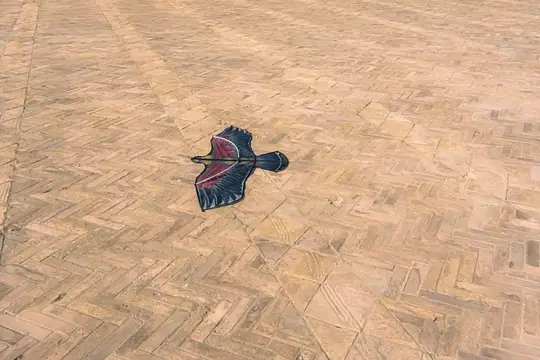
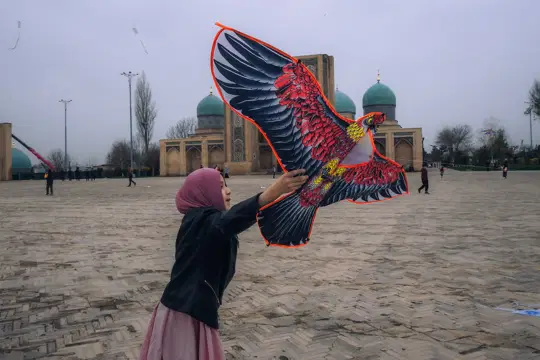
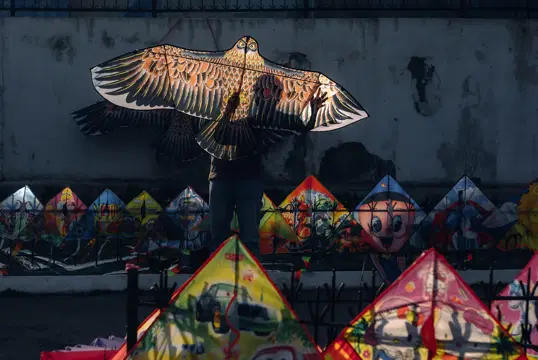
Previously, kites had a simple and uncomplicated design with a weight. Now, however, — once again from China — technically improved products of all imaginable and unimaginable colors and shapes have flooded the markets and roadside stalls: now acid butterflies, Barbie dolls, robots, rainbow eagles, dragons, even someone's faces soar in the sky — choose what you like.
I know that kite flying days were even announced in schools. Now I see it becoming a family tradition. And perhaps it's one of the best. It brings people together, puts you in a meditative mood, allowing you to reset. It makes you look upward.
What was once purely a children's activity, kite flying is turning into leisure for adults as well — even grandparents happily join in the process.
Ildar Sadykov
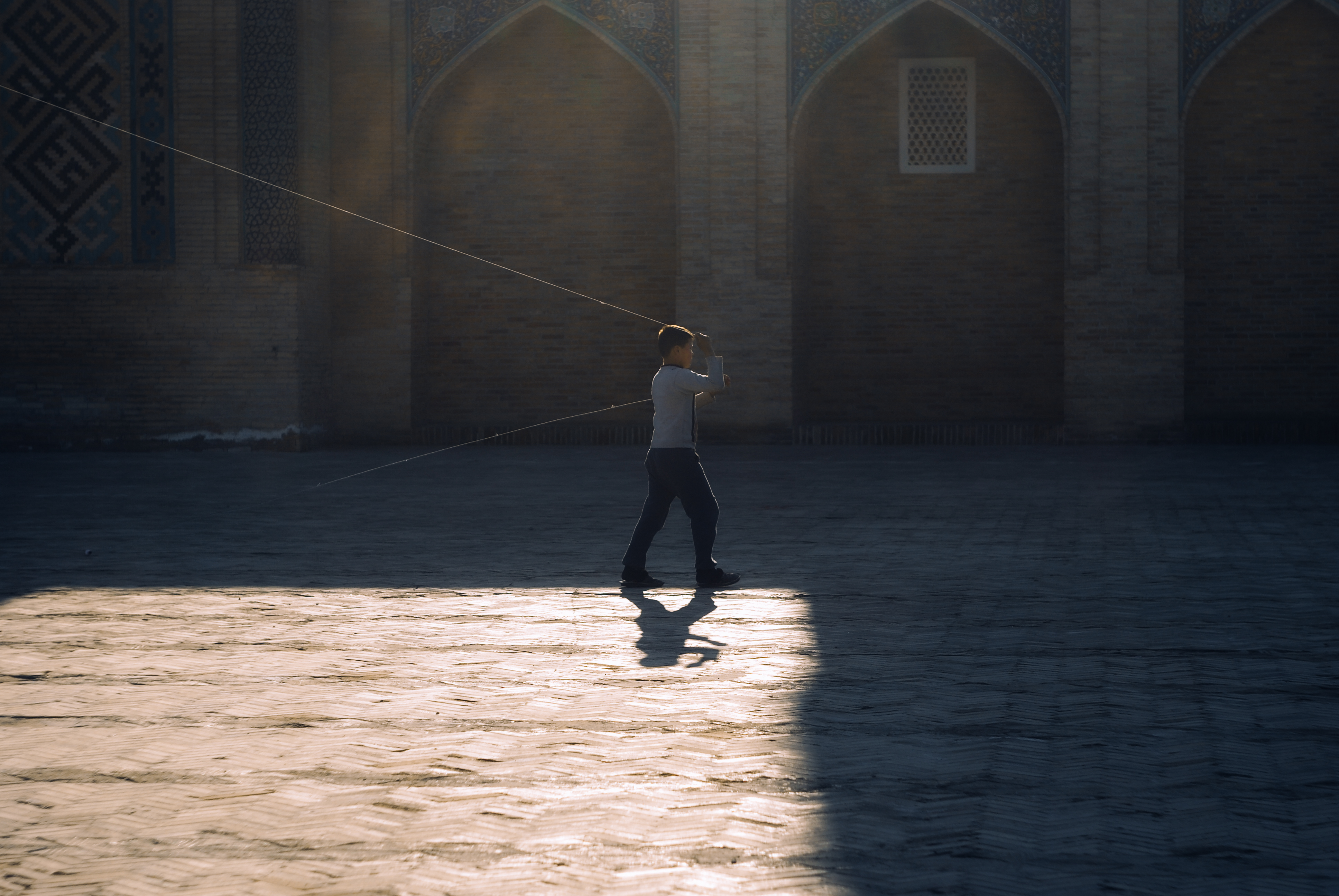 Photo: Ildar Sadykov
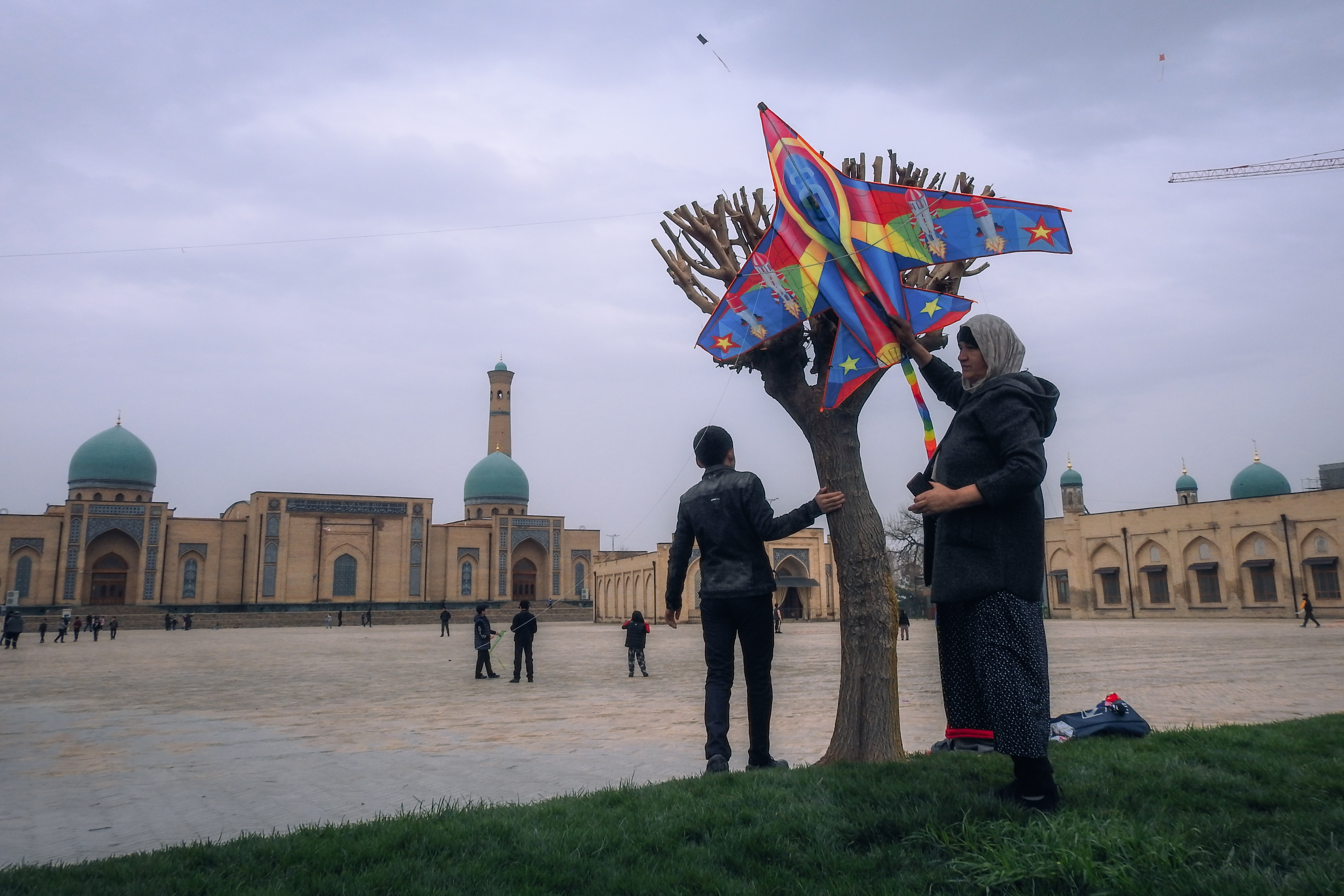 Photo: Ildar Sadykov
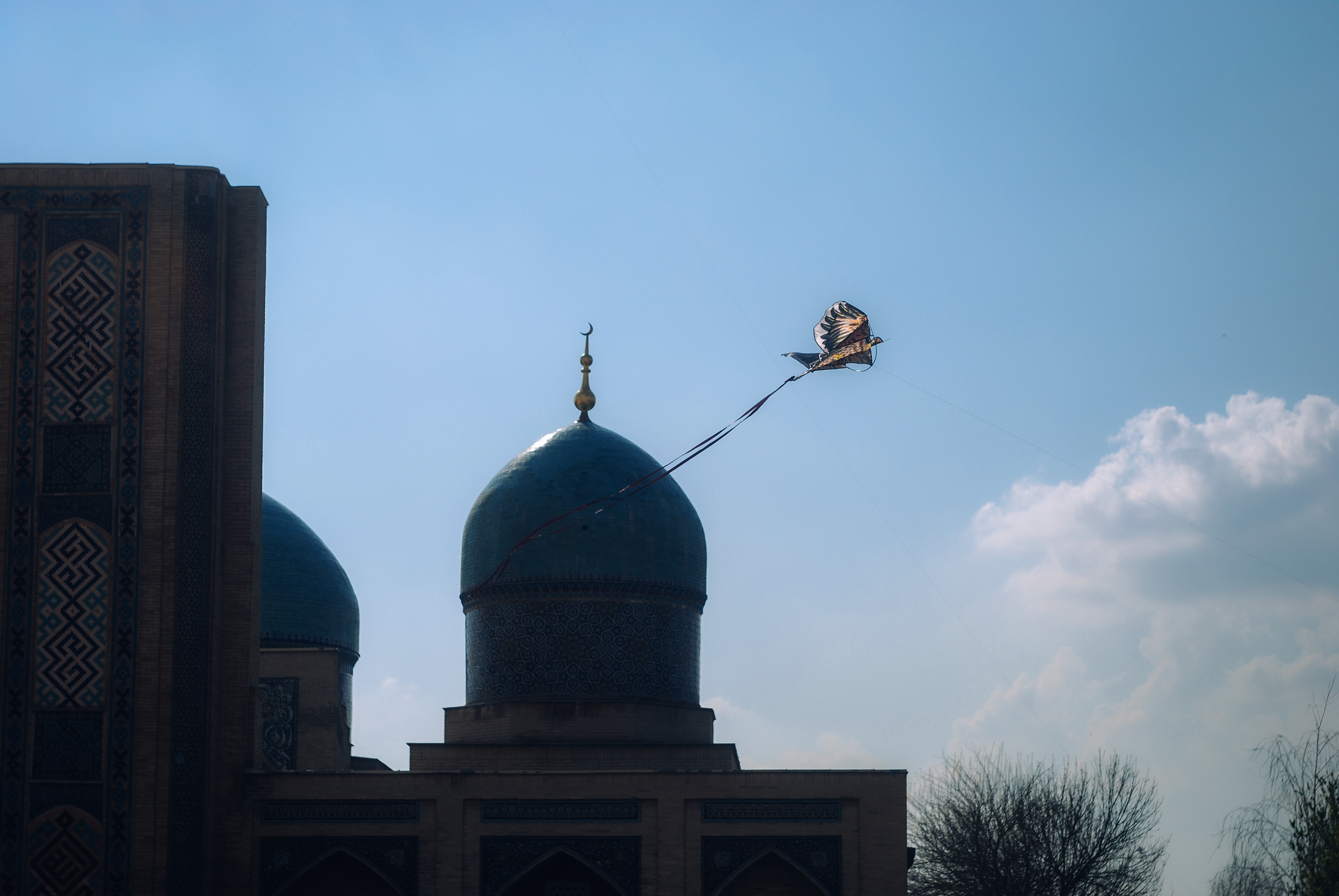 Photo: Ildar Sadykov
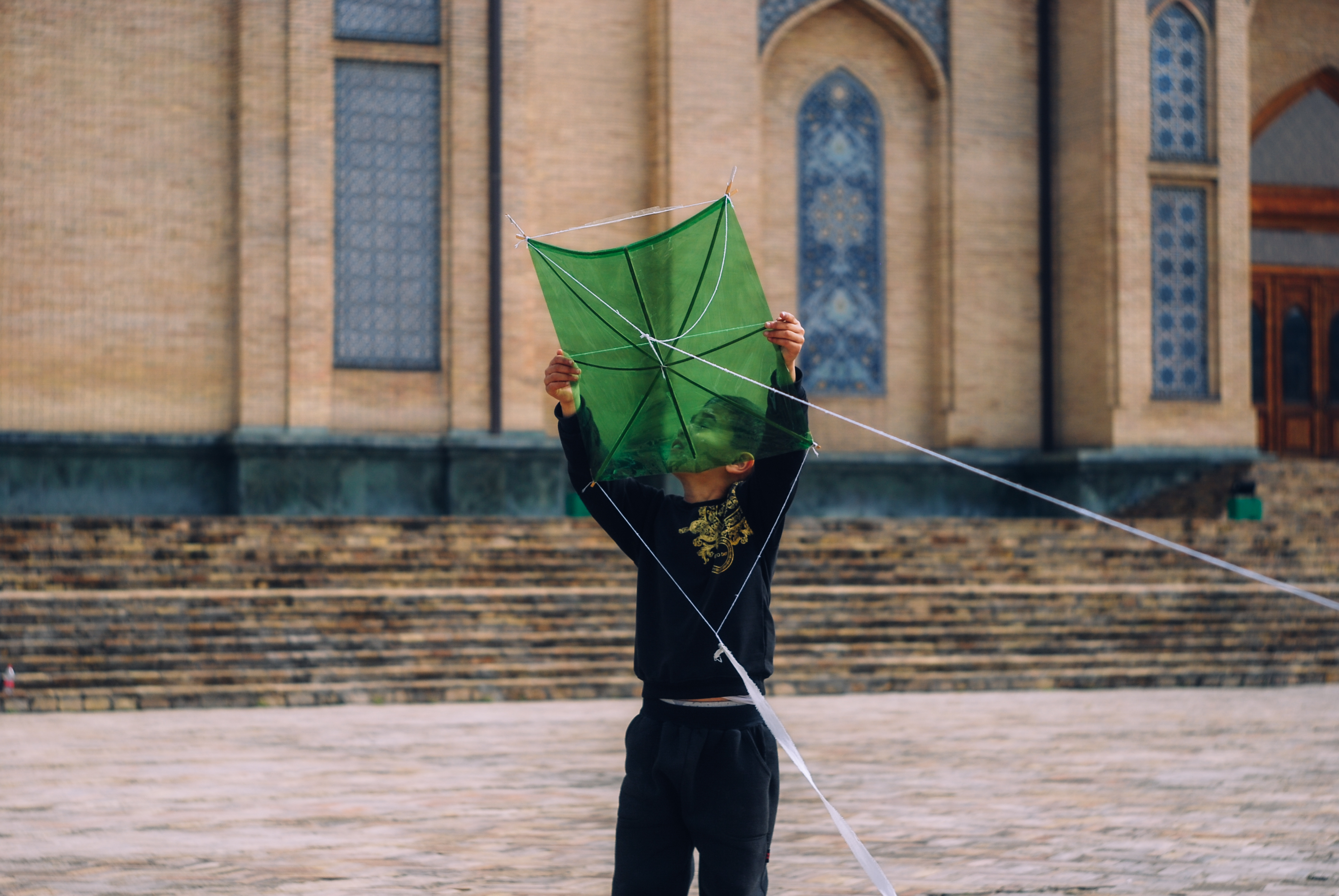 Photo: Ildar Sadykov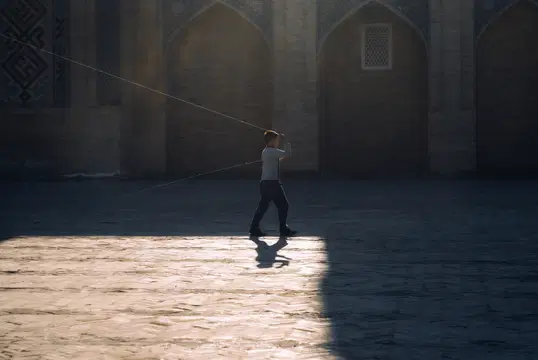
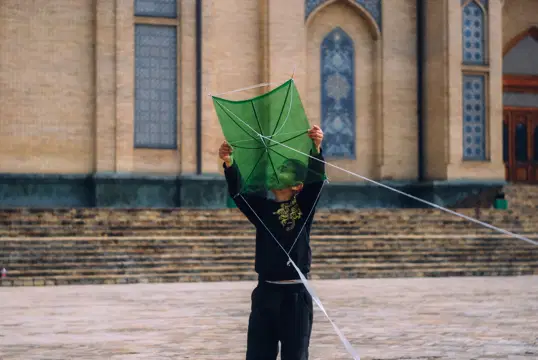
Launching a kite teaches agility, but you will never manage without the forces of nature, which cannot be fully comprehended by man. All that remains is to run after the wind, holding the string tightly, and try to keep your kite from being released into eternity for as long as possible.


