
When I first arrived in Tashkent, I saw a beautiful, sun-drenched and wonderfully hospitable city. That is probably how most people experience it on their first visit: verdant streets, new districts, parks, and vigorous construction. Yet a city cannot truly be known in a matter of days. To feel it, one must live in it. And it was perhaps at that point that Tashkent ceased to feel like a foreign city to me. Favourite routes took shape, as did friendships, training sessions, work meetings, familiar cafés and places one finds oneself wanting to return to again and again.
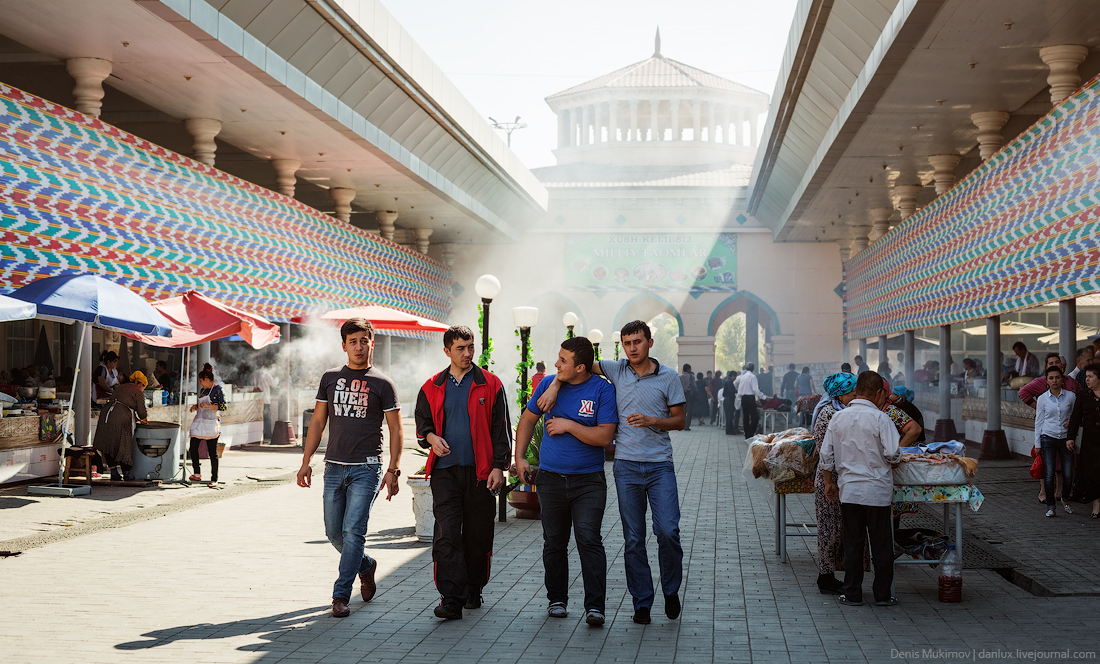 Photo: Denis Mukimov
My greatest pleasure is walking along the Ankhor Canal.
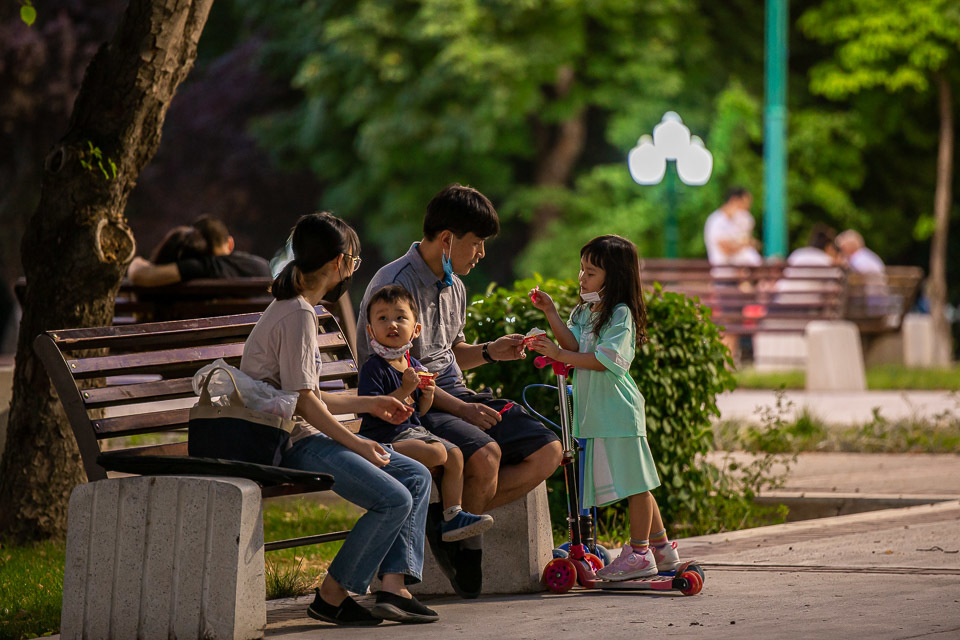
It is there that I feel the true rhythm of the city most keenly. People stroll with their children, meet friends, exercise, and unwind after work. This place long ago ceased to be merely a picturesque embankment for me. It was on these very walks that I first understood something: the resident in me simply savours the city, whilst the researcher begins searching for answers to questions that most people never even think to ask.
Why do people linger longer in certain places? One square brims with life, whilst another is merely passed through; in one park families spend several hours, whilst in another they take a few photographs and leave. Some spaces become part of the city's everyday life, whilst others remain simply beautiful objects.
How 'beloved' places are born
In time, I came to understand one very simple thing. It is far easier to construct an object than to make it part of the life of a city.
We have grown accustomed to measuring development by the number of new residential complexes, parks, streets, public spaces or shopping centres. Yet after several years it becomes clear that, in and of themselves, they change nothing.
 Source: Fergana Media
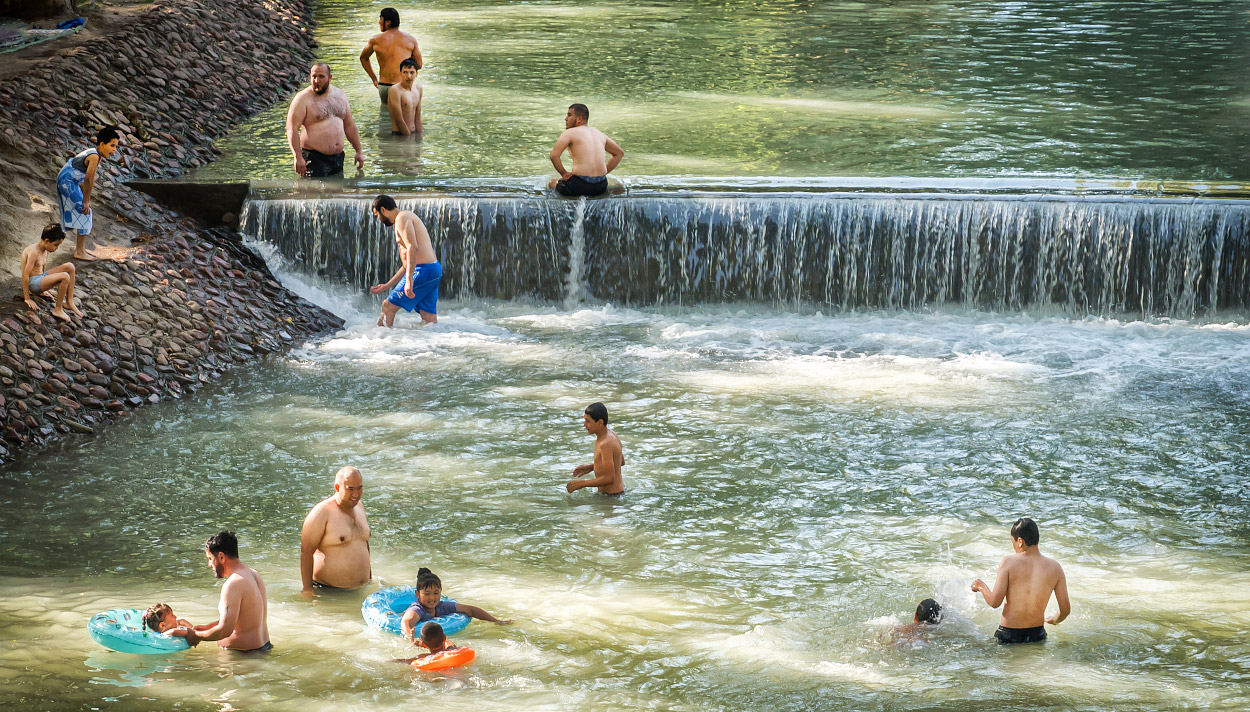
A city does not begin to live on the day a new development opens. It begins to live at the moment people change their habits. That is why, walking through Tashkent today, I find myself less and less focused solely on the architecture. What interests me is something else entirely: where people linger longer than usual, which routes they take, where they meet, how they spend their leisure time, and which spaces become part of their daily lives. A person lives by their daily routine. They walk their child to school. They commute to work. They meet friends. They pop into a shop. They take an evening stroll. They spend time with their family. It is from these ordinary routines that the true quality of urban life is composed.
Are we truly still building cities for people? Or are we still constructing individual objects, hoping that life will somehow appear between them? This is the central challenge today — not only for Tashkent, but for the majority of rapidly growing cities across Central Asia. We continue to evaluate space by its label. Park = a place for walking, street = a road, courtyard = the territory beside a building, shopping centre = a place for purchases.
Over many years of working with children and nurturing world champions, I came to recognise one consistent pattern: habits cannot be imposed. But they can be shaped through environment. That is why what interests me today is not only observing people, but watching how the city gradually transforms their behaviour.
 Source: Afisha.uz
The next stage of a city's development begins not with the construction of new facilities, but when existing spaces begin to function in new ways and become part of people's everyday lives.
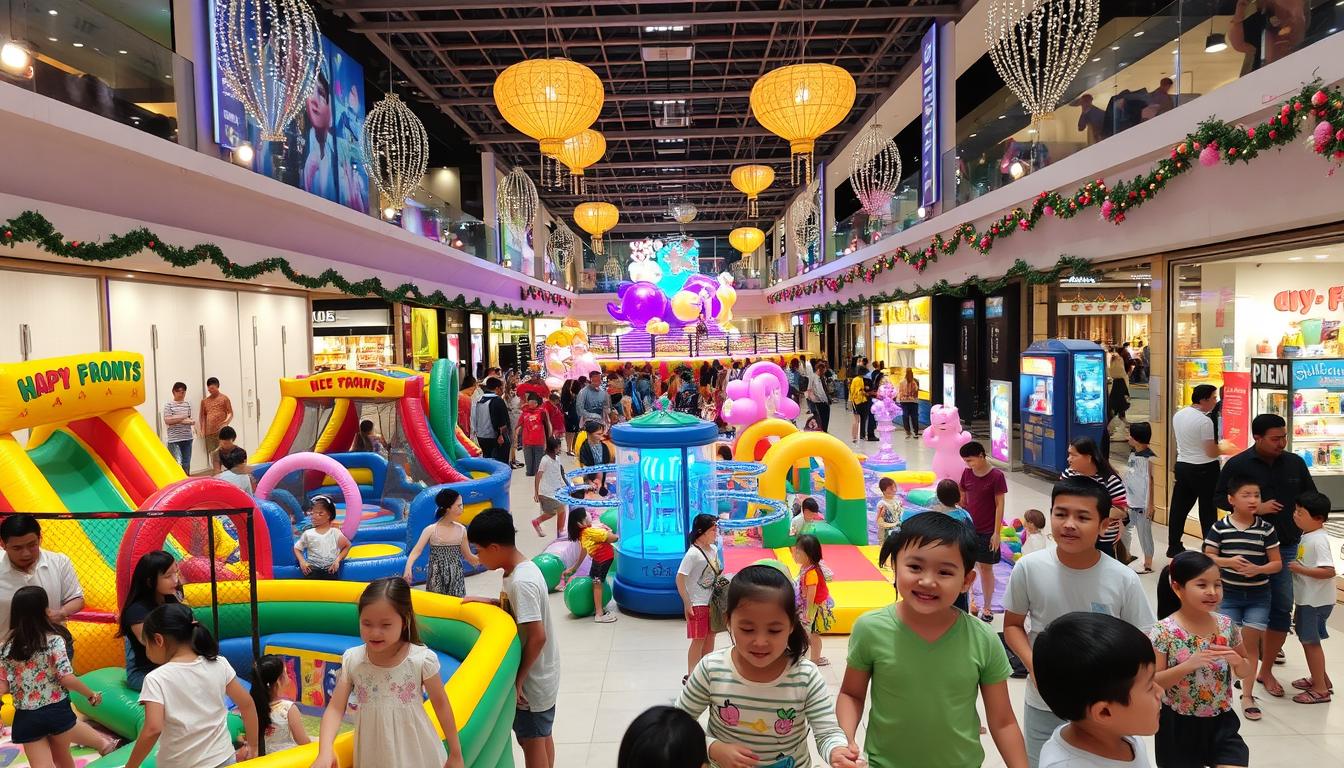
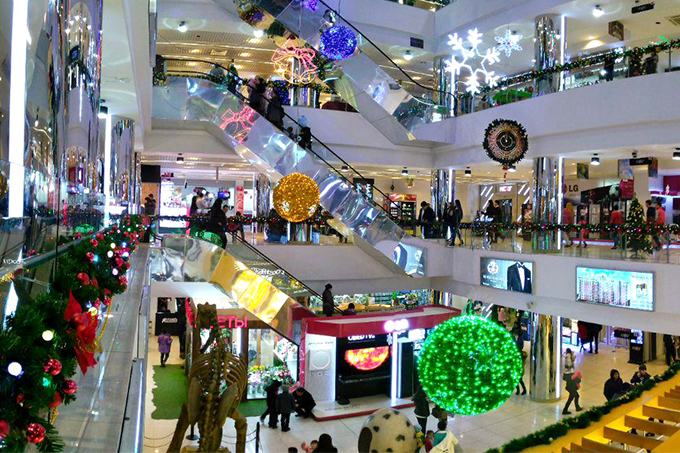
This is particularly evident in the case of shopping and entertainment centres. Only a few years ago, they were perceived primarily as places for shopping. Today, people come here to meet friends, spend time with their children, work, relax, and escape the summer heat. For some, this has already become part of their urban routine; for others, it is simply an opportunity to spend a few hours away from home.
Competing with domestic leisure
I have always been curious to see one particular set of statistics. How many people actually visit a shopping centre to make purchases, and how many come simply to spend time there?
The answer to that question would reveal a great deal about how the modern city is changing. Today, shopping centres are no longer competing for purchases — they are competing for people's leisure time as a whole. This means that it is not only commercial real estate that is changing; the very model of urban life is changing.
 Source: Dreamland Adventure Tourism
The same is true of public spaces — a beautiful park does not in itself guarantee that it will become a beloved one. What matters is something quite different: whether a person wishes to return there tomorrow, whether new habits emerge, and whether the place becomes part of their own life. And if a space invites movement, walking, meeting, and spending time together, the way people live gradually changes as well.
That is why I have always found it more interesting to study not the objects themselves, but the way they influence people several years after opening. Cities are beginning to compete not through architecture, but through the quality of time that people are willing to spend outside the home. Today, we are starting to evaluate a city not by what has been built within it, but by how much time people genuinely wish to spend beyond their own four walls.
What is an inclusive city?
And there is one further matter that has always concerned me — something without which it is difficult to call a modern city truly comfortable. That is inclusion: a subject which, in my view, we still understand far too narrowly. It is very often associated solely with creating conditions for people with disabilities. But the modern city is considerably more complex than that. An inclusive environment is needed by a mother with a pram, an elderly person, a child on a bicycle, a tourist with a suitcase, someone on a scooter, and a resident who simply wishes to move freely through the city. When a city becomes convenient for all of these people simultaneously, it becomes convenient for each one of them.
 Source: Afisha.uz
It is fascinating to observe Tashkent at this particular moment — not so much what is happening to its buildings and spaces, but what is happening to its people. New habits are forming, new routes and points of attraction are emerging. Attitudes towards public spaces are shifting, as is the very notion of what a city ought to be, and it is these changes that are proving most significant today.
It is heartening to see Tashkent growing more beautiful, greener, and more varied. As a researcher, I would venture that an even more compelling chapter lies ahead for the city.
One hopes that conversations will increasingly focus not only on new projects, but on how they will fare five or ten years hence. That, ultimately, is the true measure of a successful city — not the number of structures built, but the number of reasons one has to step outside, for a city begins not with architecture, but with people.
This is precisely why I take equal pleasure in simply wandering through Tashkent and observing it — because the resident within me helps me love it sincerely, while the expert and researcher allows me to see not only what it has become today, but what it might yet become tomorrow.


