Architecture & Urban Environment
The City as an Interface: Why a Comfortable City Doesn't Make People Think
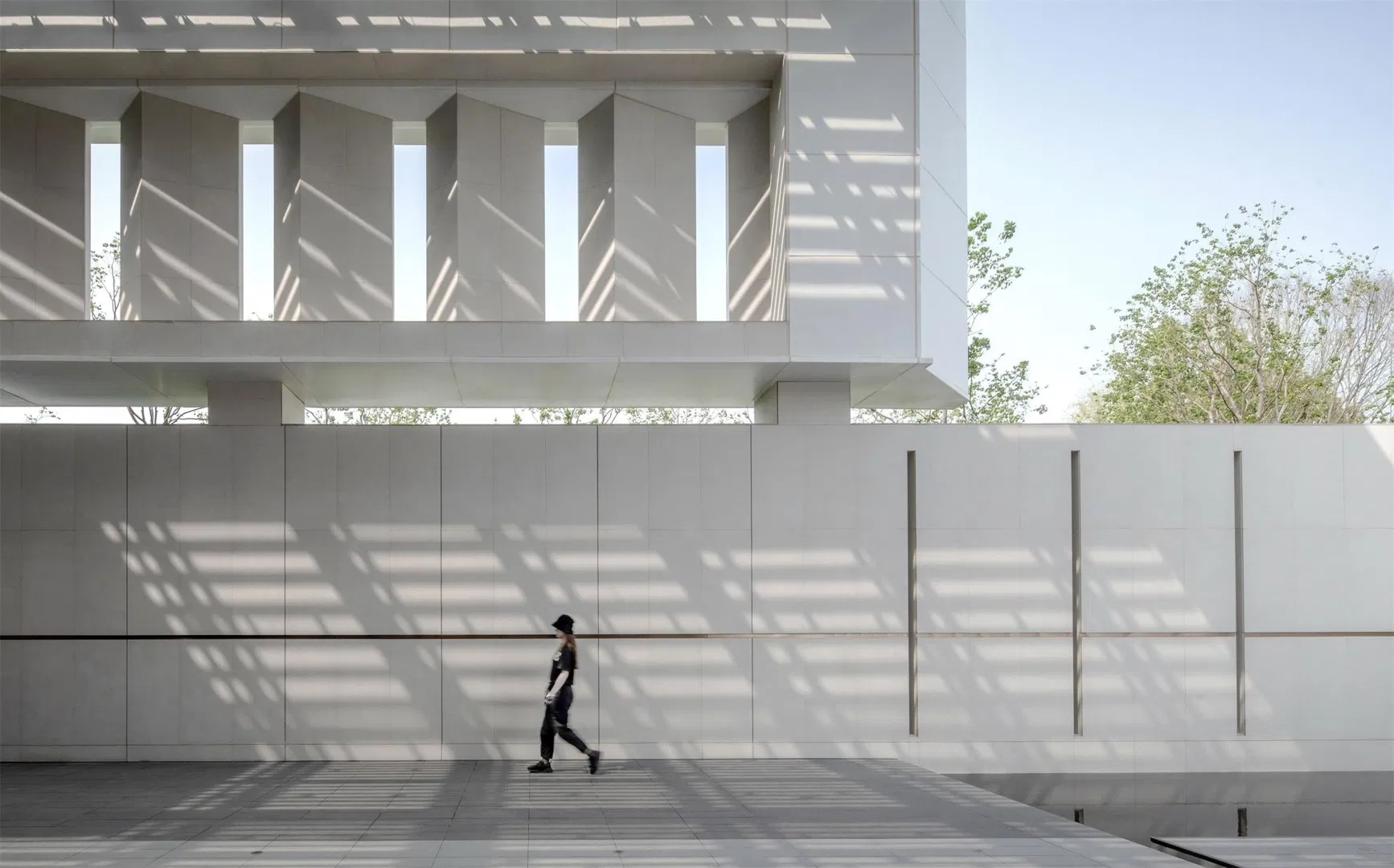
We tend to judge urban space by its landmark projects: a beautiful park or a new public square. But before you can enjoy that beautiful park, you first have to get there and then make your way home safely. If the journey itself is inconvenient, even the most spectacular park cannot make the urban environment truly comfortable.
Whenever we talk about urban development, the spotlight almost always falls on new projects: residential complexes, modern parks, public spaces, metro stations, redesigned streets, and ambitious architectural developments.
They become symbols of progress. They appear in the news, in presentations, and in investment programmes.
But then one day I caught myself wondering about a different question: how comfortable is a person's everyday journey?
Because urban space is not just about buildings. It is about the spaces between them. And those are the spaces people move through every single day. In reality, people live not inside individual buildings, but between them. It is these everyday journeys that determine the true quality of the urban environment.
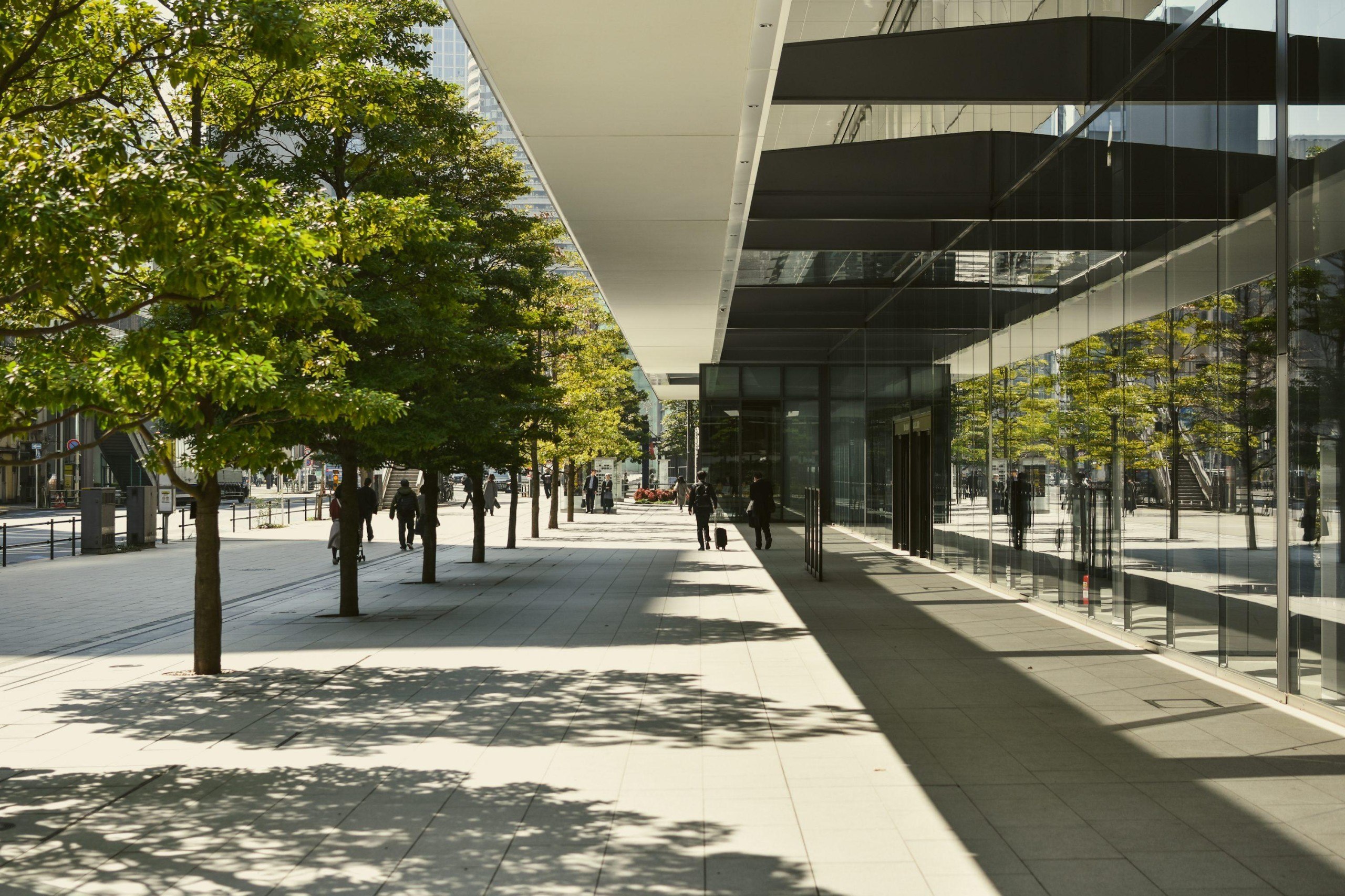 Source: nsl.ethz.ch
The Language the City Speaks
A comfortable city is not simply a collection of well-designed places. It is the quality of the connections between them. It is about how easily a person can complete their journey without constantly having to think about obstacles along the way.
Not long ago, during a single metro journey, I found myself stopping several times just to work out where to go next. At some point, it felt as though the city had stopped communicating with me. I was trying to find the right exit at Buyuk Ipak Yuli Metro Station and then work out which way to go once outside. The station has no fewer than six exits. I began looking for landmarks and eventually had to ask for directions several times.
That reminded me of a saying I have known since childhood: "Your tongue will get you to Kyiv," meaning that if you ask people for directions, you will eventually find your way. But should a modern city really work like that?
Over the past few years, I have travelled to more than thirty countries, and I noticed something interesting. Almost nowhere did I feel lost. Not because I spoke the local language, but because the cities themselves constantly guided me. They communicated not through words, but through their layout, navigation, intuitive routes and the urban environment.
That's when I realised that navigation is far more than just signs; it is an entire system of communication between the city and its people.
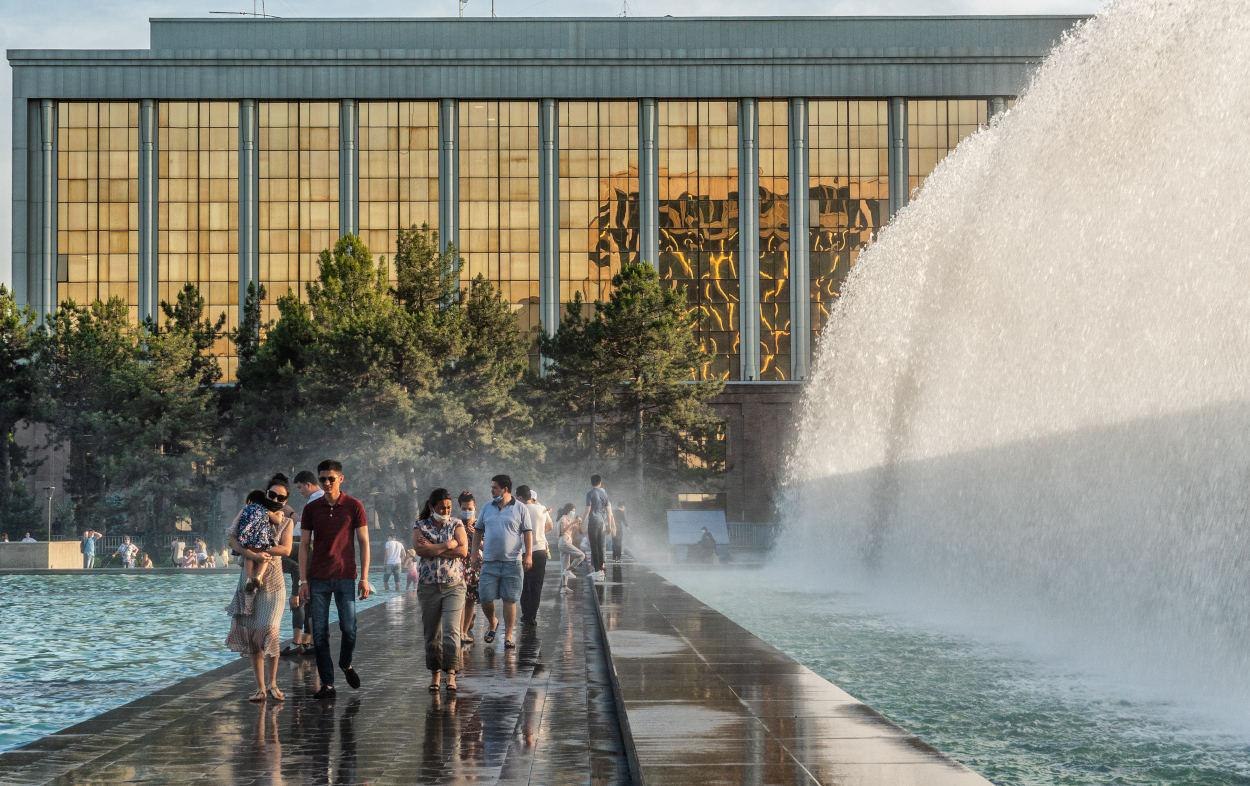 Source: Fergana Media
It begins in the metro, where passengers instinctively know which exit leads to a museum, which to a park and which to the historic quarter. Landmarks, road markings, neighbourhood maps, public transport stops, lighting, all these elements help people find their way. Navigation is, above all, the clear organisation of movement through urban space.
Good navigation does not force people to search for their way. It guides them throughout their journey. But today, it seems to me that the problem runs much deeper.
Can the Traveller Master the Road?
Tashkent is developing rapidly. Its population continues to grow, the city is welcoming increasing numbers of tourists, and new forms of transport are emerging.
Yet the streets themselves have changed very little. Pavements remain the same width as before, while the number of people using them continues to increase. Where pavements once belonged almost entirely to pedestrians, they are now shared by parents with prams, children, older people, cyclists, e-scooter riders, couriers, customers at outdoor cafés and ordinary passers-by. As a result, the space intended for people is gradually shrinking.
We are building cities for people, yet little by little we are taking that space away from them. That is why today we should be talking not only about major projects, but also about what I call the "everyday journey". It is made up not of landmarks but of dozens of small yet essential elements: a bus stop, a pedestrian crossing, a pavement, a drinking fountain or a bench. Shade on a hot day. A public toilet. A clear signpost. Even good lighting. Each of these details may seem insignificant on its own. Yet together, they shape our experience of the city.
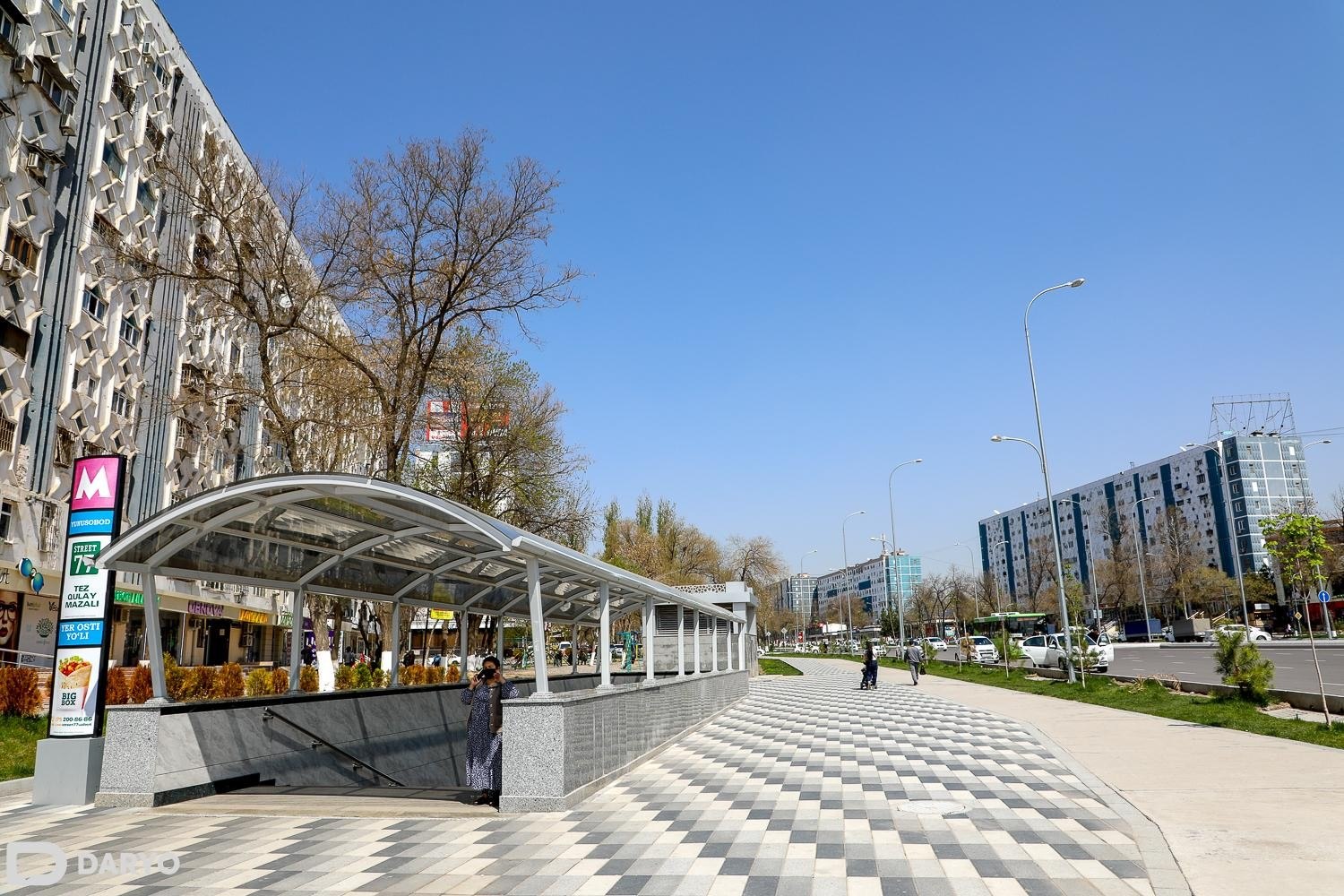 Source: Daryo.uz
Urban navigation is, above all, about safety and reducing stress. Imagine walking into an unfamiliar room with no lights on. You do not know where the door is or what surrounds you. Those first few seconds are unsettling. But the moment the lights come on, you immediately understand the space. It is simply an ordinary living room or a hotel lobby. The anxiety disappears. The same is true of a city. When people know where they are, where to go next and what to expect, they feel at ease.
Good navigation is like that light. It helps people orient themselves in space. Some argue that navigation is no longer so important because everyone has a smartphone. But a phone shows you a route, whereas the city itself should show you the way. Those are two different things. A map helps you find an address. A city should help people feel confident as they move through it.
Inclusion as a luxury
There is another question that seems particularly important to me.
Sometimes it feels as though there are almost no wheelchair users in the city. But perhaps that is not the real issue. Perhaps the city simply has not yet made space for them.
If even an ordinary pedestrian is finding it increasingly difficult to find their place among cars, bicycles, e-scooters and other road users, how free can a person feel when an accessible environment is not a matter of comfort but an essential condition for independent living? It is the most vulnerable users of urban space, children, older people, parents with prams, tourists and people with disabilities, who best reveal how genuinely comfortable and inclusive a city really is.
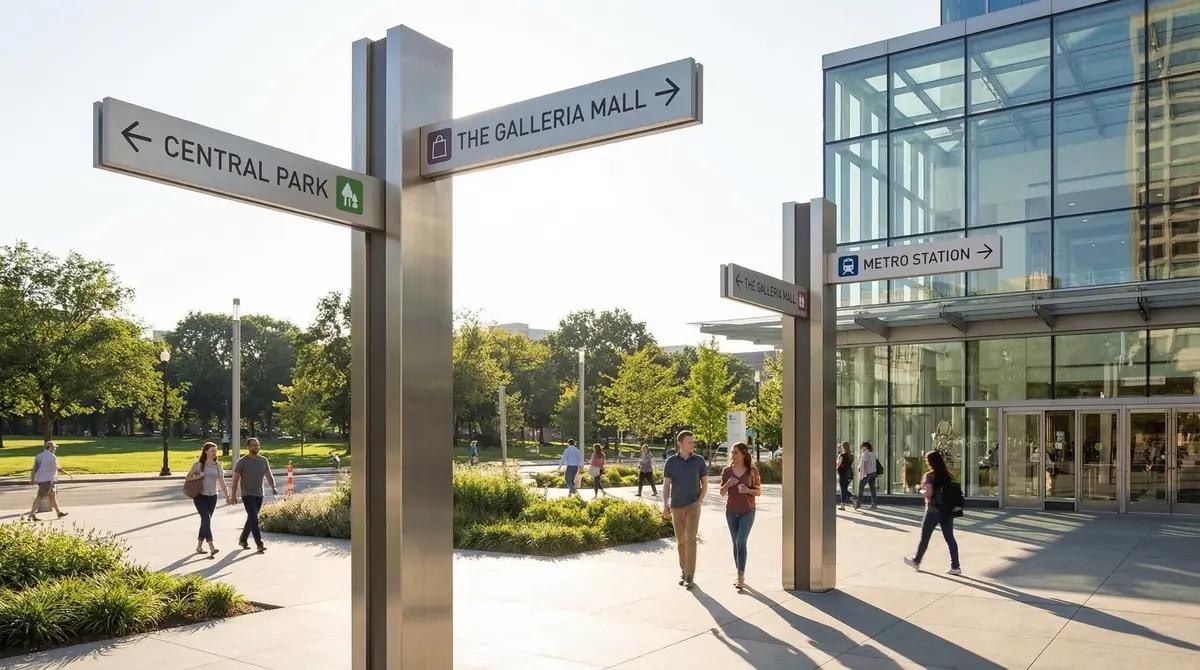
It seems to me that we have become accustomed to judging a city by its major projects. I would suggest that we begin judging it instead by the journeys people make every day. Not by how many parks have been built, but by how easy it is to reach them. Not by the number of metro stations, but by how intuitive the journey is once people step off the train. Not by the width of its avenues, but by how much space remains for people.
I believe real comfort does not begin with large-scale projects. It begins the moment people stop thinking about obstacles and simply begin living the city. When the journey becomes just as important as the destination.
A comfortable city is an uninterrupted chain of clear, intuitive decisions that guides people from their front door to wherever they need to go.
Read also
 Architecture & Urban Environment
The Architecture of Tomorrow: New Identities, Emerging Technologies and the Human Factor
Damir Ussenov
 Architecture & Urban Environment
Walking Almaty’s Modernism: Architecture Against the Mountains | A Photo Essay
Alfiya Kalmaganbetova, Amira Kassenova
 Architecture & Urban Environment
FLOW Park: A New Space for Active Recreation in Almaty | A Photo Essay
Amira Kassenova, Gulsara Kenbaeva
Newsletter
A letter from the HD editors
Once a week, we send the best stories, events, and cultural discoveries from Central Asia.