Architecture & Urban Environment
Trees Are Infrastructure, Not Urban Decoration
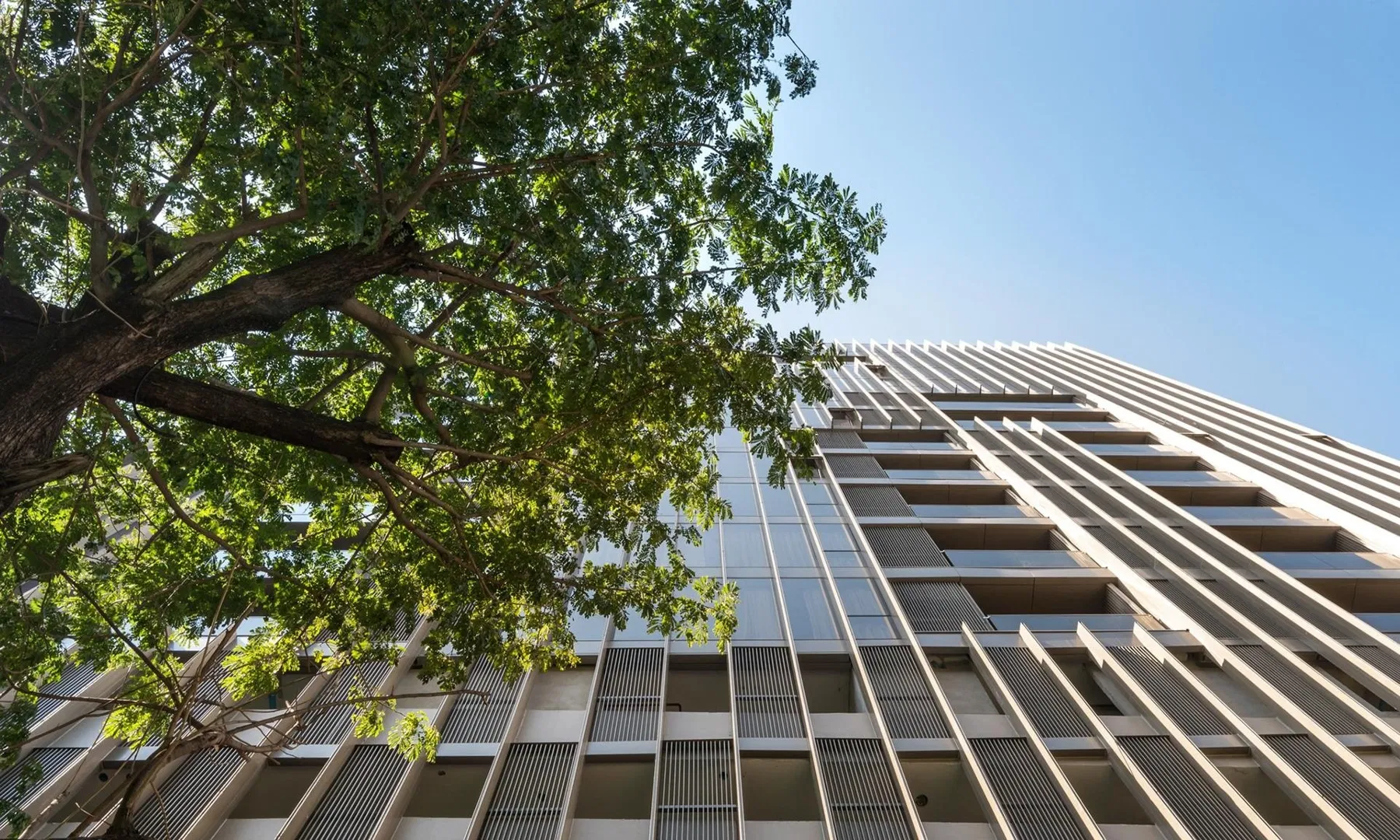
When we think about a city's infrastructure, we usually picture roads, bridges, water supply systems, electricity networks and stormwater drainage. These are the systems that keep a city functioning. Yet there is another form of infrastructure without which a modern city becomes less safe, hotter and less comfortable to live in: its urban trees.
Why the 21st Century Has Changed the Way We Think About Urban Trees
Only a few decades ago, trees were seen primarily as a way to beautify streets and public spaces. Today, that perception has changed fundamentally. Across much of the world, urban trees are increasingly regarded as essential green infrastructure, while the money spent on planting and maintaining them is viewed as an investment in a city's resilience, public health and ability to adapt to climate change.
In 2025, the US Environmental Protection Agency (EPA) published its Green Infrastructure Strategic Agenda 2025-2035, emphasising that natural systems should be planned as essential infrastructure, on a par with roads and utility networks.
According to the strategy, green infrastructure helps cool cities, manage stormwater, improve air quality, support biodiversity and make urban environments more resilient.
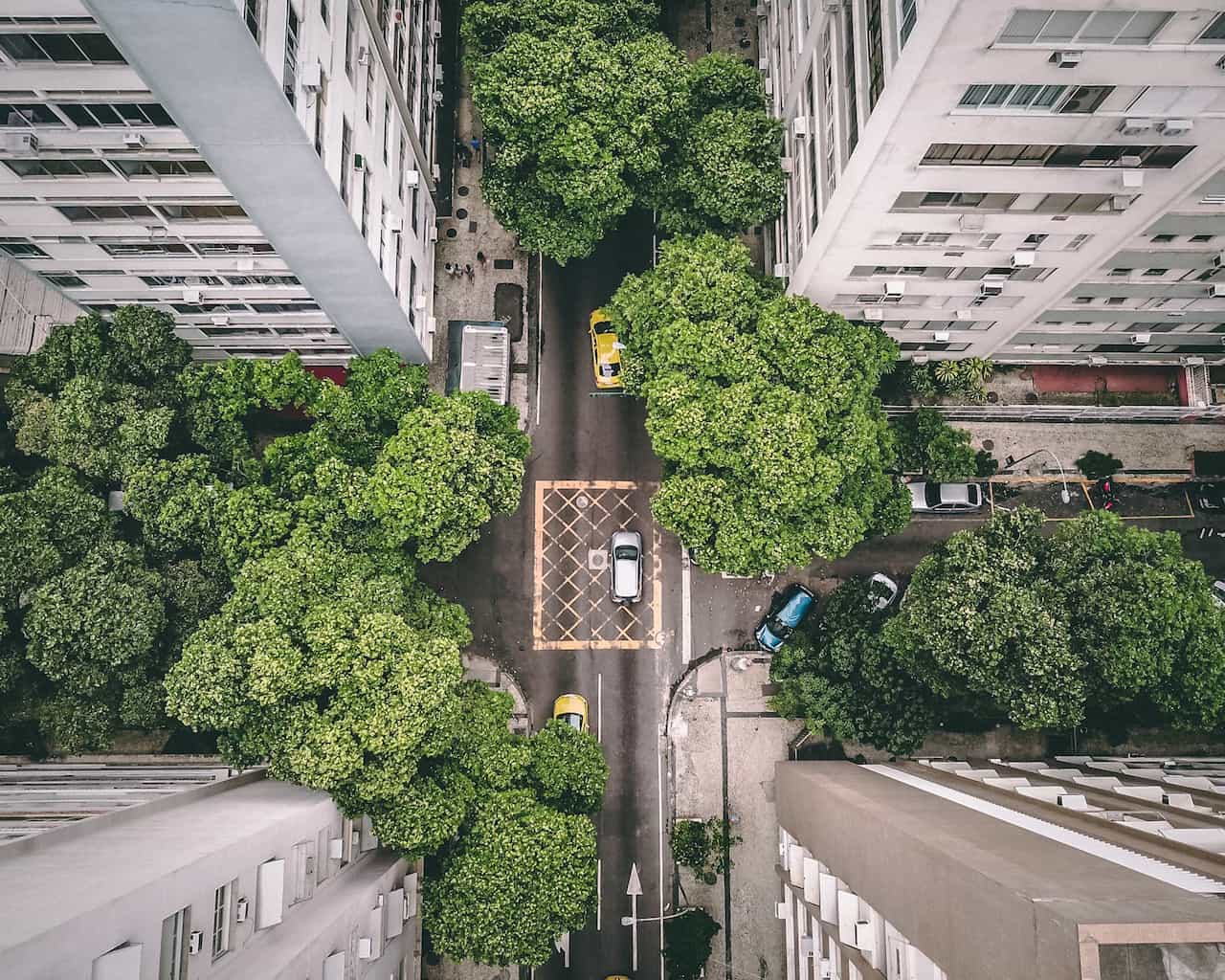 Source: Tech Naujienos
If the Trees Disappeared
Imagine a modern city without trees. In summer, asphalt can heat up to 60-70°C, while rooftops may reach 80°C. Concrete continues to radiate heat long after sunset. The air becomes drier, dust concentrations rise, electricity demand for air conditioning soars, and people begin to feel the effects.
At first glance, solving these problems might seem to require costly engineering projects. Yet nature has long provided a far more effective solution. A single mature tree cools the air, improves air quality, intercepts rainwater, reduces noise, protects buildings from overheating and absorbs carbon dioxide, all at the same time. That is why experts increasingly refer to trees as living infrastructure.
Trees Are Nature's Air Conditioners
The value of a tree extends far beyond the shade it casts. Its greatest cooling power comes from transpiration, the natural process through which water evaporates from its leaves. A mature tree can release hundreds of litres of water into the atmosphere every day.
Numerous studies show that air temperatures in well-vegetated neighbourhoods are typically 2-8°C lower than in densely built-up areas. Surface temperatures beneath a tree canopy can be 20-45°C cooler than exposed asphalt. This is precisely why parks and tree-lined streets become natural urban cool islands during periods of extreme heat.
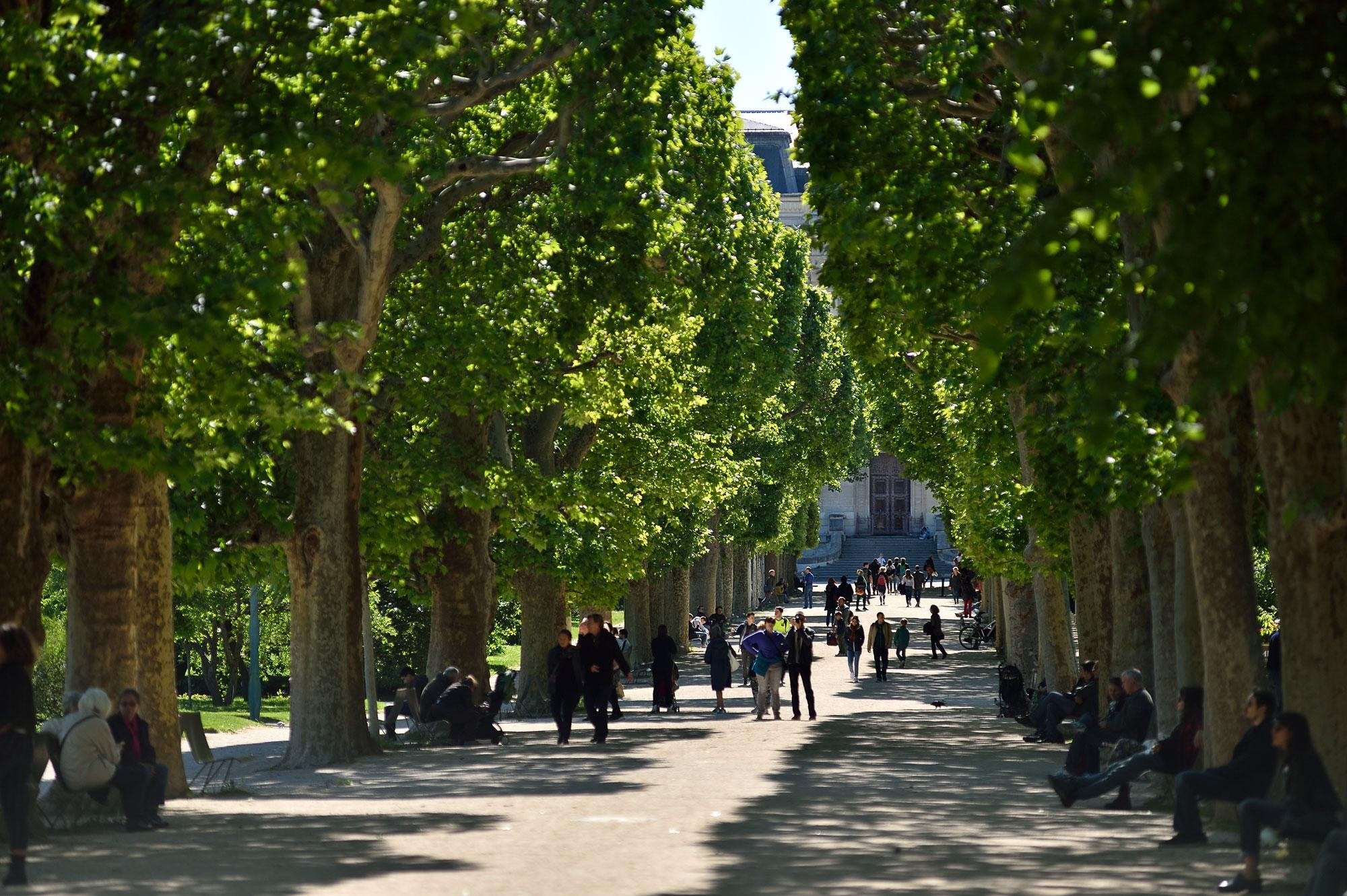
It is equally important to recognise that not all trees perform these functions equally well. In hot climates, broad-canopied species provide the greatest environmental benefits because they create extensive natural shade. These are the trees capable of significantly reducing temperatures along pedestrian routes, on building façades and across paved surfaces.
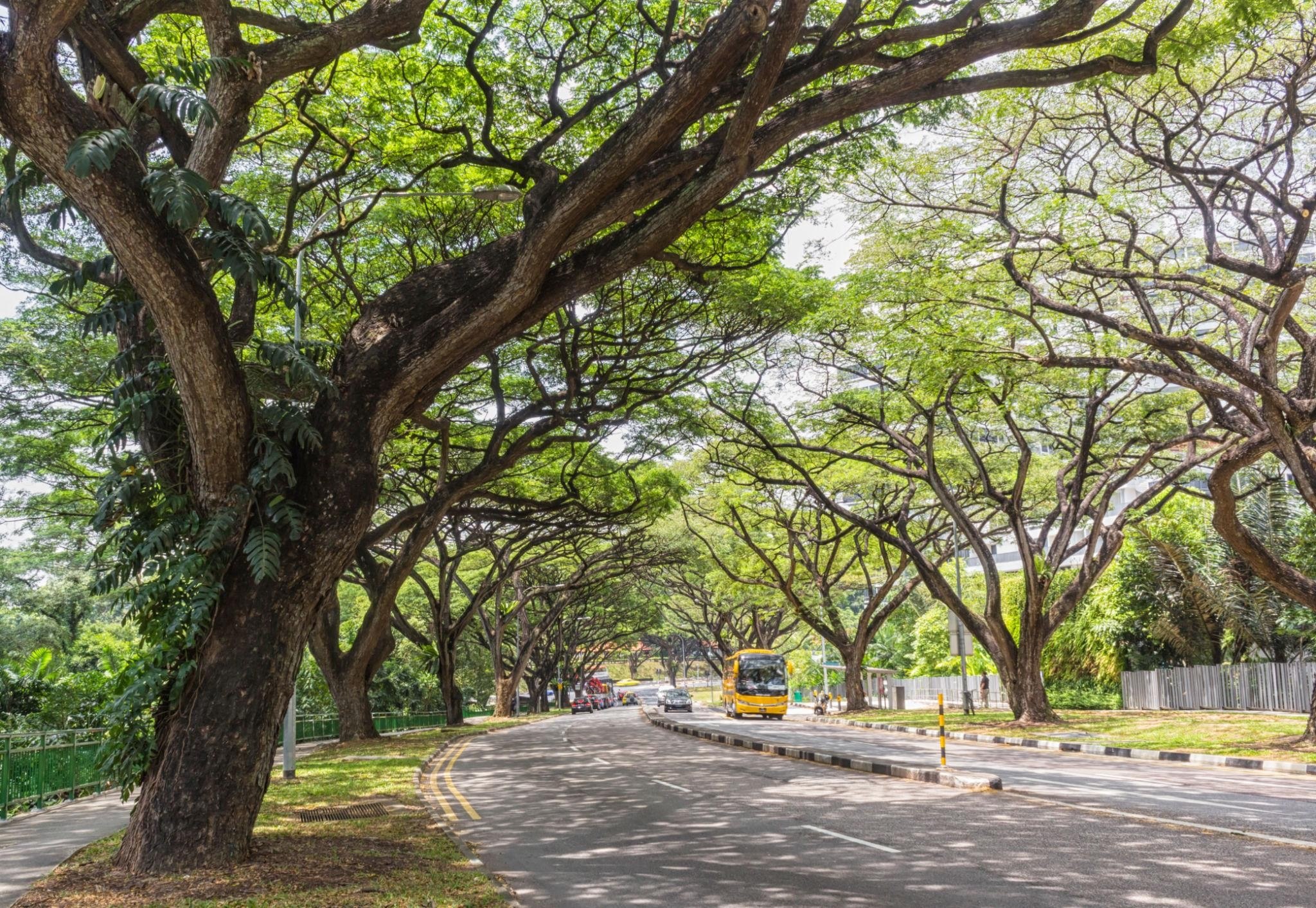
Examples include the Oriental plane (Platanus orientalis), elm, ash, lime, oak, maple and other deciduous species well adapted to local conditions. By contrast, narrow-crowned conifers such as most spruces and arborvitae (Thuja) serve primarily decorative purposes and provide comparatively little shade for urban streets and public squares.
For this reason, urban planting programmes should assess trees not only for their visual appeal but also for their capacity to create a comfortable microclimate, reduce the urban heat island effect and perform essential infrastructural functions.
Trees Instead of Costly Engineering Solutions
Think back to a heavy summer downpour. The summer of 2026 offered Tashkent a vivid reminder of what that looks like. In a modern city, rainwater rushes across asphalt into the stormwater drainage system. When the system reaches capacity, streets quickly begin to flood.
Now imagine the same street lined with mature trees. Rain is first intercepted by the canopy. Some of the moisture evaporates back into the atmosphere, while the rest gradually reaches the ground, where it infiltrates the soil and is retained by an extensive root system. As a result, the volume of surface runoff is significantly reduced.
That is why cities around the world increasingly use trees, rain gardens and other forms of green infrastructure to complement conventional stormwater drainage systems. The EPA's strategy identifies green infrastructure as a key tool for managing stormwater, reducing local flood risk and replenishing groundwater supplies.
Trees Save Cities Money
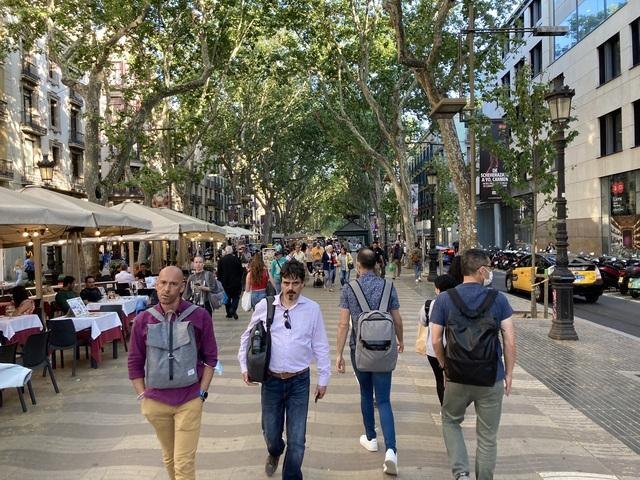
It is often assumed that maintaining urban trees is expensive. Yet evidence from around the world suggests the opposite. In reality, it is the absence of trees that imposes far greater economic costs.
Overheated streets increase demand for air conditioning, accelerate the deterioration of road surfaces, place greater strain on electricity networks and drive up healthcare costs. Trees, by contrast, shade building façades, reduce heat gain and significantly cut electricity consumption during the summer months.
International studies show that strategically planting trees around buildings can reduce air conditioning costs by 20-40%, while simultaneously lowering urban temperatures and easing peak demand on the power grid.
Nature's Air Filter
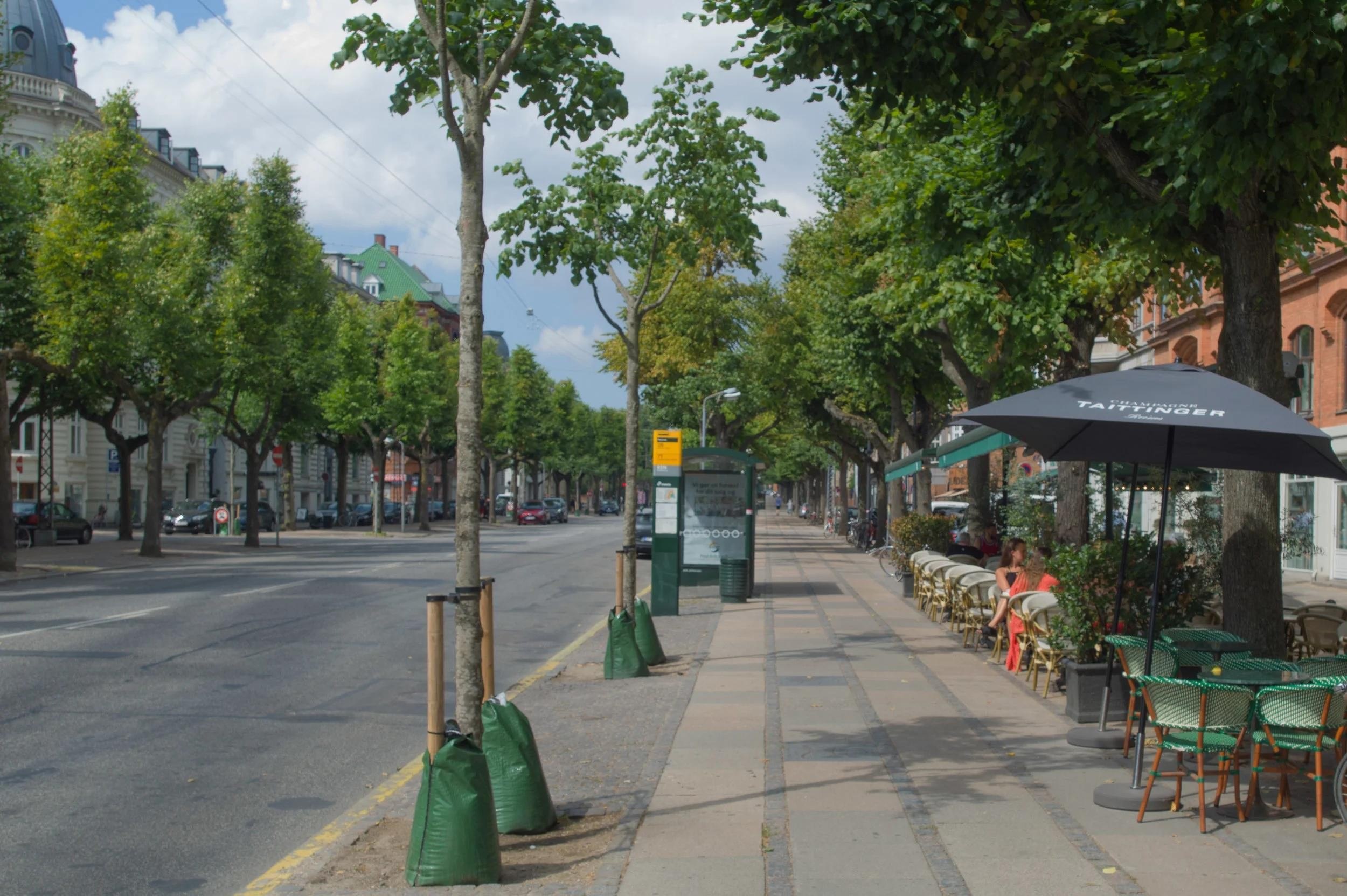
Every leaf functions as a miniature natural air filter. Its surface traps road dust, soot, heavy metals and fine particulate matter, including PM₂.₅ and PM₁₀. Trees also absorb carbon dioxide, nitrogen oxides and other airborne pollutants.
This is why tree-lined streets typically enjoy cleaner air and a healthier microclimate. The EPA identifies improved air quality as one of the principal benefits of green infrastructure, alongside urban cooling and the restoration of natural ecosystems.
A Global Shift in Thinking
In recent years, the approach to urban greening has changed fundamentally. In many countries, green infrastructure is now planned alongside roads, buildings and utility networks. This approach has already been adopted in cities including Singapore, Copenhagen, Melbourne, Amsterdam and Vancouver. In the United States, green infrastructure is supported at the federal level.
Each year, the US Environmental Protection Agency allocates substantial funding for green infrastructure projects, technical guidance, scientific research and technical support for local authorities.
As a result, green infrastructure has become an integral part of strategies for stormwater management, climate change adaptation and sustainable urban development.
What Does This Mean for Uzbekistan?
For Uzbekistan, the development of green infrastructure is becoming a strategic priority. Summer temperatures in many cities regularly exceed 40°C, while asphalt surfaces can become considerably hotter still. At the same time, urban populations continue to grow, built-up areas continue to expand and the amount of undeveloped land continues to shrink.
Under these conditions, every mature tree becomes part of the city's climate resilience. Urban greening can no longer be treated as the final stage of beautification. It must be planned from the outset alongside roads, utility networks and public spaces.
In Conclusion
The 21st century has transformed our understanding of urban infrastructure. Trees are no longer simply decorative features. They are infrastructure in their own right, serving as natural cooling systems, air filters, stormwater management systems, noise barriers and carbon sinks. Unlike most engineered infrastructure, a single tree performs many of these functions simultaneously, making cities more resilient, healthier and more comfortable places to live.
That is why modern cities should value and protect trees just as carefully as they do roads, bridges and utility networks. A mature tree can be destroyed in a matter of minutes, yet restoring the environmental and infrastructural value it provides takes decades.
Read also
 Architecture & Urban Environment
The Architecture of Tomorrow: New Identities, Emerging Technologies and the Human Factor
Damir Ussenov
 Architecture & Urban Environment
Walking Almaty’s Modernism: Architecture Against the Mountains | A Photo Essay
Alfiya Kalmaganbetova, Amira Kassenova
 Architecture & Urban Environment
FLOW Park: A New Space for Active Recreation in Almaty | A Photo Essay
Amira Kassenova, Gulsara Kenbaeva
Newsletter
A letter from the HD editors
Once a week, we send the best stories, events, and cultural discoveries from Central Asia.