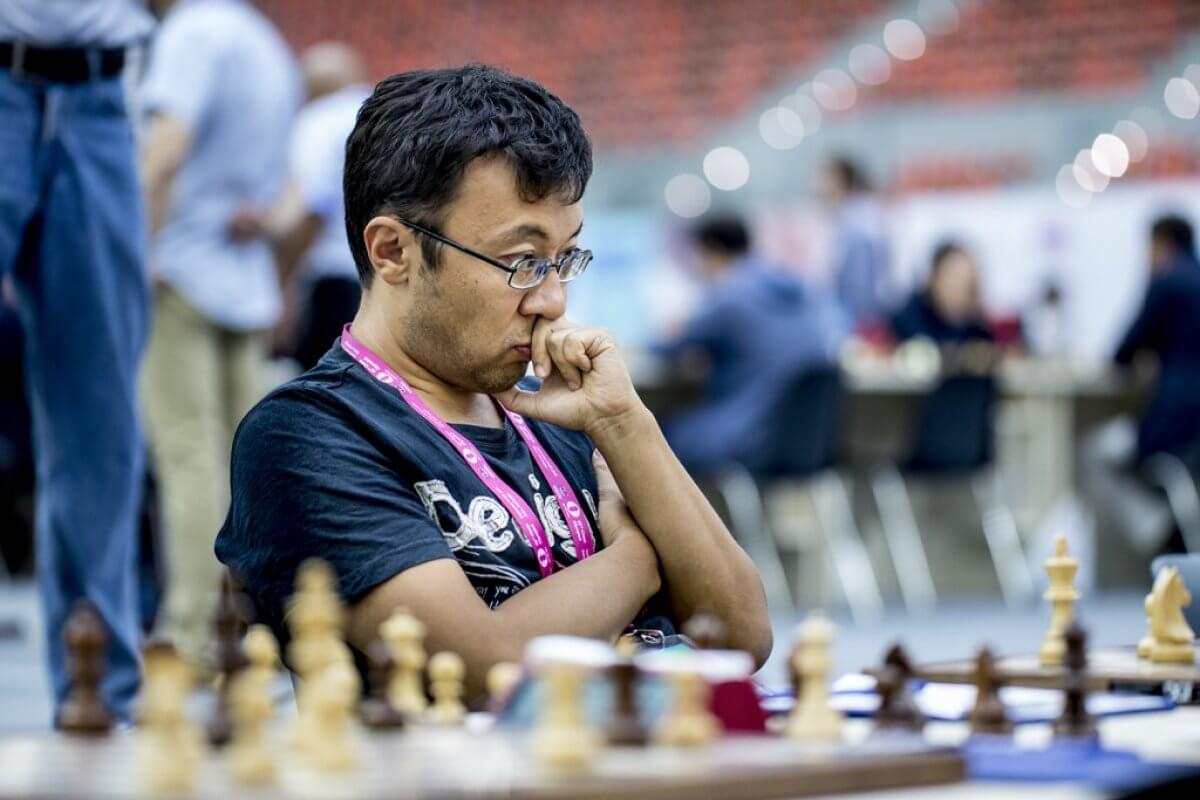
— How does Murtas the chess player differ from Murtas the theatre enthusiast and Murtas the producer?
– I would say they are three very different characters, each quite independent of the others. Murtas the chess player is someone who fulfils his ambitions at the chessboard. He wants to challenge himself, experience new things and achieve the best possible results, both competitively and creatively. That story began in childhood and has stayed with me ever since.
Murtas the theatre enthusiast has something in common with
a spectator watching a chess match: both are drawn to dynamic play and compelling content.
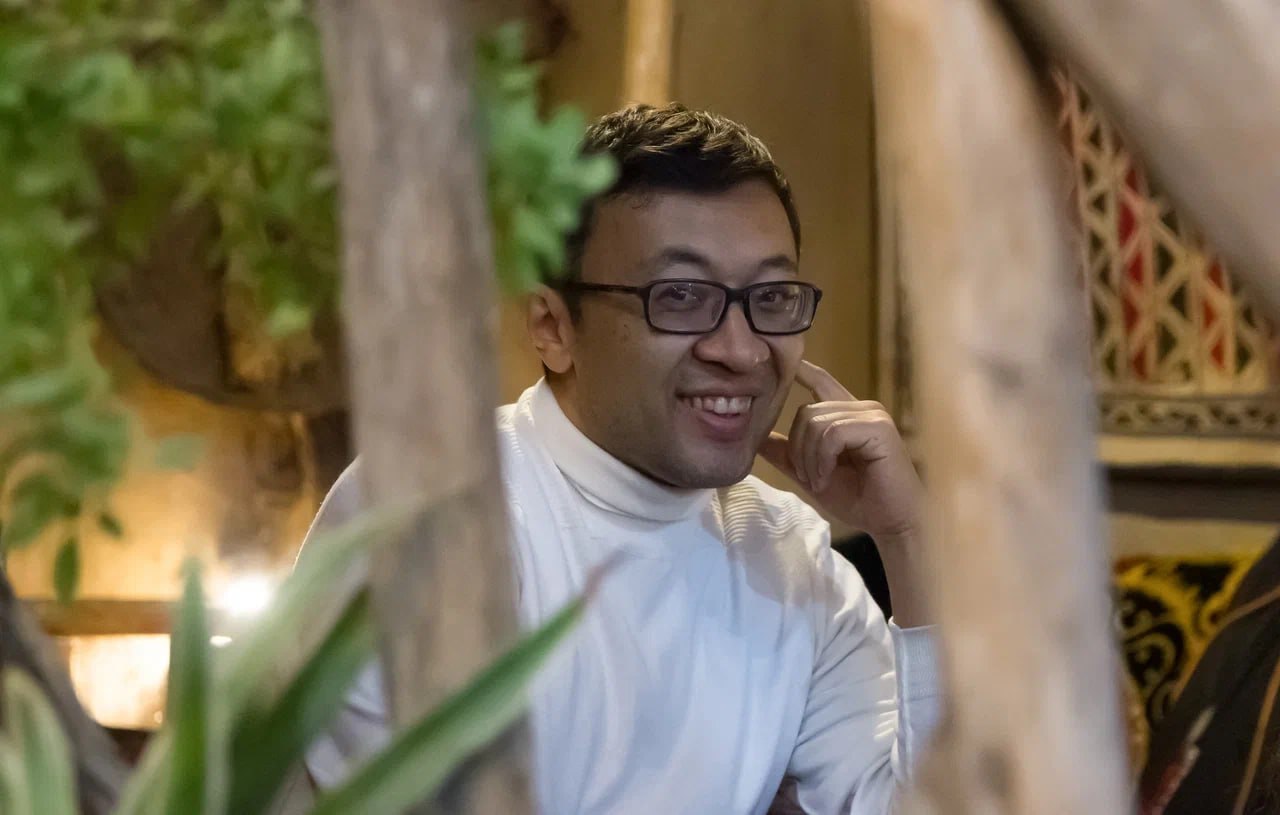
And then there is Murtas the producer, someone who has taken on something completely different from chess. Producing, especially in the theatre, demands an entirely different set of skills and habits. I am not sure how successful I have been at it, but I find it endlessly engaging because it is so much more collaborative and so much less individualistic. Rather than focusing on myself, I have to think about every member of the team.
In chess, a player is focused primarily on themselves, while a coach is focused on the progress of their students. A producer, however, has to make sure the performers are happy, the audience leaves satisfied and they, too, find fulfilment in their work. That is a far more complex task. In that respect, Murtas the producer is very different from Murtas the chess player.
— It’s not every day that a chess grandmaster launches a theatre company. How did that come about?
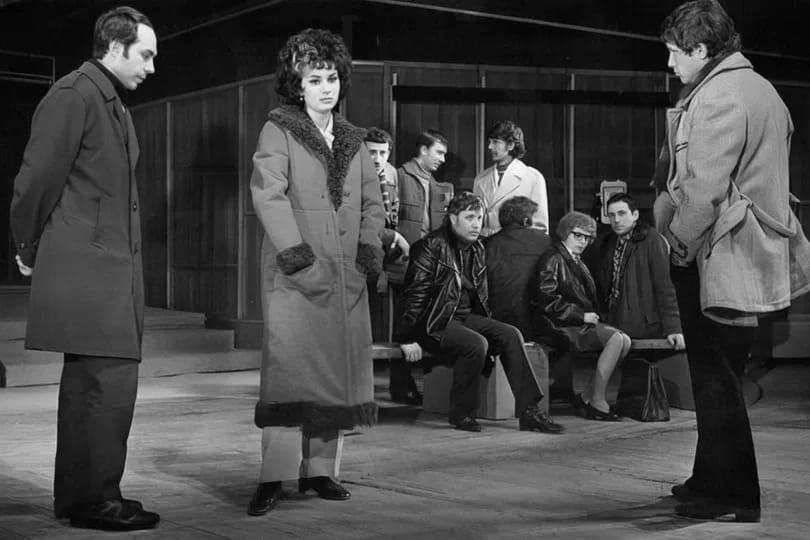
— It all began when I moved to Tashkent because of my love for Ilkhom Theatre. That was back in 2011. I started going to performances there all the time, returning again and again to my favourite productions, especially those directed by Mark Weil. Eventually, I'd seen them all ten or fifteen times over, and new productions were few and far between.
I wanted to see new work more often and watch talented young actors I admired. That was when Maria Tikhomolova, Rafael Babadzhanov and I came up with the idea of starting something of our own. Back then, in 2022, we didn't even call it a theatre. Now, Drugiye Zveri has already completed five seasons.
You could say it all started with a kind of audience hunger. We were hungry for new productions. And I don't think we were the only ones who felt that way,
because Drugiye Zveri was soon followed by several other interesting projects.
But we were the first among the young independent theatres to stage productions on a regular and sustained basis.
— Is Drugiye Zveri today what it was originally imagined it would be? Or has it changed along the way?
— Drugiye Zveri has always evolved as we go, and it still does. One of our core principles from the very beginning has been not to impose time limits on our directors or actors. If a performer or artist wants to express themselves in five minutes, we'll support that. Then it's our job to put together a full evening's programme lasting an hour or an hour and a half. Projects are born and they evolve. Each project often stands on its own, every production is different, and it's all a fairly spontaneous creative process that develops here and now.
When we first started the theatre, we were different too. In some ways more energetic, in others less consistent, sometimes impulsive, but always full of creative energy. Back then there was a great deal of enthusiasm and fire. Now that enthusiasm and fire are tempered by a certain restraint.
We've become much more serious about staging our productions. We now have proper lighting equipment, and our sound is much better than it used to be. Looking back, our very first productions didn't even have any background sound.
Reportage from the Production of The Neighbour by Drugie Zveri
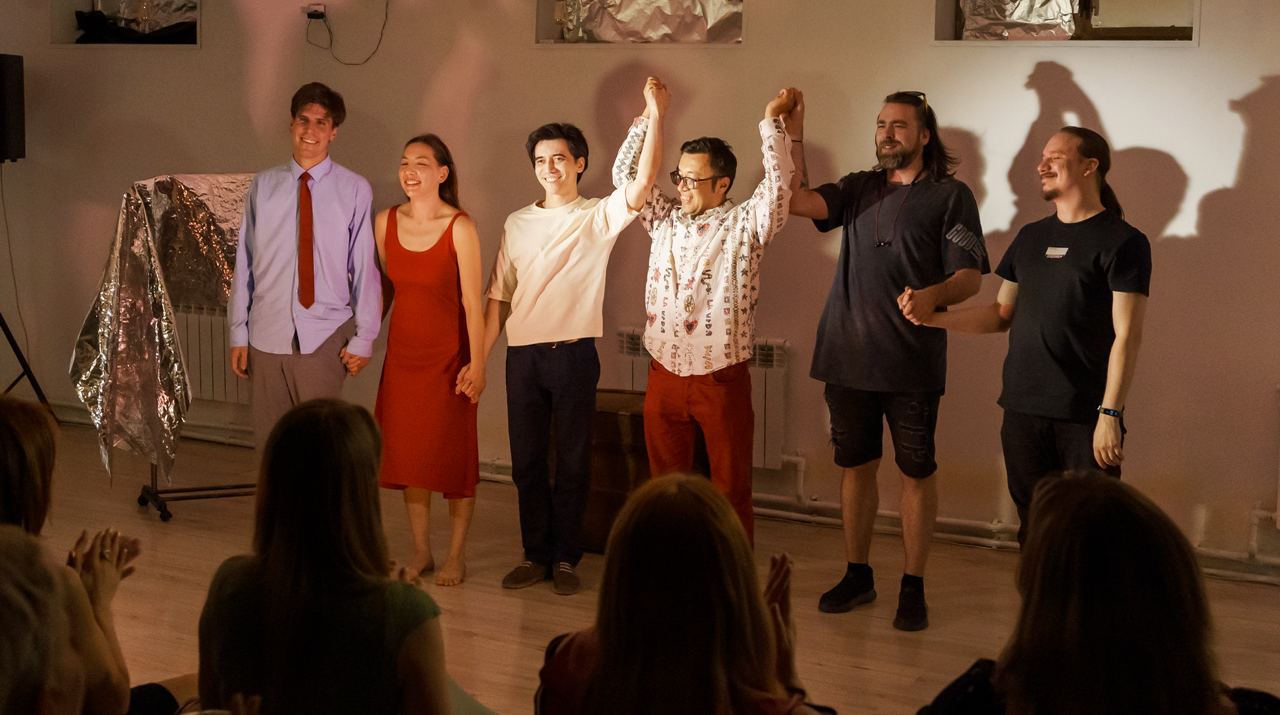
— For the first time, we finally have a place of our own. Since February, we've been renting the former Eco Café, and that's where we now stage all our productions and hold our other events. We've also started travelling to festivals and taking our work on tour, which I see as another major milestone.
But one of
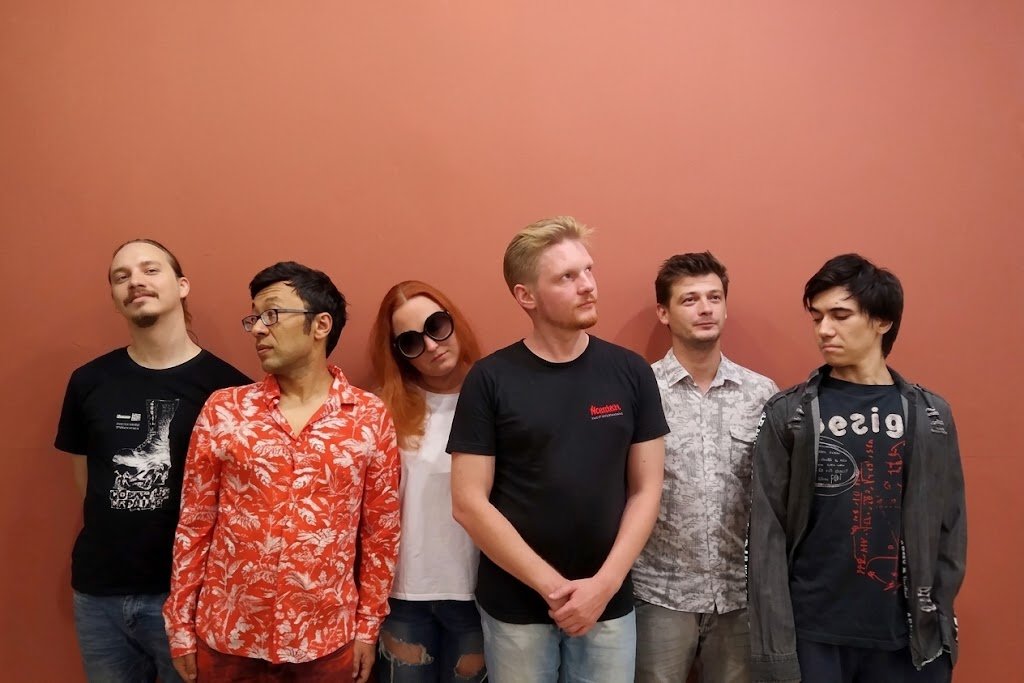
Drugie Zveri's greatest achievements is that, over the course of five seasons, we haven't lost a single member of the team. The people who were there at the beginning are still with us today: Rustam Musakulov, Yulia Plakida, Rafael Babadzhanov, Maria Tikhomolova, Anastasia Pryadkina and Farrukh Moldakhanov. Soon afterwards, Timur Sklyarov, Klavdia Bezmaternykh, Umid Rakhataliyev, Pyotr Kiryukhin and our long-standing photographer Anna Shishkina joined us as well.
To me, that's incredibly important: the people who started this journey together are still the ones carrying it forward. There's a real sense of continuity. In that respect, we haven't changed at all. After every performance, we still sit together for hours, talking, reflecting and discussing what we've just created.
— Drugiye Zveri was not your first theatrical project. In what ways did it grow out of Shakh, Mat, Rock-n-Roll ?
—
Drugie Zveri has carried forward many of the traditions we established back then, particularly in the way we organise our work, although in many respects it has become something quite different.
Shakh, Mat, Rock-n-Roll also brought together a large ensemble of actors and musicians, but every production was built around my own writing: short stories, poems and travel notes from chess tournaments.
Drugiye Zveri may offer original interpretations, but they are always based on works by established literary and dramatic classics.
Another difference is that
Shakh, Mat, Rock-n-Roll was, in a sense, more of a literary concert. It brought together music, literature and theatre in equal measure.
Drugiye Zveri, by contrast, is theatre in a more traditional sense.
— Before Shakh, Mat, Rock-n-Roll you had another project, Litera, which was more literary than theatrical. How did it come about, and what did you want it to be?
— The idea for Litera came about quite spontaneously during one of my conversations with the outstanding Tashkent poet Vika Osadchenko. We wanted to introduce contemporary audiences to the work of writers from Uzbekistan, especially its poets. As it happened, Boris Gafurov, the artistic director of Ilkhom Theatre, was willing to support the idea, so Litera was first staged at Ilkhom and later even toured several cities in Uzbekistan and Kazakhstan.
Looking back, I can see that we probably made a few producing mistakes, some of them right at the very beginning. It was my first serious experience of a project like that, and I think it was something completely new for Vika as well. We didn't really know what we were doing yet, but we kept moving forward because we were genuinely excited by the idea.
It was a valuable experience. We learned a great deal about ourselves and showed that there is a vibrant poetry scene in Tashkent, that it can engage in dialogue with the Almaty school of poetry, and that it can fill large venues such as Ilkhom Theatre in Tashkent and ARTiSHOK Theatre in Almaty.
In the end, though, our visions for the project's future diverged. We had very different ideas about Litera's mission. Even so, I believe it fulfilled the purpose it was originally created for, and in a different form it continues to exist to this day.
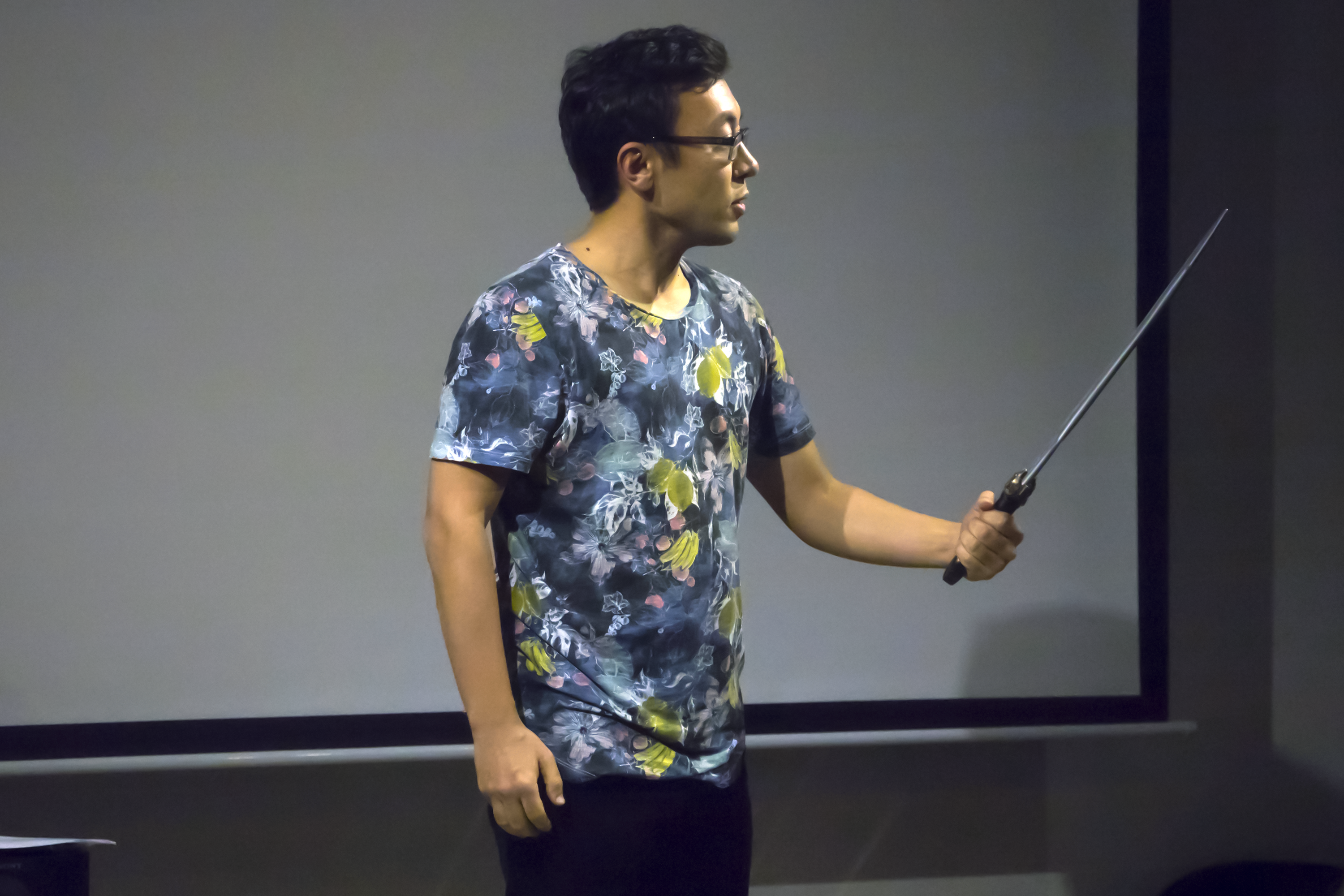 Photo: Cyrill Grishin
Murtas performing as part of the Litera project, 2018.
— These three projects have all been successful, but surely there were projects that never worked out?
— I'm not sure "worked out" is quite the right way to put it. There were projects that simply never developed very far and remained relatively unknown.
One of them was called Mammoths Go to School. The idea was to invite people who had established themselves in their professions to visit schools and talk to pupils about their work, their achievements and their own journeys, creating a direct connection with the younger generation.
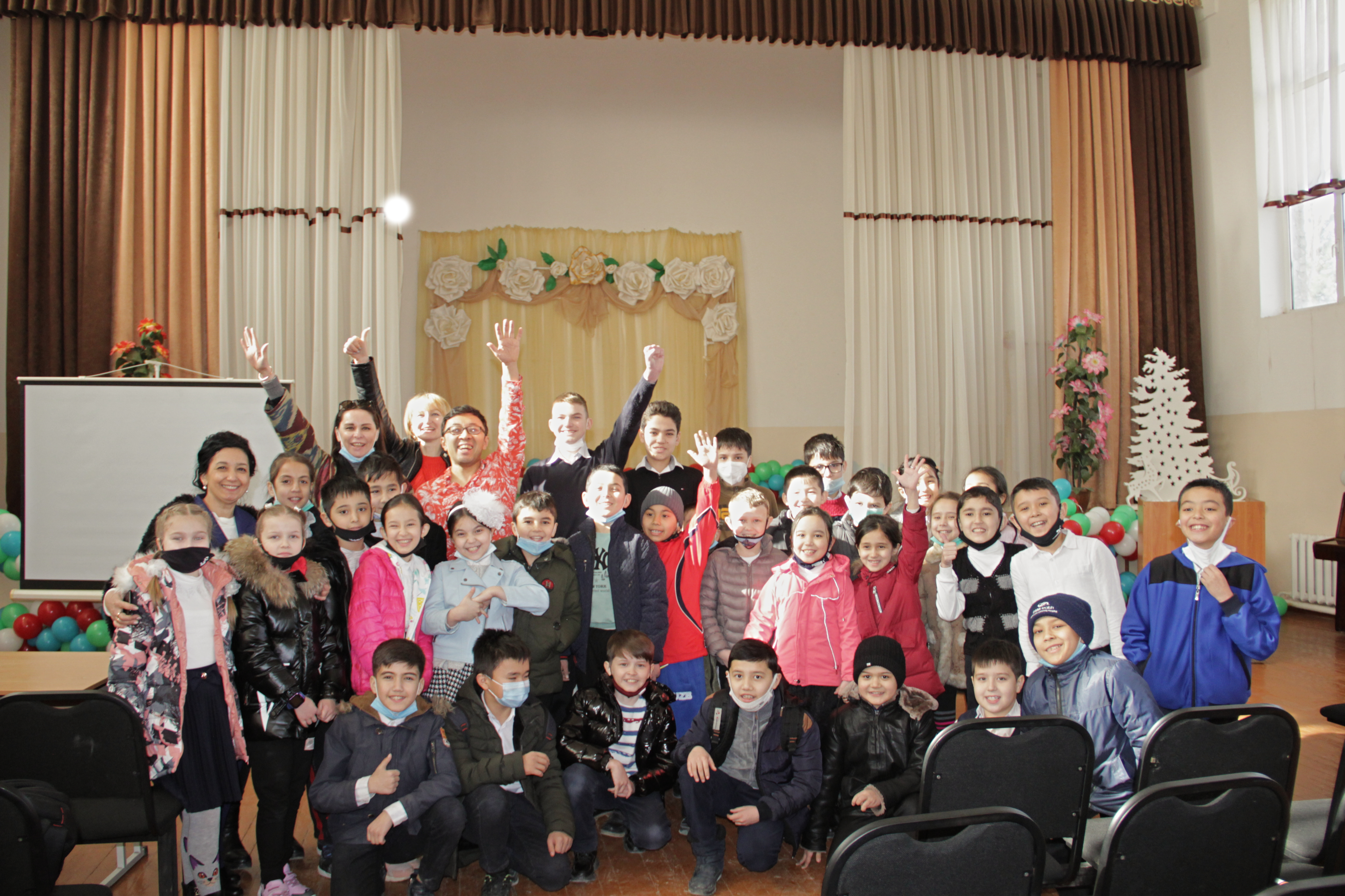
The project was active for a while, and several close friends of mine were involved. Unfortunately, I eventually found I no longer had the energy to keep it going, and I never managed to build a team of like-minded people around it.
That said, I still think it could come back one day and fulfil its potential. Mammoths Go to School is one of those ideas that's still waiting for its moment.
— Looking back now, what advice would you give your younger self at the beginning of your literary and theatrical journey?
— I rather threw myself into it first and only started learning afterwards. In fact, I'm still learning. It's important to trust people along the way, but it's just as important to make sure everything is clearly agreed from the outset. Misunderstandings usually arise when something hasn't been properly discussed.
Mistakes are inevitable in any case. So if Murtas in 2026 could give Murtas in 2017 one piece of advice, it would be this: "Go for it, mate. Some things will work out, some won't, but keep going anyway. Otherwise you'll never discover what you're capable of, and you'll never learn."
— You're now a producer behind three successful projects. By success, I mean projects that were realised, found an audience and have continued to grow. What do you think is the secret to successful producing?
— I don't know whether I can really call myself a successful producer, but I think a producer needs a clear vision, an exact understanding of what they're trying to achieve and why, and a great deal of patience and determination. Producing is, above all, about working with people, especially creative people, whose primary concern is the artistic outcome and the artistic value of what they create. That's why endurance matters far more than intensity.
The longer a producer can keep going, the more successful their project is likely to become. In that respect,
Drugiye Zveri has so far proved more successful than Litera and some of my other projects, because very few independent theatre companies manage to survive for more than four years while continuing to stage productions and organise other events on a regular basis.
Doubt, disappointment and failure are inevitable. But if you refuse to give up or stand still, you'll be able to keep moving forward and create something worthwhile.